2027 Art Studies Student Debt Report: Borrowing, Monthly Payments, and Repayment Risk

Co-Founder and Chief Data Scientist
Art studies programs often demand extended enrollment periods due to intensive studio work, portfolio development, and practicum requirements, influencing students' borrowing patterns uniquely. Equipment and material costs frequently add strain beyond tuition, pushing borrowing beyond traditional academic expenses.
Unlike disciplines with structured licensing or standardized career paths, art graduates face diverse trajectories marked by fluctuating income streams and varied workforce engagement, complicating repayment strategies.
The 2024 National Center for Education Statistics reports a median repayment rate lower than the overall average for art-related degrees, reflecting these field-specific dynamics. Notably, the higher proportion of older students suggests evolving access routes and shifting workforce needs within art studies.
Key Things to Know About Art Studies Student Debt
- Average borrower debt in art studies often surpasses national student levels, reflecting longer time-to-degree due to portfolio development demands, which can increase financial burdens before earnings begin.
- Employers in creative sectors frequently prioritize portfolios over formal credentials, suggesting debt-financed credentials may not guarantee better job stability or wages, impacting repayment strategies.
- Monthly repayment risks rise as many art studies graduates face irregular freelance income, requiring flexible repayment plans to avoid default, highlighting the need for realistic budgeting pre-enrollment.
- Key Things to Know About Art Studies Student Debt Key Things to Know About Art Studies Student Debt
- How Much Student Loan Debt Do Art Studies Graduates Typically Have at Graduation? Average Studen Loan Debt
- What Factors Have the Biggest Impact on Art Studies Student Loan Debt? Student Debt Key Factors
- What Is the Average Monthly Student Loan Payment for Art Studies Graduates? Average Monthly Payment
- How Do Repayment Rates Compare Between Public and Private Institutions? Public vs. Private Institution Repayment Rates
- Do Online Art Studies Graduates Have Different Repayment Outcomes Than Campus-Based Students? Online vs. On-Campus Student Loan Repayment
- Which Industries Provide the Best Financial Return Relative to Borrowing Costs? Industries Providing the Best ROI
- Does Student Debt Affect Which Jobs Art Studies Graduates Accept? Jobs Affected by Student Debt
- What Factors Increase Student Loan Repayment Risk for Art Studies Graduates? Loan Repayment Risk Factors
- How Can Art Studies Students Reduce Student Loan Debt While Earning Their Degree? Tips to Reduce Student Debt
- How Should Prospective Students Evaluate Borrowing Risk Before Enrolling? Evaluating Student Debt Risk
How Much Student Loan Debt Do Art Studies Graduates Typically Have at Graduation?
Recent data from the National Center for Education Statistics and 2024 U.S. Department of Education reports indicate that art studies graduates generally accumulate student loan debt ranging from $25,000 to $40,000 at graduation. This figure tends to be somewhat below the broader national average debt, which falls between $30,000 and $50,000 for all fields.
The variation reflects not only tuition rates but also supplementary costs such as studio fees, materials, and technology investments that are common in creative disciplines. These cost components contribute significantly to the average debt levels for art studies graduates in the United States, influencing borrowing patterns alongside institutional differences.
Debt variation within art studies programs is driven largely by factors such as institution type, residency status, and program structure. Students attending private institutions or pursuing out-of-state options often face higher tuition, which increases borrowing needs, whereas public in-state students typically incur less debt.
Additionally, limited availability of scholarships and grants in art-related fields means many rely on federal and sometimes private loans, with enrollment patterns, particularly part-time versus full-time status, also affecting total borrowing. These financing behaviors and institutional characteristics shape how student loan borrowing patterns among art studies students by institution type manifest, directly impacting affordability and repayment challenges.
Borrowing decisions have practical ramifications beyond graduation debt figures, especially as art studies graduates often encounter variable income streams due to freelancing or gig-based work. The unpredictability of earnings can complicate repayment strategies, making income-based repayment plans essential for managing monthly obligations relative to fluctuating cash flow.
Understanding these financial dynamics, including the tradeoffs between debt burden and post-graduate stability, is critical for evaluating the long-term risk of carrying student loans in art-related careers and highlights the importance of prudent borrowing and strategic financial planning. For those looking to explore cost-effective graduate options, resources like the cheapest SLP master's programs offer comparative insights into affordable pathways in related fields.
What Factors Have the Biggest Impact on Art Studies Student Loan Debt?
Student loan debt levels among art studies students derive from a complex interplay of institutional pricing structures, financial aid access, program characteristics, and individual financial circumstances. Debt accumulation is rarely due to a single factor but rather emerges from how these components interact over the course of a student's education.
Variations in borrowing reflect both systemic trends in higher education financing and personal decisions influenced by socioeconomic background and career expectations. Together, these drivers create widely divergent debt outcomes among those pursuing art studies degrees.
- Institution Type and Tuition Pricing: Private nonprofit institutions serving art studies programs tend to charge significantly higher tuition than public colleges, leading to notably greater borrowing needs. According to National Center for Education Statistics data, students at private schools typically accrue 25% more debt than those attending public institutions. This pricing disparity is amplified in art fields where program-specific materials and technology contribute to out-of-pocket costs, pushing students toward increased loan dependence.
- Program Duration and Enrollment Patterns: Lengthier degree pathways, including combined bachelor's and master's sequences or additional certifications, naturally extend the period students must finance. This not only raises direct tuition expenses but also limits the time available for earning income after graduation. Enrollment in part-time or extended-study formats, sometimes chosen to balance work and education, can exacerbate borrowing by increasing living costs and delaying repayment.
- Financial Aid Availability and Socioeconomic Background: Access to grants, scholarships, and family support critically influences borrowing levels. Students from lower-income households, who are often ineligible for substantial aid or lack family resources, resort more heavily to federal and private loans. Data from the National Postsecondary Student Aid Study highlights that art studies students in the lowest income quartile borrow about 30% more than peers from higher-income backgrounds, reflecting persistent inequities in educational funding and financial behavior.
- Career Expectations and Income Volatility: Anticipated post-graduation earnings and employment stability affect willingness to borrow and repayment strategies. Art studies graduates frequently face uncertain job markets, with many pursuing freelance or part-time work, leading to higher debt loads to cover living expenses. This risk assessment influences borrowing choices, often increasing debt as students prepare for fluctuating income streams rather than steady salaried positions.
- Impact of Learning Modality and Living Costs: Increasingly, hybrid or online learning options affect borrowing patterns by altering living expenses and time on campus. While some students save on housing and transportation by studying remotely, others may incur additional costs for specialized supplies or technology necessary for art studies. These dynamics intersect with institutional pricing and aid options, shaping borrowing within the broader context of how online versus campus learning impacts art studies borrowing.
For students evaluating options, awareness of how these factors connect is crucial for managing loan burdens and planning repayment realistically. Balancing program length, institution type, and anticipated career outcomes should inform borrowing decisions. Exploring financial resources early and understanding how different enrollment choices influence overall debt can mitigate long-term risks.
Those considering alternative formats may also benefit from insights on the easiest online associates degree programs, which sometimes serve as a more affordable entry point in creative fields before pursuing extended study in art disciplines.
What Is the Average Monthly Student Loan Payment for Art Studies Graduates?
Recent data from sources including the U.S. Department of Education and the Federal Reserve show that monthly student loan payments for art studies graduates commonly range between $250 and $450. This variation reflects the broad spectrum of debt levels and loan terms typical in this field, where average borrowing often exceeds $30,000. Interest rates generally sit between 4% and 7%, and standard 10-year repayment plans tend to produce payments near the $370 mark for mid-level balances.
These figures highlight that while art studies programs do not usually have the highest tuition costs, the resulting loan payments still represent a significant monthly financial commitment for many graduates.
Key factors driving differences in monthly payments stem from total loan balances, chosen repayment structures, and graduate income variability. Higher debt results in larger payments or extended repayment timelines, particularly when borrowers opt for income-driven plans to accommodate inconsistent arts-related earnings. Interest accrual over longer repayment periods can inflate total costs despite lowering monthly amounts, creating tradeoffs between immediate affordability and overall debt burden.
Since earnings among art studies alumni often fluctuate due to freelance work or part-time roles, repayment plans with flexible terms become crucial but demand careful assessment of the long-term financial impact.
One recent graduate recalled how waiting for their acceptance notification during a rolling admissions cycle created hesitation in finalizing loan applications. Concerned about committing to borrowing before knowing if they would enroll, they postponed financial planning until acceptance was certain.
This delay added pressure to quickly navigate loan options and repayment terms once admitted, underscoring how timing and uncertainty in admissions can complicate managing student loan decisions for art studies students balancing multiple financial considerations.
How Do Repayment Rates Compare Between Public and Private Institutions?
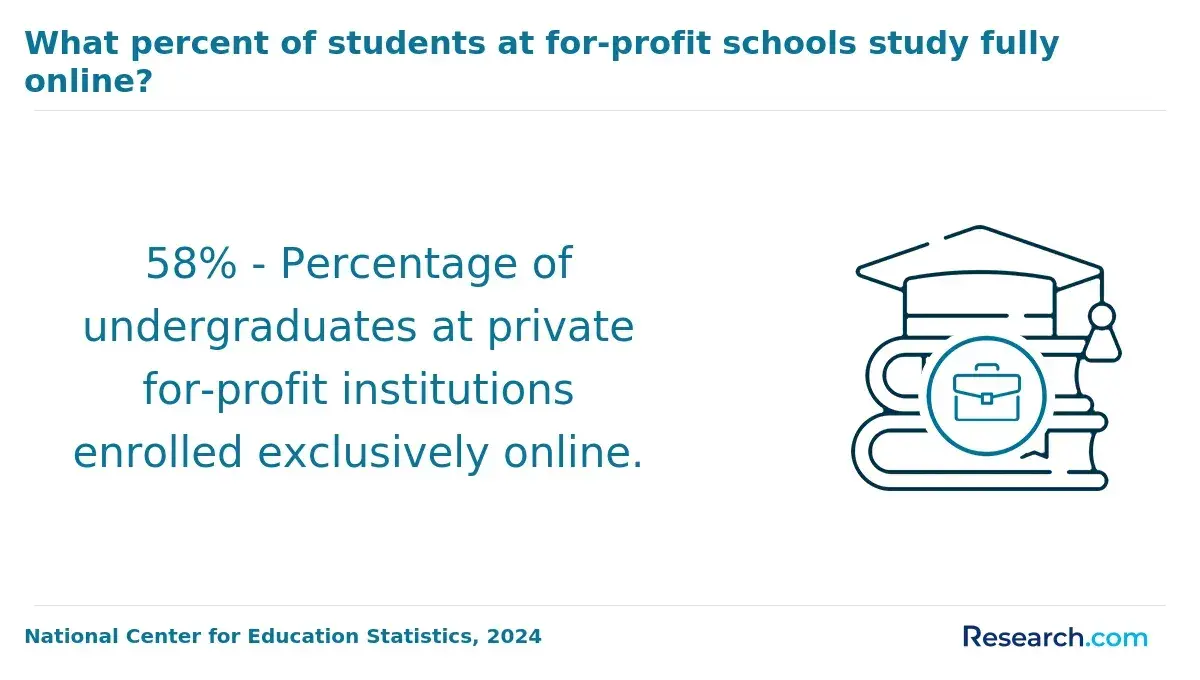
Recent data from the U.S. Department of Education's College Scorecard highlights notable disparities in federal student loan repayment rates within three years of leaving school for art studies graduates who attended public versus private institutions. Approximately 58% of graduates from public universities show repayment progress within this timeframe, compared to around 43% from private nonprofit colleges.
These figures suggest systemic differences in financial outcomes tied to institutional sector rather than individual borrower behavior alone, reflecting broader trends in borrowing and employment dynamics that affect early repayment capability.
The variance in repayment rates stems from several interrelated structural factors. Public institutions generally charge lower tuition, leading to more manageable borrowing levels and smaller debt burdens for art studies students. Conversely, private colleges often have higher tuition fees, resulting in larger loan balances that create greater repayment strain relative to graduate earnings, which are frequently modest within creative fields.
Additionally, the instability of income in art-related professions disproportionately impacts those with heavier debt loads, intensifying the challenge of timely loan amortization. Institutional resources and support programs that assist graduates in managing debt also tend to be more prevalent at public universities, potentially improving outcomes by mitigating repayment risk.
These repayment disparities carry significant implications beyond short-term financial metrics. Graduates facing prolonged repayment stress may experience reduced financial mobility, delaying wealth accumulation and influencing future borrowing decisions. Furthermore, repayment performance increasingly informs perceptions of academic program value and institutional accountability, influencing policy discussions around funding equity and student support.
Understanding how borrowing, earnings, and institutional context intertwine in art studies programs is essential for assessing the true cost and benefit balance that shapes long-term educational and economic trajectories for graduates across sectors.
Do Online Art Studies Graduates Have Different Repayment Outcomes Than Campus-Based Students?
Repayment rates for graduates of public versus private institutions offering art studies degrees reveal distinct patterns shaped by differences in borrowing behavior and institutional finances.
According to recent data from the National Center for Education Statistics and the U.S. Department of Education's College Scorecard, public university graduates typically demonstrate higher loan repayment rates, with figures nearing 45% within five years of repayment initiation, compared to roughly 30% for private institution graduates particularly involved in online programs.
These statistics reflect more than simple institutional types; they underscore how varied student loan repayment trends emerge from differing average debt levels and the subsequent ability to manage monthly student loan payments for online versus campus art studies graduates.
Key factors driving these repayment disparities include tuition pricing, borrowing amounts, and post-graduation earnings that differ substantially between sectors. Public institutions generally offer lower tuition rates and stronger financial aid packages, which reduce average student debt and the subsequent financial strain after graduation.
Furthermore, public university graduates often benefit from broader employer networks and more stable wage opportunities in creative fields, factors that enhance their repayment capacity. In contrast, private institutions, especially those emphasizing online delivery, tend to carry higher tuition and borrowing levels, while graduates face more precarious employment situations common in artistic careers, intensifying repayment risk and debt-to-income challenges.
These structural differences have broader implications for long-term financial mobility and institutional accountability in art education. Graduates burdened by higher debt and lower repayment rates may experience greater repayment stress, influencing perceptions of program value and impacting decisions around institutional choice.
As student loan repayment remains a critical factor in assessing the fiscal sustainability of art studies pathways, prospective students must weigh these financial realities carefully, especially when considering flexible but potentially riskier options such as online formats.
For individuals exploring accelerated credentials that balance time and cost, alternatives like a master degree in 6 months may represent a different approach worth investigating.
Which Industries Provide the Best Financial Return Relative to Borrowing Costs?
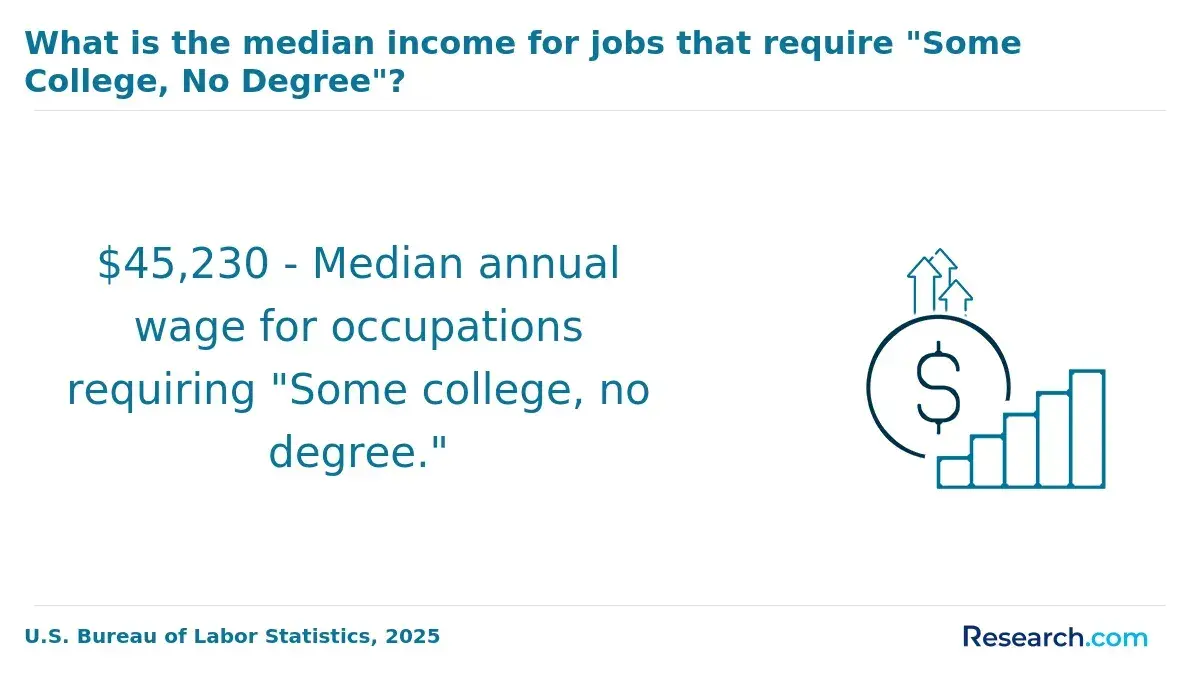
Financial return on art studies degrees varies widely depending on the industry into which graduates enter, reflecting differences not only in salary levels but also in debt burdens and career trajectory. With median borrowing between $25,000 and $40,000 reported by the National Center for Education Statistics in 2024, assessing return on investment means weighing both income growth and repayment capacity.
Industries that combine accelerating hiring demand with above-average starting wages tend to offer stronger ROI, helping offset the challenges posed by typical student loan debt in this field.
- Technology and UI/UX Design: Careers focused on user interface and user experience design within tech firms show robust demand and salary growth, with median wages nearing $78,000 according to the U.S. Bureau of Labor Statistics. Faster career progression and stable employment in these roles contribute to a more manageable debt-to-income ratio compared to traditional arts careers.
- Advertising and Marketing Agencies: Employers here increasingly value multimedia and digital storytelling skills, creating opportunities for art graduates with digital proficiencies. Income volatility is often lower than freelance art paths, providing steadier loan repayment potential despite varied entry-level salaries.
- Corporate Product and Branding Design: Positions linked to branding and product development typically offer mid-to-high salary ranges and benefit from structured career advancement. These roles tend to sustain financial stability, which plays a critical role in amortizing student debt over time.
- Animation and Video Game Development: The entertainment software sector often commands competitive pay scales with expanding demand, enabling quicker recovery of education costs for graduates. However, industry volatility necessitates careful consideration of employment stability and contract work prevalence.
- Digital Content Creation for E-commerce and Social Media: Specialized roles in this area leverage data-driven creativity and benefit from high demand in commercial sectors. While earnings can be uneven, established creators working within companies can maintain consistent income streams supporting loan repayment.
Does Student Debt Affect Which Jobs Art Studies Graduates Accept?
Graduates entering the art studies field often face a stark imbalance between student debt burdens and entry-level earnings, which directly shapes their initial job acceptance decisions. With approximately 60% of recent art and design graduates carrying an average debt around $30,000, monthly loan repayments can consume a significant share of modest creative sector incomes.
This financial pressure encourages many to prioritize positions offering reliable salaries over those aligned closely with artistic passions, especially since freelance or gig roles typically lack steady income and benefits. The necessity to manage debt often limits risk-taking, pushing graduates toward sectors or roles that may diverge from their original career intentions to ensure consistent cash flow and meet lender expectations.
Behavioral patterns among art studies graduates vary notably by debt level, with high-debt individuals demonstrating more constrained job mobility and heightened sensitivity to geographic and sector-based wage differences. Those with lower or no debt maintain greater freedom to pursue niche or startup opportunities within creative industries, while those with larger obligations tend to select roles in related but financially stable markets or relocate to regions with better employment prospects.
Long-term career planning also reflects these divides, as heavier burdens prompt accelerated shifts toward positions that offer benefits and advancement potential rather than prolonged artistic experimentation. The Federal Reserve's 2024 findings reveal nearly half of fine arts graduates delay or forgo preferred sector jobs due to financial concerns, highlighting how repayment demands embed a pragmatic filter into early career trajectories.
One art studies graduate described applying to several gallery assistant roles while waiting on responses from freelance artist platforms but hesitated to commit fully until loan repayment statements arrived. Balancing rolling admissions for various art residencies against looming debt reduced their flexibility, ultimately forcing a quicker acceptance of a salaried administrative position within a museum.
This choice, made under financial duress, provided some relief from repayment stress but delayed their preferred creative pursuits and introduced uncertainty about when they might re-enter the more artistically focused job market. Their experience underscores how timing and financial obligations intersect to shape opportunity costs and decision urgency for many entering the arts workforce.
What Factors Increase Student Loan Repayment Risk for Art Studies Graduates?
Student loan repayment risk for art studies graduates is shaped by a complex interplay of financial, academic, and labor market conditions rather than one isolated factor. Repayment challenges arise primarily as a function of debt accumulation combined with the unpredictability of post-graduation income stability.
Understanding these dynamics is critical for assessing why certain graduates face elevated repayment vulnerabilities, influenced by both borrowing behavior and the economic realities of art-related careers.
- Income Variability and Employment Instability: Many art studies graduates rely on gig-based, freelance, or part-time opportunities where income fluctuates widely. This volatility hinders consistent loan repayments and reduces the buffer needed to absorb unexpected expenses or interest accruals. Employment instability is compounded by lower full-time salaried position rates compared to other fields, intensifying financial strain.
- High Debt Relative to Earnings: With median annual incomes near $35,000 and average student loan debt around $30,000 according to the U.S. Department of Education (2024), the limited income-to-debt ratio constrains repayment capacity. High borrowing levels combined with modest earnings limit the ability to manage loan obligations, especially as interest rates increase or repayment terms tighten.
- Delayed Income Stabilization: Many graduates experience multi-year lags before reaching sustainable income, as building professional networks and portfolios in art studies often takes considerable time. This delay interacts with repayment schedules, increasing risk of default for those lacking access to flexible or income-driven repayment options.
- Institutional and Geographic Cost Differences: Variances in program costs and local cost of living further complicate repayment scenarios. Graduates from higher-cost institutions or those residing in expensive urban centers face disproportionately higher financial burdens, reducing disposable income available for debt servicing.
These factors illustrate why student loan repayment risk factors for art studies graduates frequently hinge on program type and demographic variables, affecting long-term financial outcomes. For students weighing advanced education options, it's worthwhile to compare program formats carefully. For example, an online masters in history could provide lower-cost alternatives with differing repayment profiles.
How Can Art Studies Students Reduce Student Loan Debt While Earning Their Degree?
Reducing student loan debt as an art studies student demands proactive planning and strategic decision-making throughout the academic journey. It involves a combination of financial awareness, academic efficiency, and leveraging institutional resources to curb borrowing needs.
Thoughtful enrollment choices and targeted financial aid optimization also play crucial roles in diminishing long-term debt burdens. Incorporating work-study opportunities relevant to art disciplines can further offset costs, improving overall affordability.
- Accelerate Degree Completion - Shortening the time to graduation through credit for prior learning or portfolio assessments limits tuition accumulation and loan interest costs. Faster completion reduces exposure to additional terms of enrollment fees, directly lowering overall borrowing amounts.
- Leverage Part-Time and Summer Courses - Taking courses during summer sessions or opting for part-time enrollment allows students to pace their studies while maintaining income from related work. This approach helps balance living expenses without increasing semester-based tuition charges substantially.
- Apply Strategically for Scholarships and Grants - Prioritizing need-based aid and art-specific scholarships, including those from regional arts councils and private foundations, can significantly reduce reliance on loans. Targeted financial aid often aligns with major or portfolio strengths, enhancing award success rates.
- Work in Art-Related Fields - Engaging in freelance or part-time roles such as graphic design, illustration, or teaching art workshops creates supplementary income streams. Given the flexible scheduling of many art gigs, this strategy is realistic during academic semesters and lowers borrowing needs.
- Choose Affordable Institutions with Transfer Pathways - Starting at community colleges or low-cost public schools with strong art transfer options can cut total program costs by up to 40%. This institutional choice markedly reduces cumulative loan debt in comparison to enrolling directly in expensive private art schools.
- Seek Paid Internships and Apprenticeships - Beyond experience gains, paid positions in the art sector provide financial support that offsets education expenses. Apprenticeships also build professional networks contributing to employment prospects post-graduation.
- Avoid Excessive Borrowing for Non-Essential Expenses - Maintaining focus on educational outcomes means distinguishing between necessary expenditures and discretionary spending. Excessive borrowing for unrelated costs increases debt without improving career viability.
Approximately 65% of fine arts graduates carry loans averaging $27,000, underscoring the importance of these approaches. Students who understand art studies student loan debt reduction strategies and how art studies students can minimize borrowing costs must consider multi-faceted financial planning.
How Should Prospective Students Evaluate Borrowing Risk Before Enrolling?
Evaluating borrowing risk before enrolling in an art studies degree is critical to understanding the long-term financial impact of student debt. This evaluation centers on balancing total anticipated debt against realistic post-graduation earnings in a field known for fluctuating income and non-linear career paths.
Since about 45% of art studies bachelor's graduates secure full-time employment in related roles within a year, assessing debt against probable employment outcomes and repayment capacity is essential for responsible borrowing decisions.
- Program Cost and Net Borrowing Amount: Analyze total tuition, fees, and living expenses, including the cost of an MFA online, alongside expected financial aid to estimate the actual debt burden. Lowering upfront borrowing reduces risk by minimizing monthly repayment obligations relative to income.
- Post-Graduation Employment Rates: Evaluate institution-specific graduate employment statistics in relevant art sectors. Higher employment rates correlate directly with a greater ability to manage debt and avoid default.
- Median Salary Benchmarks: Research median incomes for graduates in your geographic area and specialty to gauge realistic repayment potential. A prudent rule is to keep monthly loan payments under 10-15% of net income.
- Repayment Flexibility and Default Rates: Investigate historic program default rates and the availability of income-driven repayment plans that adjust based on actual earnings, providing critical safety nets.
- Career Support and Internship Opportunities: Programs with robust placement services and practical experiences often improve job prospects, directly affecting debt repayment feasibility.
- Long-Term Career Trajectory and Income Variability: Consider fluctuations common in art careers; plan for periods of irregular income by stress-testing budget models and emergency savings against debt service obligations.
- Total Debt Relative to Expected Lifetime Earnings: Contextualize borrowing within a long-term financial plan, recognizing that excessive debt compared to earning capacity jeopardizes financial stability beyond graduation.
References
- Average Student Loan Debt [2025]: by Year, Age & More https://educationdata.org/average-student-loan-debt
- The Long-Term Effects of Student Loans | ACE Blog https://ace.edu/blog/the-long-term-effects-of-student-loans/
- Frequently Asked Questions About the One Big Beautiful Bill Act https://www.naicu.edu/policy-advocacy/advocacy-resources/reconciliation-advocacy-center/frequently-asked-questions-about-the-one-big-beautiful-bill-act/
- How to Manage Student Loan Debt https://www.prevail.bank/blog/post/how-to-manage-student-loan-debt
- The Student Loan Timeline for Master's Students https://www.onlinemastersdegrees.org/financial-aid/student-loan-timeline/
- The Impact of Student Debt on the Low-Wage Workforce https://workrisenetwork.org/working-knowledge/impact-student-debt-low-wage-workforce
Other Things You Should Know About Art Studies Student Debt
Art studies programs differ widely in intensity, length, and practical training components, with some emphasizing portfolio development while others focus more on art history or theory. Programs with heavier studio or hands-on workloads often extend time to graduation or push students toward additional courses, which can increase borrowing. This extended duration raises monthly repayment obligations and risk, especially if the program's career pathways offer limited immediate income. Prospective students should weigh program design against potential earning windows to minimize repayment stress after graduation.
Given the gig-based nature of many art careers, monthly income can fluctuate significantly, making fixed loan payments challenging. It is advisable for art studies graduates to prioritize flexible repayment plans linked to income or to build substantial emergency savings to buffer inconsistent earnings. Rigid repayment schedules without such financial cushions increase default risk and credit damage. Tailoring repayment based on irregular pay cycles can protect long-term financial stability.
Employers in many creative fields value portfolios, internships, and proven skills over formal credentials, which complicates the decision to take on substantial debt for advanced degrees. When high tuition costs do not correlate with demonstrable career advancement or salary increases, the tradeoff may not justify borrowing more. Graduates should critically assess whether additional debt will translate into tangible workplace advantages or if building experience through apprenticeships or entry roles might be more cost-effective.
High monthly loan payments reduce disposable income available for continuing education, workshops, or participation in exhibitions and creative communities, which are crucial for career growth in art fields. This financial constraint can stall skill enhancement and limit important professional connections, prolonging entry into higher-paying opportunities. Graduates should prioritize repayment plans that preserve some discretionary income to maintain career momentum rather than opting for maximum monthly payments that risk stagnating professional development.