
2027 Best Accounting Schools in Mississippi – How to Become a CPA in MS

Co-Founder and Chief Data Scientist
Choosing an accounting school in Mississippi is no longer just a question of picking a nearby business program. The accounting talent pipeline has tightened: the latest AICPA report cited here shows that accounting degree completions have fallen by approximately 10% since 2015, while CPA exam participation has dropped by around 34% between 1990 and 2024. For students, that creates both pressure and opportunity. Employers still need accountants who can handle tax rules, audits, compliance, financial reporting, and increasingly, data-driven decision-making.
This guide explains how to compare accounting schools in Mississippi, what it takes to become an accountant or CPA in the state, how long the education path usually takes, what costs to expect, and which program features matter most. It is designed for high school students, transfer students, working adults, graduate applicants, and career changers who want a practical way to evaluate accounting programs before committing time and money. For a broader career roadmap, you can also review Research.com’s guide on how to become an accountant in Mississippi.
Best Accounting Schools in Mississippi Table of Contents
- Is accounting a strong career choice in Mississippi?
- Steps to become an accountant in Mississippi and prepare for CPA licensure
- How long accounting programs take in Mississippi
- Tuition, fees, and other accounting degree costs
- Accounting schools in Mississippi for 2027
- How to evaluate an accounting program in Mississippi
- Technology skills accounting students should build
- When an accounting graduate certificate makes sense
- Industry-specific accounting opportunities in Mississippi
- Using interdisciplinary credentials to expand a finance career
- Choosing a business school for accounting success
- Is a master’s degree in accounting worth it in Mississippi?
- How technology is changing accounting practice
- Mississippi CPA licensing and regulatory issues
- How teaching can complement an accounting career
- Why networking matters for accounting graduates
- How forensic science can support accounting work
- Other finance-oriented career paths in Mississippi
- Accounting degree ROI in Mississippi
- Urban development and financial strategy in Mississippi
- Legal knowledge that strengthens accounting practice
Quick Answer: What Should You Look for in the Best Accounting Schools in Mississippi?
The best accounting school in Mississippi is usually the one that combines recognized accreditation, a curriculum aligned with CPA exam expectations, strong internship access, experienced accounting faculty, and support for meeting Mississippi’s 150-credit CPA education requirement. Students who want public accounting should pay especially close attention to CPA preparation, auditing and taxation coursework, internship pipelines, and whether the school offers a bachelor’s-to-master’s pathway.
If your goal is not CPA licensure, the right program may look different. Corporate accounting, government accounting, financial analysis, healthcare finance, and forensic accounting roles may place more value on software skills, data analytics, industry exposure, and applied projects than on a traditional CPA-centered sequence.
Is accountancy a good job in Mississippi?
Accounting remains a practical career option in Mississippi because organizations of every size need accurate financial records, tax preparation, payroll controls, budget planning, audit support, and compliance oversight. The state’s economy includes agriculture, manufacturing, healthcare, education, government, small businesses, and professional services, all of which rely on accounting expertise.
The CPA credential can also carry career value. Among CPAs cited in the original source material, 97% pointed to career advancement opportunities, 96% cited stronger marketability, 91% noted higher-than-average salary potential, and 92% identified job stability as reasons for pursuing the designation. As of 2025, the average Mississippi accounting salary is approximately $76,500, based on data from the U.S. Bureau of Labor Statistics.
The key point for students is this: accounting can be stable, but outcomes vary. Salary, mobility, and advancement depend on your degree level, CPA eligibility, internships, technical skills, employer type, and willingness to continue learning after graduation.
| Student Goal | Best-Fit Accounting Path | Why It Makes Sense |
| Become a CPA | Bachelor’s degree plus enough additional credits to reach 150 credit hours | Mississippi CPA eligibility requires more coursework than a standard four-year degree usually provides. |
| Work in corporate accounting | Bachelor’s in accounting or business with accounting concentration | Employers often value financial reporting, Excel, ERP, budgeting, and internal controls experience. |
| Move into leadership | Master’s in accounting, MBA with accounting focus, or CPA pathway | Advanced credentials can support management, controller, audit manager, or advisory roles. |
| Specialize in fraud or investigations | Accounting degree plus forensic accounting coursework | Fraud examination, audit evidence, legal procedure, and data review skills are especially useful. |
What are the steps to becoming an accountant in Mississippi?
Most students begin by earning a bachelor’s degree in accounting or a closely related business field from an accredited institution. A bachelor’s degree is the common entry point for staff accountant, audit associate, tax associate, budget analyst, and corporate accounting roles. Students who plan to become CPAs often continue into a master’s program or add credits through approved upper-level coursework.
Professional certification is not mandatory for every accounting job, but it can improve long-term career options. The CPA is the best-known credential for public accounting, audit, tax, and many leadership roles. Mississippi’s professional certification pathway includes at least 150 credit hours of college coursework, one to two years of supervised accounting experience, and successful completion of all four sections of the Uniform CPA Exam.
Relevant work experience matters almost as much as coursework. Internships, part-time bookkeeping roles, tax-season work, campus accounting jobs, government finance internships, and entry-level positions can help students build a resume before graduation. Joining groups such as the Mississippi Society of Certified Public Accountants can also help students meet employers, learn about local hiring needs, and find mentors.
After licensure, CPAs must keep learning. Mississippi accounting professionals who hold a license are expected to complete continuing education so they stay current with regulatory changes, ethics expectations, tax updates, and professional standards.
| Step | What to Do | Decision Tip |
| 1. Choose an accredited program | Select an accounting or business program with recognized accreditation and CPA-relevant coursework. | Ask whether graduates meet Mississippi CPA education requirements or need extra credits. |
| 2. Complete core accounting courses | Study financial accounting, managerial accounting, auditing, taxation, business law, and information systems. | Prioritize programs that include data analytics and accounting technology. |
| 3. Build experience early | Use internships, seasonal tax work, or campus jobs to gain applied accounting experience. | Employers often prefer graduates who have already worked with real financial records. |
| 4. Plan for CPA eligibility | Map your credits toward the 150-credit requirement if CPA licensure is your goal. | A five-year bachelor’s-to-master’s track may be more efficient than adding credits later. |
| 5. Prepare for exams and licensure | Complete CPA exam preparation, supervised experience, ethics-related requirements, and continuing education. | Confirm requirements directly with the state board because rules can change. |
Accounting Program Length in Mississippi
The time needed to become an accountant in Mississippi depends on your credential goal. A bachelor’s degree generally takes about four years of full-time study. Transfer credits, summer terms, dual enrollment, and accelerated course loads may shorten that timeline, while part-time enrollment may extend it. Students comparing options should review the types of accounting degrees offered by the school before deciding whether a bachelor’s, master’s, certificate, or combined pathway fits best.
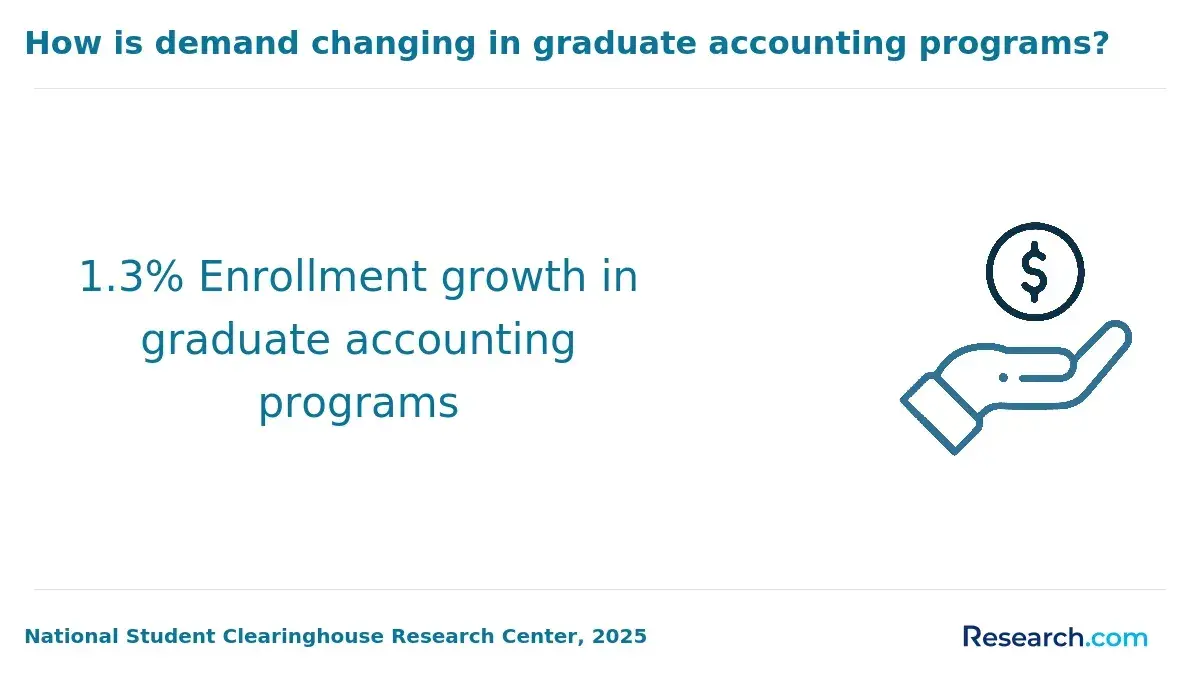
In 2024, accounting graduates declined by 3.3% at the baccalaureate level and approximately 15% at the master’s level. That trend makes program choice more important because students need schools that can provide strong advising, internship access, and a clear path to the credentials employers still value.
Students pursuing the CPA generally need additional time beyond the bachelor’s degree because Mississippi requires 150 credit hours and one to two years of supervised accounting experience. Some students use a master’s degree in accounting, taxation, or business administration to reach the required credit threshold and deepen their technical knowledge. Others add approved coursework without completing a full graduate degree. For students interested in specialization, advanced study can also lead to more advanced qualifications.
In practical terms, the route from first college enrollment to CPA licensure may take four to seven years or more, depending on your course load, work experience timeline, exam preparation, and state-specific requirements.
| Path | Typical Time Commitment | Best For |
| Bachelor’s degree in accounting | About four years of full-time study | Students seeking entry-level accounting, tax, audit, or corporate finance roles. |
| Bachelor’s plus added credits | Four years plus additional coursework | CPA-focused students who do not want a full master’s degree. |
| Bachelor’s-to-master’s pathway | Often five years, depending on structure | Students who want to reach 150 credits while earning a graduate credential. |
| Master’s degree after bachelor’s | An additional one to two years | Career changers, future CPAs, and students targeting specialized or leadership roles. |
Tuition and Costs of Accounting Programs in Mississippi
Accounting degree costs vary by institution type, residency status, degree level, delivery format, and how many credits you need. According to the National Center for Education Statistics data cited in the original article, the annual cost of college for an in-state student in a four-year degree averages $28,950, while private university attendance costs approximately $59,600.
At Mississippi public institutions, in-state tuition and fees may range from a few thousand dollars per year at community colleges to around $8,000 to $10,000 per year for a bachelor’s program at a four-year university such as Mississippi State University. Out-of-state students at public universities often pay more, with tuition and fees commonly ranging from around $24,000 to $30,000 or more per year for a bachelor’s degree program. Private accounting schools in Mississippi may charge around $20,000 to $35,000 or more per year for undergraduate programs.
Students should compare more than tuition. Books, exam preparation, CPA review materials, technology fees, commuting, housing, internship location, transfer-credit acceptance, and the number of extra credits needed for CPA eligibility can all affect total cost. Mississippi accounting scholarships, institutional aid, employer tuition assistance, and community college transfer pathways may help reduce out-of-pocket expenses.
| Cost Factor | Why It Matters | Question to Ask |
| Residency status | In-state and out-of-state rates can differ significantly at public universities. | What documentation is needed to qualify for in-state tuition? |
| CPA credit planning | CPA candidates need 150 credit hours, which may add tuition costs. | Does the program include a cost-efficient plan to reach 150 credits? |
| Transfer policy | Accepted credits can reduce both time and tuition. | How many community college or prior-learning credits will apply to the accounting major? |
| Online versus campus delivery | Online programs may reduce commuting costs but can include technology fees. | Are online students eligible for the same advising, internships, and career services? |
| CPA exam preparation | Review courses and exam fees can add to total investment. | Does the school provide CPA review support or discounts? |
Accounting Schools in Mississippi for 2027
Research.com reviewed accounting schools in Mississippi with attention to academic offerings, career preparation, CPA alignment, institutional credibility, and practical learning opportunities. The schools below can serve different types of students, from traditional undergraduates to future CPAs and working adults. In a 2024 survey cited in the source material, 86% of CPAs strongly agreed that the CPA designation opens more opportunities, while 90% said the credential adds significant credibility in a corporate setting.
1. The University of Mississippi
The Patterson School of Accountancy at the University of Mississippi offers nationally recognized accounting programs, including the bachelor of accountancy, master of accountancy, and master of taxation. Its internship model is designed to give students applied accounting experience while also helping them connect with potential employers.
The Patterson School typically places well over 200 students in internships with firms and businesses across the United States. The school is accredited by the Association to Advance Collegiate Schools of Business (AACSB), an important signal for students who want a business program with recognized quality standards.
2. Mississippi State University
The Richard C. Adkerson School of Accountancy at Mississippi State University serves both campus-based and online learners through programs such as the bachelor in accountancy, accounting minor, master of professional accountancy (MPA), and master of taxation (MTX).
The curriculum combines broad business education with specialized accounting preparation. Students encounter topics tied to financial reporting, taxation, information technology, government controls, and business decision-making. The program is accredited by AACSB International.
3. Belhaven University
The Bachelor of Science in Accounting at Belhaven University includes coursework in areas such as business taxation, forensic accounting, governmental accounting, operations management, and auditing. The program is structured to help students develop both technical accounting knowledge and practical business judgment.
Belhaven may be a good fit for students seeking entry-level accounting roles, internships, or preparation for graduate accounting study. Students can pursue internship opportunities with CPA firms and local businesses while completing their degree.
4. University of Southern Mississippi
The University of Southern Mississippi offers accounting through a Bachelor of Science in Business Administration. The degree gives students a business foundation while developing accounting skills that can support employment or graduate study.
The program emphasizes financial data analysis for business decisions. Students study accounting research, database use, communication, and industry-specific information technology. Internship participation and study-abroad options can add practical context to the classroom curriculum.
5. Mississippi College
The accounting program at Mississippi College is designed for students who want a strong grounding in accounting theory, applied accounting practice, and business communication. The broader business curriculum also supports critical thinking, teamwork, and writing.
Mississippi College offers pathways such as five-year accounting options, accounting MBA programs, and a master of accounting for students who want to complete an undergraduate degree and move quickly toward the 150 semester-hour requirement for CPA exam eligibility. Like many leading accounting schools in the state, the college is accredited by AACSB.
| School | Notable Accounting Options | Best-Fit Student |
| The University of Mississippi | Bachelor of accountancy, master of accountancy, master of taxation | Students seeking a highly structured accounting school with a large internship network. |
| Mississippi State University | Bachelor in accountancy, accounting minor, MPA, MTX | Students comparing campus and online accounting options with graduate pathways. |
| Belhaven University | BS in Accounting with taxation, forensic accounting, governmental accounting, and auditing coursework | Students who want practical accounting preparation with internship access. |
| University of Southern Mississippi | BSBA in accounting | Students who want accounting within a broader business administration framework. |
| Mississippi College | Accounting degree, five-year pathway, master of accounting, accounting MBA options | Students planning early for CPA credit requirements and graduate study. |
What to Look For in an Accounting Program in Mississippi
A strong accounting program should help you do more than complete credits. It should prepare you for the job market, support CPA eligibility if that is your goal, connect you with internships, and teach the technology tools now used in accounting departments and public accounting firms.
Start with accreditation. Look for business or accounting programs accredited by recognized organizations such as AACSB or the Accreditation Council for Business Schools and Programs (ACBSP). Accreditation does not guarantee employment, but it does show that a program has been reviewed against established academic standards.
Next, review the curriculum closely. A complete accounting major should include financial accounting, managerial accounting, taxation, auditing, accounting information systems, business law, ethics, and analytical coursework. A curriculum gap analysis report cited in the source material found that 74% of programs have made updates in response to CPA Evolution, and 63% have added instruction in data analytics.
If you are considering CPA licensure or specialized credentials, confirm that the program’s courses align with those goals. Students interested in fraud examination or investigative accounting may want to compare options such as a forensic accounting online degree.
Faculty credentials also matter. Professors with CPA experience, advanced degrees, audit or tax backgrounds, and industry connections can help students understand how accounting works beyond textbooks. Class size is another practical factor because smaller sections may allow more feedback on technical assignments and career planning.
Finally, ask about internships and job placement. Programs with employer relationships, accounting career fairs, alumni networks, and required experiential learning can give students an advantage when competing for Mississippi accounting jobs.
| Program Feature | Why It Matters | Red Flag |
| Accreditation | Signals that the school or business program meets external quality standards. | The school cannot clearly explain its accreditation status. |
| CPA planning | Helps students avoid credit gaps before applying for the CPA exam. | Advisors cannot map your path to 150 credit hours. |
| Internship access | Provides experience and employer connections before graduation. | Internships are optional but not supported by staff or employer partnerships. |
| Technology coursework | Modern accounting work uses data tools, cloud systems, ERP platforms, and automation. | The curriculum focuses only on manual accounting processes. |
| Career support | Resume coaching, interview preparation, and employer events can affect first-job outcomes. | Career services are generic and not connected to accounting employers. |
What technology skills are essential for accounting students in Mississippi?
Accounting students should graduate with more than debit-and-credit fluency. Employers increasingly expect accountants to work with software, analyze large datasets, protect sensitive records, and understand how automation changes workflows. Mississippi students can improve employability by building these skills before their first full-time accounting role.
- Accounting software: Tools such as QuickBooks, Xero, and Sage 50 help accountants maintain ledgers, organize transactions, reconcile accounts, and produce reports.
- Excel and analytics: Advanced Excel functions, pivot tables, lookup tools, macros, Tableau, and Microsoft Power BI support forecasting, reporting, and audit analysis.
- ERP systems: SAP, Oracle, and NetSuite are common in larger organizations that integrate accounting, procurement, inventory, and operations data.
- Tax software: Programs such as TurboTax and H&R Block can be useful for students interested in individual tax preparation or seasonal tax work.
- Cybersecurity awareness: Accountants handle confidential financial and identity data, so students should understand access controls, secure file handling, phishing risks, and data protection.
- Automation and RPA: UiPath, Automation Anywhere, and similar tools can reduce repetitive work in reconciliations, data entry, and transaction testing.
How can a graduate certificate boost your accounting career?
An accounting graduate certificate can be useful for professionals who need targeted graduate-level coursework but are not ready to commit to a full master’s degree. It may help career changers build accounting prerequisites, working accountants update technical knowledge, or CPA candidates add credits toward education requirements.
The best use of a certificate is strategic specialization. For example, a student or professional might focus on taxation, forensic accounting, financial analysis, audit analytics, or government accounting. Employers may view the certificate as evidence that the candidate is actively developing current skills, especially when the coursework is connected to a clear career goal.
Certificates can also be more flexible than degree programs. Many are offered online or in part-time formats, making them practical for accountants already working in healthcare, government, nonprofit finance, corporate accounting, or public accounting.
Industry-specific Accounting Opportunities in Mississippi
Mississippi accountants can build careers across several major sectors. Students should look for programs that offer projects, internships, electives, or faculty expertise connected to the industries they are most likely to enter after graduation.
- Agriculture and agribusiness: Accountants may support farm financial management, cost tracking, commodity-related reporting, tax planning, and subsidy-related documentation.
- Manufacturing and industry: Manufacturing employers need accountants who understand cost accounting, inventory controls, production budgets, tax incentives, and capital investment analysis.
- Healthcare and biotech: Hospitals, clinics, and health-related organizations rely on accountants for budgeting, reimbursement review, compliance reporting, and financial controls.
- Energy and utilities: Accountants may work on infrastructure budgets, energy production costs, environmental compliance expenses, and long-term investment planning.
- Small businesses and startups: Local businesses often need broad accounting support, including bookkeeping, payroll, tax preparation, cash-flow planning, and owner advisory services.
- Government and public sector: Public agencies need accountants for budgets, grant management, financial transparency, audits, and infrastructure-related spending oversight.
Students interested in specialized roles may benefit from certifications such as the Certified Management Accountant (CMA) or from flexible degree options such as a bachelor of accounting online.
How Can Interdisciplinary Certifications Enhance Your Financial Career in Mississippi?
Interdisciplinary credentials can make accounting skills more useful in specialized workplaces. A professional who understands accounting plus healthcare administration, compliance, data systems, or public policy may be better positioned for roles that require both financial judgment and industry knowledge.
Healthcare is one example. Accountants working with hospitals, clinics, insurance reimbursement, or medical business operations may benefit from learning how healthcare roles and regulations function. Exploring a related guide such as how to become a nurse practitioner in Mississippi can help finance professionals understand the education and workforce context of a major Mississippi employment sector.
Choosing the Right Business School for Accounting Success in Mississippi
A business school can shape more than your accounting transcript. It can influence the employers you meet, the internships you access, the alumni network available to you, and the way you understand business strategy, management, analytics, and operations.
Students comparing Mississippi business schools should first verify accreditation, especially AACSB accreditation when available. Then they should compare accounting faculty, internship placement, CPA exam support, employer relationships, graduate options, and technology-focused coursework.
Research.com’s guide to the best business schools in Mississippi can help students compare broader business education options. For accounting majors, the strongest business school is often the one that combines technical accounting depth with employer-facing experiences such as internships, applied projects, workshops, and alumni mentoring.
Practical experience is especially important. Schools that partner with local businesses, CPA firms, healthcare organizations, manufacturers, and public agencies can help students connect classroom concepts to Mississippi’s real financial environment.
Your Path to Becoming a CPA: The Best Accounting Schools in Mississippi
Becoming a CPA in Mississippi requires long-term planning. Students should choose an accounting school that helps them understand the 150-credit requirement, prepare for the Uniform CPA Exam, complete relevant coursework, and secure supervised experience.
The schools highlighted in this guide offer different strengths, from internship pipelines and graduate accounting programs to online flexibility and specialized coursework. Students interested in investigation-focused roles may also compare schools for forensic accounting. The right choice should match your career target, budget, schedule, and licensure plan—not just a school’s general reputation.
Is a Master’s Degree in Accounting Worth the Investment in Mississippi?
A master’s degree in accounting can be worth considering if it helps you reach CPA eligibility, qualify for specialized roles, or move toward leadership. Graduate programs may cover advanced taxation, audit, accounting analytics, financial reporting, regulation, and business strategy.
The investment is not automatically right for every student. Before enrolling, compare the cost of masters in accounting with your career goals, expected credential needs, employer tuition benefits, and whether a certificate or extra undergraduate credits could meet the same purpose at lower cost.
| Choose a Master’s Degree If... | Consider Another Option If... |
| You need credits to reach the 150-credit CPA threshold. | You already meet CPA education requirements and only need exam preparation. |
| You want graduate-level tax, audit, analytics, or advisory training. | Your target role only requires a bachelor’s degree and practical experience. |
| You are pursuing public accounting or future leadership roles. | You are unsure whether you want to remain in accounting long term. |
| You can reduce cost through scholarships, employer aid, or an accelerated pathway. | The program cost would require debt that is hard to justify for your expected role. |
How Are Emerging Technologies Transforming Accounting Practices in Mississippi?
Automation, artificial intelligence, cloud accounting, data analytics, cybersecurity, and blockchain concepts are changing how accountants work. Routine transaction processing is becoming more automated, while employers increasingly need professionals who can interpret data, test controls, identify risk, and explain financial insights to decision-makers.
Students should look for programs that teach accounting information systems, analytics, audit technology, cybersecurity basics, and cloud-based accounting tools. Technology is also creating overlap between accounting and other specialized administrative fields. For example, students researching healthcare finance may find it useful to understand how to be a medical coder in Mississippi, because coding, reimbursement, compliance, and financial reporting often intersect in healthcare organizations.
What Are the State-Specific Regulatory and Licensing Challenges for Aspiring Accountants in Mississippi?
CPA candidates in Mississippi must plan carefully around education credits, supervised experience, exam timing, ethics expectations, and continuing professional education. The most common mistake is assuming that a bachelor’s degree alone automatically satisfies every CPA requirement.
Because licensure rules can change, students should verify requirements directly with the Mississippi State Board of Public Accountancy and their academic advisor. Research.com’s guide to CPA requirements in Mississippi can help students understand the broader pathway, but official state guidance should always be the final source for licensing decisions.
How Can a Teaching Career Complement an Accounting Profession?
Some accounting professionals eventually move into teaching, training, tutoring, continuing education, or financial literacy roles. A practicing accountant can bring real-world tax, audit, budgeting, and compliance examples into the classroom, while teaching experience can strengthen communication and leadership skills.
This path may appeal to accountants who enjoy mentoring students, explaining complex rules, or building community financial literacy programs. If you are considering education as a parallel or second career, review what degree do you need to be a teacher in Mississippi so you can understand certification and education requirements before making a transition.
What Role Does Professional Networking Play in the Success of Accounting Graduates in Mississippi?
Networking can help accounting students find internships, hear about hiring cycles, understand CPA firm expectations, and connect with mentors. In a relationship-driven state labor market, professional connections can be especially useful for students entering public accounting, local government, healthcare finance, or small business advisory work.
Good networking is not simply collecting contacts. Students should attend accounting organization events, ask faculty about employer visits, join student business groups, participate in career fairs, and follow up professionally after interviews or informational conversations. Students who enjoy math, finance, and instruction may also explore education-related alternatives such as how to become a high school math teacher in Mississippi.
Could a Forensic Science Degree Complement Your Accounting Expertise?
Forensic accounting requires a mix of accounting knowledge, evidence handling, analytical thinking, fraud awareness, and legal sensitivity. While a forensic science degree is not required for most accounting roles, investigative training can strengthen a professional’s ability to examine records, document findings, and support fraud or compliance cases.
Students interested in fraud investigation, litigation support, corporate governance, or compliance may benefit from learning about investigative disciplines. A guide to a forensic science degree in Mississippi can help accounting students understand how evidence-based reasoning may complement financial analysis.
What Other Career Paths Are Available to Individuals Interested in Working in Financially Oriented Roles in Mississippi?
Not every student interested in money, data, or business operations needs to become an accountant. Related options may include financial analyst, budget analyst, payroll specialist, tax preparer, auditor, investment support associate, banking professional, financial planner, government finance worker, or business operations analyst.
Students who enjoy finance but also want to work in education can consider roles involving financial literacy, school administration support, or teaching. If you are comparing education careers, Research.com’s overview of elementary school teacher requirements in Mississippi may help you evaluate whether a teaching pathway better fits your goals.
What Is the ROI of an Accounting Degree in Mississippi?
The return on investment of an accounting degree depends on cost, time to completion, whether you graduate with debt, internship access, CPA eligibility, and the type of role you obtain after graduation. Mississippi students may improve ROI by using community college transfer credits, choosing in-state tuition when eligible, applying for scholarships, working part time in accounting-related roles, and selecting programs with strong employer connections.
Students planning graduate study should compare total program cost with the credential value. If affordability is the main concern, review options such as the cheapest online accounting masters degree and compare them against local Mississippi pathways, accreditation, CPA alignment, and employer recognition.
How Does Urban Development Influence Financial Strategies in Mississippi?
Urban development affects accounting and finance work by changing property values, tax revenue, infrastructure spending, public budgets, business expansion, and real estate investment decisions. Accountants who understand regional growth patterns can provide stronger budgeting, forecasting, and risk analysis for businesses, developers, municipalities, and nonprofit organizations.
Students interested in the financial side of city planning, infrastructure, and economic development may benefit from learning how planning decisions are made. Research.com’s guide on how to become an urban planner in Mississippi can provide useful context for accountants who want to work near real estate, public finance, or development strategy.
How Can Legal Expertise Enhance Accounting Practices in Mississippi?
Accounting and law often overlap. Tax work, audits, contracts, fraud investigations, compliance reviews, estate matters, business disputes, and regulatory filings all require careful attention to legal rules and documentation.
Accountants do not need to become lawyers to benefit from legal knowledge. Understanding legal terminology, evidence standards, contracts, and regulatory compliance can improve audit quality and risk management. Students interested in legal-administrative training may explore how to become a paralegal in Mississippi as a complementary path or secondary skill set.
Common Mistakes to Avoid When Choosing an Accounting School in Mississippi
- Choosing only by name recognition: A well-known school may not be the best fit if it lacks the schedule, cost structure, CPA support, or internship access you need.
- Ignoring CPA credit planning: Students who want the CPA should confirm how the program helps them reach 150 credit hours before they enroll.
- Looking only at tuition: Fees, housing, commuting, transfer credits, exam prep, and extra coursework can change the real cost of the degree.
- Assuming online and campus programs are identical: Ask whether online students receive the same advising, career services, internship support, and faculty access.
- Skipping accreditation checks: Accreditation can affect graduate admission, employer confidence, and professional preparation.
- Underestimating technology skills: Accounting roles increasingly require analytics, software, cybersecurity awareness, and systems knowledge.
- Waiting too long to find experience: Internships and part-time accounting jobs can make a major difference in first-job competitiveness.
Questions to Ask Before Enrolling in a Mississippi Accounting Program
| Question | Why It Matters |
| Is the business or accounting program accredited? | Accreditation helps you assess academic quality and credibility. |
| How does the program help CPA candidates reach 150 credit hours? | CPA planning can save time, money, and confusion after graduation. |
| What percentage of accounting students complete internships? | Internship access can influence job readiness and employer connections. |
| Which accounting software and analytics tools are taught? | Technology skills are now central to accounting work. |
| Are career services specific to accounting students? | Accounting recruiting has its own timelines, employers, and expectations. |
| Can transfer students apply previous credits to the major? | Credit transfer can reduce total cost and time to graduation. |
| Does the school offer graduate options in accounting or taxation? | Graduate pathways can help students meet CPA or specialization goals. |
Practical Next Steps for Prospective Accounting Students
- Define your target outcome: Decide whether you want CPA licensure, corporate accounting, government finance, tax work, audit, forensic accounting, or a broader business role.
- Check accreditation first: Shortlist schools with recognized business or accounting accreditation.
- Map the CPA route early: If CPA licensure is your goal, ask each school for a written plan showing how students reach 150 credit hours.
- Compare total cost: Include tuition, fees, living costs, transfer credits, exam preparation, and graduate coursework if needed.
- Look for applied learning: Prioritize programs with internships, employer events, accounting clubs, tax clinics, or applied projects.
- Build technology skills before graduation: Learn Excel, accounting software, data visualization, ERP basics, and cybersecurity fundamentals.
- Talk to current students and alumni: Ask how accessible faculty are, how internships are found, and which employers recruit from the program.
Related Articles for Nearby States
- 2027 Best Accounting Schools in Louisiana – How to Become a CPA in LA
- 2027 Best Accounting Schools in Alabama – How to Become a CPA in AL
- 2027 Best Accounting Schools in Arkansas – How to Become a CPA in AR
- 2027 Best Accounting Schools in Tennessee – How to Become a CPA in TN
- 2027 Accounting Schools in Florida – How to Become a CPA in FL
- 2027 Best Accounting Schools in Missouri – How to Become a CPA in MO
- 2027 Accounting Schools in Georgia – How to Become a CPA in GA
- 2027 Best Accounting Schools in Kentucky – How to Become a CPA in KY
- 2027 Accounting Schools in Texas: How to Become a CPA in TX
- 2027 Best Accounting Schools in Indiana – How to Become a CPA in IN
References:
- Association of International Certified Public Accountants (2021). 2021 Trends.
- National Association of State Boards of Accountancy (2021). NASBA 2021 Annual Report.
- Illinois Certified Public Accountant Society (2021). A CPA Pipeline Report: Decoding the Decline.
- Mississippi economic outlook. (2022). Mississippi Public Universities.
- National Center for Education Statistics (2022). Digest of Education Statistics.
Key Insights
- Accounting remains a practical Mississippi career path: Demand is supported by tax, audit, compliance, budgeting, healthcare, manufacturing, agriculture, government, and small business needs.
- CPA planning should start before enrollment: Mississippi CPA candidates need at least 150 credit hours, one to two years of supervised accounting experience, and passing scores on all four Uniform CPA Exam sections.
- Program fit matters more than reputation alone: Accreditation, internship access, CPA advising, faculty expertise, technology coursework, and total cost should drive your school comparison.
- Costs vary widely: Public, private, in-state, out-of-state, online, transfer, and graduate pathways can produce very different total costs, so compare the full degree plan rather than annual tuition only.
- Technology skills are now essential: Excel, accounting software, ERP systems, analytics platforms, cybersecurity awareness, and automation knowledge can help graduates compete in modern accounting roles.
- A master’s degree is useful when it serves a clear goal: It may be valuable for CPA credit completion, specialization, or leadership preparation, but students should compare it against certificates, added credits, and employer-supported education.
- The best next step is a written plan: Before enrolling, ask each school to show how its accounting program connects to your target job, CPA eligibility if needed, internship access, expected costs, and graduation timeline.
Other Things You Should Know About Becoming a CPA in MS
To become a CPA in Mississippi in 2027, candidates must complete 150 semester hours of education, pass the Uniform CPA Exam, and fulfill one year of supervised accounting work experience. The Mississippi State Board of Public Accountancy governs the licensure process.
Accounting degree programs in Mississippi often require courses in financial accounting, management accounting, taxation, auditing, and business law. Specific requirements can vary by school, but these core courses are usually essential to prepare students for the CPA exam and accounting careers.
Accountants in Mississippi can work in various sectors including public accounting, corporate finance, government, and non-profit organizations. CPAs in Mississippi often find opportunities in auditing, tax preparation, financial analysis, and consulting.
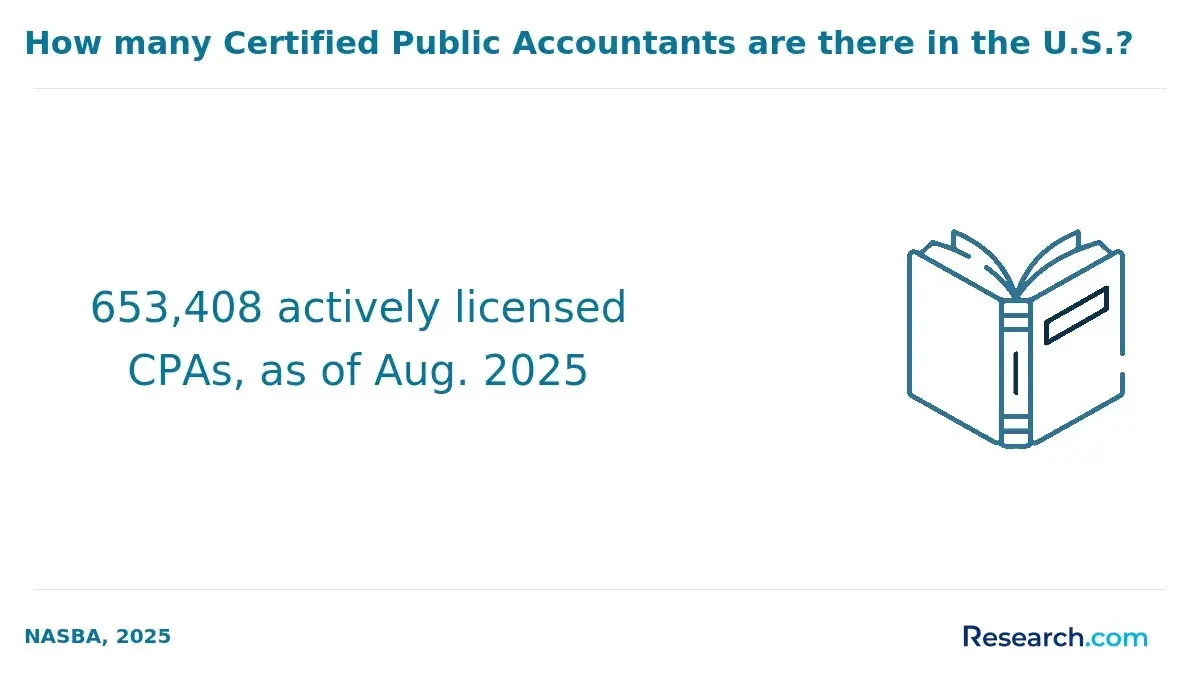
In 2027, accounting program costs in Mississippi can range from $10,000 to $50,000 annually, depending on the institution. Public universities typically offer lower tuition rates compared to private colleges. Students should also consider additional expenses like textbooks, materials, and living arrangements, which can vary based on personal circumstances and choices.
The Mississippi State Board of Public Accountancy issues CPA licenses in Mississippi. Applicants must meet the state education, exam, and experience rules before the board grants licensure, and the board also handles renewals, ethics standards, and enforcement of CPA regulations.


