2027 Best Business Schools in Mississippi – Accredited Colleges & Programs

Co-Founder and Chief Data Scientist
Choosing a business school in Mississippi is not just about finding a recognizable college name. It is a career decision: the right program can help you build management skills, qualify for entry-level business roles, prepare for an MBA, or move into higher-paying specialties such as finance, marketing, sales, operations, accounting, or entrepreneurship. The challenge is that Mississippi’s management job market is more selective than the national market. The U.S. Bureau of Labor Statistics projects managerial employment nationwide to grow 6.1% by 2034, while Mississippi’s management occupations are projected to grow at a slower 3.8% by 2030.
This guide is for students, career changers, and working adults comparing business schools in Mississippi. You will learn whether management is a strong career path in the state, how long business degrees take, what programs may cost, which schools offer business programs, how to evaluate accreditation and concentrations, and what practical questions to ask before enrolling. You will also find related career options through Research.com’s guide to business career paths.
Guide to Business Schools in Mississippi: Contents
- Quick answer: Is management a strong career choice in Mississippi?
- How long business programs take in Mississippi
- Business degree tuition and cost factors in Mississippi
- Scholarships for Mississippi business students
- Mississippi schools with business programs for 2027
- How to choose a business program in Mississippi
- How wellness and nutrition can support managers
- Online business administration programs and career growth
- Psychology skills for stronger leadership
- Business majors with stronger earning potential
- Interdisciplinary certifications for managers
- Trends shaping business education in Mississippi
- Legal issues Mississippi managers should understand
- Why accounting matters in business management
- Forensic science skills and risk management
- Technology trends in Mississippi business management
- Related career paths that pair well with business management
- Industry licensure knowledge for managers
- Social work principles and ethical leadership
Quick Answer: Are Business Schools in Mississippi Worth Considering for Management Careers?
Yes, a business degree from an accredited Mississippi school can be a practical route into management, but students should choose carefully. Mississippi’s lower cost of living can make business salaries stretch further, yet statewide management growth is more modest than the national projection. The strongest fit is usually for students who select a program with recognized accreditation, relevant concentrations, internship access, employer connections, and clear transfer or graduate-school pathways.
Business administration degree holders in Mississippi can earn between $22 and $46 an hour locally, according to the cited salary source. The state also has a living wage of $15.42 per hour and a cost of living index of 85.30 compared with the national average of 100, which can make mid-level and senior business roles financially attractive for graduates who stay in Mississippi.
Is a Managerial Career a Good Option in Mississippi?
Management can be a solid career goal in Mississippi, especially for students who target higher-demand functions such as finance, operations, sales, and marketing. Managers plan work, coordinate teams, allocate resources, solve operational problems, and make decisions that affect revenue, customer satisfaction, and employee performance.
The opportunity is not equal across every management title. Some roles are projected to grow faster than others, and pay can vary sharply by industry, employer size, experience, and location. Before choosing a major, students should compare the management functions they are most interested in rather than assuming that all business degrees lead to the same outcomes.
Management Roles to Compare in Mississippi
| Management role | What the role usually focuses on | Mississippi wage and growth figures cited in the article |
| Financial Managers | Budgeting, forecasting, investment decisions, financial reporting, and long-range financial planning. | Mean wage of $59.42 per hour; local demand projected to grow 15% through 2034. |
| Marketing Managers | Brand strategy, advertising, digital campaigns, market research, and customer acquisition. | Mean hourly wage of $39.55; in-state demand projected to grow 9.3%. |
| General and Operations Managers | Daily operations, staffing, process improvement, productivity, vendor coordination, and performance goals. | Mean of $32.65 per hour; demand projected to grow 8% within the state. |
| Sales Managers | Sales strategy, revenue targets, customer pipelines, sales team coaching, and account performance. | Mean salary of $49.51 per hour; local demand projected to grow 6.3% throughout the decade. |
The following comparison table reflects the role, hourly wage, and job-growth figures presented in the source material. Because labor-market datasets can change by release year and occupational definition, students should verify the most recent figures with the U.S. Bureau of Labor Statistics and Projections Central before making enrollment or relocation decisions.
| Role | Hourly wage | Job growth 2024 - 2034 |
| Financial Managers | $59.42 | 15% |
| Marketing Managers | $55.07 | 7% |
| General and Operations Managers | $54.11 | 4.4% |
| Sales Managers | $61.70 | 5% |
Strong performers can also move from first-line or department management into senior leadership. Chief Executives are listed among Mississippi’s highest-paid professionals in the cited data, with an average annual salary of $155,210. That outcome is not guaranteed by a degree alone; it usually requires years of measurable results, leadership experience, industry knowledge, and professional networks.
Who Should Choose a Business Program in Mississippi?
- Students who want broad career flexibility. Business programs can lead to roles in operations, banking, finance, retail management, sales, marketing, human resources, real estate, insurance, and entrepreneurship.
- Working adults seeking promotion. A bachelor’s degree or MBA can help professionals formalize their experience and qualify for roles that require a degree.
- Cost-conscious students. In-state public options can be significantly less expensive than private or out-of-state options.
- Students who want to work locally. Mississippi schools may offer regional employer relationships, internships, and alumni networks that are useful for in-state careers.
Who May Want a Different Path?
- Students who need a licensed career immediately after graduation. Business management is not typically a licensure-based field, so career outcomes depend heavily on experience, internships, skills, and employer demand.
- Students who dislike quantitative work. Even general business roles often require comfort with budgets, spreadsheets, metrics, and performance data.
- Students who expect a degree alone to secure a management title. Many graduates begin in analyst, coordinator, associate, sales, customer service, or operations roles before supervising teams.
How Long Do Business Programs Take in Mississippi?
The timeline depends on the credential. Most students spend two to four years in undergraduate business study, while MBA students may finish in one to two years full time or take longer part time. Internships, transfer credits, accelerated formats, and online enrollment can also affect the timeline.
| Business pathway | Typical length | Best for | Common next step |
| Associate’s degree in business | Two years | Students seeking a lower-cost start, transfer pathway, or entry-level office role. | Administrative assistant, customer service associate, executive assistant, or transfer to a bachelor’s program. |
| Bachelor’s degree in business | Four years | Students who want broad preparation for entry-level business and future management roles. | Business analyst, sales representative, operations coordinator, management trainee, or graduate study. |
| Undergraduate internship | 10 weeks to four months | Students who want practical experience and employer contacts before graduation. | Full-time job search, return offer, or specialized internship. |
| Master of Business Administration | One to two years full time; three to four years part time | Professionals aiming for advancement, specialization, leadership roles, or career change. | Senior manager, director, consultant, entrepreneur, or executive-track role. |
- Associate’s degree in business. An associate program introduces business administration or management fundamentals in about two years. Students usually complete general education courses along with introductory business classes. This credential is commonly used for clerical, administrative, customer service, or transfer-focused pathways.
- Bachelor’s degree in business. A bachelor’s program usually requires four years and combines general education, business core courses, and major-specific requirements. Students develop communication, analytical, teamwork, and problem-solving skills. Some Mississippi programs, including business options at Ole Miss, allow students to select a specialization that aligns with career goals.
- Undergraduate internship. Many Mississippi business programs encourage or require internship experience. Internships often run from 10 weeks to four months and expose students to real employer expectations. They can also help students build references, test industries, and reduce the adjustment period after graduation. The National Association of Colleges and Employers has reported that former interns earn more than peers who did not complete internships.
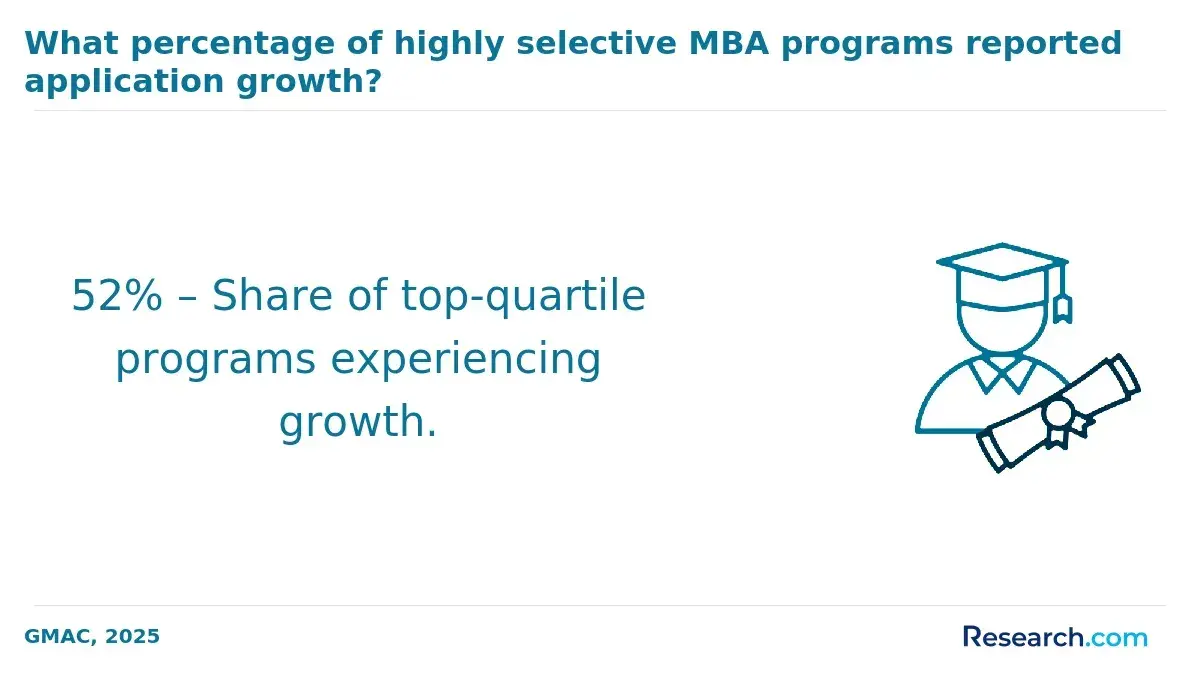
- Master of Business Administration. An MBA is a graduate business degree for professionals who want advanced training in areas such as finance, management, marketing, analytics, leadership, or strategy. Full-time students often finish in one to two years, while part-time students may study for three to four years. In Mississippi, an MBA may help candidates stand out because only 12% of business managers and less than 23% of workers in the state hold a master’s degree, according to the cited sources.
Tuition and Costs of Business Programs in Mississippi
Mississippi students have several relatively affordable in-state business school options, especially at public universities. Students comparing campus programs with online options may also want to review Research.com’s guide to an affordable business degree online.
Tuition is only one part of the total cost. Students should also estimate fees, textbooks, technology costs, housing, transportation, meal plans, parking, internship expenses, and the opportunity cost of reducing work hours. Public universities generally charge lower tuition to Mississippi residents, while out-of-state students often pay substantially more. Some private institutions, including Mississippi College, list the same per-credit tuition for in-state and out-of-state students.
Private colleges may cost more per credit than public institutions. For example, Millsaps College lists $1,262 per undergraduate credit hour, while a Mississippi resident at the Ole Miss business school can expect $386 per credit for an equivalent degree level.
| School | In-state cost per credit | Out-of-state cost per credit |
| University of Mississippi (Ole Miss) | $386 | $1,118 |
| Mississippi State University | $390 - $409 | $1,059 - $1,108 |
| Belhaven University | $515 | $515 |
| Mississippi College | $632 | $632 |
| Millsaps College | $1,262 | $1,262 |
Questions to Ask Before Comparing Tuition
- Is the listed amount tuition only, or does it include mandatory fees?
- Does the program charge different rates for online, campus, full-time, part-time, or upper-division courses?
- How many credits are required to graduate?
- Will transfer credits reduce the total cost?
- Are internships paid, unpaid, required, or optional?
- Does the school offer business-specific scholarships, employer partnerships, or graduate assistantships?
Scholarships for Business Students in Mississippi
Scholarships, grants, and institutional aid can reduce the net cost of a business degree. Students should complete financial aid steps early, confirm eligibility rules, and ask whether awards renew automatically or require a minimum GPA.
- Mississippi Resident Tuition Assistance Grant (MTAG): This state-funded grant supports eligible Mississippi residents pursuing higher education.
- GoGrad Mississippi Scholarship: This award may be useful for Mississippi graduate students working toward advanced business credentials, including an MBA.
- The John S. and James L. Knight Foundation Scholarship: This scholarship is available to students in the state and may support business students with leadership potential.
- University-specific scholarships: Institutions such as the University of Mississippi and Mississippi State University may offer business-related awards for undergraduate and graduate students. Eligibility often depends on academic performance, financial need, major, or other criteria.
- The Mississippi Business Group Scholarship: This local scholarship provides financial assistance to students pursuing business degrees at selected universities in the state.
Some scholarships may also connect students with internships, professional mentors, or business networks. Always verify deadlines and requirements with the school’s financial aid office and the scholarship provider before applying.
Mississippi Schools Offering Business Programs for 2027
The schools below represent Mississippi-based public and private institutions offering undergraduate business programs. Use this section as a starting point, not as a final ranking. The best choice depends on your budget, transfer status, preferred concentration, accreditation expectations, commute or housing needs, online availability, and career goals.
University of Mississippi (Ole Miss)
The University of Mississippi, widely known as Ole Miss, offers an undergraduate program in General Business for students who want a broad business foundation with opportunities for internships, study abroad, and interdisciplinary learning. Students are encouraged to build a business base while also considering a minor outside the business school.
Ole Miss may appeal to students who want a large public university experience with a well-known business school brand. The Ole Miss business school acceptance rate reached 90% according to the National Center for Education Statistics. The school has also been recognized in the U.S. News & World Report ranking of Top Public Schools for 12 consecutive years, where it was once placed in the top 100.
- Program length: Four years
- Tracks or concentrations: Banking, Finance, Entrepreneurship, General Business, Management, Management Information Systems, Marketing, Marketing Communication and Strategy, Real Estate, Risk Management and Insurance
- Estimated cost per credit: $386 for in-state students; $1,118 for out-of-state students
- Credits required to graduate: 120
- Accreditation: Association to Advance Collegiate Schools of Business (AACSB)
Mississippi State University
Mississippi State University offers a Bachelor in Business Administration that introduces students to core business functions such as planning, organizing, staffing, directing, controlling, budgeting, and resource management. Students complete three specialization areas during their junior and senior years, which can help them shape the degree toward specific career interests.
MSU may be a strong fit for students who want a public research university environment and multiple business concentration choices. The university has been identified as the state’s “Best Value College," with graduates receiving the highest return on educational investment and earning higher starting salaries on average compared with peers from other Mississippi schools, according to Mississippi State University.
- Program length: Four years
- Tracks or concentrations: Accounting, Business Law, Economics, Finance, Information Systems, International Business, Management, Marketing, Real Estate, Risk Management & Insurance
- Estimated cost per credit: $390 $409 for in-state students; $1,059 $1,108 for out-of-state students
- Credits required to graduate: 123
- Accreditation: Association to Advance Collegiate Schools of Business (AACSB)
Belhaven University
Belhaven University offers a Business Administration major covering subjects such as accounting, finance, information systems, marketing, and management. The program is taught from a Christian worldview and emphasizes ethical leadership, service, and professional conduct.
Belhaven may suit students who prefer a private Christian university and smaller learning environment. The school reports a 13:1 student-faculty ratio, and about 98% of undergraduate students receive some form of financial aid. The university has also been recognized among America’s “Best Values" and “Best College Buys."
- Program length: Four years
- Tracks or concentrations: Accounting, Business Administration, Fashion Merchandising, Health Administration, Leadership & Coaching, Pre-Law, Sales Management, Sports Management, Supply Chain Management
- Estimated cost per credit: $515
- Credits required to graduate: 124
- Accreditation: International Accreditation Council for Business Education (IACBE)
Mississippi College
Mississippi College offers an undergraduate Business Administration program that blends traditional business principles, management practice, classroom learning, experiential opportunities, and Christian principles. Students study managerial applications in areas such as accounting, marketing, finance, and management information systems.
This program may be a good fit for students who want a private Christian college setting and a business curriculum that incorporates applied learning. Its interdisciplinary structure is intended to prepare students for varied organizational responsibilities.
- Program length: Four years
- Tracks or concentrations: Sports Management, Real Estate, Management Information Systems, Data Management
- Estimated cost per credit: $632
- Credits required to graduate: 130
- Accreditation: Association to Advance Collegiate Schools of Business (AACSB)
Millsaps College
Millsaps College offers a three-year Bachelor of Business Administration designed around business management, global awareness, ethical professional behavior, leadership development, and technology’s influence on organizations. Students also study political, legal, and cultural factors that affect business decisions.
The program requires at least 50% non-business courses, which may appeal to students who want business training combined with a broader liberal arts education.
- Program length: Three years
- Tracks or concentrations: Entrepreneurship, Financial Services, Global Business Studies
- Estimated cost per credit: $1,262
- Credits required to graduate: 128
- Accreditation: Association to Advance Collegiate Schools of Business (AACSB)
How to Choose a Business Program in Mississippi
A good business program should match your career goal, budget, learning format, and timeline. Do not rely only on reputation or rankings. A lower-cost program with the right concentration, internship access, and employer network may be a better investment than a more expensive program that does not fit your target role.
| Factor to evaluate | Why it matters | What to ask |
| Accreditation | Accreditation signals that a school or program has met external quality standards. Several programs in this guide hold AACSB accreditation, while Belhaven University is accredited by IACBE and SACSCOC. | Is the business program accredited by AACSB, IACBE, or another recognized body? Is the institution regionally accredited? |
| Concentrations | Specializations can help you prepare for targeted careers in finance, marketing, entrepreneurship, information systems, insurance, real estate, or management. | Does the school offer the concentration that aligns with your career goal? |
| Program size | Smaller programs may offer closer faculty interaction, while larger programs may provide broader student organizations, employer events, and alumni networks. | What is the student-to-faculty ratio? How easy is it to meet with professors or advisors? |
| Internships and career services | Business careers often depend on experience and networks. Career support can help students find internships, prepare resumes, practice interviews, and connect with employers. | What employers recruit from the program? Are internships required? Are job placement outcomes available? |
| Total cost | The cheapest tuition may not be the cheapest degree if fees, housing, delayed graduation, or lost credits increase the total price. | What is the full estimated cost to graduate after scholarships and transfer credits? |
| Format | Campus, hybrid, and online formats differ in flexibility, networking, scheduling, and support services. | Can you complete required courses on your schedule? Are online students eligible for the same support? |
Common Mistakes to Avoid
- Choosing a school before checking accreditation. Accreditation can affect transfer, graduate admission, employer perception, and financial aid eligibility.
- Looking only at tuition per credit. Always calculate the total cost to graduate, including fees, books, housing, transportation, and the number of credits required.
- Ignoring concentration fit. A general business degree may be useful, but students targeting finance, marketing, accounting, analytics, or entrepreneurship should confirm that the curriculum supports those goals.
- Assuming an online program automatically fits your needs. Online courses can be flexible, but students should check course availability, internship rules, advising, and networking options.
- Relying only on rankings. Rankings can be informative, but they do not replace a review of cost, curriculum, student support, employer connections, and graduation requirements.
- Expecting a management title immediately after graduation. Many graduates build experience first through coordinator, analyst, associate, sales, operations, or management trainee roles.
Practical Steps Before You Apply
- Choose a target career area. Decide whether you are more interested in finance, operations, marketing, sales, entrepreneurship, accounting, real estate, insurance, or information systems.
- Confirm accreditation. Check both institutional accreditation and business-program accreditation before enrolling.
- Compare total degree cost. Use required credits, tuition, fees, housing, aid, and transfer credits to estimate the real price.
- Ask about internships. Find out whether internships are required, paid, credit-bearing, and supported by the business school.
- Review career outcomes. Ask for available placement data, employer lists, internship partners, alumni examples, and career-service support.
- Meet an advisor. Before committing, ask how long it will take you to graduate based on your prior credits and course availability.
Can Nutrition and Wellness Improve Managerial Performance in Mississippi?
Managers are often responsible for high-stakes decisions, employee morale, deadlines, and conflict resolution. Nutrition and wellness do not replace business training, but they can support energy, focus, stress management, and consistency at work. Managers who understand workplace wellness may also contribute to healthier team cultures and better employee engagement.
Professionals who want to connect business leadership with health and wellness can explore related pathways such as how to become a nutritionist in Mississippi. This type of knowledge may be especially useful for managers involved in employee wellness, healthcare administration, hospitality, food service, or community-based organizations.
Can Online Business Administration Programs Help Mississippi Professionals Advance Faster?
Online business administration programs can be useful for working adults who need to balance coursework with employment, caregiving, military service, or commuting constraints. The main advantage is flexibility, but students should still evaluate accreditation, course quality, faculty access, transfer policies, and career support.
Online formats can also help professionals build skills without leaving the workforce. Students comparing accelerated options can review Research.com’s guide to the easiest online business degree programs. Before enrolling, ask whether accelerated terms fit your schedule and whether the pace leaves enough time for projects, internships, and networking.
How Can Psychology Strengthen Business Leadership in Mississippi?
Managers work through people. Psychology can help leaders understand motivation, communication styles, team conflict, decision bias, employee stress, and organizational behavior. These skills are useful in supervision, human resources, sales, marketing, customer experience, and change management.
Students interested in pairing business with behavioral science can compare options at the best colleges for psychology in Mississippi. A psychology background may be particularly helpful for future managers who expect to lead teams, train employees, conduct consumer research, or manage workplace culture.
Which Business Majors Can Lead to Higher Earnings?
Earning potential varies by role, employer, industry, experience, and location. In general, students who pursue quantitative, revenue-generating, or specialized business fields may find stronger salary opportunities than students who choose a broad major without a defined career plan. Finance, management, marketing, accounting, information systems, sales, and analytics are common areas to compare.
When evaluating majors, look beyond the course title. Review internship access, employer partnerships, faculty expertise, software training, alumni outcomes, and whether the program prepares you for certifications or graduate study. Research.com’s guide to the highest paying business majors can help students compare options before selecting a concentration.
Can Interdisciplinary Certifications Make Mississippi Managers More Effective?
Business leaders often manage issues that extend beyond budgets and sales targets. Employee stress, substance use, workplace conflict, compliance, safety, and community relationships can affect performance. Interdisciplinary training can help managers recognize risks earlier and communicate more effectively with specialists.
For example, learning about behavioral health pathways such as how to become a licensed substance abuse counselor in Mississippi can help managers understand workforce challenges that may require referral, policy support, or employee assistance resources. This does not make a manager a counselor, but it can improve awareness and ethical decision-making.
What Trends Are Shaping Business Education in Mississippi?
Students often ask, is a business administration degree worth it? The answer depends partly on whether the program is keeping pace with employer expectations. Business schools in Mississippi, like programs elsewhere, are under pressure to prepare graduates for technology-enabled, data-informed, and globally connected workplaces.
- More emphasis on technology and analytics: Employers increasingly expect business graduates to understand data, dashboards, digital marketing tools, artificial intelligence, and business software. Programs that include applied analytics and technology projects may give students stronger job-market preparation.
- More experiential learning: Internships, simulations, consulting projects, case competitions, and employer-sponsored projects help students translate classroom concepts into workplace evidence.
- Broader global and cultural awareness: Even Mississippi-based businesses may work with out-of-state customers, international suppliers, remote teams, or diverse markets. Courses with global and cross-cultural content can help students prepare for that reality.
- Specialization in emerging fields: Programs may expand offerings in areas such as sustainability, blockchain technology, the sharing economy, digital commerce, and analytics as employer needs change.
What Legal Issues Should Mississippi Business Managers Understand?
Managers do not need to become attorneys to lead effectively, but they should understand when legal issues affect business decisions. Contracts, employment policies, workplace safety, customer privacy, vendor agreements, licensing rules, and compliance obligations can all create risk if ignored.
Professionals who want a stronger foundation in legal processes may find it useful to review how to become a paralegal in Mississippi. Legal literacy can help managers ask better questions, document decisions more carefully, and know when to involve legal counsel.
How Can Forensic Science Knowledge Support Business Risk Management?
Risk management is not limited to insurance. Businesses also face fraud, data integrity issues, inventory discrepancies, workplace incidents, and compliance failures. Forensic thinking can help managers evaluate evidence, preserve records, identify irregular patterns, and support investigations.
Managers interested in investigative and analytical skill sets can explore forensic scientist education requirements in Mississippi. This knowledge may be especially relevant for professionals in finance, compliance, insurance, logistics, public administration, or operations.
Can an MBA Improve Management Career Prospects in Mississippi?
An MBA can help Mississippi professionals deepen their expertise, build leadership skills, and compete for higher-level roles. It is not required for every management job, and it does not guarantee a promotion. The value depends on your work experience, program quality, employer expectations, specialization, cost, and career timing.
MBA coursework commonly covers finance, marketing, leadership, strategy, operations, and organizational decision-making. This can prepare graduates for roles such as senior manager, director, or executive-track positions. According to the cited material, individuals with an MBA tend to have higher salaries and more job opportunities than those without one, and Mississippi’s lower cost of living can improve the perceived return on investment for some graduates.
The cited Zippia report states that less than 12% of managers in Mississippi hold an MBA. For professionals with relevant experience, that can make the credential a differentiator. However, students should compare the total cost of the MBA with realistic salary outcomes in their target industry.
Working adults who want an accelerated path can consider flexible programs such as 1 year MBA programs online accredited. Before enrolling in an accelerated MBA, confirm accreditation, workload, residency requirements, career support, and whether the pace is realistic with your work schedule.
An MBA can also expand a professional network through classmates, faculty, alumni, and employer connections. For many managers, that network can be as valuable as the coursework, especially when changing industries or moving into senior leadership.
Why Accounting Is Essential in Business Management
Accounting gives managers the financial information they need to make responsible decisions. Budgeting, cash flow, cost control, pricing, forecasting, and performance analysis all depend on accurate financial data. In a state where affordability is a strength but business margins may still be tight, managers who understand accounting can make better operational choices.
Students who want deeper accounting expertise may consider the Certified Public Accountant pathway. Research.com’s guide to how to become a CPA in Mississippi explains accounting education options in the state and can help students understand preparation for CPA licensure.
Accounting knowledge can strengthen management careers in banking, healthcare administration, retail, government, nonprofits, manufacturing, entrepreneurship, and consulting. Business students who add accounting courses or concentrations may improve their ability to analyze budgets, evaluate risk, and communicate with finance teams.
How Can Emerging Technologies Improve Business Management in Mississippi?
Technology is changing how managers plan, measure, communicate, and control work. Business leaders increasingly rely on cloud-based systems, digital dashboards, accounting software, customer relationship management tools, project management platforms, and data analytics to monitor performance and make decisions.
For Mississippi managers, technology can support faster reporting, better resource allocation, stronger internal controls, and more consistent customer service. These tools also require judgment: managers must understand data quality, privacy, cybersecurity, and how automation affects employees.
Technology skills pair especially well with finance and accounting knowledge. Students who want to strengthen that foundation can review how to become a CPA in Mississippi and compare accounting-related education pathways.
What Related Career Paths Pair Well With Business Management in Mississippi?
Business management overlaps with many fields. One example is urban planning. Urban planners help shape communities, infrastructure, transportation, land use, and development decisions, all of which influence local business environments. Managers in real estate, construction, public administration, economic development, logistics, or community investment may benefit from understanding planning principles.
Students interested in that intersection can review urban planning schools in Mississippi to see how planning education may complement business management goals.
How Can Industry-Specific Licensure Knowledge Improve Managerial Strategy?
Some industries are heavily regulated, and managers who understand licensing requirements can make better staffing, compliance, budgeting, and risk decisions. Healthcare, pharmacy, finance, insurance, real estate, education, construction, and public services may all involve rules that affect business operations.
Studying a licensure pathway such as pharmacist licensure requirements in Mississippi can show managers how professional standards, documentation, continuing education, and regulatory oversight work in practice. This type of knowledge is valuable for leaders responsible for compliance-heavy teams.
How Can Social Work Principles Support Ethical Leadership?
Ethical leadership requires more than meeting performance targets. Managers also need to understand employee well-being, community impact, fairness, conflict, and organizational responsibility. Social work principles can help leaders think more carefully about empathy, advocacy, resource access, and community relationships.
Managers in nonprofits, healthcare, public agencies, education, human services, or community-facing businesses may find this perspective especially useful. To learn more about community-focused professional preparation, review how to become a social worker in Mississippi.
Should You Study Business in Mississippi?
Studying business in Mississippi can be a smart decision for students who want a flexible degree, manageable in-state tuition options, and access to local employer networks. The strongest outcomes are more likely for students who choose an accredited program, complete internships, build quantitative and technology skills, and select a concentration aligned with real job demand.
Campus programs are not the only route. Students who need flexibility can compare online options, including Research.com’s guide to the best online school for business degree programs. Whether you study online or on campus, focus on total value: accreditation, cost, curriculum, career support, internships, and how well the program connects to your target role.
Key Insights
- Mississippi can be a practical place to build a management career, but the market is selective. State management growth is projected at 3.8% by 2030, below the national 6.1% projection for managerial positions by 2034.
- Cost of living matters. Mississippi’s living wage of $15.42 per hour and cost of living index of 85.30 can make business salaries more valuable locally than the same salary in a higher-cost state.
- Program fit is more important than name recognition alone. Prioritize accreditation, concentration options, internship access, faculty support, employer connections, and total cost to graduate.
- Internships can change outcomes. Practical experience helps students test career paths, build references, and compete for entry-level business roles.
- An MBA can help experienced professionals, but ROI is not automatic. Compare program cost, time commitment, specialization, and realistic career outcomes before enrolling.
- Business education is becoming more technology-driven. Students should look for programs that develop data, software, analytics, communication, leadership, and ethical decision-making skills.
Related Articles for Nearby States
- 2027 Best Business Schools in Louisiana – Accredited Colleges & Programs
- 2027 Best Business Schools in Alabama – Accredited Colleges & Programs
- 2027 Best Business Schools in Arkansas – Accredited Colleges & Programs
- 2027 Best Business Schools in Tennessee – Accredited Colleges & Programs
- 2027 Best Business Schools in Florida – Accredited Colleges & Programs
- 2027 Best Business Schools in Missouri – Accredited Colleges & Programs
- 2027 Best Business Schools in Georgia – Accredited Colleges & Programs
- 2027 Best Business Schools in Kentucky – Accredited Colleges & Programs
- 2027 Best Business Schools in Texas – Accredited Colleges & Programs
- 2027 Best Business Schools in Indiana – Accredited Colleges & Programs
References:
- Boskamp, E. (2026, February 7). 20+ Compelling Internship Statistics [2026]: Do Interns Get Paid? Zippia. https://www.zippia.com/advice/internship-statisticshttps://www.rasmussen.edu/degrees/business/blog/associates-degree-in-business-managementhttps://news.olemiss.edu/um-ranked-in-top-100-by-u-s-news-world-report
- Indeed. (2025, December 11). How To Get Your First Promotion in Your Career (With FAQs). Indeed. https://www.indeed.com/career-advice/career-development/how-to-get-first-promotionhttps://www.npr.org/2011/02/08/133474431/a-successful-job-search-its-all-about-networking
- Massachusetts Institute of Technology. (n.d.). Living Wage Calculator Living Wage Calculation for Mississippi. Living Wage Calculator. https://livingwage.mit.edu/states/28
- Mississippi State University. (n.d.). Points of Pride. Mississippi State University. https://www.msstate.edu/about/points-of-pridehttps://www.naceweb.org/store/2019/internship-and-co-op-reporthttps://nces.ed.gov/ipeds/dfr/2022/ReportPDF.aspx?unitId=176017
- Projections Central. (n.d.). Long-Term Occupational Projections. Projections Central. https://projectionscentral.org/Projections/LongTerm?AreaName=Mississippi&Name=manager&items_per_page=1000&order=PercentChange&sort=desc
- Scrum Alliance. (n.d.). Scrum Alliance Certified ScrumMaster (CSM) Certification. Scrum Alliance. https://www.scrumalliance.org/get-certified/scrum-master-track/certified-scrummaster
- U.S. Bureau of Labor Statistics. (2026, January). Industry and occupational employment projections overview and highlights, 2024–34. https://www.bls.gov/opub/mlr/2026/article/industry-and-occupational-employment-projections-overview.htmhttps://www.scrumalliance.org/get-certified/scrum-master-track/certified-scrummaster
- U.S. Bureau of Labor Statistics. (2024). Occupational Employment and Wage Statistics Area: Mississippi. https://data.bls.gov/oes/#/area/2800000
- World Population Review. (n.d.). Cost of Living Index by State [Updated June 2023]. World Population Review. https://worldpopulationreview.com/state-rankings/cost-of-living-index-by-state
- Zippia. (2025, January 8). Business manager education requirements. Zippia. https://www.zippia.com/business-manager-jobs/education
- ZipRecruiter. (2026, March 24). Business Administration Degree Salary in Mississippi. ZipRecruiter. https://www.ziprecruiter.com/Salaries/Business-Administration-Degree-Salaryin-Mississippi
Other Things You Should Know About Business Schools in Mississippi
In 2027, the University of Mississippi and Mississippi State University are acclaimed for their comprehensive business curriculums. Their programs offer a blend of theoretical knowledge and practical skills, equipping students with the tools necessary for the modern business environment.
In 2027, the top business schools in Mississippi include the University of Mississippi's School of Business Administration, Mississippi State University's College of Business, and Millsaps College's Else School of Management. These schools are recognized for their strong programs, accredited curricula, and experienced faculty.
In 2027, the University of Mississippi and Mississippi State University are renowned for their robust practical learning experiences. Both schools offer extensive internship programs, partnerships with local businesses, and real-world project-based courses to apply classroom theories directly within the Mississippi business environment.