2027 What Prerequisites Do You Need for a Pharmacy Degree? Entry Requirements, Credits & Eligibility Rules

Co-Founder and Chief Data Scientist
Pharmacy admissions can be confusing because there is no single national prerequisite checklist that applies to every school. One program may emphasize organic chemistry labs and a minimum science GPA, while another may accept more transfer credits, waive standardized tests, or require additional communication courses. For applicants, the real challenge is not simply taking “science classes,” but confirming which courses, grades, credits, timelines, and documentation each pharmacy program will accept.
This guide explains the common prerequisites for pharmacy degree programs in the U.S., including high school preparation, college-level coursework, transfer credits, standardized testing, technical requirements for online study, international applicant rules, and the cost of completing prerequisites before applying. It is designed for high school students planning early, college students building a pre-pharmacy schedule, career changers comparing options, and international applicants trying to understand U.S. pharmacy admissions expectations.
Because nearly 30% of pharmacy applicants struggle to meet all prerequisite courses, early planning matters. Use this guide as a practical framework, then verify the exact requirements with each pharmacy school before you apply.
Key Things to Know About the Prerequisites for a Pharmacy Degree
- Applicants typically need foundational courses in biology, chemistry, and mathematics, with at least 60-90 transferable credits before admission.
- A minimum GPA of 3.0 is commonly required, though competitive programs may expect 3.5 or higher to ensure academic readiness.
- Strong communication skills, basic pharmacology knowledge, and experience in healthcare settings are often favored for eligibility and program success.
Do Pharmacy Programs Require Specific High School Prerequisites?
Yes, many pharmacy pathways expect students to enter college with a strong high school background in science and math, especially if they are applying to direct-entry, early assurance, or accelerated pharmacy tracks. Traditional PharmD programs usually evaluate college prerequisites more heavily, but high school preparation still affects how ready a student is for pre-pharmacy coursework.
The most useful high school courses for prospective pharmacy students are the ones that prepare them for college biology, chemistry, anatomy, physiology, statistics, and laboratory work.
- Chemistry: Chemistry is the most important high school science for pharmacy preparation because later coursework depends on understanding chemical reactions, molecular structure, acids and bases, and drug composition.
- Biology: Biology supports future study in anatomy, physiology, microbiology, disease processes, and how medications affect body systems.
- Mathematics: Algebra is essential, and some students benefit from precalculus or calculus preparation. Pharmacy students use math for dosage calculations, concentrations, statistics, and interpreting clinical data.
- Physics: Physics is not always required in high school, but it can help students understand matter, energy, fluid movement, and concepts used in pharmaceutical technology and medication delivery.
Data from the American Association of Colleges of Pharmacy (AACP) indicate that over 90% of incoming students had completed both chemistry and biology, which shows how central these courses are within the high school prerequisites for pharmacy degree 2026. A minimum grade of “C” or higher is commonly expected when schools review prerequisite readiness, although stronger grades are more competitive.
Advanced placement, International Baccalaureate, honors, or dual enrollment science courses can strengthen an application, but students should confirm whether a pharmacy program accepts those credits for prerequisites. Some schools accept AP credit for general education requirements but still prefer college lab science courses for chemistry or biology.
Students comparing long-term academic routes outside pharmacy can also review 1 year masters degrees to understand how accelerated graduate options differ from professional health program pathways.
What College-Level Prerequisites Are Required Before Starting a Pharmacy Degree?
Most pharmacy programs require applicants to complete a set of college-level prerequisite courses before beginning the professional pharmacy curriculum. These courses are used to determine whether a student can handle advanced pharmacology, medicinal chemistry, therapeutics, patient assessment, and clinical decision-making.
According to the American Association of Colleges of Pharmacy (AACP), typical credit requirements for these colleges prerequisites for pharmacy degree admission 2026 range from 30 to 45 semester hours depending on the institution. The exact mix varies by school, so applicants should compare requirements program by program rather than relying on a general pre-health checklist.
| Common prerequisite area | Why it matters for pharmacy school |
| Introductory Biology | Builds the foundation for anatomy, physiology, microbiology, immunology, disease mechanisms, and drug action in the body. |
| General and Organic Chemistry | Prepares students to understand drug structure, chemical properties, compounding, metabolism, and pharmaceutical formulation. Lab work is often important. |
| Physics | Supports concepts connected to mechanics, thermodynamics, fluids, and drug delivery technologies. |
| Statistics | Helps students evaluate clinical trials, medication safety data, treatment outcomes, and evidence-based practice. |
| Writing or English Composition | Strengthens professional communication, patient education, documentation, and scientific writing. |
Applicants should pay close attention to lab requirements, minimum grades, expiration rules for older science courses, and whether courses must be designed for science majors. A course called “chemistry” may not satisfy a pharmacy prerequisite if it is a survey course without a lab or if it was intended for non-science majors.
A practical approach is to build a prerequisite spreadsheet for each target school. Include the required course title, credit hours, minimum grade, lab requirement, accepted substitutions, and whether online coursework is allowed. This prevents last-minute eligibility problems.
For students researching other academic pathways with different admissions structures, what is the easiest PhD to get online can provide useful context on how doctoral admissions requirements vary by field.
How Many Credits Can You Transfer Into a Pharmacy Degree?
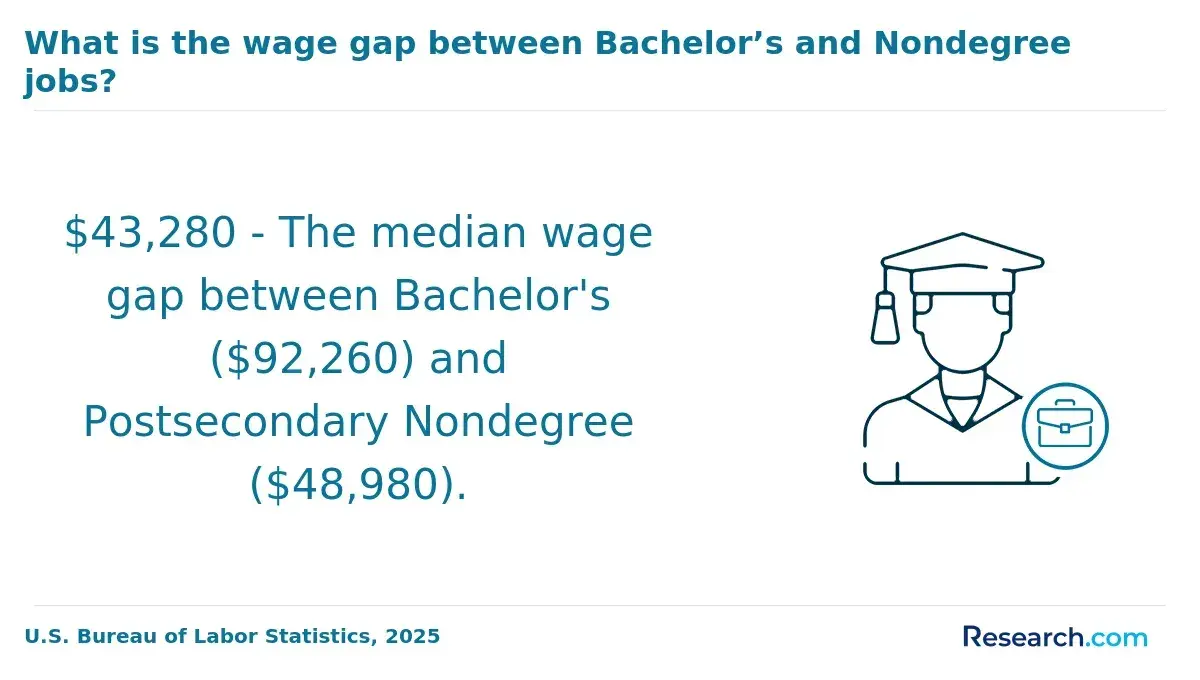
Transfer credit policies for pharmacy degrees vary widely. In many cases, schools may allow transfer credit for prerequisite or general education courses, but they are more restrictive with professional pharmacy courses because accredited programs must ensure students complete a coherent clinical and scientific curriculum.
Transfer credit limits for pharmacy degrees typically range from 12 to 50 percent of the total required credits, depending on institutional policy, accreditation expectations, and curriculum design. Many accredited programs cap transfers at around 30 to 45 semester credits.
Credits are most likely to transfer when they meet all of the following conditions:
- The previous school was accredited: Pharmacy programs usually require official transcripts from recognized colleges or universities.
- The course matches a required prerequisite: Biology, chemistry, anatomy, physiology, statistics, and similar courses are easier to evaluate than unrelated electives.
- The grade meets the program minimum: Institutions often require a minimum grade of “C” or above for eligibility.
- The course is recent enough: Some programs place time limits on science coursework because pharmacy knowledge and lab standards change.
- The content is documented: Admissions offices may request syllabi, catalog descriptions, lab details, or credit-hour information before approving transfer credit.
Students should not assume that accepted university transfer credits will automatically count toward pharmacy program prerequisites. A university registrar may accept a course as elective credit, while the pharmacy school may reject it as a substitute for a required lab science.
The safest strategy is to request a prerequisite review before enrolling or applying. Send official transcripts early, keep course syllabi, and ask whether each course will satisfy a specific requirement rather than asking generally whether credits “transfer.”
Breakdown of All Fully Online Title IV Institutions

Do You Need SAT or ACT Scores to Get Into a Pharmacy Degree Program?
Most pharmacy degree programs in the U.S. no longer require SAT or ACT scores as a central part of admission as of 2026, especially for applicants entering after completing college prerequisites. Many schools have moved toward test-optional or test-free review and place more weight on prerequisite grades, science GPA, recommendations, interviews, and evidence of commitment to healthcare.
However, SAT or ACT scores may still matter in certain situations. Some direct-entry or early assurance pharmacy pathways that admit students from high school may request them. Some competitive pharmacy schools, especially those within certain public university systems or those awarding merit-based scholarships, may also use scores to compare applicants. Additionally, about 30% of programs may factor test scores indirectly through prerequisite courses or general education standards.
For most applicants, the stronger admissions signals are:
- Science and prerequisite GPA: Strong grades in biology, chemistry, organic chemistry, and related coursework are usually more persuasive than old high school test scores.
- Completion of required courses: Missing prerequisites can delay admission even when the rest of an application is strong.
- Letters of recommendation: Faculty, pharmacists, supervisors, or healthcare professionals can speak to academic discipline, professionalism, and patient-care potential.
- Personal statement: A focused essay should explain why pharmacy is the right professional path and show realistic understanding of the field.
- Interview performance: Some schools use interviews to evaluate communication, ethical reasoning, maturity, and fit for patient-centered practice.
If a program is test-optional, applicants should submit SAT or ACT scores only when the scores strengthen the application. If scores are average or weak compared with the program’s profile, it is usually better to emphasize strong college science performance and relevant experience.
What Essential Skills Do You Need Before Enrolling in a Pharmacy Degree Program?
Before enrolling in a pharmacy degree program, students need more than completed prerequisites. They need the habits and skills to manage dense science content, communicate accurately, work with patients, and make decisions where details matter.
- Foundational academic abilities: A strong base in chemistry, biology, and math helps students understand drug mechanisms, pharmacokinetics, dosage calculations, disease states, and laboratory concepts.
- Analytical and problem-solving skills: Pharmacy students must evaluate patient information, identify medication-related problems, compare treatment options, and recognize when data are incomplete.
- Communication skills: Clear speaking and writing are essential for counseling patients, documenting information, collaborating with healthcare teams, and explaining medication instructions without confusion.
- Technical proficiency: Familiarity with healthcare software, electronic health records, drug information databases, spreadsheets, and online learning platforms is increasingly important in both coursework and practice.
- Professional judgment: Students should understand that pharmacy involves confidentiality, accuracy, ethics, patient safety, and careful attention to legal and regulatory responsibilities.
- Time management: Pharmacy coursework can include lectures, labs, exams, group projects, simulations, and clinical preparation. Students who struggle with planning should build those habits before enrollment.
One common mistake is focusing only on grades while ignoring communication and professionalism. Pharmacy programs prepare students for patient-facing roles, so admissions committees often look for evidence that applicants can work responsibly with others, accept feedback, and communicate under pressure.
Do You Need Professional Experience to Enter a Pharmacy Degree Program?
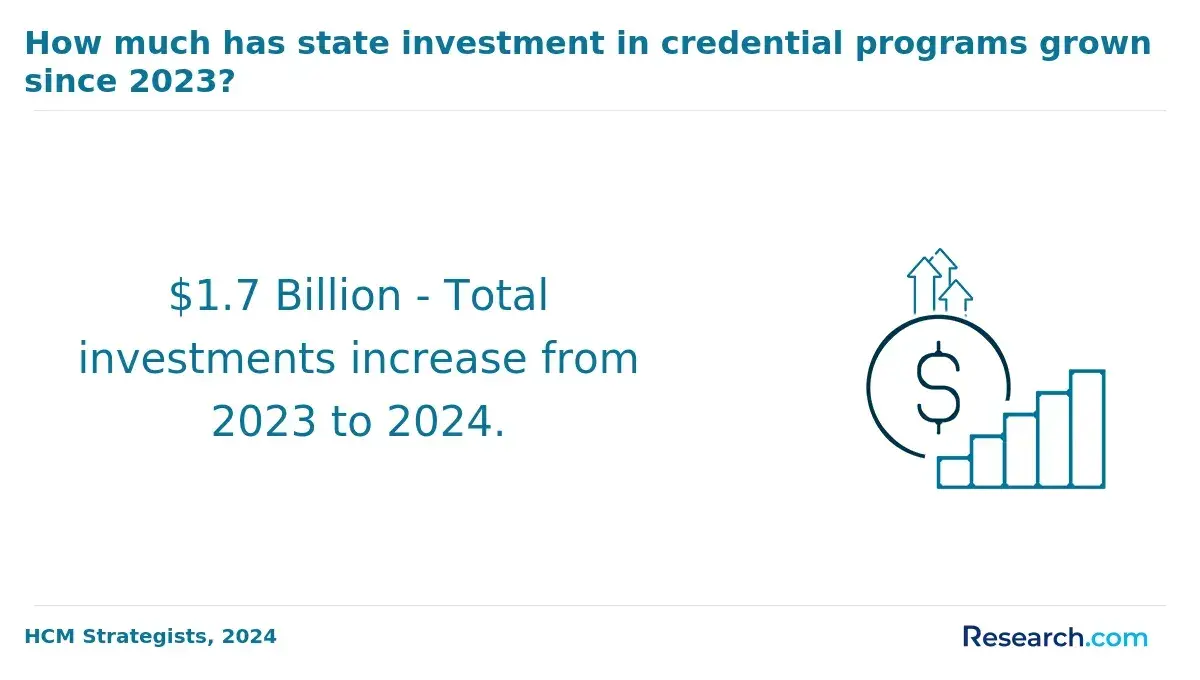
Professional experience is not always required to enter a pharmacy degree program, but it can make an application stronger. Many undergraduate or pre-pharmacy pathways focus mainly on academic preparation, while more competitive graduate or specialized programs may recommend or require experience in a healthcare or pharmacy setting.
Relevant experience may include working as a pharmacy technician, volunteering in a hospital or clinic, shadowing a pharmacist, completing an internship, assisting in a research lab, or serving in a patient-support role. The expected amount can range from several months to a few years depending on program selectivity and the applicant’s background.
Admissions committees value experience because it helps show that an applicant understands the daily realities of pharmacy practice. It can also give students stronger examples for essays and interviews, especially when discussing teamwork, patient communication, medication safety, or ethical judgment.
Students without formal pharmacy experience can still be admitted if they meet academic standards and present a strong application. Data from the American Association of Colleges of Pharmacy shows about 30% of applicants report some professional experience, which suggests that experience is helpful but not universally mandatory.
If time is limited, prioritize quality over quantity. A few months of meaningful patient-facing or pharmacy-related work can be more useful than a long list of unrelated activities. Keep records of dates, hours, supervisor names, and responsibilities because some applications ask for detailed experience documentation.
What Tech Prerequisites Must You Meet Before Starting an Online Pharmacy Degree?
Online and hybrid pharmacy programs require students to meet technology standards before classes begin. These requirements matter because pharmacy coursework may include live lectures, virtual simulations, electronic exams, online discussions, clinical documentation exercises, and secure testing platforms.
- Hardware Requirements: Students need a computer with at least a dual-core processor and 8GB of RAM to handle simulations, video meetings, testing software, and multitasking. A recent operating system, such as Windows 10 or macOS Catalina and newer, helps ensure compatibility with program software.
- Reliable Internet Connection: A stable internet connection with speeds of 25 Mbps or higher supports video lectures, real-time collaboration, virtual office hours, and online assessments.
- Required Software and Platforms: Students commonly use learning management systems such as Blackboard or Canvas. Programs may also require secure exam proctoring tools, drug database access platforms, document-sharing tools, and video conferencing software.
- Digital Literacy Skills: Students should be comfortable submitting assignments electronically, using discussion boards, downloading course materials, managing files, troubleshooting basic technical issues, and communicating professionally online.
These technology requirements align with pharmacy education trends as more than 30% of students now enroll in hybrid or fully online programs. Prospective students reviewing 2026 pharmacy degree tech prerequisites should also budget for software, webcam or microphone upgrades, exam proctoring fees, and reliable backup internet access when possible.
Students comparing online education costs more broadly can review associate degree online cost to see how technology and tuition expenses may differ across online program types.
Before enrolling, ask the program for its official technology checklist. Do not rely only on general laptop recommendations, because secure testing systems and virtual lab tools may have stricter requirements than ordinary online classes.
What Prerequisites Do International Students Need for Pharmacy Programs?
International students usually need to satisfy the same academic prerequisites as domestic applicants, plus additional documentation requirements related to credential evaluation, English proficiency, immigration status, and sometimes state-specific rules. The most important step is confirming how each U.S. pharmacy program evaluates international coursework.
- Academic Transcripts and Evaluation: Applicants must submit official transcripts from previous studies. These documents typically need to be evaluated by a credential evaluation service to verify equivalency with U.S. educational standards.
- Prerequisite Coursework: Completion of foundational courses in biology, chemistry, physics, and mathematics is essential. These courses often align with general requirements set by pharmacy programs in states such as Minnesota and Massachusetts.
- English Language Proficiency: Proof of proficiency in English through tests like TOEFL or IELTS is usually required. Minimum scores vary by school and should show that the student can participate successfully in academic, laboratory, and clinical settings.
- Standardized Tests: Some pharmacy programs require scores from tests like the PCAT (Pharmacy College Admission Test). This exam assesses competencies relevant to pharmacy education and helps admissions committees evaluate applicants uniformly.
- Letters of Recommendation: Programs often request two or three references from academic or professional sources. Strong letters should address readiness for rigorous science coursework, professionalism, communication, and potential for pharmacy practice.
- Personal Statement or Essays: A clear personal statement should explain the applicant’s motivation for pharmacy, relevant experience, and long-term career goals.
International applicants should start earlier than domestic applicants because transcript evaluation, English testing, visa documentation, and prerequisite reviews can take time. If a course title or credit system differs from U.S. norms, the pharmacy school may ask for syllabi or detailed course descriptions before deciding whether the course satisfies a prerequisite.
Understanding specific eligibility rules and credit requirements is critical for prospective students, especially those exploring programs offered through FAFSA approved online colleges while navigating differences across states like West Virginia and North Carolina.
How Do Program-Specific Prerequisites Differ from General University Requirements?
General university admission requirements determine whether a student can enter the institution. Program-specific pharmacy prerequisites determine whether the student is academically ready to begin the pharmacy curriculum. These are not the same, and confusing them is one of the most common planning mistakes.
A student may be admitted to a university but still be ineligible for the pharmacy program if required science courses, labs, GPA thresholds, test requirements, or experience components are incomplete.
| Requirement type | What it usually evaluates | Why it matters |
| General university admission | Overall academic readiness, minimum GPA, prior schooling, English proficiency, and broad general education preparation. | Allows entry to the university, but does not guarantee admission to the pharmacy program. |
| Program-specific pharmacy prerequisites | Required science and math courses, labs, minimum grades, healthcare exposure, standardized testing where required, and professional readiness. | Determines eligibility for the professional pharmacy curriculum. |
Standard University Admission Requirements
- Academic readiness: Universities commonly expect minimum GPA thresholds, usually around a 2.5 to 3.0, to ensure overall academic competence.
- English language proficiency: Non-native English speakers must often submit scores from tests like TOEFL or IELTS to demonstrate effective communication skills.
- General education coursework: Completion of broad-based courses in humanities, social sciences, and basic math is typically required before admission.
Program-Specific Pharmacy Prerequisites
- Required science and math courses: Pharmacy programs mandate completion of college-level biology, chemistry, including organic chemistry with lab, physics, and sometimes advanced mathematics with a minimum grade of B or higher.
- Professional experience components: Applicants may need to submit documentation of volunteering or shadowing within healthcare settings to demonstrate familiarity with pharmacy practice.
- Standardized testing: Many schools require the Pharmacy College Admission Test (PCAT), which goes beyond general university admission exams.
These program-level prerequisites influence student eligibility and can extend undergraduate study when required courses are not completed early. In 2023, the American Association of Colleges of Pharmacy (AACP) reported over 60% of accredited programs required advanced science prerequisites, underlining their importance.
When comparing pharm d programs, applicants should review both the university’s general admissions page and the pharmacy school’s prerequisite checklist, because the stricter requirement is usually the one that determines whether they can start the professional sequence.
Prospective students exploring healthcare education may also consider high paying certificate programs as alternate or complementary pathways in their career planning.
Do You Need to Pay for Prerequisite Courses Before Applying to a Pharmacy Program?
Yes, students typically pay for prerequisite courses before applying to or enrolling in a pharmacy program. These courses are separate from the professional pharmacy curriculum and may be completed at the university offering the pharmacy degree, at a community college, or through accredited online programs if the pharmacy school accepts online coursework.
Costs can vary substantially. Community colleges often charge between $1,200 and $2,500 per semester, while universities may cost over $5,000 per semester. Online courses may provide flexibility, but they can include additional fees for lab kits, materials, technology, or exam supervision. Most pharmacy schools require applicants to complete and pay for prerequisites upfront and do not waive those costs simply because the courses are required for admission.
Common ways to manage prerequisite costs include:
- Start at a community college: Data from the American Association of Colleges of Pharmacy shows around 60% of applicants complete at least some prerequisites through community colleges, making this a common cost-saving method.
- Confirm transferability first: A low-cost course is not a bargain if the pharmacy school will not accept it for the required prerequisite.
- Use financial aid when eligible: Some students may qualify for federal or state grants, scholarships, or institutional aid depending on enrollment status and school participation.
- Avoid retaking courses unnecessarily: Ask for a prerequisite review before registering for duplicate biology, chemistry, or math courses.
- Plan lab courses carefully: Lab sciences may be harder to find online and may carry extra fees, so verify format and acceptance before enrolling.
The key financial decision is not simply where tuition is cheapest. Students should compare total cost, accepted credit, lab availability, course timing, and whether the school has a history of accepting that provider’s coursework.
What Graduates Say About the Prerequisites for Their Pharmacy Degree
- Lennon: "Getting into the pharmacy degree program required me to carefully complete all the prerequisite courses, which was a challenge but totally worth it. The average cost of attendance was quite an investment, but the knowledge and hands-on experience I gained have been priceless. Now, working as a licensed pharmacist, I can confidently say this degree has opened doors I never imagined."
- Forest: "Reflecting on my journey, meeting the prerequisite requirements was a structured process that gave me a solid foundation before starting the pharmacy program. Although the cost was a consideration, scholarships and financial aid helped ease the burden. Today, my pharmacy degree plays a central role in my career, allowing me to make informed decisions that impact patient health every day."
- Linden: "The pharmacy degree program was definitely rigorous, with prerequisite classes that tested my dedication. The tuition fees were substantial, but investing in this education has been rewarding beyond financial costs. Professionally, the degree has empowered me to advance in clinical pharmacy roles and contribute meaningfully to healthcare teams."
Other Things You Should Know About Pharmacy Degrees
To apply for a 2027 Pharmacy degree, students typically need to complete courses in biology, chemistry, and physics. Organic chemistry and biochemistry are often required as well, ensuring students possess foundational scientific knowledge essential for a pharmacy curriculum.
Most 2027 pharmacy programs require a minimum GPA of 2.5 to 3.0 for applicants. However, competitive programs might look for a higher GPA, often around 3.5. Meeting the GPA requirement is essential to be considered for admission.
Most pharmacy schools require international applicants to prove English proficiency with IELTS 6.5 overall, TOEFL iBT 80, or an equivalent score before admission. Some programs set higher minimums for reading and writing, and scores must usually be less than two years old.
References
- From High School to Pharmacy School: 0-6 Programs https://pharmacyforme.org/2018/07/18/high-school-pharmacy-school-0-6-programs
- School of Pharmacy Prerequisites https://www.ttuhsc.edu/pharmacy/prospective/prerequisites.aspx
- Pharmacy (BS to PharmD) | Saint Joseph’s University https://www.sju.edu/degree-programs/bs-doctor-pharmacy-pharmd
- Admission Requirements https://www.ualberta.ca/en/pharmacy/programs/pharmd-doctor-of-pharmacy/admission-requirements.html
- Pharmacy - Admissions https://admissions.usask.ca/pharmacy.php
- Pharmacy MPharm https://www.ucl.ac.uk/prospective-students/undergraduate/degrees/pharmacy-mpharm
- What to Study to Become a Pharmacist | MWCC https://mwcc.edu/blog/what-to-study-to-become-a-pharmacist/
- Online Pharmacy Technician https://www.ashland.edu/online-pharmacy-technician
- Prospective Students - Ernest Mario School of Pharmacy https://pharmacy.rutgers.edu/info-for/prospective-students/
- School of Pharmacy Admissions https://pharmacy.uiw.edu/admissions/