2027 Different Types of Pharmacy Degrees and Their Salaries

Co-Founder and Chief Data Scientist
Choosing a pharmacy degree is really a career decision: do you want to become a licensed pharmacist, work in pharmaceutical research, support pharmacy operations, or move into industry, regulation, or academia? Each path requires a different credential, takes a different amount of time, and leads to different salary expectations.
Pharmacy education also carries a serious financial commitment, especially for students pursuing the Doctor of Pharmacy route. Before enrolling, prospective students should understand how degree level, accreditation, clinical training, specialization, location, and licensure requirements affect job options and long-term return on investment.
This guide explains the main types of pharmacy degrees, how long they take, what they typically cost, which roles they prepare students for, and how salaries differ by credential. It is designed for students comparing pharmacy programs, career changers evaluating healthcare options, and professionals considering advanced study in pharmaceutical sciences.
Key Points About Different Types of Pharmacy Degrees and Their Salaries
- Obtaining a Doctor of Pharmacy (PharmD) degree is essential for becoming a licensed pharmacist in the U.S., with median annual salaries around $128,000.
- Bachelor's degrees in pharmaceutical sciences often lead to roles in pharmaceutical research or sales, where salaries typically range from $60,000 to $85,000, offering steady career paths but less direct patient care and lower earning potential than PharmD holders.
- Master's degrees in pharmacy-related fields, such as pharmaceutical sciences or regulatory affairs, can enhance specialization and increase earning potential, with salaries often exceeding $90,000.
What Are the Different Types of Pharmacy Degrees Available?
Pharmacy degrees are not interchangeable. Some prepare students for support roles, some build a foundation for graduate study, and one—the Doctor of Pharmacy—is the standard professional degree for becoming a licensed pharmacist in the United States. The right choice depends on whether your goal is patient care, research, industry, regulation, or entry-level pharmacy work.
- Doctor of Pharmacy (PharmD): The PharmD is the professional pathway for students who want to practice as pharmacists. Programs emphasize patient care, medication therapy management, pharmacology, pharmacy law, clinical decision-making, and supervised practice experiences. Students comparing professional pharmacy routes may also review an affordability-focused pharmd degree guide while checking each program’s accreditation and clinical requirements.
- Master of Science in Pharmaceutical Sciences (MS): An MS is usually designed for students interested in research, product development, laboratory work, regulatory roles, or management within pharmaceutical and biotechnology settings. Coursework often includes pharmaceutical analysis, medicinal chemistry, research design, and drug development.
- Doctor of Philosophy in Pharmaceutical Sciences (PhD): A PhD is a research-focused degree for students who want to lead independent investigations in areas such as drug discovery, pharmacology, pharmaceutical technology, toxicology, or academic research. It is not the same as a professional pharmacy practice degree.
- Bachelor of Science in Pharmacy, BPharm, or Bachelor’s in Pharmaceutical Sciences: A bachelor’s-level pharmacy-related degree provides a foundation in chemistry, biology, microbiology, pharmacology, and pharmaceutical sciences. In the U.S., it generally does not qualify graduates for licensed pharmacist roles, but it can support entry into industry roles or advanced study.
- Associate Degree in Pharmacy or Pre-Pharmacy: Associate and pre-pharmacy pathways typically cover general science prerequisites and introductory pharmacy-related coursework. They may prepare students for pharmacy technician work or transfer into bachelor’s or professional pharmacy programs.
Students who already know they want a shorter route should compare program calendars carefully. Some schools offer compressed or year-round formats, and students may also examine accelerated degree options when planning how quickly they can meet prerequisites and progress toward a pharmacy career.
What Specializations Are Available in Pharmacy Degrees?
Pharmacy specializations help students move from broad medication knowledge into focused practice areas. They are especially important for PharmD graduates pursuing clinical roles, residencies, fellowships, board certification, or specialized healthcare settings. Students in research-focused MS or PhD programs may also specialize by disease area, drug class, research method, or industry function.
- Ambulatory Care Pharmacy: Focuses on medication management for patients in outpatient clinics, physician offices, and community-based care settings. This path is a strong fit for students interested in chronic disease management, patient counseling, and long-term therapeutic monitoring.
- Oncology Pharmacy: Centers on cancer therapies, chemotherapy, supportive care medications, safety monitoring, and complex treatment regimens. Graduates often pursue roles in hospital oncology units, cancer centers, and specialty pharmacy environments.
- Pediatric Pharmacy: Concentrates on medication therapy for infants, children, and adolescents. Students learn to account for age, weight, development, formulation, and safety considerations that differ from adult pharmacy practice.
- Geriatric Pharmacy: Emphasizes medication use among older adults, including polypharmacy, drug interactions, age-related dosing concerns, adherence, and medication reviews. This specialization is relevant to long-term care, senior health services, and consulting roles.
- Infectious Diseases Pharmacy: Develops expertise in antimicrobial therapy, antibiotic stewardship, resistance patterns, and infection control. Specialists often work with hospitals, clinics, and public health teams.
- Nuclear Pharmacy: Involves the preparation, handling, and dispensing of radioactive drugs used in imaging and treatment. Students need strong attention to radiation safety, compliance, and specialized procedures.
- Compounding Pharmacy: Focuses on preparing customized medications for patients with specific needs, such as allergies, dosage limitations, or swallowing difficulties. This path requires precision, regulatory awareness, and advanced preparation techniques.
A specialization should support a real career target, not simply sound interesting on paper. Before committing, students should compare required rotations, residency expectations, certification options, local employer demand, and whether the specialty is concentrated in hospitals, clinics, industry, or specialty pharmacies.
How Long Does It Take to Complete Each Type of Pharmacy Degree?
The time required for a pharmacy degree depends on the credential, enrollment status, transfer credits, prerequisites, and whether the program uses a traditional or accelerated calendar. Students should look beyond the advertised program length and include prerequisite coursework, clinical rotations, licensing steps, and any postgraduate training needed for competitive specialties.
- Associate Degree in Pharmacy: This pathway typically takes about two years to complete, often through a community college. It may support pharmacy technician preparation or transfer into a bachelor’s or professional program. Part-time enrollment can extend the timeline, while some accelerated or online formats may offer more scheduling flexibility.
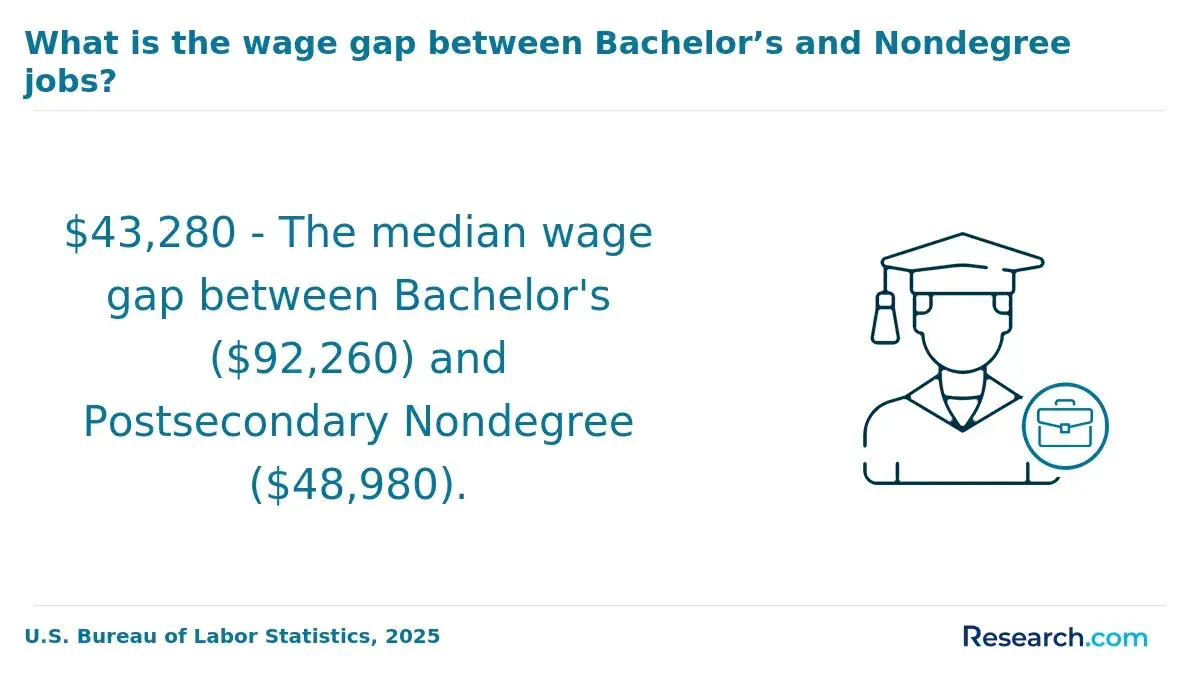
- Bachelor’s Degree in Pharmacy or Pharmaceutical Sciences: A bachelor’s-level program usually requires four years. Students with prior college credits may finish sooner, while part-time students may need longer. This degree is often used as a foundation for graduate study, industry work, or preparation for professional pharmacy education.
- Doctor of Pharmacy (PharmD): The PharmD generally takes four years after at least two years of undergraduate prerequisites. Some accelerated options reduce the professional phase to three years, but these programs are intensive and often run year-round. Online components may be available, but clinical practice experiences usually require in-person participation.
- Master’s in Pharmacy or Pharmaceutical Sciences: Master’s programs typically last one to two years. Timeline differences depend on whether the student enrolls full time or part time, whether the program requires a thesis, and whether the curriculum is research-focused, industry-focused, or clinically adjacent.
Students should also plan for what comes after graduation. Licensure, residency, fellowship, board certification, and employer training can all affect how quickly a graduate moves into the desired role.
Are There Accelerated Pharmacy Degree Programs?
Yes. Accelerated pharmacy degree programs are designed to reduce the time needed to complete the professional Doctor of Pharmacy curriculum, often shortening a traditional four-year professional program to as little as three years. They do this by using year-round terms, condensed academic schedules, earlier experiential learning, and fewer long breaks between terms.
Some institutions use hybrid models or intensive on-campus formats that allow students to complete coursework in 33 months or within three years. Other pathways combine undergraduate prerequisites with professional pharmacy study so students can move through the full sequence more efficiently. These formats can be attractive to students who want to enter the workforce sooner, but the trade-off is a heavier and more continuous workload.
Eligibility usually includes completion of required prerequisite coursework—often a minimum of 52 semester credit hours—and strong academic performance. Some schools require the Pharmacy College Admission Test (PCAT), while others do not. Programs may also require a completed bachelor’s degree or evidence that the applicant is prepared for an intensive professional curriculum.
Accelerated programs are best suited for students who can handle sustained academic pressure, frequent assessments, science-heavy coursework, and early clinical responsibilities. They may be a poor fit for students who need a lighter course load, significant work hours, caregiving flexibility, or more time to absorb complex material.
A graduate of an accelerated pharmacy program described the pace as “relentless,” with limited breaks and constant pressure to master material quickly. He also noted that early clinical exposure helped connect classroom learning to patient care sooner than expected.
He said stress management mattered as much as academic ability. Strict study schedules, peer support, and realistic expectations helped him stay on track. Finishing sooner allowed him to enter the workforce earlier and reduce some educational costs, but he emphasized that success depended on “commitment and knowing what you’re signing up for.”
Are Online Pharmacy Degrees as Credible as Traditional Ones?
Online and hybrid pharmacy degrees can be credible when they meet the same academic, accreditation, and experiential standards expected of campus-based programs. For students pursuing professional pharmacy practice, accreditation matters more than delivery format. Employers and licensing boards generally focus on whether the institution is reputable, whether required clinical experiences were completed, and whether the graduate is eligible for licensure.
In the United States, pharmacy programs are expected to meet rigorous standards set by recognized agencies such as the Accreditation Council for Pharmacy Education (ACPE). Accreditation helps ensure appropriate curriculum quality, faculty qualifications, assessment practices, and experiential learning requirements. A program that is flexible but not properly accredited can create serious problems for licensure and employment.
Online learning has also become more familiar in pharmacy education. During the pandemic, 61.4% of pharmacy students felt their colleges were well-prepared for a full transition to online learning. Measures such as preparedness and attitude scores suggest that online students can perform comparably to traditional students, although success depends on course design, technology support, student discipline, and access to hands-on learning.
Simulation-based learning is also important in pharmacy education and has been shown to improve knowledge retention across both online and in-person formats. However, simulations do not replace every clinical requirement. Students should confirm how labs, skills assessments, rotations, and patient-care experiences are handled before enrolling.
The main credibility test is simple: verify accreditation, licensure alignment, clinical placement support, graduate outcomes, and employer recognition. A well-designed hybrid or distance pathway from a reputable institution can be a legitimate option, but students should avoid assuming that every online pharmacy program leads to the same opportunities.
How Much Does Each Type of Pharmacy Degree Typically Cost?
Pharmacy education costs vary widely by degree level, school type, residency status, program length, and whether the student studies online, on campus, full time, or part time. Students should budget for more than tuition: fees, books, supplies, background checks, immunizations, transportation to clinical sites, licensing exams, and living expenses can materially affect total cost.
- Associate Degree in Pharmacy: Tuition for associate-level pharmacy or pharmacy technician programs generally ranges from $3,000 to $10,000 per year at community colleges. Public institutions are often less expensive than private schools, and some online formats may reduce commuting or housing costs.
- Bachelor’s Degree in Pharmacy or Pharmaceutical Sciences: Bachelor’s programs, including pre-pharmacy and pharmaceutical sciences pathways, typically cost between $8,000 and $35,000 per year. In-state public tuition is usually lower, while private institutions and out-of-state enrollment can increase the total price.
- Master’s in Pharmacy or Pharmaceutical Sciences: Tuition for master’s programs usually falls between $20,000 and $45,000 annually. Specialized tracks, private universities, and research-intensive programs may cost more. Part-time and online formats can make scheduling easier, but they do not always lower total tuition.
- Doctor of Pharmacy (Pharm.D.): Pharm.D. programs are typically the most expensive pharmacy pathway. Public school tuition for in-state students ranges from $15,000 to $30,000 per year, while private schools can charge $30,000 to $60,000 annually. Some flagship programs even exceed $70,000 per year. Total costs, including living expenses, may reach $120,000 to $250,000 for the entire program.
Prospective students should compare net cost, not sticker price. Scholarships, assistantships, employer tuition support, institutional aid, federal loans, and part-time work can change affordability. At the same time, students should be cautious about borrowing based only on expected salary; career setting, location, residency plans, and debt repayment terms all affect the real financial outcome.
One pharmacy graduate described feeling overwhelmed by tuition at first but said careful planning made the degree manageable. She combined scholarships, flexible part-time work, and federal loans to cover much of the cost while staying focused on school. Her takeaway was direct: “It wasn’t easy, but knowing the long-term benefits of my degree made every dollar worth it.”
What Jobs Can You Get with Each Type of Pharmacy Degree?
The jobs available to pharmacy graduates depend heavily on degree level. An associate credential may support technician work, while a PharmD is the central credential for licensed pharmacist roles. Research-focused graduate degrees can lead to pharmaceutical industry, laboratory, regulatory, and academic careers, but they do not automatically substitute for pharmacist licensure.
- Associate Degree in Pharmacy or Pharmacy Technician Preparation: Graduates often work as pharmacy technicians in retail pharmacies, hospitals, long-term care facilities, and mail-order settings. Common duties include preparing prescriptions under pharmacist supervision, managing inventory, processing insurance information, and supporting patient service. Median annual wages for pharmacy technicians were about $40,300 in 2023.
- Bachelor’s Degree in Pharmaceutical Sciences: This degree can support roles such as pharmaceutical sales representative, quality control analyst, laboratory technician, research assistant, or product support specialist. These jobs are more common in pharmaceutical companies, research organizations, regulatory environments, and manufacturing settings than in licensed pharmacist practice.
- Doctor of Pharmacy (PharmD): PharmD graduates may become community pharmacists, hospital pharmacists, clinical pharmacists, ambulatory care pharmacists, specialty pharmacists, or managed care pharmacists, depending on licensure, training, and employer requirements. Some also pursue industry roles such as medical science liaison or regulatory affairs pharmacist. The median salary for pharmacists was $132,750 in 2023.
- Master’s or PhD in Pharmaceutical Sciences or Pharmacology: Advanced research degrees can lead to work in drug development, toxicology, pharmacology, regulatory affairs, clinical research, medical writing, academia, and pharmaceutical leadership. Typical employers include pharmaceutical companies, universities, government agencies, research institutions, and biotechnology firms. Salaries vary widely, typically ranging from $90,000 to $140,000 or higher depending on experience and specialization.
A useful rule of thumb is this: choose a PharmD for patient-facing pharmacist practice, choose pharmaceutical sciences for research and industry, and choose an associate-level pathway for faster entry into pharmacy support work.
How Do Salaries Differ by Pharmacy Degree Type?
Salary in pharmacy depends on credential level, licensure, work setting, geography, experience, specialization, and postgraduate training. A higher degree can increase earning potential, but only when it aligns with the role the graduate is pursuing. For example, a research PhD may be valuable in drug development, while a PharmD is the standard path for licensed pharmacist practice in the U.S.
- Associate Degree in Pharmacy or Pharmacy Technician Track: This pathway commonly leads to technician roles, with an average salary around $44,000 per year. Pay varies by employer type, location, shift, certification, and experience. Hospital and specialized settings may differ from retail environments.
- Bachelor of Pharmacy or Bachelor’s in Pharmaceutical Sciences: Graduates often enter areas such as pharmaceutical sales, quality assurance, laboratory support, or regulatory affairs, earning approximately $40,074 annually, with most salaries ranging from $35,000 to $48,000. Clinical pharmacist positions typically require a PharmD.
- Doctor of Pharmacy (PharmD): The PharmD is the standard credential for licensed pharmacists in the U.S., with average salaries near $137,480 per year. Salary ranges from $120,000 to $150,000 are common and vary by setting, location, certification, and experience. Clinical specialists may earn up to 15% more.
- Postgraduate Residencies and Fellowships: Pharmacists who complete advanced training and board certifications may qualify for specialized roles, including clinical or oncology pharmacist positions, with median salaries between $157,000 and $186,000.
Students focused on salary should compare total education cost against realistic job outcomes. A higher-paying role may require not only the degree but also licensure, residency, fellowship training, board certification, or relocation. Those exploring research doctorates or faster doctoral formats can review options such as short online doctoral programs, but pharmacy practice requirements should always be verified separately.
Is There High Demand for Pharmacy Degree Holders in the Job Market?
Demand for pharmacy degree holders is positive, but it is not identical across every role or region. The strongest opportunities often appear where pharmacists can do more than dispense medications: chronic disease management, medication therapy management, specialty drug support, telepharmacy, ambulatory care, hospital practice, oncology, genetics, and underserved-area care.
Several forces support demand. Telepharmacy and digital health platforms have expanded remote consultation and medication management. An aging population and rising chronic conditions such as diabetes and cardiovascular diseases increase the need for medication expertise. Rural and underserved areas also face shortages that are two to three times higher than urban centers, creating stronger vacancy pressure in those regions.
Supply trends matter as well. The supply of PharmD graduates has dropped by about 15% since 2018, tightening the labor market for some employers and improving prospects for new graduates who are flexible about location and practice setting.
Employment for pharmacists is projected to grow by 5% from 2024 to 2034, faster than the average for all occupations, with a median annual salary of $137,480 as of May 2024. Specialized roles in areas such as oncology, genetics, and specialty care are increasingly valued because they support complex therapies and personalized medicine.
Students should still research local conditions before choosing a program. Demand can vary by state, city, employer type, and specialty. Graduates who are open to advanced training, certifications, residency, fellowship opportunities, or high-need regions may have stronger job prospects than those who restrict themselves to a narrow location or one employment setting.
What Factors Should You Consider When Picking a Type of Pharmacy Degree?
The best pharmacy degree is the one that matches your intended role, budget, timeline, and tolerance for science-heavy training. Students should avoid choosing a program based only on prestige, speed, or salary promises. Instead, compare each option against licensure rules, job outcomes, accreditation, cost, and the type of work you actually want to do.
- Career Goals: If you want to become a licensed pharmacist, the PharmD is the minimum professional requirement. If you want research, drug development, or industry work, a pharmaceutical sciences bachelor’s, master’s, or PhD may be more appropriate. Associate-level pathways are better suited to technician or support roles.
- Time Commitment: PharmD programs usually require six to eight years of study when prerequisites and clinical rotations are included. Bachelor’s or associate degrees take two to four years. Students considering accelerated options should be realistic about workload and limited breaks.
- Financial Investment: Pharmacy programs can be expensive, and tuition for PharmD degrees can range from $30,000 to $50,000 per year. Compare total cost, likely debt, financial aid, living expenses, and expected salary before committing.
- Accreditation and Licensure: For pharmacist roles, program accreditation and licensure eligibility are nonnegotiable. Do not assume that an online, hybrid, foreign, or nontraditional program automatically qualifies you for the license you need.
- Personal Interests and Strengths: Pharmacy requires strong science preparation, precision, ethical judgment, communication skills, and attention to detail. Students who dislike chemistry, biology, patient communication, or high-stakes decision-making should think carefully before choosing a professional pharmacy pathway.
- Preferred Work Environment: Retail, hospital, clinic, research, industry, long-term care, academia, and regulatory roles feel very different day to day. A PharmD offers broad patient-care options, while research degrees may lead to less direct patient interaction.
- Job Market and Flexibility: Regional demand, specialty demand, and willingness to relocate can affect career outcomes. Students who remain flexible about setting, geography, and postgraduate training may have more options.
A practical approach is to start with the job title you want, then work backward: required degree, required accreditation, required license or certification, expected training time, total cost, and likely salary in your target location.
What Pharmacy Graduates Say About Their Degree and Salary
- : "Completing my Doctor of Pharmacy degree opened many doors, especially in clinical settings where I work directly with patients and care teams. The hands-on training and internships helped me build confidence quickly, but the program also required serious discipline. Starting as a clinical pharmacist felt rewarding because I could apply both scientific knowledge and practical judgment to medication decisions that affect patient outcomes. — Kaela"
- : "After earning my Bachelor of Science in pharmacy, I was able to build a career in a community pharmacy setting and connect with patients regularly. The degree gave me a strong foundation in pharmaceutical sciences and medication safety. One of the most meaningful parts of the work is helping families understand adherence, side effects, and safe medication use. — Nikko"
- : "Pursuing a Master of Science in pharmacy moved me toward research and pharmaceutical industry work. The degree strengthened my analytical skills and gave me experience with projects tied to drug development. It expanded my view of pharmacy beyond traditional practice and helped me see how research can contribute to future patient care. — Chester"
Other Things You Should Know About Pharmacy Degree Programs & Salaries
The average salary for a pharmacist holding a PharmD degree in the United States is approximately $128,000 per year. Salaries can vary depending on the work setting, such as hospitals or retail pharmacies, as well as geographic location and years of experience.
To enroll in a PharmD program in 2027, you must complete at least two years of undergraduate coursework focusing on sciences like biology and chemistry. Some programs may require the Pharmacy College Admission Test (PCAT) and a minimum GPA, usually around 2.5 to 3.0.
Specialty certifications can significantly increase pharmacist salaries. In 2027, pharmacists with certifications in areas like oncology or geriatrics may earn up to 15% more than their peers without certifications. These certifications typically require additional exams accredited by bodies like the Board of Pharmacy Specialties.
References
- Courses and qualifications for pharmacists | General Pharmaceutical Council https://www.pharmacyregulation.org/students-and-trainees/pharmacist-education-and-training/courses-and-qualifications-pharmacists
- Areas of Specialization - OU College of Pharmacy https://pharmacy.ouhsc.edu/programs/graduate-programs/areas-of-specialization
- Exploring career choices of pharmacy graduates over 15 years: A cross-sectional evaluation - ScienceDirect https://www.sciencedirect.com/science/article/pii/S1877129724000595
- Top 10 Highest Paying Pharmacy Jobs 2025 (Inc Salaries) | Nexford University https://www.nexford.edu/insights/highest-paying-pharmacy-jobs
- Economic Analysis of Obtaining a PharmD Degree and Career as a Pharmacist https://pmc.ncbi.nlm.nih.gov/articles/PMC4678742/
- Why are increasing numbers of students dropping out of pharmacy education? https://pharmaceutical-journal.com/article/feature/why-are-increasing-numbers-of-students-dropping-out-of-pharmacy-education
- Pharmacy Career Outlook: Is a Career in Pharmacy Worth It? - Roseman University https://www.roseman.edu/student-experience/news/pharmacy-career-outlook-is-a-career-in-pharmacy-worth-it/