2027 Are There Any One-Year Online Communication Degree Programs Worth Considering?

Co-Founder and Chief Data Scientist
A one-year online Communication degree can be a smart shortcut for the right student—but it is not equally realistic at every degree level. The fastest legitimate options are usually master’s programs, graduate certificates, or bachelor’s-completion pathways for students who already have substantial college credit. A full bachelor’s degree in Communication from start to finish normally takes longer because undergraduate programs require broad general education and major coursework.
This guide explains what “one-year” typically means in online Communication education, which types of programs are actually available, what the workload feels like, how to judge quality, and what trade-offs to consider before enrolling. It is designed for working professionals, career changers, recent graduates, and transfer students who want a faster route into fields such as public relations, digital media, marketing communication, corporate communication, nonprofit communication, and media strategy.
Key Points About One-Year Online Communication Degree Programs
- One-year online Communication degrees focus on key skills like media literacy and strategic messaging, condensing traditional programs' breadth into intensive, practical coursework.
- Unlike typical degrees, these programs cater to working adults seeking rapid skill acquisition, often emphasizing digital communication trends and remote collaboration tools.
- Students should expect smaller cohorts and fewer specialization options, with program quality varying significantly, so careful research into accreditation and faculty expertise is essential.
Is It Feasible to Finish a Communication Degree in One Year?
Finishing a Communication degree online in one year is feasible mainly at the master’s level. More than 50 accredited U.S. universities offer accelerated online communication-related master’s programs that can be completed in 12 to 16 months, usually through full-time enrollment, year-round study, and a tightly sequenced course plan.
At the bachelor’s or associate level, a true one-year timeline is much less common. A student starting with no prior college credit should not expect to complete a full undergraduate Communication degree in twelve months. Bachelor’s programs typically include general education courses, major requirements, electives, and sometimes a capstone, internship, or applied project. Even many accelerated bachelor’s programs still require at least two years.
The one-year path becomes more realistic when a student already has substantial transferable credit. For example, a bachelor’s-completion program may be shorter for someone who has already completed lower-division coursework, an associate degree, or many general education requirements. Even then, the final timeline depends on how many credits transfer, whether required Communication courses are offered every term, and whether the program allows heavy course loads.
What usually determines whether one year is possible?
- Degree level: Online master’s programs are the most realistic one-year option. Full bachelor’s degrees usually take longer.
- Prior credits: Transfer credit can shorten an undergraduate timeline, but schools decide which credits apply to the degree.
- Course intensity: One-year programs often require full-time study, short terms, and limited breaks.
- Program sequencing: Some required courses may be offered only in certain terms, which can delay graduation.
- Applied requirements: Capstones, practicums, research projects, or internships can extend the schedule if they require approvals, placements, or faculty supervision.
In short, a one-year online Communication degree is realistic for many graduate students and selected transfer students, but it is rarely realistic for first-time bachelor’s students. Before enrolling, ask the school for a written degree plan showing exactly which courses you would take each term and when you would graduate.
Are There Available One-year Online Communication Degree Programs?
Yes. Accredited one-year online master’s in Communication and closely related fields are available in the United States. The important distinction is degree level: one-year online master’s options exist, while fully online bachelor’s programs in Communication generally cannot be completed in just one year unless the student enters with significant completed coursework and qualifies for an accelerated completion path.
Students looking for a one-year credential should therefore compare master’s programs, graduate certificates, and bachelor’s-completion programs separately. These options serve different goals and have different admission requirements.
Examples of one-year online master’s options
- University of West Alabama - Online Master of Arts in Integrated Marketing Communications: This 30-credit-hour program, made up of 10 courses, focuses on digital media, public relations, and marketing strategy. It is structured for completion in about one year of full-time study.
- Troy University - Online Master of Science in Strategic Communication: This 30-credit program emphasizes strategic planning, communication theory, and applied research. Full-time students who follow the recommended course sequence can graduate in one year.
- West Virginia University - Online Master of Science in Digital Marketing Communications: This accelerated 30-credit program covers digital storytelling, data-driven marketing, and campaign management and is designed for completion within 12 months.
At the undergraduate level, online Communication degrees such as those offered by San Diego State University or Fort Hays State University generally require at least 120 credits and usually take two to four years to finish, depending on transfer credits, course availability, and enrollment intensity.
If your goal is fast career improvement rather than a full degree, compare graduate certificates, professional certificates, and master’s programs side by side. Some students also review certificates that make the most money to decide whether a shorter credential could meet their career goals before committing to a full Communication degree.
Why Consider Taking Up One-year Online Communication Programs?
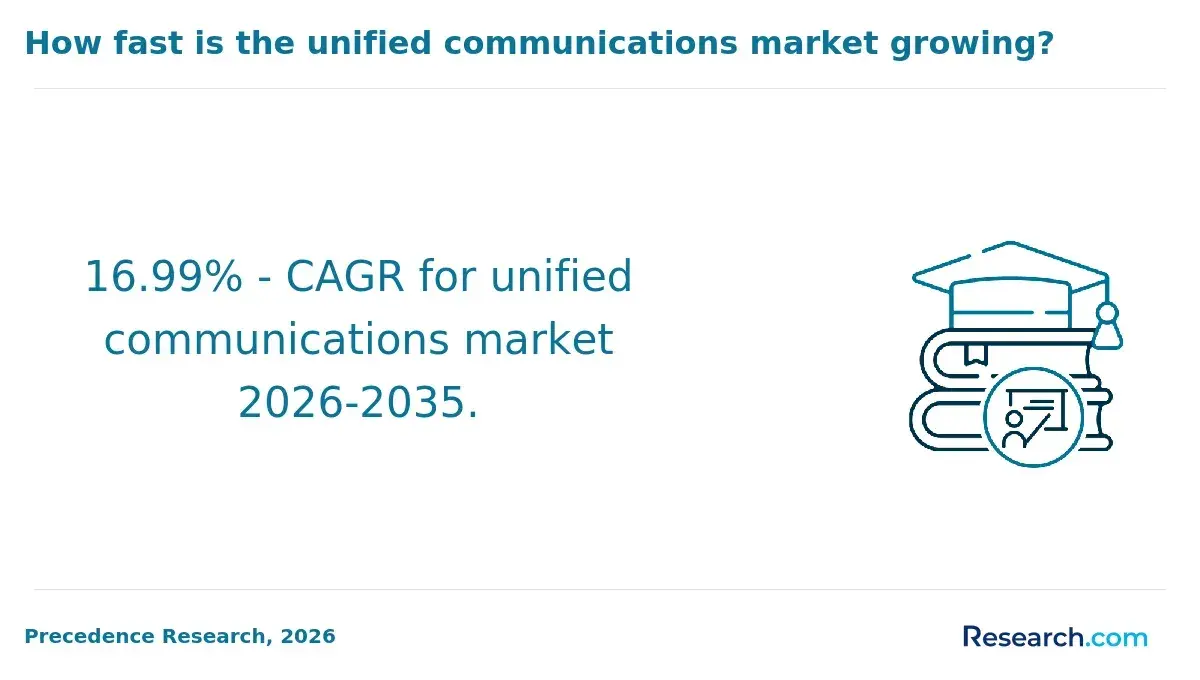
A one-year online Communication program can be valuable when you need a faster way to build advanced communication skills, qualify for promotion, change fields, or formalize experience you already have. The best candidates are usually self-directed learners who can handle frequent deadlines and who already have a clear reason for earning the credential.
The main advantage is speed, but speed only helps if the program is aligned with your career target. A public relations professional, for example, may benefit from a program focused on strategic communication or integrated marketing communication. A manager may gain more from organizational communication, leadership communication, or crisis communication coursework.
Potential benefits
- Faster credential completion: A condensed format can help students earn a recognized degree in a shorter period by taking a full-time course load.
- Online flexibility: Many programs allow students to complete coursework from home, which can help working adults balance school with job and family responsibilities.
- Practical skill development: Coursework often emphasizes writing for audiences, digital media strategy, public relations, research, campaign planning, persuasion, and message evaluation.
- Career mobility: The degree may support movement into communication-focused roles in business, media, marketing, public service, healthcare, education, or nonprofit work.
- Focused specialization: One-year programs often concentrate on specific areas such as integrated marketing communication, digital media, health communication, organizational communication, or strategic communication.
When a one-year format makes the most sense
- You already know which communication field you want to enter or advance in.
- You can commit to a demanding academic schedule for a full year.
- You need a graduate credential more than a broad undergraduate foundation.
- Your employer values the degree or may help pay for it.
- You prefer structured online learning and can stay motivated without a campus routine.
For students still deciding whether Communication is the right undergraduate major, it may help to compare workload, admissions expectations, and career fit across other accessible degree paths, including the easiest bachelor's degrees to get.
What Are the Drawbacks of Pursuing One-year Online Communication Programs?
The main drawback of a one-year online Communication program is that the compressed timeline leaves little room for slow exploration, recovery from setbacks, or extra professional development. Students who underestimate the pace may struggle even if the content itself is manageable.
- Heavy workload: Completing a degree in twelve months means reading, writing, discussion participation, projects, and exams may overlap continuously. The pace can make it harder to absorb complex communication theory and apply it thoughtfully.
- Less time for networking: Online programs can offer discussion boards, group projects, and virtual meetings, but they may provide fewer informal relationships than campus-based programs. Students need to be intentional about connecting with faculty, classmates, and alumni.
- Limited hands-on experience: Internships, live presentations, media production, and client-based projects can be harder to fit into an accelerated online format. Some programs address this through capstones or applied projects, but not all do.
- Risk of isolation: Students who learn best through face-to-face discussion may find fully online coursework less motivating. Communication is a people-centered field, so interaction matters.
- Pressure on work-life balance: A one-year schedule may leave little flexibility for overtime, caregiving, illness, or travel. Working full time while studying full time can be difficult.
- Fewer chances to change direction: In a longer program, students may have time to test different interests such as journalism, public relations, digital content, or organizational communication. In a one-year program, specialization choices often must be made quickly.
These drawbacks do not make accelerated programs a poor choice, but they do mean students should choose carefully. Before enrolling, ask how many hours per week students typically spend on coursework, whether courses are asynchronous or scheduled, how group work is handled, and what support is available if you fall behind.
What Are the Eligibility Requirements for One-year Online Communication Programs?
Eligibility requirements vary by school and degree level, but one-year online Communication programs usually expect applicants to show that they are academically prepared for a fast pace. Master’s programs generally require a completed bachelor’s degree, while bachelor’s-completion programs require a significant amount of transferable college credit.
Because accelerated programs move quickly, admissions offices may look closely at writing ability, academic history, professional goals, and readiness for online learning. Applicants should verify requirements directly with each institution before applying.
- Bachelor's degree or transfer credits: Master’s level programs require a bachelor’s degree from an accredited institution. Bachelor’s-completion programs commonly ask for at least 60 transferable semester credits, including core communication courses when required.
- Minimum GPA: Most programs set a minimum undergraduate GPA between 2.75 and 3.0. Some schools may review applicants holistically if other parts of the application are strong.
- Prerequisite coursework: Programs may expect prior coursework in communication, writing, public speaking, and critical thinking. Missing prerequisites can add time to the degree plan.
- Professional experience: Relevant work experience is not always required, but it can strengthen an application, especially for strategic communication, marketing communication, organizational communication, or executive-style programs.
- Application materials: Applicants may need to submit a statement of purpose, letters of recommendation, a resume, or writing samples. GRE tests and interviews are rarely required, but policies vary by institution.
How to prepare a stronger application
- Request transcripts early and ask for a preliminary transfer-credit review if applying to a bachelor’s-completion program.
- Use the statement of purpose to explain why the accelerated format fits your goals and schedule.
- Choose recommenders who can speak to your writing, professionalism, reliability, or communication-related experience.
- Confirm whether the program requires synchronous attendance, group projects, or a capstone before committing.
Transfer students who are still building the credits needed for a bachelor’s-completion route may also compare lower-cost pathways such as the cheapest associate degree online before moving into a Communication major.
What Should I Look for in One-year Online Communication Degree Programs?
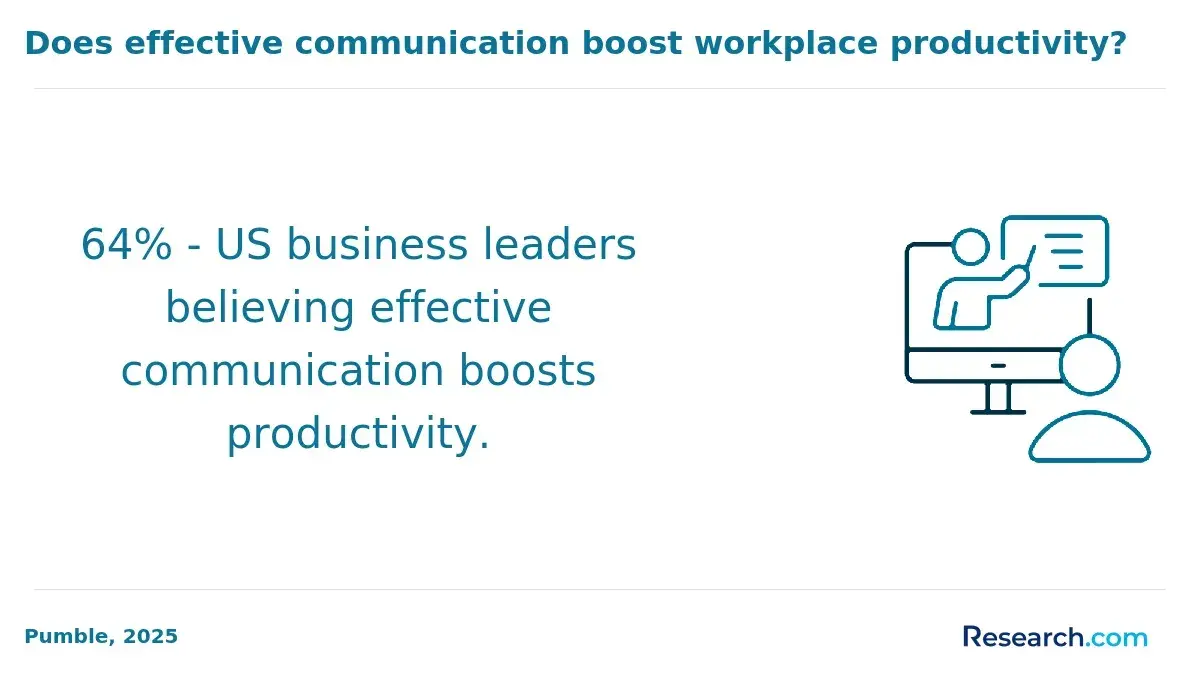
The best one-year online Communication program is not simply the fastest one. It should be accredited, transparent about workload and completion time, relevant to your career goal, and realistic for your schedule. Since genuinely one-year options are limited, students should verify every claim about program length before applying.
Quality factors to check
- Accreditation: Choose a school accredited by a recognized agency. Accreditation affects transferability, employer recognition, graduate school options, and federal financial aid eligibility.
- Curriculum relevance: Review the required courses, not just the program title. Look for coursework in areas that match your goals, such as digital media, public relations, corporate communication, strategic communication, marketing communication, or health communication.
- Format and flexibility: Fully online asynchronous courses may work best for students with unpredictable schedules. Synchronous courses may provide more live interaction but require attendance at specific times.
- Faculty expertise: Instructors with communication research backgrounds, professional industry experience, or applied consulting experience can make the coursework more useful and current.
- Applied learning: Strong programs include projects that require audience analysis, campaign planning, writing, presentation, research, or communication strategy rather than only exams and readings.
- Career support: Look for resume help, portfolio development, internship guidance, alumni connections, job boards, and access to career coaching.
- Completion plan: Ask for a term-by-term course map. A one-year program should clearly show when each required course is offered and how students finish on time.
- Total cost: Compare tuition, fees, technology charges, books, and any residency or travel requirements. A shorter program is not automatically cheaper if per-credit tuition is high.
Questions to ask admissions before enrolling
- How many students complete the program in one year?
- How many hours per week should students expect to study?
- Are courses asynchronous, synchronous, or mixed?
- Can working full-time students realistically follow the one-year plan?
- Does the program include a capstone, portfolio, internship, or applied project?
- What happens if a student needs to pause or reduce the course load?
Students considering advanced graduate pathways outside Communication may also review 1-year PhD programs online canada to understand how accelerated formats are structured at higher degree levels.
How Much Do One-year Online Communication Degree Programs Typically Cost?
Costs vary widely by institution, degree level, residency status, and program format. Many one-year online Communication options are graduate programs, certificates, or completion pathways rather than full bachelor’s degrees, so students should compare both the price and the credential they will receive.
Tuition for accelerated online Communication coursework is often charged per credit hour, with rates usually between $300 and $500 per credit. The total cost depends on how many credits the program requires and whether the school adds technology fees, distance-learning fees, graduation fees, books, or software costs.
Compared with traditional four-year Communication degrees, which can cost around $51,000 in total, one-year options may reduce total tuition and living expenses. However, the comparison is not always direct. A one-year graduate certificate, a master’s degree, and a bachelor’s-completion program can have very different career value. A cheaper credential is not necessarily better if it does not meet your employer’s expectations or your long-term education goals.
Cost factors to review before applying
- Per-credit tuition: Multiply the credit-hour price by the number of required credits to estimate tuition.
- Mandatory fees: Online, technology, library, registration, and graduation fees can increase the final cost.
- Transfer credits: For bachelor’s-completion students, accepted transfer credits can reduce the number of credits you must pay for.
- Books and software: Communication programs may require media tools, analytics platforms, production software, or digital subscriptions.
- Financial aid eligibility: Accredited degree programs may qualify for federal aid, while some certificate programs may have different aid rules.
- Employer support: Tuition reimbursement can substantially change the out-of-pocket cost if your employer approves the program.
Ask each school for a full cost estimate in writing, including tuition and required fees for the complete program. Also confirm whether tuition rates can change while you are enrolled.
What Can I Expect From One-year Online Communication Degree Programs?
Students in one-year online Communication programs should expect an intensive academic schedule. Many programs require about 10 to 11 courses within 12 months, which means assignments, readings, discussions, presentations, and projects may run back to back with limited breaks.
The curriculum usually combines communication theory with applied skill-building. Depending on the program, students may study strategic communication, digital media, organizational communication, public relations, integrated marketing communication, health communication, communication research, audience analysis, campaign planning, and persuasive messaging.
Common learning experiences
- Writing-intensive assignments: Students may produce press materials, campaign plans, research briefs, communication audits, digital content, or executive-style reports.
- Virtual discussion and collaboration: Online forums, video meetings, and group projects help students practice professional interaction and team-based communication.
- Applied projects: Many programs use case studies, campaign simulations, client-style assignments, or capstones to connect theory with workplace problems.
- Research and analysis: Students may evaluate audiences, interpret communication problems, analyze media messages, or assess campaign performance.
- Portfolio development: Some programs allow students to graduate with writing samples, strategic plans, presentations, or digital projects that can support a job search.
Skills students may build
- Clear professional writing for different audiences and channels
- Message strategy and persuasive communication
- Digital storytelling and media literacy
- Public relations and brand communication basics
- Organizational and leadership communication
- Research-based communication planning
- Intercultural and ethical communication awareness
The biggest challenge is time management. Students balancing work, family, and school should create a weekly study schedule before classes begin and avoid taking on major extra commitments during the program. If you are comparing providers, reviewing the top accredited universities in the US can help you identify institutions that offer flexible online programs and recognized credentials.
Are There Financial Aid Options for One-year Online Communication Degree Programs?
Financial aid may be available for one-year online Communication degree programs, but eligibility depends on the school, credential type, enrollment status, accreditation, and the student’s personal financial situation. Do not assume every accelerated or certificate program qualifies for the same aid as a traditional degree.
- Federal Financial Aid: Eligible students can apply through FAFSA for grants such as Pell Grants, federal loans, and work-study programs. To qualify, applicants must be U.S. citizens or eligible non-citizens, hold a high school diploma or equivalent, and enroll full-time in an accredited Communication degree program. Accelerated schedules may affect payout timing, so students should confirm details with the school’s financial aid office.
- Scholarships: Scholarships may be available for Communication majors, graduate students, online learners, adult students, or students pursuing media, public relations, marketing, or related fields. Awards may consider academic performance, leadership, financial need, professional goals, or commitment to the communications field.
- Employer Tuition Assistance: Some employers offer tuition reimbursement or tuition assistance for employees pursuing work-related education. Eligibility may require advance approval, minimum grades, continued employment, or an agreement to remain with the employer for a specific period after completing the degree.
Students may also look for state grants, military education benefits, private foundation awards, payment plans, and institutional discounts. Because one-year accelerated Communication programs can have unusual calendars, ask when aid is disbursed, whether summer terms are covered, and what happens financially if you drop a course or slow your pace.
What Communication Graduates Say About Their Online Degree
- Paxton: "Completing my one-year online Communication degree was a game-changer for my career. The accelerated format allowed me to gain essential skills quickly without sacrificing quality, and the average cost was surprisingly reasonable compared to traditional programs. I felt prepared and confident stepping into a new role right after graduation."
- Ameer: "The Communication program was thoughtfully designed to fit my busy schedule while providing in-depth learning through competency-based assessments. Reflecting on my experience, I appreciate how this approach prioritized mastering real-world skills over time spent in class. It broadened my perspective and enhanced my professional abilities effectively."
- Nathan: "As someone who values efficiency and professional growth, the one-year online Communication degree gave me precisely what I needed. The program's structure encouraged rapid completion without compromising learning outcomes, and I could see the impact on my personal communication strategy almost immediately. The investment was worthwhile."
Other Things You Should Know About Pursuing One-Yeas Communication Degrees
Yes, ensure the program is accredited by recognized bodies like the Accrediting Council for Education in Journalism and Mass Communications (ACEJMC) in 2027. Accreditation ensures that the program meets quality standards and that credits are transferable.
You'll need a reliable internet connection, a computer or laptop with updated software, and specific browsers that support course platforms. Some programs may require software like Adobe Creative Suite for communication tasks. Check program-specific technical requirements for compatibility in 2027.
References
- Is a Communication Degree Worth Your Time and Money? https://online.uc.edu/blog/is-communication-degree-worth-it/
- Common Drawbacks of Distance Learning Programs and How to Overcome https://londongatecollege.com/common-drawbacks-of-distance-learning-programs-and-how-to-overcome/
- 2025 Most Affordable Online Communications Degrees https://www.onlineu.com/most-affordable-colleges/communications-degrees
- Common 10 Disadvantages of Distance Learning: Know Before Selection https://www.21kschool.com/us/blog/disadvantages-of-distance-learning/
- Best Online Communications Degrees of 2025 https://www.forbes.com/advisor/education/business-and-marketing/best-online-communications-degree-programs/
- Tuition & Financial Aid | Master's in Communication https://www.gonzaga.edu/online-graduate-programs/online-programs/m-a-communication-leadership-studies/tuition-and-financial-aid
- How Long Does It Take To Complete An Online Master’s In Communication? - GradSchoolHub.com https://www.gradschoolhub.com/faqs/how-long-does-it-take-to-complete-an-online-masters-in-communication/
- 10 Surprising Benefits of Online Learning in 2025 https://www.coursera.org/articles/benefits-of-online-learning
- Average Cost of Online College [2025]: Yearly Tuition + Fees https://educationdata.org/average-cost-of-online-college