Research.com is an editorially independent organization with a carefully engineered commission system that’s both transparent and fair. Our primary source of income stems from collaborating with affiliates who compensate us for advertising their services on our site, and we earn a referral fee when prospective clients decided to use those services. We ensure that no affiliates can influence our content or school rankings with their compensations. We also work together with Google AdSense which provides us with a base of revenue that runs independently from our affiliate partnerships. It’s important to us that you understand which content is sponsored and which isn’t, so we’ve implemented clear advertising disclosures throughout our site. Our intention is to make sure you never feel misled, and always know exactly what you’re viewing on our platform. We also maintain a steadfast editorial independence despite operating as a for-profit website. Our core objective is to provide accurate, unbiased, and comprehensive guides and resources to assist our readers in making informed decisions.
2026 How to Become a Speech Language Pathologist in Oregon
Becoming a speech-language pathologist in Oregon is a graduate-level career path that requires planning: you need the right accredited master’s program, supervised clinical training, a passing Praxis score, and state licensure before you can practice independently. The payoff can be meaningful for students who want a healthcare-education career focused on communication, swallowing, language development, rehabilitation, and long-term client progress.
Oregon is a particularly relevant state to evaluate because it combines strong projected demand with a relatively high cost of living. Speech-language pathologists in Oregon earn an average annual salary of $98,900, while the state employs about 1,620 SLPs. Employment is projected to grow by 22.1% between 2022 and 2032, with about 510 openings expected each year. This guide explains the full path to becoming an SLP in Oregon, how licensing works, what the job involves, how to compare programs, what challenges to expect, and how to decide whether this career fits your goals.
Quick Answer: How Do You Become a Speech-Language Pathologist in Oregon?
To become a speech-language pathologist in Oregon, you generally need a master’s degree in speech-language pathology from an accredited program, a 36-week supervised clinical fellowship, a passing score on the National Examination in Speech-Language Pathology, and licensure through the Oregon Board of Examiners for Speech-Language Pathology and Audiology. Many professionals also pursue ASHA’s Certificate of Clinical Competence in Speech-Language Pathology, known as the CCC-SLP, to strengthen their credentials and improve career mobility.
Key Things You Should Know About Becoming a Speech-Language Pathologist in Oregon
Oregon’s demand for speech-language pathologists is projected to rise by 22.1% from 2022 to 2032, according to the U.S. Bureau of Labor Statistics, with approximately 510 openings each year. Demand is tied to factors such as aging populations, pediatric service needs, and greater recognition of communication and swallowing disorders.
The average annual salary for speech-language pathologists in Oregon is about $98,900 as of 2023, compared with the national average of $92,630. Actual pay depends on experience, region, employer type, specialty, and whether the role is in schools, healthcare, private practice, or another setting.
Oregon’s cost of living can reduce the practical value of a higher salary, especially in Portland, where housing and transportation costs are roughly 30% above the national average. Salary should be evaluated alongside rent, commuting costs, benefits, student loan payments, and work schedule.
Rural Oregon may offer strong opportunities for new graduates because some communities face shortages of speech-language pathologists. Candidates willing to work outside major metro areas may encounter less competition and broader service needs.
How do you become a speech-language pathologist in Oregon?
The path to becoming a speech-language pathologist in Oregon is structured because SLPs work with clients who may have complex medical, developmental, educational, and neurological needs. The state licensing process is designed to verify that candidates have completed advanced academic preparation, supervised clinical training, and a national competency exam. If you are still comparing state requirements or want a broader national overview, Research.com’s guide to the requirements to become a speech pathologist can help you understand how Oregon fits into the wider profession.
Earn a bachelor’s degree and complete any required communication sciences and disorders prerequisites for graduate admission.
A bachelor’s degree alone does not qualify you for independent SLP licensure, but it prepares you for graduate-level study.
2. Earn an accredited master’s degree
Complete a master’s degree in speech-language pathology from an accredited institution. Oregon options include programs at Portland State University and the University of Oregon.
The master’s degree is the core academic credential required for clinical practice.
3. Build clinical experience
Complete the required supervised clinical training, including a 36-week supervised clinical fellowship after graduate study.
Clinical supervision helps you transition from classroom learning to independent evaluation and treatment.
4. Pass the national exam
Take and pass the National Examination in Speech-Language Pathology.
The exam verifies readiness across key areas such as assessment, treatment planning, and professional practice.
5. Apply for Oregon licensure
Submit required documents to the Oregon Board of Examiners for Speech-Language Pathology and Audiology.
You must be licensed to practice as an SLP in Oregon.
6. Consider the CCC-SLP
Apply for ASHA’s Certificate of Clinical Competence in Speech-Language Pathology if it supports your career goals.
The CCC-SLP is not required for Oregon licensure, but many employers value it.
7. Search strategically for jobs
Prepare a resume that highlights placements, populations served, specialty interests, and certifications; then apply across schools, clinics, hospitals, and private practices.
Oregon opportunities vary by region and setting, so targeted applications are more effective than broad searches.
What admissions committees may look for
Admission to Oregon SLP graduate programs can be competitive. Programs such as those at Portland State University and the University of Oregon typically expect strong academic preparation, and applicants may need a minimum GPA of 3.0, GRE scores in the 30th percentile, and relevant volunteer experience in the field. Because admissions standards can change, applicants should confirm current requirements directly with each program before applying.
Who this path is best for
Students who want a clinical career but are also interested in education, child development, rehabilitation, linguistics, or healthcare.
Professionals who are comfortable with graduate-level science coursework, documentation, assessment, and long-term treatment planning.
People who can communicate clearly with clients, families, teachers, physicians, and other specialists.
Candidates willing to meet licensing and continuing education requirements throughout their careers.
Who may want to consider a different path
Students who want to enter the workforce quickly without graduate school may find the SLP route too long.
People who dislike detailed documentation, compliance requirements, or structured treatment planning may struggle with the administrative side of the role.
Candidates who prefer a less client-facing role may want to consider research, audiology support roles, healthcare administration, or education-related careers.
What education do you need to become a speech-language pathologist in Oregon?
The minimum educational requirement for independent speech-language pathology practice in Oregon is a master’s degree in speech-language pathology from an accredited institution. A bachelor’s degree is normally required for graduate admission, but it is not enough for SLP licensure. Some clinicians pursue doctoral education for research, university teaching, leadership, or advanced specialization, but a doctorate is not required for routine clinical practice.
Typical education timeline
Stage
Typical length
Purpose
Key decision point
Bachelor’s degree
Usually four years
Builds academic foundation and completes prerequisites for graduate study.
Choose a major or prerequisite plan that meets graduate program requirements.
Master’s degree in speech-language pathology
Commonly two additional years
Provides advanced coursework, supervised clinical practice, and preparation for licensure.
Confirm that the program is ASHA-accredited and includes required clinical training.
Supervised clinical fellowship
36 weeks
Develops post-graduate clinical competence under supervision.
Select a placement aligned with your target setting, such as schools, hospitals, or clinics.
Licensure and continuing education
Ongoing
Maintains legal practice authority and professional competence.
Track renewal deadlines, professional development, and specialty goals.
Coursework you can expect
Graduate programs in speech-language pathology typically cover anatomy and physiology of speech, language development, dysphagia, aphasia, communication disorders, assessment methods, intervention planning, research literacy, and clinical ethics. Many programs also require prerequisite coursework before students begin core graduate classes, especially for applicants whose bachelor’s degree is outside communication sciences and disorders.
Program cost and accreditation
Graduate tuition in speech-language pathology can vary widely. Approximate program costs range from $20,000 to $60,000, depending on factors such as public or private status, residency, fees, clinical requirements, and the length of study. Prospective students should compare total cost, not just tuition, because clinical placements, transportation, exam fees, background checks, and licensure expenses can add to the final price.
Accreditation is one of the most important program-selection factors. Candidates should choose a graduate program accredited by the American Speech-Language-Hearing Association (ASHA), because accreditation signals that the program meets recognized academic and clinical preparation standards. Portland State University is one Oregon option with an ASHA-accredited master’s program in speech-language pathology, offering both academic preparation and clinical training opportunities. Students comparing programs can also review Research.com’s list of speech-language pathology degree programs to understand available options and selection criteria.
Questions to ask before choosing an SLP master’s program
Is the program accredited by ASHA?
How are clinical placements assigned, and are placements available in my preferred setting?
What are the full estimated costs, including fees, insurance, background checks, materials, and travel?
Does the program support students preparing for the National Examination in Speech-Language Pathology?
Can students complete placements in rural or underserved Oregon communities?
What percentage of students complete the program on time?
How does the program support students seeking school-based, medical, pediatric, adult, or bilingual practice experience?
What does a speech-language pathologist do?
Speech-language pathologists evaluate, diagnose, and treat communication and swallowing disorders. In Oregon, SLPs may work with preschool children who have articulation delays, students who need language support through an Individualized Education Program, adults recovering from strokes, people with cognitive-communication disorders, and clients with swallowing difficulties. The work combines clinical judgment, patient education, therapy design, documentation, and collaboration.
Core responsibilities
Assess speech, language, fluency, voice, cognitive-communication, and swallowing concerns.
Interpret evaluation results and explain findings to clients, families, educators, or care teams.
Create individualized treatment plans based on diagnosis, functional goals, and client needs.
Deliver therapy sessions and adjust interventions based on progress.
Collaborate with teachers, physicians, occupational therapists, psychologists, counselors, family members, and caregivers.
Document treatment plans, progress notes, service minutes, referrals, and outcomes.
Educate clients and families on communication strategies that can be practiced outside therapy sessions.
Common work settings in Oregon
Setting
Typical clients
What the work may involve
Best fit for SLPs who want
Public and private schools
Children and adolescents
IEP support, classroom collaboration, speech and language therapy, eligibility evaluations, documentation.
A calendar aligned with education systems and strong student advocacy work.
A medical environment with complex cases and team-based treatment.
Outpatient clinics
Children, adults, and families
Ongoing therapy for articulation, language, fluency, voice, feeding, or rehabilitation needs.
A mix of client populations and recurring treatment relationships.
Private practice
Clients selected by practice focus
Specialized therapy, business operations, scheduling, billing, and client management.
Greater autonomy and potential specialization.
Rural or underserved communities
Varied populations
Broad-scope services, telepractice, school and healthcare coordination, community-based support.
High-impact work and broader responsibility across client needs.
Skills that matter most
Clinical reasoning: SLPs must connect symptoms, assessment results, medical or educational history, and treatment goals.
Communication: The role requires explaining complex information in a way clients, families, and other professionals can use.
Patience and empathy: Progress can be slow, and clients may be frustrated, anxious, or tired.
Creativity: Effective therapy often requires adapting activities to a client’s age, culture, motivation, and daily environment.
Organization: Caseload management, documentation, compliance, and scheduling are central parts of the job.
Cultural responsiveness: Oregon’s diverse communities require clinicians to consider language, culture, family expectations, and access barriers.
A practicing Oregon SLP described the work this way: “I graduated from the University of Oregon, and the most rewarding part of my job is watching clients gain confidence. One child I worked with had difficulty producing several sounds, and each small improvement changed how she participated at school. Moments like that remind me why this field matters.”
How does Oregon SLP certification and licensing work?
After earning a master’s degree in speech-language pathology, Oregon candidates typically apply for a conditional license so they can complete the required 36-week supervised clinical fellowship. This supervised period is a major step between graduate school and full independent practice because it allows new clinicians to refine evaluation, therapy, documentation, and professional decision-making skills under guidance.
Oregon licensing requirements at a glance
Requirement
Oregon expectation
What to prepare
Graduate education
Master’s degree in speech-language pathology
Official transcripts from your graduate program.
Supervised clinical training
36-week supervised clinical fellowship
Documentation showing completion of required supervised experience.
National exam
National Examination in Speech-Language Pathology with 132 questions
Praxis report showing a passing score of at least 162 out of 200.
State application
Application through the Oregon Board of Examiners for Speech-Language Pathology and Audiology
Application materials, transcripts, clinical proof, exam results, and professional development form.
Background check
Fingerprint background check required
Complete the required fingerprinting process and related processing steps.
Fees
Total application cost, including background check, is approximately $329.50
Budget for application, licensing, and processing costs.
Renewal
Licenses are valid for two years and must be renewed by December 31 of every odd-numbered year
Track renewal timing and continuing education requirements.
Oregon also requires licensed SLPs to maintain their credentials through continuing education. Renewal requirements may include professional development hours, so clinicians should keep organized records of workshops, conferences, online courses, and approved training activities.
The CCC-SLP from ASHA is not mandatory for Oregon licensure, but many speech-language pathologists pursue it because it is widely recognized by employers and may support career flexibility across settings or states. Candidates should compare state licensure rules with ASHA certification requirements early so they can avoid repeating steps later.
Oregon has also introduced scholarship programs through the Oregon Department of Education to help address shortages of SLPs in rural areas. These programs may provide financial support to students who commit to working in underserved school districts after graduation. Because funding availability and eligibility can change, students should confirm current details with the state, their graduate program, and relevant school districts.
What ethical and legal rules apply to speech-language pathologists in Oregon?
SLPs in Oregon must practice within state licensing rules, federal education and healthcare laws, confidentiality standards, and professional ethics. These responsibilities are not optional administrative details. They shape how clinicians evaluate clients, share records, obtain consent, collaborate with other professionals, and protect the people they serve.
Legal responsibilities
Licensure: Oregon SLPs must hold a license from the Oregon Speech-Language Pathology and Audiology Licensing Board. The route includes a master’s degree in speech-language pathology, a clinical fellowship, and a passing Praxis exam.
Continuing education: Licensed SLPs must complete 30 hours of continuing education every two years. This helps clinicians stay current with laws, ethics, assessment methods, and evidence-based intervention.
Scope of practice: SLPs should provide services only within their training, competence, license, and setting-specific rules.
Confidentiality and records
Client privacy is a central legal and ethical duty. HIPAA establishes federal privacy standards for protected health information, and Oregon requirements may add additional obligations. In schools, SLPs may also need to understand education-record privacy rules and special education documentation requirements.
Informed consent: SLPs must obtain appropriate consent before sharing personal health information or beginning certain services.
Secure documentation: Clinical and educational records must be accurate, timely, and protected from unauthorized access.
Record retention: Oregon guidance commonly points to retaining client records for generally seven years, although clinicians should confirm requirements based on setting and client population.
Common ethical issues
A frequent ethical challenge is balancing client or family preferences with professional recommendations. For example, a client may decline a recommended treatment, or a family may request a service that is not supported by assessment results. In these situations, SLPs must respect autonomy while clearly explaining risks, benefits, alternatives, and the clinical reasoning behind their recommendations.
Federal and state compliance
Oregon Revised Statutes: State statutes and administrative rules define practice authority, licensing expectations, and disciplinary procedures.
Individuals with Disabilities Education Act: SLPs working in schools must understand IDEA-related evaluation, eligibility, service delivery, and IEP procedures.
HIPAA and related privacy rules: SLPs in healthcare and other covered settings must handle health information appropriately.
Common compliance mistakes to avoid
Assuming school-based documentation rules are the same as medical documentation rules.
Accepting clients outside your competence without supervision, referral, or additional training.
Sharing information with teachers, family members, or providers without appropriate authorization.
Failing to track continuing education hours before renewal deadlines.
Relying on informal advice instead of checking Oregon board requirements directly.
How do SLPs work with other education professionals in Oregon?
In Oregon schools, speech-language pathologists rarely work in isolation. They often collaborate with classroom teachers, special education teachers, school counselors, school psychologists, administrators, families, occupational therapists, and other service providers. The goal is to connect speech and language support with the student’s academic, social, behavioral, and functional needs.
SLPs are commonly part of Individualized Education Program teams. They help evaluate whether communication challenges affect educational access, recommend service goals, deliver therapy, and advise teachers on classroom strategies. Special education teachers may depend on SLP input when adapting instruction, while SLPs may rely on teachers to understand how communication needs appear during real classroom tasks. Readers who want to understand a related school-based career can review Research.com’s guide on how to become a special education teacher in Oregon.
Examples of school-based collaboration
Professional partner
How the SLP contributes
How the partner supports the plan
Classroom teacher
Recommends language supports, communication strategies, and classroom accommodations.
Applies strategies during lessons, group work, and daily routines.
Special education teacher
Aligns speech-language goals with IEP objectives and learning needs.
Coordinates academic interventions and progress monitoring.
School psychologist
Provides communication-related assessment data and intervention input.
Evaluates learning, behavior, cognition, and social-emotional factors.
School counselor
Identifies how communication barriers may affect peer relationships or participation.
Supports emotional, social, and school adjustment needs.
Family or caregiver
Explains therapy goals and home practice strategies.
Reinforces communication goals outside school.
How much do speech-language pathologists earn in Oregon?
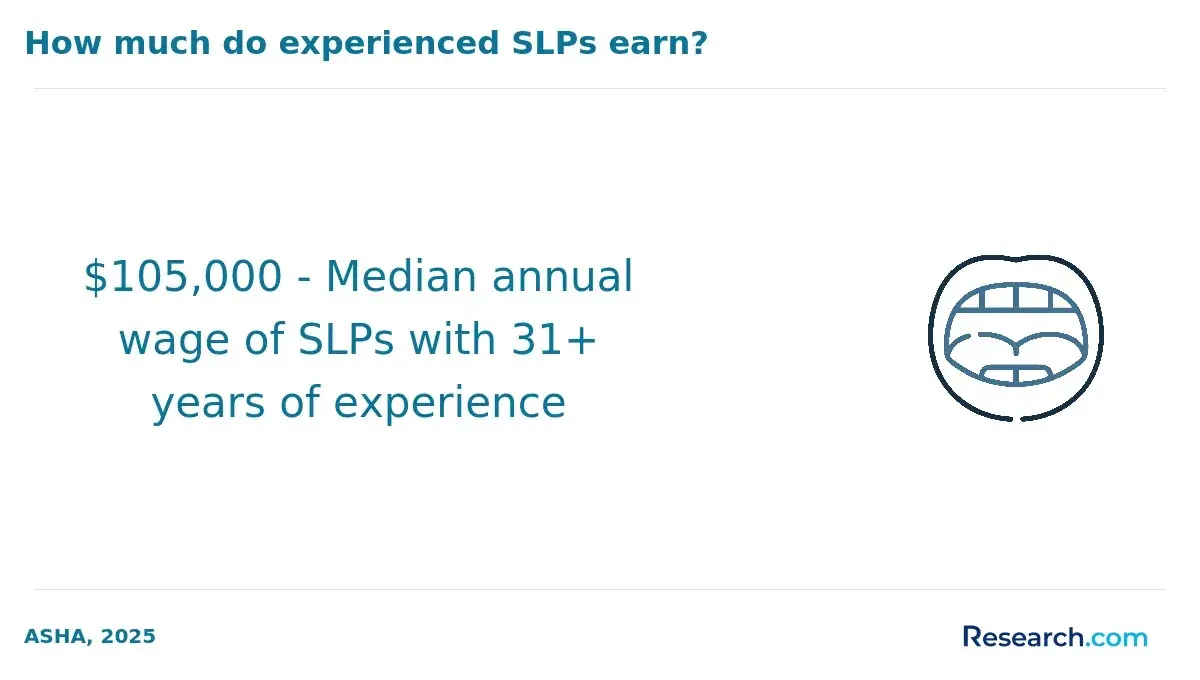
Speech-language pathologists in Oregon earn an average annual salary of approximately $98,900 as of 2023, which is higher than the national average of $92,630. However, salary should not be evaluated in isolation. The best offer depends on location, work setting, benefits, caseload expectations, paid time off, continuing education support, loan repayment eligibility, and the cost of living in the area.
Where SLPs may earn more
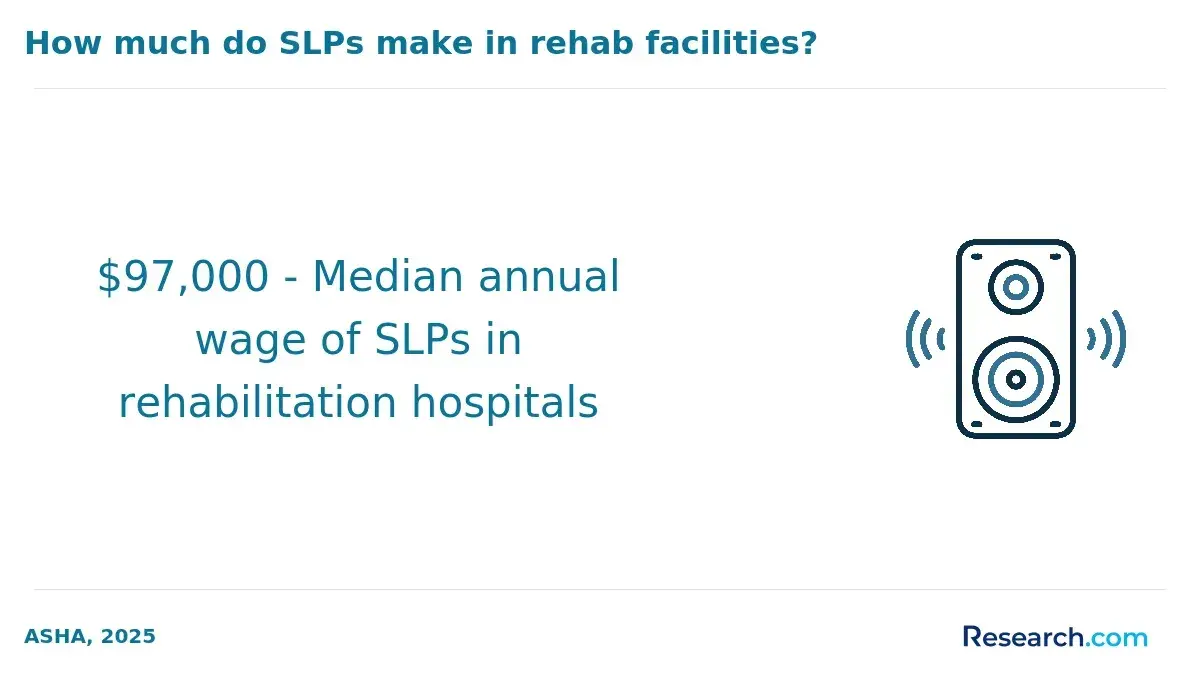
Healthcare and social assistance: Hospitals, rehabilitation centers, and related healthcare employers may offer strong compensation, especially for clinicians with medical or swallowing-related experience.
Educational services: Schools can provide stable employment, benefits, and opportunities to specialize in student support and special education.
Private practice: Earnings can vary significantly, but specialized services and established client demand may improve income potential.
Oregon locations to compare
Portland: The state’s largest city has a dense mix of healthcare systems, schools, clinics, and private practices, but competition and living costs may be higher.
Bend: A growing healthcare environment can create opportunities for SLPs, especially those open to varied caseloads.
Eugene: The area’s education and clinic network may appeal to SLPs interested in schools, pediatric services, and community-based care.
How to evaluate an SLP job offer in Oregon
Factor
Why it matters
Question to ask
Salary
Base pay determines income, but not total value.
Is compensation based on salary, hourly work, school-year schedule, billable hours, or productivity?
Benefits
Health insurance, retirement, paid leave, and continuing education support can materially affect compensation.
What benefits are included, and when do they start?
Caseload
Large caseloads can increase stress and reduce therapy planning time.
How many clients or students will I serve, and what support is available?
Location
Housing and transportation costs can change the real value of your salary.
How does this salary compare with local rent, commuting, and cost-of-living expenses?
Supervision and mentorship
New clinicians benefit from structured support, especially during the fellowship stage.
Who supervises new clinicians, and how often will we meet?
Professional growth
Specialty training can improve long-term options.
Does the employer fund continuing education, conferences, or certification costs?
How can you pay for SLP education and certification in Oregon?
Speech-language pathology requires graduate education, clinical preparation, exam fees, and licensing costs, so financing should be part of your planning from the start. Oregon students may use a combination of federal student aid, graduate assistantships, scholarships, employer support, state-sponsored programs, and loan repayment options. Candidates interested in school-based work should also investigate whether rural or underserved school district commitments come with funding support.
Students should compare the total cost of attendance rather than tuition alone. Include housing, transportation to clinical sites, books, liability insurance, background checks, Praxis costs, licensure fees, and lost income if a full-time program limits work hours. If you are exploring education careers more broadly, Research.com’s guide on how to become an elementary school teacher in Oregon may help you compare related school-based pathways and their credentialing expectations.
Ways to reduce the cost of becoming an SLP
Apply to multiple accredited programs and compare net cost after scholarships or assistantships.
Ask programs whether graduate assistantships, tuition support, or paid campus work are available.
Look for Oregon funding tied to rural or underserved school district service.
Complete prerequisite courses efficiently before enrolling in graduate school.
Choose clinical placements with realistic transportation costs when possible.
Track licensing and certification fees early so they do not become surprise expenses after graduation.
What is the job market like for speech-language pathologists in Oregon?
Oregon’s job market for speech-language pathologists is favorable, with employment projected to grow by 22.1% from 2022 to 2032 and about 510 annual openings. Demand exists across schools, healthcare facilities, clinics, and private practices. Still, the market is not identical across the state. Portland may offer more employers, but it can also be more competitive and expensive. Rural areas may have fewer total employers but stronger need for clinicians willing to serve broader geographic communities.
What is driving demand?
School-based service needs: Children with speech, language, fluency, and communication needs may require evaluations, IEP services, and therapy support.
Aging populations: Older adults may need SLP services after strokes, neurological conditions, cognitive decline, or swallowing difficulties.
Greater public awareness: Families, schools, and healthcare providers are increasingly attentive to communication and feeding concerns.
Rural access gaps: Less populated regions may struggle to recruit and retain enough licensed SLPs.
How competitive is the market?
Urban markets such as Portland may attract more applicants because they offer a larger concentration of hospitals, schools, universities, clinics, and private practices. Candidates who want flexibility may strengthen their job search by considering Bend, Eugene, smaller communities, rural districts, or hybrid roles that include telepractice. A Portland State University graduate summarized the trade-off this way: “I wanted to work in Oregon because the need was clear. Portland had strong opportunities, but rural districts gave me more room to grow quickly and serve communities that needed support.”
Best job-search strategies for new Oregon SLPs
Start building relationships during clinical placements; many first jobs come through supervisors, school districts, hospitals, or clinic contacts.
Apply before graduation if employers are willing to hire candidates completing fellowship or licensure steps.
Prepare separate resumes for school-based, medical, and outpatient roles.
Ask about supervision quality before accepting a fellowship role.
Consider rural or underserved placements if you want broader experience and potentially less competition.
How can professional networking help your Oregon SLP career?
Professional networking is useful in speech-language pathology because the field is relationship-driven. Supervisors, clinical educators, district leads, hospital rehabilitation teams, and professional association contacts can help you find jobs, fellowships, continuing education, mentorship, and specialty training. Networking is especially important in Oregon’s smaller communities, where reputation and professional trust can affect referrals and hiring.
Local and national organizations may offer workshops, peer forums, leadership opportunities, and continuing education sessions. These connections can help clinicians keep up with practice changes, discuss difficult cases ethically, and identify career paths outside traditional therapy roles. If you are also thinking about transferable skills in information services, education, or community-based roles, Research.com’s guide on how to become a librarian in Oregon offers another perspective on professional pathways in Oregon.
Networking actions that are worth your time
Join state or national speech-language-hearing associations as a student or early-career clinician.
Attend continuing education events that match your target population or setting.
Ask clinical supervisors for feedback, references, and introductions.
Participate in interdisciplinary meetings at schools or healthcare sites.
Maintain a professional record of certifications, trainings, presentations, and specialty experiences.
How can SLPs and school psychologists support students together?
Speech-language pathologists and school psychologists often evaluate overlapping student needs. A student’s communication challenges may affect reading, classroom participation, behavior, emotional regulation, or peer relationships. When SLPs and school psychologists collaborate, schools can better distinguish between language-based difficulties, cognitive concerns, learning disabilities, behavioral factors, and social-emotional needs.
This collaboration may improve evaluation quality, intervention planning, and progress monitoring. SLPs bring expertise in speech, language, communication, and pragmatic skills, while school psychologists contribute assessment knowledge related to learning, behavior, cognition, and emotional functioning. Professionals who want to understand this complementary role can review Research.com’s guide on how to become a school psychologist in Oregon.
How is technology changing speech-language pathology practice in Oregon?
Technology is changing how SLPs assess, treat, document, and reach clients. Teletherapy platforms can expand access in rural or underserved areas when used appropriately and in compliance with privacy and licensing rules. Digital tools can support articulation practice, language activities, home carryover, progress tracking, and coordination among providers. However, technology should support clinical judgment, not replace it.
Technology trends Oregon SLPs should watch
Telepractice: Remote services can help reach clients who face transportation, location, or provider-access barriers.
Digital documentation: Electronic systems can improve record organization but may add workflow demands if poorly implemented.
Data-informed treatment planning: Digital progress monitoring can help clinicians adjust therapy based on measurable outcomes.
AI-supported tools: Emerging tools may assist with practice activities, transcription, or administrative tasks, but clinicians remain responsible for accuracy, privacy, and ethical use.
SLPs who work in schools should also consider how language, literacy, and communication technologies affect classroom participation. Those exploring related education roles can review Research.com’s guide on how to become an English teacher in Oregon.
How can interdisciplinary research improve SLP practice in Oregon?
Speech-language pathology is strengthened when clinicians use research from communication sciences, psychology, neuroscience, education, rehabilitation, linguistics, and public health. Interdisciplinary research helps SLPs understand how communication disorders connect with cognition, mental health, literacy, swallowing, social participation, and family systems.
Oregon clinicians who collaborate with universities, psychology departments, healthcare systems, or school research teams may gain access to new assessment approaches, intervention models, and evidence-based practices. Partnerships with institutions recognized among the best psychology schools in Oregon can be especially useful for clinicians interested in cognition, behavior, developmental disorders, or mental health connections to communication.
Practical ways to use research in clinical work
Choose continuing education based on client needs rather than convenience alone.
Read current practice guidelines and research summaries before adopting new tools.
Track client outcomes to evaluate whether your interventions are working.
Collaborate with specialists when communication issues overlap with cognition, behavior, trauma, or mental health.
Be cautious about trendy interventions that lack evidence or clear ethical support.
How does continuing education support SLP career growth in Oregon?
Continuing education is required for Oregon SLP license renewal, but it should also be treated as a career strategy. The strongest clinicians use professional development to close skill gaps, deepen specialty knowledge, improve documentation, understand regulatory changes, and prepare for leadership roles.
Workshops, seminars, conferences, and online courses can help SLPs refine assessment and treatment in areas such as dysphagia, autism, aphasia, voice disorders, fluency, bilingual service delivery, AAC, literacy, and school-based eligibility. Interdisciplinary training may also improve practice, especially when clients have emotional, relational, or behavioral needs. For a related therapeutic field, see Research.com’s guide on how to become a MFT in Oregon.
How to choose continuing education wisely
Start with your caseload: choose training that directly improves services for the clients you actually see.
Balance specialty topics with ethics, documentation, supervision, and legal updates.
Confirm that courses count toward Oregon renewal requirements before paying.
Keep certificates and attendance records organized throughout the two-year renewal cycle.
Seek employer support for courses that benefit your workplace.
What advancement paths are available to SLPs in Oregon?
Speech-language pathology offers more than one career ladder. Some Oregon SLPs remain in direct clinical practice and build deep expertise with specific populations. Others move into supervision, program management, private practice ownership, research, consulting, school leadership, or healthcare administration. Advancement depends on experience, setting, specialty training, leadership ability, and sometimes additional credentials.
Career levels and options
Career stage
Possible roles
What the role involves
Good fit for
Entry-level or support role
Speech-Language Pathology Assistant
SLPAs assist licensed SLPs and typically earn around $43,490 annually.
People seeking supervised hands-on experience before or alongside further education.
Early licensed clinician
School SLP, outpatient SLP, rehabilitation SLP, clinical fellow
Provides assessment, treatment, documentation, and collaboration under appropriate licensure and supervision rules.
New graduates building competence and exploring preferred populations.
Mid-level practitioner
Clinical supervisor, lead SLP, program coordinator
Clinicians who enjoy mentoring and systems-level work.
Senior leadership
Director of Speech-Language Pathology Services, clinical director
Oversees programs, staffing, budgets, compliance, service quality, and strategic planning.
Experienced SLPs with strong leadership, communication, and operational skills.
Alternative paths
Researcher, consultant, private practice owner, trainer
Develops evidence, advises organizations, builds business models, or trains other professionals.
SLPs seeking autonomy, academic work, or specialized influence beyond a single caseload.
Advanced education can support some of these pathways, particularly for clinicians interested in research, teaching, or high-level specialization. Students comparing related graduate options can review Research.com’s guide to the best online audiology and speech pathology degrees.
What challenges should Oregon SLPs prepare for?
Speech-language pathology can be highly rewarding, but the day-to-day work can also be demanding. Aspiring SLPs should evaluate the realities of caseload size, documentation, resource limitations, client complexity, and professional boundaries before committing to the field. Preparing for these challenges early can reduce burnout and improve career satisfaction.
Common challenges and better ways to handle them
Challenge
Why it can be difficult
How to prepare
High caseloads
Many SLPs report serving upwards of 40 clients weekly, and some public school clinicians may manage even more.
Ask employers about caseload size, service delivery models, planning time, and support staff before accepting a role.
Heavy documentation
Therapy plans, progress notes, IEP records, medical documentation, and compliance forms can reduce direct service time.
Build efficient documentation habits during graduate school and clinical fellowship.
Limited resources
Public school budgets may restrict access to therapy materials, technology, or assessment tools.
Learn low-cost, evidence-based therapy strategies and ask about employer-provided materials.
Diverse client needs
Oregon SLPs may serve clients with different languages, cultures, diagnoses, ages, and access barriers.
Seek training in culturally responsive practice, bilingual considerations, and interdisciplinary referral.
Unqualified service providers
Non-SLP providers offering speech services can create confusion about standards and quality of care.
Maintain licensure, educate clients about credentials, and work within professional standards.
Cost of living
Higher salaries may be offset by housing and transportation costs in urban areas.
Compare job offers using take-home pay, benefits, commute, and living expenses.
Mistakes aspiring SLPs should avoid
Choosing a graduate program without confirming accreditation.
Comparing tuition only and ignoring fees, clinical travel, licensing costs, and lost work time.
Assuming an online or hybrid program automatically meets Oregon licensing requirements.
Accepting a fellowship without asking about supervision quality and caseload expectations.
Focusing only on Portland and overlooking rural or underserved Oregon opportunities.
Assuming the average salary guarantees your personal earnings in your preferred setting.
Waiting until renewal season to track continuing education hours.
Students looking for lower-cost education pathways should compare accredited programs carefully. Research.com’s guide to affordable online speech pathology degrees in the USA can help identify cost-conscious options, but students should still verify Oregon licensure alignment before enrolling.
What teaching certification options may matter for aspiring SLPs in Oregon?
Speech-language pathology and teaching are separate professional paths, but they often intersect in school settings. Aspiring SLPs who want to work in Oregon schools should understand how education credentials, school employment rules, and special education services connect. Reviewing the types of teaching certificates in Oregon can help students compare school-based roles and determine whether they are more interested in classroom teaching, special education, speech-language pathology, or a related student support profession.
The key point is that a teaching credential does not replace SLP licensure. If your goal is to practice as a speech-language pathologist, prioritize an accredited SLP master’s program and Oregon SLP licensing requirements. If your goal is classroom instruction with communication-focused expertise, teaching certification may be more relevant.
How can advanced certifications affect SLP career growth and compensation?
Advanced credentials can help SLPs show specialized knowledge, commitment to professional development, and readiness for more complex roles. The CCC-SLP is one of the most widely recognized credentials in the field, and many employers view it as a marker of clinical competence. Other specialty training may support advancement in areas such as dysphagia, autism, AAC, bilingual services, school leadership, or medical speech-language pathology.
Compensation can be influenced by credentials, but certification alone does not guarantee a specific salary. Pay also depends on setting, region, employer budget, years of experience, productivity expectations, and leadership responsibilities. Research.com’s overview of CCC-SLP salary and career outlook can help clinicians think through how credentials may fit into broader career planning.
When advanced certification may be worth it
You want to qualify for roles across more employers or states.
You plan to pursue clinical leadership, supervision, or specialty practice.
Your employer recognizes or rewards advanced credentials.
You want a structured professional development path after licensure.
How can mental health collaboration strengthen SLP practice in Oregon?
Communication disorders can overlap with anxiety, trauma, neurodevelopmental conditions, behavioral concerns, family stress, and social isolation. Collaboration with mental health professionals can help SLPs understand when a client’s communication needs are connected to emotional or behavioral factors and when referral or coordinated care is appropriate.
This does not mean SLPs replace counselors or therapists. Instead, interdisciplinary collaboration helps each professional stay within scope while supporting the whole person. For example, an SLP may address pragmatic language while a mental health counselor supports emotional regulation, coping skills, or family adjustment. Clinicians who want a clearer understanding of mental health scope and training can review Research.com’s guide to mental health counselor requirements in Oregon.
How can school counselors and SLPs work together?
School counselors and SLPs can improve student support when communication goals are connected to social participation, self-advocacy, peer relationships, and school engagement. A student who struggles with expressive language, fluency, or pragmatic communication may also experience frustration, avoidance, or social stress. Coordinated planning can help the student receive consistent support across therapy sessions, classrooms, and counseling settings.
SLPs can help counselors understand how communication needs affect student behavior, while counselors can help SLPs recognize broader emotional and social concerns. Professionals interested in the counseling side of student support can read Research.com’s guide on how to become a school counselor in Oregon.
What do speech-language pathologists say about working in Oregon?
Oregon gives me the chance to serve people with many different backgrounds and needs. Some days I work with a child developing clearer speech, and other days I support an adult after a stroke. The best part is collaborating with other professionals so the client receives coordinated care.Kevin
The state’s broader attention to wellness has shaped how I think about therapy. Communication does not happen in isolation, so I value being able to consider emotional support, family context, and practical daily needs in my sessions.Hailey
Professional development has been a major advantage for me in Oregon. Workshops and conferences help me stay current, and that makes my therapy more effective for the people I serve.Harry
Oregon SLP licensure requires graduate education, supervised clinical training, a national exam, and state approval; a bachelor’s degree alone is not enough for independent practice.
The minimum clinical education path is typically a master’s degree in speech-language pathology from an accredited program, followed by a 36-week supervised clinical fellowship.
Oregon’s average SLP salary is about $98,900 as of 2023, but job offers should be compared against caseload size, benefits, supervision, commuting costs, and local cost of living.
The Oregon SLP job market is projected to grow by 22.1% from 2022 to 2032, with approximately 510 annual openings, but opportunities and competition differ between Portland, other cities, and rural communities.
Rural and underserved Oregon areas may offer strong early-career opportunities for graduates who want broad experience and are open to relocation.
Accreditation, clinical placement quality, total program cost, and licensure alignment are the most important factors when comparing SLP graduate programs.
The CCC-SLP is not required for Oregon licensure, but it can strengthen professional credibility and may improve career flexibility.
Common mistakes include choosing an unverified program, underestimating graduate school costs, overlooking fellowship supervision, and assuming average salary figures guarantee individual outcomes.
Other Things You Should Know About Becoming a Speech Language Pathologist in Oregon
What licenses are required to be a speech-language pathologist in Oregon in 2026?
In 2026, speech-language pathologists in Oregon must hold a state-issued license from the Oregon Board of Examiners for Speech-Language Pathology and Audiology. Obtaining this license requires a master's degree in speech-language pathology, completion of a clinical fellowship, and passing the Praxis exam.
What are the requirements to become a speech-language pathologist in Oregon in 2026?
To become a speech-language pathologist in Oregon in 2026, you'll need a master's degree in speech-language pathology, pass the Praxis examination, and complete a clinical fellowship. Licensure from the Oregon Board of Examiners for Speech-Language Pathology and Audiology is also required. Continuing education is necessary to maintain licensure.