Becoming a speech-language pathologist in Hawaii requires more than choosing a graduate program. You need the right master’s degree, supervised clinical training, a passing Praxis score, state licensure, and a realistic understanding of Hawaii’s school, healthcare, and telepractice job market. The decision is especially important because Hawaii combines strong demand for SLP services with a high cost of living, island-specific access challenges, and culturally diverse communities that require thoughtful, locally responsive care.
This guide explains how to become a speech-language pathologist in Hawaii, what education and licensing steps are required, where SLPs work, how much they can earn, and what factors should shape your program and career decisions. It is designed for prospective graduate students, career changers, current communication sciences students, and licensed professionals considering a move to Hawaii.
Quick answer: How do you become a speech-language pathologist in Hawaii?
To become a speech-language pathologist in Hawaii, you typically need a master’s degree in speech-language pathology or a closely related field from an accredited program, supervised clinical practicum experience, a postgraduate clinical fellowship, a passing Praxis exam score, and a state license through the Hawaii Board of Speech Pathology and Audiology. Many employers also prefer or require eligibility for the ASHA Certificate of Clinical Competence in Speech-Language Pathology, commonly known as the CCC-SLP.
Hawaii can be a strong state for SLP careers because demand is supported by schools, hospitals, rehabilitation providers, private practices, and telepractice. However, prospective SLPs should weigh salary against living costs, licensure details, interisland service needs, and the importance of cultural competence in clinical practice.
Key Things You Should Know About Becoming a Speech Language Pathologist in Hawaii
Demand for speech-language pathologists in Hawaii is expected to remain strong. The U.S. Bureau of Labor Statistics estimated a 25% increase in employment opportunities for SLPs from 2021 to 2031, driven by aging-related communication needs, pediatric services, and broader recognition of speech and language disorders.
As of 2023, the average annual salary for speech-language pathologists in Hawaii is approximately $85,000, compared with a national average of around $82,000. Actual pay may differ by setting, experience, island, employer type, and whether the role follows an academic-year or calendar-year schedule.
Hawaii’s cost of living is a major planning factor. The cost of living index in Hawaii is about 60% higher than the national average, so applicants should evaluate rent, transportation, relocation costs, and benefits instead of comparing salaries alone.
According to the Hawaii Department of Labor and Industrial Relations, about 1,200 SLPs were employed in the state as of 2023, reflecting growing use of speech therapy services in schools, clinics, hospitals, and community-based settings.
How can you become a speech language pathologist in Hawaii?
The path to SLP licensure in Hawaii is structured, and each step affects your eligibility for clinical practice. The safest approach is to plan backward from licensure requirements before selecting a graduate program.
Complete the required undergraduate preparation. Most students begin with a bachelor’s degree in communication sciences and disorders, speech and hearing sciences, psychology, education, linguistics, or another related field. If your bachelor’s degree is outside the field, you may need prerequisite courses before entering a graduate SLP program.
Earn an accredited master’s degree. Hawaii requires advanced graduate preparation for SLP practice. The University of Hawaii at Mānoa offers the only ASHA-accredited program in the state and awards a Master of Science in Communication Sciences and Disorders. The program includes at least 75 semester hours of graduate coursework, covering areas such as biological sciences, behavioral sciences, human communication, assessment, and intervention.
Complete supervised clinical training. Graduate students and new professionals must build clinical competence through supervised practice. Candidates complete practicum experiences during graduate study and later complete a clinical fellowship of at least 36 weeks of supervised professional practice.
Pass the Praxis examination. Hawaii requires candidates to pass the national Praxis exam for speech-language pathology. A minimum score of 162 is required for licensure in Hawaii.
Apply for Hawaii licensure. After meeting education, clinical, and examination requirements, applicants submit documentation to the Hawaii Board of Speech Pathology and Audiology. The board reviews education, supervised experience, examination results, and other required materials.

Consider ASHA certification. State licensure is required to practice. The Certificate of Clinical Competence in Speech-Language Pathology from the American Speech-Language-Hearing Association is not the same as a state license, but it can strengthen portability, credibility, and employer confidence.
Prepare for the Hawaii job search early. Build a resume that clearly shows clinical placements, populations served, assessment tools used, treatment experience, practicum hours, fellowship status, and any experience with schools, telepractice, bilingual services, dysphagia, autism, or early intervention.
Step
What it involves
Decision point for students
Bachelor’s preparation
Complete a bachelor’s degree and any required prerequisites
Choose coursework that keeps graduate school options open
Master’s degree
Enroll in an accredited SLP graduate program
Confirm CAA accreditation before applying
Clinical practicum
Gain supervised experience with different client needs
Look for placements aligned with your intended setting
Clinical fellowship
Complete at least 36 weeks of supervised professional practice
Choose a supervisor and employer who can document your work properly
Praxis exam
Pass the national SLP competency examination
Plan study time before applying for full licensure
State license
Apply through the Hawaii Board of Speech Pathology and Audiology
Verify all forms, fees, and documentation directly with the board
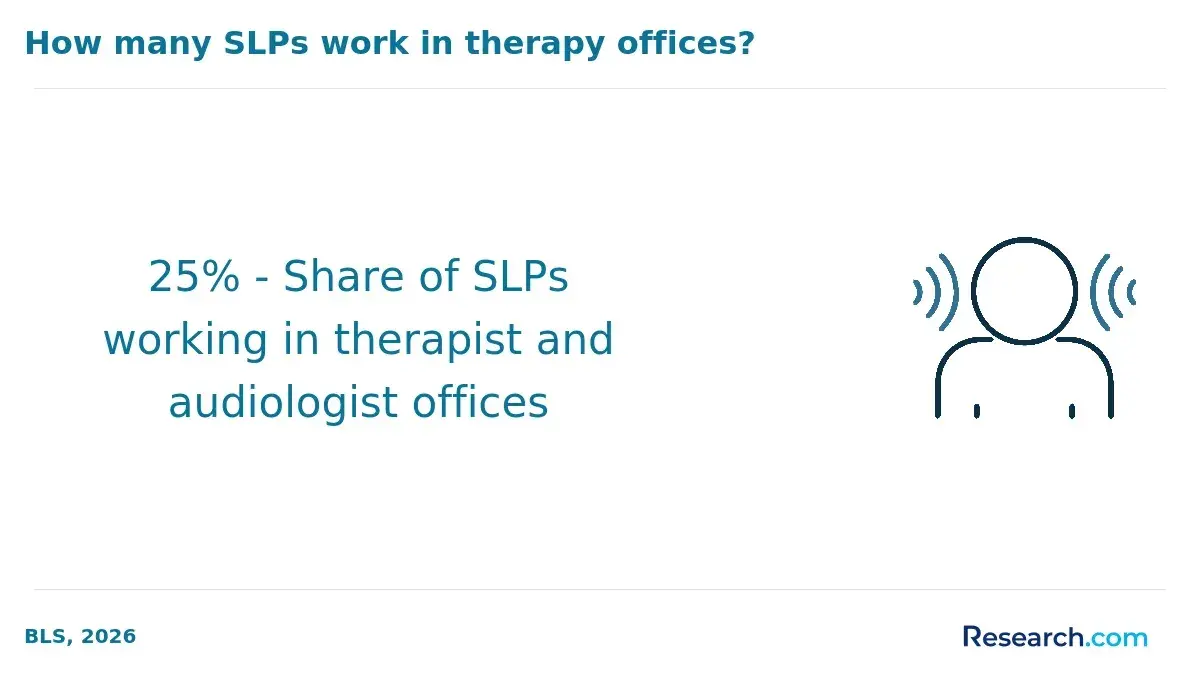
The educational services sector employed the largest share of SLPs, with 40% of SLPs employed as of 2023, as shown below.
What is the minimum educational requirement to become a speech language pathologist in in Hawaii?
The minimum education required to become a speech-language pathologist in Hawaii is a master’s degree in speech-language pathology or a closely related field that meets state and professional standards. A bachelor’s degree alone may help you qualify for graduate admission or support roles, but it does not qualify you for independent SLP practice.
Required degree level: A master’s degree is the standard entry-level credential for licensure. Some professionals pursue a PhD for university teaching, research, advanced leadership, or specialized clinical work, but a doctorate is not required for initial licensure. Students comparing options can review SLP graduate programs to understand program structures and admission expectations.
Coursework expectations: Graduate preparation must cover communication processes, speech and language development, swallowing, assessment, intervention, professional practice, and related audiology content. The cited requirements include at least 21 credits in speech-language pathology areas and 6 credits in audiology.
Typical timeline: Many students spend about six years preparing for entry into the profession: roughly four years for a bachelor’s degree and about two additional years for the master’s program. Timelines can change for part-time students, career changers, prerequisite students, and those completing online or hybrid formats.
Estimated graduate cost: The cost of a master’s program in speech-language pathology can range from $30,000 to $60,000, depending on institution, residency status, delivery format, fees, and clinical placement costs.
Clinical practicum: Candidates must complete supervised hands-on clinical training. The cited practicum expectation is at least 375 hours of supervised experience, which helps students develop assessment, diagnosis, treatment planning, documentation, and counseling skills.
Accreditation: Students should confirm that a program is accredited by the Council on Academic Accreditation in Audiology and Speech-Language Pathology. CAA accreditation is a key safeguard for licensure eligibility, clinical training quality, and employer recognition.
Hawaii-based option: The University of Hawaii at Manoa is the primary in-state graduate pathway noted for students pursuing speech-language pathology preparation in Hawaii.
Program factor
Why it matters
What to verify before enrolling
CAA accreditation
Supports eligibility for licensure and professional certification
Check accreditation status directly with the accreditor and program
Clinical placements
Determines the populations and disorders you will work with before graduation
Ask where students complete placements in Hawaii or elsewhere
Praxis preparation
Helps candidates prepare for the required national exam
Review exam support, advising, and historical outcomes
Cost and aid
Affects debt and career return on investment
Compare tuition, fees, travel, technology, and living expenses
Format
Online, hybrid, and campus programs differ in flexibility and placement requirements
Confirm whether the program can support clinical placements where you live
Praxis pass-rate data cited by the American Speech-Language-Hearing Association shows consistently high results in recent academic years. In 2022-2023, the pass rate was 94.10% with 8,582 test-takers. In 2021-2022, the pass rate was 93.70% among 8,226 candidates. In 2020-2021, the pass rate was 94.80% with 7,718 test-takers. The highest pass rate in this period was 96.50% in 2019-2020 among 8,787 test-takers.
What does a speech language pathologist do?
Speech-language pathologists evaluate, diagnose, and treat people with communication, language, speech sound, voice, fluency, cognitive-communication, and swallowing disorders. In Hawaii, SLPs may work with preschool children, K-12 students, adults recovering from stroke or brain injury, older adults with swallowing needs, and families seeking early intervention or developmental support.
Common responsibilities include:
Screening and evaluating clients for speech, language, voice, fluency, cognitive-communication, and swallowing concerns.
Writing individualized treatment plans based on assessment results, client goals, school requirements, or medical needs.
Delivering therapy sessions that target communication, literacy, feeding, swallowing, social communication, or functional daily-life skills.
Documenting progress, writing reports, maintaining records, and participating in IEP or care-team meetings.
Coaching families, caregivers, educators, and healthcare teams on strategies that support progress outside therapy sessions.
The strongest SLPs combine clinical judgment with communication skill, patience, cultural humility, organization, and creativity. They also need strong documentation habits because treatment decisions must be supported by evidence, data, and clear professional reasoning.
Work setting
Typical clients
Common responsibilities
Schools
Students with speech, language, fluency, or social communication needs
One Hawaii SLP described the profession through the lens of community impact: seeing a child produce a long-awaited first word after months of therapy can make the demanding training and documentation feel worthwhile. That experience captures a central part of the profession: helping people participate more fully in family, school, work, and community life.
What is the certification and licensing process for a speech language pathologist in Hawaii?
Hawaii SLP licensure is handled through the state licensing board, while national professional certification is handled through ASHA. These are related but separate credentials. Students comparing graduate pathways may also review the best master’s in audiology and speech pathology programs to understand how accredited programs prepare students for both licensure and certification.
Graduate education: Applicants must hold a master’s degree or equivalent preparation from an institution recognized by the Hawaii Board of Speech Pathology and Audiology.
ASHA CCC eligibility: Candidates seeking the CCC-SLP must complete the required academic preparation, 375 hours of supervised clinical practicum, and a full-time postgraduate clinical fellowship lasting 36 weeks under appropriate supervision.
Praxis examination: Applicants must pass the written examination administered by Educational Testing Service. Hawaii requires a minimum score of 162.
Recommendations and application materials: The licensing process includes documentation, required forms, three letters of recommendation, and an initial license fee of $176.
Background requirements: Applicants must complete fingerprinting and background checks as part of the state process.
Renewal: Licenses must be renewed every odd-numbered year by December 31, and the renewal fee is $176. If an application remains incomplete for one year, it may be treated as abandoned, requiring a new application under current requirements.
Reciprocity and temporary practice: Individuals with ASHA certification or licensure in another state may be eligible to practice in Hawaii while an application is pending for up to 90 days. Provisional licenses may be available for temporary services for one year and may be renewable for one additional year, although regulations for this license have not yet been established.
Credential
Issued by
Purpose
Hawaii SLP license
Hawaii Board of Speech Pathology and Audiology
Legal authorization to practice in the state
CCC-SLP
American Speech-Language-Hearing Association
National professional certification often valued by employers
Praxis exam
Educational Testing Service
National competency examination used for licensure and certification eligibility
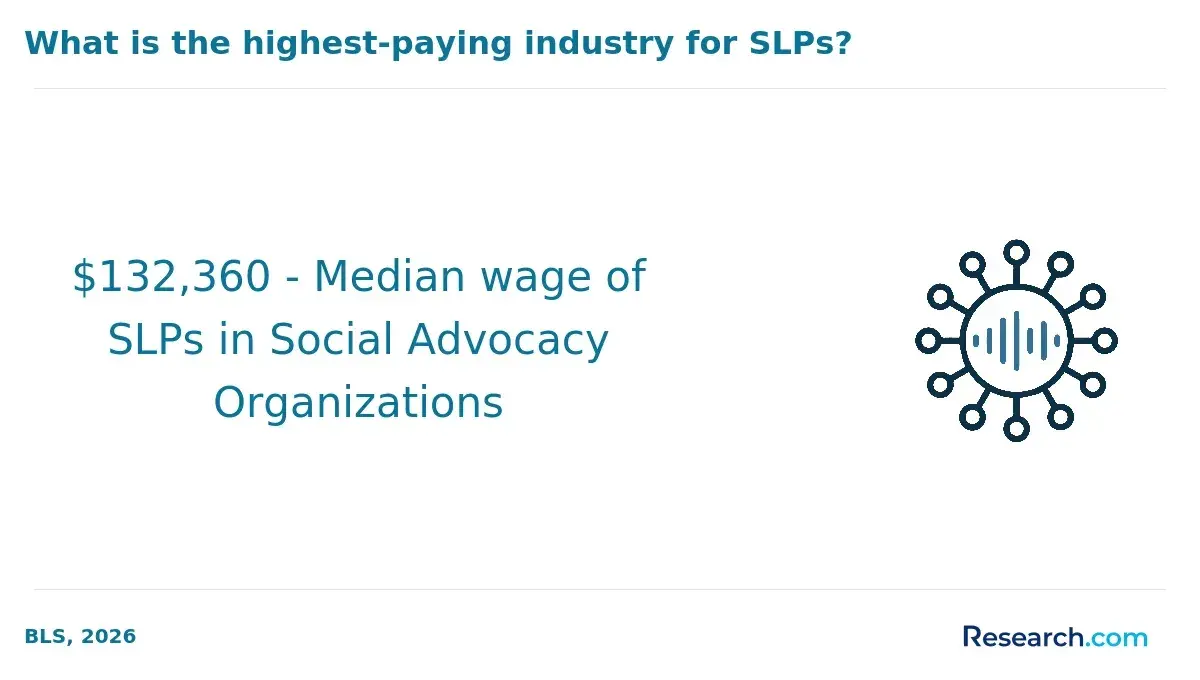
For SLPs working in schools, the cited 2024 median annual salaries were $74,849 per academic year and $86,000 per calendar year, as shown below.
What ethical and legal guidelines should you observe as a speech language pathologist in Hawaii?
SLPs in Hawaii must practice within state law, employer policies, federal education and healthcare rules, and professional ethics. Ethical practice is especially important because SLPs work with children, medically vulnerable patients, multilingual families, and clients whose communication needs may affect consent, access, and participation.
Core legal and ethical responsibilities
Maintain an active license. SLPs must hold a valid Hawaii license through the Department of Commerce and Consumer Affairs before providing services that require licensure.
Protect confidentiality. Client records, therapy notes, evaluations, school documents, and medical information must be handled carefully. HIPAA, school privacy obligations, and Hawaii-specific confidentiality expectations can apply depending on the setting.
Follow education and disability laws. School-based SLPs must understand IEP procedures and service obligations under laws such as the Individuals with Disabilities Education Act and the Americans with Disabilities Act.
Practice within competence. SLPs should not accept cases, use methods, or make diagnoses outside their training and scope without supervision, referral, or additional preparation.
Use culturally responsive practice. In Hawaii, effective service often requires attention to family structure, home language, local communication patterns, Native Hawaiian culture, Pacific Islander communities, and multilingual development.
Verify continuing education rules directly. Do not rely on generic summaries. Some sources cite 30 hours of continuing education every two years, while Hawaii-specific licensing information should be checked directly with the board before renewal planning.
Common ethical mistakes to avoid
Assuming one assessment tool is valid for every language, culture, or dialect background.
Beginning telepractice without confirming Hawaii telepractice rules, client location, privacy, and documentation requirements.
Letting productivity pressure reduce the quality of documentation, family counseling, or progress monitoring.
Failing to explain recommendations in plain language that families and clients can use.
Providing services outside the SLP scope when referral to medical, psychological, educational, or social-service professionals is needed.
How much can you earn as a speech language pathologist in Hawaii?
Speech-language pathologist earnings in Hawaii are competitive, but salary should be viewed alongside housing, transportation, taxes, benefits, and relocation costs. The cited figures place the average annual salary for SLPs in Hawaii at approximately $85,000, with a median salary around $82,000. Other cited national comparisons list average salaries at about $80,000 and median salaries at $77,000 across the United States, while another comparison notes a national average of around $82,000.
Salary can vary substantially by work setting. Healthcare roles may pay differently from school-year positions, and school compensation may depend on whether the contract follows an academic-year or calendar-year schedule. SLPs should compare total compensation rather than hourly or annual pay alone.
Factors that affect SLP pay in Hawaii
Setting: Hospitals, rehabilitation centers, schools, private practices, and government agencies may use different pay scales.
Experience: Clinical fellows, early-career SLPs, advanced clinicians, supervisors, and specialists can fall into different compensation bands.
Location: Honolulu, Hilo, Kailua, rural areas, and neighbor islands may differ in demand, travel expectations, and employer resources.
Schedule: Academic-year school roles can appear lower than calendar-year roles unless benefits, time off, and contract length are considered.
Specialization: Dysphagia, bilingual services, autism, AAC, pediatric feeding, medical SLP work, and telepractice experience may improve competitiveness.
Compensation factor
Why it matters in Hawaii
Question to ask before accepting a role
Base salary
Hawaii salaries must be weighed against a high cost of living
Is this academic-year, calendar-year, hourly, or fee-for-service pay?
Benefits
Health insurance, retirement, leave, and relocation support can change total value
What benefits are included, and when do they begin?
Caseload
High caseloads can increase unpaid documentation and stress
How many clients or students will I serve, and what support is available?
Travel
Interisland or multi-site work may add time and costs
Is travel reimbursed, and is travel time paid?
Supervision
Clinical fellows need appropriate supervision to complete requirements
Who will supervise me, and are they qualified to sign off on my fellowship?
Students who need to control graduate debt can compare lower-cost pathways, including the cheapest online SLP degrees, while confirming that any selected program supports licensure goals.
In 2023, the distribution of licensed SLPs varied widely across states. The cited ASHA data lists California with 30,000 licensed SLPs, Texas with 20,000, New York with 15,000, Florida with 13,000, and Illinois with 10,000. This workforce distribution helps show how concentrated the profession is in certain states compared with smaller markets such as Hawaii.
What is the job market like for a speech language pathologist in Hawaii?
Hawaii’s SLP job market is shaped by demand in schools, medical settings, rehabilitation services, early intervention, private practice, and telepractice. The U.S. Bureau of Labor Statistics projected 25% growth for SLP employment from 2019 to 2029, which is much faster than the average for all occupations. In Hawaii, demand is also influenced by geography, school service needs, access gaps on neighbor islands, and the need for clinicians who can work effectively with diverse communities.
Schools are a major employer. Educational services employ a large share of SLPs, and school-based positions often involve IEP evaluations, therapy, consultation, progress reporting, and team meetings.
Healthcare roles may offer specialized clinical work. Hospitals and rehabilitation settings can involve dysphagia, neurological disorders, cognitive-communication treatment, and interdisciplinary care.
Private practice offers flexibility but requires business judgment. Clinicians may gain control over populations served, scheduling, and service model, but they also face billing, marketing, and administrative demands.
Telepractice can expand access. Remote service delivery may help reach clients across islands, but clinicians must follow Hawaii licensing, privacy, documentation, and telepractice requirements.
Competition differs by location. Urban areas such as Honolulu may have more employers but also more applicants. Rural and neighbor-island roles may have stronger access needs but different lifestyle and travel considerations.
Who should consider an SLP career in Hawaii?
Students who want a clinically focused healthcare or education career with strong human interaction.
Professionals who are comfortable working with children, families, teachers, physicians, occupational therapists, psychologists, and community providers.
Clinicians interested in culturally responsive care, multilingual communication, early intervention, school services, or telepractice.
Applicants who have planned carefully for Hawaii’s cost of living and are not relying on salary alone to determine career fit.
Who should consider a different path?
Students who do not want graduate school, supervised clinical training, or licensure obligations.
Applicants who prefer low-documentation work; SLP roles require detailed records, reports, and compliance tasks.
People who are uncomfortable with emotionally demanding client and family situations.
Those who cannot relocate, travel, or complete clinical placements required by their program.
What are the requirements for teaching certifications that can complement a speech language pathologist's career in Hawaii?
Some SLPs pursue education-related credentials or training to better understand school systems, classroom instruction, literacy, special education, and teacher collaboration. A teaching credential is not a substitute for SLP licensure, but it may help clinicians working in schools communicate more effectively with educators and understand instructional goals. If you are comparing education pathways, Research.com’s guide to the types of teaching certificates in Hawaii can help clarify credential options.
SLPs interested in school-based work should ask whether a role requires only SLP licensure, an education department credential, or district-specific documentation. Requirements can differ by employer and position type.
How can continuing education and professional development impact your SLP career in Hawaii?
Professional development helps SLPs keep pace with evidence-based assessment, AAC, dysphagia care, early intervention, autism supports, multilingual assessment, literacy intervention, and telepractice. Even when a state does not require a specific continuing education structure for renewal, employers, certification bodies, and professional standards may still expect ongoing learning.
For school-based clinicians, education-focused professional learning can be useful. For example, understanding how to become an elementary school teacher in Hawaii can help SLPs better align language therapy with classroom expectations, reading development, and teacher collaboration.
What essential resources can bolster your career preparation as a speech-language pathologist in Hawaii?
Strong preparation comes from more than meeting minimum requirements. Future SLPs should use professional associations, licensure boards, graduate advisors, clinical supervisors, peer networks, and evidence-based practice resources to make better decisions.
Use ASHA and Hawaii board resources to verify licensure, telepractice, and certification details.
Ask graduate programs how they support clinical placements, Praxis preparation, and fellowship planning.
Seek mentorship from SLPs working in your target setting, such as schools, hospitals, early intervention, or private practice.
Track your clinical hours, populations, supervisors, and competencies carefully from the start.
What future trends are shaping speech language pathology in Hawaii?
Several trends are affecting SLP practice in Hawaii. Telehealth and digital therapy platforms continue to influence how clinicians reach clients across islands. Schools and healthcare systems increasingly expect data-informed progress monitoring, interdisciplinary care, and culturally responsive service delivery. Employers may also value clinicians who can support multilingual families, use AAC tools, and coordinate with behavioral health, occupational therapy, physical therapy, and medical teams.
Not every trend will affect every SLP equally. A hospital-based clinician may see more changes in swallowing assessment, documentation systems, and care coordination, while a school SLP may be more affected by IEP demands, literacy intervention, and caseload management. Students exploring other public-service careers in Hawaii can also compare professional pathways such as how to become a librarian in Hawaii.
What financial and accreditation considerations are essential when selecting an SLP program in Hawaii?
The best SLP program is not automatically the cheapest, fastest, or easiest to enter. It is the program that meets licensure requirements, provides strong clinical placement support, fits your financial reality, and prepares you for the setting where you want to work.
Question to ask
Why it matters
Is the program CAA-accredited?
Accreditation helps protect licensure and certification eligibility.
Can the program place students in Hawaii or your intended location?
Online programs may still require in-person clinical placements.
What is the full cost beyond tuition?
Fees, travel, background checks, materials, and living expenses affect total debt.
What are Praxis support and completion outcomes?
Exam readiness is essential for licensure.
How does the program support clinical fellowship planning?
A strong transition from graduate school to supervised practice can reduce delays.
Does the curriculum support your career goal?
Medical, school, pediatric, adult, AAC, bilingual, and dysphagia interests may require different experiences.
Applicants seeking accessible options may compare the easiest online SLP programs to get into, but admission ease should never outweigh accreditation, clinical placement quality, and licensure alignment.
What career and advancement opportunities are available for a speech language pathologist in Hawaii?
SLPs in Hawaii can build careers in direct service, specialization, supervision, administration, private practice, teaching, research, and telepractice. Career growth depends on experience, clinical skill, professional reputation, and the ability to meet community needs.
Entry-level roles: New graduates and clinical fellows often begin in schools, hospitals, rehabilitation centers, early intervention, or outpatient clinics while building supervised experience.
Specialist roles: Experienced SLPs may focus on dysphagia, AAC, autism, voice, fluency, literacy, pediatric feeding, bilingual services, or adult neurogenic communication disorders.
Leadership roles: Mid-level and senior roles may include supervising therapists, managing programs, coordinating services, developing treatment protocols, and overseeing budgets.
Academic and research roles: Some SLPs pursue teaching or research positions, especially with doctoral preparation or specialized expertise.
Private practice and telepractice: Clinicians may serve niche populations or reach clients across islands, provided they follow applicable licensure and telepractice rules.
The cited job growth projection is 25% from 2019 to 2029, and cited competitive pay ranges include $35 to $55 per hour. These figures can make the field attractive, but advancement is not automatic. SLPs who document outcomes, pursue specialized training, communicate well with teams, and understand Hawaii’s community needs are better positioned for growth.
What challenges should you consider as a speech language pathologist in Hawaii?
Hawaii offers meaningful SLP opportunities, but the work can be demanding. Prospective clinicians should understand the likely challenges before committing to graduate school, relocation, or a specific employer.
High caseloads: Some school-based SLPs report caseloads of 70 to 90 students, especially where staffing is limited. Large caseloads can reduce planning time, increase paperwork, and contribute to burnout.
Administrative workload: IEPs, evaluations, progress notes, billing records, compliance documentation, and team meetings can take substantial time. In Hawaii, service coordination across islands or multiple sites can add complexity.
Resource limitations: Remote and underserved areas may have fewer therapy materials, updated assessments, specialists, or support staff. Some clinicians may feel pressure to create or purchase their own materials.
Cultural and linguistic complexity: Hawaii’s communities include many languages, dialects, cultural traditions, and family structures. SLPs must distinguish communication differences from communication disorders.
Cost of living: A salary that appears competitive nationally may feel different after housing, food, transportation, and relocation costs.
Role confusion: Families may encounter non-SLP providers offering speech-related services. Licensed SLPs need to communicate clearly about scope, qualifications, and evidence-based practice.
Common mistakes future Hawaii SLPs should avoid
Choosing a graduate program without verifying accreditation and licensure alignment.
Looking only at tuition instead of total cost, clinical placement expenses, and debt.
Assuming an online program can automatically place you in Hawaii.
Accepting a clinical fellowship without confirming qualified supervision.
Underestimating documentation, IEP, or billing requirements.
Ignoring cost of living when evaluating salary offers.
Assuming all telepractice rules are the same across states.
How does interdisciplinary collaboration enhance the role of a speech language pathologist in Hawaii?
SLPs rarely work in isolation. In Hawaii, collaboration is especially important because clients may need coordinated support across schools, clinics, hospitals, families, and community agencies. Effective teams can reduce duplicated services, improve carryover, and create treatment goals that reflect the client’s daily life.
School-based SLPs frequently collaborate with special education teachers, classroom teachers, occupational therapists, psychologists, counselors, administrators, and families. Understanding how to become a special education teacher in Hawaii can help SLPs better understand special education systems and strengthen team-based planning.
Culturally grounded collaboration also matters. Therapy may be more effective when clinicians respect local communication styles, family priorities, Hawaiian cultural values, and community knowledge rather than relying only on standardized clinical routines.
Can combining school psychology expertise enhance your SLP practice in Hawaii?
School psychology knowledge can help SLPs interpret student needs more fully. Communication challenges may overlap with attention, learning, behavior, anxiety, social interaction, or academic concerns. SLPs who understand assessment systems and school-based intervention planning can contribute more effectively to multidisciplinary teams. For professionals exploring this adjacent pathway, Research.com’s guide on how to become a school psychologist in Hawaii explains the related profession.
Can leveraging English teaching skills enhance your SLP practice in Hawaii?
Language instruction strategies can strengthen SLP work, especially when therapy goals involve vocabulary, grammar, narrative language, reading comprehension, writing, and academic communication. In multilingual and culturally diverse settings, SLPs benefit from understanding how language is taught, practiced, and reinforced in classrooms. For a related education pathway, see Research.com’s guide on how to become an English teacher in Hawaii.
Can collaborating with school counselors enhance your SLP interventions in Hawaii?
School counselors can help SLPs understand social-emotional, attendance, family, peer, and adjustment factors that affect communication progress. Collaboration is particularly useful when students have pragmatic language goals, anxiety around speaking, bullying concerns, family stressors, or academic confidence issues. SLPs who understand the counselor’s role can create more complete support plans. Research.com’s guide on how to become a school counselor in Hawaii provides additional context.
How vital is cultural competence for SLP practice in Hawaii?
Cultural competence is not optional in Hawaii SLP practice. It affects assessment accuracy, family trust, therapy participation, goal selection, and treatment carryover. Clinicians should be prepared to work with Native Hawaiian communities, Pacific Islander families, Asian American communities, multilingual households, local dialects, and varied beliefs about disability, education, healthcare, and family roles.
Strong cultural competence involves asking better questions, using interpreters appropriately, avoiding assumptions, adapting materials, and distinguishing language difference from disorder. Students interested in broader behavioral and cultural study can explore the best psychology schools in Hawaii as part of related academic planning.
Can integrating marriage and family therapy methodologies enhance interdisciplinary solutions for SLPs in Hawaii?
Family-centered practice can improve SLP outcomes because communication happens within relationships. Caregivers often reinforce strategies, shape home routines, and support generalization outside therapy. Borrowing family-systems awareness can help SLPs understand communication patterns, caregiver stress, sibling dynamics, and home priorities without stepping outside their clinical scope. Professionals interested in this adjacent field can review Research.com’s guide on how to become a MFT in Hawaii.
Can integrating mental health counseling approaches improve your SLP services in Hawaii?
Mental health factors can influence communication, participation, fluency, voice, cognition, and therapy engagement. SLPs do not replace mental health counselors, but they can collaborate with them, screen for referral concerns, and design communication goals that account for emotional well-being. This is especially valuable when clients experience anxiety, trauma, adjustment challenges, or frustration related to communication limitations. For a related professional pathway, see Research.com’s guide to mental health counselor requirements in Hawaii.
What do speech language pathologists say about their careers in Hawaii?
: "
Working as an SLP in Hawaii feels deeply connected to community life. My caseload includes children with speech delays, and the most rewarding part is watching families celebrate progress that once felt far away. The environment also helps me protect my own balance, which matters in a field that can be emotionally demanding.Lani
"
: "
Hawaii has taught me to listen beyond the clinical file. Families bring different cultures, languages, and traditions into therapy, and when I incorporate those strengths respectfully, sessions become more meaningful and effective.Kim
"
: "
The demand for SLPs has allowed me to work in schools, private practice, and teletherapy. Serving clients on different islands has made my career more flexible, but it also requires careful planning, strong documentation, and respect for each community’s needs.Maya
"
Practical checklist before choosing an SLP path in Hawaii
Confirm that your graduate program is CAA-accredited and accepted for Hawaii licensure.

Ask how clinical placements are arranged, especially if you are studying online or outside Hawaii.
Calculate total program cost, including tuition, fees, travel, living expenses, background checks, and materials.
Verify Praxis score requirements, application forms, renewal rules, and fees directly with the Hawaii Board of Speech Pathology and Audiology.
Compare job offers by salary, benefits, caseload, supervision, travel, contract length, and cost of living.
Plan for cultural and linguistic competence before entering clinical practice in Hawaii.
Build relationships with local SLPs, educators, healthcare providers, and professional associations.
American Speech-Language-Hearing Association. (n.d.). Hawaii licensing requirements for audiologists and speech-language pathologists. American Speech-Language-Hearing Association.
American Speech-Language-Hearing Association. (n.d.). Hawaii telepractice requirements for audiologists and speech-language pathologists. American Speech-Language-Hearing Association.
Board of Speech Pathology and Audiology. (n.d.). Application forms & publications. Hawaii Professional & Vocational Licensing. Board of Speech Pathology and Audiology.
Board of Speech Pathology and Audiology. (n.d.). Board of Speech Pathology and Audiology. Hawaii Professional & Vocational Licensing. Board of Speech Pathology and Audiology.
Hawaii SLPs need a graduate-level pathway: a bachelor’s degree is not enough for independent practice, and the minimum professional education is a master’s degree in speech-language pathology or a closely related field.
The core licensure sequence is graduate education, supervised clinical practicum, a clinical fellowship of at least 36 weeks, the Praxis exam with a minimum Hawaii score of 162, and state licensure through the Hawaii Board of Speech Pathology and Audiology.
Accreditation should be a non-negotiable program selection factor. Before enrolling, verify CAA accreditation, clinical placement support, Praxis preparation, and Hawaii licensure alignment.
Hawaii salaries can be competitive, with cited average annual pay around $85,000, but the cost of living index is about 60% higher than the national average, so total compensation matters more than salary alone.
Schools are a major employment setting, with educational services employing 40% of SLPs as of 2023. School roles can be rewarding but may involve high caseloads, IEP documentation, and extensive collaboration.
Cultural competence is central to effective SLP practice in Hawaii. Clinicians must understand local language patterns, family systems, community values, and the difference between language disorder and language difference.
Telepractice, interdisciplinary care, AAC, multilingual services, dysphagia expertise, and school-based collaboration are important areas for career growth, but each requires careful attention to scope, licensure, and ethical practice.
Other Things You Should Know About Speech-language Pathologist Degrees
How long does it take to become a speech language pathologist in Hawaii in 2026?
Becoming a speech-language pathologist in Hawaii typically takes about 6 to 7 years. This includes obtaining a bachelor's degree (4 years), a master's degree in speech-language pathology (2 years), and completing supervised clinical hours. Afterward, you'll need to pass the Praxis exam and gather any additional requirements for licensure in Hawaii.
What is the process to become a speech language pathologist in Hawaii in 2026?
To become a speech language pathologist in Hawaii by 2026, you need a master's degree in speech-language pathology, complete supervised clinical hours, pass the Praxis exam, and apply for state licensure. Additionally, you must complete a Clinical Fellowship Year and stay updated with continual education requirements.
Is a license required to practice as a speech language pathologist in Hawaii in 2026?
Yes, a license is required to practice as a speech language pathologist in Hawaii in 2026. To obtain it, candidates must complete a master's degree in the field, fulfill supervised clinical experience requirements, and pass the Praxis exam in Speech-Language Pathology.
What are the key requirements for becoming a licensed speech language pathologist in Hawaii in 2026?
To become a licensed speech language pathologist in Hawaii in 2026, candidates must earn a master’s degree in speech-language pathology from an accredited institution, complete a clinical fellowship, pass the Praxis exam, and obtain licensure from the Hawaii Department of Commerce and Consumer Affairs (DCCA).