2027 Cheapest and Shortest Online Neuroscience Degree Programs That Pay Well: Cost, Duration, and Salary Outlook

Co-Founder and Chief Data Scientist
Choosing an online neuroscience degree is not just a question of interest in the brain and nervous system. For many students, the real decision is whether a program is affordable, short enough to fit around work or family responsibilities, and credible enough to support a career move afterward.
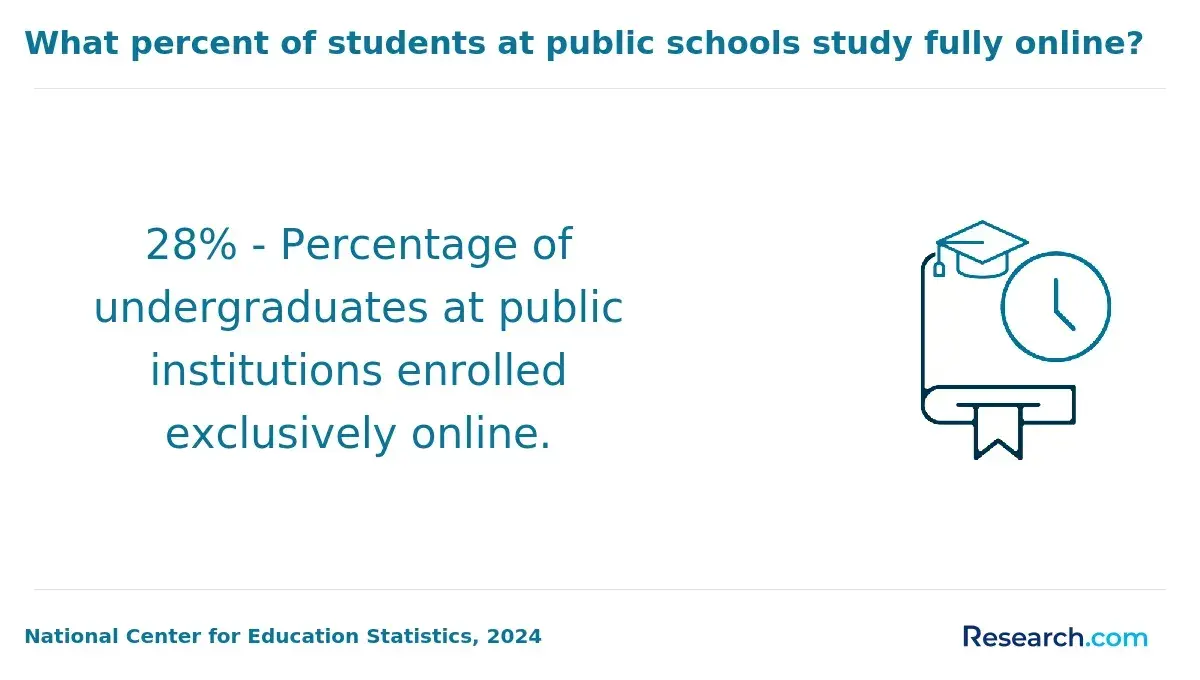
Online education has expanded quickly, with a 30% increase in enrollment over recent years. That growth has created more flexible options for students who cannot relocate or attend full-time on campus. It has also made comparison shopping harder: low tuition, accelerated calendars, and broad salary claims do not always mean a program is the right investment.
This guide explains how to evaluate the cheapest and shortest online neuroscience degree options without overlooking accreditation, course format, financial aid, career fit, and realistic salary outcomes. It is written for cost-conscious students, working adults, career changers, and healthcare or science professionals who want a faster path into neuroscience-related study while avoiding programs that cut corners.
Key Benefits of the Cheapest and Shortest Online Neuroscience Degree Programs That Pay Well
- Online neuroscience degrees often cost 40% less than traditional programs, reducing student debt while providing flexible learning tailored to diverse schedules.
- Accelerated online programs can be completed in under two years, enabling faster entry into the workforce compared to typical four-year degrees.
- Graduates in neuroscience earn a median annual salary of approximately $80,000, offering strong return on investment for affordable and shorter educational paths.
How Much Does an Affordable Online Neuroscience Degree Typically Cost?
An affordable online neuroscience degree commonly costs less than a comparable campus-based option, but the final price depends on credit requirements, transfer credits, fees, and how quickly a student completes the program. Online tuition rates have increased modestly by around 3% annually in recent years, yet they generally remain below on-campus equivalents.
When comparing programs, look beyond the advertised tuition. A program with a low per-credit rate can still be expensive if it requires more credits, charges high technology fees, or does not accept prior coursework.
| Cost Factor | What to Expect | Why It Matters |
| Total tuition range | $15,000 to $40,000 in total | This is the broad tuition range many students should expect for an affordable online neuroscience degree, depending on the school, program length, and required credits. |
| Cost per credit hour | $300 to $600 per credit hour | Online programs in this range can be significantly less expensive than traditional campus programs where credit costs can exceed $1,000. |
| Additional expenses | $1,000 to $2,000 | Registration fees, technology fees, lab materials, textbooks, and course materials can change the true cost of attendance. |
| Accelerated program savings | Often under three years for some accelerated formats | Many neuroscience bachelor's degrees require about 120 credit hours, so shorter calendars may reduce time in school and some indirect costs. |
| Salary context | $85,000 to $100,000 median annual wages in related fields such as neuropsychologists and biological scientists | Salary outcomes vary by role, degree level, employer, licensure, and experience. A bachelor's degree alone may not qualify graduates for the highest-paying clinical or research positions. |
The best affordability test is not simply “Which program is cheapest?” A stronger question is: “What is the total cost to finish, and what career or graduate-school options will the credential realistically support?” Students comparing neuroscience with other advanced healthcare tracks may also review short online DNP programs to understand how costs and outcomes differ across fields.
Can You Get Financial Aid in the Cheapest Online Neuroscience Programs?
Yes, students in cheap online neuroscience programs may be able to receive financial aid, but eligibility usually depends on the school’s accreditation status, the student’s enrollment level, and completion of the FAFSA. About 85% of undergraduate online students receive some form of financial assistance, which makes aid planning an important part of choosing a low-cost program.
The lowest advertised tuition is not always the lowest out-of-pocket cost. A slightly higher-priced accredited program may cost less after grants, scholarships, employer benefits, or transfer credit are applied.
Common financial aid options
- Federal grants: Grants such as the Pell Grant do not require repayment and are typically based on financial need. They can directly reduce tuition and fees for eligible students.
- Scholarships: Universities, private organizations, and science- or health-focused foundations may offer scholarships based on merit, need, academic interest, or career goals. Students should search for both general STEM scholarships and awards connected to neuroscience, psychology, biology, healthcare, or research.
- Federal student loans: Federal loans can help cover remaining costs, but they must be repaid with interest. Borrow only what is needed, especially if the degree is intended as a stepping stone to graduate school.
- Employer tuition assistance: Working adults may qualify for tuition reimbursement or education benefits through an employer. This can be especially valuable for students already employed in healthcare, biotech, education, research support, or human services.
What to verify before applying for aid
- Confirm that the institution is accredited by a recognized accreditor.
- Ask whether the specific online program is eligible for federal financial aid.
- Check whether accelerated terms affect full-time or part-time aid status.
- Review satisfactory academic progress rules, especially if the program is intensive.
- Compare net price after aid, not just tuition before aid.
Students who want a short training path into healthcare while managing costs may also compare degree options with focused workforce programs such as a certified medical assistant program. The right choice depends on whether the goal is immediate employment, graduate study, clinical licensure, or research preparation.
What Are the Shortest Online Neuroscience Degree Programs?
The shortest online neuroscience degree programs are usually accelerated degrees, degree-completion pathways, or graduate certificates rather than traditional full-length programs. Nearly 30% of online students opt for fast-track formats, which shows strong demand for shorter timelines among working adults and career changers.
Speed, however, has trade-offs. A shorter program can reduce time away from the workforce, but it may require heavier weekly study, fewer breaks, and stronger self-discipline. It may also limit elective options or require students to enter with transfer credits.
Features that make neuroscience programs shorter
- Modular courses: Courses are divided into focused units so students can move through one subject at a time. This can make complex topics easier to manage in a compressed calendar.
- Year-round enrollment: Programs that run continuously reduce long academic breaks and allow students to accumulate credits faster.
- Self-paced learning: Some courses allow students to progress more quickly through material they already understand, while spending more time on difficult topics.
- Transfer-friendly policies: Although not every program accepts the same credits, generous transfer policies can shorten time to completion for students with prior college coursework.
- Condensed terms: Shorter terms can help students complete more courses in a calendar year, but they also increase the pace of assignments and exams.
Typical tuition for fast-track options ranges from $300 to $700 per credit hour, with many fast-track programs capping total costs below $30,000. Graduates entering neuroscience-related careers can anticipate median salaries around $80,000 annually, with advanced roles paying upwards of six figures. Those higher-paying roles often require graduate education, specialized experience, licensure, or industry-specific expertise.
Students comparing the fastest routes in science and healthcare may also find value in reviewing accelerated options in adjacent fields, including online healthcare administration degree programs.
Breakdown of All Fully Online Title IV Institutions

What Is the Typical Format of the Shortest Online Neuroscience Degree Programs?
The shortest online neuroscience programs typically use accelerated terms, online learning platforms, and tightly sequenced courses. Nearly 70% of these programs apply modular learning, reflecting a shift toward flexible pacing and structured completion pathways.
Students should expect a format that is convenient but not easy. Neuroscience combines biology, psychology, chemistry, statistics, research methods, and data interpretation, so compressed courses require steady weekly work.
- Term length: Courses are usually structured into 6 to 8-week terms instead of traditional 15-week semesters. This allows students to focus on fewer classes at a time while earning credits more quickly.
- Course delivery: Most coursework is asynchronous, meaning students can watch lectures, complete readings, and submit assignments on their own schedule. Some programs include live virtual sessions for discussion, presentations, review sessions, or faculty interaction.
- Weekly workload: Students typically dedicate about 12 to 15 hours weekly. The workload can be higher during exam weeks, lab simulations, major papers, or data-analysis projects.
- Student interaction: Online discussion boards, group projects, multimedia tools, and virtual office hours help students communicate with instructors and classmates. Programs with stronger interaction may offer better academic support and networking value.
Who fits this format best?
- Students with strong time-management skills
- Working adults who need flexible access to coursework
- Career changers who already have some college credits
- Students preparing for graduate study in neuroscience, psychology, healthcare, or biomedical fields
- Learners who can study consistently without relying on a fixed campus schedule
A graduate from one accelerated program described the experience this way: “The fast pace meant I had to stay very disciplined, but the modular setup made it manageable because I could focus deeply on one topic at a time.” That is the central trade-off of the shortest programs: they can save time, but only for students who can keep up with concentrated coursework.
How Do Online Classes Work for Accelerated Neuroscience Degrees?
Online classes in accelerated neuroscience degrees usually combine recorded lectures, digital readings, discussion boards, virtual labs or simulations, quizzes, exams, research assignments, and occasional live sessions. The Online Learning Consortium reports a 22% rise in completion rates among neuroscience and related health science online programs over five years, but completion still depends heavily on student preparation and program support.
What students can expect each week
- Flexible learning formats: Asynchronous coursework lets students access lectures and assignments at any time. Synchronous meetings may be scheduled for faculty Q&A, presentations, case discussions, or group activities.
- Condensed course timelines: Classes usually run 5 to 8 weeks instead of the traditional 15. This means students cover material quickly and must avoid falling behind.
- Regular assignments and assessments: Weekly quizzes, discussion posts, projects, research summaries, and exams keep students engaged and help instructors monitor progress.
- Faculty and peer interaction: Virtual office hours, group work, messaging tools, and discussion forums provide academic support and reduce the isolation that can occur in remote learning.
- Higher credit loads per term: Students often enroll in 12 to 15 credit hours each term, compared with the typical 9 to 12 credits in standard online courses. This can shorten time to graduation but increases weekly demands.
Questions to ask before enrolling
- Are exams proctored, open-book, project-based, or timed?
- Are labs completed through simulations, kits, campus visits, or partner sites?
- How often are live sessions required?
- What technology is required for statistics, imaging, coding, or data analysis?
- How quickly do faculty respond to questions in accelerated courses?
The strongest programs make expectations clear before enrollment. Students should avoid programs that advertise speed but provide little detail about labs, faculty access, academic support, or assessment methods.
What Skills Do Students Gain from a Shortest-Track Online Neuroscience Degree?
A shortest-track online neuroscience degree can build a strong foundation in brain science, research literacy, biological systems, and data interpretation. The compressed format also develops workplace skills because students must manage deadlines, communicate clearly online, and solve problems with limited downtime between courses.
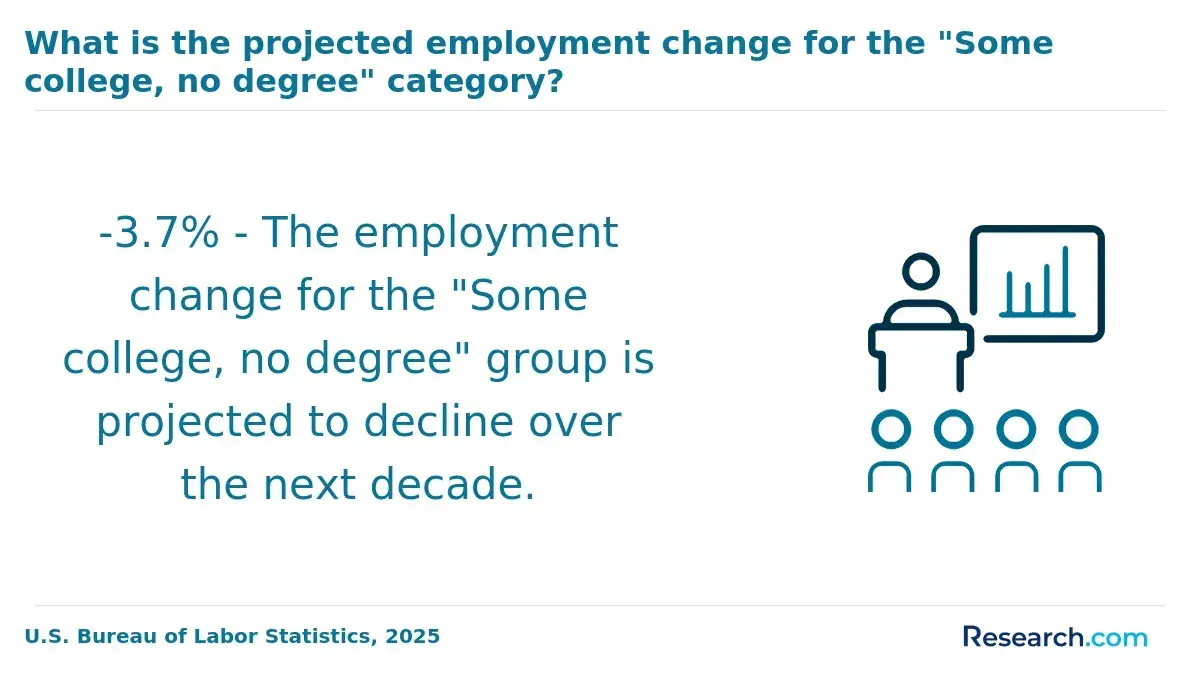
Employment for biological scientists, including neuroscientists, is expected to grow steadily, which makes applied skills especially important. Still, students should understand that many advanced neuroscience roles require graduate education, supervised experience, or specialized technical training.
- Technical expertise: Students may study neuroimaging concepts, data processing with specialized software, laboratory methods, experimental design, and biological measurement tools. The depth of hands-on training varies by program, so students should review lab requirements carefully.
- Critical thinking and problem-solving: Coursework strengthens the ability to analyze biological data, evaluate evidence, form testable hypotheses, and interpret research findings.
- Research literacy: Students learn how to read scientific studies, assess methods, understand limitations, and connect findings to broader questions in brain and behavior.
- Effective communication: Programs often require students to explain complex scientific concepts through papers, presentations, discussion posts, and project reports.
- Professionalism and time management: Accelerated formats require disciplined scheduling, consistent participation, and the ability to complete demanding work under tight deadlines.
One graduate described the compressed schedule as both difficult and useful: “The compressed schedule meant intense focus was non-negotiable.” He said the experience pushed him to prioritize essential tasks, communicate quickly with professors and peers, and become more comfortable learning complex tools after work hours.
That kind of pressure is not ideal for every student. It can be valuable for learners who are organized and self-directed, but it can be overwhelming for students who need more time to absorb technical material or who have unpredictable work schedules.
Are Cheap and Fast Online Neuroscience Degree Programs Considered Legitimate?
Cheap and fast online neuroscience degree programs can be legitimate, but only if they meet recognized academic standards. Low tuition and accelerated pacing are not problems by themselves. The risk comes from programs that use vague accreditation claims, weak curricula, limited faculty access, or unrealistic career promises.
Before enrolling, students should verify legitimacy independently rather than relying only on marketing language.
- Accreditation: Legitimate programs hold accreditation from recognized agencies, including regional accreditors or ABET where relevant. Accreditation affects federal financial aid eligibility, transfer credit, graduate school admissions, and employer recognition.
- Faculty credentials: Instructors should have relevant academic, research, clinical, or industry backgrounds. Faculty profiles should be easy to find and should align with the subjects being taught.
- Curriculum quality: A credible neuroscience program should include rigorous coverage of biology, psychology, research methods, statistics, brain and nervous system function, and appropriate lab or applied learning components.
- Licensing eligibility: Students interested in clinical or applied roles must confirm whether the degree supports the next step toward certification or licensure. A neuroscience degree alone does not automatically qualify a graduate for licensed clinical practice.
- Industry recognition: Graduation rates, employment outcomes, alumni paths, internship options, and employer partnerships can help show whether the program has practical value.
Warning signs to avoid
- Promises of guaranteed high salaries after a short program
- No clear accreditation information
- Faculty pages with little or no academic detail
- No explanation of lab, research, or practicum expectations
- Pressure to enroll immediately
- Unclear tuition, fees, or refund policies
A legitimate accelerated program should still feel academically demanding. If a neuroscience degree appears unusually easy, lacks science coursework, or avoids research methods entirely, it may not provide the preparation students need for graduate study or competitive science-related jobs.
What Are the Highest-Paying Roles for Online Neuroscience Degree Graduates?
The highest-paying roles for online neuroscience degree graduates usually require more than a bachelor’s degree. Advanced research, clinical, pharmaceutical, and medical science roles often depend on graduate education, specialized experience, licensure, or employer-specific technical skills.
An online neuroscience degree can still be a useful foundation, especially when the program is accredited and includes strong science, statistics, and research training.
| Role | Typical Work | Salary Information Stated | Important Qualification Notes |
| Neuroscientist | Studies the brain and nervous system, designs experiments, analyzes data, and publishes findings. | According to the U.S. Bureau of Labor Statistics, median salaries for neuroscientists hover around $100,000. | Many research positions require graduate study and substantial lab or data experience. |
| Clinical neuropsychologist | Assesses and treats patients with brain injuries, neurological disorders, or cognitive changes. | Salaries can exceed $110,000, as reported by the American Psychological Association. | Typically requires a doctoral degree, supervised clinical training, and state licensure. |
| Pharmaceutical researcher | Contributes to medication development for neurological conditions such as Alzheimer's and Parkinson's. | Professionals in biotech or large pharmaceutical companies can earn more than $120,000 annually. | Advanced science training, research experience, and industry knowledge are often important. |
| Medical scientist and neurological clinical coordinator | Supports or leads research, clinical studies, neurological testing coordination, or healthcare research projects. | These roles typically offer salaries ranging from $80,000 to $110,000. | Salary depends on education level, work experience, location, and whether the employer is in the public or private sector. |
Online neuroscience programs often provide accelerated options that can be completed in two to three years, with tuition ranging roughly from $300 to $700 per credit hour. Students seeking both affordability and strong earning potential should compare the degree level required for their target role before enrolling.
Students who are also considering healthcare career paths with advanced practice options can review affordable online nurse practitioner programs for a different comparison of cost, credentialing, and career outcomes.
What Is the Job Placement Rate for Online Neuroscience Graduates?
Job placement rates vary by school, degree level, student experience, and local labor market. On average, STEM graduates, including those from neuroscience programs, achieve an approximate 85% job placement rate within six months. Students should treat any school-specific placement number as something to verify, not simply accept.
Neuroscience is an interdisciplinary field, so placement can include research assistant roles, laboratory positions, clinical support jobs, biotechnology roles, data-focused science positions, graduate school enrollment, or healthcare-related work.
- Industry demand: Healthcare, pharmaceuticals, and research sectors need workers who understand neuroscience, data, biology, and human behavior. This demand can support favorable outcomes for graduates with relevant skills.
- Program reputation: Accredited and well-regarded online neuroscience programs may have stronger employer trust, especially when the institution is known for science or healthcare education.
- Internship or practicum experience: Hands-on experience can make a major difference. Research projects, lab placements, clinical exposure, and applied assignments help graduates show practical ability.
- Alumni networks: Strong alumni connections can lead to referrals, mentoring, informational interviews, and industry insight.
- Career services: Resume support, interview preparation, job boards, employer partnerships, and graduate school advising can improve a student’s transition after graduation.
According to data from the Bureau of Labor Statistics, neuroscience-related roles such as neurotechnologists and research assistants earn median annual salaries between $70,000 and $90,000 or more. Online students benefit from the flexibility to balance work and study, often completing their programs within two to three years.
Typical online tuition rates range from $300 to $600 per credit, making these programs financially accessible for many students while positioning graduates for competitive salaries in related roles. Cost-conscious students comparing advanced healthcare pathways may also review the most affordable BSN to DNP programs online.
How Do You Choose the Best Cheap Online Neuroscience Degree Program?
To choose the best cheap online neuroscience degree program, compare total cost, accreditation, curriculum depth, completion time, support services, and career outcomes together. The best value is not always the lowest tuition; it is the program that helps you finish with a recognized credential, manageable debt, and preparation for your next step.
Key factors to compare
- Accreditation: Choose regionally accredited programs to protect academic quality, federal financial aid eligibility, transfer options, and graduate school recognition.
- Curriculum quality: Look for coursework in biology, psychology, neuroscience, statistics, research methods, and scientific communication. Students interested in research should pay close attention to lab or applied research opportunities.
- Program length: Shorter programs, typically lasting two to four years, can reduce time in school and help students move faster toward work or graduate study. Speed should not come at the expense of scientific rigor.
- Total cost: Compare tuition, fees, textbooks, technology requirements, transfer credit policies, and aid eligibility. Net price matters more than sticker price.
- Student support services: Academic advising, tutoring, library access, writing support, technical help, and career counseling can improve the odds of finishing on time.
- Career outcomes: Review graduation rates, employment statistics, graduate school placement, internship access, and alumni outcomes. Neuroscience-related roles often offer median salaries between $90,000 and $110,000 annually with projected growth around 6% through 2032, but outcomes depend on role, location, degree level, and experience.
Decision checklist
- Is the school accredited by a recognized accreditor?
- Does the program clearly list tuition, fees, and credit requirements?
- Can you transfer prior credits to shorten the program?
- Are labs, research methods, or applied projects included?
- Does the format fit your weekly schedule?
- Does the degree support your intended job, graduate program, or licensure pathway?
- Are career outcomes specific and verifiable?
A good cheap online neuroscience program should make trade-offs transparent. If it is fast, it should explain the workload. If it is low-cost, it should still show academic rigor. If it highlights salaries, it should clarify which roles require graduate degrees or licensure.
What Graduates Say About Their Cheapest and Shortest Online Neuroscience Degree
-
: "I was initially worried about the cost and duration of pursuing a neuroscience degree, but finding an affordable and fast online program changed everything. The total tuition was surprisingly low, around $10,000, which fit perfectly into my budget. Completing it quickly gave me the confidence and credentials to transition into a research role in healthcare, accelerating my career growth in ways I never expected.
— Dominique"
-
: "Choosing an accelerated online neuroscience degree was a thoughtful decision after comparing costs and timelines, with the program costing less than many traditional options and lasting just over a year. The flexibility allowed me to balance work and study, and the knowledge I've gained has profoundly shaped my approach to cognitive therapy in practice. Looking back, it was an investment in both time and money that truly paid off.
— Melanie"
-
: "The practicality of an affordable online neuroscience degree caught my attention, especially since it averages roughly $9,500 and can be completed within 12 to 18 months. This efficiency helped me remain competitive in my field, opening doors to advanced positions in neurotechnology development. I appreciate how this streamlined program delivered real value without the heavy financial burden.
— Austin"
Other Things You Should Know About Neuroscience Degrees
Admission requirements usually include a high school diploma or equivalent, potentially with a minimum GPA, and standardized test scores. Some programs might also require prerequisite coursework in biology or related sciences. Verify specific requirements with each institution offering the program.
Graduates of online neuroscience programs in 2027 can pursue diverse roles such as research assistant, clinical research coordinator, or neurological technician. These positions offer competitive salaries, typically starting at $50,000 per year, with growth opportunities in research or healthcare settings.
References
- Online Neuroscience Courses & Training | Reed.co.uk https://www.reed.co.uk/courses/neuroscience/online
- Neuroscience & Neurology Online Courses - FutureLearn https://www.futurelearn.com/subjects/healthcare-medicine-courses/neuroscience
- Neuroscience Certificate Course Online - IAP Career College https://www.iapcollege.com/program/neuroscience-certificate-course-online/
- 7 Best Neuroscience Courses for 2025; Learn Online for Free — Class Central https://www.classcentral.com/report/best-neuroscience-courses/
- 10 high-paying careers in neuroscience https://www.cmich.edu/blog/all-things-higher-ed/high-paying-careers-in-neuroscience
- I Took Many Free Neuroscience Courses, These Are My Top 5 For Beginners | Neuroscience For Everyone https://medium.com/neuroscience-for-everyone/i-took-many-free-neuroscience-courses-these-are-my-top-5-for-beginners-d1105124970b
- Best Neuroscience Universities in the World (2026 Guide) https://bheuni.io/blog/best-neuroscience-universities-in-the-world
- The Leon Levy Scholarships in Neuroscience (LLSN) - NYAS https://www.nyas.org/shaping-science/fellowships/the-leon-levy-scholarships-in-neuroscience-llsn/
- What to do with a Neuroscience degree https://www.sussex.ac.uk/study/careers/graduate-jobs/what-to-do-with-your-degree/what-to-do-with-a-neuroscience-degree