2027 Online vs On-Campus Neuroscience Degree Programs: Pros & Cons

Co-Founder and Chief Data Scientist
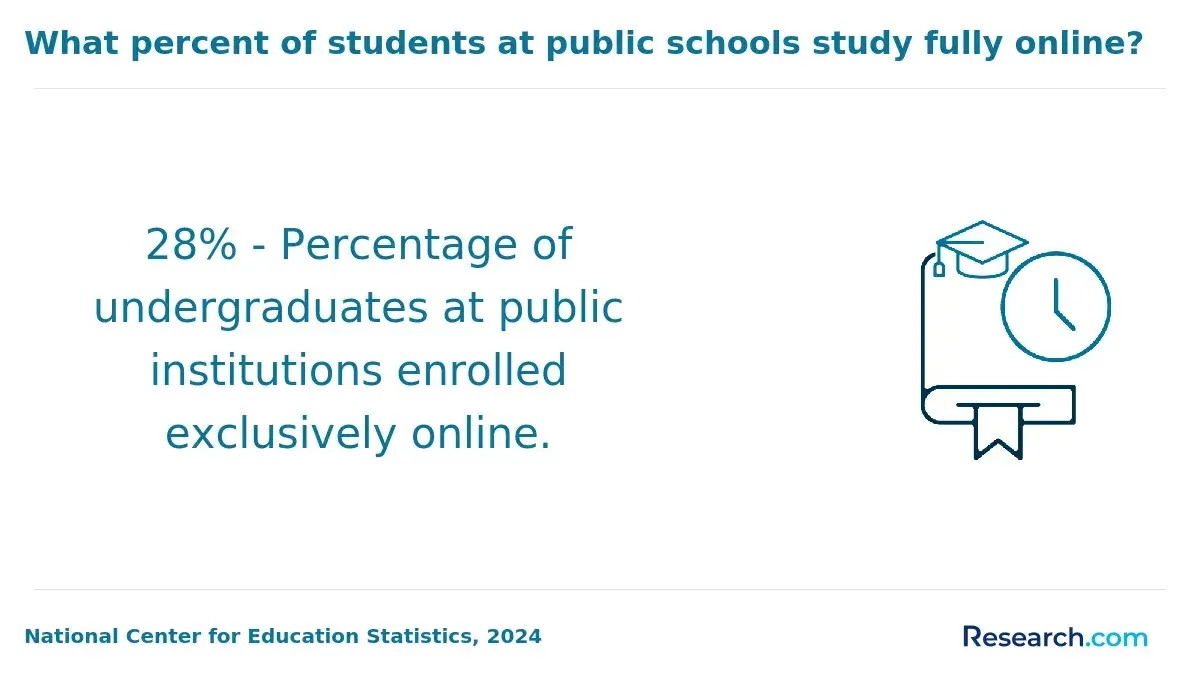
Online neuroscience degree programs have surged in popularity, with recent data showing that over 40% of U.S. higher education students engage in some form of online learning. This growth reflects the increasing demand for flexible education options that accommodate diverse lifestyles.
However, the choice between online and on-campus neuroscience degrees involves several critical factors. This article examines the strengths and limitations of each format, focusing on flexibility, cost, learning experience, and career outcomes. Providing an objective analysis, it aims to guide prospective students in making informed decisions aligned with their academic goals and professional aspirations.
Key Benefits of Online vs On-Campus Neuroscience Degrees
- Online neuroscience degree programs offer flexibility, allowing students to balance studies with work or personal commitments, with 63% of current online learners citing scheduling convenience as a primary benefit.
- Students pursuing neuroscience online often experience lower overall costs, saving on average 40% in expenses related to housing, transportation, and campus fees compared to on-campus programs.
- On-campus neuroscience degrees provide hands-on lab experiences critical for mastering experimental techniques, which 78% of employers in the field consider essential for entry-level research positions.
Are Online vs. On-Campus Neuroscience Programs Structured the Same Way?
The structure of online and on-campus neuroscience programs differs significantly in how courses are delivered, scheduled, and how students engage with content and peers.
These differences influence the overall learning experience and the skills students develop throughout their studies. Below is a comparison of the key structural elements that distinguish online from on-campus neuroscience programs.
- Course Delivery: Online neuroscience programs often combine asynchronous prerecorded lectures with synchronous live sessions, offering flexibility for working professionals or those with other commitments. On-campus programs emphasize in-person lectures, labs, and seminars, providing hands-on experiences and direct interaction with faculty and classmates.
- Class Schedules: Online courses typically follow accelerated terms, such as 7.5-week periods, with flexible start dates to accommodate different schedules. In contrast, on-campus programs adhere to a traditional academic calendar, requiring regular campus attendance during semester-long courses.
- Interaction and Collaboration: Virtual platforms in online programs support discussion boards, group projects, and breakout rooms, which facilitate collaboration but can sometimes feel less personal. On-campus students benefit from face-to-face group work, laboratory sessions, and informal interactions that foster a stronger sense of community and immediate feedback.
- Hands-on and Research Experience: While both formats include research and lab components, on-campus students have physical access to laboratories and live research activities. Online programs use virtual labs and cloud-based tools that increase accessibility but may offer a less tactile experience.
Are Admission Requirements the Same for Online vs On-Campus Neuroscience Degree Programs?
Colleges and universities maintain consistent academic standards for both online and on-campus neuroscience degree programs to ensure graduates meet the same educational outcomes. However, they may differ in how they assess applicants' readiness for online learning, sometimes requiring additional proof of self-motivation or technical skills.
Below are key similarities and differences in admission requirements typically seen between online neuroscience degree admission requirements and on-campus neuroscience program entry criteria.
- Academic Qualifications: Both formats generally require a strong foundation in biology, chemistry, psychology, or related sciences. On-campus programs often expect completion of specific prerequisite courses with minimum grades, while online programs weigh similar coursework but may give more consideration to transferable credits or prior online education.
- Application Materials: Submission of transcripts, personal statements, and letters of recommendation is standard for both formats. Graduate applicants usually also provide a research statement and CV. Online programs might additionally focus on an applicant's ability to demonstrate independent learning and time management through supplemental essays or interviews.
- Work Experience: Neither format universally mandates prior lab or research experience, but competitive graduate programs typically value documented experience in these areas. Online programs might be more flexible, recognizing diverse professional backgrounds outside traditional academia.
- Technical Readiness: Applicants to online neuroscience programs often must show technical readiness, such as reliable internet access and proficiency with digital tools. This requirement is rarely formalized for on-campus applicants.
- Testing Requirements: Many neuroscience programs have phased out standardized tests like the GRE. Online programs are more likely to waive these tests, placing greater emphasis on academic records and personal qualities.
Prospective students balancing flexibility with educational rigor might explore options like fast track online degrees to find a program that fits their lifestyle and career goals.
Do Online Neuroscience Students Receive the Same Academic Support as On-Campus Students?
Universities have significantly expanded their academic support systems to ensure that online neuroscience students receive resources and assistance comparable to those available to on-campus students. This development reflects a broader commitment to student success regardless of learning format.
In examining these efforts, it is clear that both online and on-campus neuroscience students benefit from a variety of tailored academic support services. Below is a comparison of the main types of academic support typically offered to students in both learning environments.
- Tutoring Services: Both online and on-campus students have access to tutoring through peer or professional tutors. Online students often use virtual platforms for flexible scheduling, while on-campus students can attend in-person tutoring centers, supporting a high utilization rate of tutoring for academic success.
- Career Counseling: Career services assist students in planning neuroscience-related career paths and preparing application materials. Online students frequently engage with counselors via video calls or email, whereas on-campus students usually receive face-to-face consultations, both enhancing job and internship placement opportunities.
- Library Access: Digital access to journals, e-books, and databases is provided to online students around the clock through institutional subscriptions. On-campus students benefit from these digital resources plus physical libraries and study spaces, ensuring all have essential research materials.
- Faculty Interaction: Online students connect with faculty through live virtual office hours, discussion boards, and emails, while on-campus students have the added benefit of in-person meetings. Well-designed programs facilitate equivalent engagement and instructor accessibility across formats.
- Supplementary Learning Materials: Online programs emphasize recorded lectures, interactive videos, and self-paced modules which support diverse learning styles. On-campus students may access these as well, but online formats generally prioritize these tools to aid understanding complex neuroscience concepts.
The length of time required to earn a neuroscience degree can vary widely depending on whether the program is online or on-campus, as well as on factors like a student's pace and the institution's scheduling flexibility. These variables make it important to consider the average completion times when choosing between the two formats.
Below is a comparison of typical timelines for online and on-campus neuroscience programs, highlighting how flexibility and delivery impact graduation speed. Key differences in average completion time for online and on-campus neuroscience degrees include the following:
- Online Neuroscience Degree - Online bachelor's degrees often take about four years full-time, mirroring traditional on-campus durations, but offer greater scheduling flexibility. Students can often take courses asynchronously, allowing them to accelerate or slow their progress depending on personal and professional commitments. Master's programs online typically range from 18 to 24 months full-time, though part-time options can extend up to six years based on course load and individual circumstances.
- On-Campus Neuroscience Degree - Bachelor's degrees on campus usually require four years of full-time study, with fewer options for part-time or accelerated tracks. Master's degrees generally take two years full-time, but some specialized programs may last longer due to research or thesis work. Doctoral programs, largely on campus, commonly take five to six years, reflecting the time needed for comprehensive research and dissertation completion.
- Influencing Factors - Enrollment status (full- or part-time), course sequencing, and prior academic preparation affect completion times in both formats. Online programs frequently accommodate working professionals, which can lengthen the timeline if courses are taken more slowly. Conversely, on-campus programs may be less flexible but offer a more structured pace and direct access to resources.
To illustrate, I spoke with a professional who completed his neuroscience degree entirely online. He shared that balancing a full-time job and family commitments meant he chose a part-time course load, ultimately taking five years to finish.
"It wasn't just about the time-it was about juggling priorities," he said. Despite the extended timeline, he appreciated the program's flexibility, noting, "Being able to study at my own pace and on my schedule made all the difference."
Although there were moments of frustration, such as waiting for course availability or adapting to new material without immediate face-to-face support, he found the experience rewarding and feasible given his lifestyle.
His journey highlights how online neuroscience programs can accommodate diverse needs while requiring careful time management to reach graduation.
Tuition, fees, and other expenses for neuroscience programs often differ between online and on-campus formats, with online programs generally costing less overall. However, variations in tuition rates, living expenses, and additional fees should be considered to assess the true affordability of each option.
Several main cost factors influence whether online neuroscience programs are cheaper than on-campus ones, including tuition charges, housing costs, and technology requirements.
- Tuition and Fees: Online neuroscience programs typically offer lower tuition, averaging about $12,216 per year compared to $18,981 for on-campus students, representing significant savings. Nevertheless, some institutions, especially public universities, may charge similar or higher tuition for online learners due to technology fees or out-of-state pricing.
- Living Expenses: Students studying online often avoid campus housing and meal plan costs, which can add roughly $744 annually. Most online neuroscience students live at home or independently, reducing expenses associated with room and board compared to on-campus peers.
- Technology Costs: Online students may need to invest in a reliable computer, internet access, and specialized software, but these costs are typically offset by savings on commuting and campus fees. Occasional technology fees are sometimes added, slightly increasing the total cost for online learners.
- Financial Aid Availability: Federal financial aid is generally available for both online and on-campus neuroscience students, but scholarships and grants may be less accessible to online learners. Some online programs offer credit for prior learning or accelerated courses, helping students complete degrees faster and reduce tuition expenses overall.
- Employer Perception and Career Outcomes: Accredited online neuroscience degrees from reputable schools are usually regarded comparable to on-campus credentials by employers, and salary prospects tend to be similar. However, online students might miss out on on-campus networking and research lab access important for some neuroscience careers.
For those seeking the easiest way to get a bachelor's degree with flexible costs, exploring options at research.com can provide useful insights.
Both online and on-campus neuroscience students may qualify for various financial aid opportunities, but eligibility and accessibility often differ depending on the format of the program and the policies of the institution. These differences can significantly impact the total aid awarded and how students manage their educational expenses.
Below is an outline comparing the main financial aid options available to both online and on-campus neuroscience students, highlighting how each applies to their respective circumstances.
- Federal Aid (FAFSA, Pell Grants, Federal Loans): Students in accredited neuroscience programs-whether online or on-campus-generally can apply for federal aid by submitting the FAFSA. Pell Grants adjust amounts based on enrollment status, which benefits many part-time online learners, while federal loans usually require at least half-time enrollment, potentially limiting options for part-time online students.
- State Aid: State grants and scholarships may be available to both online and on-campus neuroscience students but are often restricted to residents of the state or those attending in-state institutions. This can limit access for students enrolled in out-of-state online programs.
- Institutional Scholarships and Grants: Internal scholarships are offered to both groups; however, on-campus students typically receive a larger share due to full-time enrollment requirements and traditional academic schedules. Online students, often studying part-time or nontraditional terms, may find fewer scholarships suited to their circumstances despite frequently demonstrating higher financial need.
- Employer Tuition Reimbursement: For working professionals pursuing neuroscience degrees, employer tuition assistance programs are a valuable resource. These benefits generally apply equally to online and on-campus students, although the flexibility of online formats makes this option especially attractive to employed learners balancing work and study.
- Private Student Loans: Both online and on-campus neuroscience students can access private loans if enrolled in accredited programs, but loan terms may vary by lender. Students should carefully compare interest rates and repayment conditions, considering that program reputation and accreditation may influence approval chances.
Those seeking to accelerate their education might consider a quick masters degree option, which can also interplay with available financial aid choices.
The credibility of neuroscience programs, whether online or on-campus, fundamentally depends on accreditation, faculty expertise, and curriculum standards.
Accreditation from recognized agencies ensures that both learning formats meet rigorous academic and professional benchmarks, which is critical for maintaining quality and value. Faculty qualifications and curriculum rigor are often thoroughly evaluated during this process, helping safeguard consistency across institutions.
Despite this, research has found notable variability in curriculum design and content among on-campus programs themselves, underscoring the importance of selecting programs that are transparent about faculty credentials and educational outcomes regardless of delivery method.
When examining employer and institutional perceptions, the divide between online and traditional neuroscience degrees is narrowing but has not fully closed.
Recent surveys suggest that approximately 61% of employers now regard accredited online degrees as equivalent to their on-campus counterparts, especially when issued by well-established institutions with reputable accreditation.
Licensing bodies and professional practice standards, particularly in specialized fields like neuropsychology, emphasize clinical hours and supervised internships, which many online programs address through strategic partnerships with hospitals and research facilities.
Advances in virtual labs and collaborations with industry leaders have enhanced online students' hands-on experiences and access to research opportunities, steadily increasing the credibility and acceptance of online neuroscience education in the US and beyond.
Employers increasingly regard online neuroscience degrees as generally equivalent to their on-campus counterparts, reflecting a significant shift in hiring attitudes. Surveys reveal that 87% of employers have hired graduates with online credentials and offer them the same starting salaries, underscoring growing parity between formats.
However, university reputation and program accreditation remain decisive factors in employer evaluations. Degrees-whether online or in-person-from well-established, accredited institutions carry more weight, with 83% of business leaders equating online degrees from respected universities to traditional ones.
Despite the diminishing stigma around online education, a nuanced preference persists for on-campus graduates in areas perceived to benefit from direct interaction, such as leadership and communication skills, with roughly half of employers recognizing equal value in both modalities.
The rise of remote and hybrid work environments has further influenced employer openness to online neuroscience qualifications. The ability of online programs to demonstrate adaptability, self-motivation, and digital fluency aligns well with modern workplace demands, making candidates with online degrees attractive hires.
Positive employment outcomes are reported by 96% of online neuroscience graduates, who often highlight enhanced time management and independent learning skills cultivated through their studies. Although some employers still favor traditional settings for networking and hands-on experience, evolving norms around digital collaboration are closing the perception gap.
Ultimately, hiring decisions prioritize a candidate's skills, professional experience, and institutional reputation over the mode of study, reflecting the changing landscape of workforce expectations.
When I spoke with a professional who completed her neuroscience degree entirely online, she reflected on her journey entering the job market. She shared that while some interviewers initially inquired about her online study experience, her portfolio and the strong accreditation of her program quickly reassured employers of her capabilities.
"Employers cared more about how I applied what I learned than where I learned it," she said. Her transition into a research role was supported by the flexibility to work remotely and the self-discipline honed during her studies, which she credits for helping her thrive in hybrid team environments.
This perspective highlights how an online neuroscience education can equip graduates with both knowledge and workplace-ready skills valued by today's employers.
Salary comparisons between online and on-campus neuroscience graduates are increasingly shaped by factors beyond just the format of study. Program reputation, employer perceptions, and career specialization now play a more significant role in determining earnings than whether a degree was earned online or in person.
Below, I outline the main factors currently influencing salary trends between online and on-campus neuroscience graduates.
- Degree Recognition and Diploma Format: Many major universities, including Arizona State University, do not differentiate between online and on-campus neuroscience degrees on diplomas or transcripts. This means employers typically cannot tell the study format during hiring, which helps equalize salary opportunities for graduates regardless of delivery method.
- Employer Perception: Although some skepticism remains, employer bias against online degrees is diminishing as these programs gain accreditation and credibility. Employers increasingly prioritize practical skills and experience over how the degree was obtained, particularly in the neuroscience degree salary comparison United States.
- Specialization and Career Path: Earnings depend heavily on career specialization within neuroscience. For example, roles like clinical trial manager or health sciences manager often command salaries exceeding $140,000 regardless of degree format, reflecting that specialization drives online vs on-campus neuroscience graduate earnings more than the study mode.
- Networking and Academic Support: On-campus programs may offer richer networking and direct faculty access, which can aid career advancement. However, many online programs now provide strong academic support, and proactive networking can mitigate initial differences.
- Program Cost and Flexibility: Online degrees typically offer lower costs and greater scheduling flexibility, allowing some students to accelerate workforce entry. For those interested in quick degree completion, exploring 1 year phd programs online free may be advantageous to optimize earnings potential.
- Location and Market Demand: Neuroscience salaries vary widely by region; states such as Connecticut and Maine often offer higher wages. Graduates focusing on locations with strong demand can improve salary outcomes regardless of their degree format.
Choosing between online and on-campus neuroscience programs depends largely on your personal learning preferences, lifestyle, and professional goals. Both formats can offer valuable educational experiences, but the right choice hinges on individual circumstances.
Here are several key factors to consider when deciding which format of neuroscience degree program fits you best.
- Learning Style: If you thrive in structured environments with direct interaction, on-campus neuroscience degree programs may be more suitable. Conversely, online neuroscience degree programs often rely on asynchronous learning, demanding greater self-discipline and time management skills.
- Flexibility Needs: Online programs provide the advantage of studying anytime and anywhere, which benefits students balancing work, family, or other commitments. On-campus formats typically require fixed schedules and physical attendance, which might be less manageable for those with busy or unpredictable routines.
- Budget and Cost: Online degrees can reduce expenses related to commuting, housing, and campus fees, potentially lowering the overall financial burden. However, tuition for neuroscience programs might be comparable across both formats, and financial aid options may vary by institution; checking affordable online colleges for working adults can help identify cost-effective choices.
- Networking Opportunities: On-campus programs offer in-person networking with faculty, peers, and local professionals, facilitating research and career connections. Online programs increasingly incorporate virtual networking, though these may not fully replicate the depth of in-person engagement.
- Access to Campus Resources: Students attending in person benefit from direct access to laboratories and academic support critical for neuroscience studies. Online learners may face limitations in hands-on experiences, often relying on virtual simulations or local arrangements.
Here's What Graduates of Online vs On-Campus Neuroscience Programs Have to Say About Their Degree
- Gary: "Completing my neuroscience degree online was a game-changer for me. Balancing work and family commitments while pursuing my education offered flexibility I couldn't have found elsewhere. The virtual labs and interactive sessions felt surprisingly immersive, and I formed strong connections with professors and peers worldwide. This format prepared me well for a career in neuroinformatics, where remote collaboration is common. I'm grateful for how the online program helped me grow professionally and personally in a way that fits my lifestyle."
- Martin: "Attending the neuroscience program on-campus was an inspiring experience filled with hands-on research and constant intellectual stimulation. Having direct access to cutting-edge labs and faculty encouraged my passion for neurobiology and clinical research. Being part of a tight-knit academic community allowed me to build lasting friendships and professional networks, which have opened doors to many career opportunities. My degree gave me a solid foundation to thrive in the competitive field of neuropharmacology. I cherish the immersive environment that pushed me to become a confident scientist."
- Ariel: "The hybrid neuroscience degree perfectly blended the best aspects of online and in-person learning. I valued the convenience of flexible schedules along with periodic face-to-face seminars that deepened my understanding of complex neural systems. This balance helped me develop strong time management skills and adaptability, which have been valuable in my neuroscience consulting career. Through this program, I also engaged with diverse communities, enhancing my cultural competence as a future healthcare professional. The hybrid format truly equipped me to excel across various roles within neuroscience. "
Other Things You Should Know About Online & On-Campus Neuroscience Degree Programs
Most on-campus neuroscience degrees require at least one to two laboratory courses with in-person experimentation, plus a capstone or research project in a supervised lab. Some programs also require 1,200 to 2,000 supervised hours or a senior thesis before the final semester.
On-campus neuroscience programs provide extensive access to laboratories, research facilities, and live demonstrations essential for developing experimental skills. Direct interaction with faculty and peers fosters collaborative learning and real-time feedback. This environment is particularly beneficial for mastering techniques like brain imaging and electrophysiology.
In 2027, while online neuroscience degrees are gaining respect, on-campus degrees remain more recognized, especially for fields requiring hands-on experience. Employers often view traditional degrees as better indicators of practical skills. However, prestigious universities offering online programs are gradually enhancing their credibility.
- Online vs Traditional Degrees: Similarities and Differences https://www.aiu.edu/blog/online-vs-traditional-degrees/
- On-Campus vs. Online Graduate Programs: Picking the Best Fit https://www.baker.edu/about/get-to-know-us/blog/on-campus-vs-online-graduate-programs/
- Choosing Online Vs. On-Campus: 4 Factors to Consider https://cps.northeastern.edu/news/choosing-online-vs-campus-4-factors-consider/
- The Problem With Exclusively Online Degree Programs https://tcf.org/content/commentary/the-problem-with-exclusively-online-degree-programs/
- Neuroscience https://www.latrobe.edu.au/courses/neuroscience
- Manhattanville University https://www.mville.edu/programs/bachelors-neuroscience-4-1-biomedical-sciences.php
- New course combines neuroscience and education to improve learning outcomes - University of New England (UNE) https://www.une.edu.au/about-une/news-and-events/news/2022/08/new-course-combines-neuroscience-and-education-to-improve-learning-outcomes
- Neuroscience (BS) https://www.gatech.edu/academics/degrees/bachelors/neuroscience-bs
- Online Education vs. On-Campus Tuition: How ACE Online Degree Programs Help Keep Your Costs Down | ACE Blog https://ace.edu/blog/online-education-vs-on-campus-tuition-how-ace-online-degree-programs-help-keep-your-costs-down/
- Neuroscience | King's College London https://www.kcl.ac.uk/study/postgraduate-taught/courses/neuroscience-msc