2027 Online Neuroscience Degree Programs for Veterans: GI Bill Benefits, Costs & Top Considerations

Co-Founder and Chief Data Scientist
Many veterans face uncertainty when choosing an online neuroscience degree program that maximizes GI Bill benefits while minimizing out-of-pocket costs. Approximately 37% of veterans enrolled in online STEM degrees, including neuroscience, report challenges understanding the interplay between tuition coverage and monthly housing allowances.
Additionally, employment data shows that 68% of veterans who complete online neuroscience degrees secure relevant jobs within six months. This article explores how veterans can navigate GI Bill benefits, analyze program affordability, and assess post-graduation outcomes to make informed decisions about online neuroscience education tailored to their unique military experience and financial needs.
Key Benefits of Online Neuroscience Degree Programs for Veterans
- Veterans can use GI Bill benefits to cover full tuition and fees for most accredited online neuroscience programs, easing financial burdens during their transition to civilian education.
- Online neuroscience degrees offer flexible schedules, allowing veterans to balance studies with family, work, and healthcare appointments effectively.
- Many programs provide dedicated career services for military-connected students, including job placement assistance, mentoring, and networking tailored to veterans' unique skills.
Who Qualifies as a Veteran for Online Neuroscience Degree Programs?
Maximizing GI Bill benefits depends on clearly understanding who qualifies as a veteran for online neuroscience degree programs. More than 640,000 veterans have utilized GI Bill benefits for education, reflecting the critical need for awareness of eligibility.
Below are some common eligibility categories relevant to military benefits eligibility for veterans pursuing online neuroscience degrees:
- Service Status: Veterans who served on active duty and received honorable or generally honorable discharges typically qualify. This status allows access to tuition funding and housing allowances that support online neuroscience studies.
- Discharge Classifications: Eligibility usually requires honorable, general, or other than dishonorable discharges. Individuals with dishonorable discharges are generally ineligible for these educational benefits.
- Reservists and National Guard: Those activated for a required minimum period may qualify for benefits, which helps offset costs for online neuroscience degree programs. Specific deployment or active duty timelines often influence eligibility.
- Dependent Benefits: Dependents and surviving spouses can sometimes receive GI Bill benefits through programs such as the Fry Scholarship or Transfer of Entitlement, enhancing family access to education.
Confirming veteran status is essential before applying because it influences the type and amount of support available. For those considering related fields, exploring options like a PharmD degree can also be valuable when leveraging military education benefits.
Do Online Neuroscience Degree Programs Accept Military Training for College Credit?
Transfer and prior learning credit can significantly reduce the time and cost for veterans and active-duty service members pursuing an online neuroscience degree. Around 50% of colleges offer some type of credit for military training through prior learning assessments, reflecting growing support for veteran benefits in online neuroscience programs.
The following methods are commonly used to evaluate military training for credit:
- Joint Services Transcripts: Programs review Joint Services Transcripts (JST) to verify completed courses and military training that align with academic requirements.
- Credit Recommendations: Many institutions apply credit based on guidelines from the American Council on Education (ACE), which provides standardized evaluations of military education and training.
- Competency-Based Assessments: Some programs assess veterans' skills and knowledge directly through exams or practical evaluations to award credit for prior learning.
- Institutional Policy Limits: Schools often have policies that cap the amount of military credit transferable to ensure academic standards are maintained.
These evaluation approaches play a crucial role in maximizing GI Bill benefits for tuition and housing allowances, helping veterans fund their education more efficiently. Veterans exploring options should also consider complementary courses such as medical coding and billing classes online with financial aid, which may offer additional pathways to career advancement while supporting their academic progress.
How Do Online Neuroscience Degree Programs Work for Veterans?
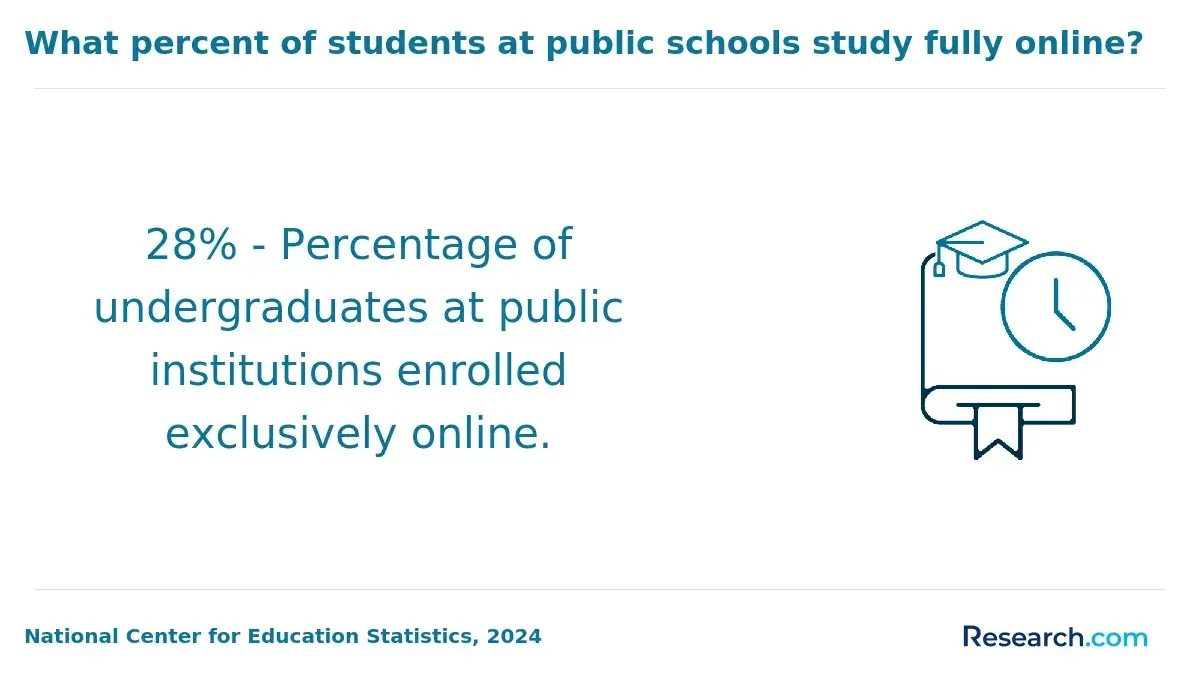
Online neuroscience degree programs offer flexible structures that help veterans juggle education alongside work, family, or military duties. These programs often use versatile formats to address veterans' varying schedules and needs.
Below are key features that support veterans pursuing these degrees:
- Course Delivery: Most coursework is asynchronous, allowing veterans to review lectures and complete assignments at convenient times, eliminating fixed class schedules.
- Pacing Options: Programs typically provide multiple timelines, from accelerated to extended, letting veterans customize their study pace according to their availability.
- Academic Support: Dedicated veteran advisors, tutoring, and access to digital libraries and research materials assist veterans in adapting to the academic environment.
- GI Bill Benefits: Tuition is covered by GI Bill funding, with the Post-9/11 GI Bill often including a housing allowance based on the program's location or a national average for fully online courses.
- Veteran Resources: Many programs offer tailored services such as career counseling, mental health support, and networking opportunities with other veterans pursuing neuroscience studies.
When asked about his experience, a veteran enrolled in an online neuroscience program shared how balancing family life and a civilian job was initially overwhelming. He explained, "The flexibility was crucial because I could study after work and on weekends without the pressure of live classes."
He also mentioned how personalized guidance from veteran advisors helped him navigate the coursework and financial aid paperwork smoothly. This support made the transition from military to academic life "less daunting and more manageable" for him, reinforcing the value of these programs for service members adapting to civilian education.
Veterans pursuing online neuroscience degrees should verify that their programs hold proper accreditation, as this is crucial for accessing GI Bill benefits. The U.S.Department of Veterans Affairs requires that institutions be accredited by agencies recognized by either the Council for Higher Education Accreditation or the Department of Education to qualify for GI Bill funding.
Accreditation primarily at the institutional level ensures that the entire college or university meets quality standards, which is particularly important since specialized accreditation for neuroscience programs is uncommon. Attending an accredited school also facilitates credit transfers, eligibility for licensure exams, and acceptance by future employers.
Institutional accreditation differs from programmatic accreditation, which targets specific disciplines, but for neuroscience degrees, institutional approval is the key factor. More than 90%of GI Bill recipients enroll in VA-approved, accredited institutions, highlighting the significance of selecting a properly accredited program.
Confirming both accreditation and VA approval via official resources helps veterans maximize their educational benefits and supports long-term career goals by ensuring that their degree is recognized and valued in the job market.
Veterans comparing online neuroscience degree programs need to understand total program costs to make informed decisions about their education. On average, tuition rates range from $300 to $800 per credit hour, with the U.S. Department of Veterans Affairs estimating the average annual veteran education expense for tuition and fees at about $13,000.
Below are key factors affecting online neuroscience degree costs for veterans.
- Tuition Per Credit: Tuition varies by institution, typically between $300 and $800 per credit hour. This range significantly impacts overall expenses, especially for a bachelor's degree requiring roughly 120 credits.
- Total Program Cost: The cost of completing a neuroscience degree online can total between $36,000 and $96,000 before adding mandatory fees or other expenses.
- Mandatory Fees: Additional fees such as technology, registration, and lab fees may add several hundred to a few thousand dollars to the total program cost, depending on the school's requirements.
- Housing Allowance: Veterans using education benefits should note that GI Bill housing allowances for online learners are typically lower than for on-campus students, which may not fully cover living expenses.
- Out-of-Pocket Expenses: Even after applying military education benefits like the Post-9/11 GI Bill, veterans may face costs for textbooks, software, and supplies essential for neuroscience coursework. Veterans are encouraged to carefully assess these to understand net expenses.
Veterans interested in related fields might also explore the cheapest medical billing and coding program, which offers another affordable option for online learning.
Maximizing GI Bill benefits is essential for veterans pursuing an online neuroscience degree, as it directly impacts tuition costs and living expenses. In 2022, more than one million veterans leveraged GI Bill programs to advance their education.
Here are some key aspects to consider regarding GI Bill benefits for online neuroscience studies:
- Post-9/11 Coverage: This benefit can cover up to 100% of in-state tuition and fees at public universities, significantly reducing financial burdens for veterans enrolled in approved online neuroscience programs.
- Tuition and Fee Payments: Payments are made directly to the educational institution, helping veterans manage their expenses without upfront costs, which is especially helpful for those balancing work and study remotely.
- Housing Allowance: The monthly housing allowance (MHA) for online learners is generally half the amount given to full-time, in-person students, making budgeting for living costs an important consideration when studying remotely.
- Book and Supply Stipend: Veterans receive a yearly stipend of up to $1,000 to cover textbooks and necessary materials, easing the burden of study-related expenses.
- Eligibility Requirements: Qualification depends on factors like length of service and discharge status. Confirming program approval and understanding payment timelines ensures veterans fully benefit from available support.
A veteran who completed her neuroscience degree online shared how navigating GI Bill benefits shaped her educational journey. She reflected, "Understanding the nuances of housing allowances was critical since the reduced rate meant I had to find affordable living arrangements without compromising study time."
She also noted how the direct tuition payment alleviated financial stress, allowing her to focus on coursework. "The book stipend was a relief-I could get all necessary materials without impacting my monthly budget." Her experience highlights the importance of thoroughly researching benefit details and program approvals before enrolling.
While the process involved patience and adjustments, the support from the GI Bill made completing her degree feasible and rewarding."
Veteran support services are vital in online neuroscience degree programs because they address the unique challenges veterans face in higher education. Research shows that veterans who utilize specialized support are 15% more likely to complete their degrees.
The following key support areas are commonly provided to enhance veteran success:
- Academic Advising: Advisors with expertise in veterans' needs help align course selections with career goals and past military experience, ensuring an efficient educational path.
- Benefits Counseling: Dedicated counselors assist with navigating GI Bill® applications for tuition, housing allowances, and other financial aids, helping veterans maximize their entitled benefits and reduce administrative hurdles.
- Mental Health Resources: These programs offer access to online counseling and connect veterans with organizations specializing in issues like PTSD and anxiety, promoting emotional well-being.
- Career Services: Tailored job placement support, resume assistance, and interview preparation specifically focus on career opportunities related to the neuroscience field to improve employment outcomes.
- Peer Support: Veterans benefit from community networks that foster connections with fellow service members, reducing isolation and enhancing engagement in virtual learning settings.
Veterans planning to pursue an online neuroscience degree often need to carefully consider program duration to balance work, family, and military commitments effectively. Knowing how long it may take can also impact the management of GI Bill benefits.
Several key factors contribute to this variability, including the following:
- Enrollment Status: Full-time students typically complete their bachelor's degree in about four years, while part-time students may take six years or more due to their reduced course load and other responsibilities.
- Credit Transfers: Veterans can often shorten their degree timeline by transferring military training credits or prior college coursework, which reduces the total credits required for graduation.
- Course Scheduling Flexibility: Online programs with asynchronous courses allow veterans to study at their own pace. While this flexibility suits unpredictable schedules, it may extend the overall time to finish the degree.
- Program Length Variations: Some neuroscience programs use accelerated formats that shorten study time, whereas others with more comprehensive curricula may require longer commitment.
- GI Bill Benefits Planning: Understanding the average duration of neuroscience programs using GI Bill benefits is crucial to maximize financial support months and ensure seamless benefit utilization throughout the degree.
Veterans should also explore options such as the cheapest online healthcare management degree programs to compare financial planning aspects, even if they pursue neuroscience, to better understand online education flexibility and cost management. This holistic approach can help veterans tailor their education path while managing personal and professional obligations.
Understanding potential career paths is crucial for veterans considering online neuroscience degree programs, as it helps them align education with future employment opportunities leveraging their military experience. Employment in biological science occupations, which includes neuroscience-related roles, is projected to grow by 5% through 2031, reflecting stable demand in this field.
Here are key neuroscience career opportunities for veterans in the U.S. to consider:
- Research Assistant: Veterans can apply analytical and problem-solving skills from their military training to support neuroscience research projects. This role often involves data collection, experiment setup, and assisting senior researchers, making it a solid entry point in the healthcare and research sectors.
- Clinical Neuropsychologist: With additional certification, veterans may pursue clinical neuropsychology, diagnosing and treating cognitive and neurological disorders. This career path benefits from veterans' discipline and understanding of human behavior, especially in healthcare environments.
- Neurodiagnostic Technologist: This job requires proficiency in diagnostic equipment and procedures to monitor neurological activity. Veterans' technical aptitude and attention to detail prepare them well for roles in hospitals or neurological testing facilities.
- Biomedical Consultant: Veterans can leverage their neuroscience knowledge to advise pharmaceutical and biotechnology firms on neurological product development, combining scientific expertise with strategic thinking fostered by military service.
- Technology Sector Roles: Neuroscience graduates with data analysis skills can contribute to technology companies focusing on brain-machine interfaces or neurotechnology, aligning with veterans' adaptability and technical backgrounds.
Veterans may maximize their benefits, including tuition and housing allowances, by exploring the cheapest DNP programs online, which can offer models for affordable, high-quality online education in health-related fields. These programs illustrate how GI Bill benefits can be effectively applied toward advanced degrees in neuroscience and allied disciplines, supporting veterans' long-term career aspirations.
Veterans assessing online neuroscience programs must consider expected salaries after graduation to gauge overall value alongside GI Bill benefits like tuition coverage and housing allowances. Median wages for neuroscience-related fields typically range between $70,000 and $115,000 annually, based on position and location.
Several key factors shape these earning potentials:
- Industry: Careers in healthcare, biotech, research, and academia each have distinct pay scales influenced by demand and funding availability.
- Role: Titles such as clinical neuropsychologist, pharmaceutical researcher, or research scientist differ in scope and salary, with specialized roles often commanding higher pay.
- Location: Regional cost of living and job market density affect compensation levels, with urban centers typically offering increased wages.
- Experience: Higher degrees and accumulated expertise generally lead to salary growth and expanded opportunities.
- Military Skills: Veterans bring discipline, leadership, and technical abilities that employers value, often resulting in better starting salaries and faster career progression.
Understanding these factors aids veterans in selecting neuroscience programs that align financially and professionally with their goals.
What Graduates Say About Their Online Neuroscience Degree for Veterans
- Fisher: "Choosing an online neuroscience degree was a game changer for me after leaving the military. The flexibility helped me balance family life with studies, and the program's focus on cutting-edge research made the learning experience truly engaging. Graduating not only boosted my confidence but opened doors to roles in neurotechnology development that I hadn't imagined possible. "
- Ravi: "Pursuing an online neuroscience program felt like a natural extension of my dedication in service, allowing me to approach civilian life with a new purpose. The affordable cost made it manageable, and the curriculum's depth helped me grasp complex brain functions, which proved essential in my work as a clinical neuroscientist. It's satisfying to apply this knowledge toward improving patient outcomes. "
- Maja: "Opting for an online neuroscience degree was a strategic move to ensure a smooth transition from active duty. The structured yet flexible coursework helped me adapt my disciplined mindset to academic challenges while managing my schedule independently. Completing the program elevated my professional profile, positioning me for leadership roles in cognitive research within biotech firms. "
Other Things You Should Know About Neuroscience Degrees
To use GI Bill benefits for an online Neuroscience degree in 2027, veterans must have served a minimum of 90 days of active duty after September 10, 2001 and have an honorable discharge. Eligibility can also be transferred to dependents under certain conditions.
GI Bill benefits can typically be used for approved online neuroscience degree programs, but veterans must ensure the institution is eligible for GI Bill funding and the courses meet the Department of Veterans Affairs' standards. Some benefits, like the housing allowance, may be prorated or reduced for coursework conducted entirely online compared to in-person attendance.
Yes. Active-duty service members can use Military Tuition Assistance up to $250 per semester credit hour, with an annual cap of $4,500, and many veterans later combine it with GI Bill benefits for degree costs. Schools must be approved by the Department of Veterans Affairs.
- Veteran Mental Health Services | Wounded Warrior Project https://www.woundedwarriorproject.org/programs/mental-wellness
- Online Neuroscience Certificate Program | Penn LPS Online https://lpsonline.sas.upenn.edu/academics/certificates/neuroscience
- Online Degrees for Veterans: Why Flexible Learning is a Great Fit https://www.ucumberlands.edu/blog/benefits-of-online-degrees-for-veterans
- Top Online Degree Programs: Veterans U.S. Veterans Magazine https://usveteransmagazine.com/usvm/top-online-degree-programs-for-veterans/
- NAMI Homefront | NAMI https://www.nami.org/programs/nami-homefront/
- Should You Use Your GI Bill Benefits for an Online Degree? - The Military Wallet https://themilitarywallet.com/should-you-use-your-gi-bill-benefits-for-an-online-degree/
- Remote Neuroscience Jobs - Work From Home & Online | FlexJobs https://www.flexjobs.com/remote-jobs/neuroscience
- BRAVE Program https://www.mcw.edu/departments/wisconsin-institute-of-neuroscience-wins/brave-program
- Neuroscience Majors https://www.hamline.edu/academics/undergraduate/neuroscience-major-ba-bs
- Online Degrees for Veterans | Online, In-person, or On-base | NU https://www.nu.edu/military-and-veterans/veterans/