2027 Questions to Ask About Online Neuroscience Degree Programs Before You Enroll

Co-Founder and Chief Data Scientist
Choosing an online neuroscience degree program can be challenging amid varied options and outcomes. Approximately 35% of neuroscience graduates pursue careers outside academia, highlighting the need to evaluate programs for practical skills and job placement support.
Additionally, 42% of current neuroscience students express uncertainty about licensure and certification requirements linked to their career goals. Without clear guidance, students risk investing time and money in programs that may not align with their professional aspirations.
This article discusses critical questions prospective students should ask to assess program quality, career readiness, licensure support, and cost efficiency before enrollment.
Key Benefits of Enrolling in Online Neuroscience Degree Programs
- Online neuroscience programs offer significant flexibility, allowing students to access coursework anytime, accommodating varied schedules and enabling learning without geographic constraints.
- Cost savings are notable as online formats reduce commuting, housing, and often tuition fees, with studies showing average savings of 15-20% compared to traditional programs.
- Maintaining work-life balance is easier through online enrollment, with many students reporting improved stress management and retention rates due to self-paced learning and personalized schedules.
Is the Online Neuroscience Degree Program Accredited?
Accreditation plays a vital role in determining the credibility of an online neuroscience degree program, as it ensures the program meets established educational quality standards recognized by employers, licensing boards, and other academic institutions.
This recognition can directly affect career outcomes and eligibility for advanced certifications or graduate studies.
National data show that approximately 87% of students enroll in accredited online programs, highlighting the value placed on formally recognized education.
Although there is no single accrediting body dedicated solely to neuroscience programs, reputable programs often hold regional accreditation from agencies such as the Higher Learning Commission (HLC) or the Middle States Commission on Higher Education (MSCHE).
Some graduate neuroscience degrees may also pursue programmatic accreditation from specialized organizations like the Commission on Accreditation of Allied Health Education Programs (CAAHEP), especially if clinical training is involved, helping ensure they comply with ethical and scientific training standards.
Prospective students seeking the best accredited neuroscience degrees online should thoroughly verify a program's accreditation status to avoid substandard education or degrees that lack recognition.
This can be done by checking the Department of Education's Database of Accredited Postsecondary Institutions and Programs (DAPIP), confirming regional accreditation on the institution's official website, and contacting admissions offices for official accreditation documentation.
Accreditation should be a non-negotiable factor before enrollment to ensure programs meet licensure or certification prerequisites tied to career goals. Additionally, those interested in health-related fields may wish to research options offered through a reputable online pharmacy school as a complementary pathway to neuroscience study.
What Are the Admission Requirements for Online Neuroscience Programs?
Knowing the admission requirements for online neuroscience degrees is crucial for prospective students to determine their eligibility and readiness for rigorous study in this interdisciplinary field. Clear criteria also ensure that students possess the foundational knowledge and skills necessary to succeed in advanced neuroscience coursework.
Below are key requirements to enroll in neuroscience programs online that candidates should consider:
- Educational Background: Applicants must hold a bachelor's degree from an accredited institution, often in a related area such as biology, psychology, or chemistry. This foundation supports comprehension of complex neuroscience concepts and research methodologies.
- GPA Requirements: Most programs expect a minimum GPA of around 3.0, which reflects a student's academic competence and preparedness for graduate-level challenges.
- Standardized Test Scores: While some programs may still request GRE scores to evaluate verbal, quantitative, and analytical reasoning, this requirement is becoming less common as programs focus more on other aspects of the application.
- Letters of Recommendation: Strong academic or professional references provide insight into an applicant's motivation, work ethic, and suitability for neuroscience graduate study, often playing a significant role in admissions decisions.
- Statement of Purpose: A well-crafted essay outlining the candidate's research interests, career goals, and reasons for choosing neuroscience helps admissions committees assess alignment and commitment.
- Relevant Experience: Practical engagement through research, internships, or work related to neuroscience or affiliated fields can enhance an application by demonstrating applied skills and dedication.
For those interested in exploring complementary educational opportunities, resources such as medical coding and billing classes online with financial aid may offer valuable skills relevant to healthcare-related career paths.
What Classes Do You Take in an Online Neuroscience Program?
Evaluating course offerings is vital for students comparing online neuroscience programs, as the curriculum directly influences skill development and career preparation.
Data shows that about 65% of these programs integrate multiple disciplines such as biology, psychology, and technology to create a comprehensive learning experience.
Typically, students encounter three primary categories of classes, which provide a strong foundation and the flexibility to focus on individual interests:
- Core courses: These cover essential topics like brain anatomy, neurobiology, cognitive science, and neurochemistry. They establish a fundamental understanding needed for advanced study and research opportunities.
- Electives: Options include specialized subjects like behavioral neuroscience, neuropharmacology, and computational neuroscience. These classes help students tailor their education toward roles in research, clinical fields, or tech-driven neuroscience applications.
- Practical components: Although primarily online, some courses incorporate virtual labs or simulations to build critical analytical and technical skills crucial for scientific inquiry and problem-solving.
When I spoke with a student currently enrolled in an online neuroscience program, he described the classes as both challenging and rewarding.
"Adjusting to the technical material without in-person labs was tough at first," he explained, "but the virtual simulations really helped bridge that gap."
He also mentioned the importance of self-discipline in managing the coursework, saying, "Staying organized and proactive was key to keeping up with the complex concepts."
Overall, he appreciated how the program balanced theory with practical application, preparing him for future opportunities in the field.
Knowing how long an online neuroscience degree takes is essential for students balancing education, work, and life commitments. This understanding also helps with financial planning and meeting career or graduate school prerequisites.
Below are typical timeframes and factors affecting degree completion:
- Full-Time Study: Usually completed in about four years, this path aligns with traditional on-campus timelines. It suits students who can dedicate consistent hours each semester.
- Part-Time Study: Often extending to six years or more, part-time options accommodate working adults or those with other obligations. Progress depends on course availability and the number of credits taken each term.
- Accelerated Programs: Designed to finish in as little as three years, these require intensive study and strong time management. They condense coursework by limiting breaks and increasing course loads.
- Programs with Practical Components: Incorporating internships, lab work, or clinical hours may lengthen completion time but offer valuable hands-on experience. These elements are critical for students aiming at licensure or applied neuroscience careers.
Most online neuroscience programs do require students to complete internships or practicums, though the way these are arranged often varies.
Such hands-on experiences are typically designed to complement coursework by immersing students in real-world research, clinical environments, or industry settings, which helps build essential skills for future careers.
These opportunities may be fulfilled locally through partnerships, independently by the student, or occasionally via virtual options, reflecting the need for flexibility in remote learning.
Practical experiences are critical not only for skill development but also for meeting licensure requirements and boosting employability; for example, over 70% of neuroscience graduates credit research experience with enhancing their job prospects.
Prospective students should carefully assess how each program structures these experiences, including supervision, location requirements, whether they are paid or credited, and options for remote or part-time participation.
When I spoke with a graduate of an online neuroscience degree about her internship experience, she described it as both challenging and rewarding. She recalled how coordinating with a local hospital for her practicum demanded significant initiative and patience, since the program offered limited placement support.
"It was intimidating at first," she admitted, "to manage everything remotely and ensure I met all the program's criteria." Nevertheless, she found that navigating these hurdles strengthened her organizational skills and deepened her understanding of neuroscience applications.
Reflecting on the experience, she said it made the theory come alive and gave her confidence in pursuing clinical research roles after graduation.
Graduates of online neuroscience degree programs can pursue professional licensure, but this depends largely on the career path they choose. Neuroscience itself remains an academic and research-focused discipline rather than a licensed profession, so additional certification or state licensure is often required for many applied roles.
Typical licensure requirements include completion of a graduate-level clinical program accredited by relevant bodies, supervised clinical experience or internships, passing national or state licensure exams, and meeting continuing education criteria.
Many online programs structure their curriculum to accommodate these prerequisites by offering clinical practicum opportunities in partnership with local institutions, helping students prepare for their licensure exams and gain essential hands-on experience.
Prospective students aiming to get licensed with online neuroscience degree programs should carefully examine how well each program supports these requirements.
Licensure plays a critical role in employability and the ability to practice in clinical or applied neuroscience fields, making it a key consideration when comparing online programs.
According to the American Psychological Association, over 85% of licensed neuropsychologists have completed accredited graduate training emphasizing clinical competency, highlighting the importance of licensure readiness.
Students must evaluate whether online neuroscience offerings provide sufficient mentorship, practical training, and exam preparation to meet these standards.
For those interested in related healthcare roles, exploring pathways such as medical billing and coding classes can also broaden professional opportunities.
Understanding licensure requirements for online neuroscience programs is essential for making an informed decision about your education and career trajectory.
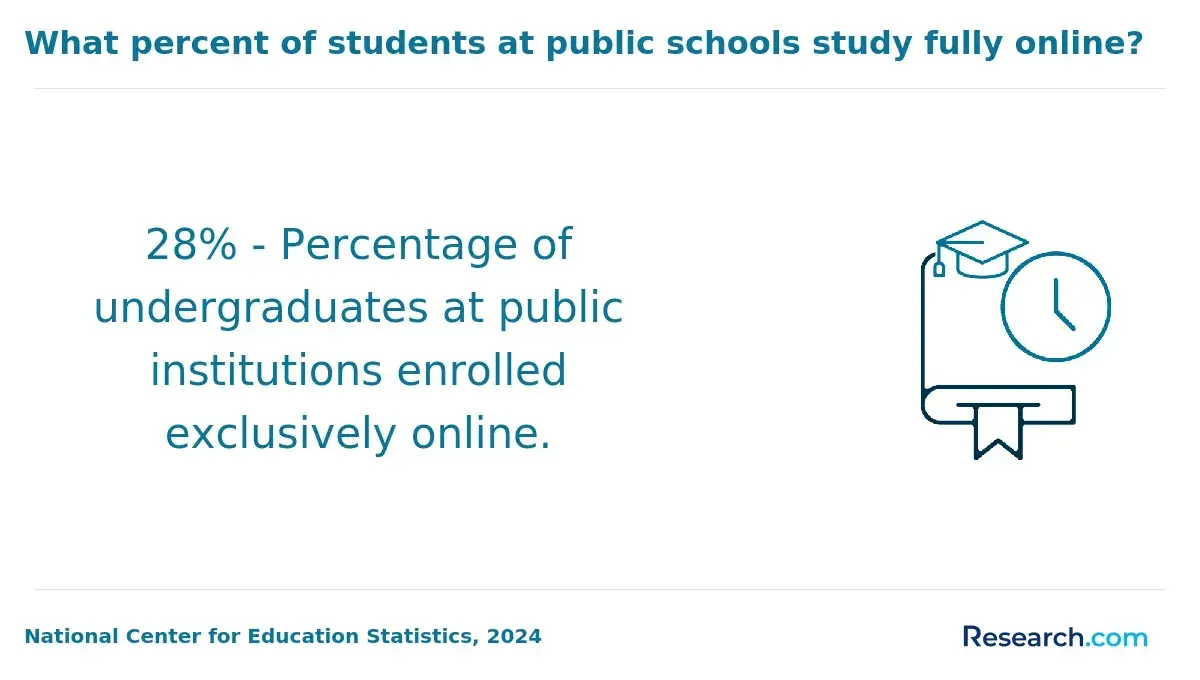
Breakdown of Public Fully Online Title IV Institutions

Cost is a key factor for students comparing online neuroscience programs, as it directly impacts budgeting and financial planning for a degree. Tuition for neuroscience courses can range widely, with many programs charging between $300 and over $1,000 per credit hour, affecting the total investment required for completion.
Several expense categories make up the overall cost of an online neuroscience degree. Below are typical costs students should consider when assessing affordable online neuroscience programs and the average cost of an online neuroscience degree:
- Tuition per Credit: Tuition rates vary significantly depending on an institution's prestige, location, and whether it is public or private. A full bachelor's or master's degree program may cost anywhere from $15,000 to $60,000 or more.
- Additional Fees: Students often face technology fees that cover access to online learning platforms, course materials, and occasionally lab kits necessary for neuroscience coursework. These fees can add several hundred dollars per academic term and vary by program.
- Textbooks and Materials: Neuroscience courses rely on specialized textbooks and software licenses for neuroimaging or data analysis tools. These materials can be expensive, and students should anticipate ongoing costs throughout their studies.
- Practical Experience Costs: Internships or clinical practicums may require expenses like travel, technology upgrades, or other resources to complete hands-on training components essential for licensure readiness and career preparation.
Students seeking an affordable online neuroscience degree will benefit from carefully examining total costs, including hidden fees and materials, rather than tuition alone.
For insights into budget planning for healthcare-related studies, consider exploring this online nursing school resource.
Understanding financial aid options is essential for prospective students considering online neuroscience degree programs because it can significantly ease the financial burden and improve access to higher education.
Currently, approximately 70% of undergraduate students in STEM fields, including those pursuing neuroscience, rely on some form of financial aid to support their academic progress.
This overview highlights key types of financial aid available, enabling students to better navigate their funding choices while comparing programs.
- Federal Grants: Federal grants, such as the Pell Grant, are awarded based on financial need and do not require repayment. These grants offer vital support for low-income students aiming to reduce tuition costs.
- Scholarships: Both merit- and need-based scholarships targeting neuroscience degree programs encourage academic excellence or research interests. These awards, often provided by private foundations or professional organizations, are an important resource for students seeking scholarships and grants.
- Federal Student Loans: Offering relatively low-interest rates, federal student loans require repayment after graduation. Eligibility involves completing the Free Application for Federal Student Aid (FAFSA), making them accessible for many online neuroscience students.
- Work-Study Programs: These programs allow students to earn money through part-time jobs related to their field of study. This not only helps finance education but also offers valuable practical experience in neuroscience.
- Institutional Aid: Some universities provide internal grants or tuition discounts specifically for online learners. Availability varies by program and can help reduce costs further for online neuroscience students.
Prospective students should consider all available financial aid options when planning their education path. For individuals comparing various health-related online programs, finding the cheapest rn to bsn program online can offer insight into financial support strategies applicable across fields.
Evaluating career options is essential for students considering online neuroscience programs to ensure their degree aligns with their professional goals. The U.S. Bureau of Labor Statistics projects a 7% growth in neuro-related occupations from 2022 to 2032, reflecting steady demand.
Below is an overview of typical roles available to graduates.
- Research Assistant: Supporting scientific studies in labs or clinical settings, research assistants help collect and analyze data. This entry-level role offers hands-on experience and can lead to advanced research positions with further education.
- Neuropsychology Technician: Assisting licensed neuropsychologists, technicians conduct assessments and manage patient data. The position serves as a stepping stone toward clinical roles requiring licensure and additional training.
- Biotech or Pharma Analyst: Graduates may work in pharmaceutical companies analyzing neurological drug effects or developing medical devices. The analytical skills gained in neuroscience programs prepare students for roles that blend science with industry applications.
- Health Educator: Focused on promoting brain health awareness, health educators design community programs and provide educational resources. This role often involves collaboration with healthcare providers and public health agencies.
Knowing the earning potential helps students assess the value of different online neuroscience programs and guides decisions on career paths and further education. Currently, neuroscience graduates in the U.S. typically earn between $70,000 and $90,000 annually, with the field projected to grow by about 6% in wages over the next ten years.
The following factors play a significant role in shaping the salaries of online neuroscience graduates:
- Level of Education: Higher degrees such as master's or doctoral qualifications often lead to increased earnings, particularly in academic research or specialized roles. Advanced credentials demonstrate expertise that employers reward with better compensation.
- Specialization: Concentrating on subfields like clinical neuroscience or neuropharmacology can open opportunities in lucrative sectors such as healthcare and pharmaceuticals. Specialists usually command premium salaries due to niche skills.
- Experience: Practical involvement through internships, research projects, or professional jobs enhances skill levels and marketability. More experienced graduates tend to start with and receive higher salaries as they prove their capability.
- Geographic Location: Compensation varies depending on regional cost of living and demand for neuroscience professionals. Urban centers or states with strong biotech and medical industries typically offer better pay compared to rural areas.
- Work Setting: Employment sectors, including government, private companies, academic institutions, or healthcare organizations, influence salary scales. Resource availability and funding priorities in these settings create distinct pay ranges.
What Graduates Say About Enrolling in an Online Neuroscience Degree
- Fisher: "I chose the online neuroscience degree program because its cost was surprisingly affordable, especially compared to traditional on-campus options. The flexibility of the coursework allowed me to balance my job and studies seamlessly, and I found the content both challenging and rewarding. Since graduating, I've been promoted at my research lab, and I credit this program for giving me the competitive edge. "
- Cairo: "Deciding to enroll in this neuroscience program was a thoughtful process; the average cost fit within my budget, which was a crucial factor. Taking courses online made it easier for me to engage deeply with the material at my own pace, allowing for meaningful reflection and practical application. The degree has profoundly influenced my career, opening doors in neuropsychology that I hadn't anticipated. "
- Austin: "What stood out to me was the cost-effectiveness of the online neuroscience program without compromising academic rigor. My experience was highly structured yet flexible, with access to expert faculty and comprehensive resources. Professionally, this degree has enhanced my qualifications and credibility, leading directly to advanced positions in clinical neuroscience. "
Other Things You Should Know About Neuroscience Degrees
It's essential to ensure that the online Neuroscience degree program is accredited by a recognized accrediting body, such as the Higher Learning Commission (HLC) or the Accreditation Council for Graduate Medical Education (ACGME). Accreditation ensures the program meets specific academic and professional standards and is recognized by employers and professional organizations.
Online neuroscience programs typically address lab requirements through virtual simulations, at-home lab kits, or partnerships with local institutions for in-person experiences.
Some programs may require students to complete hands-on research or lab work on campus or at approved facilities to ensure practical skills. Clarifying these arrangements before enrolling is critical since neuroscience heavily relies on experimental and laboratory skills.
Many accredited online neuroscience programs provide students with access to academic advising, tutoring, and career services comparable to on-campus offerings. These resources often include remote consultations, internship placement assistance, and professional development.
Prospective students should review the extent and availability of these services to ensure adequate support throughout their studies.
Confirm that the program requires a laptop or desktop with a webcam, microphone, and stable broadband internet, plus any software used for virtual labs or statistics. Ask whether classes use Canvas, Blackboard, or another learning platform, and whether proctored exams require a separate proctoring service.
- Applied Neuroscience MSc, PG Dip (online) | King's College London https://www.kcl.ac.uk/study/postgraduate-taught/courses/applied-neuroscience-msc
- Job Market - Federation of European Neuroscience Societies https://www.fens.org/careers/job-market
- 10 Neuroscience Internships for High School Students https://www.standoutconnect.org/post/10-neuroscience-internships-for-high-school-students
- Remote Neuroscience Jobs - Work From Home & Online | FlexJobs https://www.flexjobs.com/remote-jobs/neuroscience
- 7 Best Neuroscience Courses for 2025; Learn Online for Free — Class Central https://www.classcentral.com/report/best-neuroscience-courses/
- MicroBachelors® Program in Introduction to Neuroscience MicroBachelors® Program https://www.edx.org/bachelors/microbachelors/harvardx-introduction-to-neuroscience
- Online Neuroscience Degree Programs https://www.medicaltechnologyschools.com/biomedical-science/online-neuroscience-degrees
- Top 20 Neuroscience Summer Research Opportunities for High School Students | Polygence https://www.polygence.org/blog/neuroscience-summer-research-opportunities-for-high-school-students
- Admission & Requirements https://neuroscience.virginia.edu/admission-requirements