2027 Can You Get Licensed With an Online Neuroscience Degree? Requirements, Rules, and What to Know

Co-Founder and Chief Data Scientist
Many prospective students wonder if earning an online neuroscience degree qualifies them for professional licensure, especially as remote education gains popularity. According to recent studies, nearly 45% of neuroscience graduates pursue clinical or research roles requiring state licensure or certification. However, licensure often demands specific accredited coursework and supervised clinical experience, which may be limited in some online programs. Understanding these nuances is critical for planning a career path.
This article, prepared by career planning experts, examines licensure requirements, the acceptability of online degrees in the field, and key regulatory considerations to help students navigate licensing successfully after completing an online neuroscience program.
Key Benefits of Getting Licensed with an Online Neuroscience Degree
- Licensed professionals with an online neuroscience degree gain recognized career eligibility, enhancing credibility in clinical, research, and academic fields.
- Licensure broadens employment opportunities across healthcare, pharmaceuticals, and biotechnology sectors, supporting greater job mobility nationwide.
- Licensed neuroscientists typically experience higher long-term earning potential, with 15% faster career advancement compared to non-licensed peers.
Can You Get Licensed With an Online Neuroscience Degree?
Licensure with an online neuroscience degree is achievable but depends on meeting specific academic and professional criteria. Accredited online programs provide comprehensive coursework in neuroanatomy, physiology, and research methods, laying the groundwork required for licensure.
Additionally, practical experience such as supervised clinical hours or internships is essential and is often arranged through partnerships with local facilities. Those exploring online neuroscience degree licensure requirements should ensure their program fulfills both the educational and hands-on training mandates necessary for state licensing boards.
Obtaining a license after an online neuroscience degree opens doors to regulated career paths and greater professional responsibilities. Licensed graduates can engage in clinical assessments, diagnoses, and interventions, enhancing their scope of practice and salary potential. The benefits also include recognition in specialized fields like neuropsychology and clinical research.
Prospective students looking into getting licensed with an online neuroscience degree should consider programs that effectively combine academic rigor with supervised practical training. For related advanced healthcare education, exploring online DNP programs can offer additional pathways.
Do Licensing Requirements for Neuroscience Vary by State?
Licensing rules for neuroscience-related professions exist to ensure professional competence and protect public safety, but these requirements can differ significantly by state. For instance, around 30% of states mandate additional jurisdiction-specific exams beyond national testing standards. These variations affect how candidates prepare and qualify for practice.
Key areas where neuroscience licensing requirements by state often vary include the following:
- Examinations: Some states require extra state-specific exams on top of national credentials, which can add complexity and preparation time for applicants planning to practice in multiple states.
- Supervised Clinical Experience: The amount of postdoctoral supervised hours required can differ, with some states demanding as many as 1,500 hours, while others may require fewer. This affects the timeline and type of training professionals must pursue to meet state-specific neuroscience licensure rules.
- Continuing Education: States vary in the annual hours required to maintain licensure, typically ranging from 20 to 40 hours. Approved topics and delivery formats may also differ, influencing ongoing professional development choices and compliance.
- Scope of Practice Limitations: Definitions of what licensed neuroscience professionals are authorized to do can vary, impacting career focus and service offerings depending on the state's regulatory framework.
- Renewal Policies: Renewal cycles can be biennial or quadrennial, affecting how frequently professionals must renew credentials and plan for administrative upkeep.
Those considering online neuroscience degrees should research these state-specific neuroscience licensure rules carefully to ensure their education aligns with their intended practice location. For individuals exploring advanced nursing and health-related career paths, programs such as BSN to DNP programs may offer relevant insights into managing licensure across states.
Are Online Neuroscience Programs Different From Campus Programs for Licensure?
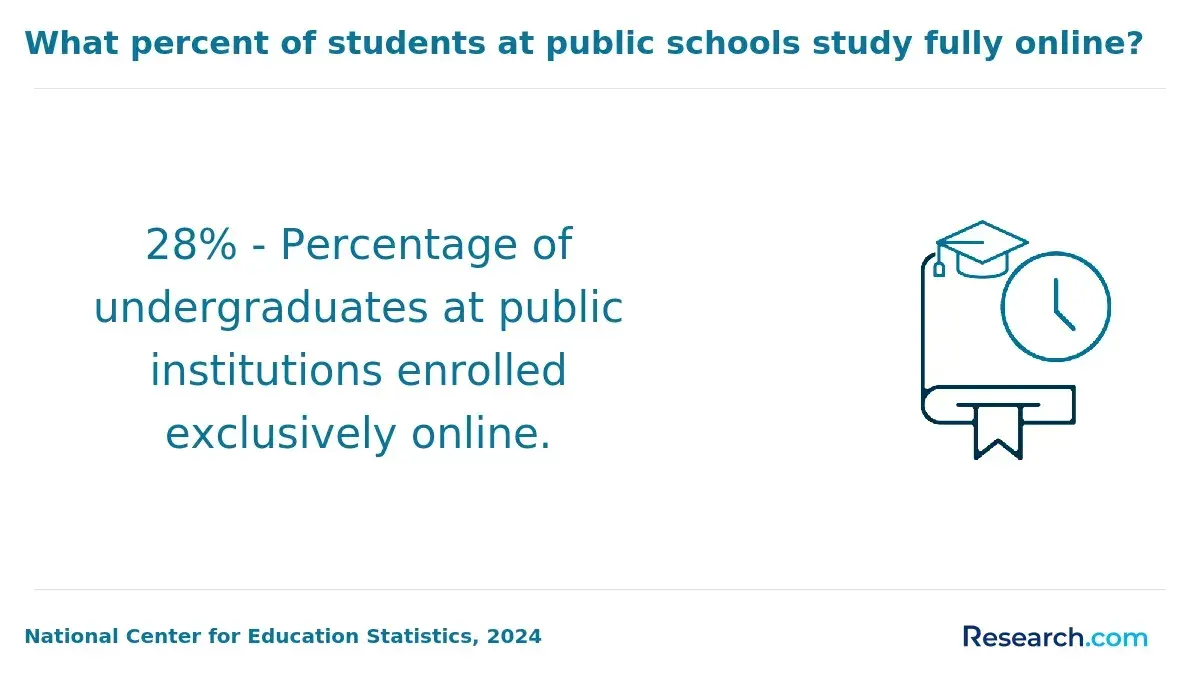
Program format, whether online or on-campus, does not inherently impact eligibility for licensure in neuroscience, as long as accreditation and curriculum standards are met. Reflecting this, a 2023 survey revealed that over 60% of licensing bodies formally accept accredited online degrees as equivalent to traditional programs for credentialing purposes.
- Curriculum Coverage: Both formats must deliver thorough instruction in essential neuroscience topics. Demonstrating competence through comprehensive coursework is pivotal for passing licensure examinations.
- Clinical and Practical Training: Hands-on experience remains a requirement. Online students often fulfill this via virtual labs, simulations, or by completing supervised in-person placements to match the quality and hours of campus-based training.
- Assessment Methods: While testing environments may differ, with online programs frequently using remote assessments, the rigor and effectiveness of these exams must reliably gauge skills and knowledge for licensure.
- Employer and Board Acceptance: Growing recognition of online degrees has improved professional perceptions. Licensing boards increasingly consider accredited online credentials comparable to traditional degrees, helping graduates enter the workforce without prejudice.
- Additional Experience Requirements: Some neuroscience-related professions may mandate further supervised practice beyond degree completion, regardless of whether the education was online or on-campus.
Clinical or practicum hours play a vital role in preparing students enrolled in online neuroscience degree programs for professional practice and licensure. These hours provide essential hands-on experience, allowing students to develop practical skills that complement their academic knowledge.
- Typical Hour Requirements: Programs often require several hundred to more than a thousand clinical or practicum hours, depending on state licensure regulations and program design. These hours are necessary to meet the standards set by professional neuroscience organizations.
- Types of Placements: Clinical experiences usually occur in healthcare settings, research laboratories, or clinical environments where students can engage directly with patients or research projects. These placements provide real-world contexts to apply neuroscientific theories.
- Supervision and Mentorship: Qualified professionals closely supervise students during their practicum, ensuring they gain the competencies needed for licensure. This guidance also fosters ethical conduct and professional responsibility.
- Skills Development: Students hone skills such as patient assessment, data collection, laboratory techniques, and adherence to ethical standards. These competencies are critical for effective and ethical neuroscience practice.
- Online Program Adaptations: Although clinical hours cannot be completed remotely, online neuroscience degree clinical hour requirements are met through in-person practicums arranged at approved local sites near the student's residence. This hybrid approach supports flexibility in coursework while maintaining rigorous hands-on training.
For those exploring related healthcare education options, accredited medical billing and coding classes online offer another pathway into the medical field with flexible learning formats.
Prospective online neuroscience students should carefully verify practicum and supervised experience for neuroscience licensure requirements to ensure their program aligns with professional standards and state regulations.
Licensing exams are designed to confirm that candidates possess the essential knowledge and ethical understanding required for competent and safe professional practice in psychology-related fields. Successfully passing this exam is a crucial step toward obtaining state licensure and working independently in clinical or applied neuroscience settings.
Pass rates for these exams typically range from 65% to 85%, highlighting the importance of thorough preparation. The following points summarize the main features of the exam relevant to online neuroscience graduates.
- Exam Name and Purpose: The Examination for Professional Practice in Psychology (EPPP) is the primary test used nationwide to assess readiness for professional licensure. It evaluates core competencies in psychology and neuroscience necessary for ethical and effective practice.
- Content Areas Covered: Questions focus on key topics including the biological basis of behavior, cognitive-affective processes, psychological assessment methods, diagnosis, intervention strategies, and professional ethics.
- Testing Format: The EPPP is delivered via computer-based testing, providing flexible access for candidates who completed online degrees and accommodating various locations and schedules.
- Preparation Resources: Comprehensive study guides, practice exams, and review courses are recommended to improve knowledge retention and test performance, especially for those balancing work and study.
- Retake Policies: Candidates may attempt the exam multiple times, but mandatory waiting periods between attempts and limits on total retakes vary by state licensure boards, which requires careful planning.
- Accreditation and Eligibility: To qualify for the EPPP, many jurisdictions require applicants to hold degrees from accredited institutions, making it critical for online graduates to verify the regional accreditation status of their programs.
Supervised work experience is generally required following an online neuroscience degree, particularly for those aiming at clinical or applied professions. This hands-on training helps graduates translate academic knowledge into practical skills while ensuring they meet professional standards for safe practice.
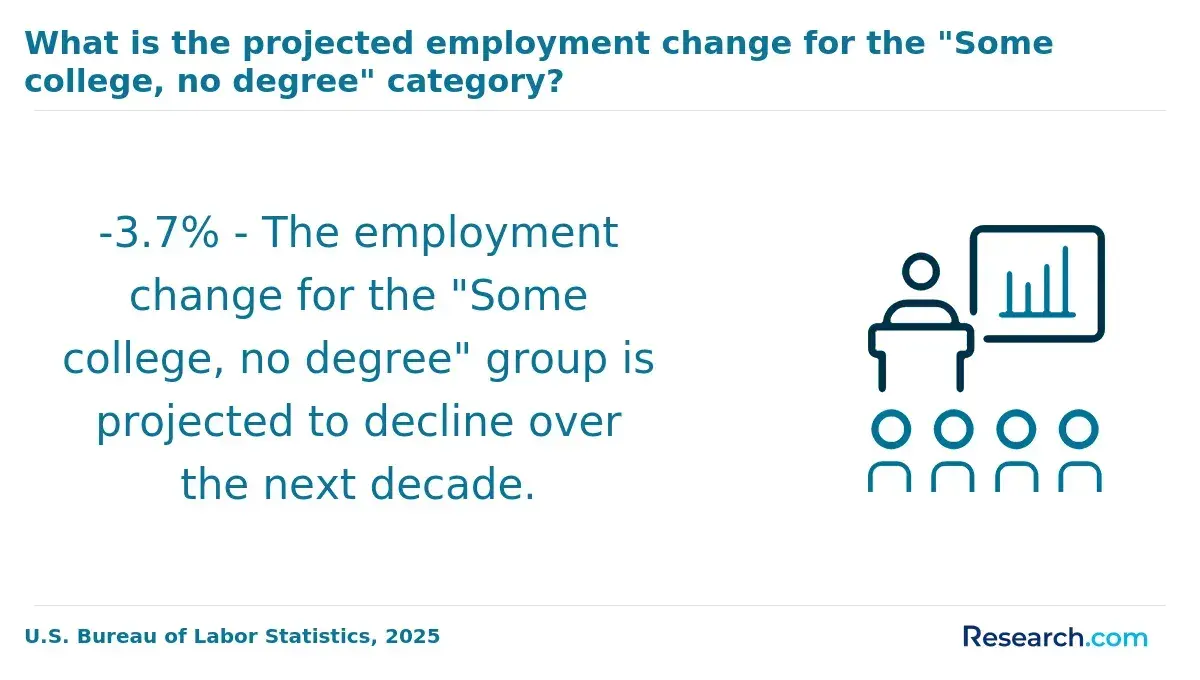
Studies show that about 70% of neuroscience licensure and certification programs in the United States include mandatory supervised practice components. Below are key elements typically involved in this crucial phase.
- Duration Requirements: Most licensing bodies mandate one to two years of supervised work, tailored to the candidate's career track. This timeframe allows sufficient exposure to diverse scenarios essential for professional growth.
- Typical Settings: Common workplaces include hospitals, research laboratories, rehabilitation facilities, and clinical centers. Such environments provide varied, real-world challenges under expert oversight.
- Structured Mentorship: Experienced neuroscientists or clinicians guide graduates throughout the training period, offering feedback and fostering development of critical competencies.
- Skill Development: Focus is placed on enhancing practical abilities such as patient evaluation, data analysis, and adherence to ethical guidelines, all vital for effective practice.
- Licensure Preparation: Work performance is carefully documented and assessed to satisfy qualification criteria set by regulatory boards, ensuring readiness for independent professional roles.
Licensure reciprocity enables professionals licensed in one state to obtain a license in another state with reduced barriers, which is crucial for those who wish to practice or conduct research across different regions. This flexibility supports career mobility and ensures that professionals meet consistent standards nationwide.
Below are key factors that affect whether licensure reciprocity applies to online neuroscience graduates.
- Eligibility Criteria: States vary in their requirements, often requiring degree programs to be properly accredited and aligned with specific educational standards. For online neuroscience graduates, meeting these criteria is essential as states may scrutinize online degrees more closely compared to traditional in-person programs.
- Program Requirements: Certain states mandate clinical or lab components as part of licensure eligibility. Online programs lacking these elements may face limitations, affecting graduates' ability to qualify for reciprocity in those states.
- State Agreements: Formal reciprocity agreements exist in some states, simplifying the transfer of licensure. Others assess out-of-state licenses individually, which can lead to varied outcomes for online neuroscience graduates depending on the state's policies.
- Application Process: Graduates typically need to submit proof of accreditation, pass relevant exams, and meet supervised practice hour mandates. Each of these steps is critical to obtaining licensure recognition when applying for reciprocity.
- Limitations and Restrictions: Reciprocity may be limited if the online program did not cover required clinical or practical experiences. Prospective graduates should verify state licensing requirements for online neuroscience degrees to avoid unexpected barriers.
For those exploring flexible educational options, it is worthwhile to consider programs such as the cheapest online healthcare management degree, which demonstrate how accreditation and program structure can influence licensure opportunities. Overall, understanding these factors helps online neuroscience graduates plan a career path that accommodates working across multiple states.
Online neuroscience programs have surged in popularity, with enrollments rising more than 20% recently as students seek flexible education tailored to licensure needs. Many prioritize programs meeting state requirements for coursework and clinical hours, ensuring smoother licensure paths.
Below are key advantages and drawbacks to consider.
Pros
- Flexibility: Online formats enable students to manage study alongside work and personal commitments, helping them meet licensure coursework without relocating.
- Accessibility: These programs widen access to education for those in remote areas or with limited mobility, supporting broader licensure eligibility.
- Licensure Alignment: Many accredited online degrees include curriculum designed to satisfy state board standards essential for credentialing.
Cons
- Limited Hands-On Training: Reduced lab and clinical experiences may hinder skill development crucial for licensure and professional readiness.
- Supervision Challenges: Securing required supervised clinical hours often demands additional effort outside program offerings.
- Employer and Board Perception: Some employers and licensing bodies may favor traditional or hybrid programs with extensive in-person components.
Licensure plays a crucial role in shaping salary outcomes for individuals with an online neuroscience degree. Licensed neuroscience professionals tend to earn 20% to 30% more than those without licensure, reflecting the premium employers place on certified expertise. This wage difference underscores the tangible impact of licensure on earning potential within the field.
The effects of licensure on salary and career growth can be summarized as follows:
- Access to Higher-Paying Roles: Licensed individuals qualify for specialized clinical positions that offer elevated pay scales. This expanded access allows professionals to leverage advanced skills for better compensation.
- Eligibility for Leadership Positions: Licensure often serves as a prerequisite for supervisory or management roles. Holding these credentials opens doors to leadership opportunities that frequently come with salary increases.
- Specialized Responsibilities: Certified experts are authorized to perform clinical assessments, prescribe treatments, and manage complex cases. These added duties typically command higher remuneration due to their specialized nature.
- Increased Job Security: Meeting state and federal licensure requirements provides professionals with greater employment stability. Compliance with regulatory standards is highly valued, reducing the risk of job displacement.
- Enhanced Billing Capabilities: Licensed neuroscience practitioners can bill insurance companies for services rendered. This ability to obtain reimbursements significantly boosts their earnings potential over non-licensed peers.
For those assessing online neuroscience degree salary impact, pursuing licensure is a strategic consideration that can substantially influence financial and professional trajectories. It is equally important that students verify their online program aligns with licensure prerequisites and state board mandates to ensure eligibility.
Prospective students interested in advancing further may also explore related fields through the most affordable BSN to DNP programs online, offering additional pathways in health sciences.
Licensure plays a crucial role in shaping career opportunities for online neuroscience graduates, influencing job eligibility and potential earnings. Many graduates choose positions with or without licenses, depending on their professional ambitions and the effort required to obtain credentials.
Data indicate licensed neuroscience professionals experience approximately 20% higher employment rates within five years after graduation compared to those without licenses. Below is a breakdown of job types available in each category.
Jobs With a License
- Licensed Clinical Neuropsychologist: Involves diagnosing and treating neurological and mental health disorders, requiring state licensure, with responsibilities that include direct patient care and psychological assessment, typically leading to higher salaries and greater autonomy.
- Licensed Therapist: Provides mental health therapy and counseling services, demanding supervised clinical hours and licensure exams, offering advanced career prospects and elevated earning potential.
- Clinical Psychological Assessor: Conducts detailed evaluations and assessments for neurological conditions under licensure, playing a significant role in treatment planning and often enjoying increased responsibility and job security.
Jobs Without a License
- Research Scientist: Focuses on designing and conducting experiments to advance neuroscience knowledge, typically in academic or pharmaceutical settings, with no licensure required and emphasis on data analysis skills.
- Biomedical Sales Representative: Engages in promoting neuroscience-related medical products and equipment, utilizing technical expertise without regulatory credentialing, offering opportunities for career growth in the private sector.
- Laboratory Manager: Oversees day-to-day operations of neuroscience labs, managing staff and resources, supporting clinical trials or experimental work, generally not requiring licensure but demanding strong organizational skills.
What Graduates Say About Getting Licensed with an Online Neuroscience Degree
- Charlone: "Completing my online neuroscience degree was surprisingly affordable, especially compared to traditional programs, with costs averaging around $30,000 including licensure fees. The flexibility of the online format allowed me to balance work and study effectively, making the learning experience both convenient and engaging. Since graduating, the degree has opened doors to clinical research positions and advanced certifications that have truly elevated my career."
- Jinky: "Reflecting on my journey, the investment in my online neuroscience degree, which totaled near $28,000 all-in including licensing, was well worth it. The program's depth and interactive elements ensured I felt connected despite the distance learning setup. Professionally, this degree gave me the credibility and expertise to transition smoothly into a licensed neuropsychologist role, a milestone I'm proud to have achieved. "
- Carl: "The cost of earning my online neuroscience degree, roughly $32,000 inclusive of all licensure expenses, was a significant yet smart commitment to my future. The coursework was rigorous and the online delivery encouraged self-discipline, which suited my working schedule perfectly. Successfully obtaining my license has been a game changer, allowing me to embrace advanced patient care roles and research opportunities with confidence. "
Other Things You Should Know About Neuroscience Degrees
Licensure in clinical neuropsychology typically requires specialized graduate training beyond a general neuroscience degree. An online neuroscience bachelor's or master's alone usually does not qualify for direct licensure in clinical neuropsychology. Candidates must complete accredited doctoral programs that include clinical internships and supervised practice to meet professional board requirements.
State licensing boards for psychology, counseling, or medicine review the degree, not a general neuroscience board. In the United States, boards such as the APA-recognized state psychology board or medical board check accreditation, supervised clinical training, and exam eligibility before issuing a license.
In 2027, accreditation remains critical for licensure eligibility in neuroscience. Accredited programs meet the educational standards required for licensing exams. Non-accredited programs may not provide the recognized credentials needed, potentially hindering your ability to become licensed.
- NBCC | National Board for Certified Counselors & Affiliates https://nbcc.org/licensure
- State licensure and certification information for psychologists https://www.apaservices.org/practice/ce/state/state-info
- Your Future: Careers in Psychology & Neuroscience | Psychology & Neuroscience | Baylor University https://psychologyneuroscience.artsandsciences.baylor.edu/undergraduate/your-future-careers-psychology-neuroscience
- What can you do with a Certificate in Neuroscience? https://lpsonline.sas.upenn.edu/features/what-can-you-do-certificate-neuroscience
- Mobility & Licensure https://abpp.org/about-abpp/mobility-licensure/
- Applied Neuroscience Counselor Certification | CCALP https://www.ccalp.org/applied-neuroscience-counselor-certification
- Neuroscience https://vancouver.calendar.ubc.ca/faculties-colleges-and-schools/faculty-science/bachelor-science/neuroscience
- Neuroscience (B.S.) https://www.usd.edu/Academics/catalog-links/undergraduate/arts-and-sciences/neuroscience-bs-molecular-and-cellular-specialization
- License Requirements for Licensed Clinical Social Worker https://www.op.nysed.gov/professions/licensed-clinical-social-worker/license-requirements