2027 Neuroscience Degree Programs for Career Changers

Co-Founder and Chief Data Scientist
Facing the challenge of shifting careers later in life, many adult learners wonder if pursuing a neuroscience degree is practical amid professional and personal demands. Approximately 35% of neuroscience students in the U. S. are over 30, reflecting growing interest from career changers seeking relevant skills in cognitive science, neurotechnology, or healthcare. These individuals often need programs that offer flexible schedules without sacrificing academic rigor. This article explores the structure, benefits, and outcomes of neuroscience degree programs tailored for working professionals, helping readers evaluate options that enable a confident and efficient transition into this dynamic field.
Key Things to Know About Neuroscience Degree Programs for Career Changers
- Many neuroscience degree programs offer flexible online or hybrid formats, allowing working adults to balance studies with professional and personal responsibilities effectively.
- Accelerated pacing options enable career changers to complete degrees faster, addressing industry demand for neuroscience professionals projected to grow by 12% through 2030.
- Support services such as mentorship and career counseling specifically target working adults, enhancing job market readiness and employer relevance in healthcare, research, and biotech sectors.
What Neuroscience Programs Accept Career Changers?
Programs designed for career changers in neuroscience often feature flexible prerequisites and practical approaches, making them ideal for working adults seeking a smooth transition into this evolving field. Adult learners represent nearly 40% of graduate enrollment nationally, highlighting a significant demand for adaptable neuroscience degree programs for career changers.
- Accelerated Post-Baccalaureate Programs: These programs offer foundational science courses tailored to individuals without a prior science background, enabling faster qualification for graduate-level study. They reduce redundancy by focusing only on essential prerequisites.
- Master's Programs with Practical, Interdisciplinary Curriculum: Emphasizing applied skills and hands-on research, these programs integrate knowledge from biology, psychology, and technology, facilitating the transfer of skills from previous careers.
- Certificate Programs in Neuroscience: Designed for those seeking targeted exposure before full commitment, certificate programs provide concise, stackable credentials that build foundational expertise efficiently.
- Online or Hybrid Master's Programs: Structured to accommodate working professionals, these programs offer flexibility that supports balancing education with career and personal obligations while maintaining rigorous training.
Meeting admission requirements for neuroscience career transition can vary, but these program types commonly accommodate diverse academic backgrounds. For those exploring alternatives in healthcare advancement, consulting a list of online DNP programs may also provide complementary career options.
What Neuroscience Specializations Are Best for Career Changers?
Selecting the right neuroscience specialization is key for career changers as it helps align existing skills with growing job markets. Roles in neurotechnology and clinical neuroscience, for example, are expected to increase by more than 14% through 2030, highlighting strong demand for these specialties. Here are four top neuroscience degree specializations for career changers that combine accessibility, practical application, and good career mobility.
- Neurotechnology: This specialization appeals to those with engineering or computer science backgrounds, allowing them to apply programming and data analysis skills in developing neural devices and brain-computer interfaces.
- Clinical Neuroscience: Ideal for healthcare professionals shifting fields, this area builds on medical knowledge and patient care, making it easier to transition into roles focused on neurological diagnostics and treatment.
- Cognitive Neuroscience: Attracting individuals from psychology or education, this concentration explores brain-behavior relationships with practical research applications, aiding professional transitions into cognitive assessments or rehabilitation.
- Neuroinformatics: Perfect for data specialists, this combines computational methods with biological data analysis to improve research and diagnostics, offering versatile career paths in both academia and industry.
Working professionals interested in healthcare may also consider accelerating their entry through medical assistant programs, which complement neuroscience knowledge with practical clinical experience. Choosing among the best neuroscience concentrations for professional transitions ensures a smoother, more strategic entry into these evolving fields.
What Are the Admission Requirements for Career Changers Applying to a Neuroscience Program?
Admission requirements are crucial for career changers applying to neuroscience programs, as these students often come from nontraditional academic paths and need to demonstrate readiness effectively. Approximately 40% of graduate students in the U.S. are adult learners, reflecting the significant number pursuing new careers. Below are the common requirements to guide applicants through this process.
- Bachelor's Degree: A completed bachelor's degree is required but need not be in a science field. Programs look for evidence of strong analytical or quantitative skills relevant to neuroscience study.
- Prerequisite Courses: Applicants must complete foundational courses in biology, chemistry, or psychology, either during undergraduate studies or through post-baccalaureate programs, which help bridge gaps in knowledge for those with nontraditional backgrounds.
- Standardized Tests: GRE scores are often requested, though many programs waive this requirement for candidates with relevant professional experience, especially working professionals transitioning into neuroscience.
- Letters of Recommendation: These should highlight motivation, transferable skills, and the potential to succeed in rigorous scientific study, reflecting the unique strengths of career changers.
- Personal Statement: A clear explanation of reasons for career change and how neuroscience aligns with long-term goals is essential for demonstrating commitment and vision.
Many neuroscience programs recognize the diverse needs of career changers by offering flexible study options such as part-time, evening classes, or online components. Relevant experience in healthcare, research, or data analysis can sometimes replace traditional prerequisites. Alternative pathways like post-baccalaureate certificates and bridge programs further assist students in meeting requirements without starting over. Adult learners might also explore related fields through programs like a healthcare administration degree online to enhance their qualifications and career prospects alongside neuroscience studies.
For those shifting careers, gaining clear insight into the coursework of a neuroscience degree helps in effectively balancing new academic demands with existing responsibilities. This understanding supports a smoother adaptation to the program's structure and content. The main areas of study generally include:
- Biological Sciences: Focuses on cellular and molecular biology alongside anatomy to explain nervous system operations across various levels.
- Cognitive and Behavioral Neuroscience: Covers brain mechanisms involved in perception, learning, memory, and behavior, integrating psychological theories and experimental techniques.
- Neurochemistry and Neurophysiology: Examines the chemical signals and electrical activities that occur within neurons and their circuits crucial to brain communication.
- Research Methods and Data Analysis: Provides training in designing experiments, applying statistics, and interpreting data essential for research and evidence-based practice.
- Electives and Interdisciplinary Studies: Offers options to concentrate on areas like neuroengineering, clinical applications, or computational models, allowing students to tailor their learning to specific interests.
Programs often accommodate adult learners by including flexible scheduling, part-time enrollment, and online courses, facilitating education without disrupting professional or personal life.
A professional who completed an online neuroscience degree shared that juggling coursework with a full-time job was challenging at first. He noted, "Adjusting to scientific terminology and lab components remotely required extra effort and discipline." The flexibility helped him manage deadlines without sacrificing work performance. He also mentioned, "Having access to recorded lectures and interactive forums made the complex material more approachable." This approach gave him confidence and clarity as he prepared to transition into a neuroscience-related career path.
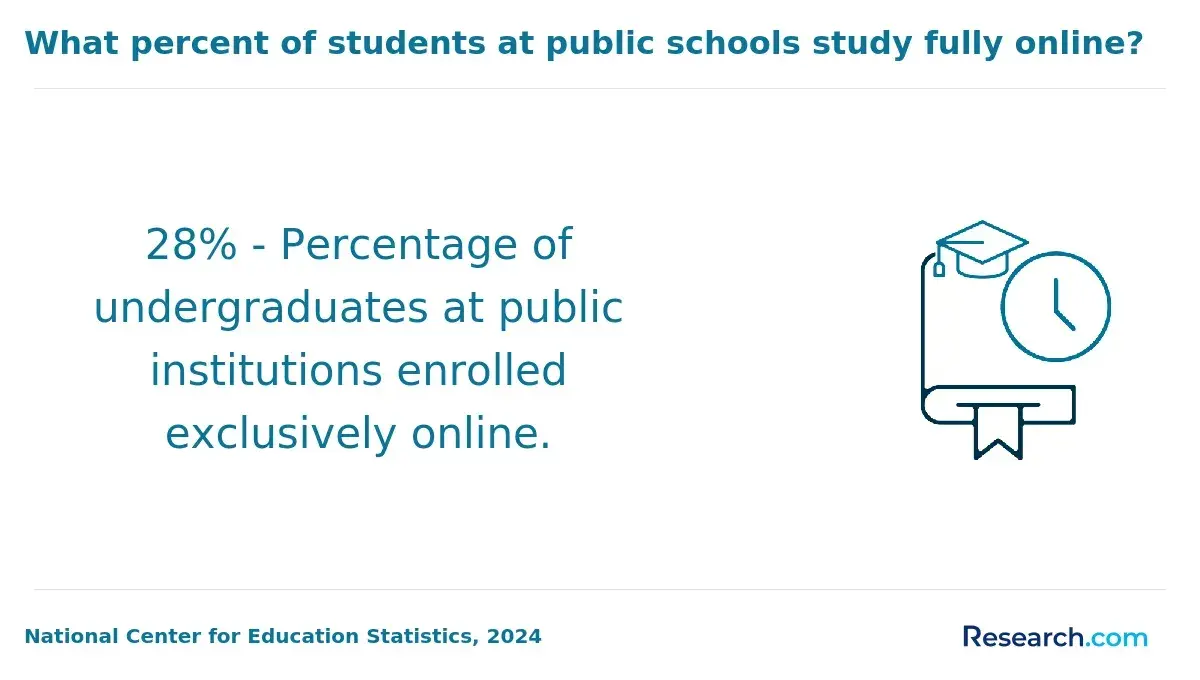
For career changers, selecting the right program format is essential to balance education with existing work and personal commitments. More than 40% of adult learners now choose online or hybrid degree options, reflecting a strong trend toward flexible learning environments that accommodate busy schedules. Below are some prevalent neuroscience program formats designed for working professionals:
- Online Programs: These fully virtual courses provide maximum convenience by allowing students to access materials and complete assignments from any location at their own pace, ideal for those needing complete schedule flexibility.
- Hybrid Programs: Combining virtual coursework with occasional on-campus sessions, hybrid formats offer both the convenience of online study and face-to-face interaction, fostering deeper engagement and networking opportunities.
- Part-Time Enrollment: Spreading classes over several years, part-time study reduces the intensity of coursework, enabling students to balance education with work and family responsibilities more comfortably.
- Evening and Weekend Classes: Tailored to fit nontraditional hours, these in-person formats accommodate professionals working standard daytime shifts, providing access to direct instruction without disrupting jobs.
For career changers, acquiring new skills is vital to successfully navigate professional transitions. Studies show that 87% of workers worldwide believe that reskilling enhances their career growth, highlighting a widespread employer preference for adaptable and transferable expertise. Below are five essential skills typically developed through a neuroscience program that support this journey.
- Analytical Thinking: Neuroscience education cultivates the capacity to analyze complex information and draw data-driven conclusions, a skill valuable across research, healthcare, and technology fields.
- Laboratory Proficiency: Hands-on training with experimental methods offers practical experience, preparing individuals for roles in biomedical research or clinical settings.
- Problem-Solving: Programs emphasize hypothesis development and experimental design, strengthening critical thinking abilities that are applicable in numerous scientific and technical careers.
- Communication: Mastering how to effectively convey scientific concepts both verbally and in writing enhances collaboration with multidisciplinary teams and engagement with diverse audiences.
- Technological Literacy: Familiarity with advanced neuroscience software and tools empowers learners with technical skills that are transferable to data science, healthcare technology, and software development.
One career changer who completed a neuroscience degree shared that the initial challenge was embracing unfamiliar scientific language and laboratory procedures. She noted, "Adjusting to the rigorous demands was intimidating at first, but gradually mastering the material gave me confidence beyond what I expected." She described how developing communication skills was particularly transformative, as it enabled her to bridge her prior experience in social services with her new scientific knowledge. Her story underscores how acquiring a blend of technical and interpersonal skills can make such programs empowering and career-defining.
For career changers balancing education with work and family, knowing the total cost of a neuroscience degree is vital. Graduate education in the U.S. often surpasses $30,000 annually, with nearly 70% of students incurring debt to fund their studies. Assessing all expenses helps adult learners plan more effectively. Below are key cost components to consider.
- Tuition and Fees: This is the largest expense, varying widely depending on whether the program is online or in-person, and public or private. Career changers in neuroscience programs typically face tuition costs between $500 and $1,500 per credit hour. For a 30-36 credit master's degree, total tuition can range from $15,000 to $54,000.
- Textbooks and Materials: Required reading and study materials can add several hundred to over a thousand dollars annually. Some programs offer digital resources or used books, which may help reduce costs.
- Lab and Research Expenses: Neuroscience degrees often include hands-on lab work or research projects requiring access to equipment or specialized software. These costs vary by institution but are important to factor in.
- Technology and Software: Certain programs necessitate specific software licenses or technology purchases. Adult learners should check if these fees are included in tuition or extra.
- Indirect Costs: Reduced work hours, commuting, and other time-related expenses can affect overall affordability. Flexible scheduling, part-time study options, and employer tuition reimbursement programs can provide vital financial relief.
- Financial Support and Savings: Scholarships for adult learners and accelerated pathways, including credit for prior learning or competency-based education, may substantially lower your investment. Career changers seeking affordable neuroscience programs for working professionals should explore these options thoroughly.
Those interested in managing education costs while working might also consider programs like an online nursing school as alternative or complementary career pathways with flexible financial arrangements and accessible pricing.
Curriculum design plays a critical role for career changers pursuing a neuroscience degree, as it must balance foundational knowledge with practical skills that translate efficiently into new professional roles. This approach is especially valuable for adult learners looking to reskill quickly and effectively. Key features of such curricula include the following:
- Applied Learning: Courses incorporate modules that connect theoretical neuroscience concepts to real-world industry applications, ensuring students develop practical skills relevant to emerging fields.
- Transferable Skill Development: The curriculum emphasizes skills like critical thinking, data analysis, and scientific communication, preparing graduates for diverse roles beyond conventional neuroscience careers. These abilities empower job transitions by enhancing adaptability.
- Flexible Pacing: Recognizing the unique challenges of adult learners, many programs offer adaptable scheduling options that allow students to balance their studies with work and personal commitments, facilitating continuous progress without overwhelming pressures.
- Real-World Projects: Hands-on experiences embedded in the coursework give learners opportunities to engage in projects that build both practical knowledge and professional confidence, strengthening resumes for career changers.
- Interdisciplinary Coursework: Exposure to multiple scientific and analytical disciplines broadens problem-solving capabilities, fostering versatile approaches beneficial for career transitions.
For those exploring how neuroscience degree programs support job transitions, leveraging these curriculum strengths can make the shift smoother and more effective. Working professionals interested in affordable educational pathways might also consider programs noted among the cheapest BSN programs, which demonstrate similar flexibility and applied learning features for adult learners.
For career changers, knowing potential job outcomes is essential to align education with roles that offer long-term growth and stability. The U.S. Bureau of Labor Statistics forecasts a 13% increase in healthcare and research jobs related to neuroscience from 2022 to 2032, signaling strong demand. Below are common career options for those with a neuroscience degree.
- Clinical Research Coordinator: Oversees clinical studies, ensures regulatory compliance, and facilitates communication among team members. This role suits individuals with strong organizational and interpersonal abilities, helping them transition smoothly.
- Neuropsychology Technician: Supports neurological evaluations and collects data during assessments. Attention to detail and experience in patient care make this position accessible to career changers.
- Science Writer or Communicator: Breaks down complex neuroscience information for academic or public audiences. Strong analytical thinking and writing skills enable effective knowledge translation in this field.
- Healthcare Consultant: Provides strategic advice on neuroscience-related healthcare services. Problem-solving and business insight help professionals adapt to this advisory role.
- Data Analyst in Neurological Research: Interprets brain-related datasets to advance scientific studies. Proficiency in statistics and technology supports entry into this data-driven career.
Salary expectations play a vital role for professionals shifting careers by earning a neuroscience degree, as they directly impact financial planning and decision-making. A study on reskilled workers found that 68% experienced salary increases within two years after obtaining their new qualifications. Below are key factors shaping compensation in neuroscience-related careers.
- Entry-Level Positions: Typical starting salaries range from $50,000 to $70,000 annually, reflecting early career experience and foundational knowledge in neuroscience fields.
- Advanced Qualifications: Professionals holding graduate degrees or specialized certifications often earn between $75,000 and $110,000, benefiting from greater expertise and technical skills.
- Industry Variations: Sectors like pharmaceuticals and biotechnology generally offer higher pay compared to academic research or nonprofits, where budgets and funding may limit salaries.
- Prior Experience: Previous work in scientific, healthcare, or technical roles can enhance salary offers, as transferable skills increase an individual's value to employers.
- Geographic Location: Metropolitan areas tend to provide salary premiums due to elevated demand for neuroscience professionals and higher living costs, influencing overall compensation packages.
What Graduates Say About Their Neuroscience Degrees for Career Changers
- Fisher: "Deciding to switch careers to neuroscience was daunting due to the average program cost of around $30,000, but I was amazed by how quickly the knowledge I gained translated into real-world opportunities. Completing this degree opened doors to roles I never imagined, making every dollar spent worthwhile. I couldn't be happier with my choice."
- Claro: "Reflecting on my journey, the investment of roughly $25,000 in a neuroscience degree felt significant, yet absolutely necessary to pivot professionally. The program's depth gave me not only technical skills but also confidence to engage in advanced research. This step changed my life in invaluable ways."
- Andro: "When I chose to pursue a neuroscience degree, I knew the $28,000 cost was an investment in my future rather than an expense. The structured curriculum and expert guidance directly influenced my ability to transition into neurotechnology, proving that strategic spending on education can expedite professional growth."
Other Things You Should Know About Neuroscience Degrees
Yes, career changers can pursue neuroscience degrees part-time or online in 2027. Many universities have adapted their programs to offer flexible online courses or hybrid models to accommodate working professionals, facilitating a balance between their current careers and education.
Career changers in 2027 neuroscience degree programs can often access interdisciplinary research projects bridging neuroscience with fields like psychology, computer science, and biology. Programs may offer flexible lab schedules, integrating diverse professional experiences into innovative research approaches.
Most neuroscience programs require biology, general chemistry, organic chemistry, calculus, and sometimes physics before admission. Many also expect at least one semester of statistics and laboratory work. Career changers without these courses usually complete them through post-baccalaureate study or as nondegree coursework before applying.
- Program Overview https://www.usfca.edu/arts-sciences/programs/undergraduate/neuroscience/program-overview
- Bachelor of Science in Neuroscience https://clas.wayne.edu/biosci/undergrad/bs-neuroscience
- Neuroscience for Change at Work https://capabilityforchange.com/change-management-master-class-series/neuroscience-for-change-at-work/
- BSc Neuroscience in India: The Next Big Career Path? https://www.galaxyeduworld.com/blogs/bsc-neuroscience-in-india-the-next-big-career-path
- Career Paths in Neuroscience https://cpd.emory.edu/resources/career-paths-in-neuroscience/
- Career Transition Mentoring Network - ACNP https://acnp.org/education-opportunities/career-transition-mentoring-network/
- What can you do with a neuroscience degree? https://lilys.ai/en/notes/neuroscience-20251023/neuroscience-degree-career-options
- Careers in Neuroscience - Thiel College https://www.thiel.edu/academics/departments/neuroscience/neuroscience-alumni-careers
- 10 high-paying careers in neuroscience https://www.cmich.edu/blog/all-things-higher-ed/high-paying-careers-in-neuroscience
- Careers with a BSc Neuroscience | University College Cork https://www.ucc.ie/en/anatomy/studyneuroscience/careerswithabscneuroscience/