2027 Military-Friendly Online Neuroscience Degree Programs: Benefits, Accreditation, and Career Outcomes

Co-Founder and Chief Data Scientist
Many U.S. military service members, veterans, and military-affiliated students face challenges balancing military commitments with higher education. About 32% of veterans pursue postsecondary degrees, yet fewer find programs tailored to their unique needs and schedules. This gap often hinders their career advancement and successful transition to civilian life. Online neuroscience degree programs designed with military-friendly policies can address these challenges by offering flexibility and specialized support.
This article explores the benefits, accreditation standards, and career outcomes of such programs, providing informed guidance to help service members and veterans select the best path for their academic and professional goals.
Key Benefits of Military-Friendly Online Neuroscience Degree Programs
- Flexible online formats allow military students to balance deployments and duties while pursuing neuroscience degrees, increasing degree completion rates among veterans by up to 25% compared to traditional programs.
- Many programs award academic credit for military training or experience, reducing time and cost to degree completion, critical as 40% of veterans seek efficient education pathways.
- Military-friendly neuroscience degrees emphasize career readiness, offering tailored transition support that enhances employment outcomes in healthcare, research, and technology sectors.
What does "military-friendly" mean for online neuroscience degree programs?
For active-duty service members, veterans, and military-affiliated students comparing online neuroscience degree options, the term "military-friendly" carries significant weight. It indicates that a program is designed to accommodate the unique challenges of military life, such as deployments and relocations, through flexible course schedules.
Nearly 40% of veterans use the GI Bill® for higher education, making compatibility with military education benefits a crucial factor when selecting a program. Understanding what makes a program genuinely supportive helps students make informed decisions aligned with their career and life circumstances.
Military-friendly online neuroscience degree programs stand out by recognizing and crediting relevant military training and experience, which can reduce both time and cost to degree completion. This approach acknowledges the transferability of military-acquired skills into the neuroscience field. Such programs also offer compatibility with tuition assistance and other military education benefits, ensuring students maximize their funding.
Additional support tailored specifically for veterans, such as advisors knowledgeable about military transitions and flexible options to manage irregular schedules, further define these offerings.
For military-affiliated students seeking programs focused on practical flexibility, support, and financial alignment, exploring options similar to RN to BSN online programs without clinicals can provide useful insights into the level of accommodation offered. Access to specialized support for veterans in online neuroscience degrees can significantly enhance their educational experience and career readiness.
Who qualifies for military-friendly online neuroscience degree programs?
Access to military-friendly online neuroscience degree programs depends heavily on eligibility, which determines the availability of tailored benefits such as tuition assistance and academic accommodations. Over 800,000 military-affiliated students were enrolled in higher education according to the most recent data, reflecting a significant need for programs suited to their unique circumstances.
Below are the typical groups that qualify under military service members online neuroscience program qualifications and the necessary documentation to prove eligibility.
- Active-Duty Service Members: These individuals serve full-time in the armed forces and often need to show military ID or formal orders. Verification enables access to education benefits including flexible schedules and tuition support.
- Veterans: Those who have completed active duty may qualify for federal education programs like the GI Bill. Proof of discharge, typically through DD214 forms, confirms their eligibility for these benefits.
- Reservists and National Guard Members: Balancing part-time military duties with civilian careers, reservists and National Guard personnel must present documentation of their active status or activation orders to secure military-friendly academic accommodations.
- Military Spouses: Spouses of service members may receive special tuition options and support services, with eligibility often requiring a dependent ID or marriage certificate to verify their relationship.
Prospective students should carefully review the eligibility requirements for military-friendly neuroscience degrees to maximize their advantages when selecting programs. For those exploring further options in healthcare-related fields, reviewing the offerings of easy DNP programs can also provide valuable insights into flexible education paths.
Are military-friendly online neuroscience programs accredited?
Accreditation is a crucial factor for military-affiliated students evaluating online neuroscience programs because it ensures program quality, affects credit transferability, and impacts eligibility for licensure. Attending an accredited program supports smoother transitions between institutions and validates the degree in professional settings. Over 90% of reputable online neuroscience degree programs hold regional or national accreditation, underscoring the importance of this standard for military-friendly options.
Military-friendly online neuroscience degrees typically carry regional accreditation from agencies recognized by the U.S. Department of Education. Some also have programmatic accreditation related to health sciences, which further confirms adherence to industry-specific standards.
Students can verify accreditation status by visiting the official websites of the accrediting bodies or checking the U.S. Department of Education's database. This verification step is essential to ensure the degree qualifies for transfer credits and licensure applications.
Accreditation also plays a pivotal role in financial aid eligibility, especially regarding Veterans Affairs benefits and other military-related funding sources. Many neuroscience careers, particularly those involving clinical roles or research, require graduation from accredited programs to meet certification or licensing requirements. Military-affiliated students should prioritize programs with solid accreditation to protect their educational investment and future career prospects.
For those balancing education with other responsibilities, it may help to explore related fields with military-friendly offerings, such as medical billing and coding classes. Such alternatives can provide valuable skills and certifications aligned with healthcare careers.
When searching for neuroscience programs, keeping accreditation and relevant credentials in mind ensures access to quality education and supports career pathways important to veterans and service members pursuing advanced degrees in this field, including neuroscience program accreditation for veterans.
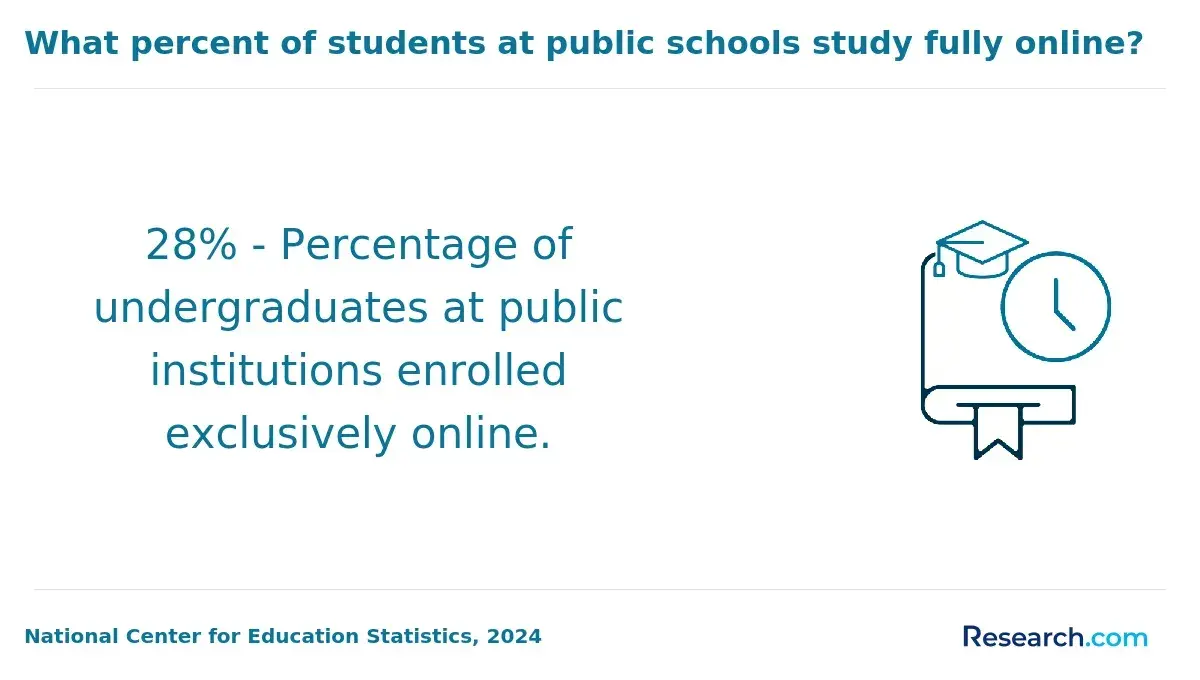
Breakdown of All 2-Year Online Title IV Institutions (In Percentage)

Accurately assessing the expenses of military-friendly online neuroscience programs is essential for service members, veterans, and military-affiliated students who juggle education with other financial obligations. Recent data indicates tuition typically falls between $300 and $700 per credit hour, varying by institution and study level. Below are common cost components to consider when comparing programs.
- Tuition per Credit: This is generally the largest expense, covering instruction and access to faculty support. Military-oriented programs may offer discounted rates to reduce the financial burden on students.
- Program Fees: These encompass charges for technology use, library services, and administrative processing. Such fees ensure students access necessary tools and institutional resources throughout their studies.
- Materials and Resources: Expenses here include textbooks, required software licenses, and sometimes lab kits. These materials are critical to completing coursework and can vary depending on the program's format.
- Practicum or Clinical Fees: For programs with hands-on training components, additional costs may apply to cover placement coordination and professional supervision. These fees are often necessary for gaining real-world experience.
Military students often benefit from special tuition rates and can use VA education benefits or Department of Defense tuition assistance programs, which help offset several of these expenses.
Financial aid plays a crucial role for military-affiliated students weighing the cost and commitment required for online neuroscience degrees. According to the Department of Education, about 75% of military-connected learners tap into federal or institutional aid to help fund their education. Knowing which options exist is key to maximizing financial support.
Here are some common financial resources available to military-friendly online neuroscience students:
- GI Bill Benefits: Veterans and active-duty members can access Post-9/11 or Montgomery GI Bill benefits to cover tuition, fees, and sometimes housing costs, significantly lowering the expense of their degree programs.
- Tuition Assistance (TA): Offered through military branches, TA programs help active-duty personnel pay for approved classes, including those in neuroscience, potentially covering all tuition expenses.
- Military-Affiliated Scholarships: Many scholarships specifically support service members and their families, rewarding academic merit, military service, or financial need with direct financial aid.
- Federal Aid and Loan Forgiveness: Grants like the Pell Grant, subsidized federal loans, and initiatives such as Public Service Loan Forgiveness offer additional avenues to reduce debt and ease repayment after graduation.
A military veteran who completed an online neuroscience degree shared that navigating the aid application process initially felt overwhelming due to unfamiliar forms and deadlines. He said, "Choosing electives that aligned with my interests made the experience more engaging, but I had to carefully plan my schedule around my military duties."
The financial aid he secured ultimately lifted a heavy burden, allowing him to focus on coursework without constant worry over expenses. This support made a significant difference in his academic journey and career readiness.
Service members, veterans, and military-affiliated students should carefully evaluate how online neuroscience programs handle credit for military training, as this can reduce both the time and expense needed to earn a degree. In fact, more than 2 million service members have gained college credit through military experience, highlighting a growing trend in higher education toward recognizing such credentials.
Here are key ways online neuroscience programs may assess and grant credit for prior military training or related experience:
- Credit Evaluation Process: Institutions often review official military transcripts such as the Joint Services Transcript (JST) alongside course descriptions or training documentation to determine the relevance of the experience to neuroscience curricula.
- Types of Credit Awarded: Credits typically apply toward elective courses or lower-division requirements, depending on how closely the military training aligns with academic standards in neuroscience.
- Eligibility Requirements: Military training must be formally documented, demonstrate alignment with academic competencies, and come from accredited programs to be considered for credit transfer.
- Impact on Degree Progress: Accepted credits allow students to skip introductory or general education courses, accelerating their path to completing the online neuroscience degree.
- Supporting Documentation: Some programs may request detailed syllabi or official certification records to substantiate specialized training for credit consideration.
Flexibility is essential for active-duty service members and military-affiliated students pursuing online neuroscience degrees due to frequent deployments, relocations, and unpredictable schedules that can disrupt learning. Programs that accommodate these challenges help military students continue their education without major setbacks. Such flexibility is a key factor in successful academic progress for this group.
Military-focused online neuroscience programs often use asynchronous classes, enabling students to complete coursework on their own time regardless of location or time zone. They also typically offer extended deadlines and flexible exam arrangements to address deployment-related interruptions.
Dedicated support staff familiar with military demands assist students navigating technical issues or academic planning during transitions. Additionally, policies like enrollment pauses and credit transfers ease disruptions from moves or extended absences, helping maintain consistent progress.
When asked about her experience, an active-duty service member enrolled in a military-friendly neuroscience program shared how deployments complicated her study plans. She appreciated being able to download lectures before leaving and submit assignments late when necessary.
"Knowing I could pause enrollment without penalty gave me peace of mind during unpredictable deployments," she explained, adding that academic advisors who understood her military commitments were especially helpful in adjusting deadlines and course loads. Her story reflects how such program features make continuing education achievable despite military demands.
Licensure eligibility is essential for military-affiliated students choosing online neuroscience programs because it determines their ability to work legally in many neuroscience-related professions. Without proper licensure, career advancement and employment opportunities can be severely limited. Studies show that programs with strong licensing preparation often achieve licensure exam pass rates surpassing 80%, underscoring the benefits of enrolling in qualified programs.
Below are key ways military-friendly online neuroscience programs support licensure eligibility:
- Curriculum Alignment: These programs design their coursework to meet the standards set by professional licensing boards. By covering the necessary knowledge and skills, they prepare students to succeed in licensure exams and fulfill job requirements.
- Clinical or Practicum Components: Hands-on experience is often required for licensure, and these programs include clinical placements or practicum hours. This practical training is critical for developing competencies required by regulatory agencies.
- Exam Preparation and Support: Military-friendly programs provide focused resources such as review sessions, study materials, and mentorship to boost licensure exam success rates. This targeted guidance helps students navigate challenging certification processes more confidently.
- Regulatory Compliance: Programs maintain accreditation and follow state-specific licensure regulations, ensuring graduates qualify for certification in their desired locations. This adaptability is particularly important for military students who may relocate and need portable credentials.
These features collectively create a strong foundation for military-affiliated students to meet licensure requirements and transition effectively into professional neuroscience roles.
Military-affiliated students evaluating online neuroscience degree programs benefit greatly from understanding the range of career options available to them. Awareness of job prospects allows them to align their education with civilian opportunities that complement their military skills. Employment of medical scientists, including neuroscientists, is projected to grow 13% from 2022 to 2032, indicating increasing demand in the field.
This growth opens diverse pathways for those with a military-friendly neuroscience degree career options. Here are potential careers tailored to veterans and service members:
- Clinical Neuroscientist: Studies neurological diseases and disorders while contributing to patient care and medical research. This role leverages military experience in discipline and meticulous attention to detail, crucial for advancing treatments.
- Neuropsychologist: Focuses on assessing and treating cognitive impairments, often collaborating with rehabilitation teams. Military medical backgrounds provide a strong foundation for this role, supporting recovery and mental health care.
- Neuroscience Researcher: Conducts experiments to deepen understanding of the nervous system. Analytical skills and familiarity with structured protocols gained during military service suit veterans interested in scientific investigation.
- Neuroscience Technician: Assists in laboratory experiments and manages data collection, requiring technical expertise and precision valued in military training.
- Healthcare Technology Specialist: Develops or manages neural devices used in treatment and recovery, a field where knowledge of neuroscience and technical skill converge, offering significant opportunities for military students.
Veterans seeking solid neuroscience degree job prospects for veterans can find these roles align well with skills developed during service. Military students should also consider parallel programs to supplement their degree; for example, exploring cheap NP programs can expand healthcare career opportunities post-degree.
Understanding salary potential is an important factor for military-affiliated students evaluating online neuroscience degree programs. On average, military graduates with neuroscience-related qualifications see promising earnings growth, often above typical entry-level wages in the field. For example, licensed professionals may earn between 15% to 25% more annually compared to those without licensure, which is critical information for servicemembers planning long-term careers.
Several key factors influence how much military graduates earn with an online neuroscience degree:
- Licensure: Obtaining licensure significantly boosts earning power and career growth. Licensed professionals typically qualify for higher-paying roles such as clinical practice, leadership, or specialized research positions, granting access to advanced responsibilities and better compensation.
- Years of Experience: As with many healthcare and science careers, increased experience correlates with higher salaries. Military veterans neuroscience degree salary often rises steadily with demonstrated clinical or research expertise.
- Specialty or Role: Choosing specialized fields within neuroscience, such as neuropsychology or clinical trial leadership, can lead to more lucrative opportunities. Military-affiliated graduates with additional certifications or focus areas tend to command higher wages.
- Geographic Location: Salary levels vary depending on region and demand. Graduates working in high-cost or metropolitan areas often earn more; however, positions in underserved locations may offer attractive incentives.
For service members and veterans, exploring online neuroscience degree earnings through programs designed with military needs in mind is vital. Considering options including the cheapest online DNP programs may provide valuable pathways for advancing education affordably while enhancing salary prospects tied to neuroscience careers.
Online neuroscience degree earnings for servicemembers reflect these combined factors, shaping career trajectories and financial stability after military service.
What Graduates Say About Their Military-Friendly Online Neuroscience Degree
- Fisher: "Completing my military-friendly online neuroscience degree was a game changer. The flexibility allowed me to balance deployments and coursework seamlessly, while the affordable tuition-averaging around $20,000-made this advanced education accessible. This program has opened doors in neurorehabilitation that I never imagined, and I feel more equipped than ever to serve both my country and my patients."
- Alex: "The structure of the military-friendly neuroscience degree offered a unique blend of self-paced learning and hands-on applications that truly respected my service commitments. Reflecting on the experience, I appreciate how the program's reasonable cost and tailored support helped me transition smoothly into civilian research roles. This degree has been instrumental in advancing my career in cognitive neuroscience. "
- Diane: "As a professional moving from active duty to academic research, the military-friendly online neuroscience degree provided the perfect solution. The program's adaptability and average attendance cost under $25,000 delivered exceptional value without compromising quality. This education significantly enhanced my expertise in neurotechnology development, positioning me for leadership roles in the field. "
Other Things You Should Know About Neuroscience Degrees
Many military-friendly online neuroscience programs in 2027 review military training under the ACE (American Council on Education) guidelines to determine credit transferability. Specific credits accepted can vary by institution, so it’s advised to consult the academic advisor of the desired program for detailed information.
Yes. Active-duty service members can use Military Tuition Assistance to cover tuition up to $250 per semester credit hour, with an annual cap set by each service branch. Many schools also accept the GI Bill, and veterans may receive Yellow Ribbon funding when tuition exceeds GI Bill limits.
- What Does Military Friendly School Mean? | Tulsa Welding School https://www.tws.edu/blog/skilled-trades/what-does-military-friendly-school-mean/
- Military Friendly Online College - Sessions College https://www.sessions.edu/military-students/
- Why Military Students Should Choose an Online School https://www.herzing.edu/blog/why-military-students-should-choose-online-school
- Online Degrees for Military https://www.umgc.edu/military-and-veterans/online-degrees
- Is neuroscience the future of warfare? https://www.defenceiq.com/defence-technology/articles/neuroscience-and-future-warfare-1
- Membership | Military Friendly https://www.militaryfriendly.com/school/membership/
- Military Programs Online | UAGC Flexible Degrees for Vets https://www.uagc.edu/military
- Active Military and Veterans | Escoffier Schools https://www.escoffier.edu/admissions-aid/active-military-veterans/