2027 Weekly Start Online Degrees vs Self-Paced Accelerated Neuroscience Degree Programs

Co-Founder and Chief Data Scientist
Many prospective students face a dilemma choosing between weekly start online degrees and self-paced accelerated neuroscience degree programs. According to the National Center for Education Statistics, nearly 40% of online learners in STEM fields report difficulty maintaining consistent study schedules, impacting completion rates. Weekly start programs offer structured timelines, while self-paced formats provide flexibility but require strong self-discipline. This article evaluates the benefits and challenges of both approaches, focusing on program design, time management, and student outcomes. It aims to guide future neuroscience students in selecting the format that best matches their learning style and career goals.
Key Benefits of Weekly Start Online Degrees vs Self-Paced Accelerated Neuroscience Degree Programs
- Weekly start online degrees offer structured timelines promoting regular engagement, which correlates with a 20% higher course completion rate in neuroscience studies versus irregular formats.
- Self-paced accelerated neuroscience programs provide significant cost savings by allowing students to complete credits faster, often reducing tuition and living expenses by up to 30%.
- Flexibility in self-paced models supports diverse learning speeds, aiding retention of complex neuroscience concepts, while weekly starts ensure steady progress through cohesive peer interaction.
How Are Weekly Start Online Degrees and Self-Paced Accelerated Neuroscience Programs Structured?
Choosing between weekly start online neuroscience degrees and self-paced accelerated formats requires understanding how each program structures learning and deadlines. This knowledge helps students select the approach that fits their lifestyle and study preferences. Below is a comparison of key elements in how weekly start online neuroscience degrees are structured versus the self-paced accelerated neuroscience degree program format.
Weekly Start Online Degrees
- Fixed Enrollment and Pacing: New students can begin every week or month, with courses organized into defined terms lasting 8 to 15 weeks.
- Weekly Modules and Deadlines: Coursework is divided into weekly units with assigned readings, discussions, and assignments due on set dates to encourage steady progress.
- Assessment Frequency: Regular quizzes, timed exams, and participation create ongoing checkpoints throughout the course.
- Time Commitment: Typically requires 8 to 15 hours per week depending on credit load, helping students maintain consistent study habits.
Self-Paced Accelerated Degrees
- Flexible Progression: Students advance through materials at their own speed without fixed deadlines for every assignment.
- Extended Term Lengths: Programs may span 6 months to a year, with only a final deadline for course or degree completion.
- Assessment Style: Focuses on cumulative exams or project submissions that emphasize mastery without weekly tests.
- Accelerated Completion: Motivated learners can dedicate more hours weekly and handle multiple modules simultaneously to finish faster.
According to the Online Learning Consortium, about 60% of online learners prefer the structured weekly deadlines found in weekly start degrees, while 30% choose self-paced formats to accelerate their study.
Prospective students seeking detailed program options might also explore online DNP resources for additional insights into flexible degree programs.
Are Weekly Start Online Neuroscience Programs Easier to Get Into vs Self-Paced Accelerated Programs?
Ease of enrollment is a key factor for students choosing between weekly start online neuroscience programs and self-paced accelerated neuroscience degrees. Programs with rolling admissions tend to offer more flexible entry points, often translating to higher acceptance rates. A 2023 Online Learning Consortium report noted that STEM programs with rolling admissions can see acceptance rates up to 15% higher than fixed deadline programs.
Here are some key differences affecting admissions requirements for weekly start neuroscience programs versus self-paced accelerated options:
- GPA Expectations: Weekly start programs generally have more lenient GPA requirements, making them accessible to a broader range of applicants. Accelerated programs typically require higher GPAs due to the fast-paced curriculum.
- Prerequisite Coursework: Weekly start degrees often accept a wider variety of prior coursework, emphasizing flexibility. Self-paced accelerated degrees demand specific prerequisites to ensure readiness for intensive study.
- Standardized Testing: Accelerated programs may place greater weight on GRE scores or equivalent exams to assess academic preparedness, whereas weekly start programs might have more variable policies.
- Holistic Admissions: Weekly start programs may use a broader holistic review process, considering diverse backgrounds. Accelerated tracks tend to weigh personal statements and recommendation letters more heavily, reflecting a rigorous selection.
Students interested in related fast-track healthcare education might explore options like medical assistant certification programs that also balance rapid completion with admissions standards.
Both admissions requirements for weekly start neuroscience programs and ease of enrollment in self-paced accelerated neuroscience degrees vary, emphasizing different paths depending on student readiness and goals.
How Long Does a Weekly Start Online Degree Take to Complete vs Self-Paced Accelerated Neuroscience Degree?
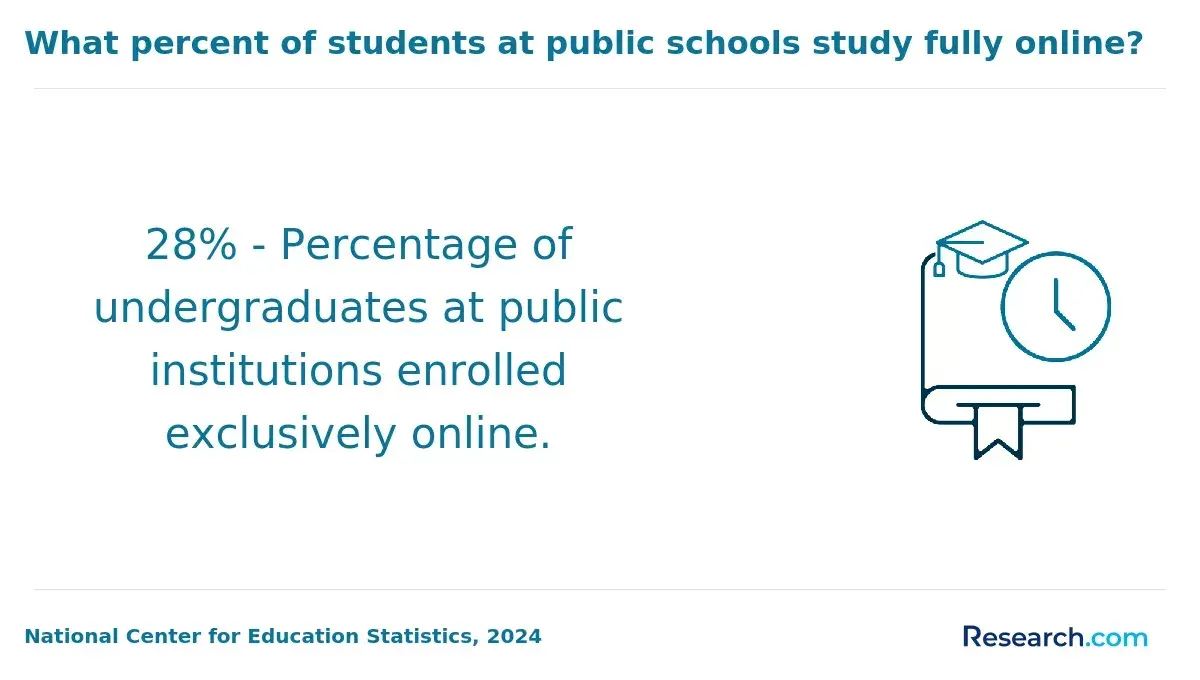
Completion time is a key consideration for students balancing educational goals, financial planning, and career deadlines. According to recent data, nearly 40% of online students require over six years to finish their degrees, fueling interest in faster completion formats. Comparing weekly start online degrees and self-paced accelerated neuroscience programs reveals important differences that impact how soon students can graduate.
- Term length: Weekly start programs follow set academic terms, typically lasting several months, which can prolong graduation timelines. In contrast, self-paced accelerated neuroscience programs allow students to move through material without waiting for semester breaks, shortening overall duration.
- Pacing control: Fixed pacing in weekly start courses means students advance at a uniform speed, while self-paced formats enable learners to tailor their study intensity, speeding up or slowing down based on personal availability.
- Credit load: Students in weekly start programs usually take a standard number of credits per term, limiting acceleration options. Self-paced students can often enroll in additional credits simultaneously, making it possible to complete requirements more quickly.
- Transfer credits: Both models may accept transfer credits, which can reduce time to degree; however, self-paced programs may offer more flexible credit evaluation processes that further trim completion periods.
- Enrollment flexibility: Weekly start programs operate on scheduled admission windows, restricting start dates. By comparison, self-paced neuroscience programs admit year-round, enabling immediate enrollment and faster progression.
Flexibility is essential for students managing work, family, and other obligations, influencing their ability to balance commitments and academic progress. Weekly start online degree programs begin at set times with scheduled coursework, while self-paced accelerated neuroscience programs let students advance on their own timetable.
Comparing these two formats highlights differences in how flexibility supports diverse learner needs.
- Scheduling control: Weekly start programs have fixed enrollment dates and structured weekly lessons, creating a predictable routine but limiting when students can enroll. Self-paced neuroscience degrees permit enrollment at any time, granting greater freedom to start courses according to personal availability.
- Pacing speed: Weekly start formats require all students to progress at the same speed, maintaining cohort alignment. In contrast, self-paced options enable learners to accelerate through or slow down coursework based on their own circumstances.
- Assignment deadlines: Students in weekly start programs must meet strict weekly deadlines, fostering consistency but creating time pressure. Self-paced students often have flexible deadlines within the overall program duration, reducing stress around submission timing.
- Instructor interaction: Weekly start students typically engage more frequently with instructors and peers due to cohort-based schedules. Self-paced learners may experience less synchronous contact, relying more on asynchronous support.
- Ability to pause or accelerate: Pausing progress is generally discouraged in weekly start models to avoid falling behind, whereas self-paced neuroscience programs usually allow breaks or faster completion without penalty.
The difficulty students perceive when choosing between self-paced accelerated neuroscience degrees and weekly start online programs can significantly influence their success and satisfaction. Recognizing how these formats differ can help learners select the approach best suited to their academic habits and personal situations.
The following points highlight key differences impacting the challenge level of each option.
- Workload intensity: Accelerated programs often involve a denser curriculum compressed into a shorter time, requiring students to handle a heavier weekly workload independently. Weekly start formats typically spread the content more evenly over time, offering a more moderate pace.
- Pacing expectations: Self-paced accelerated programs demand that students set their own schedules and meet deadlines without regular checkpoints. In contrast, weekly start classes follow fixed calendars with specific assignment due dates, providing a structured learning rhythm.
- Self-discipline required: Because accelerated formats rely on autonomous time management, they call for higher levels of motivation and discipline. Weekly start students benefit from continuous external prompts and instructor engagement that help maintain focus.
- Assessment structure: Accelerated courses usually feature fewer but more comprehensive exams, which can be stressful for some learners. Weekly start programs incorporate frequent quizzes and assignments, encouraging steady progress and ongoing knowledge checks.
- Instructor interaction: Interaction is generally limited in self-paced accelerated courses, with fewer opportunities for live discussions or feedback. Weekly start programs offer regular communication with instructors, fostering a sense of community and timely support.
Grading methods play a significant role for students when weighing workload, academic stress, and expectations for demonstrable progress in neuroscience programs. These methods influence how often students encounter evaluations, their opportunity to show mastery, and the speed of feedback. Comparing weekly start online programs with self-paced accelerated formats highlights important distinctions in grading approaches.
- Assessment frequency: Weekly start programs require frequent, scheduled evaluations-usually every week or two-helping students maintain a steady rhythm. Self-paced accelerated formats feature fewer assessments tied to key milestones, offering more flexibility in timing.
- Mastery requirements: In weekly start courses, students reinforce knowledge continuously with ongoing grading. Conversely, self-paced programs emphasize mastering content before progressing, which may involve more comprehensive but less frequent evaluations.
- Pacing of evaluations: Weekly start formats follow a fixed calendar for assessments, aligning with structured course timelines. Self-paced learners can complete evaluations when ready, allowing personalization but demanding strong self-regulation.
- Feedback timing: Weekly start students usually receive prompt feedback within days, enabling quick adjustments to study strategies. Feedback in self-paced programs can be slower or variable due to asynchronous progress.
- Grading flexibility: The weekly start model limits grading adaptability since schedules are predetermined. Self-paced programs provide greater grading flexibility, accommodating diverse learning speeds and timelines.
Tuition models significantly influence affordability and budgeting for students pursuing online neuroscience degrees. Understanding how different payment structures work helps students select programs aligned with their financial and scheduling needs.
- Pricing Structure: Weekly start programs often charge by credit hour or course bundles, allowing incremental payments. Self-paced accelerated formats typically require a flat fee covering the entire program or a fixed period, leading to higher upfront costs.
- Time-to-Completion: Self-paced students can finish more quickly if motivated, potentially lowering overall expenses. Weekly start formats follow a regular schedule, often extending time-to-completion but offering steady pacing.
- Cost Predictability: Weekly start tuition tends to be more predictable with smaller, frequent payments. Accelerated programs may be less predictable due to larger lump sums paid early in the program.
- Course Intensity: Self-paced formats demand high discipline due to intensive coursework over a shorter period. Weekly start programs spread courses out, which can ease workload management.
- Additional Fees: Weekly start programs might include extra charges for enrollment management or technology use. Accelerated models generally have fewer frequent fees but larger single payments.
- Transfer Credits and Prior Learning: Both formats accept transfer credits, but weekly start programs often have more flexible credit policies, which can further reduce total costs.
Instructor support and academic guidance significantly influence student success in online neuroscience degree programs, affecting learning outcomes, retention, and satisfaction. Reliable access to faculty and structured academic advising help students navigate complex material and stay motivated.
Here is a comparison of key factors in instructor support between weekly start online and self-paced accelerated neuroscience degree programs.
- Instructor availability: Weekly start online neuroscience degree instructor support typically includes regular, scheduled access to instructors within specific timeframes. Self-paced accelerated neuroscience program student assistance is often more limited, available primarily on an as-needed basis.
- Response times: Weekly start programs generally provide prompt responses, often within 24 to 48 hours, ensuring timely feedback on assignments. Self-paced programs may involve longer wait times, reflecting more flexible but less immediate communication.
- Structured interaction: Weekly start formats feature planned activities like live sessions, discussion boards, and group work to promote engagement. In contrast, self-paced programs minimize or eliminate such structured interactions to emphasize learner autonomy.
- Opportunities for live communication: Regular live sessions and real-time dialogue are hallmarks of weekly start programs, whereas self-paced students have fewer or no scheduled live interactions.
- Academic advising: Weekly start programs incorporate multiple advising checkpoints throughout the curriculum, aiding consistent progress monitoring. Self-paced students often initiate advising independently, with fewer mandatory check-ins.
- Student independence expectations: Self-paced accelerated programs assume a high level of self-motivation and autonomy, while weekly start programs provide more consistent support structures.
A recent study found that 68% of students in weekly start programs reported satisfaction with instructor responsiveness compared to 45% in self-paced formats. For learners interested in a low-cost medical coding and billing online program and neuroscience degrees alike, these differences in student assistance can guide program selection.
Employer perception of online neuroscience degree programs plays a crucial role in career outcomes, as hiring managers often use degree formats to infer a candidate's work ethic and professionalism. How a program demonstrates consistency, rigor, and relevant skills can influence employers' confidence in potential hires. This is especially true in neuroscience, where practical collaboration and timely delivery are valued traits.
- Perceived Rigor: Weekly start online neuroscience degree programs are often viewed as more rigorous due to their structured schedules and regular deadlines. This format suggests consistent engagement, which employers associate with discipline. Self-paced accelerated neuroscience degrees, while flexible, sometimes raise concerns about uneven progress or lack of sustained effort.
- Completion Timelines: Employers tend to value degrees completed within standard or accelerated but consistent timelines. Weekly start programs provide clear milestones and cohort pacing, signaling strong time management. Conversely, self-paced programs offer speed but with variable pacing, which can be perceived as less reliable in demonstrating steady progress.
- Time Management Skills: Weekly start formats emphasize ongoing commitment through scheduled assignments, indicating a candidate's ability to handle deadlines and balance workload. Self-paced students must show initiative and independence, but some employers worry this freedom might mask procrastination or inconsistent study habits.
- Collaboration and Adaptability: Programs with weekly starts encourage interaction among peers and instructors, fostering teamwork skills valuable in neuroscience fields. Self-paced accelerated degrees may lack these built-in collaborative elements, making it harder for students to showcase adaptability and group problem-solving experience.
- Alignment with Workforce Needs: Hiring managers often link weekly structured programs with traditional professional environments that demand punctuality and cooperation. Self-paced learners demonstrate accelerated learning capacity and autonomy, traits prized in roles requiring rapid adaptation but needing clear evidence of comprehensive knowledge.
Applicants considering these formats should reflect on how their chosen degree aligns with employer expectations in the job market. For those interested in options with proven employer acceptance, exploring the cheapest online nursing programs may offer insights into how different online degree structures are perceived across healthcare-related fields.
Weekly start online neuroscience degree programs employer preferences highlight the importance of steady progress and collaboration, while self-paced accelerated neuroscience degrees job market value relies on demonstrating independence and rapid completion. Balancing these elements can influence hiring decisions substantially.
Salary outcomes are a critical consideration for students exploring online neuroscience degree programs. Research indicates that professionals who complete their degrees faster can see salary increases of up to 10% in the early years following graduation. Understanding potential differences in career earnings between weekly start versus self paced neuroscience degrees helps guide informed program choices.
- Time-to-Completion: Accelerated self-paced programs often enable students to finish their degrees sooner, allowing earlier entry into the workforce. This shorter timeline can translate into faster salary growth compared to traditional weekly start formats.
- Employer Perception: Weekly start programs typically resemble conventional academic calendars, which some employers view as more structured and reliable. Conversely, self-paced programs highlight flexibility and self-discipline, qualities valued in dynamic settings but less familiar to certain hiring managers.
- Skills and Competencies: Both formats cover core neuroscience knowledge, but accelerated programs may strengthen critical thinking and time management skills due to their rigorous pacing. These enhanced competencies can impact salary negotiation and career progression.
- Career Advancement Opportunities: Advancement depends largely on how graduates apply their skills rather than program format alone. However, quicker degree completion can lead to earlier opportunities for promotions or specialized roles within neuroscience fields.
- Return on Investment: Students weigh program cost, time commitment, and income potential when choosing between weekly start and accelerated options. For those prioritizing rapid workforce re-entry, accelerated degrees might yield higher financial returns, while weekly starts accommodate steady professional development.
Prospective students interested in exploring additional affordable options may consult resources such as the cheapest DNP programs online for broader insights into cost-effective program offerings related to healthcare and neuroscience fields.
In conclusion, salary comparison weekly start versus self paced neuroscience degrees reveals nuanced differences influenced by program pacing, employer attitudes, and individual career strategies rather than format alone. Considering these factors alongside career goals supports better informed decisions about online accelerated neuroscience programs and their potential impacts on long-term earnings.
What Graduates Say About Their Weekly Start Online Degrees vs Self-Paced Accelerated Neuroscience Degrees
- Fisher: "I chose the weekly start online neuroscience degree because it allowed me to begin my studies immediately without waiting for a traditional semester to start. The cost, which averaged around $20,000, was manageable through a combination of scholarships and employer tuition assistance. This program significantly boosted my career, enabling me to transition smoothly into a research role at a biotech firm."
- Vireo: "The self-paced accelerated neuroscience program appealed to me due to its flexibility amidst a hectic work schedule. Although the tuition was a bit higher than average, I offset this by budgeting carefully and taking advantage of payment plans. Completing this intense program quickly opened doors to advanced positions in clinical neuropsychology that otherwise would have taken years to pursue."
- Austin: "Opting for the weekly start online neuroscience degree was a thoughtful decision driven by the program's structured timeline and cost-effectiveness, roughly $18,000 in total. Financing was challenging but achievable with student loans and part-time work. Professionally, it provided a solid foundation in neuroscience that augmented my qualifications, helping me secure my current role in pharmaceutical research."
Other Things You Should Know About Neuroscience Degrees
In 2027, weekly start neuroscience degrees offer more structured schedules, fostering regular interaction with peers and lecturers. This promotes better networking opportunities compared to self-paced programs, where student interaction may be limited due to flexible timelines and study paces.
Yes, but only if the program is offered by an institution accredited by a U.S. Department of Education-recognized accreditor and the school participates in Title IV aid. Students usually must file the FAFSA, enroll at least half-time for most loan eligibility, and meet satisfactory academic progress rules.
- Bachelor’s Degrees Online https://www.snhu.edu/online-degrees/bachelors
- Eight benefits of choosing Self-Paced Online (SPO) College Courses - MSU Denver https://www.msudenver.edu/innovative-lifelong-learning/blog/eight-benefits-of-choosing-self-paced-online-college-courses/
- Full-time, part-time, online - which study mode is right for you? https://www.studentspace.pl/en/blog/post/studia-stacjonarne-zaoczne-wieczorowe---ktory-tryb-wybrac
- NEUR 1000: Introduction to Neuroscience https://lpsonline.sas.upenn.edu/academics/courses/neur-1000-introduction-neuroscience
- Neuroscience Degree- Best Schools, Major & Programs https://www.onlinedegree.com/bachelors/neuroscience/
- An Interdepartmental Program in Neuroscience https://www.brandeis.edu/registrar/bulletin/provisional/courses/subjects/5200.html
- Pedagogy | University 365 https://www.university-365.com/pedagogy
- Southwestern College - Professional Studies https://ps.sckans.edu/news/view/110/
- Top 10 Accredited Online Colleges And Universities 2025 https://www.accreditedschoolsonline.org/online-colleges/
- Programme specification: Neuroscience with Study in Industry (BSc) in 2024/25 https://upc.bristol.ac.uk/unit-programme-catalogue/RouteSpecification.jsa