2027 How to Become a Teacher in Alabama – What Degree Do You Need to Be a Teacher?

Co-Founder and Chief Data Scientist
Becoming a teacher in Alabama is a certification decision as much as it is a degree decision. Before you enroll in an education degree, you need to know whether the program is approved for Alabama licensure, which exams apply to your grade level or subject, how certification renewal works, and whether an online or alternative pathway fits your timeline.
The stakes are practical. In the U.S., there are approximately 4.4 million teachers, including educators in K-12 public and private schools as well as postsecondary and adult education settings (National Center for Education Statistics, 2025). Alabama also continues to work through teacher shortages, salary changes, and demand for qualified educators in high-need subject areas. This guide explains how to become a teacher in Alabama, how to compare teaching programs, what financial aid may be available, and what to watch for before committing to a school or certification route.
How to Become a Teacher in Alabama Table of Contents
- Quick Answer: How Do You Become a Teacher in Alabama?
- Overview of the Teaching Industry in Alabama
- Educational Requirements for Teachers in Alabama
- What are the pathways to alternative teacher certification in Alabama?
- Alabama Licensure Application and Renewal Process
- Financial Aid Options for Teachers in Alabama
- Should You Choose an Online Teaching Degree for Alabama Certification?
- How Can Advanced Educational Technology Enhance Teaching in Alabama?
- How Can I Achieve Special Education Teacher Certification in Alabama?
- How Can I Accelerate My Career Growth as an Educator in Alabama?
- What Other Educational Careers Can Expand Your Impact in Alabama?
- Common Challenges Teachers Face in Alabama
- What are the distinctive aspects of private school teaching in Alabama?
- How Can Teacher Mentorship Programs Enhance My Professional Growth in Alabama?
- What Are the Essential Teacher Certification Requirements in Alabama?
- What are the requirements for becoming a substitute teacher in Alabama?
- List of Top Teaching Programs in Alabama for 2027
- How can I specialize as an English teacher in Alabama?
- What Steps Should I Take to Start My Teaching Career in Alabama?
Quick Answer: How Do You Become a Teacher in Alabama?
To become a certified teacher in Alabama, most candidates must earn a bachelor’s degree from a regionally accredited institution, complete an approved educator preparation program, pass the required certification exams, clear fingerprinting and background checks, submit an Alabama certification application, and maintain the certificate through renewal requirements. Career changers with a non-education bachelor’s degree may qualify for alternative certification options, but they still need to meet Alabama State Department of Education requirements.
| Step | What it means | Decision point |
| Choose a grade level or subject | Decide whether you want elementary, middle, high school, special education, early childhood, physical education, English, or another teaching area. | Your choice determines your degree track, field placements, and exams. |
| Earn the required degree | A bachelor’s degree is the standard minimum requirement for Alabama teacher certification. | Confirm that your school is regionally accredited and that the program is approved for teacher preparation. |
| Complete educator preparation | Approved programs include coursework, teaching methods, classroom experience, and supervised practice. | Ask whether the program leads to the specific Alabama certificate you want. |
| Pass required exams | Candidates complete state-required assessments, including Praxis II exams for many areas. | Check exam requirements before your final year so testing does not delay certification. |
| Apply for certification | Submit required forms, fees, official documentation, and background check materials. | Alabama candidates must submit an application within 60 months of program completion. |
| Renew and grow professionally | Professional Educator Certificates are valid for 5 years and require renewal. | Track professional development early instead of waiting until your certificate nears expiration. |
Overview of the Teaching Industry in Alabama
Alabama’s education workforce is shaped by three major issues: teacher shortages, district-level resource differences, and efforts to make the profession more financially sustainable. The state has relied on uncertified teachers in some areas, and policymakers have responded with recruitment efforts, salary adjustments, and alternative certification pathways intended to bring more qualified adults into classrooms.
One important development is the governor’s approval of a budget that will increase the salaries of teachers by as much as 21% based on their individual experiences. For context, the public school teacher in Alabama salary is around $55,417 (Salary.com, 2025). Salary is not the only reason to become a teacher, but it matters when comparing the cost of a degree, student teaching requirements, and long-term career stability.
Alabama’s K-12 system is also supported by the Alabama Department of Education State Board of Education budget of $9.3 billion to support K12 schools and students in 2025. For aspiring educators, this points to an active policy environment. It does not guarantee a job in every district or subject, but it does suggest that teacher recruitment, retention, and classroom staffing will remain central issues across the state.
Educational Requirements for Teachers in Alabama
If you are asking what you can do with a teaching degree, the answer depends on your credential, grade level, and certification area. Teachers may work in public schools, private schools, preschools, elementary schools, middle schools, high schools, colleges, universities, virtual programs, homeschooling support services, and adult education settings. Public school teaching generally has the strictest state certification requirements.
Nationally, 48.7% of the total teaching population is working as elementary teachers, 25.4% are working as high school teachers, and 17.5% are working as middle school teachers. Furthermore, 6.2% of these professionals are working in K12 schools, and 2.2% of them are working in non-traditional teaching settings (National Center for Education Statistics, 2025).
Minimum requirements for Alabama teacher certification
- Earn a bachelor’s degree: Alabama’s standard route requires a bachelor’s degree from a college or university with regional accreditation. Some students begin with an associate degree in education to reduce upfront cost or build early experience, but an associate degree alone is not the usual endpoint for full teacher certification.
- Complete an approved educator preparation program: Your program should include teacher preparation that is approved for Alabama certification. This usually combines education coursework, subject-area preparation, classroom observation, and supervised teaching practice.
- Pass the required exams: Alabama candidates must complete the state’s testing requirements for their teaching field. The Praxis tests, including Praxis II exams, are used to assess whether candidates have the content knowledge and professional skills needed for classroom teaching.
| Path | Best for | What to verify before enrolling |
| Traditional bachelor’s in education | First-time college students who know they want to teach in Alabama public schools. | State approval, field placement access, Praxis preparation, and certification area. |
| Associate-to-bachelor’s pathway | Students who want a lower-cost start before transferring into a bachelor’s program. | Transfer credit policies and whether courses apply to the teacher preparation sequence. |
| Post-bachelor’s alternative route | Career changers who already hold a bachelor’s degree outside education. | Eligibility rules, employment requirements, coursework expectations, and certificate type. |
| Graduate-level teacher preparation | Adults seeking certification, specialization, or advancement through a master’s-level route. | Whether the program leads to initial certification, advanced certification, or both. |
Alabama Licensure Application and Renewal Process
Completing a degree program is not the final step. You must receive the appropriate Alabama teaching certificate before working in a public school role that requires state certification. Some educators also choose to pursue a graduate degree in child development to specialize in early learning, developmental needs, or related instructional roles. In Alabama, it is projected that by 2032, there will be 580 communications teachers (O*NET Online, n.d.), and other education specializations may also see employment movement depending on local demand.
Licensure application process
- After finishing an approved educator preparation program and passing the required exams, submit the certification application. Alabama candidates must submit an application for certification within 60 months of their program completion date.
- Use the current Application for Alabama Certification from the Alabama State Department of Education or the Teach in Alabama website. Do not rely on old forms saved from a school website or advisor email.
- Complete the required clearance process through the Educator Certification Section of the Alabama State Department of Education. New applicants and renewal applicants must be fingerprinted for a criminal history background check through the Alabama State Bureau of Investigation (ASBI) and the Federal Bureau of Investigation (FBI).
- Pay the required application fee and submit the full packet to the correct office or organization. Keep copies of your documents and confirmation receipts until your certificate is issued.
License renewal process
- A Professional Educator Certificate is valid for 5 years. If the certificate expires June 30th, renewal requirements must be completed by September 1st of the same calendar year. Alabama educators can use the Teach in Alabama login system to help review certificate status.
- The renewal application must reach the Teacher Education and Certification Office of the Alabama Department of Education no later than December 31st of the same calendar year. Check the appropriate state system and keep your teacher in Alabama login information current.
- To reinstate an expired Professional Educator Certificate with a valid period beginning July 1st, the educator must meet the required conditions before September 1st, submit an application, and pay the application fee again.
- Renewal can be supported through certification from the National Board for Professional Teaching Standards (NBPTS) earned during the valid period of the current Professional Educator Certificate (NBPTS, 2025). Another option is three years of proven experience in full-time professional work and 50 clock hours of professional development; or three semester hours of allowable credit and 50 clock hours of allowable professional development.
| Certification task | Common mistake | Better approach |
| Applying after program completion | Waiting too long and missing the 60-month application window. | Begin collecting documents before graduation and confirm your deadline with your program office. |
| Background clearance | Assuming a school district background check is the same as the state certification process. | Follow Alabama State Department of Education instructions for fingerprinting and clearance. |
| Renewal planning | Trying to complete professional development at the last minute. | Track clock hours, coursework, and employment verification throughout the 5-year certificate period. |
| Expired certificate | Assuming an expired certificate can be used until paperwork is processed. | Check reinstatement requirements and timing before accepting or continuing in a certified role. |
What are the pathways to alternative teacher certification in Alabama?
Alternative certification can make sense if you already hold a bachelor’s degree in a non-education field or if you are changing careers after working in another industry. These routes are designed to help Alabama fill teaching needs while giving candidates a structured way to learn pedagogy, classroom management, assessment, and state standards.
One major option is the Alabama Alternative Certification Program (ACP). This pathway may allow eligible candidates to teach while completing additional preparation in instructional methods and classroom practice. It is most useful for adults with strong subject knowledge who still need formal teacher training.
Emergency certification may also be used by districts to address critical vacancies. This type of certificate is temporary and should not be viewed as a long-term substitute for full professional preparation. However, it can help schools meet urgent staffing needs and may give aspiring educators practical classroom exposure.
Some career changers may consider alternative Class A programs, which can combine graduate-level study with movement toward certification. These routes often appeal to professionals who want a master’s degree and a defined teaching specialization rather than a second undergraduate degree.
Before choosing an alternative pathway, review the types of teaching certificates in Alabama and compare eligibility rules, total cost, required employment status, and certification outcomes. Alternative routes can be efficient, but they are not automatically easier; they often require candidates to balance coursework, exams, and classroom responsibilities at the same time.
Financial Aid Options for Teachers in Alabama
Teacher preparation can involve tuition, exam fees, background check costs, transportation to field placements, and unpaid or reduced-work student teaching time. Alabama students should compare total program cost, not just tuition, and ask each school how its education majors commonly fund the final year of clinical practice.
- TEACH Grant: The Teacher Education Assistance for College and Higher Education (TEACH) Grant offers up to $4,000 per year for students pursuing teaching degrees. Recipients must agree to teach in a high-need field at a low-income school for at least four years after graduation. Students should understand the service obligation because grants can convert to loans if requirements are not met.
- Alabama Teacher Recruitment Incentive Program: This Alabama-specific support option provides scholarships and financial assistance for students who commit to teaching in shortage areas, especially rural regions.
- Loan forgiveness programs: Graduates may qualify for federal loan forgiveness if they teach in low-income schools or high-demand subjects such as special education or science. Eligibility depends on the program rules, school assignment, loan type, and service period.
- Institutional scholarships: Alabama universities, including the University of Alabama and Auburn University, may offer scholarships for education majors based on academic achievement, financial need, or program-specific criteria.
| Funding option | Potential advantage | Question to ask before accepting |
| TEACH Grant | Can reduce annual education costs for eligible teaching candidates. | What happens if I do not complete the required service obligation? |
| State recruitment incentive | May support students willing to teach in shortage or rural areas. | Which subjects, districts, or service commitments qualify? |
| Loan forgiveness | Can help reduce federal loan burden after qualifying service. | Does my school, subject area, loan type, and employment status meet the rules? |
| University scholarships | May be available directly through the college of education. | Are awards renewable during student teaching or only available in earlier years? |
Should You Choose an Online Teaching Degree for Alabama Certification?
Online teaching degrees can be a strong fit for Alabama students who need schedule flexibility, live far from campus, or are changing careers while working. The key question is not whether the coursework is online; it is whether the program is properly accredited, approved for the certificate you want, and able to place you in appropriate Alabama classroom experiences.
If you are considering a bachelor of education online, ask the admissions office to identify the exact Alabama certificate the program is designed to support. Also ask how student teaching placements are arranged, whether Praxis preparation is built into the curriculum, and whether out-of-state online programs meet Alabama requirements.
| Online teaching degree | Campus teaching degree |
| Works well for students balancing school with employment, caregiving, or distance from campus. | Works well for students who want face-to-face advising, local school partnerships, and structured campus support. |
| May reduce commuting and housing expenses. | May provide easier access to in-person tutoring, peer networks, and faculty office hours. |
| Requires careful verification of field placement and Alabama certification alignment. | Still requires verification of accreditation, approval, exams, and student teaching expectations. |
| Can be a practical option for career changers and adult learners. | Can be a better fit for first-time students who want a traditional college experience. |
How Can Advanced Educational Technology Enhance Teaching in Alabama?
Educational technology is now part of daily teaching, from learning management systems and digital assessments to adaptive tools and remote instruction. Teachers who understand instructional technology can organize lessons more efficiently, support different learning needs, and use data more thoughtfully. A master's in educational technology online may be useful for educators who want to lead technology integration, design digital learning materials, or move into instructional coaching roles.
How Can I Achieve Special Education Teacher Certification in Alabama?
Special education certification requires more targeted preparation than general classroom teaching. Candidates need training in inclusive instruction, individualized education plans, behavior supports, assessment accommodations, and collaboration with families and service providers. If this is your intended path, review the requirements for special education teacher certification in Alabama before selecting a program, because not every education degree leads to special education eligibility.
How Can I Accelerate My Career Growth as an Educator in Alabama?
Career growth in education usually comes from a mix of strong classroom performance, additional credentials, professional development, mentorship, and leadership experience. Alabama teachers may move into department leadership, instructional coaching, curriculum work, school administration, specialized teaching roles, or graduate-level positions over time. Educators who need flexible credential options can compare the best teacher certification programs to find programs that align with their certification goals and schedules.
What Other Educational Careers Can Expand Your Impact in Alabama?
Teaching is not the only way to work in education. Some professionals use classroom experience to move into curriculum design, academic advising, school library services, educational technology, instructional support, tutoring coordination, or program administration. If you are interested in literacy, research skills, and resource management, learning how to be a school librarian in Alabama can help you evaluate whether that path fits your strengths better than a traditional classroom role.
Common Challenges Teachers Face in Alabama
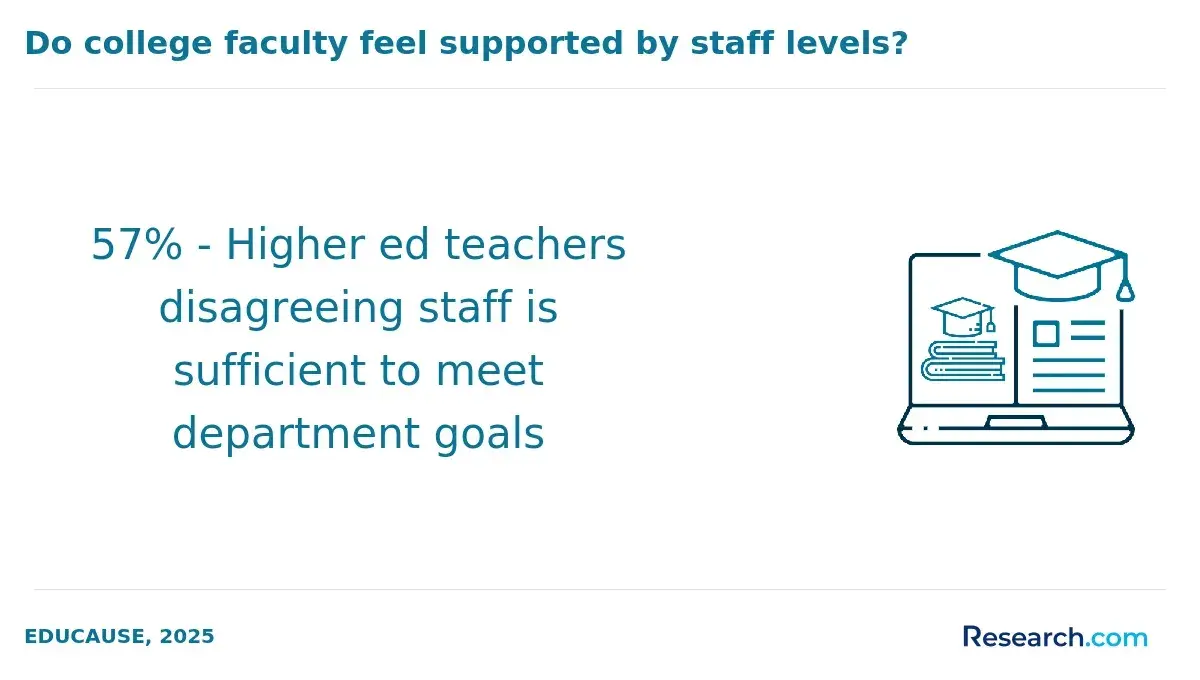
Alabama teachers can build meaningful careers, but the work is not without pressure. Candidates should understand these challenges before entering a program so they can prepare realistically rather than relying on an idealized view of the classroom.
- Uneven district resources: Funding differences across districts can affect access to classroom materials, technology, support staff, extracurricular programs, and enrichment opportunities.
- Testing and accountability demands: Teachers must align instruction with state standards and prepare students for required assessments, which can create tension between test preparation and creative teaching.
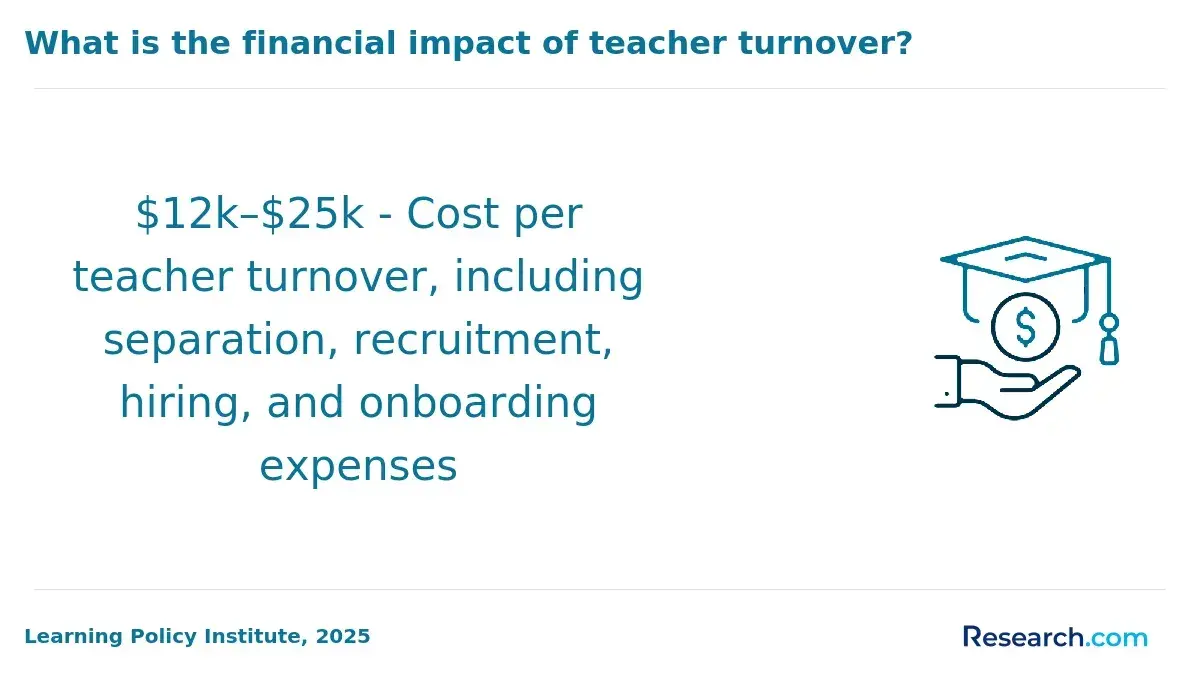
- Teacher turnover and burnout: Stress, workload, behavior management, and compensation concerns can contribute to attrition. Salary increases may help, but working conditions still matter.
- Professional development gaps: Training availability can vary by district, school leadership, funding, and subject area. Teachers often need to seek additional learning opportunities on their own.
- High-need classrooms: New teachers may begin in schools or subjects with significant staffing needs, which can be rewarding but demanding without strong mentoring.
Teachers who want to strengthen their instructional skills may consider graduate study, specialized certificates, or an online master's in education. The best choice depends on career goals, cost, certification impact, and whether the program fits around classroom responsibilities.
What are the distinctive aspects of private school teaching in Alabama?
Private school teaching in Alabama can differ from public school teaching in certification expectations, curriculum design, school culture, compensation models, and classroom autonomy. Some private schools may value subject expertise, faith-based education experience, or specialized instructional approaches. Others may prefer or require state certification. Before applying, review each school’s requirements and compare them with private school teacher requirements in Alabama so you understand whether your background is competitive.
How Can Teacher Mentorship Programs Enhance My Professional Growth in Alabama?
Mentorship can make the first years of teaching more manageable. A strong mentor can help a new teacher plan lessons, organize classroom routines, respond to student behavior, communicate with families, prepare for evaluations, and interpret state or district expectations. Mentorship is also useful for teachers learning digital or blended instruction, including those exploring how to become a teacher online in Alabama. When comparing districts or programs, ask whether new teachers receive formal mentoring, release time, observation feedback, or peer coaching.
What Are the Essential Teacher Certification Requirements in Alabama?
Alabama certification requirements vary by candidate background and teaching field, but the core elements are consistent: appropriate education, approved teacher preparation, required exams, background clearance, application submission, and renewal. Career changers should compare traditional and alternative routes carefully instead of assuming one path is automatically faster or cheaper. For a more detailed breakdown, review the guide to teacher certification requirements in Alabama.
What are the requirements for becoming a substitute teacher in Alabama?
Substitute teaching can help aspiring educators test whether classroom work is a good fit before committing to a full certification program. It may also provide district connections and practical experience with school routines. Candidates should expect baseline educational criteria, required training, and a state-mandated background check. Requirements can vary by district role and assignment type, so review Alabama substitute teacher requirements before applying.
List of Top Teaching Programs in Alabama for 2027
According to a report card from the Alabama State Department of Education, about 3,000 teacher positions remained unfilled across the state in 2025 (World Population Review, 2026). For future teachers, this makes program choice important. A good teaching program should do more than offer education courses; it should prepare you for Alabama certification, classroom placements, licensure exams, and the realities of the grade level or subject you plan to teach.
The Alabama schools below offer teaching-related programs that may fit different goals, including undergraduate preparation, graduate study, online options, and specializations. Always confirm current tuition, accreditation, certification alignment, and admission requirements directly with the institution.
University of Alabama
The University of Alabama’s College of Education offers undergraduate and graduate study in education-related fields, including a BS degree in educational neuroscience and a BS in Kinesiology. Students interested in physical education, exercise science, special education, elementary education, leadership, or other areas can compare several teacher preparation options through the college.
- Program length: Four Years
- Tracks/concentrations: educational leadership, kinesiology, special education, elementary education, and more.
- Cost per credit: $370 (in-state), $1,080 (out-of-state).
- Required credits to graduate: 120
- Accreditation: National Council for Accreditation of Teacher Education (NCATE)
Auburn University
Auburn University’s College of Education provides several undergraduate degree in education options, along with minors connected to teacher preparation, rehabilitation studies, and health. Graduate options include M.Ed., M.S., Ed.S., and Ph.D. programs, plus graduate certificates for educators who want additional credentials.
- Program length: Four Years (undergraduate); Two Years (graduate)
- Tracks/concentrations: kinesiology, agriscience, early childhood education, and more.
- Cost per credit: $417 (n-state), $1,126 (out-of-state).
- Required credits to graduate: 120 (undergraduate); 30 to 44 (graduate)
- Accreditation: Council for the Accreditation of Educator Preparation
University of Mobile
The University of Mobile’s School of Education offers a bachelor of science in elementary education, secondary education options, and other programs for future teachers. Coursework includes educational theory, methods, and pedagogy. The school also offers a master of arts in education and graduate certificates for students pursuing advanced preparation.
- Program length: Four Years (undergraduate); Two Years (graduate)
- Tracks/concentrations: elementary education, secondary education, early childhood education
- Cost per credit: $280 (undergraduate); $525 (graduate).
- Required credits to graduate: 120 (undergraduate); 42 (graduate)
- Accreditation: Southern Association of Colleges and Schools Commission on Colleges (SACSCOC)
University of West Alabama
The University of West Alabama offers online teaching degrees at the undergraduate and graduate levels. Its online format may appeal to working adults, rural students, or educators seeking a new specialization. UWA also offers master’s-level teaching certification options and alternative Class A programs for candidates changing or adding teaching areas.
- Program length: Four Years (undergraduate); Two Years (graduate)
- Tracks/concentrations: elementary education, counseling, instructional leadership, adult education, physical education, and more.
- Cost per credit: $325 (undergraduate); $429 (graduate).
- Required credits to graduate: 120 (undergraduate); 33 to 37 (graduate)
- Accreditation: Commission on the Accreditation of Early Childhood Higher Education Programs
Alabama State University
Alabama State University offers multiple degree and certificate programs in education, including a BS in education, a master of education, an education specialist program, and a doctor of education. Graduate students can also explore certificate and non-certificate options tied to their professional goals.
- Program length: Four Years (undergraduate); Two to Five Years (graduate)
- Tracks/concentrations: biology and secondary education, health education, social sciences, early childhood education, and many more.
- Cost per credit: $368 (undergraduate in-state), $646 (undergraduate out-of-state); $578 (graduate).
- Required credits to graduate: 120 (undergraduate); 33 to 53 (graduate)
- Accreditation: Council for Accreditation of Educator Preparation
How to compare Alabama teaching programs
| Factor | Why it matters | Question to ask |
| Certification alignment | A degree that does not lead to the certificate you need can delay employment. | Which Alabama certificate does this program prepare me for? |
| Accreditation and approval | Licensure depends on recognized institutional and educator preparation standards. | Is the institution regionally accredited, and is the educator preparation route approved? |
| Field placements | Classroom practice is essential for certification and job readiness. | Who arranges student teaching, and where are placements typically located? |
| Exam support | Testing delays can postpone certification. | How does the program prepare students for Praxis requirements? |
| Total cost | Tuition is only one part of the investment. | What are the full costs, including fees, books, exams, background checks, and student teaching expenses? |
| Format | Online, hybrid, and campus programs fit different schedules. | Can I complete required clinical experiences near where I live? |
How can I specialize as an English teacher in Alabama?
English teaching requires both subject depth and classroom strategy. Future English teachers should expect preparation in literature, writing instruction, language development, assessment, and methods for helping students read and analyze complex texts. If you want to teach language arts, compare subject-specific certification rules and review how to become an english teacher in Alabama before choosing a general education program.
What Steps Should I Take to Start My Teaching Career in Alabama?
- Choose your teaching level or subject: Decide whether you want to teach early childhood, elementary, middle school, high school, special education, English, physical education, or another field. Students interested in elementary education can review how to become an elementary school teacher in Alabama.
- Confirm the certification route: Compare traditional bachelor’s programs, alternative certification, graduate certification, and online options based on your current education level.
- Verify accreditation and approval: Do not enroll until you know the program can support Alabama certification in your intended area.
- Plan for exams early: Ask which Praxis Core Academic Skills for Educators and Praxis Subject Assessments apply to your route and when students usually take them.
- Budget beyond tuition: Include books, fees, testing, background checks, transportation, and student teaching time in your cost estimate.
- Build classroom experience: Consider tutoring, substitute teaching, paraprofessional roles, camps, after-school programs, or volunteer opportunities.
- Track certification deadlines: Keep program completion dates, application deadlines, background check steps, and renewal requirements organized.
What Should I Know About Kindergarten Teaching Careers in Alabama?
Kindergarten teachers need specialized preparation in early childhood development, foundational literacy and numeracy, play-based learning, classroom routines, social-emotional growth, and communication with families. This role can be highly rewarding, but it requires patience, structure, and skill in managing a classroom of young learners with different developmental needs. If this age group interests you, review the kindergarten teacher requirements in Alabama before choosing a general elementary or early childhood program.
Is it worth studying to become a teacher in Alabama?
Becoming a teacher in Alabama can be worth it if you want a public-service career, are prepared for certification requirements, and understand the financial and workload realities before enrolling. Salary increases of up to 21% may make the profession more attractive for some candidates, and Alabama’s staffing needs may create opportunities in certain districts and subject areas. However, teaching is not a low-effort fallback career. It requires preparation, classroom resilience, continuous learning, and a willingness to work with students, families, administrators, and state standards.
The strongest candidates choose their pathway strategically. They compare program approval, cost, field placement quality, exam support, and specialization options. Some educators may improve their long-term fit by pursuing an online degree in child development, special education preparation, educational technology training, or graduate-level study. The right choice depends on your preferred age group, financial situation, location, and career goals.
Common Mistakes to Avoid
- Choosing a program before checking certification alignment: A convenient or affordable degree is not enough if it does not lead to the Alabama certificate you need.
- Looking only at tuition: Add exam fees, background checks, materials, travel, and reduced work hours during student teaching.
- Assuming all online programs qualify in Alabama: Some online programs are designed for other states. Always confirm Alabama requirements.
- Waiting too long to take exams: Testing delays can push back graduation, certification, or hiring.
- Ignoring student teaching logistics: Ask who arranges placements and whether they are available near your location.
- Assuming alternative certification is easier: Alternative routes can be faster for some adults, but they often require working, studying, and testing at the same time.
- Not planning for renewal: Professional development and documentation should be tracked throughout the 5-year certificate period.
Key Insights
- Alabama teacher certification is a sequence, not a single step: Most candidates need a bachelor’s degree, an approved educator preparation program, required exams, background clearance, and a formal application.
- Program approval matters as much as school reputation: Before enrolling, confirm that your degree route supports the Alabama certificate, grade level, and subject you want.
- Alternative certification can help career changers: Candidates with a non-education bachelor’s degree may have options such as ACP, emergency certification, or alternative Class A programs, but each has specific rules and trade-offs.
- Salary and shortage conditions are improving but uneven: Alabama has taken steps to raise teacher pay by as much as 21%, and about 3,000 teacher positions remained unfilled across the state in 2025, but opportunities still vary by district and subject.
- Online programs can work if field placement and licensure are clear: Flexibility is valuable, but candidates must verify accreditation, Alabama certification alignment, exam preparation, and student teaching arrangements.
- Long-term success depends on fit: The best teaching path matches your preferred learners, subject strengths, budget, location, and willingness to continue professional development.
Related Articles for Nearby States
- 2027 How to Become a Teacher in Mississippi – What Degree Do You Need to Be a Teacher?
- 2027 How to Become a Teacher in Tennessee – What Degree Do You Need to Be a Teacher
- 2027 How to Become a Teacher in Georgia – What Degree Do You Need to Be a Teacher
- 2027 How to Become a Teacher in Florida – What Degree Do You Need to Be a Teacher
- 2027 How to Become a Teacher in Louisiana – What Degree Do You Need to Be a Teacher?
- 2027 How to Become a Teacher in Arkansas – What Degree Do You Need to Be a Teacher?
- 2027 How to Become a Teacher in Kentucky – What Degree Do You Need to Be a Teacher?
- 2027 How to Become a Teacher in South Carolina – What Degree Do You Need to Be a Teacher?
- 2027 How to Become a Teacher in North Carolina – What Degree Do You Need to Be a Teacher?
- 2027 How to Become a Teacher in Missouri – What Degree Do You Need to Be a Teacher?
References:
- Alabama State Department of Education. (2025). Alabama educator certification information. https://www.alabamaachieves.org/teacher-center/certification/
- Alabama State Department of Education. (2025). Alabama teaching certificate application steps. https://www.alabamaachieves.org/teacher-center/certification/steps-to-certification/
- Alabama State Department of Education. (2025). Alternative certification options for Alabama teachers. https://www.alabamaachieves.org/teacher-center/alternative-certification/
- Alabama Department of Early Childhood Education. (2026). Early childhood educator workforce development. https://www.children.alabama.gov/educators/workforce-development/
- Education Commission of the States. (2025). Teacher licensure reciprocity and state requirements. https://www.ecs.org/teacher-license-reciprocity
- National Center for Education Statistics. (2025). Projections of Education Statistics to 2031. U.S. Department of Education. https://nces.ed.gov/programs/digest/d23/tables/dt23_208.20.asp
- National Center for Education Statistics. (2025). The Condition of Education 2025: Characteristics of Public School Teachers. U.S. Department of Education. https://nces.ed.gov/programs/coe/indicator/clr/public-school-teachers
- National Board for Professional Teaching Standards. (2025). Maintenance of Certification (MOC). https://www.nbpts.org/certification/candidate-center/maintenance-of-certification/
- O*NET Online. (n.d.). Alabama employment trends: 25-2058.00. https://www.onetonline.org/link/localtrends/25-2058.00?st=AL
- Salary.com. (2025). Alabama public school teacher salary data. https://www.salary.com/research/salary/benchmark/public-school-teacher-salary/al
- World Population Review. (2026). Teacher shortages by state 2026. https://worldpopulationreview.com/state-rankings/teacher-shortages-by-state
Other Things You Should Know About Becoming a Teacher in Alabama
To become a teacher in Alabama, you must obtain at least a bachelor’s degree from a regionally accredited college or university. Additionally, you must complete an approved educator preparation program, which includes a state-approved internship or student teaching experience.
Prospective teachers in Alabama must pass the Praxis Core Academic Skills for Educators exams, which assess basic skills in reading, writing, and mathematics, as well as the Praxis Subject Assessments relevant to the subject they plan to teach.
After completing the educational requirements and passing the required exams, you must submit an application for certification to the Alabama State Department of Education (ALSDE). This includes completing a criminal background check and fingerprinting through the Alabama State Bureau of Investigation (ASBI) and the Federal Bureau of Investigation (FBI).
Alabama requires a state and federal criminal history background check, including fingerprinting through the Alabama State Department of Education’s approved vendor. Applicants must complete this before certification is issued. Disqualifying offenses can delay or block licensure, so candidates should review ASDE’s current clearance rules early.
Teachers from other states can often teach in Alabama through reciprocity agreements. To transfer your certification, you typically need to submit your out-of-state license, official transcripts, and proof of experience. Additional specific coursework or exams may also be required to meet Alabama standards.
Yes, several scholarships exist for aspiring teachers in Alabama, including the Alabama Teacher Recruitment Incentive Program. These scholarships can help offset the cost of obtaining a teaching degree and are offered by various state and educational organizations.
To renew a teaching license in Alabama, you need to complete 50 hours of professional development for a five-year certificate. The Alabama State Department of Education handles renewals, and online applications are available through their official website. Renewal requires documentation of completed classes or activities.