2027 Can You Complete an Online Creative Writing Degree Program While Working Full-Time?

Co-Founder and Chief Data Scientist
Working full time changes the decision to earn an online creative writing degree. The question is not simply whether you enjoy writing; it is whether you can protect enough weekly time for reading, drafting, revision, workshop feedback, and deadlines while keeping your job performance and personal life stable.
That concern is realistic. According to the National Center for Education Statistics, nearly 40% of online learners in the U.S. balance education with full-time employment. Creative writing can be especially demanding because progress depends on steady practice, not just completing quizzes or watching lectures.
This guide helps working adults decide whether an online creative writing program is manageable, what format to choose, how long completion may take, what technology and financial aid issues to check, and what to look for before enrolling. It is designed for professionals who want a practical view of workload, flexibility, costs, employer support, and career value before committing to a degree.
Key Benefits of Completing an Online Creative Writing Degree Program While Working Full-Time
- Flexible schedules allow full-time workers to study during evenings or weekends, making consistent progress without sacrificing job responsibilities, essential for balancing time-intensive writing assignments.
- Access to diverse online resources enables creative writing students to research and practice anytime, supporting skill development despite limited daytime availability.
- Networking through virtual workshops and forums facilitates peer feedback and professional connections, which enhances career opportunities even when on a tight work schedule.
How Long Does It Take to Complete an Online Creative Writing Degree While Working Full-Time?
Most full-time workers should expect an online creative writing degree to take longer than the standard full-time college timeline. A traditional full-time bachelor's degree often takes about four years, but working adults commonly reduce their course load to avoid burnout and protect their job responsibilities.
For many professionals, the realistic timeline is five to six years when studying part time. The exact length depends on transfer credits, course intensity, program requirements, and how many hours you can consistently reserve for school each week.
Key factors that affect completion time
- Enrollment status: Full-time enrollment often means 4-5 courses per term, which is difficult for many people working full time. A part-time schedule of 1-2 courses per term is more manageable but can extend the degree timeline.
- Course format: Some online programs use standard terms, while others offer accelerated courses, sometimes in 8-week terms. Accelerated courses can help motivated students move faster, but they compress reading, writing, and revision into a shorter period.
- Transfer credits: Prior college credit can make a major difference. Some institutions accept up to 90 transfer credits toward a 120-credit bachelor's program, which can shorten the path considerably if your credits apply to degree requirements.
- Weekly study hours: A working student may need to reserve 10-18 hours per week for coursework. Creative writing classes often require more time than expected because drafts, peer critiques, and revisions cannot be rushed effectively.
- Program requirements: Capstone projects, workshops, internships, practicum experiences, and portfolio reviews can affect timing, especially if they require scheduled participation or faculty approval.
How to estimate your own timeline
Before enrolling, ask the admissions or advising office for a part-time degree plan based on your transfer credits and preferred course load. Then compare that plan with your work calendar. If your job has busy seasons, travel, overtime, or irregular shifts, a slower but sustainable pace may be the better choice.
| Student situation | Likely pacing issue | Practical approach |
| Full-time worker with limited transfer credits | More total credits remaining | Plan for a longer part-time timeline and avoid overloading early terms. |
| Worker with substantial transfer credits | Fewer general education or elective requirements | Confirm exactly which credits apply before estimating graduation date. |
| Student considering accelerated terms | Faster courses but heavier weekly workload | Try one accelerated course before committing to multiple at once. |
| Student with family or caregiving responsibilities | Less predictable writing time | Choose flexible terms and build in buffer weeks for major assignments. |
If a faster route is important, compare policies at universities with accelerated degree programs, but do not assume “accelerated” automatically means easier. In creative writing, faster programs still require sustained drafting and revision.
Is an Asynchronous or Synchronous Online Creative Writing Program Easier for Students Working Full-Time?
For most full-time workers, an asynchronous online creative writing program is easier to manage because it lets students complete lectures, readings, discussion posts, drafts, and peer critiques around work hours. This format is especially useful if your schedule changes weekly or you work evenings, weekends, overtime, or rotating shifts.
Synchronous programs can still be a good fit, but they require scheduled live attendance. That structure can improve accountability and community, yet it may create conflicts for students whose work calendar is not predictable.
Asynchronous vs. synchronous formats
| Format | Best for | Potential drawback |
| Asynchronous | Students who need maximum schedule flexibility and prefer to write or revise at their own pace. | Requires strong self-discipline because there is less real-time accountability. |
| Synchronous | Students who benefit from live discussion, scheduled workshops, and immediate instructor or peer feedback. | Live sessions can conflict with work meetings, shifts, travel, or family duties. |
| Hybrid online | Students who want mostly flexible coursework with occasional live workshops or conferences. | Even occasional required meetings can be difficult if attendance times are fixed. |
Which format works better for creative writing?
Creative writing courses depend heavily on reflection, revision, and feedback. Asynchronous coursework gives students time to read classmates’ drafts carefully and respond thoughtfully. It also lets a student working night shifts or long days complete writing sessions during quieter hours.
Synchronous workshops can be valuable when you want a stronger classroom community or faster conversation about your work. However, if missing a live session affects participation grades or workshop credit, the format may become stressful for full-time employees.
Before choosing, ask whether live sessions are required, whether recordings are available, how peer critiques are scheduled, and whether deadlines are weekly or self-paced. Students comparing flexible graduate pathways may also find it useful to review options such as the easiest doctorate to get, especially when thinking about long-term workload and academic pacing.

What Time Management Strategies Help Online Creative Writing Students Working Full-Time?
The most effective time management strategy is to treat writing time as a recurring commitment, not as leftover time after work. Online creative writing students need space for reading, drafting, revision, peer feedback, and instructor comments. If those tasks are squeezed into late nights only, quality and motivation can decline quickly.
A strong schedule should include both creative work and administrative school tasks. Drafting a story or essay requires different energy than posting in a discussion board, formatting a manuscript, or responding to classmates.
Strategies that work for busy professionals
- Use time blocking: Reserve fixed blocks for coursework and writing. Even short, consistent sessions are more useful than waiting for a perfect free day that may never come.
- Apply the Pomodoro Technique: Work in focused intervals, such as 25 minutes of writing followed by a 5-minute rest. This can help after a demanding workday when concentration is limited.
- Batch similar tasks: Group brainstorming, drafting, revising, reading, and peer critique into separate work sessions. Switching constantly between tasks can slow progress and increase fatigue.
- Match tasks to energy peaks: Schedule the most demanding creative work when you are most alert, often mornings or weekends. Save lighter tasks, such as formatting or discussion replies, for lower-energy periods.
- Set realistic goals and review progress: Break major assignments into smaller steps, then adjust weekly. A plan that ignores work deadlines, family obligations, or rest will not last.
A practical weekly rhythm
| Task type | When to schedule it | Why it matters |
| Reading and annotations | Weeknights or commute-friendly blocks when possible | Prepares you for discussion and improves craft awareness. |
| First drafts | Highest-energy time of the week | Requires focus, risk-taking, and uninterrupted thought. |
| Revision | Separate session after feedback | Prevents rushed edits and helps you make deeper improvements. |
| Peer critiques | Before the deadline, not the same day | Classmates rely on thoughtful feedback, and rushed critique is easy to spot. |
| Administrative tasks | Low-energy windows | Keeps submissions, discussion posts, and course logistics from crowding out writing time. |
One graduate described the adjustment this way: “Working full-time while pursuing my online creative writing degree was exhausting at first. I found weekends were my creative sanctuary, where I’d dedicate solid hours to drafting stories without interruptions.”
She also noted that flexibility mattered as much as discipline: “Some days, I had to accept that rest was part of success. Adjusting my plans each week kept me on track without feeling overwhelmed.” That mindset is important. Sustainable progress usually comes from a schedule that includes recovery, not from constant pressure.
What Are the Biggest Challenges Full-Time Workers Face in Online Creative Writing Programs?
The biggest challenges are not usually the online platform itself. They are time, energy, feedback, and consistency. Creative writing programs ask students to produce original work, revise it, receive criticism, and critique others. Those demands can feel personal and mentally draining after a full workday.
Common challenges for working students
- Limited time for writing practice: Skill development depends on regular drafting and revision. Full-time workers may complete required assignments but struggle to maintain the extra practice that helps writers improve faster.
- Difficulty engaging in peer critique: Workshops and peer reviews are central to many creative writing programs. If work duties prevent timely participation, students may miss valuable feedback and may also affect classmates who are waiting for responses.
- Creative fatigue: Work stress can reduce the mental energy needed for imagination, experimentation, and deep revision. This is different from ordinary homework fatigue because creative work often requires emotional focus.
- Deadline compression: Online courses may have weekly deadlines for posts, drafts, and critiques. Missing one week can create a backlog that is hard to clear while working full time.
- Isolation: Online students who study after hours may feel disconnected from classmates, faculty, or campus writing communities unless the program intentionally supports engagement.
How to reduce the risk before enrolling
Ask to review a sample syllabus from a writing workshop, not just a general education course. Look for the number of required drafts, critique letters, readings, discussion posts, and revision assignments. A program may advertise flexibility, but the syllabus shows the real workload.
It is also wise to start with one course in the first term if the program allows it. This gives you a safer way to test whether your work schedule can support the reading and writing load before you commit to a heavier course plan.
How Do Online Creative Writing Programs Handle Internships for Full-Time Workers?
Online creative writing programs that require internships often provide alternatives or flexible arrangements for working adults. However, policies vary widely, so students should verify internship expectations before enrolling. The key questions are whether the internship is required, how many hours it involves, whether remote work is allowed, and whether current professional experience can count.
Internships can be valuable because they connect writing skills to publishing, editing, communications, nonprofit work, literary magazines, marketing, or community arts. For full-time workers, the challenge is making the experience meaningful without creating an unmanageable schedule.
Common internship accommodations
- Flexible scheduling: Some internships can be completed during evenings, weekends, or summer sessions, making them easier to fit around a full-time job.
- Remote and online internships: Students may complete writing, editing, research, or project work from home for literary journals, nonprofits, publishers, or other organizations.
- Project-based internships: Instead of fixed weekly shifts, some placements focus on defined deliverables such as manuscript review, editorial work, content development, or portfolio projects.
- Custom internship opportunities: Programs may approve internships aligned with a student’s goals, including freelance work or arrangements connected to a current employer, as long as academic standards are met.
- Course credit for professional experience: Some schools award credit for relevant writing or publishing work already performed in a student’s full-time role, provided the experience is documented and approved.
Questions to ask before you commit
- Is an internship required, optional, or replaceable with a capstone or portfolio?
- Can the internship be remote?
- Are evening or weekend hours acceptable?
- Can freelance writing, editing, communications, or publishing work qualify?
- Who approves the internship, and how early should students begin planning?
A student who completed an online creative writing degree while working full time described the importance of flexibility: “Balancing my job and internship was stressful at first, but they let me design an internship around my freelance editing work, which made it manageable.”
He added that advisor guidance helped keep the internship academically valid without overwhelming his schedule. “It felt like the program respected what I was juggling,” he said. For working adults, that kind of advising can determine whether an internship becomes a career-building experience or an avoidable obstacle.
What Technology Do You Need for an Online Creative Writing Degree While Working Full-Time?
Online creative writing does not usually require specialized design or programming equipment, but reliable technology matters. A missed workshop, lost draft, or failed upload can create real problems when your study time is already limited by full-time work.
At minimum, you need a dependable computer, stable internet, word processing tools, access to the school’s learning platform, and basic security protections. Before classes begin, test every required system rather than waiting until the first deadline.
Core technology requirements
- High-performance computer: A strong option for online creative writing degree work is a laptop with modern specifications, such as an Intel Core i7 or AMD Ryzen 7 processor, 16GB RAM, and 512GB SSD storage. These features support multitasking, writing software, video meetings, and online workshops. Devices like Chromebooks or iPads often lack compatibility with necessary course technologies.
- Stable high-speed internet connection: A reliable internet connection with at least 5 Mbps download and 1 Mbps upload speed and latency below 100ms is important for live sessions, file submissions, cloud tools, and course access.
- Word processing and editing software: Many programs provide Microsoft Office 365. Students should be comfortable using Word for manuscript formatting and tools such as Google Docs for collaboration, comments, and peer review.
- Online learning platform access: Systems such as Canvas, Blackboard, or Moodle are used for lectures, discussion boards, grades, assignment submission, and instructor feedback. Learn the platform early so technical issues do not consume writing time.
- Antivirus and security tools: Trusted antivirus software helps protect drafts, personal information, and university login credentials. This is especially important when accessing school systems from home, work, or public networks.
Useful setup for working students
| Need | Why it helps | Common mistake |
| Cloud backup | Protects drafts and portfolios from device failure. | Keeping the only copy of a manuscript on one laptop. |
| Calendar and task reminders | Tracks weekly deadlines, critiques, and live sessions. | Relying on memory while balancing job responsibilities. |
| Headset or earbuds | Improves audio quality during workshops or faculty meetings. | Joining live sessions from noisy spaces without testing sound. |
| Quiet writing environment | Supports concentration for drafting and revision. | Trying to complete creative work only during interruptions. |
Many working students also evaluate how education connects to long-term career mobility. Reviewing information on best paying master's degrees can help place a creative writing degree within a broader career and education plan.
Can You Qualify for Financial Aid If You Study Online and Work Full-Time?
Yes. Working full time does not automatically disqualify you from financial aid if you study online. Eligibility depends on factors such as accreditation, enrollment status, income, citizenship or eligible non-citizen status, program type, and the specific aid rules of the federal government, state, school, employer, or scholarship provider.
The most important first step is confirming that the online creative writing program is properly accredited and eligible for federal aid. Without that, many major aid options may not be available.
Financial aid factors for full-time workers
- FAFSA eligibility and federal aid: U.S. citizens and eligible non-citizens in accredited online creative writing programs can apply for federal financial aid through the Free Application for Federal Student Aid (FAFSA). Working full time does not by itself prevent access to loans or grants such as the Federal Pell Grant, with awards reaching up to $7,395 for the 2024-26 academic years. Your income level can affect your expected family contribution and the types or amounts of aid available.
- State and institutional aid: States and universities may offer scholarships or grants for online students, adult learners, or non-traditional students. Some awards are designed for students balancing work, family, and school, such as the Beverly Hiscox Scholarship at Wilkes University.
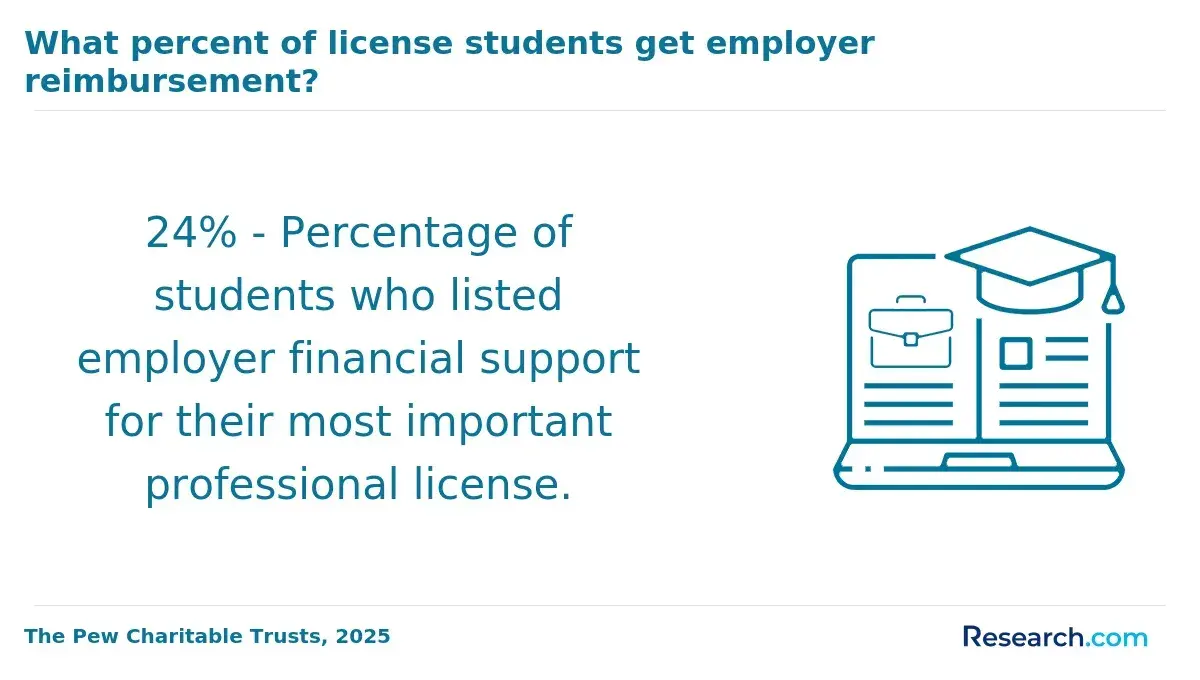
- Employer tuition assistance: Some employers offer tuition reimbursement, tuition assistance, or university partnership discounts. These benefits may require the degree to relate to your current job or future role, so check policy language carefully.
- Part-time vs. full-time enrollment: Part-time students may still qualify for certain federal loans, but some grants and scholarships require at least half-time status. Ask the financial aid office how different course loads affect your aid before reducing or increasing enrollment.
- Deadlines and application requirements: Financial aid timelines for online programs often follow standard academic calendars. FAFSA availability runs from October 1 to June 30 annually, and schools or states may have earlier priority deadlines.
What to verify with the financial aid office
- Whether the online program is eligible for federal financial aid
- How many credits count as half-time enrollment
- Whether accelerated terms affect aid disbursement
- Whether scholarships apply to online students
- How dropping a course could affect aid repayment or future eligibility
If you are asking, “Can you get FAFSA if you work full-time and study online?” the answer is yes, provided you meet enrollment, accreditation, income, and eligibility criteria. The safer approach is to complete the FAFSA, compare your aid offer, and ask the school to explain how your work income and part-time course load affect the final package.
Do Employers Support Employees Pursuing Online Creative Writing Degrees in 2027?
Some employers support employees earning online degrees, but support for a creative writing degree depends heavily on the employee’s role and the company’s education policy. Employers are more likely to help when the degree connects clearly to business needs such as content strategy, communications, marketing, publishing, training, editing, proposal writing, or brand storytelling.
Support is less likely when the degree appears unrelated to the job or when the employer is concerned that school deadlines could interfere with performance. For that reason, working students should approach the conversation with a clear plan for maintaining work responsibilities.
Types of employer support to look for
- Tuition reimbursement: Employer tuition reimbursement for online creative writing degree programs may be limited because many companies restrict assistance to degrees related to current or future roles. Large employers sometimes offer tuition aid, and some university partnerships may provide discounts.
- Flexible scheduling: Adjusted hours, remote work options, or schedule flexibility can help employees attend live virtual classes, meet deadlines, or participate in workshops.
- Career advancement incentives: A creative writing degree does not automatically guarantee a raise or promotion, but writing, storytelling, editing, and critical thinking skills may support advancement in communications, marketing, content, or editorial roles.
- Paid time off for study: Dedicated paid leave for coursework is uncommon. Most employees should expect to complete schoolwork outside business hours unless a formal benefit says otherwise.
- Performance concerns: Some employers may hesitate if they believe the program could reduce productivity, especially in demanding roles. A realistic schedule and strong work performance can help address those concerns.
How to ask your employer
Before approaching a manager or HR representative, review the tuition assistance policy and prepare a short explanation of how the degree connects to your work. Emphasize skills that matter to the organization: clearer writing, stronger audience awareness, editing ability, content development, persuasive communication, or creative problem-solving.
It is also smart to explain how you will manage deadlines without shifting school responsibilities onto coworkers. Professionals comparing education options with more direct employer backing may also want to research which trade school job pays the most as part of a broader career planning process.
Does Completing an Online Creative Writing Degree While Working Full-Time Improve Your Salary?
An online creative writing degree can improve salary prospects for some workers, but it is not a guaranteed path to higher pay. The impact depends on your industry, current role, degree level, portfolio, experience, location, employer policies, and whether you can connect the degree to business value.
Salary gains are usually more consistent when creative writing skills support roles in corporate communications, marketing, content strategy, publishing, editing, media, training, or proposal development. Income can be less predictable in freelance or purely creative roles, where pay often depends on clients, assignments, reputation, and market demand.
When the degree may help earnings
- You apply the skills to your current job: If the degree helps you take on writing, editing, communications, or content responsibilities, it may support a raise, promotion, or role change.
- You build a strong portfolio: Employers and clients often want proof of writing ability. A degree is stronger when paired with polished samples, published work, or relevant projects.
- You move into a writing-adjacent field: Marketing, communications, publishing, and media roles may value formal training combined with professional experience.
- You continue working while studying: Staying employed can help you maintain income, build experience, and apply coursework immediately in professional settings.
When salary gains may be limited
- The employer does not reward degrees that are not required for the role.
- The target career depends more on clips, credits, clients, or experience than credentials.
- The student completes the degree without building a marketable portfolio.
- The local job market has limited writing or communications openings.
Average salaries are around $65,000 annually for bachelor's holders, but actual figures vary widely based on experience and location. Treat that figure as broad context, not a promise. The better question is whether the program helps you produce stronger work, qualify for specific roles, and communicate your value to employers or clients.
What Should Full-Time Workers Look for When Choosing an Online Creative Writing Program?
Full-time workers should choose an online creative writing program based on flexibility, accreditation, workload transparency, faculty support, cost, transfer policies, and career fit. A program can be academically strong but still be a poor match if its deadlines, live sessions, or workshop expectations conflict with your job.
Program features to evaluate
- Flexible scheduling: Look for asynchronous classes, recorded lectures, manageable weekly deadlines, and clear policies for live workshops or conferences.
- Accreditation and reputation: Accreditation helps ensure the degree meets recognized academic standards and may be necessary for federal financial aid. It can also affect how employers or graduate programs view the credential.
- Support services: Academic advising, career counseling, writing support, library access, and technical help are especially important for students who study outside standard business hours.
- Transfer credits and prior learning: Generous transfer policies or recognition of relevant professional experience can reduce time and cost, but only if credits apply to your actual degree requirements.
- Cost and financial aid: Compare tuition, fees, books, technology requirements, payment plans, scholarships, and employer benefits. A lower tuition rate is not always the best value if support or flexibility is weak.
- Workshop model: Ask how peer critiques work, how often drafts are due, and whether feedback is written, live, or both. Workshop expectations can define the student experience.
- Faculty background: Review whether instructors have experience in the genres or career areas that interest you, such as fiction, poetry, nonfiction, screenwriting, publishing, editing, or digital content.
- Portfolio or capstone requirements: A strong final portfolio can help with jobs, freelance work, or graduate applications. Make sure the program gives enough feedback to develop polished work.
Red flags for working adults
- Required live meetings with no alternatives or recordings
- Unclear internship, capstone, or residency requirements
- No sample syllabi available before enrollment
- Limited advising for part-time students
- Vague claims about career outcomes without explaining the roles graduates pursue
The best program is not necessarily the fastest or cheapest. It is the one you can complete consistently while building the writing skills, portfolio, and professional connections that support your goals.
What Graduates Say About Completing an Online Creative Writing Degree While Working Full-Time
- : "Balancing a full-time job and pursuing my online creative writing degree was challenging but incredibly rewarding. The flexible pace allowed me to dive deep into storytelling while managing my work schedule, and the investment was reasonable compared to traditional programs. This degree has truly sparked my passion for writing and opened doors to freelance opportunities I hadn’t imagined. — Jaime"
- : "Enrolling in an online creative writing program as a full-time professional gave me space to grow at my own speed, which made all the difference. The coursework was thoughtfully designed, allowing me to apply new skills directly to my career. Considering the average cost of attendance was quite manageable, I would say the experience was well worth it. — Enzo"
- : "The journey of earning an online creative writing degree while working full-time has been both demanding and transformative. The program’s flexible structure respected my professional commitments, and the cost was fair for the quality of education received. This degree has enhanced my confidence as a writer and expanded my creative horizons in ways I hadn’t anticipated. — Rowan"
Other Things You Should Know About Creative Writing Degrees
To stay motivated while pursuing an online creative writing degree and working full-time in 2027, set clear goals, maintain a structured schedule, and break tasks into manageable chunks. Regularly engage with writing communities for support and inspiration to strengthen motivation.
In 2027, an online creative writing degree typically requires about 15–20 hours per week of study, including assignments and readings, suitable for those working full-time. This can vary by program, so it's vital to consult specific course requirements.
To participate in an online creative writing degree program in 2027, you need a reliable computer with updated software, high-speed internet access, and possibly a webcam and microphone for virtual classes and peer reviews. Ensure your system meets any specific technical specs provided by the program.
References
- Creative Writing Online MFA https://www.uno.edu/academics/colaehd/la/cw-lr-mfa
- MFA in Creative Writing - Financial Support https://www.stmarys-ca.edu/graduate-professional-studies/mfa-creative-writing/financial-support
- Creative Writing https://rekrutacja.amu.edu.pl/en/studies-cataloge/creative-writing,480
- BA Hons Creative Writing Enrolment Form https://www.oca.ac.uk/courses/ba-creative-writing/
- Fully Funded MFA Programs in Creative Writing | ProFellow https://www.profellow.com/fellowships/fully-funded-mfa-programs-in-creative-writing/
- Is an MFA in Creative Writing Worth It? — Tiffany Hawk, Writing Coach https://www.tiffanyhawk.com/blog/should-i-get-an-mfa
- How to Manage Time and Write Coursework - Sometimes Homemade https://sometimes-homemade.com/how-to-manage-time-and-write-coursework/
- Six Factors to Consider When Choosing Creative Writing MFA Programs https://blog.accepted.com/six-factors-to-consider-when-choosing-creative-writing-mfa-programs/