2027 Cheapest and Shortest Online Creative Writing Degree Programs That Pay Well: Cost, Duration, and Salary Outlook

Co-Founder and Chief Data Scientist
Choosing an online creative writing degree is a practical decision, not just an artistic one. You need a program that develops real writing ability, fits your schedule, keeps debt manageable, and leads to work you can actually pursue after graduation. For many students, the key question is not whether creative writing is worth studying, but whether there is a low-cost, shorter online path that makes financial sense.
Online education has made that choice more realistic. Enrollment in online degree programs increased by over 30% in recent years, giving working adults, career changers, parents, and budget-conscious students more flexible options than traditional campus programs. Still, affordability and speed should never be evaluated in isolation. Accreditation, faculty quality, portfolio development, career support, and transfer credit policies all affect the real value of a degree.
This guide explains what affordable online creative writing degrees typically cost, how financial aid works, which program formats can shorten completion time, what skills students build, and which writing-related careers may offer stronger earning potential. It also highlights the trade-offs to consider before choosing the cheapest or fastest option.
Key Benefits of the Cheapest and Shortest Online Creative Writing Degree Programs That Pay Well
- Reduced tuition costs in affordable online creative writing programs increase accessibility; average annual fees are often 40% lower than traditional degrees, easing financial burden for students.
- Accelerated programs enable completion in as little as 12 to 18 months, allowing faster entry into the workforce and minimizing lost income during study.
- Strong return on investment is evident as creative writing graduates earn median salaries around $50,000, reflecting growing demand for skilled content creators and editors.
How Much Does an Affordable Online Creative Writing Degree Typically Cost?
An affordable online creative writing degree typically costs between $15,000 and $40,000 in total, depending on the school, degree level, transfer credits, tuition rate, and fees. The lowest advertised tuition is not always the lowest final cost, so students should compare the full price of attendance rather than only the per-credit rate.
Most online programs charge by the credit. Average tuition per credit hour generally runs from $250 to $600, while public universities often offer lower rates. In-state online tuition at public universities averages around $300 per credit. For students who already have transfer credits, the total bill may be significantly lower because fewer credits remain to complete the degree.
| Cost factor | What to check before enrolling |
| Tuition rate | Confirm the per-credit cost and whether online students pay in-state, out-of-state, or flat online tuition. |
| Total credits required | A typical bachelor's degree demands about 120 credits, but transfer credits can reduce the number you need to complete. |
| Program pace | Accelerated full-time formats may allow completion in two to three years, but they require a heavier weekly workload. |
| Online fees | Budget for technology fees, course materials, application charges, and other required expenses that can add several hundred dollars each year. |
| Campus-related savings | Online study can reduce commuting, housing, and some campus-based costs, although it does not eliminate all fees. |
Students should also look at opportunity cost. A cheaper program that takes longer may delay career progress, while a faster program may require reducing work hours. The best value is usually the program that combines reasonable tuition, strong transfer-credit policies, accredited status, and enough writing workshops or portfolio-building courses to support career goals.
If you are comparing costs across online fields, resources on artificial intelligence degrees online can provide a useful benchmark for how tuition, fees, and program formats vary by discipline.
Can You Get Financial Aid in the Cheapest Online Creative Writing Programs?
Yes. Students in the cheapest online creative writing programs may qualify for financial aid if the institution and program meet eligibility requirements. Over 60% of undergraduates receive some form of aid, so students should not assume that a low-cost online program must be paid entirely out of pocket.
The most important first step is to confirm accreditation and federal aid eligibility. A program may advertise a low tuition rate, but if it does not qualify for federal aid, the net cost could be higher than a more established accredited option.
- Federal Grants: The Pell Grant is one of the most valuable forms of aid because it is based on financial need and does not need to be repaid.
- Scholarships: Students should look for scholarships for creative writing, English, communications, journalism, the arts, adult learners, transfer students, and online students. Smaller awards can still reduce borrowing when combined.
- Federal Student Loans: Federal loans can help cover remaining costs and usually offer relatively low interest rates and flexible repayment options compared with many private loans.
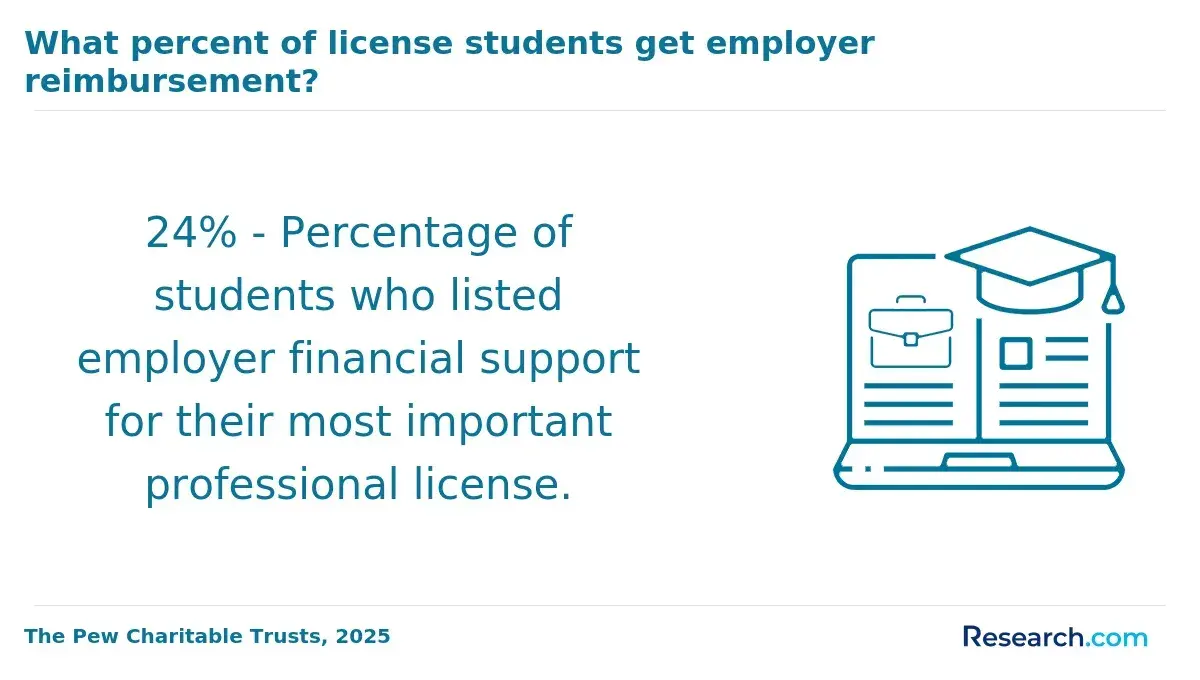
- Employer Tuition Assistance: Working adults may be able to use employer tuition reimbursement. Employers often require enrollment in an accredited program and satisfactory academic progress.
- School-Based Aid: Some online programs offer institutional grants, transfer scholarships, military benefits, or reduced tuition for partner employers.
In budget-friendly programs, tuition often ranges from $200 to $400 per credit, and degree completion is commonly achievable within two years. However, students should calculate net price after aid, not just published tuition. A school with a higher sticker price may become more affordable if it offers stronger grants or accepts more transfer credits.
Students comparing efficient degree pathways can also review accelerated psychology programs to see how fast online programs structure tuition, aid, transfer credits, and completion timelines.
What Are the Shortest Online Creative Writing Degree Programs?
The shortest online creative writing degree programs are usually associate degrees, degree-completion bachelor's programs, and accelerated bachelor's programs that use short terms and year-round enrollment. Nearly 30% of online students pursue fast-track degrees to reduce both time and cost, but the fastest path depends heavily on prior credits and weekly availability.
- Associate degree programs: These programs typically take 12 to 18 months to complete in fast-track formats. They usually combine general education with introductory creative writing, composition, literature, and communication courses. They can be useful for students seeking an entry credential or planning to transfer into a bachelor's program.
- Accelerated bachelor's degrees: These programs are designed to finish in two to three years instead of the traditional four. They provide broader training in writing, literary analysis, genre study, revision, research, and professional communication.
- Degree-completion programs: Students who already have college credit may finish faster by transferring eligible credits into an online bachelor's program. This can be one of the shortest and cheapest routes if the school accepts a large number of prior credits.
- Modular and term-based scheduling: Many accelerated programs use overlapping six- to eight-week courses instead of standard 15-week semesters. This structure allows students to take courses continuously throughout the year.
- Cost and career considerations: Tuition ranges between $300 and $600 per credit, with associate degrees requiring around 60 credits and accelerated bachelor's degrees around 120. Graduates often report entry-level salaries from $40,000 to $60,000, with earnings rising above $80,000 in specialized writing fields.
Fast programs are not automatically easier. Condensed courses often require steady weekly writing, reading, discussion, and revision. Students who need a slower pace because of work or family responsibilities may be better served by a flexible program that allows part-time enrollment, even if completion takes longer.
Cost-conscious students comparing accelerated online degrees may also find useful pacing and affordability comparisons in cheapest online psychology degree psychology programs.
What Is the Typical Format of the Shortest Online Creative Writing Degree Programs?
The shortest online creative writing degree programs usually use compressed terms, asynchronous coursework, frequent writing deadlines, and structured peer review. Nearly two-thirds of these programs adopt short-term course models, which break the academic year into intensive blocks rather than traditional long semesters.
| Program feature | What it means for students |
| Term length | Courses usually run between five and eight weeks, requiring students to focus quickly and submit work on a tight schedule. |
| Course delivery | Most instruction is asynchronous, so students can watch lectures, complete readings, and submit assignments on their own schedule. |
| Live components | Some programs add live workshops, readings, seminars, or instructor conferences to support real-time feedback. |
| Weekly workload | Students generally invest about 10 to 15 hours weekly, though accelerated courses may feel more demanding during workshop or revision weeks. |
| Writing community | Peer critiques, discussion boards, instructor comments, and online workshops help replicate the feedback culture of campus writing programs. |
This format can work well for disciplined students who write consistently and respond well to deadlines. It may be harder for students who need long periods between drafts or who cannot predict their weekly availability. Before enrolling, ask whether workshops are required live, how often major writing assignments are due, and whether courses can be paused without losing academic momentum.
How Do Online Classes Work for Accelerated Creative Writing Degrees?
Online classes in accelerated creative writing degrees are usually organized around weekly modules. Each module may include assigned readings, craft lessons, writing exercises, discussion posts, peer critiques, and revised submissions. According to the National Center for Education Statistics, students in accelerated online courses tend to complete them at higher rates compared to traditional online learners, which suggests that focused pacing can support persistence when students are prepared for the workload.
- Asynchronous learning: Most lectures, readings, prompts, and assignments are available on demand. This allows students to work around jobs, caregiving, and other responsibilities.
- Synchronous learning: Some programs require scheduled live workshops, seminars, readings, or conferences. These sessions can improve interaction but may be difficult for students in different time zones or with fixed work schedules.
- Weekly pacing: Courses are often divided into 5 to 8 weeks rather than a traditional 15-week semester. Students should expect frequent deadlines and little downtime between assignments.
- Workload expectations: Many accelerated courses require about 15 to 20 hours per week to stay on track, especially when students are drafting, critiquing, and revising at the same time.
- Instructor and peer feedback: Feedback typically comes through discussion boards, document comments, email, video calls, and workshop responses. Strong programs provide detailed critique rather than only grades.
The biggest mistake students make is treating online creative writing as self-paced when it is often deadline-driven. A flexible login schedule does not mean flexible due dates. Before choosing an accelerated program, review sample syllabi if available and confirm how many writing-intensive courses students typically take at once.
What Skills Do Students Gain from a Shortest-Track Online Creative Writing Degree?
A shortest-track online creative writing degree can help students build both artistic and workplace writing skills. The value of the degree is not limited to fiction, poetry, or memoir. Many graduates apply their training to editing, content strategy, marketing, communications, publishing, technical writing, and other roles that require clear written communication.
Recent data by the National Association of Colleges and Employers highlights that employers highly prioritize candidates with strong collaboration and time-management abilities. Accelerated writing programs can strengthen those skills because students must meet frequent deadlines, respond to critique, and revise under pressure.
- Storytelling and narrative craft: Students learn how to develop voice, character, scene, structure, point of view, pacing, dialogue, and genre conventions.
- Technical writing and audience awareness: Courses can help students adjust tone, structure, and language for different readers, formats, and professional contexts.
- Critical reading and textual analysis: Students study how published works are built, which improves their ability to evaluate structure, theme, language, and style.
- Revision and editing: Regular critique teaches students to move beyond first drafts, identify weak sections, and improve clarity, flow, and impact.
- Communication and collaboration: Workshops require students to give useful feedback, accept criticism professionally, and explain creative choices.
- Time management and professional discipline: Accelerated formats train students to plan writing time, meet deadlines, and sustain progress across multiple assignments.
- Creative problem-solving: Writing within strict word counts, prompts, genres, or publication guidelines helps students become more adaptable.
Students who want stronger career preparation should look for programs that require a portfolio or capstone project. A polished writing sample often matters more to employers and clients than a transcript alone.
Are Cheap and Fast Online Creative Writing Degree Programs Considered Legitimate?
Cheap and fast online creative writing degree programs can be legitimate, but price and speed are not proof of quality. A low-cost program may be reputable because it is offered by a public institution, accepts transfer credits, or uses an efficient online model. A fast program may be credible if it covers the same outcomes in shorter terms. The key is to verify standards before enrolling.
- Accreditation: Check whether the institution is accredited by an agency recognized by CHEA or the U.S. Department of Education. Accreditation affects financial aid eligibility, credit transfer, graduate school options, and employer recognition.
- Faculty credentials: Review whether instructors have advanced degrees, publications, editing experience, professional writing credits, or relevant industry backgrounds.
- Curriculum rigor: A credible program should include writing workshops, literature or genre study, revision practice, research, editing, and exposure to publishing or professional writing practices.
- Portfolio development: Strong programs help students graduate with revised writing samples, not only completed coursework.
- Student outcomes: Look for graduation rates, retention data, career services, internship support, alumni outcomes, and employment information when available.
- Licensing and eligibility: Creative writing itself usually does not lead to licensure, but accreditation can still matter for further education, teaching pathways, employer tuition benefits, and transfer credit.
- Industry relevance: Programs should prepare students for a writing market where median wages approach $69,000 annually, while also being honest that income varies widely by role, experience, location, and specialization.
Be cautious with programs that promise guaranteed publishing success, unusually high salaries, or extremely fast completion without explaining credit requirements. Legitimate schools are transparent about tuition, accreditation, curriculum, faculty, transfer policies, and student support.
What Are the Highest-Paying Roles for Online Creative Writing Degree Graduates?
The highest-paying roles for online creative writing degree graduates are often not limited to traditional literary careers. Many of the strongest salary paths combine writing ability with strategy, technical knowledge, marketing, editing, audience research, or leadership. A creative writing degree can support these careers, but students may also need internships, a portfolio, software skills, subject-matter knowledge, or related work experience.
- Content Strategist: Content strategists plan, organize, and improve content across websites, campaigns, apps, and digital platforms. They connect audience needs with business goals and often earn median salaries between $75,000 and $90,000 according to the U.S. Bureau of Labor Statistics.
- Technical Writer: Technical writers create manuals, help guides, documentation, policies, and instructional materials for complex products or systems. The median salary typically approaches $78,000 annually, with highly experienced professionals making over $100,000.
- Marketing Manager: Creative writing graduates who develop campaign strategy, brand messaging, and leadership experience may move into marketing management. The BLS reports a median salary of about $135,000 per year, with potential for higher earnings in large firms or metropolitan regions.
- Published Author and Screenwriter: Authors and screenwriters can earn substantial income, but earnings vary widely. Success depends on publishing contracts, audience demand, rights, royalties, representation, production opportunities, and the ability to write across formats.
Students focused on return on investment should choose programs that connect creative work to practical writing markets. Courses in editing, digital content, publishing, professional writing, grant writing, or technical communication can expand options beyond traditional creative roles. Graduates may enter lucrative career paths within two to three years, with typical tuition costs ranging from $300 to $500 per credit.
Students comparing affordable advanced or professional degree options can also review cheapest EdD programs for another perspective on cost, credential value, and career planning.
What Is the Job Placement Rate for Online Creative Writing Graduates?
Job placement rates for online creative writing graduates vary by school, location, student experience, portfolio quality, and career target. According to the National Association of Colleges and Employers (NACE), about 70% to 75% of graduates in creative and media arts fields find employment within six months. That figure is useful as a general benchmark, but students should ask each program for its own outcomes data when possible.
- Program reputation: Online programs connected to recognized universities or strong writing departments may offer better employer recognition and alumni networks.
- Practical experience: Internships, workshops, practicums, student publications, editing projects, and freelance assignments can make graduates more competitive.
- Portfolio strength: Employers and clients often want evidence of skill. A degree helps, but polished writing samples are essential.
- Industry demand: The U.S. Bureau of Labor Statistics projects about 5% growth in demand for creative writers over the next decade, supporting steady but competitive employment conditions.
- Career services: Strong advising, resume support, portfolio reviews, alumni mentorship, and employer connections can improve placement outcomes.
- Cost and program length: Many students seek affordable online creative writing degrees with tuition between $15,000 and $30,000 and accelerated programs lasting two to three years. Lower debt can improve the financial return even when entry-level salaries vary.
Students should ask direct questions before enrolling: What percentage of graduates are employed within six months? What roles do they enter? Does the school separate full-time work, freelance work, graduate study, and unrelated employment? Does the program provide internships or portfolio review? Clear answers are a stronger signal than broad marketing claims.
Students who want quick completion and practical employment outcomes may also explore programs listed among the fastest degree to get online, especially when comparing degree speed with job-market value.
How Do You Choose the Best Cheap Online Creative Writing Degree Program?
To choose the best cheap online creative writing degree program, compare total cost, accreditation, curriculum, flexibility, student support, and career outcomes together. The cheapest program is not always the best value, and the fastest program is not always the best fit.
- Verify accreditation first. Confirm that the institution holds regional or national accreditation. This affects federal financial aid, credit transfer, graduate school eligibility, and employer recognition.
- Calculate the real cost. Compare tuition, required credits, online fees, textbooks, software, transfer-credit acceptance, and estimated aid. Focus on net price, not only advertised tuition.
- Match the degree level to your goal. An associate degree may be enough for transfer or entry-level opportunities, while a bachelor's degree may offer broader career flexibility.
- Review the curriculum carefully. Look for writing workshops, revision, literature, genre study, editing, publishing, professional writing, and portfolio development.
- Check flexibility and workload. A two-year associate degree or three- to four-year bachelor's pathway may work well, but accelerated courses require consistent weekly availability.
- Evaluate student support. Academic advising, writing centers, library access, tutoring, disability services, and career counseling can affect whether you finish successfully.
- Look for career evidence. Review graduation rates, employment statistics, alumni examples, internship access, and salary information. Writers typically earn a median annual wage near $67,000, with opportunities for higher salaries depending on experience and specialization.
A good program should be transparent. If you cannot easily find tuition, fees, accreditation, curriculum requirements, faculty information, and transfer policies, contact the school before applying. If answers are vague, consider it a warning sign.
What Graduates Say About Their Cheapest and Shortest Online Creative Writing Degree
- : "Finding an affordable short online creative writing degree changed what felt possible for me. The program cost less than $10,000, which mattered because I was balancing work and family responsibilities. It gave me structure, feedback, and enough confidence to finish and publish my first novel within a year of graduating. — Blakeley"
- : "I chose a fast online creative writing degree after comparing several options and seeing that the average attendance cost was much lower than traditional schools, around $8,500. The shorter format kept me focused, and the workshops helped me improve without putting my career on hold. It also led to freelance opportunities I had not expected. — Juno"
- : "For me, a cost-effective online creative writing program was a professional decision. The total expense, roughly $9,000, made the degree accessible without taking on financial strain. Completing it quickly helped me strengthen my editorial skills and gave me the confidence to collaborate with authors worldwide. — Vaylen"
Other Things You Should Know About Creative Writing Degrees
In 2027, short and affordable online creative writing degree programs typically take around 12 to 24 months to complete. Duration varies depending on the institution, credit transfer policies, and whether students are enrolled full-time or part-time.
Career advancement potential in 2027 after completing an online creative writing degree typically includes roles such as content manager, copywriter, or editor. Graduates may experience salary growth as they gain experience and specialize, potentially boosting their pay from entry-level to more senior positions over time.
References
- What can I do with my Creative Writing degree? | Blog | University of Essex https://www.essex.ac.uk/blog/posts/2024/02/29/what-can-i-do-with-a-creative-writing-degree
- Five reasons to study creative writing - FutureLearn https://www.futurelearn.com/info/blog/five-reasons-to-study-creative-writing
- What I Wish I Knew as a Creative Writing Major https://www.pearsonaccelerated.com/blog/creative-writing-major.html
- The Best Paying Jobs for People Who Are Great at Writing https://filthyrichwriter.com/best-paying-jobs-for-writers/
- Low-Residency Creative Writing MFAs https://www.mountfordwriting.com/writing-advice/faqs-about-low-residency-mfa-programs-in-creative-writing
- Creative Writing Degrees - Online Programs https://progress.futurelearn.com/degrees/subject/arts-and-humanities/creative-writing
- 10 Jobs for Graduates with a Creative Writing Degree - Jobscan https://www.jobscan.co/blog/10-jobs-graduates-creative-writing-degree/
- What Can You Do With A Creative Writing Degree? https://www.immerse.education/career-exploration/creative-writing/careers-in-creative-writing/
- The Career Power of a Creative Writing Degree Online | NU https://www.nu.edu/blog/the-career-power-of-creative-writing-degrees-online/
- Careers | Online MFA in Creative Writing | Eastern Oregon University https://online.eou.edu/programs/mfa-master-fine-arts-creative-writing/careers/