2027 Is a 2-Year Clinical Mental Health Counseling Degree Worth It: Accelerated Bachelor's ROI & Time Trade-Offs

Co-Founder and Chief Data Scientist
Many prospective students face uncertainty when deciding if a 2-year clinical mental health counseling degree through an accelerated bachelor's program offers sufficient return on investment. According to the National Center for Education Statistics, accelerated programs have grown by 15% in enrollment over the past five years, reflecting rising demand for efficient career paths. However, questions linger about whether the shorter timeframe sacrifices depth of training or limits earning potential.
This article evaluates the financial benefits and time trade-offs of accelerated clinical mental health counseling degrees, helping readers make informed decisions based on workforce trends, salary data, and educational outcomes.
Key Benefits of a 2-Year Clinical Mental Health Counseling Degree
- Accelerated 2-year degrees reduce education costs by minimizing tuition and living expenses, improving overall return on investment compared to traditional programs.
- Graduates enter the workforce faster, enabling earlier income generation and professional experience critical for clinical mental health counseling licensure.
- Demand for licensed clinical mental health counselors is projected to grow 22% by 2031, supporting strong job prospects and salary potential post-graduation.
How Do 2-Year Clinical Mental Health Counseling Programs Work?
Two-year clinical mental health counseling programs provide a fast-tracked pathway for students seeking to enter the counseling field more quickly than traditional four-year degrees. Understanding the structure of these programs is essential for prospective students to assess whether the intensified pace and workload align with their career aspirations and personal commitments.
Below is a breakdown of how these accelerated programs typically operate.
- Accelerated pacing: These programs condense the usual four-year timeline into about 18-24 months through intensive scheduling and minimized breaks, allowing students to enter the workforce sooner.
- Year-round enrollment: Unlike traditional programs with extended summer breaks, these programs run continuously, promoting steady progress but requiring strong dedication.
- Condensed course terms: Courses are often offered in shortened sessions, such as 8-week terms instead of 16, enabling faster completion of required credits.
- Credit load expectations: Students generally take on heavier credit loads, often 18 or more per term, demanding effective time-management and sustained focus throughout their studies.
- Instructional format: A blend of online and in-person learning accommodates working adults and non-traditional students, utilizing lectures, case studies, and practical workshops.
- Assessment methods: Evaluations include written exams, reflective journals, and clinical practicums or internships, with hands-on experiences critical for licensure preparation.
- Curriculum progression: Students complete core counseling courses in psychology, ethics, human development, and intervention in a sequenced order, culminating in 100-200 clinical practicum hours.
The 2-year clinical mental health counseling program admissions and workload are demanding but provide significant time and tuition savings. The intensive format aligns well with motivated students seeking rapid entry into growing mental health professions amid a projected 23% job growth.
Prospective students may also explore options like accelerated DNP programs to compare fast-tracked healthcare education paths.
What Are the Admission Requirements for a 2-Year Clinical Mental Health Counseling Degree?
For students considering an accelerated bachelor's in clinical mental health counseling, mastering the admission requirements is essential to plan their academic journey effectively. These criteria ensure candidates possess the foundational knowledge and skills needed for success in a 2-year clinical mental health counseling program.
Below is a detailed breakdown of the typical eligibility criteria to help applicants evaluate their readiness.
- Prior Education: Most accelerated clinical mental health counseling degree eligibility criteria include completion of some college coursework or an associate's degree. This prerequisite demonstrates that students have prior exposure to college-level study, which helps them adapt quickly to advanced course material.
- GPA Expectations: Programs generally require a minimum cumulative GPA, commonly in the 2.5 to 3.0 range. This standard helps ensure applicants are academically prepared for the program's rigorous curriculum and can maintain steady progress toward their degree.
- Standardized Tests: While SAT or ACT scores are seldom required for accelerated tracks, certain competitive programs may request GRE results. These scores sometimes serve as an additional measure of a candidate's aptitude and readiness.
- Prerequisite Coursework: Foundational classes in psychology, sociology, and statistics are frequently required before admission. These courses build essential knowledge areas that support student success in clinical mental health counseling studies.
- Relevant Experience: Some institutions prefer or require applicants to have practical work or volunteer experience in mental health settings. Such experience reflects a commitment to the field and provides valuable real-world context for academic learning.
Because these programs can reduce degree completion times by 1 to 2 years compared to traditional four-year paths, they attract working adults seeking a faster route to qualification. Employment in mental health counseling is projected to expand 23% from 2021 to 2031, highlighting the importance of meeting admission requirements to enter this growing field.
For those interested in similarly accelerated healthcare options, exploring a medical assistant degree online 6 weeks might also be worthwhile.
What Does a Typical Week Look Like in a 2-Year Clinical Mental Health Counseling Program?
Knowing how a typical week unfolds in a 2-year clinical mental health counseling program helps prospective students gauge the intensity and structure needed for success. This understanding enables better planning for balancing coursework with personal and professional commitments.
Below is an overview of the common weekly demands and activities students typically encounter.
- Class Sessions and Lectures: Students spend a significant portion of their week attending live or virtual classes focused on foundational subjects like counseling theories, ethics, and diagnostic criteria. These sessions emphasize active participation and often include dynamic discussions to apply theoretical concepts.
- Assignments and Assessments: Preparing essays, case studies, and presentations consumes considerable time outside the classroom. These tasks are designed to deepen practical knowledge and promote critical thinking.
- Group Work: Collaborative projects are integral, fostering teamwork and communication skills vital for professional counseling roles. These projects often involve peer feedback and collective problem-solving.
- Independent Study: Extensive self-study is required to review course content, explore current research, and refine counseling techniques. This flexible time allows students to consolidate learning at their own pace.
- Instructor Interaction: Regular engagement with faculty occurs through office hours or online forums, offering personalized guidance and support to navigate challenges.
- Time Management: Efficient scheduling is crucial as students juggle academic obligations alongside practicum hours or internships, which provide essential hands-on clinical experience.
When asked about his experience in such a program, a professional who completed a 2-year accelerated bachelor's in clinical mental health counseling shared that the pace was "relentless but rewarding." He described early weeks as challenging, juggling heavy reading loads while adapting to interactive classes. "I often found myself studying late into the night, trying to absorb theories and prepare case reports," he said.
However, he noted that developing consistent routines and actively seeking instructor feedback "made a huge difference." This graduate emphasized that the intensity pushed him to build resilience and sharpen time-management skills, which proved invaluable once he entered clinical practice.
Choosing an accelerated clinical mental health counseling program requires careful consideration of delivery formats, as these impact flexibility, accessibility, and effective time management. Online options provide varied structures that influence how students balance coursework with other responsibilities.
Below is an overview of key factors involved in two-year accelerated counseling programs offered online.
- Format Options: Fully online two-year programs are rare, with most accelerating studies through hybrid formats combining online classes and periodic in-person requirements such as seminars or practicums.
- Asynchronous vs. Synchronous Learning: Asynchronous coursework offers flexibility by letting students complete lectures on their own schedules, whereas synchronous sessions encourage live interaction, fostering engagement and real-time feedback.
- Technology Needs: Reliable high-speed internet, compatible devices, and software for telehealth simulations are essential for successfully navigating course material and virtual interactions.
- Support Services: Robust academic advising, technical assistance, and mental health resources play a critical role, especially in accelerated programs where intensity and pace can challenge students.
- Pacing and Engagement: The condensed timeline demands disciplined time management to keep pace; while less in-person contact can reduce engagement, interactive curricula and group work help maintain connection and motivation.
Evaluating the total cost of a 2-year clinical mental health counseling degree is vital for assessing the return on investment, especially in accelerated formats. These programs often compress coursework into a shorter timeframe, which influences tuition timing and other expenses.
Understanding the breakdown of costs helps prospective students compare accelerated clinical counseling program tuition and related fees with traditional programs more effectively.
Key cost components include:
- Tuition Structure: Accelerated programs typically charge per credit hour or term, with students taking more credits per term. This can raise upfront costs, but the overall tuition may be lower because of fewer semesters enrolled.
- Mandatory Fees: Institutional fees, such as registration and activity fees, are usually charged every term. These add to the total cost but remain relatively consistent regardless of program length.
- Textbooks and Learning Materials: Costs for books and educational tools remain steady, but faster pacing requires purchasing these materials more quickly. This factor influences budgeting for a 2-year clinical mental health counseling degree cost.
- Technology or Lab Fees: Some programs require fees for online platforms or virtual labs, which support counseling practice simulations and enhance learning quality.
- Accelerated Pacing Savings: Shorter program duration may reduce living expenses and opportunity costs. The time saved can translate into earlier workforce entry and increased earnings potential.
Prospective students interested in related healthcare fields may also explore options like a fast track healthcare administration degree for additional or complementary career paths.
Evaluating financial aid options is crucial for students considering accelerated clinical mental health counseling degrees, especially given the condensed nature of these programs. Securing aid can ease the financial burden and make the intense time commitment more manageable.
Understanding how aid works in accelerated settings helps prospective students plan effectively.
- Federal student aid eligibility: Students enrolled in accredited programs typically qualify for federal aid such as Pell Grants and Direct Loans by completing the FAFSA. Accelerated schedules may alter traditional disbursement timelines, so students should prepare for varied payment intervals.
- Scholarships: Targeted scholarships for mental health or counseling students are available through nonprofits and professional organizations. These awards offer substantial support but often require specific applications emphasizing career focus.
- State grants: Many state agencies provide grants designed to encourage entry into healthcare-related fields, including counseling. These are often competitive and tied to workforce development initiatives within the state.
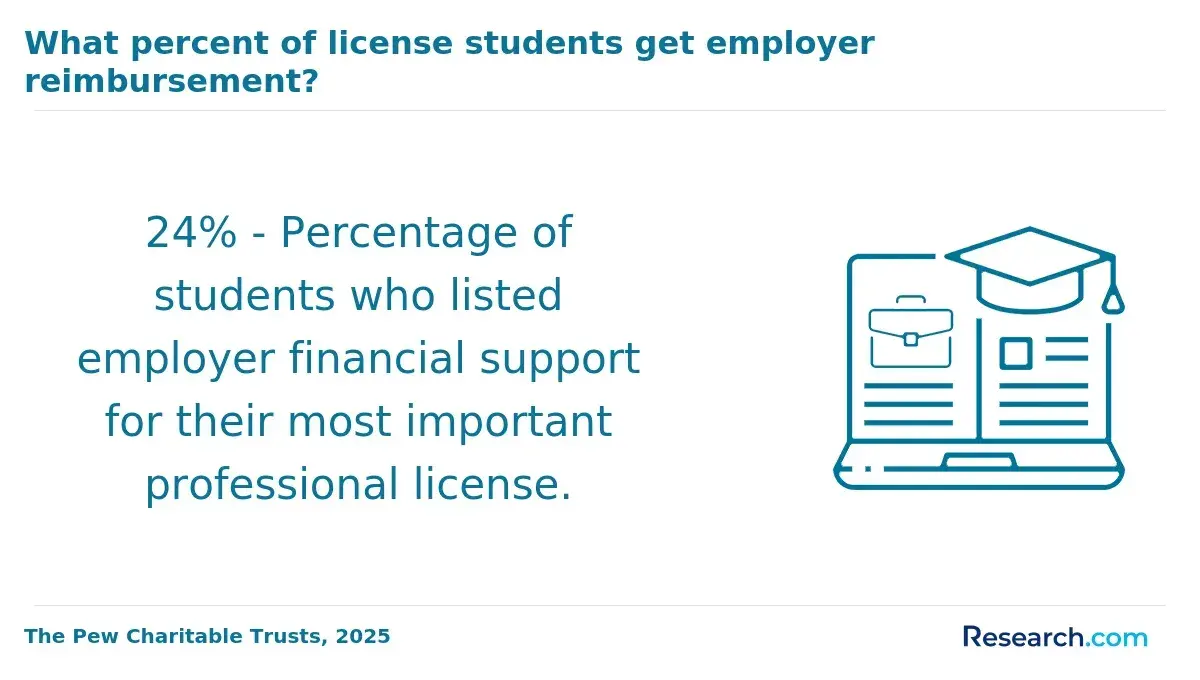
- Employer tuition assistance: Increasingly, employers support employees pursuing accelerated degrees through tuition reimbursement or assistance programs, benefiting working adults balancing jobs and studies.
- Institutional payment plans: Some schools offer payment structures that allow spreading tuition costs over the condensed program duration, helping manage upfront expenses despite accelerated pacing.
A professional who recently completed her accelerated bachelor's in clinical mental health counseling shared her experience with financial aid. She recalled how navigating the FAFSA and applying for scholarships felt overwhelming at first, especially given the rapid course schedule. However, her employer's tuition reimbursement program was a crucial support, covering a significant portion of tuition costs.
She explained that careful budgeting was essential since aid payments didn't always align neatly with accelerated term dates, requiring her to plan expenses meticulously. Reflecting on this, she emphasized that while the compressed timeline increased pressure, the availability of diverse aid options made it feasible to complete the program within two years without excessive financial strain.
Evaluating potential career outcomes is essential when considering the value of an accelerated clinical mental health counseling bachelor's degree. Understanding the types of jobs available helps prospective students align their education with realistic workforce opportunities and growth paths.
Below is an overview of common entry-level roles and industries connected to a 2-year clinical mental health counseling degree.
- Case Manager: Often working within community mental health centers or social service agencies, case managers coordinate care and resources for clients, assisting licensed counselors by monitoring treatment plans and facilitating support services.
- Behavioral Health Technician: These professionals provide direct support to patients in clinical or hospital settings, assisting with behavioral interventions and documenting client progress under supervision.
- Peer Support Specialist: Leveraging personal experience with mental health, peer support specialists engage clients in wellness activities and provide encouragement, playing a vital role in recovery-focused environments.
- Psychiatric Aide: Employed in hospitals or substance abuse treatment facilities, psychiatric aides help maintain safe and therapeutic environments by supporting patients and clinical staff with daily activities.
- Early-career Advancement: Many graduates pursue further education toward a master's degree to qualify for independent clinical roles or counseling licenses. The accelerated degree emphasizes applied counseling techniques and communication skills, fostering workforce readiness and adaptability.
The accelerated format shortens study time, enabling students to enter these mental health support positions more quickly while reducing educational costs. For individuals exploring career options with accelerated mental health counseling degree paths, this approach offers a practical way to gain necessary skills and hands-on experience efficiently.
Graduates frequently find roles in hospitals, schools, or community agencies, positioning themselves for future growth.
Those interested in complementary fields may also explore related programs such as the cheapest online nurse practitioner programs, which provide additional clinical skills to expand healthcare career options.
Salary outcomes play a crucial role in evaluating the return on investment (ROI) between accelerated and traditional degree paths, especially for those considering an accelerated clinical mental health counseling degree. Understanding these differences helps prospective students weigh the benefits of quicker workforce entry against long-term earning potential.
The following comparison highlights key salary factors to consider.
- Early-Career Earnings: Graduates with a 2-year clinical mental health counseling degree often begin working sooner, typically earning between $35,000 and $45,000 annually in counseling-related roles. This earlier income can be significant compared to traditional bachelor's degree holders who generally start their careers later.
- Long-Term Earnings Potential: Traditional bachelor's degrees may lead to higher median annual salaries, often around $50,000 or more, especially as many fields reward broader credentials. Counseling roles usually require additional licensure or graduate education, which can delay but ultimately enhance earning potential over time.
- Employer Perception: Employers frequently view traditional bachelor's degrees as more comprehensive, which can influence opportunities for advancement. This perception may affect promotions and salary increases long-term, despite initial salary gaps being smaller.
- Career Progression Timeline: Accelerated degree holders accrue work experience earlier, potentially positioning themselves for advancement sooner. However, the need for further certification in counseling can add to the timeline of higher earning phases.
- Lifetime Earnings Impact: While the faster workforce entry can offset initial salary differences, studies show that median lifetime earnings for bachelor's degree holders are about 75% higher than those with associate degrees. This earnings difference is relevant in a 2-year clinical mental health counseling degree salary comparison context, reflecting the trade-offs involved.
Prospective students interested in health-related degrees might also explore options such as the cheapest RN to BSN program online, which provides alternative routes to advance in healthcare careers.
In summary, the earnings difference between accelerated counseling degree and traditional bachelor's pathways involves balancing immediate income and expedited experience against broader career prospects and higher lifetime earnings.
For students weighing accelerated clinical mental health counseling degrees, understanding return on investment (ROI) is essential. These programs can offer faster entry into the workforce, but it's important to evaluate several influential factors carefully.
Below is a focused look at the key elements that shape ROI for such accelerated degrees.
- Time-to-completion: Accelerated programs typically shorten the duration by one to two years compared to traditional four-year tracks, allowing students to start their careers sooner. This reduction in study time enhances ROI by minimizing educational interruption and enabling earlier income generation.
- Tuition and total cost: While accelerated degrees often reduce overall expenses due to fewer semesters, tuition rates per credit might vary. It's critical to compare all fees alongside tuition to estimate total cost savings accurately, as lower debt significantly impacts ROI.
- Opportunity cost savings: Shorter programs mean less time away from employment, reducing lost income potential. By entering the job market earlier, students can accumulate work experience and earnings sooner, thereby improving financial returns over time.
- Employment outcomes and salary growth: Graduates equipped with necessary certifications can tap into a labor market where mental health counseling jobs are growing rapidly. Median wages are competitive and tend to rise with experience and licensure, contributing positively to ROI.
- Industry demand: With increased awareness of mental health across public and private sectors, job opportunities in counseling are expanding. This demand supports quicker employment and job stability for qualified individuals.
- Transferability of skills: The practical competencies gained-such as client evaluation and crisis management-apply across healthcare and social service settings. This versatility broadens career options, ultimately enhancing long-term earning potential and ROI.
Choosing a 2-year clinical mental health counseling degree involves reflecting on your personal learning preferences and schedule flexibility. Accelerated programs move quickly, requiring the ability to manage intense coursework in a compressed timeframe. If you prefer a faster pace and can dedicate substantial time weekly, this format may work well.
Consider how urgently you want to enter the field, as a shorter program can speed up your start in counseling roles. Think about whether you can maintain high performance under pressure while balancing other responsibilities.
Financially, these programs often reduce total tuition costs due to their shorter duration, potentially offering a better return on investment compared to traditional degrees. It's important to confirm that the degree aligns with employer expectations and licensure requirements in your state.
Career prospects in mental health counseling are strong, with the field projected to grow significantly in the coming decade. Also, reflect on how this degree fits with your long-term goals, as additional education or certifications might be necessary down the road.
What Graduates Say About Their 2-Year Clinical Mental Health Counseling Degree
- Layla: "Choosing the 2-year pathway was a no-brainer for me since I wanted to dive into the mental health field quickly without sacrificing quality education. Managing the accelerated schedule was intense, but the program's structure and supportive faculty made it doable. Now, having my clinical mental health counseling degree, I've stepped into a fulfilling career that justifies every late night and weekend study session. Plus, completing it within the average cost of attendance saved me from years of extra tuition. "
- Ruby: "Reflecting on my experience, the 2-year clinical mental health counseling program was challenging but incredibly rewarding. I opted for the accelerated option to minimize student debt and enter the workforce sooner. Balancing the demanding schedule required strong time management skills, but it taught me resilience that now shapes my professional practice. This degree has opened doors I hadn't imagined possible. "
- Joshua: "From a professional standpoint, the 2-year clinical mental health counseling degree enhanced my career trajectory more rapidly than I anticipated. I chose this program primarily for its efficiency, given the average cost of attendance and the fast track to licensure eligibility. Handling a rigorous curriculum demanded discipline, but the payoff has been substantial, allowing me to serve clients effectively and grow in my counseling role. "
Other Things You Should Know About Clinical Mental Health Counseling Degrees
Prospective students must verify if the program meets state licensing requirements. Licensing can vary by state, so it's crucial to ensure that the program is accredited and provides the necessary curriculum for licensure in your desired state of practice.
In 2027, potential students must weigh the financial investment against potential salary increases. While tuition can be substantial, scholarships and part-time work can offset costs. The degree enhances credentials, allowing access to clinical roles with competitive salaries, thus improving the return on investment over time.
To enroll in an accelerated bachelor's program for clinical mental health counseling in 2027, students typically need a high school diploma or equivalent, satisfactory SAT or ACT scores, and transcripts. Some programs may require prerequisite coursework in psychology or related fields and letters of recommendation.
- Clinical Mental Health Counseling, MA (Online) https://programs.tcnj.edu/graduate/clinical-mental-health-counseling-ma-online
- 10 Great Counseling Scholarships Worth Applying For - MastersInCounseling.org https://mastersincounseling.org/guide/great-scholarships/
- Agnes Accelerated | Graduate Programs https://www.agnesscott.edu/graduate-studies/graduate-programs/agnes-accelerated.html
- Fastest Way To Become A Therapist Or Licensed Counselor https://www.psychology.org/careers/fastest-way-to-become-counselor/
- Choosing a Master's in Counseling Program | University of Bridgeport https://www.bridgeport.edu/news/choosing-a-masters-in-counseling-program/
- Fast Track Your Future: How Accelerated Degrees Benefit Career Starters, Changers and Climbers - Beal University https://beal.edu/fast-track-your-future-how-accelerated-degrees-benefit-career-starters-changers-and-climbers/
- Can You Get a Bachelor's Degree in 2 Years or Less? https://www.coursera.org/articles/can-you-get-a-bachelors-degree-in-2-years
- Clinical Mental Health Counseling MA | Lindenwood University https://online.lindenwood.edu/programs/clinical-mental-health-counseling-ma/
- Clinical Mental Health Counseling Program Admissions | Pitt SHRS https://www.shrs.pitt.edu/academics/cbh/counseling/admissions/