
2027 Return on Investment (ROI) of a Clinical Mental Health Counseling Degree Program

Co-Founder and Chief Data Scientist
Many prospective students face uncertainty about the career viability of a clinical mental health counseling degree. For instance, an individual considering a mid-career shift wonders whether the time and tuition invested will translate into stable employment and adequate income. The U. S. Bureau of Labor Statistics projects a 22% growth in employment for substance abuse, behavioral disorder, and mental health counselors from 2022 to 2032, well above average for all occupations.
This article examines the return on investment of clinical mental health counseling programs, analyzing costs, job prospects, and salary outcomes to help readers make informed educational decisions.
Key Things to Know About Clinical Mental Health Counseling Degree ROI
- Graduates with a clinical mental health counseling degree earn a median salary of approximately $48,000, with potential to exceed $70,000 after advanced certification and experience.
- The degree offers strong job stability, with a projected 23% employment growth rate through 2032, reflecting rising demand for mental health professionals across settings.
- Career paths extend beyond traditional counseling to leadership roles, private practice, and interdisciplinary positions, providing flexibility and long-term opportunities within healthcare and social services.
How Is ROI Calculated for a Clinical Mental Health Counseling Degree Program?
Return on investment (ROI) in higher education measures the financial benefits a student gains relative to the total cost and time invested in earning a degree. For those considering a clinical mental health counseling degree, understanding ROI helps evaluate whether the program's expenses and duration are justified by potential career opportunities and earnings.
Several key factors contribute to the clinical mental health counseling degree ROI calculation. These include:
- Tuition and fees: This encompasses all direct educational expenses such as tuition, books, and mandatory charges. Lower overall costs increase ROI, while higher expenses require greater financial returns to balance the investment.
- Opportunity cost: Time spent completing the program often means missed income from not working full-time or earning a higher wage elsewhere. This indirect cost reduces ROI as it represents forgone earnings during the study period.
- Time to completion: The length of the program affects both direct costs and opportunity costs. Shorter programs typically improve ROI by minimizing the time away from full earnings and reducing accumulated expenses.
- Post-graduation salary outcomes: Starting salaries and income growth potential after earning the degree are crucial for recouping the initial investment. Higher earnings accelerate the realization of positive ROI and better financial outcomes.
- Career advancement and long-term earnings: The degree's ability to qualify graduates for licensure, promotions, and increased responsibility contributes to greater lifetime earnings, dramatically enhancing ROI.
Prospective students interested in related fields might explore msw programs online as a comparative option while assessing how to calculate ROI for counseling degree programs.
How Much Does a Clinical Mental Health Counseling Degree Program Cost?
Evaluating the true return on investment of a clinical mental health counseling degree program requires a clear understanding of all related expenses, as graduate tuition and fees have risen nearly 3% annually over the past decade, fueling student debt concerns. Accurately assessing these costs helps prospective students make informed financial decisions.
Key factors to consider include:
- Tuition and fees: This typically represents the largest financial commitment and differs significantly depending on whether students attend public or private institutions, as well as their enrollment status.
- Books and materials: Specialized texts, software, and clinical equipment often create recurring expenses each term that can accumulate over the length of the program.
- Living or relocation expenses: Students may need to allocate funds for housing, transport, and food, especially if their studies require moving closer to campus or clinical sites.
- Opportunity cost: Allocating time to coursework may reduce hours available for paid employment, impacting income during the study period.
- Hidden costs: Additional fees such as licensing exams, background screening, professional liability insurance, and technological needs can create unexpected financial burdens.
When asked about his experience managing these financial demands, a graduate of a clinical mental health counseling degree stressed the challenge of balancing studies and expenses. He shared, "Juggling part-time work while keeping up with coursework was tough. I underestimated how much the supplemental costs, like exam fees and software subscriptions, would add up. Sometimes it felt overwhelming, but planning ahead helped me avoid surprises." His story highlights that beyond tuition, the full cost picture profoundly affects students' decision-making and financial stress.
What Financial Aid Is Available for Clinical Mental Health Counseling Degree Programs?
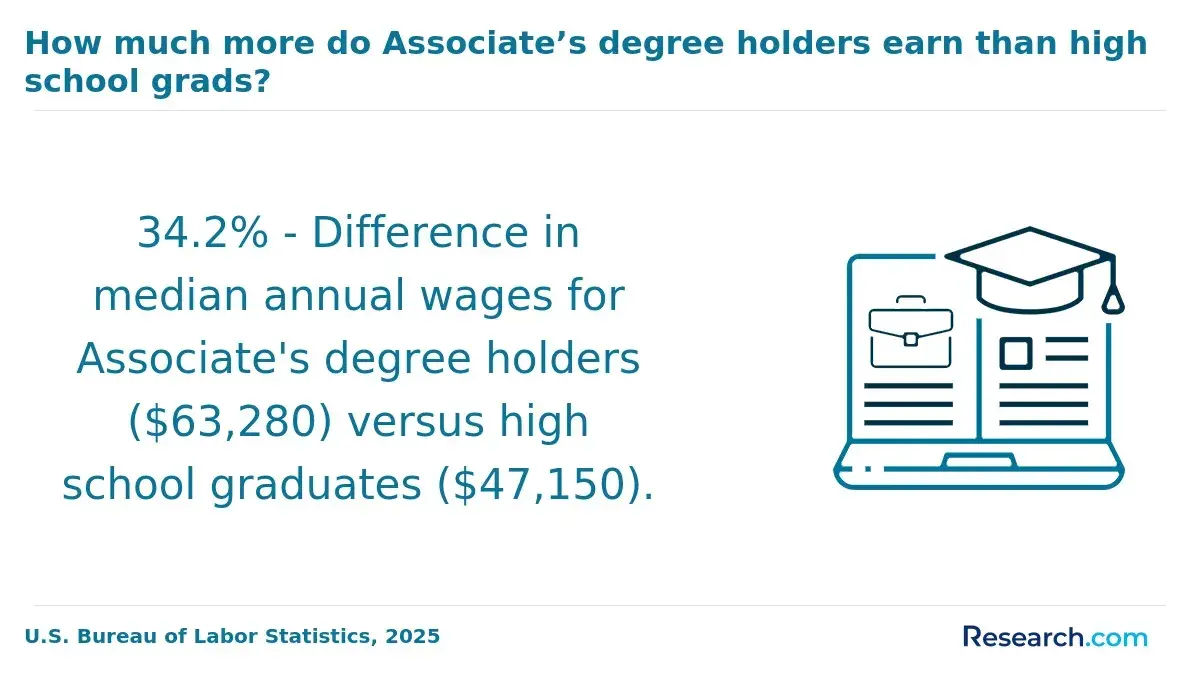
Financial aid significantly reduces the initial expenses of earning a clinical mental health counseling degree, helping students lower their overall debt and ultimately improve their financial returns post-graduation. Nearly 70% of graduate students rely on some type of financial assistance, which plays a vital role in managing education costs and boosting ROI.
Here are common financial aid options that can enhance the value of a clinical mental health counseling degree:
- Scholarships: Awarded based on merit or financial need, scholarships require no repayment and directly lower the total education cost, which reduces loan dependence and enhances long-term financial benefits.
- Grants: These often need-based awards come from government or private sources and decrease the overall price without increasing debt, supporting a better net ROI.
- Fellowships: Designed mainly for graduate students, fellowships can fund tuition or provide stipends, minimizing the need for loans and enabling greater focus on academic or research goals.
- Employer tuition assistance: Working students may receive partial or full tuition coverage from employers, cutting out-of-pocket expenses and strengthening the financial worth of the degree.
- Federal student loans: Although loans create debt, federal options typically feature lower interest rates and flexible repayment plans, making it easier to manage borrowing and preserve positive ROI.
Time to completion influences the return on investment (ROI) for a clinical mental health counseling degree by affecting opportunity cost, potential earnings, and overall expenses. Longer programs delay workforce entry and increase costs, while shorter ones enable quicker licensure and income. Several factors shape how long it takes to finish, impacting ROI in meaningful ways.
Key influences include:
- Enrollment status: Full-time students generally complete their degrees faster but may face more intense workloads. Part-time study offers flexibility for working professionals, often extending the program length and delaying income.
- Program format: Accelerated and online programs can significantly reduce completion time by offering flexible schedules and condensed coursework, enhancing earlier earning potential.
- Transfer credits: Applying relevant previous graduate coursework can shorten the degree duration and lower tuition costs, positively affecting ROI.
- Internship and thesis requirements: Practical fieldwork or research projects add time but provide valuable skills and experience that can improve long-term professional prospects and earnings.
- Scheduling flexibility: Evening or weekend classes help students balance work and study but may extend the overall time to finish.
When discussing how long it took, a graduate reflected on her journey: "Balancing a part-time schedule while working full-time stretched my program to nearly four years, which was challenging but necessary for my circumstances." She shared how the internship phase, though demanding, was instrumental in building confidence and real-world skills. "The flexible evening classes helped me maintain my job, but sometimes the extended timeline felt overwhelming," she added. Despite these hurdles, she emphasized that the practical experience gained ultimately made the investment worthwhile and accelerated her career growth after licensure.
Differences in cost, flexibility, and career outcomes make the delivery format a key factor influencing the return on investment (ROI) of clinical mental health counseling degree programs. Online education continues to grow in popularity, with over 30% of graduate students recently enrolling in some portion of online courses, reflecting wider acceptance of digital learning options in graduate education.
Several factors distinguish the potential ROI of online versus on-campus clinical mental health counseling programs. Consider these key comparison points:
- Tuition and fees: Online programs generally have lower tuition compared to their on-campus counterparts, reducing upfront educational expenses and overall debt burden for many students.
- Opportunity cost: Flexible scheduling in online formats allows students to maintain employment while studying, minimizing income loss and lowering the cost of time spent earning the degree.
- Time to completion: Both formats often offer similar program lengths, though personal pace and program structure can lead to some variation in how quickly students finish their degrees.
- Networking and career services: On-campus programs typically provide more direct access to networking opportunities and career counseling, which can be crucial for building professional connections and enhancing employment prospects.
- Employer perception and long-term earnings: Although some employers once favored traditional on-campus degrees, employer perception is increasingly comparable across formats, leading to similar long-term earning potential for graduates of both pathways.
For individuals seeking accelerated options within the online format, 1 year msw programs online no bsw offer an efficient route that may further improve ROI. Evaluating the ROI comparison online vs on-campus counseling programs requires weighing these financial and professional factors alongside personal circumstances and career goals.
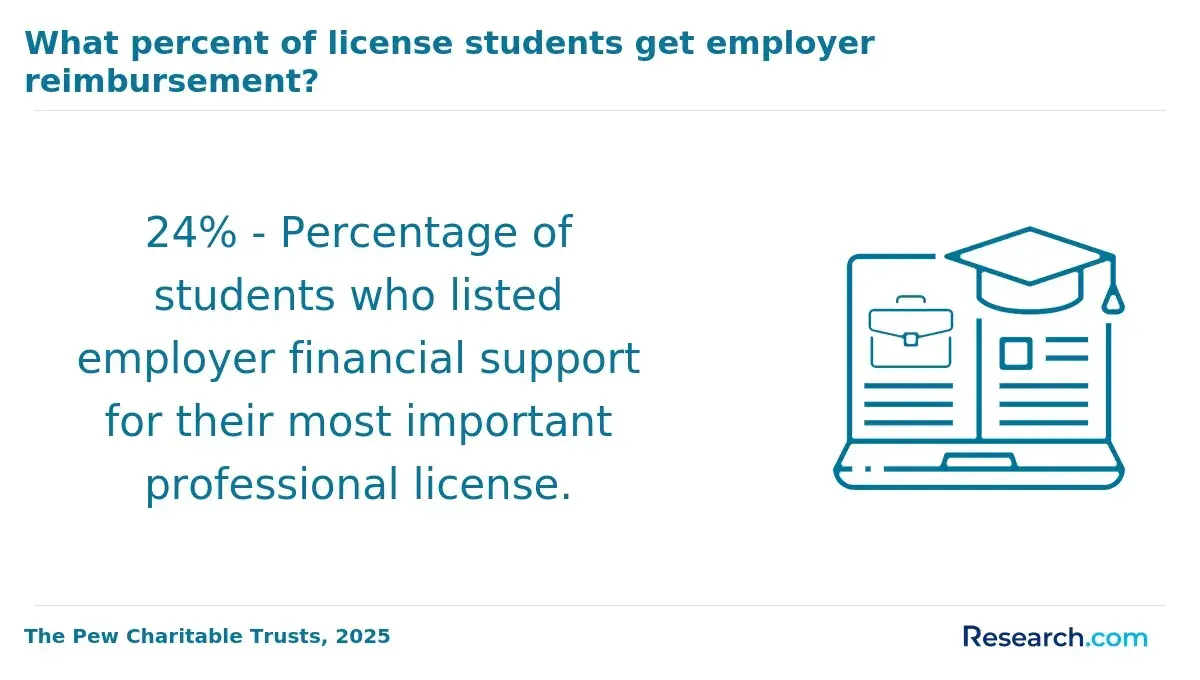
Post-graduation salary is a critical factor in determining the return on investment (ROI) for those earning a clinical mental health counseling degree, as it directly affects how quickly graduates can manage education expenses and establish financial stability. On average, clinical mental health counselors in the U.S. earn between $45,000 and $70,000 annually, with entry-level positions starting near the lower end and experienced professionals earning upwards of $75,000.
Several factors influence clinical mental health counseling degree salary outcomes, shaping the financial returns graduates can expect. These include:
- Industry: Working in private practice or healthcare settings typically offers higher salaries compared to roles in schools or community organizations, impacting overall ROI.
- Geographic location: Salaries vary significantly by region, with urban centers and states with higher living costs generally providing elevated wages to compensate for expenses.
- Prior experience: Relevant experience or advanced skills often lead to quicker access to better-paying roles, enhancing salary prospects and ROI.
- Specialization: Counselors specializing in areas such as substance abuse or trauma tend to command premium salaries due to high demand and expertise.
- Career level: Advancement into supervisory or administrative roles usually results in increased earnings and improved financial returns.
For individuals assessing the financial viability of this path, exploring online degrees in psychology can provide valuable options that may reduce education costs while maintaining strong career outcomes.
Promotions significantly boost the return on investment (ROI) of a clinical mental health counseling degree by providing higher salaries, expanded responsibilities, and enhanced career mobility. As professionals advance, they often move into leadership positions, supervisory roles, or specialized program management, all of which typically come with greater job security and financial rewards.
A notable workforce trend is the increasing emphasis on credential-based promotions, where employers prioritize advanced degrees like clinical mental health counseling for leadership and specialized roles. This shift reflects a growing recognition that formal credentials demonstrate essential clinical knowledge and ethical competencies required for elevated responsibilities.
Several factors contribute to how a clinical mental health counseling degree can improve promotion opportunities and ROI:
- Credential requirements: Many organizations mandate a clinical mental health counseling degree to qualify for leadership or specialist roles, making the degree a critical step for career advancement.
- Leadership preparation: The degree offers essential training for supervisory and administrative duties, equipping graduates with skills necessary to manage teams and programs effectively.
- Employer incentives: Some employers provide tuition assistance or professional development benefits that make earning the degree more affordable and support career growth.
- Internal promotion policies: Firms often favor employees with advanced degrees when considering promotions, recognizing the added value of formal education alongside work experience.
- Experience and education synergy: While practical experience builds competence, the clinical mental health counseling degree often accelerates eligibility for higher-level positions by complementing on-the-job learning.
Those evaluating the financial and career benefits of clinical mental health counseling career advancement may also explore options like fully funded edd programs online to further enhance their credentials and promotion potential. Promotions with mental health counseling degree credentials remain a pivotal factor in maximizing long-term career success.
The return on investment (ROI) for clinical mental health counseling graduates varies significantly across industries due to differences in salary levels, career progression opportunities, demand for specialized skills, and overall job stability. These factors influence which sectors provide the best financial and career returns, making some industries more attractive for those seeking the highest ROI industries for clinical mental health counseling graduates.
Industries that integrate advanced counseling skills with sustained mental health demands typically show stronger compensation growth and promotion potential. Below are some of the best career paths for clinical mental health counseling ROI, reflecting this balance:
- Healthcare and Hospitals: This sector offers high ROI due to steady demand for mental health services, competitive wages, and clear paths to advance into supervisory or specialized clinical roles, leveraging advanced counseling expertise.
- Private Practice and Behavioral Health Clinics: These environments allow counselors to cultivate private client bases, often resulting in higher earnings and flexible career trajectories, especially when combined with licensure and specialties.
- Government and Public Health Agencies: These roles provide strong job stability, comprehensive benefits, and structured career ladders, although salaries are typically moderate compared to private sectors.
- Educational Institutions: Positions in school counseling and college mental health services provide consistent demand, stable employment, and opportunities to influence youth mental health, contributing to solid ROI.
- Corporate Wellness Programs: As this emerging field grows, it offers enhanced compensation prospects by integrating mental health counseling with employee wellness initiatives amid increasing corporate investment.
For professionals exploring ways to optimize their credentials, pursuing best online certificate programs can supplement career advancement, expanding opportunities within these high-ROI industries.
Accreditation in clinical mental health counseling programs signifies that the curriculum meets established quality standards set by recognized professional bodies. This formal approval ensures that coursework aligns with current industry practices and prepares students adequately for professional roles. Employers increasingly favor candidates from accredited programs, as this status often correlates with rigorous training and relevant skills. Additionally, accreditation frequently serves as a prerequisite for obtaining state licensure, a critical factor in career advancement and eligibility to practice.
Beyond initial training, accreditation enhances long-term return on investment by fostering employer confidence and expanding access to financial support such as federal aid. Accredited programs also tend to offer smoother credit transfer options, allowing greater flexibility for students navigating their educational paths. Because licensure requirements often hinge on graduation from accredited programs, this status directly impacts job prospects, earning potential, and career mobility. These combined factors reinforce how accreditation can substantially improve the overall value of a clinical mental health counseling degree.
The return on investment for a clinical mental health counseling degree hinges on factors like tuition expenses, the duration of study-typically two to three years-and expected earnings after graduation. Licensed counselors often earn median salaries between $48,000 and $55,000 annually, with job growth in the field outpacing many other professions due to increasing demand for mental health services. Career advancement through licensure and experience can lead to higher salaries and expanded opportunities. Considering both the financial commitment and potential income is essential when evaluating this degree's value.
This degree tends to be more worthwhile when costs are manageable through scholarships or financial aid, and when programs offer flexible formats such as online options that reduce opportunity costs. High industry demand supports strong employment prospects, though returns may diminish if graduates work in lower-paying settings or face substantial debt without adequate support. Individual motivations, including a dedication to helping others and personal fulfillment, are crucial in weighing the overall worth beyond financial metrics alone.
What Graduates Say About The ROI of Their Clinical Mental Health Counseling Degree
- Bryson: "Choosing to enroll in a clinical mental health counseling degree program was a strategic move for me, especially given the growing demand and the long-term return on investment. Although the average cost of attendance can be around $30,000 to $50,000, I believe the career opportunities and meaningful work justify every dollar. Since graduating as a traditional student, I've experienced significant career growth and the ability to truly make an impact in my clients' lives. "
- Tripp: "As an online student, I weighed the cost of a clinical mental health counseling degree carefully, considering it a significant but worthwhile investment. The flexibility of the program allowed me to maintain my job while studying, and despite the roughly $40,000 expense, the career advancement and personal fulfillment have proven priceless. Completing the program opened doors to licensed professional roles I wouldn't have qualified for otherwise. "
- Joshua: "Pursuing a clinical mental health counseling degree part-time was a demanding yet rewarding decision. The cost, approximately $35,000 on average, felt steep initially, but learning to balance work, life, and study offered me a realistic pathway forward. Now, as a licensed counselor, the professional credentials and skills I gained have fully paid off in terms of career stability and the ability to provide quality care. "
Other Things You Should Know About Clinical Mental Health Counseling Degrees
Licensure significantly impacts the ROI of a clinical mental health counseling degree by enhancing employability and potential earnings. Licensed counselors generally have access to a wider range of job opportunities and higher salaries, improving the financial return on investment compared to unlicensed professionals in 2027.
Most states require 2,000 to 4,000 postdegree supervised clinical hours before full licensure, along with passage of the National Clinical Mental Health Counseling Examination (NCMHCE). State boards set the exact hour count, supervision format, and timeline for completing the requirement.
- 25 Counseling Scholarships for Graduate Students https://teach.com/online-ed/counseling-degrees/best-online-counseling-programs/scholarships/
- 2025 Most Affordable Online Master's Degrees in Counseling https://www.onlineu.com/most-affordable-colleges/counseling-masters-degrees
- Mental Health Counselor Career and Salary Profile https://online.fit.edu/degrees/undergraduate/applied-psychology/clinical-psych/mental-health-counselor-career-and-salary-profile/
- Financial Aid For Psychology Students | Psychology.org https://www.psychology.org/resources/financial-aid/
- A Guide to Clinical Mental Health Counseling Careers https://www.ucumberlands.edu/blog/guide-clinical-mental-health-counseling-careers
- Is an Addiction Counseling Degree Worth It? Real ROI by State https://www.addiction-counselors.com/blog/is-addiction-counseling-degree-worth-it-roi-analysis/
- The 23 Highest Paying Jobs with a Psychology Master's Degree - Psych Degree Starter https://psychdegreestarter.com/resources/highest-paying-jobs-with-psychology-masters/
- Most Affordable Online Counseling (LPC) Programs for 2025–2026 - Master of Social Work Degrees https://www.mswdegrees.org/degrees/online/most-affordable-counseling-programs/
- 7 Mistakes to Avoid When Enrolling in an Online Master's Degree in Counseling Program https://www.counselingpsychology.org/mistakes-masters-counseling/
- Best Jobs in Mental Health and How to Get There https://learn.neumann.edu/neuperspectives/best-jobs-in-mental-health-and-how-to-get-there


