2027 Which Schools Offer Flexible Start-Anytime Enrollment for a Clinical Mental Health Counseling Program?

Co-Founder and Chief Data Scientist
Many prospective students face challenges enrolling in clinical mental health counseling programs due to rigid start dates and inflexible schedules. This issue disproportionately affects working adults, career changers, and those balancing family commitments, with recent studies showing over 60% of these learners seek programs offering flexible enrollment options to accommodate their complex lives.
This article explores the benefits of flexible start-anytime enrollment in clinical mental health counseling programs offered in schools. It will guide readers through how such options help manage personal and professional demands while advancing their education, increasing accessibility without compromising quality or progression.
Key Benefits of Flexible Start-Anytime Enrollment for a Clinical Mental Health Counseling Program
- Start-anytime enrollment in clinical mental health counseling programs allows students to begin courses monthly or quarterly, unlike rigid semester schedules, creating continuous learning opportunities.
- Flexible start dates accommodate working adults and career changers by enabling them to balance education with personal and professional responsibilities more effectively.
- Online enrollment for clinical mental health counseling programs grew by over 25% in recent years, reflecting increased demand for adaptable, accessible education formats.
What Does "Start Anytime" Mean in a Clinical Mental Health Counseling Program?
"Start anytime" enrollment in clinical mental health counseling programs allows students to begin their studies at various points throughout the year, rather than adhering to traditional academic calendars with fixed semester start dates. This flexible enrollment clinical mental health counseling model breaks away from conventional fall or spring intakes, offering continuous admission opportunities that better accommodate the schedules of working adults, career changers, and other learners.
Courses in these programs are generally structured to be self-paced or accelerated within shorter periods, often with online access to lectures, assignments, and learning materials. This approach enables students to engage with coursework at convenient times, supporting personalized pacing that aligns with individual life and work commitments.
Such flexibility impacts student progression by allowing adjustments in learning speed and providing ongoing academic advising tailored to each student's start date instead of standard advising cycles. This promotes continuous support regardless of when people enter the program, helping balance education with family or professional obligations.
Demand for start-anytime clinical mental health counseling programs has increased, reflecting the need for adaptable graduate education options amid workforce shortages in mental health fields. Prospective students exploring enrollment options may also consider related offerings such as online EdD programs that emphasize flexible curricular design and accelerated completion paths.
What Are the Admission Requirements for Start-Anytime Clinical Mental Health Counseling Programs?
Start-anytime clinical mental health counseling programs with flexible enrollment policies offer valuable options for working adults and career changers. Knowing the admission requirements for these programs is important to effectively plan your application and balance education with other commitments.
- Prior Education: Applicants typically need a bachelor's degree from an accredited institution, often in psychology, social work, or a related field. This foundational knowledge supports advanced study in counseling.
- Grade Point Average (GPA): Many programs require a minimum undergraduate GPA, frequently around 3.0 on a 4.0 scale, to ensure academic readiness for graduate-level coursework.
- Standardized Tests: The GRE is less commonly required in start-anytime clinical mental health counseling programs, reflecting a move toward more accessible graduate admissions processes.
- Professional Experience: Some programs may ask for relevant work experience or conduct background checks to ensure candidates are prepared for clinical practice.
- Documentation: Submission of official transcripts, one or two letters of recommendation, and a personal statement describing career goals and motivation are standard application components.
Flexible enrollment policies for clinical mental health counseling degrees have gained popularity due to growing demand from adult learners. This trend aligns with workforce projections anticipating a 22% growth in mental health counselors by 2030. For prospective students exploring flexible options, researching programs alongside other affordable degree paths can be helpful, such as reviewing the cheapest online engineering degree offerings to compare cost and flexibility.
Can Transfer Students Enroll Immediately in Start-Anytime Clinical Mental Health Counseling Programs?
Transfer students aiming for start-anytime clinical mental health counseling programs should carefully consider the unique enrollment challenges they might face. Flexibility in start dates does not always guarantee immediate admission, especially when transferring credits from other institutions.
- Credit evaluation: Transfer applicants undergo a detailed review to confirm their previous coursework aligns with the new program's curriculum. This process can require additional documentation and may delay enrollment.
- Prerequisite alignment: Courses completed before transfer must meet exact equivalency standards. Gaps or mismatches in prerequisites often necessitate completing extra classes before beginning advanced coursework.
- Application timing: Even with flexible start options, transfer students need to submit transcripts and supporting materials earlier than first-time enrollees. This is essential to allow sufficient time for credential assessment and program advisement.
- Enrollment eligibility: Some start-anytime programs prioritize new students due to capacity or accreditation limits, potentially restricting immediate access for transfer candidates.
When asked about her experience, a graduate of a clinical mental health counseling degree program shared that although the start-anytime option was appealing, the transfer process took longer than expected. She faced careful scrutiny of her transcripts and waited several weeks for course approvals. "It felt like a balancing act between eagerness to start and patience for administrative steps," she said. Ultimately, the process was smooth but required deliberate planning and prompt communication with advisors. This experience underscores that immediate enrollment for transfer students, while possible, typically involves extra time to ensure all requirements are met.
Flexible enrollment options have become vital for many students pursuing clinical mental health counseling, especially those balancing work, family, or other commitments. Offering different delivery formats helps meet diverse needs by providing greater accessibility and convenience.
- Online availability: Most start-anytime clinical mental health counseling programs are offered online, enabling students to access course materials asynchronously. This format provides a high level of flexibility, allowing learners to progress at their own pace without being bound to fixed class times.
- On-campus options: Although less widespread, some institutions have introduced start-anytime programs on campus, often using hybrid models. These combine face-to-face sessions with online coursework but usually require some synchronous attendance, which can limit full scheduling freedom.
- Scheduling differences: Online programs typically offer asynchronous content, giving students control over when they study and complete assignments. In contrast, on-campus or hybrid formats may depend on scheduled class meetings and clinical placements, which can restrict flexibility.
- Balancing personal obligations: Students managing jobs, family care, or commuting often prefer fully online options due to their adaptability. Hybrid programs may suit those who want occasional in-person interaction but still need some scheduling flexibility.
- Clinical placement impacts: Coordinating practicum or internship hours can affect program scheduling, especially in on-campus settings. While online programs also require clinical experiences, they sometimes offer more adaptable placement scheduling to accommodate diverse student needs.
For prospective students seeking flexible enrollment, understanding how start-anytime clinical mental health counseling programs structure their academic terms is essential. These programs adapt to diverse schedules by organizing coursework to allow continuous access and personalized pacing.
- Term schedules: Academic terms are divided into short sessions, usually lasting 4 to 8 weeks, rather than following traditional semester dates. This format enables students to begin courses multiple times throughout the year without waiting for a fixed start.
- Modular course design: The curriculum is split into self-contained modules that cover specific content areas. This approach provides flexibility, letting students focus on one module at a time while managing other responsibilities.
- Pacing options: Students often have the ability to progress through modules at individualized speeds, with part-time and asynchronous formats commonly available. This allows learners to balance studies with work or personal commitments effectively.
- Curriculum progression: Programs require completion of foundational modules before advancing to specialized courses and clinical practicum placements. This ensures a structured learning sequence, supporting skill development and professional readiness.
For students considering flexible enrollment options, understanding tuition payment schedules for start-anytime clinical mental health counseling programs is essential to managing finances effectively. These programs offer adaptable payment methods that accommodate nontraditional learners such as working adults and career changers.
- Per-term or per-module billing: Unlike fixed semester fees, many flexible tuition schedules for mental health counseling programs charge students based on individual terms or modules. This allows learners to pay only for the specific courses they take during their personalized start dates.
- Installment plans: To ease financial burden, installment options often break down tuition into manageable payments throughout a term or module. This structure supports budgeting for those balancing work and study, with payment deadlines generally aligned to the start of each segment.
- Payment deadlines: While deadlines usually coincide with module or term beginnings, institutions may vary in policies. Staying aware of these timelines is crucial for maintaining enrollment status and avoiding late fees.
- Financial planning alignment: Since start-anytime clinical mental health counseling tuition payments can fluctuate based on course load, students can tailor their studies to fit financial capacity. Part-time enrollment reduces immediate costs, whereas accelerated study may lead to higher short-term tuition but quicker program completion.
- Enrollment trends: Nearly 40% of graduate students in counseling-related fields use flexible billing and enrollment to balance responsibilities, as noted by the National Center for Education Statistics. Increased use of modular billing has also been reported among accredited online programs by the Council for Accreditation of Counseling and Related Educational Programs.
Prospective students can compare these adaptable payment options with traditional plans by exploring cheap online masters in psychology, which often share similar flexibility features for clinical mental health counseling tracks.
Transfer credit policies in start-anytime clinical mental health counseling programs vary and are important for students seeking flexible enrollment options. These policies can affect how quickly and affordably a student can complete their degree, especially for those returning after a break or switching programs.
- Evaluation of Prior Coursework: Institutions carefully review previous courses to ensure they meet academic standards and program relevance. This typically involves assessing course content, grades, and the accreditation of the former school.
- Limits on Transfer Credits: Most programs cap the amount of transferable credits, often allowing only 25% to 50% of the total program requirements to be transferred.
- Mandatory Prerequisites: Some essential courses must be taken within the program regardless of transferred credits, ensuring foundational knowledge is consistent.
- Impact on Start Dates and Progression: While transfer credits usually don't affect start times, they can shorten the number of courses needed to finish, potentially accelerating completion.
A student who recently switched into a start-anytime clinical mental health counseling program shared that navigating transfer credits was "both daunting and enlightening." He described submitting detailed syllabi and transcripts as a necessary but challenging part of the process. Although not all credits transferred, he appreciated how the program's flexible start dates allowed him to transition smoothly without waiting an entire semester. He reflected that "knowing exactly which credits counted helped me plan my coursework with more confidence, even though it meant some classes still had to be completed from scratch." This flexibility and clarity made the switch less overwhelming during a busy life phase.
Accreditation plays a vital role for students considering flexible start-anytime clinical mental health counseling degree programs, as it assures that the education provided meets established quality standards. This is especially important for working adults and career changers who need both flexibility and a credible credential to support their professional goals. Accreditation also impacts eligibility for licensure, transfer of credits, and employment opportunities within the counseling field.
The main accrediting body for clinical mental health counseling programs is the Council for Accreditation of Counseling and Related Educational Programs (CACREP), which sets rigorous requirements aligned with professional practice. Programs holding CACREP accreditation are widely recognized by state licensing boards, which often mandate graduation from such accredited programs for counseling licensure.
Additionally, regional accreditation enhances the acceptance of academic credits and facilitates transfer between institutions. Graduates from non-accredited programs may face hurdles in obtaining licensure, transferring credits, or gaining employment with employers and insurance providers who prefer or require accredited credentials.
Employer recognition is a key factor for prospective students considering flexible start-anytime clinical mental health counseling degrees. Data from credentialing bodies like the National Board for Certified Counselors (NBCC) highlight a growing number of licensed counselors who completed online or flexible start programs, reflecting increasing acceptance in the workforce.
- Accreditation: Employers prioritize clinical mental health counseling programs accredited by respected bodies such as CACREP. Accreditation assures that the curriculum meets rigorous standards, which builds employer trust regardless of whether the program utilizes a start-anytime enrollment model.
- Industry Standards: The mental health counseling field emphasizes competencies like assessment, diagnosis, and evidence-based therapeutic techniques. Programs that deliver these skills effectively tend to be valued by employers over the format or schedule of enrollment.
- Practical Skills and Competencies: Graduates' ability to apply clinical skills is a critical consideration. Flexible start programs that maintain high-quality, supervised clinical experiences reinforce employer confidence in the candidate's readiness for practice.
- Professional Reputation: Reputable programs known for maintaining rigorous curricula and fostering ongoing professional growth often enjoy broader recognition. According to a survey by the American Counseling Association, 67% of employers expressed no preference between traditional and flexible program formats when verifying credentials.
- Value of start-anytime clinical mental health counseling programs: These models cater especially to working adults and career changers seeking adaptable schedules. Their acceptance continues to rise as they support accelerated learning pathways and continuous skill development suited to adult learners' needs.
- Labor Market Trends: Those entering the counseling profession with flexible program credentials are increasingly competitive. For adult learners evaluating degrees with practical career outcomes, exploring majors that make the most money can help contextualize the economic benefits of mental health counseling careers.
Prospective students seeking flexible enrollment clinical mental health counseling programs must carefully evaluate several key factors to ensure their chosen program supports both their academic and professional goals. With options for start-anytime enrollment, it is essential to identify programs that fit diverse schedules and career needs.
- Accreditation: Accreditation verifies the program's quality and is often required for licensure and employment. Look for regional or specialized accreditation from bodies like CACREP to ensure curricula meet recognized industry standards.
- Program Format and Pacing: Flexible start dates and part-time or self-paced options help accommodate working adults and career changers. According to a 2022 report by the National Center for Education Statistics, about 35% of graduate students in health-related fields prefer programs with flexible or rolling admissions due to job commitments, highlighting the importance of start-anytime clinical counseling program admissions criteria.
- Credit Transfer Policies: Confirm how many previously earned credits a program accepts, especially if you have relevant master's or post-bachelor coursework. This can shorten program duration and reduce costs.
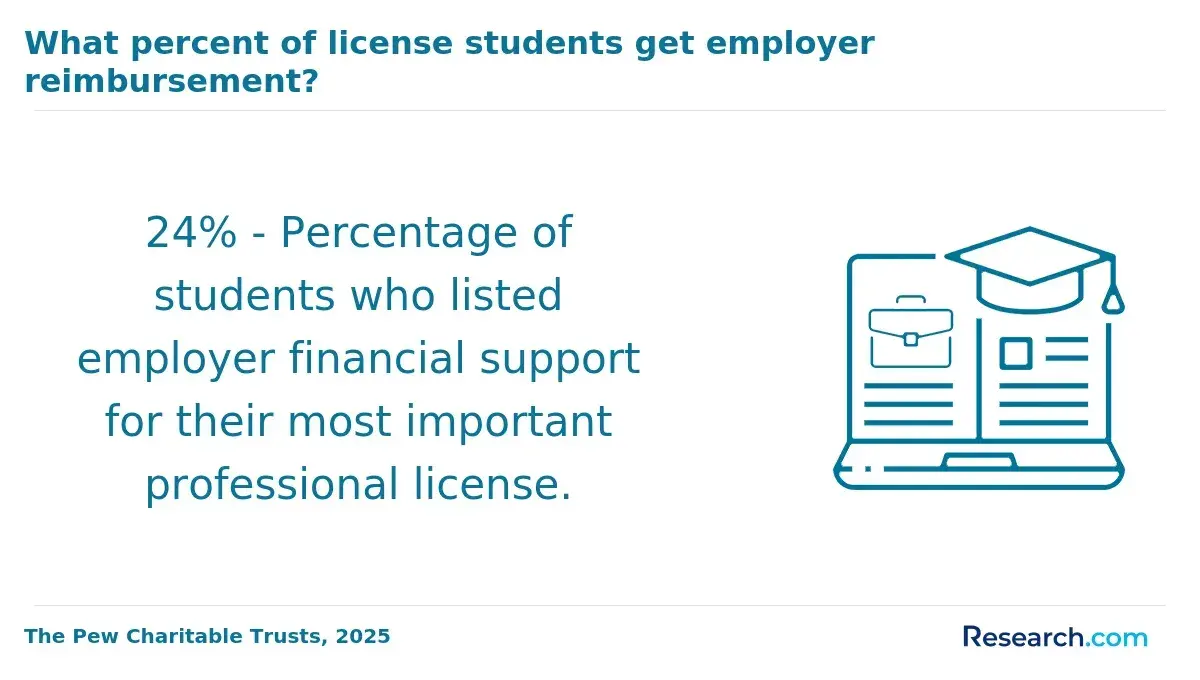
- Cost and Financial Aid: Tuition, fees, and availability of financial aid or employer tuition reimbursement programs can significantly affect affordability. Exploring these options helps minimize financial barriers.
- Employer Recognition: Programs recognized by local or state mental health agencies often improve employment prospects and support career advancement.
- Career Goal Alignment: Choose programs that prepare you for licensure or specialization areas such as trauma counseling to ensure curriculum relevance and long-term success.
For those exploring educational pathways beyond counseling, researching the easiest associate degree options can also offer flexibility and foundational credits that may transfer into advanced clinical mental health counseling programs.
What Graduates Say About Flexible Start-Anytime Enrollment for a Clinical Mental Health Counseling Program
- Pella: "Choosing a clinical mental health counseling degree program with start-anytime enrollment was a game-changer for me. It allowed me to begin my studies without waiting for traditional semester dates, making education much more accessible. Considering the average cost hovered around $15,000, I felt it was a worthwhile investment that opened doors to impactful roles in community mental health services."
- Anis: "Reflecting on my journey, enrolling in a clinical mental health counseling program with flexible start dates really aligned with my unpredictable work schedule. The affordable tuition, typically between $12,000 and $18,000, eased my financial worries. It's rewarding to see how this degree has enhanced my therapeutic skills and credibility in clinical settings, directly benefiting my clients."
- Josh: "From a professional standpoint, the ability to enroll in a clinical mental health counseling program at any time gave me the freedom to advance my education on my terms. With costs usually under $20,000, it presented good value for the career growth it supported. This degree has been instrumental in elevating my career as a licensed counselor, allowing me to serve diverse populations more effectively."
Other Things You Should Know About Clinical Mental Health Counseling Degrees
In 2027, schools like Capella University and Walden University offer flexible start-anytime options for clinical mental health counseling programs. These programs typically coordinate with local partners to schedule internships or practicum placements that align with student's personalized timelines, ensuring essential hands-on experience is obtained at convenient intervals. **Question** Can students receive financial aid if they enroll anytime in a clinical mental health counseling program? **Answer** Yes, students enrolling at any time in clinical mental health counseling programs such as those offered by online universities may still be eligible for financial aid. Institutions typically work to align financial aid disbursements with non-traditional enrollments, ensuring that students can access necessary funding regardless of start date.
No. CACREP-accredited clinical mental health counseling programs still require supervised practicum and internship experiences, usually totaling 700 fieldwork hours. Start-anytime enrollment changes when coursework begins, but it does not remove field training, licensure-aligned competencies, or site approval requirements.
- Program Admissions for the Clinical Mental Health Counseling, MA https://coe.uccs.edu/academics/counseling-human-services/clinical-mental-health-ma/admissions
- Clinical Mental Health Counseling - Niagara University https://www.niagara.edu/programs/clinical-mental-health-counseling/
- From Community College to a Master’s Degree in Behavioral Health: Transfer Credits & Launch Your Career in 3 Years https://paloaltou.edu/resources/blog/community-college-masters-degree-behavioral-health-transfer-credits-launch-your-career-3-years2
- License Requirements for Mental Health Counselors https://www.op.nysed.gov/professions/mental-health-counselors/license-requirements
- Savannah Master in Clinical Mental Health Counseling (CMHC) Degree | South University https://www.southuniversity.edu/savannah/clinical-mental-health-counseling-ma
- Master of Science in Clinical Mental Health Counseling (Online) - Evangel University https://www.evangel.edu/programs/master-of-science-in-clinical-mental-health-counseling-grad/
- Clinical Mental Health Counseling Program | College of Education https://www.tamuv.edu/education/graduate/professional-counseling/clinical-mental-health-counseling-program/
- Mental Health Counseling Master’s Program | WCU https://westcoastuniversity.edu/online-programs/master-of-clinical-mental-health-counseling
- Where to Begin? Six Things to Consider Before Starting Counseling - YMCA of San Diego County https://www.ymcasd.org/about-y/news-center/events/where-to-begin-six-things-to-consider-before-starting-counseling/
- Master's in Clinical Mental Health Counseling https://www.marquette.edu/grad/programs-clinical-mental-health-counseling.php