2027 Online Illustration Bachelor's Degree Programs With Weekly Start Dates

Co-Founder and Chief Data Scientist
Many working professionals face challenges when trying to transition into the illustration field-traditional academic calendars and fixed start dates often disrupt their schedules and delay career shifts. Online illustration bachelor's degree programs with weekly start dates offer a flexible solution, allowing students to begin studies immediately and maintain momentum.
According to recent data, enrollment in such flexible illustration programs has grown by over 35% in the past three years, reflecting increasing demand for adaptable learning paths. This article explores these programs' unique features, helping prospective students navigate available options and make timely decisions to advance their illustration careers effectively.
Key Benefits of Online Illustration Bachelor's Degree Programs With Weekly Start Dates
- Programs with weekly start dates offer unmatched flexibility-ideal for working professionals and career changers balancing jobs and family commitments.
- They eliminate traditional semester delays, allowing enrollment and course start within days of acceptance, reducing barriers to education.
- Students earn regionally accredited illustration degrees while managing schedules, benefiting from accelerated progress through transfer credits and prior learning assessments.
What Are Weekly Start Dates in Online Illustration Bachelor's Programs, and How Do They Differ From Traditional Term-Based Enrollment?
Weekly or rolling start dates in online illustration bachelor's programs refer to enrollment options that allow students to begin their studies every week, rather than waiting for traditional semester-based start times. This flexible model contrasts sharply with conventional enrollment schedules, which usually open only two or three times annually, such as fall and spring semesters.
By eliminating long wait times between application approval and the first day of class, this approach gives students more control over their academic timeline, enabling them to start immediately or within days. Schools like Western Governors University and Purdue Global illustrate continuous enrollment models where students can begin courses at any time and proceed through competency-based learning at their own pace.
The system works well for busy adults juggling careers or family responsibilities by reducing downtime and allowing learners to accelerate or slow their progress depending on their personal situations. Unlike traditional semester schedules that require waiting for registration deadlines, weekly enrollment dates remove such barriers and promote year-round access for motivated students pursuing an online illustration degree with rolling start dates.
- Flexible Enrollment: Students can enroll and start courses every week, offering adaptability for those balancing multiple responsibilities while avoiding fixed academic calendars.
- Reduced Wait Times: Immediate or near-immediate access to classes shortens the gap between application and instruction, fast-tracking degree completion potential.
- Self-Paced Progress: Often coupled with competency-based education, this model enables learners to move quickly through familiar topics or take extra time when needed.
- Growing Popularity: This format appeals mainly to working professionals and adult learners who want to advance careers without sacrificing job or personal commitments.
Students interested in minimizing their educational costs and timeframe should consider schools with generous transfer credit policies and prior learning assessments. Financial aid opportunities and accreditation standards also contribute to a program's value and credibility, which influence career outcomes.
For those exploring flexible education pathways, this approach offers clear advantages over traditional formats. For guidance on related fields, exploring options such as the easiest nursing schools can provide insights into other rolling enrollment models and educational flexibility.
Which Accredited Institutions Offer Online Illustration Bachelor's Degree Programs With Weekly or Rolling Start Dates?
Online accredited illustration bachelor's programs with rolling start dates offer invaluable flexibility for students balancing work, family, or other responsibilities. Programs with weekly enrollment windows allow continuous entry. This flexibility can shorten the time to degree completion when combined with generous transfer credit policies and prior learning assessments.
- Fort Hays State University: The Graphic Design program with an illustration concentration charges about $218 per credit for online students. It features rolling starts nearly every week, providing exceptional scheduling freedom. Fort Hays State holds accreditation from the Higher Learning Commission.
- Southern New Hampshire University: This online Bachelor of Arts in Graphic Design includes substantial illustration coursework, with tuition around $320 per credit. Multiple weekly or near-weekly start dates allow for continuous enrollment. SNHU is accredited by the New England Commission of Higher Education.
- Capella University: Capella's Bachelor of Fine Arts in Graphic Design offers specialized illustration courses and uses a competency-based model. Tuition runs about $350 per credit with frequent (often weekly) start dates. The university is accredited by the Higher Learning Commission.
- Liberty University: Liberty's Bachelor of Fine Arts in Graphic Design provides solid illustration training. Tuition is approximately $390 per credit, with many relevant courses beginning weekly. Liberty is regionally accredited by the Southern Association of Colleges and Schools Commission on Colleges.
- Arizona State University (ASU) Online: ASU's Bachelor of Fine Arts in Visual Communication emphasizes illustration and charges about $530 per credit. The program supports rolling admissions, with sessions starting weekly. ASU is accredited by the Higher Learning Commission.
These regionally accredited institutions prioritize flexible enrollment to accommodate working adults and transfer students. Tuition varies widely, so it's important to explore financial aid options and transfer credit policies that can maximize savings. Programs with weekly enrollment windows differ from traditional semester-based formats by letting students start almost any week. This opens doors for faster graduation through accelerated progression.
Prior learning assessments and transfer credit acceptance further reduce costs and academic time. For those interested in healthcare alongside their arts education, resources on healthcare administration degree programs may also prove useful.
How Do Weekly Start Dates in Online Illustration Programs Benefit Working Adults and Non-Traditional Students?
Weekly start dates in online illustration bachelor's degree programs eliminate traditional enrollment barriers that often deter working adults and non-traditional students. Instead of waiting for fixed semester start times, learners can begin their studies immediately following acceptance, closing the gap between motivation and enrollment.
Research from the National Center for Education Statistics and the Lumina Foundation highlights that such flexibility improves student retention and completion by allowing individuals to fit education around their personal and professional commitments. This enrollment model supports persistent progress because students maintain momentum without interruptions caused by rigid academic calendars. Additionally, starting sooner enables learners to finish more quickly, reducing tuition costs and accelerating career advancement.
- Reduced Delays: Weekly start dates remove waiting periods, granting instant access to coursework and keeping students engaged with their career objectives.
- Adaptable Scheduling: Flexible start options accommodate busy lifestyles, particularly for those juggling jobs and family responsibilities, helping maintain balance.
- Enhanced Completion Rates: Data reveals students enrolling on their own timelines exhibit stronger persistence and are less likely to drop out.
- Economic Advantages: Beginning studies promptly means earlier qualification and improved earning potential, benefiting those targeting illustration-related professions.
A professional who enrolled in a self-paced online illustration bachelor's degree program shared that juggling work, family, and coursework was initially daunting. He described how the weekly enrollment cycle allowed him to start classes almost immediately after being accepted, which was crucial in sustaining his motivation.
"I didn't have to wait months for the next term, so I could dive right into my studies," he explained. He appreciated the ability to tailor his schedule around peak work periods and family needs, noting this flexibility made earning his degree manageable without sacrificing income or personal time. This approach, he said, "made all the difference in balancing everything while still progressing steadily towards my career goals."
What Is the Total Tuition Cost for Online Illustration Bachelor's Programs That Allow Weekly Enrollment?
Tuition for online illustration bachelor's programs with weekly enrollment varies, generally reflecting per-credit-hour costs multiplied by roughly 120 credits. Using NCES IPEDS data and university tuition pages, total expenses typically range from $15,000 to $45,000, but this depends on tuition models and additional fees.
- Per-Credit Rates: Many schools charge between $300 and $600 per credit, meaning total tuition can be around $36,000 at the upper end or about $18,000 for more affordable programs. This figure forms the basis of the average total tuition cost for online illustration bachelor's degrees with rolling start.
- Flat-Rate Tuition: Some institutions offer flat or block tuition, allowing unlimited courses within a term for a fixed price. This can reduce overall costs if students accelerate their studies by taking heavier course loads.
- Uniform Online Tuition: Certain programs charge the same rate for all online students regardless of residency, providing cost-effective options by eliminating out-of-state fees that usually apply to nonresidents.
- Additional Charges: Besides tuition, students should plan for extra expenses such as technology fees and course materials, which can add several hundred to a few thousand dollars to the total fees involved in programs offering weekly enrollment.
Prospective students seeking estimated tuition fees for online illustration programs offering weekly enrollment should request detailed breakdowns to align budgets and schedules. For more information on accredited self paced online colleges, visit accredited self-paced online colleges.
How Quickly Can Students Complete an Online Illustration Bachelor's Degree When Enrolling Through a Weekly Start Option?
Students attending full-time usually enroll in 12 to 15 credits each term and often wrap up their degree in about four years. Part-time learners who take fewer credits might require six or more years. Some online programs permit multiple courses per term, allowing driven students to move through their degree faster.
Many online Illustration programs accept up to 90 transfer credits or credits granted from prior learning assessments. This can considerably shorten the degree path, particularly benefiting adult learners who bring relevant experience or previous academic work to the table.
Programs with competency-based or self-paced formats let students advance by demonstrating mastery, rather than adhering to fixed calendar terms. This flexibility often allows highly committed students to finish in less than two years.
Weekly start dates eliminate delays tied to traditional semester schedules - students commence coursework as soon as they're ready. This continuous enrollment helps maintain momentum and reduces procrastination.
A motivated working adult enrolling full-time with weekly starts and utilizing transfer credits can expect to finish their bachelor's in approximately two to three years. Those attending part-time or with fewer credits typically need three to five years, depending on their individual pace and course load.
One professional who completed a self-paced, weekly-start online Illustration bachelor's program described the experience as both challenging and rewarding. "Balancing work and study was tough, especially at the beginning, but having the flexibility to start any week and move ahead when ready made a huge difference," she shared.
She found that being able to apply prior creative experience toward her credits accelerated progress and kept her motivated. Reflecting back, she noted the continuous enrollment model helped her avoid typical semester-based waiting periods and allowed her to manage life's unpredictability without losing momentum.
What Admission Requirements Must Students Meet to Enroll in an Online Illustration Bachelor's Program With a Weekly Start Date?
Online bachelor's programs in illustration with weekly or rolling start dates typically have more lenient admission standards than traditional semester-based programs. Many schools adopt open enrollment policies, requiring only a high school diploma or GED for entry. Minimum GPA standards are usually low or not enforced, reflecting a priority on accessibility for diverse learners such as working adults and those reentering education.
Standardized tests like the SAT or ACT are often optional or not required, as many programs emphasize portfolios and personal achievements over exam scores. This open admissions model widens access but may demand that students actively seek tutoring and advising services to manage course challenges.
Applicants who have gaps in education or non-traditional academic backgrounds can strengthen their applications by submitting strong art portfolios, relevant work experience, or personal statements that highlight motivation and career goals. Many institutions provide support resources designed to help such students succeed.
Recent data from the National Center for Education Statistics shows a 12% increase in enrollment at online programs with rolling admissions over the last three years, underscoring growing demand for flexible scheduling options.
- Open Enrollment Policies: Most weekly-start illustration programs accept applicants with a high school diploma or GED, creating broad opportunities for prospective students.
- Flexible Test Requirements: Standardized testing is generally optional or waived, placing more emphasis on creative portfolios and overall readiness.
- Support for Non-Traditional Students: Applicants with diverse educational backgrounds should highlight portfolios and relevant experiences; schools often offer tutoring and counseling to aid student success.
- Balancing Accessibility and Rigor: While open admissions ease entry, students may need to use academic resources aggressively to handle course demands effectively.
How Do Online Illustration Programs With Weekly Starts Handle Transfer Credits From Previous College Coursework?
Online illustration bachelor's degree programs with weekly start dates often have flexible transfer credit policies designed to accommodate diverse educational and professional backgrounds. Many institutions accept credits earned from community colleges, military training, and employer-based learning, applying them toward degree requirements to shorten students' time to graduation. This approach significantly reduces educational costs by lowering the number of courses students must pay for.
Programs that accept the highest numbers of transfer credits typically outline their policies clearly on official websites. Some universities can accept up to 90 transfer credits, covering both general education and specialized illustration courses. The American Council on Education (ACE) plays a critical role in this process by evaluating non-traditional learning experiences-such as military service and professional certifications-and recommending them for college credit that many schools recognize.
Prospective students should request an official transcript evaluation before enrollment. This assessment clarifies how many credits will transfer and reveals remaining degree requirements, allowing learners to plan their finances and schedules effectively. According to the National Center for Education Statistics, nearly 40% of undergraduates transfer credits between institutions, highlighting the widespread use of this cost-saving strategy in today's online education landscape.
- Generous Transfer Policies: Many illustration programs accept extensive transfer credits from community colleges, military training, and employer-based learning to reduce degree completion time and costs.
- ACE Credit Role: The American Council on Education evaluates non-traditional learning experiences and helps convert them into transferable college credits recognized by many institutions.
- Transcript Evaluation: Requesting an official credit evaluation before enrollment helps students understand exactly how many credits apply and plan accordingly.
- Cost Savings: Transferring credits allows students to pay for fewer courses, contributing significantly to lowering tuition expenses.
- Transfer Trends: Nearly 40% of undergraduates use transfer credits, showing that leveraging previous coursework is common and encouraged.
What Financial Aid and Scholarship Options Are Available for Students Enrolling in Weekly-Start Online Illustration Programs?
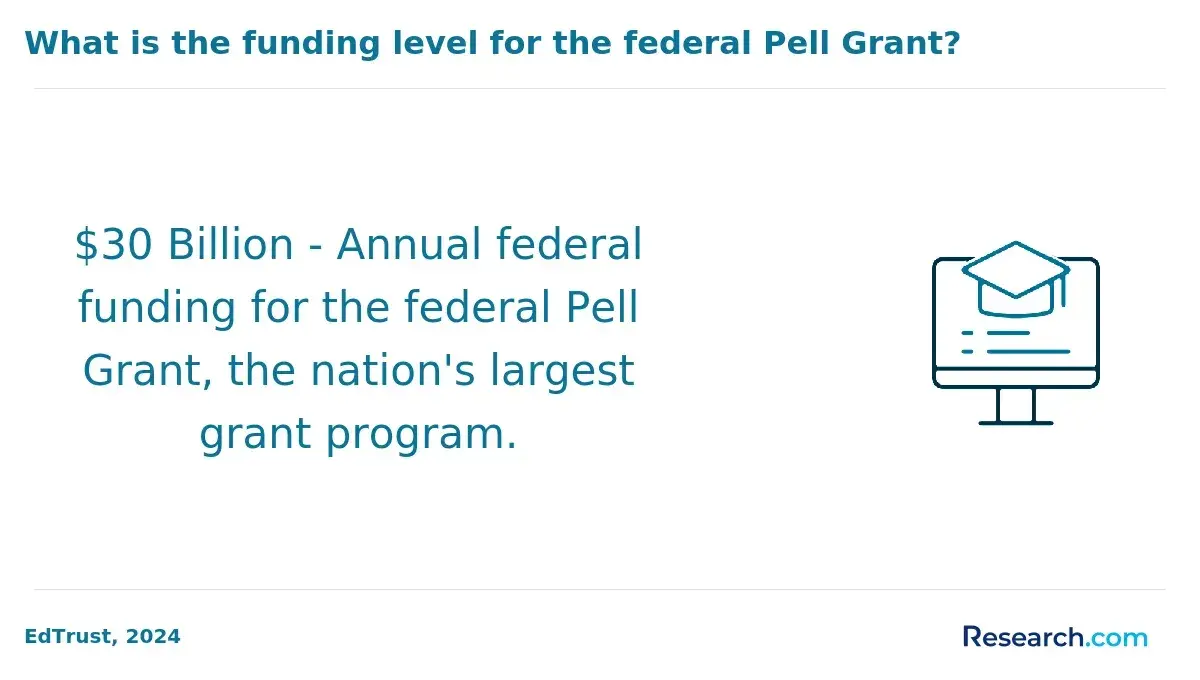
Students enrolled in weekly-start online illustration bachelor's degree programs can access various federal financial aid options similar to traditional semester-based learners. Eligible students may receive Pell Grants, which provide need-based funding without repayment, as well as subsidized and unsubsidized Stafford loans.
Subsidized loans offer interest relief during enrollment, while unsubsidized loans accrue interest immediately. Additionally, the Federal Work-Study program offers part-time jobs that help offset educational expenses. However, the rolling enrollment nature of weekly-start programs may complicate coordinating financial aid disbursements tied to the standard academic year, making careful planning essential.
According to College Board Trends in Student Aid data, undergraduate aid packages typically combine grants, loans, and work-study funds, averaging several thousand dollars yearly. Students considering online illustration bachelor's degrees should use this data to form realistic financial expectations and budget accordingly.
Completing the Free Application for Federal Student Aid (FAFSA) early is crucial, as many grants and institutional scholarships operate on a first-come, first-served basis. Some weekly-start programs may impose unique FAFSA deadlines that prospective students need to note.
Scholarships specifically targeting illustration students or weekly start illustration degrees are often offered by professional groups like the Society of Illustrators, relevant nonprofits, or institutions awarding merit-based aid to online learners. Staying informed about federal aid, timely FAFSA submission, and available scholarships helps maximize financial support and minimize out-of-pocket expenses.
In addition to financial aid, students should also consider career outcomes that align with their degrees. Resources highlight promising jobs with biology degree as an example of wide-ranging career paths connected to specialized programs, illustrating the value of strategic program selection.
- Federal Aid Eligibility: Pell Grants and Stafford loans support online illustration students, but weekly start dates require coordination with traditional academic calendars to timely secure aid.
- FAFSA Early Application: Applying early for FAFSA increases chances of receiving limited grants and first-come, first-served scholarships essential for lowering costs.
- Scholarship Opportunities: Numerous scholarships cater to illustration majors and online learners, including awards from professional organizations and universities.
- Average Aid Packages: College Board data shows typical undergraduate aid includes grants, loans, and work-study components, helping students anticipate expenses.
- Work-Study Availability: Eligible students can access federally funded work-study jobs that offer flexible schedules compatible with online study.
What Accreditation Standards Should a Weekly-Start Online Illustration Bachelor's Program Meet to Ensure Employer and Transfer Recognition?
When evaluating accreditation requirements for online illustration bachelor's programs in the United States, it is essential to distinguish between regional and national accreditation. Regional accreditation is recognized as the gold standard by employers and other academic institutions because it ensures rigorous academic and administrative quality. In contrast, national accreditation primarily covers career, technical, or religious schools and may not offer the same level of recognition.
There are seven regional accrediting bodies recognized by the U.S. Department of Education: the Middle States Commission on Higher Education (MSCHE), the New England Commission of Higher Education (NECHE), the Higher Learning Commission (HLC), the Northwest Commission on Colleges and Universities (NWCCU), the Southern Association of Colleges and Schools Commission on Colleges (SACSCOC), the Western Association of Schools and Colleges Senior College and University Commission (WSCUC), and the WASC Accrediting Commission for Community and Junior Colleges (ACCJC). Most weekly-start online illustration programs fall under MSCHE, HLC, SACSCOC, or WSCUC, known for flexible enrollment options that support working adults.
Before enrolling, students should verify a program's accreditation status directly through the U.S. Department of Education's accreditation database. This step is crucial to secure recognition by employers and acceptance by other schools, which is especially important when planning to transfer credits or pursue graduate pathways.
- Accreditation Type: Regional accreditation guarantees wider acceptance by employers and institutions, whereas national accreditation can limit credit transfer and degree recognition.
- Regional Agencies: Seven recognized regional bodies oversee accreditation-with MSCHE, HLC, SACSCOC, and WSCUC commonly accrediting weekly-start online illustration degrees.
- Verification Step: Prospective students should confirm accreditation status through the U.S. Department of Education's official database before enrolling to avoid academic and professional complications.
- Transfer Risks: Credits earned at nationally accredited-only schools often fail to transfer to regionally accredited programs, forcing students to retake courses.
- Graduate Pathways: Advanced illustration studies usually require a regionally accredited bachelor's degree-national accreditation may block access to these programs.
Weekly enrollment models provide greater flexibility compared to traditional semester-based formats, allowing students to begin courses more frequently and accelerate their degree completion. Many programs also maximize speed and savings by accepting generous transfer credits and prior learning assessments.
For working professionals and returning adults, these options make a significant difference. Those interested in related healthcare education pathways with similar flexible online formats should consider exploring RN to BSN online programs.
How Is Coursework Structured in Online Illustration Bachelor's Programs With Weekly Starts Compared to Semester-Based Formats?
Online illustration bachelor's degree programs with weekly start dates typically use asynchronous video lectures, discussion forums, and digital collaboration platforms to deliver course content. This structure allows students to engage with materials at their own pace within each week and participate in discussions virtually.
Assignments are due on a weekly basis, creating a fast-paced rhythm that contrasts with traditional semester schedules, which usually span 15 weeks or longer. The condensed terms, generally lasting five to eight weeks, demand strong self-motivation and effective time management skills to keep up with ongoing deadlines.
This accelerated format focuses on developing essential illustration abilities such as digital drawing, color theory, and composition. It supports rapid skill-building through frequent feedback but may limit the extended creative exploration opportunities found in longer semester courses. Students benefit by quickly mastering core competencies useful for careers in visual storytelling and digital media.
Preparation is key: organizing a regular study routine free from distractions, actively communicating with instructors and peers, and setting clear weekly goals help ensure success in these intensive programs. According to the National Center for Education Statistics, enrollment in compressed online courses increased by 15% annually between 2024 and 2025, reflecting growing demand for flexible learning options.
- Flexible Start Dates: Weekly enrollment opportunities let students begin coursework more frequently, offering greater control over their educational timeline.
- Asynchronous Course Delivery: Video lectures and online discussions allow learners to study around their personal schedules without fixed class times.
- Accelerated Coursework: Five-to-eight-week term lengths require consistent weekly progress, cultivating discipline while limiting deep-dive creative projects.
- Focused Skill Development: Emphasis on core illustration techniques supports quick mastery of digital media and visual storytelling essentials.
- Success Strategies: Structured study habits and proactive online engagement facilitate achievement in a demanding, fast-paced environment.
Can Students Earn Credit Through CLEP, DSST, or Prior Learning Assessment in Weekly-Start Online Illustration Programs?
Credit by Examination programs, such as CLEP and DSST, allow students enrolled in weekly-start online illustration bachelor's degrees to earn college credits for knowledge they already possess. These exams, backed by the College Board and reviewed through the ACE (American Council on Education) system, enable learners to bypass introductory or general education courses, slashing both time and costs of completing their degree.
Prior Learning Assessment (PLA) is another route for credit recognition, often accommodating non-traditional learning experiences. Leading online illustration programs like those at Thomas Edison State University and Liberty University accept portfolios, military training transcripts, and other documented skills for credit, sometimes granting up to 45 credits. These flexible PLA policies require detailed documentation and formal submission for evaluation to ensure academic standards are met.
To optimize credit transfer, students should thoroughly document prior training, certifications, or relevant job experience. Early consultation with PLA offices or academic advisors is vital to navigating each institution's credit limits and policies effectively.
- Standardized Credit-by-Exam Programs: CLEP and DSST exams provide validated pathways to earn college credit by demonstrating mastery, reducing redundant coursework.
- Flexible PLA Options: Some weekly-start programs accept portfolios and military transcripts, awarding substantial credits to accelerate degree progress.
- Comprehensive Documentation: Accurate evidence submission-including work samples and training records-is essential for credit approval through PLA.
- Institutional Credit Limits: Universities like Thomas Edison State and Liberty University offer generous credit caps, often up to 45 credits.
- Accelerated Completion and Savings: Combining exams and PLA reduces tuition expenses and shortens time to graduation for adult learners.
What Graduates Say About Online Illustration Bachelor's Degree Programs With Weekly Start Dates
- Lennon: "Choosing an online illustration bachelor's degree with weekly start dates was a game-changer for me-it offered the flexibility I needed to balance work and study without missing opportunities. The cost was reasonable compared to traditional programs, allowing me to focus more on learning than on financial stress. Since graduating, I've noticed a clear boost in my professional portfolio, making it easier to land freelance projects I'm passionate about."
- Forest: "Reflecting on my journey, the main reason I opted for the online illustration degree with weekly start dates was the continuous enrollment, which meant I could start immediately without waiting for a semester to begin. The investment felt justified as it opened doors to networking with industry professionals and gaining skills relevant to today's digital art market. Professionally, this program gave me the confidence and credentials to transition smoothly into a creative director role."
- Leo: "From a professional standpoint, the online illustration bachelor's degree with its weekly start dates accommodated my hectic schedule and allowed me to progress at my own pace-something I hadn't found elsewhere. The cost-efficiency of the program meant I could learn without accumulating heavy debt. Completing the degree truly elevated my career by enhancing my technical skills and expanding my understanding of commercial illustration trends."
Other Things You Should Know About Illustration Degrees
Online illustration bachelor's programs with weekly start dates often incorporate virtual internships or practicums. These can involve project-based assignments or partnerships with companies to provide real-world experience while maintaining a flexible online schedule. Details vary by program, including duration and partner organizations.
Yes, many programs accept transfer credits for studio and general education courses if the coursework comes from an accredited college and matches course outcomes. Most schools cap transfer at 90 semester credits, require official transcripts, and may still require a portfolio review for upper-level illustration classes.
Yes, most online illustration programs starting weekly in 2027 require a portfolio for admission. Typically, applicants must submit 10–15 pieces showcasing their skills in various mediums. Exact requirements vary by institution, so checking the specific school’s guidelines is essential.
References
- Non-Degree Programs - Austin Presbyterian Theological Seminary https://www.austinseminary.edu/fs/pages/363
- Can I get financial aid for an online degree? | edX https://www.edx.org/resources/can-i-get-financial-aid-for-an-online-degree
- Admissions : Online Tuition | Full Sail University https://www.fullsail.edu/admissions/tuition-online
- CLEP/DSST Exams - NECC https://necc.edu/academics/beyond-the-classroom/credit-prior-learning/clepdsst-exams/
- How to Start Your Online Training Programs: A Comprehensive Guide https://aaa-accreditation.org/how-to-start-your-training-center-a-comprehensive-guide/
- Online Illustration Degree | Bachelor's Degree (BFA) https://www.sessions.edu/bachelors/illustration/
- Online Illustration Degree | Rocky Mountain College of Art + Design https://www.rmcad.edu/academics/program/online/illustration/
- Application & Requirements https://en.uap.edu.pl/admission/application-requirements/
- Digital Illustration Program | Bachelor Degree of Digital Art https://www.cgspectrum.com/courses/digital-illustration-program
- How due dates work in our online school courses https://www.sterling.academy/our-blog/bid/103421/how-due-dates-work-in-our-online-school-courses