2027 Self-Paced Online Illustration Bachelor's Degree Programs

Co-Founder and Chief Data Scientist
Many aspiring professionals face the challenge of balancing work, family, and education while pursuing an illustration bachelor's degree. Traditional semester schedules often limit flexibility, making it difficult to advance careers or switch fields on a timeline that fits personal demands. According to recent data, 65% of students enrolled in self-paced online illustration bachelor's programs report completing their degree faster than those in fixed-schedule programs.
This article explores self-paced online illustration degrees, highlighting how these programs offer adaptable learning paths, essential accreditation, and practical guidance to help prospective students efficiently transition into the illustration industry.
Key Benefits of Self-Paced Online Illustration Bachelor's Degree Programs
- Self-paced online illustration bachelor's degree programs offer exceptional flexibility, enabling working professionals to balance studies with full-time employment and personal commitments efficiently.
- These programs facilitate accelerated skill acquisition by allowing students to progress at their own speed, often reducing time to degree completion compared to traditional formats.
- They provide a cost-effective pathway to earning accredited credentials, frequently featuring lower tuition rates, transfer credit options, and eligibility for financial aid or prior learning assessments.
What Are Self-Paced Online Illustration Bachelor's Degree Programs, and How Do They Differ From Traditional Online Formats?
Self-paced learning in online higher education offers students control over when and how quickly they complete their coursework, distinguishing these programs from traditional cohort-based and asynchronous-but-scheduled formats. Unlike fixed-schedule online courses, self-paced online illustration bachelor's degree programs allow students to start anytime and progress upon mastering required competencies rather than following preset deadlines. This approach aligns well with the growing trend of competency-based education models that emphasize mastery over time-bound completion.
These programs differ markedly from traditional online illustration degrees that often require students to move in sync with one another through synchronized weekly modules and live sessions. Self-paced students must manage their own time effectively, engage proactively with faculty-usually through asynchronous channels like email or forums-and take full accountability for their progression. This format suits individuals balancing work, family, or other commitments who need scheduling flexibility without sacrificing educational quality.
- Open Enrollment: Students can begin their studies whenever convenient, removing barriers tied to semester start dates and increasing accessibility for non-traditional learners or first-time college enrollees.
- Flexible Timelines: Learners set their own pace, accelerating or slowing down as needed, which differs from traditional online formats that follow strict calendar-based rhythms.
- Milestone-Based Progression: Instead of weekly deadlines, progression depends on passing assignments or tests that demonstrate competency, supporting personalized learning trajectories.
- Faculty Interaction: While instructor support exists, it is typically asynchronous and less frequent than in traditional settings; students must demonstrate self-motivation to seek help when needed.
This model benefits working professionals, parents, or those returning to education after a hiatus, enabling them to master critical illustration skills on their own terms. The flexibility combined with transfer credit policies and prior learning assessments further enhances accessibility. For those aiming to continue advancing, these programs can complement other pathways such as online phd programs for working professionals, providing a versatile educational foundation tailored to diverse learner needs.
Which Accredited Institutions Offer Self-Paced Online Illustration Bachelor's Degree Programs?
Several regionally accredited institutions in the United States provide flexible, self-paced online illustration bachelor's degree programs designed with working professionals and non-traditional students in mind. These programs often use competency-based education models or flat-rate subscription tuition, allowing learners to accelerate degree completion by leveraging prior knowledge and extensive transfer credits.
- Western Governors University: A nonprofit university offering a competency-based online bachelor's in visual arts with illustration pathways. Tuition is charged through a flat-rate six-month subscription, enabling students to take as many courses as they can within that period. WGU is accredited by the Northwest Commission on Colleges and Universities (NWCCU) and typically sees completion times between 2 to 3 years depending on prior experience.
- Southern New Hampshire University: SNHU's flexible online Bachelor of Arts in Graphic Design includes illustration electives and uses a self-paced course format. Tuition is charged per credit hour, affordable, and financial aid eligible. Accredited by the New England Commission of Higher Education (NECHE), students usually finish within 3 to 4 years factoring in transfer credits and pacing.
- Capella University: Featuring the FlexPath competency-based program, Capella offers a Bachelor of Science in Graphic Design with illustration coursework. Tuition is a flat fee per six-month term, encouraging rapid progression. Capella holds accreditation from the Higher Learning Commission (HLC) and many complete the degree in 2 to 3 years.
- Columbia College Chicago: This college provides an online Bachelor of Fine Arts in Illustration with a mixture of asynchronous and live virtual classes. Accredited by the Higher Learning Commission (HLC), Columbia charges per credit but allows flexible pacing. Average completion ranges from 3 to 5 years depending on student circumstances.
- Bellevue University: Bellevue's online Bachelor of Fine Arts program focuses on illustration and uses a competency-based Self-Paced Learning model. Tuition is per credit hour, with accreditation from the Higher Learning Commission (HLC). Many students complete the degree in 3 years or less by utilizing prior learning assessments and transfer credits.
These top accredited colleges with flexible online illustration bachelor's degree options highlight diverse tuition models and competency-based pacing designed for busy adults. Students benefit from transfer-friendly policies and financial aid eligibility offered by regionally accredited schools. For those weighing their choices, exploring options like a affordable master's in counseling online further illustrates how flexible learning paths can support continuous professional growth.
2026 Update: Portfolio and Technology Readiness
For this 2026 update, we added a practical checklist to help students judge whether a self-paced online illustration bachelor’s program can support strong portfolio development, not just flexible course completion.
- Whether courses include regular critique opportunities from instructors, peers, or industry-experienced reviewers.
- What digital tools students are expected to use, such as drawing tablets, illustration software, and file-sharing platforms.
- Whether the program helps students build a portfolio across formats, including editorial, character, concept, product, or digital illustration.
- How final projects are reviewed and whether students receive feedback before submitting portfolio-ready work.
- Whether self-paced courses still provide access to faculty guidance when creative work needs revision.
- How the program supports presentation skills, artist statements, and professional online portfolio preparation.
Checking these details helps students choose a program that fits their schedule while still preparing them to show polished, career-ready illustration work.
How Long Does It Take to Complete a Self-Paced Online Illustration Bachelor's Degree?
The time needed to finish a self-paced online illustration bachelor's degree varies greatly. Some students complete it in as little as 18 months, while most follow a more typical three to four-year track. Data from the National Center for Education Statistics shows that the average completion time for related visual and performing arts degrees is around 4.5 years, offering a relevant guideline.
- Prior Credits: Students with previous college credits or an associate degree can reduce their course load and shorten the time required to graduate by transferring accepted classes into their program.
- Weekly Commitment: The amount of time dedicated weekly directly impacts how fast students progress. Flexible, self-paced formats let learners set their own workload, but maintaining consistent study habits is crucial to avoid extending the timeline.
- Prior Learning Assessments: Some illustration programs grant credit for professional experience, portfolios, or other competencies evaluated outside the classroom, accelerating completion.
- Flexible Pacing Models: Competency-based education prioritizes mastery over seat time, allowing motivated students to move quickly through familiar topics and reduce total program length.
- Support Services: Resources like academic advising, tutoring, and progress monitoring help students stay on track and navigate obstacles that could delay completion.
One professional who enrolled in a self-paced online illustration bachelor's program described the experience as both challenging and rewarding. Balancing work and study required careful scheduling-"some weeks felt overwhelming, but breaking projects into smaller tasks made it manageable." He found prior learning assessments invaluable, allowing him to bypass certain courses and focus on new skills. Regular check-ins with academic advisors helped maintain momentum, especially during busy periods. His journey illustrated that while self-paced degrees offer flexibility, success depends on disciplined time management and leveraging available support.
What Are the Admission Requirements for Self-Paced Online Illustration Bachelor's Degree Programs?
Online illustration programs, particularly those offered in a self-paced or competency-based format, are designed for flexibility. While they allow you to progress through the curriculum as you master specific skills, the admission standards remain aligned with traditional accredited art institutions.
High School Diploma or GED: Most self-paced online illustration bachelor's programs require applicants to have a high school diploma or GED to demonstrate essential academic skills. Equivalent qualifications may be accepted in some cases, especially for non-traditional students returning to education.
Minimum GPA Expectations: While selective programs often ask for a minimum GPA around 2.5 to 3.0 on a 4.0 scale, many self-paced options adopt open-enrollment or rolling admission policies, allowing students with varying academic backgrounds to apply without meeting strict GPA criteria. These flexible policies increase accessibility for those seeking an illustration degree.
Prerequisite Coursework: Competitive illustration programs may require foundational courses in art, design, or related subjects, such as drawing and color theory. However, open-access programs typically do not mandate these prerequisites, making them more suitable for students from diverse educational paths or those interested in transfer credits and prior learning assessment policies for illustration degrees.
Open-Enrollment and Rolling Admission: These admission models are common in self-paced programs, offering multiple start dates throughout the year and reducing barriers for working professionals and adult learners who need schedule flexibility.
Academic Support Implications: Programs with higher admission standards often provide more personalized advising and support, while open-access options emphasize self-directed learning with less individualized attention. Applicants should consider their learning preferences accordingly.
Strengthening Your Application: If you do not meet all eligibility criteria for self-paced online illustration bachelor's programs, submitting an art portfolio or highlighting relevant experience can be beneficial. Additionally, participating in workshops or foundation courses, and crafting a compelling personal statement, can improve admission chances. For more information on flexible degree options, explore accelerated business degree programs as an example of innovative self-paced models.
How Much Does a Self-Paced Online Illustration Bachelor's Degree Cost, and What Affects Tuition?
Tuition for self-paced online illustration bachelor's degrees typically falls between $300 and $700 per credit hour, making the full 120-credit curriculum range from $36,000 to $84,000 if taken at a traditional pace. Some programs offer flat-rate subscription models that allow unlimited course access within a set period, benefiting students who progress quickly. Others bundle tuition with fees for course materials, software, and technical assistance, which simplifies billing but may increase initial costs.
- Per-Credit Tuition: Tuition varies by institution and charges are based on each credit. Completing courses faster can reduce total payment by shortening enrollment duration.
- Flat-Rate Subscription: A monthly or quarterly fee grants unlimited course participation during that time frame, making it cost-effective for self-motivated learners.
- Bundled Fees: Some schools package expenses like textbooks, digital tools, and tech support into tuition, streamlining payments but possibly raising upfront costs.
- Hidden Costs: Additional expenses such as technology fees, exam proctoring, specialized software, and required textbooks can add to the overall price.
- Financial Aid and Transfers: Scholarships, transfer credits, and prior learning assessments can significantly reduce net tuition.
- Upfront vs. Total Cost: Programs with the lowest initial fees may become pricier over time if paced slowly, whereas subscription plans reward accelerated study with lower overall expenses.
A professional who completed a self-paced online illustration bachelor's degree shared that managing the balance between motivation and budgeting was challenging yet rewarding. She recalled, "I appreciated having control over my pace, but it required discipline to avoid extending enrollment and increasing costs." Navigating additional technology fees and software subscriptions added complexity, but strategic use of transfer credits helped lower her financial burden. Her experience reinforced the importance of understanding all tuition components early to align them with personal learning speed and financial goals.
What Financial Aid Options Are Available for Self-Paced Online Illustration Bachelor's Programs?
Federal financial aid remains a critical resource for students in self-paced online illustration bachelor's programs, but competency-based education (CBE) formats often require nuanced credit-hour equivalency reviews to determine FAFSA eligibility. Since CBE programs measure progress through demonstrated skills instead of standard credit hours, federal aid disbursement schedules can vary and must be carefully evaluated by both students and institutions.
State-supported grants and scholarships are commonly accessible, though qualification depends heavily on residency rules and state policies regarding distance education. Institutional funding options also differ widely-some colleges provide specific scholarships or grants for illustration majors enrolled in flexible pacing models, while others impose limitations based on enrollment status.
Targeted scholarships from professional bodies-such as art and illustration organizations-offer essential monetary help that directly supports students pursuing visual arts careers. These awards can supplement general financial aid, easing the overall cost burden.
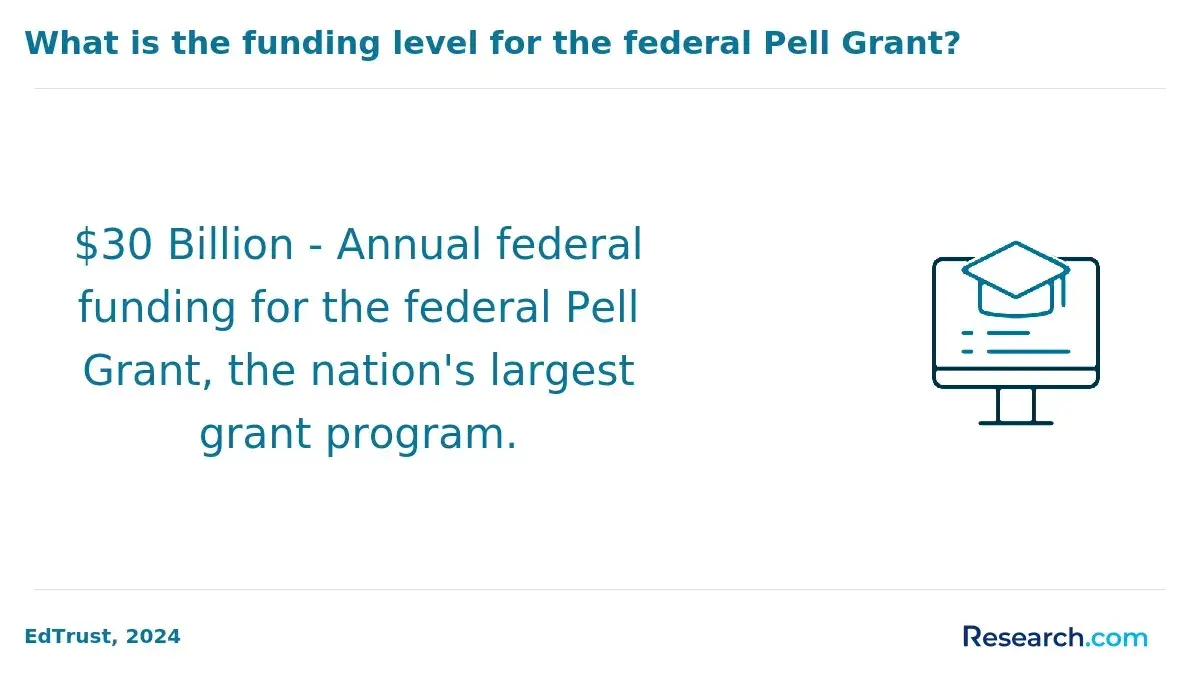
Before committing to a program, contacting the financial aid office is vital to clarify how self-paced structures influence aid timelines and amounts. Recent statistics from Federal Student Aid indicate that nearly 40% of undergraduates benefit from Pell Grants, underscoring the sustained importance of federal assistance, including for online learners following alternative pacing.
- Federal Aid Eligibility: FAFSA applications are necessary for most grants and loans, but CBE programs might require thorough credit assessments, impacting when and how funds are distributed.
- State and Institutional Support: Access to state aid depends on residency and online study regulations; institutions may offer scholarships tailored to self-paced illustration students.
- Discipline-Specific Awards: Professional illustration organizations provide merit-based scholarships that help offset education costs uniquely relevant to art students.
- Verification and Timing: Confirming financial aid details with the institution safeguards understanding of how non-traditional pacing affects payment schedules.
- Federal Aid Trends: Approximately 40% of college students receive Pell Grants, emphasizing the federal government's role in promoting access for diverse learning formats.
How Do Competency-Based Education (CBE) Models Work in Self-Paced Online Illustration Programs?
Competency-based education (CBE) models in self-paced online Illustration programs emphasize demonstrating mastery through assessments rather than accumulating credit hours or seat time. Students progress by proving proficiency in core skills-such as digital drawing techniques, concept development, and visual storytelling-via projects and exams tailored to measure applied knowledge. For financial aid eligibility, many CBE programs convert these demonstrated competencies into credit-hour equivalents, ensuring students qualify for federal funding. This approach bridges traditional academic structures with flexible, skills-focused learning.
Two main CBE structures exist: direct assessment programs, which award credit strictly based on demonstrated skills without relying on traditional credit hours, and credit-hour-equivalent CBE programs that align assessments with standard academic credit frameworks. Western Governors University and Southern New Hampshire University offer self-paced Illustration or creative design programs using these models, combining rigorous assessment with continuous faculty mentorship and career services. These supports help students manage the autonomy of CBE and enhance employer recognition of credentials earned.
Success in CBE demands strong self-discipline and motivation since learners manage their pace and deadlines independently. Evaluating learning preferences-whether flexible schedules or structured timelines work better-is critical before enrolling. A study by Capella University reveals that 65% of adult learners prefer competency-based formats, underscoring growing demand among working professionals balancing education with other responsibilities.
- Mastery Over Time: Students advance upon demonstrating specific skills at their own pace, allowing tailored learning paths instead of relying on fixed semesters.
- Assessment Focus: Competencies are measured through practical projects and exams, emphasizing real-world application rather than passive study.
- Financial Aid Eligibility: Converting competencies into credit-hour equivalents helps maintain access to federal funding for eligible students.
- Support Systems: Faculty mentors and career advisors provide essential guidance within predominantly self-directed programs.
- Self-Discipline Requirement: High motivation and effective time management are vital, making it important to assess whether this learning style suits individual preferences.
What Accreditation Should a Self-Paced Online Illustration Bachelor's Program Hold?
Accreditation significantly impacts the credibility and value of self-paced online illustration bachelor's degrees. Regional accreditation holds the most weight with employers and graduate schools in illustration and related creative fields. It is granted by one of six U.S. Department of Education-recognized regional agencies: Middle States Commission on Higher Education (MSCHE), New England Commission of Higher Education (NECHE), Higher Learning Commission (HLC), Northwest Commission on Colleges and Universities (NWCCU), Southern Association of Colleges and Schools Commission on Colleges (SACSCOC), and Western Association of Schools and Colleges Senior College and University Commission (WSCUC). Many reputable programs also hold specialized art and design accreditation, which ensures the curriculum meets industry-specific standards.
Students searching for regional accreditation for online illustration bachelor's degrees benefit from greater credit transferability, eligibility for federal financial aid, and stronger acceptance by employers. Some online programs employ competency-based education models that offer flexibility and recognize prior learning, further enhancing student outcomes.
National accreditation or lack of accreditation generally signals lower academic rigor. Enrolling in such programs risks difficulties transferring credits, limited financial aid options, and challenges in career advancement. Employers may question the validity of a degree from nationally accredited or non-accredited schools.
Prospective students should verify accreditation status through reliable resources like the U.S. Department of Education's accreditation database and the Council for Higher Education Accreditation (CHEA) directory before applying. This step safeguards educational investment and future opportunities.
Many who seek career flexibility also explore options like an online mba without gmat as alternative paths to advancement.
- Regional Accreditation: The most respected accreditation type for illustration degrees, ensuring broad recognition by employers, graduate schools, and credit transfer systems.
- National Accreditation: Recognized less rigorously, often limiting financial aid, credit transfer, and employer acceptance in creative professions like illustration.
- Accrediting Bodies: Six U.S. Department of Education-approved regional agencies oversee regional accreditation, each covering specific geographic areas.
- Programmatic Accreditation: Specialized validation for art and design curricula bolsters the reputation and quality assurance of illustration programs beyond basic institutional accreditation.
- Risks of Non-Accreditation: Degrees from nationally accredited or unaccredited schools can impede credit transfer, restrict financial aid eligibility, and hurt employment chances.
- Verification Resources: The Department of Education's accreditation database and CHEA's directory are essential for confirming an institution's accreditation before enrollment.
How Many Transfer Credits Can Be Applied Toward a Self-Paced Online Illustration Bachelor's Degree?
Transfer credit policies for self-paced online illustration bachelor's degree programs vary but generally focus on course equivalency, accreditation, and grades earned. Institutions typically exclude credits unrelated to the major or with low grades. Many programs use articulation agreements with community colleges to simplify credit transfers by pre-approving relevant coursework, making it easier for students to apply prior learning toward their degree. Understanding how transfer credits work in self-paced online illustration degrees can significantly shorten completion time and reduce tuition costs.
Some programs offer generous transfer limits, accepting up to 90 credits toward the 120-180 credit degree requirements. This approach allows students to concentrate on upper-division and major-specific coursework. Military training and professional experience recommended by the American Council on Education (ACE) can also be credited, broadening the scope of transferable learning. Prospective students seeking maximum transferable credits for online illustration bachelor's programs should review institutional policies and articulation databases, which often list approved courses and agreements.
Requesting a transfer credit evaluation before enrollment is highly advised to clarify remaining degree requirements and associated costs. This evaluation helps avoid unexpected tuition fees and enables better academic planning. For those seeking further guidance on cost-effective options, exploring affordable online colleges can provide additional pathways.
- Credit Evaluation Criteria: Incoming credits are assessed based on prior institution accreditation, relevance to the illustration major, and earned grades to maintain academic standards.
- Generous Transfer Limits: Certain self-paced programs accept up to 90 transfer credits, significantly reducing the coursework needed for degree completion.
- Military and ACE Credits: Military training and certifications recommended by ACE frequently qualify for transfer credit, expanding options for veterans and active-duty students.
- Articulation Agreements: Partnerships with community colleges facilitate smoother credit transfers by pre-identifying eligible courses for the illustration degree.
- Pre-Enrollment Evaluation: Official transfer credit reviews prior to enrollment provide students with a clear understanding of how many credits will transfer, helping plan academic and financial commitments.
Can Students Earn Credit Through Prior Learning Assessment in Self-Paced Online Illustration Programs?
Prior Learning Assessment (PLA) offers self-paced online illustration students the chance to earn college credit by validating skills gained outside traditional classrooms. Through portfolio submissions, challenge exams, or standardized tests such as CLEP and DSST, learners can translate professional experience, military training, certifications, and independent study into academic credit. More affordable programs often support generous PLA limits, typically between 30 and 45 credits, enabling students to accelerate degree completion.
The American Council on Education (ACE) facilitates credit transfer for many military and professional learning experiences, assisting veterans and working adults in applying their prior training toward their illustration degrees. Programs with the most flexible PLA policies require detailed documentation that clearly aligns prior learning with course competencies-this often includes portfolios, official transcripts, certificates, and letters of recommendation.
Carefully presenting evidence that matches program requirements maximizes the likelihood of credit approval. Recent data shows that nearly 60% of adults returning to college now seek PLA options as a key strategy to shorten their time to graduation.
- Recognition of Experience: Portfolios showcasing practical illustration work allow students to convert real-world skills into academic credit, rewarding hands-on learning.
- Military and Professional Credits: ACE recommendations help veterans and certified professionals apply their specialized training toward degree requirements.
- Credit Limits and Flexibility: Self-paced programs commonly permit 30 to 45 PLA credits, combining prior learning with fresh coursework for degree completion.
- Exam-Based Credit: CLEP and DSST tests provide accessible pathways to earn credit for foundational knowledge through examination.
- Thorough Documentation: Aligning portfolios, transcripts, and certificates with program outcomes is essential for successful PLA credit approval.
What Concentrations or Specializations Are Available in Self-Paced Online Illustration Bachelor's Programs?
Self-paced online illustration programs generally follow a "Foundation to Focus" model. While the first two years cover core competencies like anatomy and color theory, the latter half of the degree allows you to specialize in a specific industry niche.
Character And Concept Design: This specialization focuses on developing visual characters and conceptual art for industries like video games, animation, and film. Graduates often find roles as concept artists or character designers, with median salaries near $75,000 per the BLS. Programs generally emphasize portfolio creation and may include internships, but do not require additional certification.
Medical And Scientific Illustration: Combining artistic skill with scientific knowledge, this track prepares students for producing detailed medical imagery used in textbooks and healthcare media. Careers often demand anatomy expertise and may require certification such as the Certified Medical Illustrator credential. Salaries average around $80,000, though degree completion may take longer due to extended projects and internships.
Children's Book Illustration: Emphasizing storytelling through art, this concentration suits those aiming for publishing or multimedia careers. It typically involves lighter coursework, enabling faster program completion, with median earnings about $60,000. No professional licensure is required for this path.
Environmental And Editorial Illustration: This track targets illustrations for magazines, newspapers, and digital platforms. Students must develop diverse artistic styles and meet deadlines, with entry-level salaries averaging $55,000. Portfolio reviews and freelance internships are common, but certification is usually unnecessary.
Animation And Digital Illustration: Merging traditional illustration with motion graphics and 3D modeling, this popular major boasts competitive salaries near $75,000. It demands advanced software skills and project work, which can lengthen study time, though no specific licensing is mandated.
Choosing a concentration affects self-paced degree duration-more technical or internship-intensive tracks may extend completion time, whereas less demanding options allow quicker progress. Aligning concentration choice with both personal passion and market demand is key to maximizing career and educational outcomes.
What Graduates Say About Self-Paced Online Illustration Bachelor's Degree Programs
- Lennon: "Choosing a self-paced online illustration bachelor's degree was essential for me because I needed flexibility around my freelance projects. The cost was surprisingly affordable compared to traditional programs, which eased my financial concerns. Since graduating, I've noticed how much my portfolio and client base have expanded-this program truly prepared me for the competitive market."
- Forest: "Reflecting back, the biggest draw to the self-paced online illustration bachelor's degree was the ability to learn at my own speed-balancing work and study was crucial. While the tuition was a bit of an investment, the quality of education and resources made it worthwhile. Professionally, obtaining my degree opened doors to studio jobs I hadn't imagined possible before, and it boosted my confidence in my artistic skills."
- Leo: "I pursued a self-paced online illustration bachelor's degree to establish a strong foundation without sacrificing my full-time job. The program's reasonable cost allowed me to focus on learning without financial strain. Since completing it, the impact on my career has been undeniable-clients now respect the formal education behind my work, and I've secured higher-paying commissions as a result."
Other Things You Should Know About Illustration Degrees
Most programs require work in common digital formats such as PDF, JPG, PNG, or PSD, with layered source files often requested for critiques. Final portfolio submissions may also need a single PDF and image files under a specified size limit, often 10–20 MB per file.
These programs offer flexible scheduling that allows students to progress according to their personal availability, which is especially useful for working adults balancing job and family commitments. Many institutions provide resources like academic advising, career counseling, and technical support tailored to remote learners. The structure often allows students to accelerate their studies using prior learning assessments or transfer credits, reducing time and cost. Additionally, self-paced formats help non-traditional students by removing geographic barriers and enabling access to education without a fixed attendance schedule.
Students typically need a reliable computer with high-speed internet access, digital drawing tablets, and software like Adobe Creative Cloud. Check specific program requirements, as technology specifications can vary. Ensuring your equipment meets the program's needs is crucial for a smooth learning experience.
References
- Online Degree vs. Traditional: Choosing the Right Path https://beal.edu/online-degree-vs-traditional/
- How To Choose Between Online Vs. Traditional Education Programs | PLNU https://www.pointloma.edu/resources/accelerated-undergraduate/how-choose-between-online-vs-traditional-education-programs
- Why you should study art online https://www.open.edu.au/advice/insights/why-you-should-study-art-online
- Online Illustration Degree | Rocky Mountain College of Art + Design https://www.rmcad.edu/academics/program/online/illustration/
- Illustration BA(Hons) (Online) https://www.falmouth.ac.uk/study/online/undergraduate/illustration
- A Comprehensive Guide to Competency-based Education https://www.edalex.com/guides/comprehensive-guide-to-competency-based-education/
- Digital Illustration Program | Bachelor Degree of Digital Art https://www.cgspectrum.com/courses/digital-illustration-program
- Guide to Competency Based Education in a University Setting https://online.uwa.edu/news/competency-based-education/
- Online Illustration Degrees | Sessions College https://www.sessions.edu/illustration-info/
- The Benefits of Self-Paced Learning: Why It Works https://www.sophia.org/blog/higher-education/benefits-of-self-paced-learning/