2027 Christian Counseling Degree Completion Time Report: How Long Students Actually Take to Graduate

Co-Founder and Chief Data Scientist
Many students pursuing a Christian Counseling degree confront unpredictable timelines shaped by work obligations, family responsibilities, and limited course availability. Recent postsecondary data from the National Student Clearinghouse Research Center (2024) reveals that fewer than 60% of undergraduates complete their degrees within six years, highlighting widespread delays beyond program norms. Transfer credits, program pacing, and practicum scheduling often extend duration, especially for part-time students balancing external pressures.
These factors complicate the expected pathway and influence time to degree more than institutional length estimates. This article examines how long students truly take to finish a Christian Counseling degree and the main influences shaping those outcomes.
Key Things You Should Know About Christian Counseling Degree Completion Time
- Most Christian counseling degree programs take four to five years to complete at the bachelor's level, while master's programs typically require two to three years. Part-time enrollment, internships, and work or ministry responsibilities can extend graduation timelines.
- Graduation speed depends on both program structure and personal circumstances. Enrollment status, transfer credits, practicum or internship requirements, course sequencing, and online versus campus-based study all influence how quickly students complete their degree.
- Graduating faster isn't always the best path to career success. Although accelerated and online programs may shorten completion time, employers generally place greater value on supervised counseling experience, professional competencies, and licensure readiness than on how quickly a degree was earned.
- What Is the Average Graduation Time for Christian Counseling Students? Average Graduation Timeline
- What Factors Have the Biggest Impact on Graduation Speed? Graduation Timeline Factors
- How Does Full-Time Versus Part-Time Enrollment Affect Graduation Timelines? Full-Time vs. Part-Time Graduation Timeline
- Do Online Christian Counseling Students Graduate Faster Than Campus-Based Students? Do Online Christian Counseling Students Graduate Faster Than Campus-Based Students?
- How Many Months or Years Can Transfer Credits Save? How Many Months or Years Can Transfer Credits Save?
- Do Accelerated Christian Counseling Programs Significantly Reduce Completion Time? Accelerated Program Timeline
- Which Christian Counseling Program Requirements Most Often Extend Graduation Timelines? Factors Extending Graduation Timeline
- Does Taking Longer to Graduate Increase the Cost of a Christian Counseling Degree? Impact on Program Cost
- Does Graduating Faster Improve Career Prospects? Impact on Career Prospects
- Which Scheduling Mistakes Commonly Delay Graduation? Mistakes to Avoid
What Is the Average Graduation Time for Christian Counseling Students?
Typical completion timelines for christian counseling students often align with broader social science degree patterns, where full-time enrollment normally results in degree completion within four to five years. This timeframe reflects a conventional academic load and standard progression through required coursework and clinical training. However, many students pursue their degrees part-time due to work, family, or ministry responsibilities, extending graduation periods to six or more years, consistent with 2024 research by higher education agencies. Such part-time pacing balances educational engagement with external commitments but significantly affects overall time-to-degree.
The average graduation time for christian counseling degree programs varies further based on factors such as credit transfer policies, program format, and internship requirements. Students transferring credits smoothly between institutions can reduce their study period by nearly a year, while poor alignment or lost credits often extend completion. Online program delivery adds flexibility but may encourage slower progress compared to on-campus cohorts due to self-directed pacing. Additionally, practical elements like clinical hours and counseling internships essential for licensure readiness dictate structuring degree timelines beyond purely academic coursework.
Graduation timing carries important implications for academic planning, financial investment, and entry into counseling professions. Extended degree durations increase tuition costs and defer workforce participation, impacting long-term earnings and return on educational investment. Prospective students are advised to evaluate how enrollment status, transfer options, and program format align with personal and career goals rather than focusing solely on accelerated completion. For those exploring related fields, identifying easy to get into nursing schools may offer alternative pathways if timing or program demands in christian counseling prove challenging in their circumstances.
What Factors Have the Biggest Impact on Graduation Speed?
Graduation speed for a christian counseling master's degree depends on a complex interplay of academic planning, enrollment status, and personal circumstances rather than any single factor. Decisions around course load, program format, and transfer credit policies interact with personal responsibilities and institutional frameworks to either accelerate or delay completion. Recognizing how these variables affect graduation timelines allows students to align their approach with realistic expectations and workload management.
- Enrollment Status and Course Load: Full-time enrollment generally shortens time to degree by enabling students to complete required credits within a traditional four-year window for bachelor's or accelerated timelines for graduate studies. However, many christian counseling master's degree students are part-time learners juggling work and family, which can extend completion to six years or longer. This variable heavily influences graduation speed as workload capacity determines term-to-term progress and affects how quickly internships, practica, or capstone projects are fulfilled.
- Transfer Credit Policies: Acceptance of prior coursework from accredited programs can reduce the total credits needed, expediting graduation. Yet, variability across institutions in credit evaluation means some transfer students experience delays due to low acceptance rates or restrictive policies. Careful assessment of transfer credit applicability relative to the christian counseling curriculum is crucial since inconsistencies here can offset potential time savings.
- Program Delivery Format: Online and hybrid models offer flexible scheduling, which benefits adult learners balancing external demands but may promote part-time enrollment and slower progression if students limit course loads each term. Conversely, cohort or fixed-schedule programs foster peer accountability and more structured pacing, often leading to shorter completion times but reduced adaptability to variable personal commitments.
- External Obligations and Life Circumstances: Employment, caregiving, and financial constraints frequently prolong degree timelines in counseling fields. Nearly half of adult learners in counseling-related disciplines pause or reduce study intensity due to these pressures, according to recent data from the Georgetown University Center on Education and the Workforce. These real-world constraints critically shape how students navigate academic requirements alongside life demands.
- Institutional Support Services: Proactive academic advising, tutoring, and counseling services can mitigate delays by helping students plan effective course loads and resolve academic difficulties promptly. Programs with strong retention support tend to maintain steadier progression rates and fewer stop-outs, which translates directly into faster graduation timelines despite the inherent challenges of counseling degree curricula.
Prospective and current students assessing a christian counseling master's degree would benefit from understanding how these factors relate to their unique situation. Decisions about part-time versus full-time enrollment, transfer credits, and program format shape not only completion speed but also the integration of academic and professional experiences essential to employability in counseling roles. Accurate expectations grounded in this nuanced view help align educational choices with both personal capacity and labor market realities, supporting sustainable degree progression.
For those navigating application decisions influenced by cost considerations, exploring colleges with free application fees can provide financial relief without compromising access to accredited programs aligned with christian counseling degree goals.
How Does Full-Time Versus Part-Time Enrollment Affect Graduation Timelines?
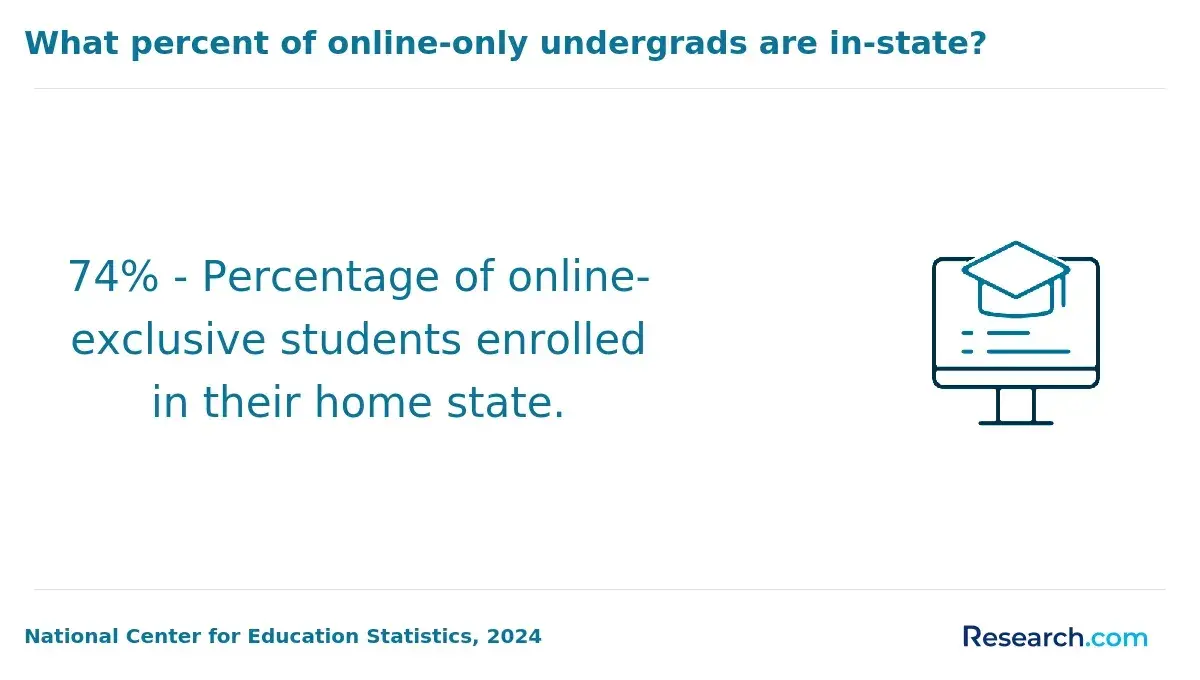
Graduation timelines for Christian Counseling degrees differ markedly between full-time and part-time enrollment due to variations in course load and study intensity. Full-time students typically complete their degrees within two to three years, benefiting from a steady accumulation of credits each term and sustained academic momentum. In contrast, part-time enrollees often extend their studies over four to six years, as they balance academic demands alongside professional, family, or personal responsibilities, which slows credit acquisition and disrupts continuity. According to data from the National Center for Education Statistics in 2024, the gap in time to degree completion reflects not just enrollment status but how effectively students maintain consistent engagement with program requirements.
Several intertwined factors shape these divergent timelines beyond credit hours alone. Program structures tailored for working adults frequently incorporate evening or online classes, offering flexibility but potentially elongating course sequences. Part-time students must navigate course availability constraints and often pause or reduce their course load during life events, which can fragment their study progression. Full-time students benefit from a more rigorous and immersive schedule, which reinforces sustained learning habits and timely sequencing of prerequisite courses, thereby supporting more efficient path completion. Meanwhile, part-time learners trade speed for adaptability, which may be essential for those with substantial external commitments but risks prolonging graduation and complicating retention of material.
Enrollment decisions also carry significant implications for financial planning and workforce entry. Full-time study, while often requiring higher upfront tuition and living expenses, generally facilitates quicker credential attainment, allowing earlier entry into counseling roles amid growing demand in healthcare and social services. Conversely, part-time study may spread out tuition costs and reduce immediate financial pressure but can delay income generation opportunities linked to degree completion. Employers frequently recognize the practical experience gained by part-time students working alongside coursework, yet they also tend to value the demonstrated time management and commitment reflected in accelerated graduation through full-time study. These dynamics suggest that prospective students must weigh academic pacing against personal circumstances and career timing to optimize both educational and professional outcomes.
Do Online Christian Counseling Students Graduate Faster Than Campus-Based Students?
There is a common perception that online Christian Counseling students may graduate more quickly than those attending campus-based programs, but the reality is more nuanced. According to the National Center for Education Statistics 2024 report, online students in counseling fields average about 4.3 years to complete their degree, slightly faster than the 4.5 years reported for traditional students. This difference, while measurable, is influenced by a range of institutional and student-specific factors, making it inaccurate to generalize that all online students finish sooner. Completion times can vary widely depending on program requirements, pacing options, and individual circumstances rather than modality alone.
The pace at which students graduate in either format is shaped by key elements like the degree of scheduling flexibility, program structure, and student enrollment status. Online programs often offer self-paced or accelerated course options, which benefit those balancing work or family commitments, potentially allowing continuous progress without semester breaks. Conversely, campus programs may provide more structured timetables and face-to-face mentoring, which assist students who thrive on consistent schedules but may limit acceleration. Additionally, internship and practicum placements, common in Christian Counseling curricula, can add variable timelines in both formats depending on local availability and student initiative. Part-time enrollment, often more prevalent online, naturally extends completion times while accommodating real-life demands.
Choosing between online and campus learning also affects how students manage academic discipline and time. Online learners must often exercise greater self-regulation and technological adaptability to meet deadlines independently. Campus students benefit from on-site peer interaction but may face rigid class times that conflict with outside obligations, impacting progression speed. Given these tradeoffs, the marginally faster average graduation seen in online counseling students primarily reflects scheduling flexibility rather than innate format superiority, underscoring the importance of aligning program demands with individual learning habits and career goals.
One graduate recalled hesitating to commit quickly during the rolling admissions process for an online Christian Counseling program. They waited for official enrollment dates to clarify, aware that starting even a semester late could push their expected completion further out. Balancing the urgency to begin with the need for adequate preparation created initial uncertainty. Eventually, they enrolled full-time once all transfer credits were confirmed, recognizing that although the online pathway allowed flexible pacing, early and clear decisions about course load were critical to avoid extending their timeline more than necessary.
How Many Months or Years Can Transfer Credits Save?
Transfer credits can significantly shorten the time necessary to complete a Christian counseling degree, with savings ranging from several months to more than a year depending on the number of credits accepted and how well they align with degree requirements. Generally, programs require about 120 semester credits for degree completion, so students transferring between 30 to 60 credits bypass roughly one to two years of full-time study. However, the actual months or years saved vary widely because transfer credit benefits hinge on detailed institutional evaluations, not just credit volume. Data from 2024 highlights that transfer students often save between 6 to 18 months compared to those starting fresh, reflecting the broad variability in credit acceptance policies across institutions and program formats.
The extent of time saved through transfer credits largely depends on factors such as accreditation compatibility, strict course equivalency standards, and residency requirements mandating the completion of specific core courses on campus or online. Many programs enforce maximum transferable credit limits and differentiate between general education and major-specific courses, which restricts the total applicable credits toward counseling competencies. Additionally, transfer credit acceptance varies according to how prior coursework aligns with professional counseling prerequisites, affecting both academic progression and practical preparation. Those navigating credit transfers must consider these institutional policies carefully, as inconsistent evaluation processes between providers often mean that similar previous coursework may or may not shorten degree timelines. This nuance is crucial for understanding realistic expectations around how many months or years transfer credit can save in Christian Counseling programs.
Beyond accelerated graduation timelines, transfer credits also influence academic planning and financial considerations. Efficient sequencing of remaining required courses is essential to maintain enrollment momentum, while differing institutional credit policies may impact tuition costs and the overall affordability of the program. Prospective transfer students in Christian counseling should collaborate closely with advisors and verify credit transfer rules upfront to balance time saved with comprehensive coverage of counseling skills and required practicum experiences. For those comparing educational pathways, resources like online associate radiology tech programs provide perspective on how credit transfer functions in related healthcare and counseling education contexts, informing better decisions about transfer credit benefits in Christian Counseling degree pathways.
Do Accelerated Christian Counseling Programs Significantly Reduce Completion Time?
Accelerated Christian Counseling programs aim to reduce the typical duration of master's degrees by compressing course schedules, increasing credit loads per term, or allowing continuous enrollment throughout the year. These pathways propose to shorten the traditional 2 to 3-year timeline down to approximately 12 to 18 months. Their design focuses on condensing curriculum delivery, enabling motivated students to advance more quickly through required coursework and clinical training elements. However, the structural intent to hasten completion does not universally translate into equivalent time savings for all participants due to various academic and personal factors.
The actual reduction in time depends heavily on how course intensity and sequence are managed, as well as whether critical experiential requirements remain fixed in length. While accelerated tracks may permit heavier credit loads per term, prerequisites and practicum or internship hours seldom change in duration, limiting how much overall acceleration is feasible. Students must also navigate scheduling complexities, work obligations, and program policies around part-time study or transfer credits, which can offset anticipated gains from a compressed curriculum. Thus, meaningful time savings are often contingent on a student's capacity to sustain an intensified workload without interruptions or delays in progression through required supervised clinical hours.
These programs come with trade-offs in workload and flexibility; the pace can increase stress and diminish opportunities for deeper engagement with material or experiential integration. Additionally, accelerated formats may restrict part-time enrollment options, reducing accommodation for balancing commitments outside school. Consequently, when evaluating accelerated Christian Counseling programs, it is vital to consider how these structural and personal constraints influence not just calendar time, but also the quality and depth of training received over the course of study.
One graduate recounted navigating the rolling admissions cycle with notable hesitancy after choosing an accelerated Christian Counseling program. Initially eager to start immediately, the student discovered that application reviews, prerequisite verifications, and scheduling alignments caused unexpected delays. This person balanced urgency with caution, weighing the pressure to expedite completion against the reality of waiting for official acceptance and course placements. Ultimately, this experience highlighted that while accelerated programs promise quicker paths, administrative processes and preparation stages can introduce as much uncertainty and timing variability as traditional formats.
Employer Confidence in Online vs. In-Person Degree Skills, Global 2024

Which Christian Counseling Program Requirements Most Often Extend Graduation Timelines?
Extended graduation timelines in Christian Counseling programs are frequently driven not by total credit load but by embedded mandatory components integral to professional readiness. These key requirements uphold program rigor and align with employer expectations for clinical competence, yet they introduce operational and scheduling constraints that affect student progression. Recognizing how institutional policies and academic sequencing interact with student circumstances is crucial to understanding timeline variability across programs.
- Practicum or Internship Hours: Programs typically mandate 300 to 600 supervised clinical hours to ensure applied competency. This requirement often dictates a fixed scheduling framework, limiting flexibility for students balancing work or family obligations and causing significant enrollment bottlenecks. According to the U.S. Bureau of Labor Statistics and Lightcast 2024 labor market data, nearly half of students in counseling degrees experience delayed graduation due to scheduling conflicts with their practicum.
- Comprehensive Exams and Capstone Projects: These milestones demand focused preparation and synthesis of complex theoretical and ethical knowledge. As institutions often schedule exams at specific intervals, students must align their course completion and study time accordingly. The pressure to master diverse counseling frameworks and ethical standards can extend academic timelines, particularly for those managing concurrent jobs.
- Specialized Coursework Load: Advanced courses emphasizing research methods, counseling techniques, and certification preparation require deep engagement and often structured progression. These courses may not be offered every term, creating sequencing delays. Transfer students and working adults frequently encounter challenges fitting these intensive classes into their schedules without lengthening total program duration.
- Institutional Academic Policies: Many programs enforce credit hour caps per semester or require predetermined course sequences that restrict accelerated progression. Such policies aim to maintain academic quality but can inadvertently prolong completion for motivated students attempting to expedite their studies.
- Certification and Licensing Preparation: Specific courses and exam preparations aligned with state licensure standards add layers of required content and assessments. The complexity and rigor of these requirements often necessitate extended study periods beyond standard credit accumulation, especially when coordinating with professional exam schedules.
The compounding effect of these structured, sequential requirements explains why many Christian Counseling students experience graduation extensions despite maintaining standard credit loads.
Does Taking Longer to Graduate Increase the Cost of a Christian Counseling Degree?
Extended completion timelines in Christian Counseling degree programs often increase total tuition and related costs, particularly when students are billed per term or credit hour. Programs with per-semester charges require payment for each enrolled term, so taking longer typically accumulates higher tuition and fees, especially if course loads are lighter due to part-time study. Students who exceed the typical program duration may also lose access to certain financial aid packages, scholarships, or employer tuition assistance benefits linked to on-time progression. Additional expenses such as textbook costs, technology fees, and administrative charges can compound during extended enrollment. The impact of these factors is reflected in data from the National Center for Education Statistics, showing students with extended timelines pay notably more over time, illustrating how longer Christian Counseling degree cost increase with extended graduation periods.
However, the degree cost increase with longer completion times is not uniform across all programs. Some institutions offer flat-rate tuition models where costs remain stable regardless of course load or term count, reducing financial penalties for slower pacing. Employer tuition reimbursement programs and flexible enrollment options may also offset incremental expenses, especially for working adults balancing professional commitments. Decisions to take fewer courses per term can spread financial burden but may extend opportunity costs by delaying entry into counseling roles that offer competitive salaries ranging broadly depending on region and employer. For students weighing extended timelines, assessing institutional pricing policies alongside real-world earning potential is crucial. Prospective and current students can benefit from exploring resources like cheapest psych NP programs for parallel insights into affordable paths within related healthcare fields.
Does Graduating Faster Improve Career Prospects?
Graduating faster from a Christian Counseling degree program can provide earlier access to the job market, allowing candidates to begin their career journey and pursue licensure requirements sooner. This accelerated entry may reduce opportunity costs, particularly for working adults or transfer students managing multiple responsibilities. However, employers rarely assess candidates based solely on the speed of degree completion; instead, they consider how a graduate's timeline affected practical training and readiness. The impact of Christian Counseling degree completion time impact on career advancement depends largely on how well the accelerated schedule balanced academic achievement with relevant hands-on experience.
Key factors influencing whether faster graduation improves career prospects include the extent and quality of internships, practicum hours, and fieldwork that develop critical counseling skills. Hiring managers prioritize a candidate's portfolio of real-world experiences, competence demonstrated during supervised training, and professional certifications over rapid degree completion. Additionally, networking opportunities during a traditional program can be more plentiful, strengthening both mentorship and job placement possibilities. Alignment with labor market demand and demonstrated skill mastery typically outweigh how quickly a degree was earned in employer evaluations.
When considering faster Christian Counseling degree completion, students should weigh the trade-offs between reducing time and tuition costs and securing comprehensive experiential learning. Accelerated programs may benefit non-traditional students by minimizing time out of the workforce but could limit the depth of practical exposure crucial for long-term career success. For nuanced guidance on choosing educational pathways, prospective students might compare alternatives, including options such as which nurse practitioner program is easiest, to understand broader implications of program duration and workforce readiness.
Which Scheduling Mistakes Commonly Delay Graduation?
Graduation delays in Christian Counseling degree programs frequently result from scheduling and planning errors rather than purely academic difficulty. These mistakes affect students at all program levels and formats, undermining consistent progression toward degree completion. Understanding how misaligned course sequencing, prerequisite timing, and enrollment choices impact institutional degree requirements is essential to avoid disrupting academic momentum.
- Poor Prerequisite Scheduling: Failing to plan prerequisite courses in the correct semester blocks enrollment options for subsequent required classes, forcing students into gaps or repeated terms with little progress. This issue is common because Christian Counseling programs often build sequentially, requiring careful mapping across multiple semesters.
- Overloading Coursework Without Capacity: Taking on excessive credits while balancing work or family responsibilities leads to burnout or dropped classes, which extend overall time to degree through repeated coursework or forced breaks in enrollment. Many working students underestimate this impact.
- Inconsistent Enrollment Patterns: Shifting frequently between full-time and part-time status disrupts smooth credit accumulation. According to the National Student Clearinghouse Research Center's 2024 data, such fluctuations increase graduation timelines by approximately 25% compared to students maintaining steady full-time enrollment.
- Credit Transfer Misalignment: Transfer students often encounter unanticipated additional courses when credits do not align precisely with program requirements. Without early advising and credit evaluation, these students face extended timelines to satisfy core curricula.
- Skipping Semesters or Delayed Enrollment: Interruptions in continuity, such as skipping semesters due to personal circumstances or financial challenges, impede academic momentum and occasionally lead to loss of course offerings or prerequisite alignment, further delaying graduation.
These scheduling pitfalls reflect how Christian Counseling programs' structured curriculum and prerequisite chains demand proactive academic planning and communication with advisors to prevent staggered progress and lengthened degree timelines.
Other Things You Should Know About Christian Counseling
Practicums and supervised counseling hours are often mandatory components that can significantly extend degree completion time if not planned carefully. These experiences require coordination with approved sites and supervisors, which may delay progress if placements are scarce or scheduling conflicts arise. Students should prioritize early and proactive arrangements to minimize disruptions and ensure that fieldwork aligns smoothly with academic coursework, as these hours are closely scrutinized by employers and licensing bodies in evaluating readiness.
While shorter programs may appeal due to reduced time and potential costs, prioritizing program quality often yields better long-term outcomes in licensure eligibility and employability. Rigorous curricula with robust clinical training better prepare graduates for complex counseling roles, even if this means a longer completion time. Prospective students should weigh whether accelerated timeline options compromise practical skills or supervisor contact hours, as these elements influence employer confidence and career advancement.
Balancing part-time work or family obligations typically extends the timeline due to limited availability for coursework and field placements. However, students who must maintain income or caregiving should consider programs with flexible scheduling or asynchronous online components to mitigate delays. Prioritizing programs that explicitly support adult learners with such responsibilities can reduce dropout risks, but accepting a longer time to degree may be a necessary tradeoff for sustainable progress.
In 2027, students pursuing a Christian counseling degree typically take between three to four years to graduate. Program variations and individual circumstances, such as part-time attendance or family responsibilities, can extend this timeframe. Institutions outline degree pathways, but students' unique situations often lead to variations in completion time.