2027 Criminal Justice Degree Completion Time Report: How Long Students Actually Take to Graduate

Co-Founder and Chief Data Scientist
Completion timelines for criminal justice degrees often diverge significantly from published program lengths due to varied real-world challenges. Students frequently balance employment, family obligations, and financial constraints that extend their time to graduation. Transfer credits, part-time enrollment, and interruptions from personal or professional circumstances reshape progression in ways not captured by traditional models. Recent data from the National Student Clearinghouse Research Center (2024) highlight a growing trend of extended degree timelines across social science fields, reflecting complex student pathways rather than straightforward progression.
Understanding these multifaceted influences sheds light on the realistic duration that criminal justice students face before earning their degrees. This article presents a grounded analysis of how long students actually take to complete a criminal justice degree. It explores common factors affecting graduation timelines and uncovers patterns essential for students and planners seeking informed perspectives on academic planning and career impact within this field.
Key Things to Know About Criminal Justice Degree Completion Time
- Most students take longer than the advertised program length. Only about 45% of first-time, full-time bachelor's students graduate within four years, while roughly 64% finish within six years, making the actual completion time longer for many learners.
- The average college graduate is often older than expected. The median age of bachelor's degree recipients is around 23 years, while master's degree recipients are typically in their early 30s, reflecting the growing number of adult and returning students.
- Completing a degree can significantly increase lifetime earnings. Workers with a bachelor's degree earn roughly 65% more per week than those with only a high school diploma, and graduate degree holders typically earn even higher median wages over their careers.
- What Is the Average Graduation Time for Criminal Justice Students? Average Graduation Timeline
- What Factors Have the Biggest Impact on Graduation Speed? Graduation Timeline Factors
- How Does Full-Time Versus Part-Time Enrollment Affect Graduation Timelines? Full-Time vs. Part-Time Graduation Timeline
- Do Online Criminal Justice Students Graduate Faster Than Campus-Based Students? Online vs. On-Campus Timeline
- How Many Months or Years Can Transfer Credits Save? Transfer Credits
- Do Accelerated Criminal Justice Programs Significantly Reduce Completion Time? Accelerated Program Timeline
- Which Criminal Justice Program Requirements Most Often Extend Graduation Timelines? Factors Extending Graduation Timeline
- Does Taking Longer to Graduate Increase the Cost of a Criminal Justice Degree? Impact on Program Cost
- Does Graduating Faster Improve Career Prospects? Impact on Career Prospects
- Which Scheduling Mistakes Commonly Delay Graduation? Mistakes to Avoid
What Is the Average Graduation Time for Criminal Justice Students?
Typical graduation timelines for criminal justice students show notable variation, though full-time enrollment commonly leads to degree completion in roughly four years, consistent with traditional undergraduate programs in the United States. However, many students do not fit this standard path; part-time learners, often balancing work or family obligations, frequently extend their studies closer to six years. The average time to complete a criminal justice degree thus reflects diverse enrollment patterns rather than a single benchmark, according to a 2024 national higher education report highlighting that a significant share of students take longer than the traditional four years to earn their degree.
Several factors influence these variations in graduation timelines, beginning with course load and program design. Students carrying fewer credits per term, either by choice or necessity, naturally progress more slowly, especially when juggling responsibilities outside academics. Transfer students may face additional delays when previously earned credits do not align precisely with degree requirements, demanding extra coursework. The structure of programs - such as availability of required courses, and whether internships or certifications necessary for employment in law enforcement or corrections are integrated - also affects pacing.
Further, the increasing prevalence of online or hybrid formats offers flexibility that benefits working adults but can elongate overall completion time. Practical experience components valued by employers often require students to invest additional semesters beyond classroom instruction, reflecting a tradeoff between speed and job readiness.
Understanding how these dynamics shape individual academic trajectories aids in realistic planning and resource allocation, affecting financial commitments and timing of workforce entry. Students who prioritize on-time graduation must navigate institutional policies and credit evaluation rigorously, while those pursuing internships or part-time attendance must balance extended durations against skill-building benefits.
For those exploring alternative pathways, options such as MSN to DNP programs online provide examples of how flexibility intersects with timeline considerations in professional fields, illustrating broader trends in higher education delivery. Awareness of the interplay between enrollment behavior, curriculum demands, and career preparation helps prospective criminal justice students set informed expectations beyond simple duration averages.
What Factors Have the Biggest Impact on Graduation Speed?
Graduation speed in criminal justice degree programs hinges on an interplay of academic planning decisions, enrollment patterns, program structure, and individual circumstances rather than a single determining factor. This complexity means that two students in the same program can experience vastly different timelines depending on how these variables align. Students who understand these influences can better navigate choices regarding course load, enrollment status, and program format to align with their personal and professional commitments.
- Enrollment Status and Course Load: Full-time enrollment typically accelerates graduation pace by enabling students to complete required credits within standard semester frameworks. Part-time students, often balancing jobs and family responsibilities, generally extend their time to degree, with data from the National Center for Education Statistics showing only about 15% of part-time criminal justice students graduate within four years compared to 40% of full-time peers. The choice between full- and part-time status directly affects workload distribution and the feasibility of continuous academic progression.
- Transfer Credits and Institutional Policies: Prior academic credits can reduce degree length if efficiently recognized by the institution. Variability in credit articulation agreements and transfer acceptance procedures, however, may delay students due to credit evaluation backlogs or course mismatches. Clear transfer pathways lessen redundancy and can shorten timelines by up to a year, but inconsistent policies often require students to retake courses, impacting overall speed.
- Program Format and Scheduling Flexibility: Accelerated and competency-based criminal justice programs provide opportunities to finish sooner by condensing coursework or allowing mastery-based pacing. Conversely, traditional semester models with fixed course offerings and mandatory practicum hours impose rigid timelines that can prolong completion. Programs with online components tend to offer more schedule flexibility, enabling motivated learners to manage concurrent professional or personal obligations more effectively.
- Financial Aid and External Obligations: Interruptions in funding or shifts in external responsibilities such as employment changes or caregiving duties often force students to pause or reduce course loads. Such breaks typically extend degree timelines and disrupt the momentum required for timely graduation. The practical realities of financing education and life demands are crucial considerations shaping how quickly students can maintain sustained academic progress.
- Academic Planning and Institutional Support: Proactive degree planning including early identification of prerequisite requirements, internship sequencing, and alignment of course availability prevents unnecessary delays. Institutions that provide robust advising and clear program roadmaps facilitate smoother navigation through the curriculum. Poor planning or lack of institutional guidance often results in course bottlenecks or missed semesters, lengthening time to degree.
These factors collectively demonstrate why enrollment status and program format affect criminal justice graduation timelines differently for each student, reflecting the broader dynamics of workload balance, institutional policy, and real-world constraints. For those seeking pathways with flexibility or efficiency, tools such as the nursing school without entrance exam market show how alternative models can influence educational pacing outside traditional frameworks, a relevant consideration for cross-disciplinary transfer students or those comparing similar degree structures.
How Does Full-Time Versus Part-Time Enrollment Affect Graduation Timelines?
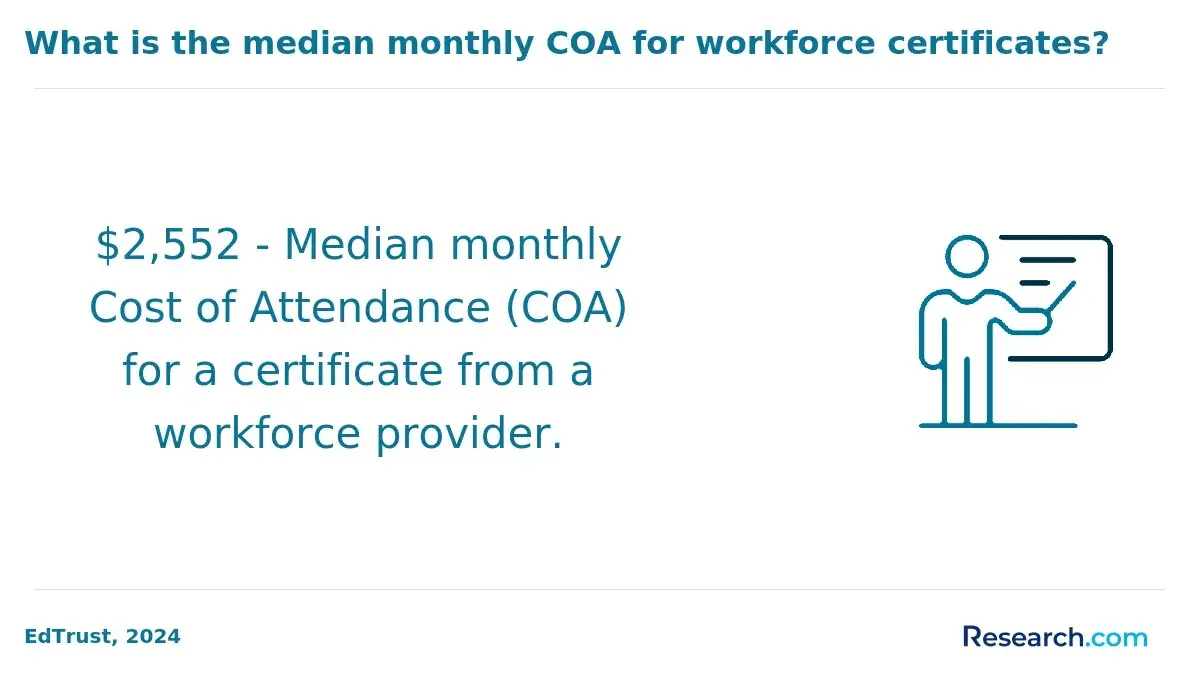
Graduation timelines for criminal justice degrees differ markedly based on whether a student is enrolled full-time or part-time. Full-time students typically complete bachelor's programs within the standard four-year period, as their course load allows steady accumulation of credits each semester. In contrast, part-time students often extend their studies to six or more years, a trend confirmed by recent data from the National Center for Education Statistics showing a significant portion of part-time undergraduates require double the time to finish. This divergence reflects how enrollment intensity shapes academic momentum, with full-time status fostering more predictable progress and earlier degree attainment.
The length of time to graduate is influenced by multiple interrelated factors beyond just credit load per term. Course sequencing and program structure impact how efficiently students can advance; rigid prerequisites or limited course availability may slow progress, particularly for part-time learners. Program delivery format also matters-online or hybrid models might offer greater flexibility, though balancing such options against work and family commitments remains a delicate negotiation. Many part-time students juggle external responsibilities, introducing interruptions or lighter semesters that stretch the timeline, while full-time students face a denser workload requiring sustained focus and capacity for academic intensity.
Enrollment decisions have broader implications affecting financial planning and workforce entry timing. Full-time students incur concentrated tuition expenses and often assume fewer balancing demands, enabling quicker labor market access-an advantage employers view favorably when assessing readiness and persistence. Conversely, part-time pathways may lessen immediate financial strain but risk delaying career advancement due to protracted academic schedules. Understanding these tradeoffs enables students and policymakers to align educational choices with realistic expectations about pacing and the practical realities of navigating criminal justice careers amidst life's competing demands.
Do Online Criminal Justice Students Graduate Faster Than Campus-Based Students?
Online criminal justice students are often perceived to complete their degrees more quickly than those attending traditional campus programs, largely due to the inherent flexibility of online education. Recent data from the National Center for Education Statistics (2024) supports this view, showing about 58% of online students graduate within four years compared to 49% of campus-based peers. However, this outcome is far from uniform. Individual circumstances, such as work commitments and family responsibilities, greatly influence pacing, and some on-campus programs with structured cohorts can drive timely graduations that rival or even exceed online completion rates.
Graduation speed hinges on factors including course availability, enrollment status, and program demands. Online students benefit from accelerated formats, year-round course offerings, and the ability to study asynchronously, allowing for more individualized pacing. Conversely, campus-based students often face fixed semester schedules and on-site attendance requirements, which can extend completion times but also provide consistent academic support and easier access to internships or practicum experiences. The balance between full-time and part-time enrollment, as well as how students manage workload alongside external responsibilities, further shapes how quickly degrees are earned in both modalities.
Choosing between online and campus-based criminal justice programs also affects students' approaches to discipline and time management, with online formats demanding greater self-motivation and organization. These differences influence not just graduation timelines but also the timing of workforce entry, where delays or accelerations in earning credentials have tangible impacts on career progression. Understanding these dynamics helps prospective students align their educational paths with personal circumstances, optimizing both academic success and post-graduate outcomes.
A graduate recalling their admissions experience described navigating a rolling admissions timeline that stretched for months. They hesitated initially, weighing the uncertainty of acceptance dates against work obligations and financial planning. Only after clarifying the deadline constraints and understanding the flexibility in course start dates did they commit to an online criminal justice program. This measured approach allowed them to minimize delays, balancing preparation time with a realistic enrollment window, underscoring how strategic timing decisions during admissions can influence overall completion speed.
How Many Months or Years Can Transfer Credits Save?
Transfer credits can substantially reduce the overall time required to complete a criminal justice degree, with time savings typically ranging from several months to over a year, contingent on the quantity and relevance of the credits transferred. Data from the National Student Clearinghouse Research Center indicates students transferring significant credits from accredited institutions often finish approximately 12 to 18 months sooner than those who start without prior credits.
These accelerated timelines result primarily because transfer credits frequently satisfy foundational general education or introductory criminal justice requirements, allowing students to bypass entry-level courses and concentrate on advanced topics and electives. Incorporating transfer credits strategically can reshape educational pacing for working adults and transfer students, directly influencing their program duration and cost.
The actual time saved depends heavily on institutional policies, including accreditation compatibility, course equivalency standards, and residency requirements. Many programs enforce credit caps-often 60 to 75 credit hours-that limit how many transferred credits count toward the criminal justice major, restricting the potential acceleration. Furthermore, discrepancies between prior coursework and program-specific core competencies or practicum obligations can reduce credit applicability, affecting how much of the transfer portfolio counts toward graduation requirements. These variables contribute to broad variability in outcomes, highlighting that transfer credit impact on criminal justice degree duration is not uniform but rather shaped by nuanced academic credit evaluation processes and institutional discretion.
Beyond shortening time-to-degree, transfer credits influence academic planning, financial expenditure, and course sequencing. While reducing total tuition costs is a common benefit, students must often carefully balance remaining course requirements to avoid bottlenecks that prolong the remaining semesters. Transfer students should recognize that relying heavily on transferred credits may necessitate supplemental, up-to-date training to meet employer expectations in a dynamic field.
For some students, exploring options such as an online ASN program demonstrates similar considerations around credit transfer and time savings, underscoring the cross-disciplinary relevance of understanding transfer credit impact on degree timelines.
Do Accelerated Criminal Justice Programs Significantly Reduce Completion Time?
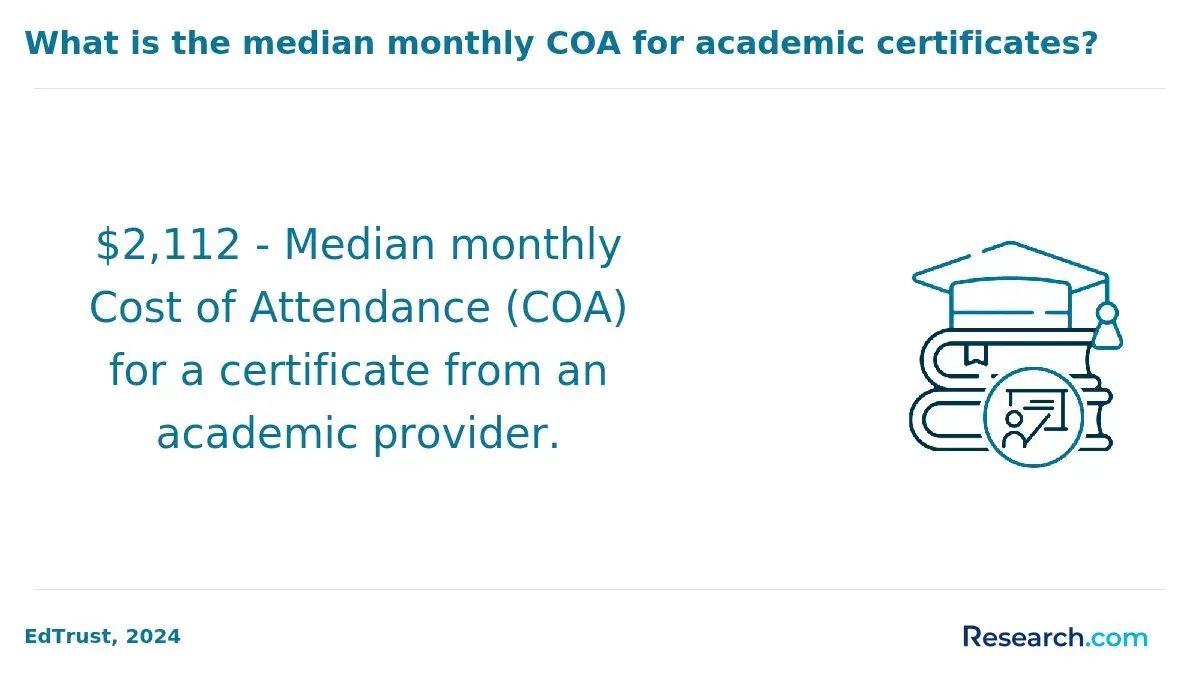
Accelerated criminal justice programs aim to compress the traditional degree timeline by increasing course density and offering more continuous scheduling options, such as shorter terms or year-round classes. They are structured to provide credentialing in notably less time than standard four-year tracks, often targeting reduction of roughly 20-30% in total completion time. This approach leverages intensified pacing through heavier credit loads per term and minimized breaks to facilitate a faster progression through core and elective requirements.
Whether these programs deliver meaningful time savings depends on several critical variables including course sequencing, how credits transfer, and fixed experiential components like internships or capstone projects that often retain standard duration requirements. Even with accelerated pacing, prerequisite dependencies and institutional limits on maximum course loads may constrain the actual compression of the timeline. For example, a program demanding consecutive prerequisites or maintaining unpaid field experiences with fixed hours might impede finishing faster despite shorter semesters. The design balance between workload intensity and structural flexibility largely determines if accelerated tracks surpass conventional programs in reducing total calendar time.
This compression of curriculum can carry significant trade-offs: heavier terms reduce downtime between classes and may restrict deeper engagement with complex subject matter, affecting retention and practical skill development. While the option to enroll in online or evening courses can enhance access and scheduling flexibility, the relentless pace may stress students juggling work or family obligations. The real-world efficacy of accelerated programs lies in their fit with an individual's capacity for intense study and their professional priorities, rather than in the promise of faster completion alone.
One former accelerated criminal justice student recalls feeling torn during the admissions process due to rolling application deadlines. Initially applying early, the student hesitated amid waiting for final transcripts and last-minute prerequisite clearances, causing delays in acceptance notifications. The compressed term start dates added pressure to decide quickly, leaving little margin for preparation. Reflecting back, they acknowledged the admission timing uncertainty was as challenging as the academic pace itself, influencing their strategic planning more than anticipated and underscoring that accelerated programs demand meticulous coordination beyond coursework alone.
Which Criminal Justice Program Requirements Most Often Extend Graduation Timelines?
Graduation timelines in criminal justice programs often extend due to specific curriculum components rather than simply the total credit load. These requirements are designed to ensure comprehensive professional preparation and maintain program quality but frequently impose scheduling constraints and increase time-to-degree. Understanding how these elements affect student progression helps clarify why many individuals take longer than the traditional four years to complete their degrees.
- Internship or Practicum Requirements: Mandated field experiences are central to criminal justice training, providing essential real-world exposure. However, such placements usually demand substantial weekly hours over several weeks or an entire semester, complicating scheduling for students balancing employment or personal commitments. According to a 2024 Lightcast report, about 63% of accredited programs include these intensive practicum components, making them a common cause of extended timelines.
- Specialized Elective Courses: Programs increasingly integrate electives focused on evolving sectors like cybersecurity, forensic sciences, and homeland security. These electives, while enhancing employability, typically add credits beyond the core curriculum, pushing students to fit in additional coursework that may not align neatly with standard academic planning, especially for part-time or transfer students.
- Transfer Credit Evaluations: Nearly half of criminal justice undergraduates transferred credits from other institutions in 2024, according to the U.S. Bureau of Labor Statistics. Articulation challenges often lead to delayed progress as transfer credits may not fully satisfy program-specific requirements, necessitating extra semesters to complete mandated courses or prerequisites unique to the new institution.
- Capstone Projects and Comprehensive Exams: Complex final assessments are designed to synthesize knowledge but can become significant bottlenecks. The significant preparation these require may extend completion times, particularly if students must retake components or balance them alongside other academic or life responsibilities.
These requirements reflect a deliberate educational design that prioritizes applied skills and industry alignment but do introduce pacing limits that vary based on institutional policies and student circumstances. Realistic planning around these elements can better equip students to anticipate possible delays and align their academic and professional goals.
Does Taking Longer to Graduate Increase the Cost of a Criminal Justice Degree?
Taking longer to graduate from a criminal justice degree program generally increases total tuition and associated expenses, particularly when institutions charge students on a per-term basis or adjust fees with rising tuition rates over time. Students who extend their enrollment beyond traditional four-year tracks may also face reduced eligibility for financial aid, which often imposes limits on maximum semesters or credit hours covered. These financial structures, combined with additional fees for retaking courses or meeting updated curriculum requirements, contribute to higher cumulative costs.
Moreover, extended timelines delay the entry into the workforce, affecting opportunity costs that compound the direct tuition burden. Understanding criminal justice degree cost based on graduation time requires considering these enrollment and funding dynamics alongside tuition policies.
However, extended graduation does not always translate into significantly higher expenses under certain conditions. Programs with flat-rate tuition models or those offering part-time enrollment pricing can mitigate per-term cost increases, especially when students strategically manage their course loads. Employer tuition assistance or flexible pacing policies may also ease financial strain for working adults balancing study with professional responsibilities. Nevertheless, enrollment decisions and adjustments directly shape the overall financial impact, emphasizing the importance of planning to avoid prolonged timelines where possible. Keeping these factors in mind can help students and planners evaluate how extended graduation affects criminal justice tuition fees within the context of evolving academic and economic realities.
For those considering parallel healthcare roles, exploring options like becoming a functional nurse practitioner reflects the growing demand across healthcare systems and highlights alternative career pathways.
Does Graduating Faster Improve Career Prospects?
Graduating faster from a criminal justice degree program can allow students to enter the workforce sooner and potentially begin job hunting earlier than peers who take the average 4.5 to 5 years to complete their degrees. However, employer hiring practices rarely prioritize the speed of graduation alone when evaluating candidates. Instead, the timing advantage is usually secondary to demonstrated competencies, relevant experience, and practical training. Speedy completion may provide some benefit in time-sensitive roles, but it is not a primary hiring signal within criminal justice fields.
The impact of early degree completion on criminal justice job opportunities largely depends on factors beyond just finishing quickly. Employers often seek candidates with internships, certifications, a strong skill set, and professional networking aligned with workforce demands. Those who graduate faster but lack practical experience or networking connections might find limited long-term advantages compared to candidates with deeper, more varied exposure within the field. The nuanced balance of academic performance, hands-on training, and industry engagement determines whether accelerated graduation translates into stronger career prospects.
Students should weigh the trade-offs between speeding through their curriculum and fully developing career-relevant experience, recognizing that longer programs may cultivate resilience, time management, and greater expertise. The emphasis remains on strategic workforce signaling and comprehensive preparedness rather than simply finishing early.
For those exploring related fields with specialized clinical requirements or certifications, such as mental health careers, understanding timing alongside practical readiness is essential-as seen in fields covered by best online psychiatric mental health nurse practitioner programs. Balancing graduation timelines with experiential depth offers the best route to meaningful, lasting career development in criminal justice.
Which Scheduling Mistakes Commonly Delay Graduation?
Graduation delays in Criminal Justice programs often stem less from academic difficulty and more from avoidable scheduling and planning errors during enrollment and course selection. These issues impact students across degree levels and learning formats alike, disrupting steady academic progress. Recognizing how missteps in course sequencing, credit management, and institutional constraints compound is crucial for maintaining timely degree completion.
- Inconsistent Course Enrollment: Many students, especially working adults, enroll part-time or take fewer credits than recommended per semester. This slows overall progression, a factor reflected in the National Center for Education Statistics 2024 data showing only about 41% of bachelor's students graduate within four years.
- Poor Prerequisite Planning: Criminal Justice curricula rely heavily on sequential prerequisite chains that must be followed. Missing or delaying foundational courses like introductory criminology or research methods pushes back access to advanced electives, causing semester-long setbacks.
- Transfer Credit Misalignment: Transfer students face credit transfer inconsistencies; classes completed elsewhere may not fulfill core Criminal Justice requirements. This results in repeated courses or extended enrollment beyond initial expectations.
- Course Availability Constraints: Key Criminal Justice courses often fill quickly or run infrequently, sometimes only once annually. Late registration or insufficient advising can force students to wait for essential classes, interrupting intended academic timelines.
- Elective Overloading Irrelevant to Career Goals: Taking excessive electives unrelated to the Criminal Justice field or delaying upper-division coursework can dilute focus and delay readiness for workforce demands, undermining timely graduation and employability prospects.
Other Things You Should Know About Criminal Justice
Students who work full-time while pursuing a criminal justice degree often face extended completion times due to reduced course loads and limited flexibility in scheduling required classes. Employers in criminal justice sectors typically value practical experience but also expect foundational academic knowledge within a reasonable timeframe, so stretching the degree excessively can delay entry-level job eligibility. Prioritizing a manageable course load that fits work commitments without sacrificing academic performance is crucial to avoid burnout and ensure timely graduation with solid competencies.
In balancing work and studies, criminal justice students should explore flexible course schedules, such as evening or online classes, while closely managing their time. Prioritizing core courses initially can improve focus and efficacy, ultimately aiding in timely completion while accommodating employment commitments.
Internships and practicums are integral to many criminal justice programs but can add months to the completion timeline, largely because placements depend on availability and can't always align neatly with academic schedules. However, these experiences significantly enhance employability and professional readiness. Students should plan early to integrate these requirements efficiently-balancing timing to prevent delayed graduation while not forgoing valuable hands-on experience that employers consider essential.
Accelerating the criminal justice degree by taking heavier course loads or summer classes may shorten graduation time but can compromise depth of learning and capacity to absorb complex material critical in this field. This tradeoff risks weaker practical skills and conceptual understanding, which could hinder job performance and advancement. For most students, moderating pace to ensure comprehensive knowledge and competency yields better long-term career outcomes despite a slightly longer path to graduation.