
2027 Different Types of Finance Bachelor's Degrees: Specializations, Careers, and Salaries

Co-Founder and Chief Data Scientist
Choosing a finance bachelor’s degree is not just a question of “finance or not.” The bigger decision is which format, specialization, and career path fit your goals, schedule, risk tolerance, and expected return on investment. That choice matters because finance graduates often compete for roles with very different hiring standards, work environments, and compensation patterns. In a job market where 60% of finance graduates seek roles in investment management or corporate finance, students need a clear way to compare options before committing time and money.
This guide explains the main types of finance bachelor’s degree programs, common specializations, entry-level job options, salary differences, cost factors, and financial aid routes. It is designed for prospective students, transfer students, working adults considering an online or part-time program, and anyone trying to connect a finance degree with practical career outcomes.
Key Things to Know About Different Types of Finance Bachelor's Degrees
- Finance bachelor's degrees often specialize in areas like corporate finance, investment banking, or financial planning, each preparing students for distinct career tracks.
- Typical career pathways include financial analysts, portfolio managers, or personal financial advisors, with skills tailored to their specialization's demands.
- The average starting salary ranges from $55,000 to $70,000, with senior roles in investment banking or corporate finance exceeding $120,000 annually.
What Are the Different Types of Finance Bachelor's Degrees?
Finance bachelor’s degrees usually cover the same core subjects—financial accounting, corporate finance, investments, statistics, economics, business law, and financial analysis—but they differ in delivery format, pace, campus access, and flexibility. The right type depends on how you learn best, whether you work while studying, how quickly you want to graduate, and how important in-person recruiting is for your target career.
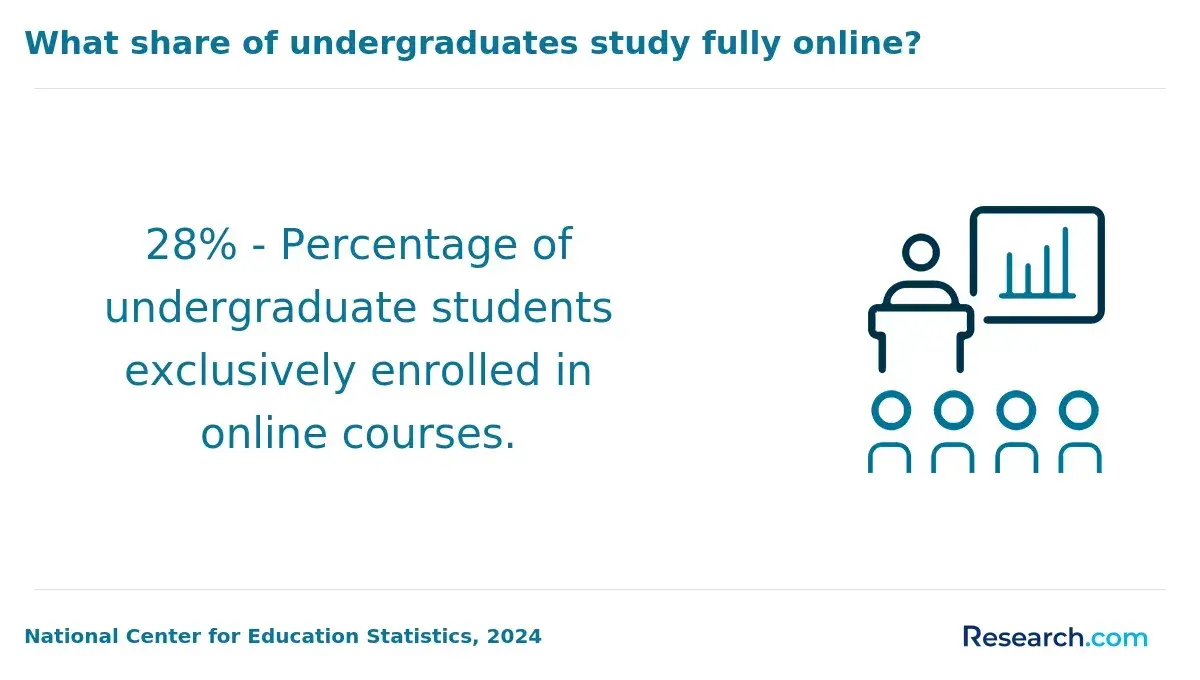
Nearly 40% of college students now use flexible or distance learning options, which makes program format an important part of the degree decision. A student targeting investment banking may value campus recruiting and alumni access, while a working adult moving into corporate finance may prioritize online flexibility and lower commuting costs.
- Traditional Programs: A traditional finance bachelor’s degree follows a standard four-year, on-campus schedule. Students attend classes in person, use campus resources, and often have easier access to career fairs, student investment clubs, faculty office hours, and alumni networking. This format can be especially useful for students seeking competitive internships.
- Accelerated Programs: Accelerated finance degrees allow students to finish faster by taking heavier course loads, summer terms, or year-round classes. They can reduce time away from the workforce, but the workload is demanding. Students considering this route should be confident in their math, accounting, and time-management skills.
- Online Programs: Online finance degrees deliver coursework through digital platforms and are often a strong fit for working adults, parents, military students, and students who cannot relocate. The best online options still include rigorous assignments, finance software exposure, career support, and opportunities to build a portfolio. Students can also compare related credentials, including online certifications that may support career advancement.
- Hybrid Programs: Hybrid finance programs combine online coursework with selected in-person meetings, labs, exams, or weekend sessions. This format can provide more structure than a fully online program while preserving flexibility. It may work well for students who want some campus connection without attending full time.
- Part-Time Programs: Part-time finance degrees spread coursework over a longer period. They are useful for students balancing employment, caregiving, or other responsibilities, but they require long-term planning. Students should ask how often required finance courses are offered and whether part-time pacing affects financial aid eligibility or internship timing.
Before choosing a format, students should verify accreditation, total program cost, transfer credit rules, internship access, and whether the school’s career services support online and part-time learners as actively as on-campus students.
What Specializations Are Available in a Finance Bachelor's Degree?
Finance bachelor’s degree specializations let students build depth in a specific area of financial work. More than 60% of finance undergraduates select a focused track that matches their career goals and strengths. A specialization can shape the electives you take, the internships you pursue, the software you learn, and the employers you target after graduation.
Students should choose a specialization based on the type of problems they want to solve. Some tracks are market-facing and fast-paced; others focus on planning, compliance, internal decision-making, or risk control. The most common options include the following:
- Corporate Finance: Corporate finance focuses on how companies raise, allocate, and manage money. Students study capital budgeting, financial statement analysis, forecasting, working capital, and risk management. This track fits students who want to work inside a business, advise management, and support decisions about investments, budgets, mergers, and growth.
- Investment Management: Investment management emphasizes asset allocation, portfolio construction, securities analysis, valuation, and market behavior. It is a strong match for students interested in investment research, asset management, wealth management, investment banking support roles, or analyst pathways that require strong quantitative and market analysis skills.
- Financial Planning: Financial planning centers on personal finance, retirement planning, tax strategies, estate considerations, insurance, and client advising. It suits students who enjoy explaining financial choices to individuals and families. Students considering graduate study should also review how programs evaluate prior coursework, since admission requirements for online finance master’s programs for non-finance majors may expect foundational exposure in related subjects.
- Risk Management and Insurance: This specialization prepares students to identify, measure, and reduce financial risk. Coursework may cover insurance principles, enterprise risk management, regulatory issues, and risk modeling. Graduates often pursue roles in banks, insurance companies, consulting firms, and corporate risk departments.
- International Finance: International finance covers foreign exchange, global capital markets, multinational financial management, trade finance, and cross-border regulatory issues. This path can be useful for students interested in multinational corporations, global banking, emerging markets, or finance roles that require understanding currency and geopolitical risk.
Students who plan to pursue graduate business education later can compare how different programs build leadership, analytics, and finance foundations. For example, prospective graduate students may want to review online executive MBA options when thinking about long-term advancement after a bachelor’s degree.
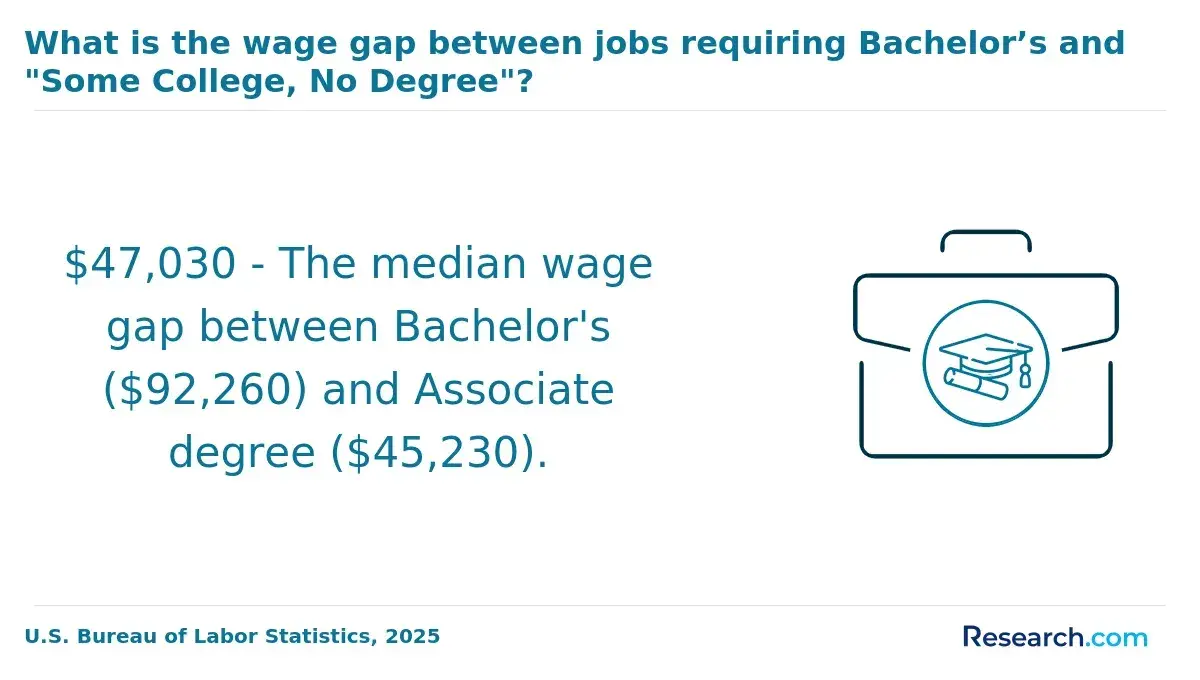
What Entry-Level Jobs Can I Get With a Finance Bachelor's Degree?
A finance bachelor’s degree can lead to entry-level roles in analysis, banking, advising, accounting-adjacent work, risk, and business operations. Data from the National Association of Colleges and Employers shows that about 70% of finance graduates find jobs within six months of finishing their degree. Outcomes still depend heavily on internships, GPA expectations, networking, technical skills, interview preparation, and local employer demand.
Common entry-level roles include:
- Financial Analyst: Financial analysts review financial statements, build forecasts, prepare reports, evaluate performance, and support budgeting or investment decisions. This is one of the broadest entry points because analysts work in corporations, banks, consulting firms, healthcare organizations, technology companies, and public agencies.
- Credit Analyst: Credit analysts assess whether individuals, companies, or institutions are likely to repay borrowed money. They review financial statements, credit histories, cash flow, collateral, and industry conditions. This role is a good fit for students who are detail-oriented and interested in banking, lending, or risk assessment.
- Investment Banking Analyst: Investment banking analysts support deal teams through market research, financial modeling, valuation work, due diligence, and presentation materials. These roles can be highly competitive and demanding, so students should build strong Excel, accounting, valuation, and communication skills early.
- Financial Planner or Advisor: Entry-level planners and advisors help clients understand budgets, savings goals, investments, retirement planning, and risk management. Success in this path requires technical knowledge and strong client communication. Some advising roles may also involve licensing requirements depending on duties and employer structure.
- Accountant or Auditor: Some finance graduates begin in accounting or audit-related roles, especially when they have taken substantial accounting coursework. Additional certifications are often needed for advancement in certain accounting careers, but these roles can build a strong foundation in compliance, internal controls, reporting, and business operations.
The strongest candidates usually combine classroom learning with practical evidence of skill: internships, finance club participation, case competitions, spreadsheet modeling projects, business analytics coursework, and clear examples of problem-solving. Students should also learn how to explain why their specialization fits the role they are pursuing.
One finance graduate described the first job search as both exciting and daunting. He spent weeks tailoring resumes, practicing technical interview questions, and translating class projects into employer-friendly examples. Some roles required learning new software and adapting to fast-paced teams, but that early experience helped him identify which part of finance best matched his strengths.
What Industries Pay the Most for Finance Graduates?
Finance salaries vary by industry because employers use finance talent in different ways. Industries that involve large transactions, complex valuation work, high client expectations, or direct revenue generation often pay more than roles focused mainly on internal reporting or administrative budgeting. Investment banking is commonly viewed as one of the top-paying sectors for finance graduates, and industry salary data show that median earnings in such fields often exceed the national average.
Three industries often associated with stronger compensation opportunities for finance graduates are:
- Investment Banking: Investment banking involves mergers and acquisitions, underwriting, capital raising, restructuring, and financial advisory work. Graduates in this sector often use financial modeling, valuation, market research, and presentation skills under tight deadlines. Compensation can be attractive, but the work may involve long hours, high pressure, and intense competition for entry-level roles.
- Private Equity and Venture Capital: Private equity and venture capital professionals evaluate investment opportunities, analyze companies, support portfolio decisions, and help businesses grow or restructure. This path requires strong valuation skills, strategic thinking, and comfort with uncertainty. Many roles are competitive and may prefer candidates with prior banking, consulting, or investment experience.
- Technology Sector: Technology companies employ finance graduates in corporate finance, financial planning and analysis, pricing, budgeting, forecasting, business operations, and data-driven decision support. These roles can be appealing for students who want to combine finance with analytics, product strategy, and fast-changing business models.
Students should not choose an industry based only on pay. Workload, hiring selectivity, location, advancement structure, and job stability all matter. A high-paying first job may not be the best fit if it does not build transferable skills or align with the student’s long-term goals. Students interested in the broader technology and creative industries can also compare adjacent academic paths such as a game art degree online when evaluating career options in the tech sector.
What Is the Average Salary for Finance Bachelor's Degree Graduates?
Entry-level salaries for finance bachelor’s degree graduates commonly range from $55,000 to $60,000 annually, but that range should be viewed as a starting benchmark rather than a guarantee. Pay depends on the specific role, employer type, location, specialization, internship experience, technical skills, and broader economic conditions at the time of hiring.
The most important salary drivers include:
- Industry Impact: Investment banking, financial services, private capital, and some technology finance roles often pay more at the start than government, nonprofit, or smaller regional organizations. Higher pay may come with higher expectations for hours, performance, and technical skill.
- Experience Growth: Finance salaries can rise after two to five years of relevant experience, especially when graduates move from support tasks to independent analysis, client work, team leadership, or specialized functions.
- Location Variation: Large metropolitan areas and financial hubs such as New York City and San Francisco often offer higher pay because of employer concentration, market demand, and cost-of-living differences. Students should compare compensation with housing, taxes, transportation, and lifestyle costs.
- Skill Specialization: Skills in financial modeling, data analytics, financial technology, risk management, valuation, and forecasting can strengthen a candidate’s earning potential. Employers increasingly value graduates who can work with data and explain financial conclusions clearly.
- Economic Factors: Hiring and salaries in finance are sensitive to market cycles, interest rates, deal activity, corporate budgets, and investor confidence. Students should build adaptable skills that remain useful across changing conditions.
A finance professional with a bachelor’s degree recalled that her first job search involved uncertainty, networking, and repeated interviews. Over time, she found that promotions and salary increases were tied less to the degree title alone and more to her ability to learn quickly, communicate with non-finance teams, and adapt as the industry changed.
How Do Salaries Compare Across Finance Specializations?
Salaries differ across finance specializations because each path leads to different responsibilities, employer types, risk exposure, and performance expectations. Investment banking and financial management generally offer higher earning potential than some roles in corporate finance, budgeting, or insurance, but they may also involve more pressure, longer hours, or higher barriers to entry.
According to a 2023 U.S. Bureau of Labor Statistics report, financial managers earn a median annual wage near $150,000, whereas financial analysts and budget analysts make approximately $85,000 and $79,000, respectively. These figures show that specialization and job function can have a major effect on earnings over time.
- Investment-focused paths: Investment management, investment banking, and private capital roles often reward strong modeling, valuation, market research, and deal analysis skills. They can be lucrative but competitive.
- Corporate finance paths: Corporate finance roles offer broad business exposure through budgeting, forecasting, capital planning, and financial planning and analysis. Pay can grow steadily as professionals move into management.
- Risk and insurance paths: Risk management and insurance roles may appeal to students who prefer analytical, compliance-oriented, or stability-focused work. Compensation depends heavily on employer type, technical expertise, and regulatory responsibilities.
- Financial planning paths: Financial planning can reward strong relationship-building and advisory skills. Earnings may depend on client base, employer model, licensing, and experience.
Students should compare specializations by both compensation and fit. A higher-paying specialization is not automatically better if the daily work does not match the student’s strengths. Someone who enjoys client education may thrive in financial planning, while someone who likes complex transactions and high-pressure analysis may prefer investment banking or corporate development.
Are Salaries Different for Online vs On-Campus Finance Graduates?
Online and on-campus finance graduates can earn comparable salaries when their programs are accredited, academically rigorous, and supported by strong career preparation. Employers usually care more about the institution’s credibility, the student’s skills, internship experience, interview performance, and work readiness than whether the coursework was completed online or in person.
Online and on-campus programs generally cover similar core topics, including financial analysis, portfolio management, accounting principles, business statistics, and corporate finance. Employer perception has also improved. A 2022 survey showed that about 78% of employers consider online business degrees to be as credible as those earned on-campus.
However, the learning format can indirectly affect salary outcomes:
- Networking access: On-campus students may have more frequent exposure to career fairs, student organizations, faculty, alumni events, and employer visits.
- Flexibility and work experience: Online students may be able to keep working while earning the degree, which can strengthen their resumes if the work is relevant.
- Internship support: Some campus-based programs have established recruiting pipelines, while strong online programs may offer virtual career coaching, employer partnerships, and remote internship guidance.
- Location: Students near major finance markets may have more in-person internship and recruiting opportunities, regardless of program format.
The best approach is to evaluate outcomes, not labels. Online students should ask whether they receive the same access to career services, job boards, alumni networks, advising, and employer connections as on-campus students. On-campus students should still build technical skills and experience rather than relying only on proximity to recruiters.
Do Costs Vary Across Finance Bachelor's Degree Programs?
Yes. Finance bachelor’s degree costs vary substantially by institution type, residency status, delivery format, program length, and credit requirements. On average, annual tuition and fees range from about $10,000 at public institutions to nearly $38,000 at private nonprofit colleges. Students should compare total cost to graduate, not just advertised tuition.
- Institution Type: Public universities often charge lower tuition for in-state students, while private institutions usually have higher published rates and may not vary as much by residency. Students should compare net price after grants and scholarships, not only sticker price.
- Program Format: Online finance degrees may reduce commuting, housing, and campus-related costs, but tuition policies vary. Some online programs charge per credit hour, while others use term-based pricing or different fee structures.
- Program Length: Accelerated programs may help students enter the workforce sooner, but heavier course loads can limit time for paid work. Extended or part-time programs may be easier to manage but can stretch expenses over more years.
- Credit Requirements: Programs with more required credits, specialized electives, or additional business core requirements may cost more. Transfer students should ask how many prior credits will apply directly to the finance degree.
Students should also budget for indirect costs such as textbooks, technology, transportation, housing, professional attire, finance software, certification prep, and internship-related expenses. Those thinking beyond the bachelor’s degree can also review graduate options, including a 6 month masters degree, when planning long-term education costs.
What Financial Aid Options Are Available for Finance Students?
Finance students may qualify for federal, state, institutional, private, and employer-based aid. According to the U.S. Department of Education, nearly 85% of undergraduate students receive some form of financial aid. The best strategy is to combine aid sources that do not require repayment first, then borrow only what is necessary.
- Federal Grants: Grants such as the Pell Grant are awarded based on financial need and do not require repayment. Students should complete the FAFSA and meet all school deadlines to be considered for federal and institutional need-based aid.
- Loans: Federal student loans can help cover education costs and usually offer structured repayment options. Because loans must be repaid, students should estimate monthly repayment obligations before borrowing and compare debt with expected career outcomes.
- Scholarships: Scholarships may be awarded for academic achievement, leadership, community involvement, financial need, demographic eligibility, or interest in business and finance. Students should check the finance department, business school, local foundations, professional associations, and employer-sponsored programs.
- Work-Study Programs: Work-study provides part-time employment that can help students earn income while enrolled. Finance students should look for roles in business offices, research support, student investment funds, tutoring, accounting departments, or administrative units where they can build relevant experience.
Students comparing majors or institutions should also look at how financial aid differs across fields. For example, students reviewing alternatives such as a physics degree online may find different scholarship pools, departmental awards, or research opportunities.
- Federal Grants: Pell Grant and other need-based awards requiring no repayment.
- Loans: Federal student loans with low-interest and flexible repayment plans.
- Scholarships: Merit-based and specialized scholarships for finance majors.
- Work-Study: Part-time jobs to earn income and gain relevant experience.
What Factors Should I Consider When Selecting a Finance Degree?
Selecting a finance bachelor’s degree requires more than comparing tuition and course titles. Research indicates that 62% of students prioritize how a program supports their career objectives when making their choice. That is a useful starting point, but students should also evaluate accreditation, curriculum quality, recruiting support, flexibility, faculty expertise, and total cost.
- Academic Interests: Identify which finance topics genuinely interest you. Corporate finance, investment analysis, financial planning, risk management, and international finance involve different skills and work environments. Choosing a program aligned with your interests can make coursework and internships more purposeful.
- Specialization Options: Some programs offer broad finance degrees, while others include tracks in areas such as quantitative finance, financial planning, risk, fintech, or investment management. A specialization can help you target specific roles, but a broad curriculum may be better if you want flexibility.
- Program Format: Decide whether online, hybrid, part-time, accelerated, or on-campus study fits your schedule and learning style. Consider not only convenience but also access to internships, career coaching, networking, and student organizations.
- Career Alignment: Review where graduates work, what employers recruit from the program, and whether the curriculum supports your intended path. Ask about internship placement, career fairs, alumni connections, and finance-related student groups.
Students should also check whether the institution is properly accredited, whether credits will transfer if needed, and whether the business school has strong employer relationships. A lower-cost program may be a strong choice if it provides solid outcomes, while a more expensive program may be worthwhile only if the added career access, reputation, or support justifies the cost.
What Graduates Say About Different Types of Finance Bachelor's Degrees
- : "I chose a finance bachelor's degree specialization because I wanted a strong foundation in investment management and corporate finance, which aligned perfectly with my career goals. The program's rigorous curriculum accelerated my understanding of market trends and risk assessment, allowing me to secure a position at a top financial advisory firm shortly after graduation. Pursuing this degree was a game-changer for my salary growth and opened up leadership opportunities within my company faster than I expected. — Callahan"
- : "Reflecting on my decision to study finance, I appreciate how the degree emphasized real-world applications like financial modeling and budgeting, which proved invaluable in my early career as a financial analyst. The knowledge I gained not only helped me transition smoothly into the corporate world but also enhanced my negotiating power for better compensation packages. Ultimately, this degree gave me the confidence and technical skills necessary for sustained career advancement. — Saul"
- : "My enthusiasm for finance stemmed from a passion for markets and economic behavior, and specializing in finance provided me with tailored insights into asset management and financial planning. The bachelor's degree jumpstarted my career by equipping me with both analytical skills and professional networks that proved essential in securing high-paying roles. Earning this degree directly influenced my upward mobility and enabled me to contribute meaningfully to organizational strategy. — Adam"
Other Things You Should Know About Finance Degrees
In 2027, finance bachelor's degrees offer specializations like Investment Banking, Corporate Finance, Financial Planning, Risk Management, and Real Estate. Each specialization prepares students for career paths with varying responsibilities and salary potentials, influencing their professional growth and opportunities.
Graduates with a finance bachelor's degree in 2027 can pursue careers in investment banking, financial analysis, and corporate finance. According to the U.S. Bureau of Labor Statistics, financial analyst roles are expected to grow by 6% from 2026 to 2031, offering competitive salaries and advancement opportunities.
References
- A Complete Guide to Finance Degrees: Types, Careers, and Pathways https://www.applash.ai/finance-degree-types-guide
- Jumpstart Your Career: Top Entry-Level Finance and Accounting Jobs for Recent College Graduates https://www.bgsf.com/post/jumpstart-your-career-top-entry-level-finance-and-accounting-jobs-for-recent-college-graduates
- Bachelor's in Finance Programs: 5 Things to Know https://tutorcity.sg/blog/bachelors-in-finance-programs-5-things-to-know
- What Do You Need to Study to Get a Bachelor’s Degree in Finance? https://limbd.org/what-do-you-need-to-study-to-get-a-bachelors-degree-in-finance/
- What are the advantages of earning my online Bachelor's degree in Finance? https://www.onlineschoolscenter.com/advantages-online-bachelors-finance/
- Bachelor’s Degree Finance and Accounting for Business https://www.studyinpoland.pl/en/programme


