
2027 Can You Get Into a Finance Bachelor's Degree Program with a Low GPA? Admission Chances & Workarounds

Co-Founder and Chief Data Scientist
A student with a 2.5 GPA faces uncertainty when applying to Finance bachelor's degree programs, where average admitted GPAs often exceed 3.0. This low academic record can limit acceptance chances, especially at competitive schools focused on quantitative skills. According to the National Center for Education Statistics, only about 45% of applicants with GPAs under 3.0 gain admission to business-related undergraduate programs. Understanding this challenge is crucial for students aiming to enter Finance despite academic obstacles. This article explores realistic admission chances and outlines alternative strategies and workarounds to improve acceptance prospects in Finance bachelor's degree programs.
Key Things to Know About Finance Bachelor's Degree Program Admission Chances & Workarounds
- Applicants with low GPA can explore alternative pathways like community college transfer programs or less competitive institutions offering finance bachelor's degrees.
- Holistic admissions consider work experience, letters of recommendation, and personal statements, which can offset a weak GPA in finance-related applications.
- Improving test scores such as the SAT/ACT, completing relevant coursework, or gaining internships in finance can strengthen application prospects significantly.
Can I Get Into a Finance Bachelor's Degree With a Low GPA?
Getting into a finance bachelor's degree program with a low GPA is difficult but still possible. Although GPA is an important part of the application, it is not the only factor considered. According to the National Center for Education Statistics, about 65% of first-time undergraduate students are admitted to their chosen schools, though acceptance rates drop for those with below-average academic records. This means that while a low GPA can limit chances, many programs still admit students with varied academic profiles, making finance bachelor's degree acceptance with below average GPA achievable in some cases.
Admissions committees typically use a holistic review process, evaluating the entire application rather than focusing solely on numbers. They look for qualities such as motivation, improvement over time, and readiness for college-level finance studies. Admissions officers assess whether an applicant's experiences and personal narrative compensate for academic weaknesses. For students exploring their options, researching the cheapest online colleges that accept FAFSA can provide additional pathways to earn a finance degree despite a low GPA.
What Is the Minimum GPA for Finance Bachelor's Degree Programs?
The minimum GPA requirements for finance bachelor programs typically fall between 2.5 and 3.0 on a 4.0 scale, though this can vary by institution and program competitiveness. Academic admissions data indicates that the average GPA needed for finance degree admission usually ranges from about 3.0 to 3.5. Students with GPAs below 2.5 often face more significant challenges gaining direct admission to many traditional finance programs.
GPA expectations for finance bachelor programs vary widely depending on the selectivity and size of the institution, as well as the quality of the applicant pool each year. Highly competitive programs often seek GPAs near or above 3.5, while others may accept applicants with lower GPAs closer to 2.5. For students exploring options, researching specific schools is essential to understand their typical GPA thresholds and admission landscape. Additionally, those interested in advanced business education might consider looking into the cheapest executive MBA online opportunities as a future pathway after completing an undergraduate degree.
2026 Update: Admission Policy Details Low-GPA Finance Applicants Should Verify
For the 2026 refresh, this section adds a closer look at school-level policies that can change how a low GPA is evaluated before a finance bachelor’s admission decision is made.
- Whether the college recalculates GPA using only core academic courses or all attempted credits.
- How repeated classes are handled, especially if a stronger recent grade replaces or averages with the original grade.
- Whether finance majors require separate admission to the business school after general university acceptance.
- Minimum grade requirements for math, economics, accounting, or statistics prerequisites.
- Deadlines for submitting explanations, appeals, updated transcripts, or midyear grades.
- Whether academic advising, tutoring, or success plans are required for students admitted with weaker records.
Checking these details helps students avoid applying blindly and choose finance programs where their full academic context, not just one GPA number, can be considered.
Many colleges evaluate applicants to finance bachelor's degree programs using a holistic approach, considering various elements beyond GPA. Research from the National Association for College Admission Counseling indicates that over 90% of four-year schools review multiple criteria when making admission decisions. These factors can significantly enhance an application and help offset a lower GPA.
- Standardized Test Scores: Although many institutions have adopted test-optional policies, strong SAT or ACT results can still bolster an application. High scores provide additional proof of academic ability and readiness for college-level work.
- Personal Statements: Well-crafted essays offer a platform to share personal challenges, demonstrate passion for finance, and outline clear career goals. These narratives help applicants distinguish themselves by showcasing motivation and resilience.
- Extracurricular Activities: Engagement in finance-related clubs, internships, or volunteer roles highlights practical experience and genuine interest in the field. Admissions committees appreciate candidates who actively contribute beyond academics.
- Letters of Recommendation: Insightful endorsements from teachers or mentors reveal the applicant's character, work ethic, and intellectual curiosity. Such recommendations can reinforce the student's strengths despite academic shortcomings.
- Academic Trends: Admissions officers often favor applicants who show upward progress in grades or have recently tackled challenging coursework. This trajectory indicates preparedness for the demands of a finance program.
When I spoke with a recent graduate of a finance bachelor's degree program about how he was admitted with a modest GPA, he emphasized how crucial it was to tell his story compellingly. "My essay focused on overcoming family financial hardships and how that fueled my determination to succeed," he shared. He also pointed out that his summer internship experiences helped strengthen his application by proving his practical skills. "The recommendation letters highlighted my persistence and eagerness to learn, which meant a lot to the admissions team." He recalled feeling apprehensive but found that showcasing growth and real-world involvement made a notable difference in his acceptance.
Applicants with low GPAs may find several routes into finance bachelor's degree programs through institutions with more accommodating admissions. About 23% of U.S. public colleges have open admissions policies, welcoming students regardless of traditional academic measures. The following options illustrate paths that often accept finance bachelor's degree programs with flexible admission criteria for low GPA students.
- Open-Admission Colleges: These schools generally admit all students who hold a high school diploma or GED, focusing on access rather than selectivity. They provide foundational opportunities for finance studies and often have transfer agreements to more selective universities.
- Less Selective Regional Universities: These institutions evaluate applicants holistically, considering work experience and personal essays in addition to GPA. This broader review can help those with lower GPAs gain entry into finance bachelor's programs.
- Online-Focused Universities: Online schools tend to prioritize demonstrated persistence and motivation over strict academic metrics, offering a flexible alternative for non-traditional students. Many emphasize practical commitment, making them a viable option among finance bachelor's degree programs with flexible admission criteria for low GPA students.
- Community Colleges: While primarily awarding associate degrees, community colleges are a common starting point. They often have articulation agreements to transfer credits to four-year finance bachelor's degree programs after academic improvement.
For individuals exploring accessible alternatives, consulting resources on the best online colleges can offer additional guidance and options.
Many finance bachelor's programs now offer more adaptable admissions criteria to accommodate applicants with lower GPAs. A significant shift toward test-optional and alternative review methods is evident, with over 1,600 U.S. schools adopting test-optional policies, marking a 20% rise since 2019. These flexible options typically include optional standardized test submissions, comprehensive evaluations of extracurriculars, essays, and recommendations, as well as acceptance of non-traditional documents like portfolios or professional certifications. Although these approaches do not guarantee acceptance, they provide a broader lens to assess a candidate's potential beyond just grades and test results. Prospective students should research such alternatives to find pathways that match their unique strengths and experiences.
When speaking with a finance bachelor's degree graduate who entered with a low GPA, she shared that her journey was initially filled with uncertainty and self-doubt. "I worried my academic record would end any chance I had," she admitted, but the program's holistic review process allowed her to highlight work experience and personal projects, which became key in her acceptance. She found submitting a detailed resume and strong letters of recommendation helped paint a fuller picture of her capabilities. Reflecting back, she emphasized how those alternative admissions pathways gave her an opportunity to pursue a finance degree that had once felt out of reach, encouraging others to consider similar options despite academic setbacks.
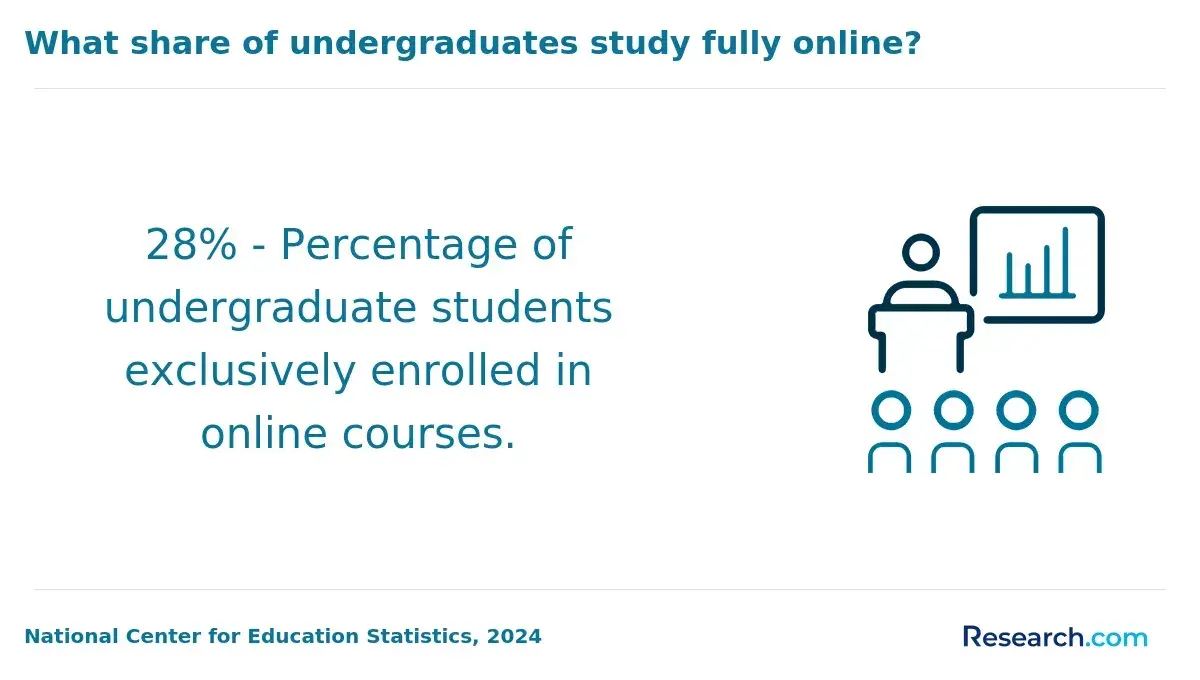
Conditional admission is an option that allows students who don't meet traditional academic standards to begin a finance bachelor's degree program while meeting certain criteria. Around 20% of colleges now offer such pathways to enhance access and support for students facing academic challenges. These programs provide a structured opportunity to demonstrate readiness prior to full admission. Key elements of conditional admission include:
- Eligibility Requirements: Applicants must satisfy flexible minimum academic standards, which vary but are designed to allow entry despite lower GPA or test scores.
- Academic Expectations: Students are required to maintain satisfactory grades in foundational or prerequisite courses during the conditional period to remain enrolled.
- Performance Benchmarks: Progress is monitored through specific milestones signaling the student's capability to handle regular coursework and succeed in the program.
- Path to Full Admission: Upon meeting the outlined conditions, students transition to unrestricted status, continuing toward their degree without special terms.
- Support Services: Additional academic assistance such as tutoring, advising, or mentoring is often provided to help students meet requirements and improve outcomes.
With conditional admission, students with a low GPA can access finance degree programs by proving their academic potential in a supportive, structured environment, increasing their chances of long-term success.
Starting at a community college can offer students with a low GPA a valuable chance to rebuild their academic record and enhance their preparation for a finance bachelor's degree program. Nearly 40% of U.S. bachelor's degree recipients begin at community colleges, illustrating the significance of this transfer pathway. Success at a community college allows students to focus on core subjects like economics, accounting, and mathematics, demonstrating their readiness for upper-level coursework and improving their competitiveness when applying to four-year institutions.
This route provides several benefits such as smaller class sizes and personalized support that improve comprehension of foundational topics, as well as lower tuition costs that ease financial pressure during the initial years. However, some credits earned may not transfer smoothly, potentially extending the time needed to graduate. Additionally, students must navigate different academic expectations and campus cultures after transferring. While starting at a community college can strengthen a student's profile, it requires strategic course selection and consistent academic performance to maximize its advantages.
Applicants with lower GPAs can still find pathways to acceptance in a finance bachelor's degree program by strengthening other aspects of their application. Research indicates that nearly 25% of students admitted to competitive business programs had GPAs below the median accepted GPA, demonstrating that a low academic score is not always a definitive barrier. With strategic preparation, students can improve their chances significantly.
- Highlight Achievements: Emphasize leadership roles in finance-related clubs, competitions, or community projects to showcase practical skills and initiative beyond the GPA. These accomplishments reflect real-world capability that admissions committees value.
- Write a Strong Personal Statement: Use your essay to explain any academic challenges, express motivation for finance, and outline clear career goals. A compelling personal statement can contextualize your GPA and reveal your dedication and maturity.
- Gain Relevant Experience: Internships, part-time jobs, or volunteering in finance-related environments provide practical exposure that strengthens your application. This experience demonstrates commitment and helps develop skills relevant to your degree.
- Demonstrate Academic Improvement: Performing well in recent or advanced finance-related courses can reassure admissions officers about your current abilities and readiness for rigorous study.
- Secure Strong Recommendations: Obtain letters from teachers or professionals who can speak to your work ethic, progress, and potential, adding credibility to your application beyond numbers.
Prospective students seeking flexible study options to complement their application efforts might also consider an accelerated hospitality degree online program as an alternative or additional pathway.
Following these tips to strengthen finance degree admission despite low GPA can open doors that might otherwise seem closed. Focused efforts in these areas demonstrate that applicants can succeed through diverse attributes, not GPA alone.
Students admitted to a finance bachelor's degree program with a low GPA can still achieve academic success despite earlier challenges. Research indicates that persistence and effective study habits play crucial roles in student performance, with national retention data showing that around 60% of students admitted with lower GPAs continue into their second year. This demonstrates that initial academic setbacks do not necessarily prevent long-term achievement. Factors such as proactive engagement with academic resources and having a strong support network further enhance graduation rates and overall success.
Overcoming low GPA challenges in finance programs often involves adopting practical strategies that promote consistent learning and growth. Students benefit from developing a structured routine, utilizing tutoring and study groups, and maintaining strong peer networks to share insights and motivation. Setting realistic goals and cultivating a growth mindset help finance students stay focused and confident during rigorous coursework. Those seeking additional guidance can explore resources like the quickest cheapest masters degree options to plan their academic journey effectively.
After finishing a finance bachelor's degree, the relevance of GPA typically decreases in the hiring process. According to a 2022 study by the National Association of Colleges and Employers, about 70% of employers focus on GPA for fresh graduates, but this drops below 30% for those with more work experience. This shift highlights the growing value of practical skills over academic records as careers progress.
Employers weigh several factors beyond GPA when assessing candidates, including:
- Work Experience: Demonstrating job-relevant skills and consistent performance through previous roles often carries more weight than academic achievements.
- Internships: Exposure to the finance industry through internships provides valuable practical knowledge employers look for when hiring.
- Technical Skills: Proficiency in areas like financial modeling, data analysis, and related software tools boosts a candidate's appeal.
- Professional Achievements: Certifications, awards, or meaningful contributions to projects signal dedication and competence beyond classroom grades.
- Soft Skills: Strong communication, teamwork, and problem-solving abilities are crucial qualities that hiring managers prioritize.
Focusing on building experience and skills can help offset a lower GPA and increase chances of success in finance-related careers.
What Graduates Say About Finance Bachelor's Degree Program Admission Chances & Workarounds
- Callahan: "When I first faced the reality of having a low GPA, I took a step back to thoroughly assess my options for entering a finance bachelor's program. I found that focusing on strengthening my application through relevant internships and targeted recommendations was key. Completing the degree has been transformative-it opened doors for me to pivot careers with confidence and practical skills."
- Saul: "Preparing to get into a finance bachelor's degree with a lower GPA was challenging, but I dedicated time to additional coursework and networking to boost my profile. Reflecting on this journey, I realize that persistence and targeted preparation were crucial to overcoming initial setbacks. Today, my degree has been the cornerstone of my successful career change into the financial sector."
- Adam: "I approached my finance bachelor's degree program with a clear strategy after an underwhelming GPA in my earlier studies. Exploring alternative admission routes and intensive exam preparation helped me gain acceptance. Seeing how completing the degree has accelerated my professional growth makes me appreciate the effort it took to start from a disadvantage."
Other Things You Should Know About Finance Degrees
Yes. Earning 12 to 24 transferable credits at a regionally accredited community college with a strong 3.0 GPA or higher can offset a weak high school record. Admissions offices often review recent coursework separately, and some universities use a 2.5 minimum transfer GPA for consideration.
Taking finance-specific courses like introductory accounting, microeconomics, or statistics can boost your application. Admissions committees may see strong performance in these subjects in 2027 as a sign of your capability, despite a low overall GPA.
Yes, most finance bachelor's programs have a minimum GPA requirement, typically around 2.5 or 3.0. While workarounds exist, meeting the minimum GPA is often crucial. Check individual program websites for specific requirements in 2027 admissions.
- Finance and Accounting for Business - Bachelor’s Degree Program https://study.gov.pl/finance-and-accounting-business-bachelors-degree-program
- Breaking into finance: Top tips from recent graduates https://www.cfainstitute.org/insights/articles/breaking-into-finance
- Most community college students plan to get 4-year degrees. Few actually do https://www.npr.org/2024/08/21/nx-s1-4930527/community-college-affordable-bachelors-degree
- What Employers Look for in Finance Graduates — F3 - Future Females in Finance https://www.fthree.com.au/stories-from-the-frontline/2026/1/19/what-employers-look-for-in-finance-graduates
- What is conditional admission to bachelor programmes? https://ju.se/en/study-at-ju/application-and-admission/faq-/application-and-admission/2023-12-18-what-is-conditional-admission-to-bachelor-programmes.html
- Does Going to Community College Save You Money on Loans? https://mccarthylawyer.com/2021/06/04/does-going-to-community-college-actually-save-you-money-on-loans/
- How Community College Can Save You Money - BrightStar Credit Union https://www.bscu.org/how-community-college-can-save-you-money/
- Low GPA Investment Banking: How to Overcome Low Grades https://mergersandinquisitions.com/low-gpa-investment-banking/
- Financial Benefits of Going to a Community College | SoFi https://www.sofi.com/learn/content/benefits-of-community-college/
- How to Land a Finance Job with a Bachelor’s Degree https://www.investopedia.com/articles/financialcareers/08/five-undergrad-tips.asp


