2027 Can You Get a Finance Bachelor's Degree After 30?

Co-Founder and Chief Data Scientist
Returning to education after 30 to pursue a finance bachelor's degree poses unique challenges-balancing work, family, and financial obligations intensifies the decision to enroll. Nearly 40% of students enrolled in finance programs are now over 25, reflecting a significant shift toward adult learners seeking career advancement or change. Yet, adults face longer time-to-degree rates compared to traditional students, raising questions about efficient pathways and support systems.
This article examines these dynamics, offering an in-depth look at enrollment trends, program options, credit for prior learning, and financing strategies to help adult learners navigate the journey to a finance degree with confidence.
Key Things to Know About Getting a Finance Bachelor's Degree After 30
- Admission often requires prior college credit or relevant work experience-many programs offer accelerated paths and credit for military or professional learning.
- Financial aid and employer tuition reimbursement help offset costs-balancing family commitments typically benefits from flexible online or part-time study options.
- Graduates over 30 may see a higher ROI due to established career networks-Finance degrees correlate with a 20% income increase over ten years for mid-career students.
Can You Really Get a Finance Bachelor's Degree After 30?
Enrollment data from the National Center for Education Statistics (NCES) reveals a steady rise in adult learners aged 25 and older pursuing bachelor's degrees, with finance among the popular fields chosen. Returning to college after 30 is not only achievable but increasingly common, as many institutions now offer flexible finance bachelor's degree programs for working professionals tailored to adult students' schedules and responsibilities. Millions of adults complete their degrees each year, despite challenges like balancing family commitments, work, and finances.
This guide covers essential factors for adult learners pursuing a finance degree-time commitment, financial planning, career benefits, program choices, and institutional support systems-offering a realistic yet encouraging perspective.
- Enrollment Trends: Adult learner populations have grown significantly, driven by career changers, military veterans, parents reentering the workforce, and transfer students seeking the fastest credentialed pathway in finance.
- Time Commitment: Managing jobs and family requires programs that provide part-time, evening, online, or hybrid course formats, enabling adults to progress at a sustainable pace.
- Financial Factors: Many institutions provide financial aid, employer tuition assistance, and payment plans to help ease the cost burden, making degree attainment more accessible.
- Career Impact: Obtaining a finance bachelor's degree can unlock promotions, new job opportunities, and professional credential recognition, improving long-term earnings and career satisfaction.
- Program Types: Options include traditional on-campus classes, fully online degrees, and hybrid models-designed to accommodate diverse learning preferences and busy adult schedules.
- Support Systems: Universities increasingly offer dedicated advising, veteran services, family support, and prior learning credit assessments to facilitate adult learners' success.
For adults seeking higher credentials beyond a bachelor's in finance, resources like the most affordable doctoral programs can provide pathways for further advancement and specialization.
Why Are More Adults Over 30 Pursuing a Finance Bachelor's Degree?
More adults over 30 are pursuing a finance bachelor's degree than ever before, reflecting a shift in higher education demographics supported by longitudinal data from the Lumina Foundation, NCES, and the American Council on Education (ACE). This rise in adult learners returning for bachelor's credentials-particularly in finance-related fields-is driven by several key factors.
- Career Transitions: Adults over 30 often seek to change careers, finding finance appealing for its diverse roles and advancement potential.
- Employer Tuition Benefits: Expanded employer-sponsored tuition assistance programs have made it more affordable for working adults to return to school.
- Layoffs and Economic Shifts: Pandemic-related economic changes have prompted professionals to reskill, with finance credentials becoming valuable assets.
- Increased Online Program Availability: Flexible, accredited online finance bachelor's programs enable learners to balance education with family and work obligations.
- Wage Premiums Tied to Credentials: Studies show earning a finance bachelor's degree correlates with higher salaries and greater earning potential over time.
Post-pandemic workforce shifts have increased demand for finance expertise among adults over 30. The growth of digital financial services and complex regulations creates new opportunities that require specialized knowledge. Institutions and employers now offer infrastructures such as credit for prior learning and accelerated pathways tailored to adult learners' needs.
This upward trend in adult learners pursuing a finance bachelor's degree confirms their choice as strategically sound. For career changers, military veterans, parents reentering the workforce, and transfer students seeking the fastest credentialed pathway, the system to support adult learners has never been more robust.
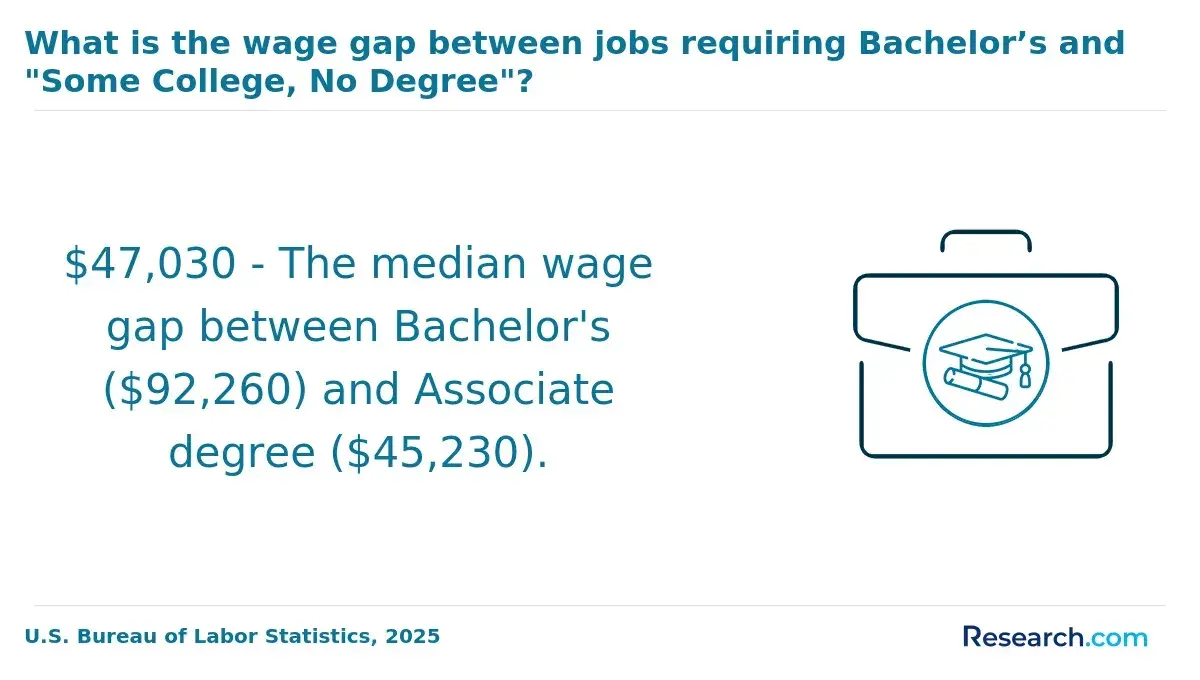
For those weighing options, understanding the return on investment is crucial-finance degrees rank among the highest paying college majors, making this path both practical and rewarding.
What Are the Most Common Challenges Adults Over 30 Face When Pursuing a Finance Degree?
Most adult finance students encounter multiple of these challenges simultaneously, a reality that helps reduce self-blame and encourages persistence. Each barrier is surmountable, with practical solutions discussed in upcoming sections, helping learners maintain momentum toward their goals.
Time Constraints: Adult learners often juggle work responsibilities and family duties, leaving limited time for classes, studying, or group work. Unlike traditional students, they must manage multiple roles, which reduces their scheduling flexibility.
Financial Pressures: Many face the challenge of covering tuition while also handling bills, mortgages, childcare, or existing debts. These monetary demands can cause students to pause or discontinue their studies prematurely.
Technology Gaps: Adults returning to education may struggle with new digital platforms or online course formats common in modern finance programs. Without proper support, this unfamiliarity can slow their academic progress.
Imposter Syndrome: Feeling unsure among younger peers or doubting their academic abilities is widespread. Such self-doubt undermines confidence and increases stress during the learning journey.
Navigating Academic Bureaucracy: Understanding school procedures-like credit transfers, financial aid, and degree requirements-can be confusing. This complexity often results in delays or setbacks for adult students unfamiliar with institutional systems.
One professional who completed a finance bachelor's degree after age 30 shared that balancing full-time work and family was the toughest obstacle. "I often felt stretched too thin, but breaking tasks into small steps made a difference." He also recounted moments of doubt when comparing himself to younger classmates but found strength in focusing on his unique experience. Navigating enrollment and financial aid initially felt overwhelming, yet gradually mastering these processes boosted his confidence. His advice emphasized patience and seeking support as key factors turning challenges into milestones.
Adults pursuing an adult-friendly finance bachelor's degree programs have access to diverse formats tailored to fit various lifestyles and responsibilities. A fully online option offers the most scheduling freedom, letting students study anytime from any location. This format, popular with working professionals and parents, often features self-paced courses with occasional live sessions. Institutions such as WGU and Arizona State Online have developed strong online infrastructures to support these learners.
- Hybrid: Combines online coursework with scheduled on-campus sessions, usually in the evenings or weekends, catering to those seeking some face-to-face interaction without full campus immersion.
- Evening and Weekend On-Campus: Designed for local students who prefer traditional classroom environments but require classes outside typical work hours. This format tends to have fixed schedules, which may limit flexibility.
- Competency-Based Education (CBE): Focuses on mastery of subjects rather than hours spent, enabling quicker degree completion for those with prior knowledge. This approach allows continuous enrollment and usually minimizes residency demands.
- Accelerated Cohort Models: Students progress as a group through an expedited curriculum, fostering community and accountability-ideal for those seeking accelerated finance degree options for over 30 learners balancing work and life.
Exploring these options helps learners align program formats with their learning styles and career goals. For those interested in switching fields, resources comparable to a 2 year construction management degree might offer useful insights into accelerated pathways in professional education.
Adult learners pursuing a finance bachelor's degree often take between three to six years to graduate, depending on factors such as enrollment status and credit transfers. Full-time students, typically enrolling in 12-15 credits per semester, usually finish within about four years. Those balancing work and family frequently choose part-time schedules, which commonly extend completion to five or six years or longer. Accelerated finance programs offer an alternative by condensing coursework and allowing year-round study, enabling degree completion in as little as two to three years.
Transfer credits from previous college coursework, CLEP exams, military service, and Prior Learning Assessment (PLA) programs significantly reduce the time needed by awarding credit for knowledge acquired outside traditional classrooms. These options help adults bypass introductory courses and accelerate progress. Nearly 40% of adult finance undergraduates leverage these credits, a trend that reflects growing institutional support for diverse learning backgrounds. Crafting an individualized timeline requires considering existing credits, available study time per week, and the desired graduation date.
- Enrollment Intensity: Full-time enrollment speeds up graduation, while part-time study accommodates work and family but lengthens time-to-degree.
- Credit Transfers: Using prior college, CLEP, military, and PLA credits can cut up to two years off degree completion.
- Accelerated Programs: Intensive, year-round courses enable some students to graduate within two to three years.
- Personalized Scheduling: Tailoring course loads based on previous credits and weekly availability helps set realistic goals.
- Credit Utilization Trends: Approximately 40% of adult learners shorten their finance degrees through recognized prior learning credits.
A professional I spoke with, who earned her finance bachelor's degree after age 30, emphasized that balancing family commitments and work was challenging but manageable with clear planning. She described how credit for her military experience and previous coursework allowed her to avoid redundancy and focus on advanced subjects. "It wasn't easy at times," she shared, "especially juggling deadlines with family priorities, but having that flexible timeline made all the difference." Her experience highlights how strategic credit use and personalized pacing can transform the journey into a fulfilling achievement within a realistic timeframe.
Federal Financial Aid: Adults pursuing a finance bachelor's degree qualify for federal assistance by submitting the FAFSA, regardless of age, dispelling the myth that aid is limited to traditional college students. This aid includes Pell Grants for those with financial need, subsidized loans where the government covers interest during study, and unsubsidized loans accessible to most enrollees.
Employer Tuition Assistance: Many employers support career development by offering tuition reimbursement or direct payment programs, which can cover part or all educational costs. These benefits often target full-time workers seeking skill advancement or career shifts.
State Grants for Adult Learners: Several states provide grants or scholarships specifically designed to encourage adults returning to school after age 30. Checking with state higher education offices helps uncover these targeted opportunities.
Finance-Specific Scholarships: Professional organizations related to finance-such as the CFA Institute and local finance groups-offer scholarships geared toward students in the field, valuing experience and career objectives.
Income-Share Agreements (ISAs): An alternative to conventional loans, ISAs let students repay a portion of future income over a set period, reducing upfront costs and often fitting well with flexible or online programs.
Tuition Cost Comparison: Online finance programs usually have lower tuition and fees than on-campus equivalents. Public schools also tend to charge less for in-state students than private institutions, which can help minimize overall expenses.
Practical Steps Before Borrowing:
- Submit FAFSA promptly to confirm federal aid eligibility.
- Investigate employer tuition benefits and application criteria.
- Seek out state and professional association scholarships.
- Compare costs across delivery methods and institution types.
- Evaluate ISAs as alternatives to traditional loans.
According to the National Student Clearinghouse, adult enrollment in bachelor's programs has steadily increased through 2023, underscoring the expanding need for adaptable financing tailored to mature students.
Employers value a regionally accredited finance bachelor's degree regardless of when it was earned. Survey data from the Society for Human Resource Management (SHRM) and the National Association of Colleges and Employers (NACE) confirm hiring managers focus on the credential itself rather than a graduate's age or time taken to complete the degree. A diploma earned after age 30 holds the same professional standing as one earned at 22.
Many finance employers appreciate adult learners for their professional maturity and real-world experience. This demographic often demonstrates perseverance and commitment-qualities that employers prize highly in financial roles, which demand diligence and strong ethical standards.
- Employer Perception: Hiring professionals in banking, corporate finance, and financial planning often view adult graduates favorably because of their practical insights and workplace experience.
- Credential Importance: A bachelor's degree remains a baseline requirement in many finance sectors, making the age of completion less relevant than holding the degree itself.
- Resume Focus: Credential verification and hiring processes emphasize the degree rather than the graduate's age, allowing adults over 30 to compete equally with younger candidates.
- Industry Standards: Roles such as licensed financial advisors, analysts, and accountants typically mandate a degree as a minimum qualification.
- Recent Trends: LinkedIn Workforce Insights reports a 17% increase over five years in finance professionals entering the field with degrees earned later in life, reflecting employer openness to adult learners.
Prior work experience credit plays a significant role in accelerating bachelor's degree completion for adults pursuing a finance degree after 30. Many institutions facilitate this by converting professional background into academic credits, which can reduce costs and shorten time-to-degree substantially.
Key mechanisms for credit conversion include:
- Prior Learning Assessment (PLA): Colleges evaluate documented work experience, training, and skills through portfolios, interviews, or challenge exams to grant credit for finance-related competencies without traditional classroom attendance.
- Portfolio Evaluation: Students submit project summaries, workplace evaluations, certifications, and reflective essays to demonstrate mastery of finance topics; faculty assess these portfolios against course objectives and may award several credits.
- CLEP and DSST Exams: These exams enable learners to prove proficiency in subjects like accounting, economics, or business finance, allowing them to bypass certain class requirements.
- ACE-Recommended Credit: The American Council on Education recommends college credit for various professional certifications relevant to finance, including the CFA and CFP credentials.
Institutions such as Thomas Edison State University, Excelsior College, and Charter Oak State College are known for robust PLA programs, often awarding adult finance students up to 30 credits. According to CAEL data, many learners earn 15-30 credits through PLA, potentially reducing degree time by one or two semesters.
Admissions offices carefully assess the relevance and depth of professional experience, viewing it as a valuable asset rather than a gap when well-documented and aligned with finance learning outcomes. Adult students should clearly map job responsibilities to academic competencies to improve credit approval chances.
For those ready to pivot careers or return to the workforce, leveraging professional experience can transform the finance bachelor's degree journey, making it faster and more feasible. Additionally, career changers interested in related opportunities should explore project management degree jobs as a complementary path within financial sectors.
Admission requirements for finance bachelor's programs tailored to adult learners frequently differ from those aimed at recent high school graduates. Institutions understand the unique challenges and experiences that applicants over 30 bring-and they often adjust their expectations to better support this group.
Typical admission criteria include:
- Minimum GPA: Some programs expect a minimum GPA from prior college coursework, typically around 2.0 to 2.5. However, many adult-focused programs offer flexible standards that accommodate those who may have paused previous studies but demonstrate professional readiness.
- Standardized Test Waivers: Colleges commonly waive SAT or ACT requirements for students over 25, emphasizing life experience and prior learning rather than test scores.
- Letters of Recommendation: One or two letters are sometimes requested-often professional or academic references that attest to the applicant's motivation and potential in finance.
- Personal Statements: A well-written statement explaining career goals, reasons for pursuing finance, and alignment of prior experience can be a decisive factor, especially if academic records are uneven.
- Residency and Transfer Credits: Most institutions accept transfer credits from accredited colleges and may offer generous policies for prior coursework or military training. Residency requirements-minimum credits completed on campus or online-vary and influence time-to-degree.
Programs with open or rolling admissions typically serve adult learners-they often have less stringent GPA cutoffs and consider the whole applicant profile rather than just past academic performance. Traditional selective programs maintain strict GPA and test score policies, which can place older applicants at a disadvantage.
For those with a low GPA from earlier attempts, options include academic renewal policies that exclude poor grades from GPA calculations, grade forgiveness programs permitting course repetition, or conditional admission requiring probationary semesters. These pathways enable many adults to pursue a finance bachelor's degree despite previous setbacks.
Assessing your admissibility honestly means reviewing your academic history and seeking programs that emphasize adult learner support, transfer-friendly policies, and flexible entry standards. Adult learners curious about broad career options may also explore what can you do with an environmental studies degree to compare potential pathways.
Adult learners over 30 pursuing a finance degree often face significant obstacles due to caregiving duties, full-time jobs, and financial pressures. According to findings from the Institute for Women's Policy Research, these challenges create time constraints that can delay degree completion or lead to interruptions. Successful students typically adopt disciplined time management approaches-such as dedicated daily study blocks and prioritized to-do lists-to balance academic and personal responsibilities efficiently. Case studies emphasize setting clear boundaries around study hours and leveraging digital scheduling tools to keep on track.
Flexibility from employers, including options for remote work or adjusted shifts, plays a critical role in easing stress and increasing available time for coursework. Family support, both emotional and practical-like childcare assistance-further strengthens adult students' ability to persist. Institutions that offer campus-based childcare and emergency financial aid provide essential resources to overcome unexpected difficulties. Prospective students benefit from reviewing their support networks before starting their programs and maintaining open communication with adult learner services for personalized guidance and accommodations.
- Caregiving Demands: Family responsibilities limit study time, requiring careful planning to maintain academic momentum without burnout.
- Time Management: Time-blocking and priority setting help optimize studying when balancing multiple roles.
- Employer Flexibility: Shift adaptations and remote work reduce stress and enable consistent progress.
- Family Support: Practical and emotional assistance from relatives is key to sustained enrollment.
- Institutional Resources: Access to childcare and emergency aid mitigates unexpected barriers during degree pursuit.
Research from the National Student Clearinghouse and Complete College America confirms that higher advising intensity significantly boosts completion rates among adults returning to school. When reviewing finance programs, prioritizing institutions with comprehensive adult learner support can make a critical difference in your success.
- Dedicated Adult Learner Advisors: Specialized advisors help navigate course choices, balance educational pursuits with personal and professional responsibilities, and clarify institutional policies-fostering persistence and on-time graduation.
- Prior Learning Assessment Offices: These offices assess work experience and military service for academic credits, potentially reducing the time and cost needed to earn a degree, an important advantage for veterans and career changers.
- Flexible Tutoring Hours: Evening and weekend sessions accommodate those managing jobs or families, providing academic assistance beyond traditional campus hours.
- Virtual Library and Learning Resources: Remote access to research databases and study materials supports learners who cannot frequently visit campus, enabling study from anywhere.
- Career Services for Career Changers: Targeted resources include resume building, interview coaching, and networking to facilitate transitions into finance professions.
- Peer Networks for Non-Traditional Students: Adult learner groups offer mentorship, community, and shared strategies to address the unique obstacles of returning to education later in life.
Before committing to any program, ask specifically about these support services. Programs that transparently provide robust adult learner infrastructure demonstrate a stronger commitment to student achievement.
What Graduates Say About Getting a Finance Bachelor's Degree After 30
- Callahan: "Returning to study after 30 felt daunting, but the availability of financial support options truly eased my journey within the finance program-making it accessible and manageable alongside my responsibilities. The program's practical approach combined with personalized support allowed me to build solid skills that translated directly into career advancement. I genuinely feel this degree was a pivotal stepping stone in transforming my professional life."
- Saul: "Choosing a finance program with strong accreditation was a decisive factor for me-it assured me that my investment of time and resources was worthwhile and respected in the industry. Beyond that, the comprehensive financial support helped alleviate pressure, letting me focus on absorbing complex concepts and real-world applications. Now, I'm confidently working in a field I'm passionate about, and I owe a lot of that progress to the program's structure and support."
- Adam: "Balancing family and work while pursuing a finance degree after 30 required serious commitment, but the career outcomes made it all worthwhile. The program's emphasis on applicable knowledge, coupled with accessible financial aid, meant I could complete my studies without overwhelming debt. Looking back, this experience not only enhanced my expertise but also opened doors to new professional opportunities that I hadn't imagined before."
Other Things You Should Know About Finance Degrees
Earning a finance bachelor's degree after 30 can significantly improve long-term earning potential by opening doors to higher-paying positions in financial analysis, management, and advisory roles. While starting later may mean a shorter career span, many employers value work experience combined with formal education, which can accelerate salary growth. The degree also helps adults qualify for certifications like CFA or CFP that further enhance income opportunities.
Yes, many institutions offer accelerated finance bachelor's programs tailored for adults over 30, including online formats and evening classes to accommodate work and family commitments. Credit-for-experience options are also common-these recognize prior professional experience or military service and allow students to bypass certain courses, reducing time-to-degree. This flexibility helps adult learners complete their degrees more efficiently without sacrificing quality.
Yes. Many accredited universities accept prior learning assessment or portfolio review for up to 30 semester credits, usually applied to electives or general education. Schools set their own limits, and most still require at least 30 credits in residence before awarding the degree.
To choose the right program, adults over 30 should consider flexible scheduling options, online or hybrid formats, accreditation, financial aid availability, and the program's alignment with their career goals. They should also research faculty expertise and seek programs offering networking opportunities with professionals in the finance industry.
- How to Land a Finance Job with a Bachelor’s Degree https://www.investopedia.com/articles/financialcareers/08/five-undergrad-tips.asp
- Age and Investment Banking: How Old is Too Old? https://mergersandinquisitions.com/age-investment-banking/
- Breaking into finance in your 30s and 40s: why it’s never too late for a career in accountancy | Eagle Education https://www.eagle-education.co.uk/inspiration/breaking-into-finance-in-your-30s-and-40s-why-its-never-too-late-for-a-career-in-accountancy/
- How to Get Into Finance With No Experience - Forage https://www.theforage.com/blog/careers/how-get-into-finance-no-experience
- striking a balance: how to succeed as a working parent in finance jobs. https://www.randstad.co.uk/career-advice/career-guidance/working-parents-finance-careers/
- Mature students | Widening participation student support | University of Exeter https://www.exeter.ac.uk/students/wp-support/supportfor/maturestudents/
- Operation HOPE - Accelerating Financial Opportunity for All https://operationhope.org/
- How Long Does It Take to Get a Finance Degree | ValidGrad.com https://validgrad.com/blog/how-long-does-it-take-to-get-a-finance-degree-the-complete-timeline-guide-you-need-to-know/
- 5 Reasons to Go Back to School After Age 30 https://www.aiuniv.edu/blog/2025/october/5-reasons-to-go-back-to-school-for-older-students
- College Admissions for Adult Learners https://www.mefa.org/article/college-admissions-for-adult-learners/