
2027 Fastest Online Master's in Clinical Mental Health Counseling Degree Programs Ranking in the USA

Co-Founder and Chief Data Scientist
Choosing the right Clinical Mental Health Counseling degree program can shape your future and open doors to meaningful career opportunities. This article introduces the 2027 Fastest Online Master's in Clinical Mental Health Counseling Degree Programs Ranking in the USA, developed by the Research.com team of data scientists to guide you through the top options available.
By exploring this ranking, you'll gain valuable insights to help you make an informed decision that fits your lifestyle and goals. Pursuing this degree offers rewarding paths to help others while growing personally and professionally.
Key benefits of getting online clinical mental health counseling degree in America
- Graduates with a clinical mental health counseling degree often enjoy rewarding salaries, with average annual earnings around $48,000 to $55,000 depending on specific roles within the counseling field.
- Career paths for graduates are diverse, including positions as licensed counselors, mental health therapists, or school counselors, exemplified by successful alumni from universities like the University of Southern California.
- Online clinical mental health counseling degrees offer flexible schedules and lower costs, making it easier for working adults to advance their education without sacrificing their current jobs, as shown by graduates from popular programs such as those at Capella University.
What can I expect from online clinical mental health counseling degree in America?
The average cost of an online clinical mental health counseling degree in America varies significantly depending on the type of institution. Public universities often offer tuition rates between $10,000 and $20,000 for in-state students, which feels more manageable for many. Some graduates from well-known public universities have shared how scholarships and financial aid specifically catered to counseling students helped ease their financial burden, making the experience less stressful.
Conversely, private colleges can charge upwards of $30,000 to $50,000 or more for similar programs. Despite the higher expense, many students appreciate the personalized support and networking opportunities available, which can be crucial when pursuing licensure and clinical placements. For example, graduates from such institutions often describe feeling confident about their practicum arrangements due to dedicated faculty assistance, a factor often worth the additional cost.
It's important to weigh cost against accreditation status and licensing preparation. Some graduates emphasize the peace of mind that comes with attending CACREP-accredited programs, as these are widely recognized by state boards and employers, which might justify higher tuition fees for long-term career benefits.
Where can I work with online clinical mental health counseling degree in America?
Graduates from online clinical mental health counseling programs in America often find themselves working in diverse environments that align with their personal passions and skills. Many secure positions in private practices, providing one-on-one or group therapy to clients facing mental health struggles. For instance, alumni from well-known universities report rewarding experiences helping families navigate emotional challenges in these settings.
Community health centers and outpatient clinics also attract many graduates drawn to serving underserved populations. Some describe the fulfillment of addressing broad mental health needs in environments where demand is growing rapidly, reflecting national trends.
Others enter hospitals or residential treatment facilities, where the stakes include intensive care and rehabilitation for individuals with serious mental illnesses or substance abuse issues. This level of engagement often appeals to graduates wanting to make a tangible difference in critical situations.
School districts and government agencies provide alternative paths, with roles varying by state licensure rules. Graduates appreciate the variety, from supporting students' emotional health to assisting veterans or those in correctional systems, making their work deeply impactful and varied depending on local needs.
How much can I make with online clinical mental health counseling degree in America?
Graduates with an online clinical mental health counseling degree in America often find their earning potential influenced by licensure, experience, and location. While exact salary data is not always available from official sources, common figures reported by recent graduates from well-known programs such as those at the University of Southern California or Liberty University suggest starting salaries between $35,000 and $45,000 annually. With a few years of supervised practice and full licensure, many see increases to $50,000-$65,000.
In states with high demand for mental health services-like California or Massachusetts-licensed counselors may earn beyond $70,000, reflecting regional economic differences and client needs. Graduates often note that their private practice or healthcare facility roles bring higher earnings compared to community agencies. Obtaining a state license after completing supervised clinical hours and passing exams is a pivotal step, unlocking both greater independence and salary potential.
These ranges underscore a positive but gradual financial growth path. While salaries might not appear immediately high, many graduates appreciate the meaningful, impactful work they do, which is a strong motivator beyond just income.
- Key benefits of getting online clinical mental health counseling degree in America
- What can I expect from online clinical mental health counseling degree in America?
- Where can I work with online clinical mental health counseling degree in America?
- How much can I make with online clinical mental health counseling degree in America?
- How do we rank schools?
- 2027 Fastest Online Master's in Clinical Mental Health Counseling Degree Programs Ranking in the USA
- What online clinical mental health counseling degree graduates have to say
- Key Findings
- How long does it take to complete online clinical mental health counseling degree in America?
- What's the difference between online and on-campus clinical mental health counseling degree?
- What is the average cost of online clinical mental health counseling degree in America?
- What financial aid is available to online clinical mental health counseling degree students in America?
- What are the prerequisites for enrolling in online clinical mental health counseling degree program in America?
- What courses are typically in online clinical mental health counseling degree programs in America?
- What types of specializations are available in online clinical mental health counseling degree programs in America?
- How do you choose the best online clinical mental health counseling degree in America?
- What career paths are available for online clinical mental health counseling degree students in America?
- What is the job market for online clinical mental health counseling degree in America?
- Frequently Asked Questions About clinical mental health counseling
- Top Trending Clinical Mental Health Counseling Rankings
How do we rank schools?
Investing in your education is a significant decision that can shape your future, and the Research.com team understands the importance of making informed choices. To assist prospective students nationwide, we have meticulously developed the "2027 Fastest Online Master's in Clinical Mental Health Counseling Degree Programs Ranking in the USA." Our commitment to quality, credibility, and accuracy is reflected in the rigorous research and analysis conducted to compile this ranking.
We utilized the following reputable data sources to ensure a comprehensive evaluation of these programs:
By exploring this ranking, readers will gain valuable insights into the fastest online clinical mental health counseling master's programs, helping them make well-informed decisions for their academic and professional futures. For more details on our methodology, please visit our Research.com methodology page.
2027 Fastest Online Master's in Clinical Mental Health Counseling Degree Programs Ranking in the USA
# 1 position

Virginia Commonwealth University offers a Master's program focused on Clinical Mental Health Counseling, Counseling, and Healthcare. The program lasts 48 months with an average total cost of $32,400. It has an open admission policy with a 93% acceptance rate. The graduation rate is 63%. A high level of financial support is available, with 92% of students receiving aid.
# 2 position
Walden University
Master
Walden University offers a master's degree program focused on Clinical Mental Health Counseling, Counseling, and Healthcare. The program serves a large online student body, with 52,188 enrolled students. The average total cost for the degree is $41,850. Among the students, 100% receive financial aid, indicating a high level of support for those seeking funding opportunities.
# 3 position
Oregon State University
Master
Oregon State University offers a Master's program focused on Clinical Mental Health Counseling, Counseling, and Healthcare. The program has an open admission with a 77% acceptance rate, providing high financial aid opportunities to 92% of its students. Graduates have a 70% graduation rate. The average total cost of the program is $46,890, making it a substantial investment for those pursuing advanced counseling expertise.
# 4 position
Mercy University
Master
Mercy University offers a Master's program focused on Clinical Mental Health Counseling, Counseling, and Healthcare, with an open admission policy indicated by its 86% acceptance rate. The program serves 2,057 online students, reflecting its accessibility. The average total cost amounts to $56,580. Nearly all students-99%-receive financial aid, demonstrating high aid availability. The graduation rate stands at 46%, giving insight into student success outcomes.
# 5 position
PennWest California
Master
PennWest California offers a Master's program focusing on Clinical Mental Health Counseling, Counseling, and Healthcare. The program has an open admission policy with a 94% acceptance rate and a graduation rate of 52%. It serves a large online student body of 7,973 and features a high level of financial aid, with 98% of students receiving support. The average total cost of the program is $30,960.
What online clinical mental health counseling degree graduates have to say
- Emily: Pursuing my online clinical mental health counseling degree at the University of Southern California was transformative. The flexible schedule allowed me to balance work and study, while the expert faculty provided invaluable insights. I gained practical skills that immediately boosted my confidence as a counselor.
- Javier: The University of Florida's online program in clinical mental health counseling exceeded my expectations. The interactive coursework and peer discussions created a supportive community, even remotely. This experience deepened my empathy and sharpened my diagnostic abilities, making me ready to help others effectively.
- Monica: Studying clinical mental health counseling online at Northwestern University was a rewarding journey. Their personalized mentorship and evidence-based curriculum gave me a solid foundation. The opportunity to apply theory through virtual simulations made learning engaging, giving me hope and excitement for my future practice.
Key Findings
- Online clinical mental health counseling degrees usually require 48 to 60 credit hours and take two to three years of full-time study to complete.
- Tuition typically ranges from $10,000 to $30,000 for the entire program, with additional costs for textbooks, supervision, and licensing exams.
- Employment for mental health counselors is expected to grow by 22% from 2022 to 2032, much faster than average for other jobs.
- Starting salaries range from $45,000 to $50,000 annually, with experienced counselors earning a median salary of $60,000 to $65,000 per year.
- Licensure usually requires a master's degree, passing the NCMHCE exam, and completing 2,000 to 4,000 hours of supervised clinical experience.
How long does it take to complete online clinical mental health counseling degree in America?
Completing an online clinical mental health counseling degree in America usually takes between two to three years for full-time students. Graduates from well-known programs at universities such as Liberty University or Capella University often share how managing 9 to 12 credit hours per semester helped them stay on track without feeling overwhelmed. For many, balancing coursework with life commitments makes part-time study more appealing, extending the process to three or even four years. One graduate described feeling a rewarding sense of accomplishment after pacing their studies alongside a busy family life, proving that flexibility can inspire persistence.
Some institutions offer accelerated tracks enabling dedicated students to finish within 18 to 24 months. These intensive programs, found at places like Walden University, require a strong time commitment but can be motivating for those eager to enter the workforce quickly. Clinical practicum hours-often 600 to 700 supervised-are vital and add depth to the program, with graduates recalling the meaningful real-world experience gained through placements in community mental health centers.
Financial limitations sometimes impact the study pace, as observed by students considering tuition at public versus private colleges. Nonetheless, the varied timelines demonstrate that completion depends significantly on individual circumstances and goals.
What's the difference between online and on-campus clinical mental health counseling degree?
Online and on-campus clinical mental health counseling degrees in the U.S. differ mainly in delivery and learning experience, but both adhere to rigorous standards like those from CACREP. Graduates from popular programs at universities such as the University of Southern California or New York University often reflect on their different journeys. On-campus students describe the value of spontaneous conversations with peers and professors after classes, enriching their learning and clinical skill development.
Conversely, online students frequently appreciate the flexibility to balance coursework with jobs or family, especially in programs offered by institutions like Liberty University or Indiana Wesleyan University. Their practicum hours, completed locally under approved supervisors, allow real-world clinical exposure within their communities. This setup can lead to a strong sense of empowerment and independence in managing education and personal commitments.
Tuition cost also influences experiences; many find that online programs' lower fees relieve financial stress, making advanced degrees more accessible. However, some note missing the campus atmosphere's immediate support, highlighting a trade-off worthy of thoughtful consideration before enrollment.
What is the average cost of online clinical mental health counseling degree in America?
The average cost of an online clinical mental health counseling degree in America generally revolves around $32,400 to $41,355, depending on factors like residency status and school type. In-state students often benefit from more affordable tuition rates, commonly close to $32,400, especially within public universities. Graduates from these programs frequently share stories of balancing affordability with quality education, expressing relief at manageable tuition paired with robust online support.
Out-of-state students and those attending private universities should anticipate higher expenses; private programs can ask for total tuition ranging from $30,000 up to $60,000. These costs reflect not only the prestige of certain institutions but also expanded resources and networking opportunities that some students find invaluable. For example, a graduate from Liberty University found that the higher per-credit cost was offset by flexible scheduling and the sense of community forged through online cohort interactions, which greatly enhanced their learning experience.
A common cost pattern for many online clinical counseling programs involves charging per credit hour-usually between 48 and 60 credits are required for completion. Some programs, like those at the University of North Dakota, charge around $415 per credit hour, totaling nearly $25,000. Others might be higher or lower but fall within typical ranges found in 2027 tuition fees for online clinical mental health counseling programs in the USA. Extra fees such as technology and practicum expenses should also be considered, as graduates often recall budgeting for these unexpected costs alongside tuition.
Many students find it beneficial to explore federal loans, scholarships, and grants to offset these tuition expenses. Using transparency tools and consulting trusted resources can clarify the total financial commitment required. For those eager to compare flexible, cost-effective options while pursuing an online masters degree in mental health counseling, universities provide detailed breakdowns to help weigh choices carefully.
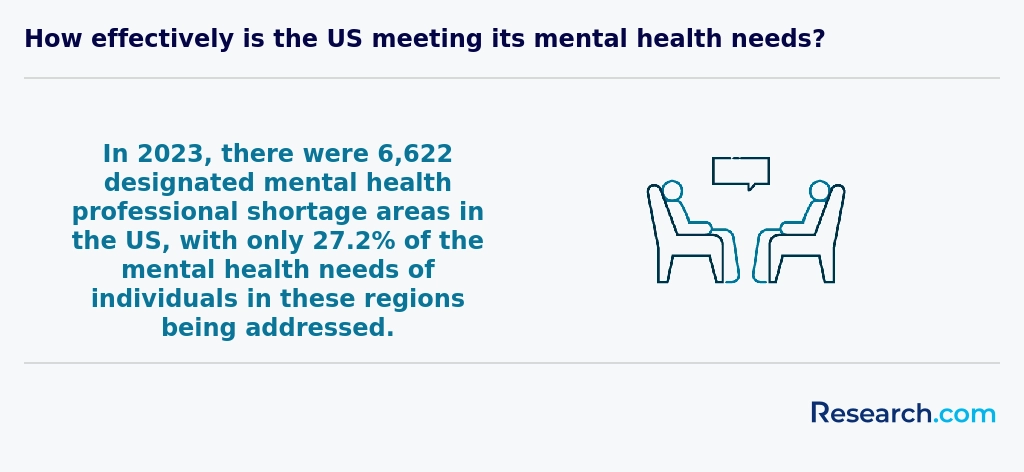
What financial aid is available to online clinical mental health counseling degree students in America?
Students pursuing online clinical mental health counseling degrees in America often rely heavily on federal student aid to bridge the gap between tuition costs and their budgets. Graduates from well-known programs, such as those at Johns Hopkins University or the University of Southern California, frequently mention applying for FAFSA to access Federal Pell Grants and Direct Loans. While Pell Grants mainly support undergraduates, some graduate students secure grants like the TEACH Grant by committing to underserved communities, a choice that brings both financial relief and meaningful career opportunities.
Others benefit from scholarships and fellowships provided by organizations like the American Counseling Association, which offer awards ranging from $1,000 to $5,000. For example, a graduate from a prominent state university shared how a scholarship helped ease tuition expenses, enabling focus on studies rather than finances. Additionally, state-level tuition waivers and employer tuition reimbursement programs often support working professionals, although eligibility varies widely, requiring proactive research. Overall, these aid options reflect the complexities of funding clinical mental health counseling studies but provide hopeful paths for many dedicated students.
What are the prerequisites for enrolling in online clinical mental health counseling degree program in America?
To enroll in an online clinical mental health counseling degree in America, applicants often must hold a bachelor's degree from an accredited institution. While a psychology or counseling background is helpful, graduates recall entering programs at universities known for their online mental health training with degrees in sociology or social work, demonstrating flexibility in undergraduate fields. A minimum GPA around 3.0 is generally expected, though some schools may adjust this based on their selectivity. For instance, a graduate from a well-regarded public university shared how maintaining strong academic performance opened doors to competitive programs without requiring GRE scores, reflecting a growing trend to ease standardized testing barriers.
Applicants typically submit letters of recommendation and a personal essay, allowing admissions to assess commitment and ethical understanding. Real-life applicants often found that sharing volunteer experiences in community mental health settings greatly enhanced their applications. Additionally, state-specific mandates-like background checks and professional liability insurance during internships-are critical components, preparing students to safely engage with clients throughout their practicum phases in esteemed programs nationwide.

What courses are typically in online clinical mental health counseling degree programs in America?
Online clinical mental health counseling degree programs in America commonly feature a curriculum designed to equip students with both theoretical knowledge and practical skills. Graduates from prominent universities report that courses like Human Growth and Development provide a deep understanding of how clients' psychological needs evolve through different life stages, a perspective they find invaluable in real-world counseling sessions.
Students also highlight the significance of Counseling Theories and Techniques, which prepares them to navigate diverse therapeutic models and adapt to the unique challenges clients present. The inclusion of Assessment and Diagnosis courses allows students to develop competency in identifying mental health conditions using standardized tools, crucial for accurate treatment planning.
Many appreciate the emphasis on Ethics and Professional Orientation, which fosters a strong sense of responsibility towards legal and cultural considerations. Multicultural counseling components frequently resonate with students' personal values, helping them work effectively with diverse populations they might encounter in settings ranging from urban clinics to rural outreach programs.
Practical elements such as Practicum and Internship involve 600 to 700 supervised clinical hours, enabling students to apply knowledge in authentic environments. Graduates often describe these experiences as transformative, citing increased confidence and a sense of readiness for state licensure as a Licensed Professional Counselor (LPC).
While the core curriculum is fairly standardized across American institutions, some students note variations in elective offerings and the integration of research, which can influence how prepared they feel for evidence-based practices.
What types of specializations are available in online clinical mental health counseling degree programs in America?
Online clinical mental health counseling degrees in America often feature a variety of specializations that reflect the diverse needs of clients and settings counselors will encounter. Graduates from well-known universities appreciate how options like Marriage and Family Counseling, Substance Abuse Counseling, and Trauma and Crisis Counseling allow them to hone their skills in targeted areas. For instance, one graduate from a popular college shared how focusing on Child and Adolescent Counseling helped prepare them to support youths in school environments, making the learning experience personally fulfilling and directly applicable.
It's important to consider that not all programs offer the same breadth of specializations; some concentrate strictly on core clinical mental health counseling competencies, while others provide specialized tracks. Prospective students should explore options carefully, especially when comparing clinical mental health counseling degree tracks in America, to ensure their goals align with the curriculum.
For those weighing costs and program scope, many find that exploring LPC masters programs online provides affordable pathways with diverse specialization opportunities, making it a practical choice for career advancement.
How do you choose the best online clinical mental health counseling degree in America?
Choosing the best online clinical mental health counseling degree in America involves evaluating several crucial aspects beyond marketing claims. Graduates from popular universities often emphasize the importance of accreditation, particularly CACREP, which ensures programs meet licensure and professional standards. For many, balancing work and family commitments was made easier by programs offering asynchronous courses, enabling them to study on their own schedule without sacrificing quality.
Cost is another key factor; students frequently share how finding affordable clinical mental health counseling degrees in America impacted their ability to persist and succeed. Public institutions typically provide a more budget-friendly pathway, though private colleges in metropolitan areas sometimes offer stronger alumni networks. Observing the outcomes such as job placement and graduation rates, especially from programs with strong practicum components, clarified real-world value for many recent graduates.
Those searching should also keep an open mind about program flexibility and specialization. Some graduates who chose accelerated tracks at various colleges appreciated how those options aligned with their evolving career goals. Additionally, robust student support services, including career counseling and technical help, often defined successful experiences. Prospective students might also explore easiest counseling degrees for a starting point in their search for the best online clinical mental health counseling programs USA.
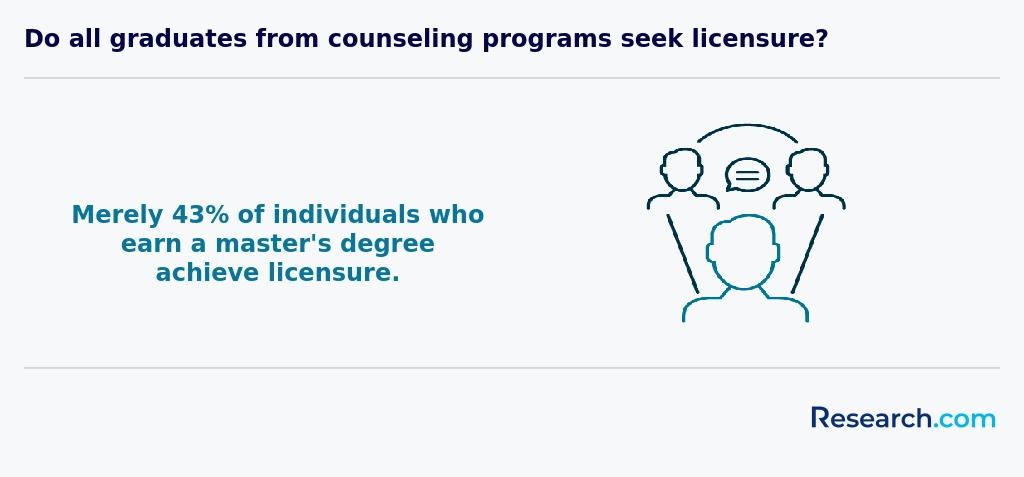
What career paths are available for online clinical mental health counseling degree students in America?
Graduates with an online clinical mental health counseling degree in America find a wide spectrum of career opportunities for clinical mental health counseling graduates in the USA. Many enter private practice or work in clinical settings such as hospitals and community mental health centers, focusing on areas like trauma, addiction, or family counseling. For example, graduates from well-known programs at universities in states with robust licensing requirements often describe the rewarding challenge of helping clients navigate complex emotional situations while building their confidence as new professionals.
Others explore roles in specialized fields including veterans' affairs, employee assistance programs, or rehabilitation centers. These paths provide a distinct sense of purpose, especially for those drawn to broader social impact or corporate wellness. Some graduates from top online programs also pursue administrative positions or clinical director roles after gaining experience, highlighting the varied trajectories possible beyond direct counseling. Those interested in substance abuse might investigate the best online substance abuse counseling degree to tailor their expertise.
While the demand for online clinical mental health counseling jobs in America is growing, it's important to critically consider state licensure rules and supervised clinical hours that shape early career options. Graduates emphasize that flexibility in programs from prominent colleges enables them to balance study and work, nurturing both empathy and professional skills as they advance.
What is the job market for online clinical mental health counseling degree in America?
The job market for graduates holding an online clinical mental health counseling degree in America is notably promising, driven by a 23% projected growth rate according to the U.S. Bureau of Labor Statistics. Graduates from popular universities often find themselves employed in diverse settings such as hospitals, private practices, and community organizations, contributing to strong clinical mental health counseling career opportunities America-wide. Many graduates report satisfaction in roles where they can support individuals facing anxiety and depression, reflecting the rising demand for mental health services.
Flexibility is key; telehealth expansions enable counselors to work remotely, widening job access beyond metropolitan areas. Salaries for entry-level positions typically range from $40,000 to $50,000, with potential increases as specialization and experience develop. While costs for online degrees vary between $15,000 and $40,000, graduates from accredited institutions often weigh these against the robust job market and fulfilling career paths.
For those interested in further qualifications, some pursue accredited MFT programs online to enhance their credentials and job prospects. These real-world examples from clinical mental health counseling students illustrate a positive, viable career trajectory in the mental health field.
Frequently Asked Questions About clinical mental health counseling
Students pursuing online clinical mental health counseling degrees in America can maximize their learning by actively engaging with virtual class discussions and using available digital resources. Research from the American Counseling Association highlights that practical experience, such as internships and supervised clinical hours, is crucial for skill development and licensure preparation.
Maintaining consistent communication with faculty and peers supports understanding and networking. Additionally, leveraging webinars and workshops offered by professional bodies enhances specialized knowledge. Time management is essential, as online programs often require balancing coursework with clinical placements. According to the Bureau of Labor Statistics, mental health counselors must complete rigorous training to meet state licensure requirements, which online learners should prioritize throughout their studies.
The clinical mental health counseling field in the U.S. is evolving with several emerging niches gaining prominence. One key area is telebehavioral health, which expanded rapidly due to increased demand for remote therapy services during the COVID-19 pandemic. According to the American Counseling Association (ACA), over 70% of counselors now offer some form of virtual care.
Another growing niche is trauma-informed counseling, which addresses the rising awareness of post-traumatic stress disorder (PTSD) and adverse childhood experiences (ACEs). Specialized training in substance abuse counseling is also in demand, as the opioid crisis remains a significant public health issue. Lastly, career counseling within mental health is expanding, helping clients navigate work-life balance and vocational development amid a changing economy.
Preparing for the job market after completing an online clinical mental health counseling degree in America involves strategic steps. First, gaining licensure is essential. Most states require passing the National Counselor Examination (NCE) and completing supervised clinical hours, typically around 2,000 to 3,000 hours over two years, as noted by the American Counseling Association (ACA).
Networking is another critical element. Joining professional organizations such as the ACA or state counseling boards helps graduates access job leads and mentorship. Additionally, acquiring specialized certifications in areas like trauma or addiction counseling can enhance employability.
Finally, developing strong practical skills through internships or residencies positions candidates competitively. According to the U.S. Bureau of Labor Statistics, employment for mental health counselors is projected to grow 23% from 2021 to 2031, indicating strong demand for qualified professionals in this field.
Employers in the United States seek several key skills in graduates with clinical mental health counseling degrees. Strong communication abilities rank highest, as counselors must effectively listen and convey empathy to diverse clients. According to the Bureau of Labor Statistics, interpersonal skills are critical for building trust and facilitating treatment.
Analytical skills are also vital. Graduates need to assess client behaviors and develop personalized treatment plans based on diagnostic criteria, often adhering to the DSM-5 standards. Additionally, ethical judgment is emphasized, since counselors handle sensitive information and must comply with state and federal regulations.
Finally, cultural competence is increasingly important. America's diverse population requires counselors to demonstrate awareness and respect for varied backgrounds, improving client outcomes and meeting accreditation expectations from organizations like CACREP.
Finding internships in America for clinical mental health counseling students involves several key steps. First, students should consult their program's internship coordinators, as many online degrees have established partnerships with local agencies. According to the American Counseling Association, accredited programs often require a minimum of 700 supervised clinical hours, typically offered through approved internships.
Students can also explore opportunities through state licensing boards' websites, which list approved site supervisors and internship locations. Networking within local mental health clinics, hospitals, and nonprofit organizations is crucial, as 65% of placements come through direct outreach or referrals, per a 2023 survey by the National Board for Certified Counselors.
Using online databases like the Counseling Internship Network can help identify available positions nationwide. Early application and strong communication with potential supervisors improve placement chances significantly.
An online clinical mental health counseling degree significantly enhances career mobility and advancement within the United States. According to the U.S. Bureau of Labor Statistics (BLS), employment for mental health counselors is projected to grow 23% from 2021 to 2031, much faster than the average for all occupations. Completing an accredited online program offers flexible access to required education, allowing students to maintain employment while advancing their credentials.
Graduates with this degree become eligible for licensure as Licensed Professional Counselors (LPCs) in most states, a key credential for career growth. Licensure expands job opportunities across clinical, educational, and private practice settings.
Furthermore, many online programs incorporate internship placements, which facilitate networking and practical experience, aiding in upward job movement.
Studying for a clinical mental health counseling degree in America equips students with knowledge and skills essential for working in interdisciplinary settings. Programs emphasize collaboration with healthcare providers, social workers, and educators to deliver comprehensive client care.
According to the Council for Accreditation of Counseling and Related Educational Programs (CACREP), accredited programs integrate coursework on psychology, human development, and ethics, preparing students to communicate across fields effectively. This approach enhances teamwork in hospitals, schools, and community agencies.
Clinical training often includes supervised practicum and internships in diverse environments, building adaptability to various professional roles. The U.S. Bureau of Labor Statistics notes that clinical mental health counselors frequently collaborate with psychiatrists and social workers, highlighting the practical importance of interdisciplinary skills.
When choosing between a thesis and a non-thesis clinical mental health counseling degree program in America, consider your career goals. A thesis option usually involves conducting original research and writing a detailed paper. It is ideal for those interested in academic or research roles or planning to pursue a doctoral degree. The thesis route often requires more time and effort but can enhance critical thinking skills.
The non-thesis track focuses more on practical skills and internships, preparing students directly for counseling licensure and clinical practice. According to the Council for Accreditation of Counseling and Related Educational Programs (CACREP), most accredited programs emphasize clinical experience over research for licensure purposes.
Cost and program length may also differ, with non-thesis paths sometimes being quicker and less expensive. Ultimately, the decision depends on whether you prioritize research or direct clinical work in your mental health counseling career.
American students interested in studying clinical mental health counseling abroad have limited fully online options accredited to meet U.S. licensure standards. Most foreign programs may not align with the Council for Accreditation of Counseling and Related Educational Programs (CACREP) requirements, crucial for practice in the U.S. However, some international institutions offer hybrid or distance-learning formats combined with in-person components. Students should carefully verify if credits and clinical hours transfer and are recognized by state licensing boards.
Currently, U.S. students seeking flexibility often prefer fully online CACREP-accredited programs within the United States, given that the Bureau of Labor Statistics projects a 22% growth in mental health counseling jobs through 2032. Therefore, studying abroad online requires diligent research to ensure future eligibility for licensure and employment.
Part-time job opportunities that complement an online clinical mental health counseling degree in America often include roles such as behavioral health technician, peer support specialist, and mental health aide. These positions provide valuable hands-on experience with clients experiencing mental health challenges. According to the U.S. Bureau of Labor Statistics, behavioral health technician roles are expected to grow 11% from 2022 to 2032, faster than average for all occupations.
Jobs in crisis hotline counseling or rehabilitation centers also offer relevant experience and flexible hours that fit a student's schedule. Volunteering in community mental health organizations is another option to build practical skills while pursuing degree requirements. Such roles enhance understanding of clinical environments, aiding professional growth.
Online clinical mental health counseling students in America have several networking opportunities despite studying remotely. Many accredited programs partner with professional organizations such as the American Counseling Association (ACA), allowing students to access virtual events, conferences, and forums. These platforms offer direct connections with licensed counselors, supervisors, and peers nationwide.
Students also benefit from supervised clinical internships, which develop local community ties essential for licensure and employment. Additionally, universities often facilitate online student groups and alumni networks, helping graduates stay informed about job openings and industry trends.
According to the ACA, networking plays a vital role in career advancement within mental health counseling fields.
Alumni networks play a crucial role for students pursuing online clinical mental health counseling degrees in America. These networks provide access to professional contacts and mentorship opportunities, which can be especially important in a field where licensure and professional relationships matter. According to the American Counseling Association, mentorship increases job placement rates by up to 40% for counseling graduates.
For online students, alumni connections help bridge the gap of limited face-to-face interaction, offering vital career guidance and internship leads. Many universities also host networking events and job boards exclusive to alumni, facilitating employment within the competitive mental health field.
Through these networks, graduates often gain insights into regional licensure requirements and continuing education best practices, which vary significantly across states. This connection can be invaluable given the complex regulations in clinical mental health counseling across the U.S.
Customizing an online clinical mental health counseling degree program in America allows students to align their education with specific career goals. Many accredited programs offer elective courses in areas like substance abuse, trauma counseling, or marriage and family therapy. This flexibility helps students build expertise tailored to their interests.
Additionally, students can often choose between various practicum and internship placements, gaining practical experience in settings such as hospitals, schools, or community agencies. According to the Council for Accreditation of Counseling and Related Educational Programs (CACREP), hands-on training is key to licensure and employment.
Some programs also provide options for specializations, which can improve job prospects and salary potential. In 2023, the U.S. Bureau of Labor Statistics reported that counselors with specialized skills tend to earn higher median wages and have faster employment growth. Therefore, selecting electives and practicum sites thoughtfully is essential for a customized, career-focused education.
Online clinical mental health counseling students in America often face several significant challenges throughout their degree programs. One major difficulty is balancing rigorous coursework with personal and professional responsibilities, as many students are working adults. According to the American Counseling Association, time management is a commonly reported struggle among these students.
In addition, gaining hands-on clinical experience can be complicated. Although programs require practicum and internship hours, finding quality local placements that meet accreditation standards is often challenging. Students also report feeling isolated due to limited face-to-face interaction with peers and instructors, which can affect motivation and support.
Technical issues, such as unreliable internet access or unfamiliarity with online platforms, further hinder progress for some students.
With an online clinical mental health counseling degree, graduates can pursue several key professional certifications important for practice in the United States. Most commonly, graduates aim to become Licensed Professional Counselors (LPC) or Licensed Mental Health Counselors (LMHC), depending on their state's licensure terminology. These licenses require completing supervised clinical hours-often 2,000 to 4,000 hours-and passing a national exam, such as the National Counselor Examination (NCE) by the National Board for Certified Counselors (NBCC).
Additionally, some counselors pursue the National Certified Counselor (NCC) credential, which demonstrates nationally recognized standards of competency. Specialized certifications, like Certified Clinical Mental Health Counselor (CCMHC), are offered for those seeking focus in clinical settings. State licensing boards prominently list specific requirements, emphasizing education, supervised experience, and exam success.
To write a winning application for an online clinical mental health counseling program in America, start by carefully reviewing the program's prerequisites. Most programs require a bachelor's degree and relevant experience or volunteer work in mental health settings.
Highlight your commitment to counseling by detailing any clinical experience or coursework related to psychology, social work, or human services. The Council for Accreditation of Counseling and Related Educational Programs (CACREP) emphasizes applicants who demonstrate strong ethical understanding and cultural competence.
Your personal statement should clearly explain your motivation for pursuing this degree and your career goals in mental health counseling. Strong letters of recommendation from professionals familiar with your skills are essential.
Finally, ensure your application materials are free of errors and submitted before deadlines to increase your chances of acceptance.
Clinical mental health counseling is a growing profession in the United States, with global perspectives highlighting both opportunities and challenges. According to the U.S. Bureau of Labor Statistics, employment of mental health counselors is projected to grow 23% from 2021 to 2031, faster than average for all occupations. This growth reflects increasing awareness of mental health worldwide.
Internationally, different countries have varied licensing requirements, but U.S. degrees often serve as a strong foundation. Many nations look to American training standards, such as those from the Council for Accreditation of Counseling and Related Educational Programs (CACREP), as a benchmark for quality.
Online clinical mental health counseling degrees in the U.S. provide flexible access to these standards, preparing graduates for both domestic and global career options.
Gaining practical experience while pursuing an online clinical mental health counseling degree in America is essential for licensure and career readiness. Many accredited programs require supervised practicum and internship hours, typically totaling 700 to 1,000 hours, to comply with state licensing boards like the American Counseling Association (ACA) and the Council for Accreditation of Counseling and Related Educational Programs (CACREP).
Students often arrange these placements locally, working with approved community mental health centers, hospitals, or private practices. Some universities provide partnerships to facilitate these experiences in the student's region. Additionally, telehealth counseling internships are increasingly accepted, reflecting the growth of remote mental health services. According to the U.S. Bureau of Labor Statistics, such hands-on training enhances employment prospects in a field expected to grow 22% from 2020 to 2030, faster than average.
When choosing a concentration within an online clinical mental health counseling degree in America, it is important to consider your career goals and interests. Many programs offer specializations such as substance abuse counseling, marriage and family therapy, or trauma counseling. Selecting a concentration that aligns with your desired client population or clinical setting can enhance job prospects.
Additionally, accreditation matters. Ensure the program is accredited by the Council for Accreditation of Counseling and Related Educational Programs (CACREP), as this improves licensure eligibility and employer recognition. According to the U.S. Bureau of Labor Statistics, mental health counselor jobs are projected to grow 22% from 2020 to 2030, making specialization a useful advantage.
Finally, review state licensing requirements where you intend to practice, as they can affect which concentrations are most relevant.
Top Trending Clinical Mental Health Counseling Rankings
References
- 8 In-Demand Career Paths for a Master's Degree in Counseling https://paloaltou.edu/resources/blog/8-demand-career-paths-masters-degree-counseling
- The Challenges of Guidance Counselors in Supporting ... https://theaspd.com/index.php/ijes/article/download/2406/1882/4675
- 6 Therapy Niches to Consider for Your Practice — Talkspace https://www.talkspace.com/blog/therapy-niches/
- Best Online Counseling Degree Programs 2025 https://www.psychology.org/rankings/best-online-counseling-programs/
- Clinical Mental Health Counseling Master’s Online https://www.baypath.edu/academics/graduate-programs/clinical-mental-health-counseling-ms/
- College of Health and Human Services https://www.utoledo.edu/hhs/counselor-education/Programs/CMHC/cmhc-endorsement.html
- The 9 Top Additional Certifications for Mental Health Counselors in New York - Counseling Degrees New York https://counselingnewyork.org/certifications/
- How Counseling Enhances Career Planning • Psychology Town https://psychology.town/assessment-counselling-guidance/counseling-enhances-career-planning/
- Mental Health, Counseling & Therapy Internships https://www.counselingschools.com/blog/preparing-for-a-mental-health-internship
- Online Masters in Clinical Mental Health Counseling https://online.aic.edu/programs/online-masters-clinical-mental-health-counseling


