
2027 Most Valuable Online Master's in Clinical Mental Health Counseling Degree Programs Ranking in the Northeast

Co-Founder and Chief Data Scientist
Choosing the right online master's program in clinical mental health counseling can feel overwhelming, especially in the Northeast where options abound. This article presents the 2027 Most Valuable Online Master's in Clinical Mental Health Counseling Degree Programs Ranking in the Northeast, compiled by the Research.com team of data scientists. It's designed to help you make an informed decision about which programs truly stand out for quality and value.
By exploring this ranking, you'll discover programs that align with your goals and lifestyle, setting you up for a rewarding career. Earning a clinical mental health counseling degree opens doors to meaningful work and personal growth in a supportive field.
Key benefits of getting online clinical mental health counseling degree in the Northeast
- Clinical mental health counseling graduates in the Northeast can expect competitive salaries, with many related counseling roles in the US averaging around $50,000 to $60,000 annually, offering financial stability and growth.
- Graduates from universities like Boston College often pursue diverse career paths including school counseling, substance abuse counseling, and community mental health, giving you flexibility in your professional journey.
- Completing your degree online, such as through programs at Northeastern University, provides the convenience to balance work and study while accessing the same quality education and strong networking opportunities as on-campus students.
What can I expect from online clinical mental health counseling degree in the Northeast?
The average cost of an online clinical mental health counseling degree in the Northeast typically ranges between $15,000 and $35,000 for the entire master's program. Graduates from institutions like Rutgers University and Boston University often report that while tuition can be a significant investment, flexible payment options and scholarships help ease financial burdens. Many appreciate the value of a rigorous education accredited by CACREP, which supports their pursuit of licensure as Licensed Professional Counselors or Licensed Mental Health Counselors.
Students commonly balance coursework with part-time or full-time jobs, finding the online format ideal for managing responsibilities without sacrificing academic quality. Coursework includes video lectures and interactive assignments that simulate real-world counseling scenarios, helping future counselors develop critical skills.
Practicum and internship experiences-often requiring 600 or more hours-allow students to engage directly with local mental health agencies, making their studies feel immediately relevant and rewarding. This practical approach enhances confidence and readiness to enter a growing job market in the Northeast, where demand for mental health counselors is projected to rise significantly by 2031.
Where can I work with online clinical mental health counseling degree in the Northeast?
Graduates with an online clinical mental health counseling degree from well-regarded Northeast institutions often secure positions in private practices, where they develop specialized skills and build meaningful client relationships within their communities. Many cite fulfilling experiences working directly with individuals and families, offering vital mental health support.
Hospitals and healthcare systems in states like New York and Massachusetts provide significant employment, with counselors supporting patients facing mental illness, trauma, and substance use disorders. According to the U.S. Bureau of Labor Statistics, the employment rate for mental health counselors in the Northeast is expected to grow by about 20% between 2022 and 2032, reflecting strong demand for these professionals.
Graduates also find rewarding roles in community mental health centers, which focus on underserved populations such as veterans and low-income groups. School districts offer opportunities to collaborate with educators, addressing student mental health problems and crisis situations. Correctional and rehabilitation centers represent a niche field requiring expertise in trauma and recovery.
Licensure, which includes supervised clinical hours and passing the NCMHCE exam, is essential for employment across these varied settings, enhancing counselor mobility throughout Northeast states.
How much can I make with online clinical mental health counseling degree in the Northeast?
Graduates with an online clinical mental health counseling degree in the Northeast generally see starting salaries in the range of $45,000 to $50,000 when newly entering the field. Those who have earned licensure, such as Licensed Professional Counselors (LPC) or Licensed Mental Health Counselors (LMHC), often report median annual wages between $60,000 and $75,000, especially in states like New York and Massachusetts. For example, many graduates from well-known programs at universities in Boston or New York City find that gaining licensure boosts their earning potential significantly.
Urban centers such as Philadelphia and Boston offer competitive salaries that reflect strong regional demand and higher living costs. Graduates frequently share how pursuing supervised experience and licensure after completing degrees from institutions like Northeastern University or Pace University has led to steady salary increases and expanded opportunities.
Overall, the growing awareness of mental health needs in the Northeast is driving job growth and income prospects upward. Graduates often express optimism about their career prospects and financial stability after completing comprehensive clinical mental health counseling programs online in this region.
- Key benefits of getting online clinical mental health counseling degree in the Northeast
- What can I expect from online clinical mental health counseling degree in the Northeast?
- Where can I work with online clinical mental health counseling degree in the Northeast?
- How much can I make with online clinical mental health counseling degree in the Northeast?
- How do we rank schools?
- 2027 Most Valuable Online Master's in Clinical Mental Health Counseling Degree Programs Ranking in the Northeast
- What online clinical mental health counseling degree graduates have to say
- Key Findings
- How long does it take to complete online clinical mental health counseling degree in the Northeast?
- What's the difference between online and on-campus clinical mental health counseling degree?
- What is the average cost of online clinical mental health counseling degree in the Northeast?
- What financial aid is available to online clinical mental health counseling degree students in the Northeast?
- What are the prerequisites for enrolling in online clinical mental health counseling degree program in the Northeast?
- What courses are typically in online clinical mental health counseling degree programs in the Northeast?
- What types of specializations are available in online clinical mental health counseling degree programs in the Northeast?
- How do you choose the best online clinical mental health counseling degree in the Northeast?
- What career paths are available for online clinical mental health counseling degree students in the Northeast?
- What is the job market for online clinical mental health counseling degree in the Northeast?
- Frequently Asked Questions About clinical mental health counseling
- Top Trending Clinical Mental Health Counseling Rankings
How do we rank schools?
Investing in your education is a significant decision, and the Research.com team recognizes the importance of making well-informed choices when selecting a master's program in Clinical Mental Health Counseling. To support prospective students in the Northeast, we have carefully developed the "2027 Most Valuable Online Master's in Clinical Mental Health Counseling Degree Programs Ranking." Our dedication to quality, credibility, and accuracy is demonstrated through thorough research and data analysis.
We utilized the following reputable data sources to ensure a comprehensive and trustworthy ranking:
By consulting this ranking, readers will gain valuable insights to identify top-quality online master's programs that align with their career goals and personal circumstances. For more information on how this ranking was created, please visit our Research.com methodology page.
2027 Most Valuable Online Master's in Clinical Mental Health Counseling Degree Programs Ranking in the Northeast
# 1 position
Mercy University
Master
Mercy University offers a Master's program focused on Clinical Mental Health Counseling, Counseling, and Healthcare, with an open admission policy indicated by its 86% acceptance rate. The program serves 2,057 online students, reflecting its accessibility. The average total cost amounts to $56,580. Nearly all students-99%-receive financial aid, demonstrating high aid availability. The graduation rate stands at 46%, giving insight into student success outcomes.
# 2 position
PennWest California
Master
PennWest California offers a Master's program focusing on Clinical Mental Health Counseling, Counseling, and Healthcare. The program has an open admission policy with a 94% acceptance rate and a graduation rate of 52%. It serves a large online student body of 7,973 and features a high level of financial aid, with 98% of students receiving support. The average total cost of the program is $30,960.
# 3 position

The University of Massachusetts Boston offers a Master's program focused on Clinical Mental Health Counseling, Counseling, and Healthcare. This program has an open admission policy with an acceptance rate of 84%. The graduation rate stands at 49%, reflecting program completion outcomes. Approximately 92% of students benefit from high levels of financial aid. The average total cost for completing the degree is $34,500, with 3,650 students enrolled online.
What online clinical mental health counseling degree graduates have to say
- Emily: Studying the online clinical mental health counseling program at Boston University gave me the flexibility to balance work and family. The curriculum was rigorous yet rewarding, and the faculty's support made every challenge manageable. This degree truly prepared me to make a real difference in my community.
- James: I chose Rutgers University for their online program because of its strong focus on practical skills. The interactive virtual classes and real-world case studies helped me gain confidence as a counselor. Completing this degree online in the Northeast was a fulfilling journey that exceeded my expectations.
- Amanda: The University of Pennsylvania's online clinical mental health counseling program was transformative. The seamless technology combined with access to expert professors created a nurturing learning environment. I felt connected and engaged throughout, making the experience both educational and deeply inspiring.
Key Findings
- The average cost for an online master's degree in clinical mental health counseling in the Northeast ranges from $20,000 to $50,000, varying by public or private institutions and residency status.
- Entry-level salaries for graduates are typically between $45,000 and $55,000 annually, with potential to rise above $65,000 within five to ten years with experience and licensure.
- Job growth for mental health counselors in key Northeastern states is expected to increase by about 20% from 2022 to 2032, outperforming average occupational growth rates.
- Online programs in the Northeast often include supervised clinical hours and coursework designed to meet state licensure requirements common in the region.
- Public universities may offer lower tuition rates for regional residents, while private schools tend to charge consistent tuition regardless of location.
How long does it take to complete online clinical mental health counseling degree in the Northeast?
Completing an online clinical mental health counseling degree in the Northeast typically requires two to three years for a master's program, aligning with licensure requirements for Licensed Professional Counselors (LPC) or Licensed Mental Health Counselors (LMHC). Graduates from universities in New York and Massachusetts report that around 60 credit hours, including substantial practicum components, are necessary to meet regional state mandates.
Full-time students often finish in about two years, while part-time learners extend their studies up to three years or more to balance work and family. One graduate from a popular New York college shared relief at managing coursework alongside a full-time job, appreciating the program's flexibility and multiple yearly start dates.
Practicum hours, usually between 600 and 1,000 clock hours, are a key factor affecting duration. In Northeast states like New Jersey, additional internship hours can lengthen the timeline but build valuable clinical experience. Accelerated pathways offered by some universities enable highly committed students to complete within two years, enhancing motivation and satisfaction.
What's the difference between online and on-campus clinical mental health counseling degree?
Online clinical mental health counseling (CMHC) programs in the Northeast offer flexibility that appeals to working professionals and caregivers who need to balance responsibilities. Graduates from online programs at universities similar to those in New York or Massachusetts often describe appreciating the ability to attend lectures virtually, fitting coursework around their schedules without the stress of daily commutes. However, this flexibility requires self-discipline, especially when arranging local practicum sites independently, which some find empowering but others challenging.
In contrast, on-campus CMHC students report valuing immediate, face-to-face interaction with peers and faculty, which fosters a close-knit cohort experience. Universities known for strong on-campus programs emphasize hands-on learning through counseling labs and regular in-person mentoring, creating a supportive atmosphere that many alumni highlight as crucial for developing interpersonal counseling skills.
Cost-wise, online programs in this region frequently reduce expenses related to housing and transportation, with tuition typically ranging from $15,000 to $30,000 annually. Both formats maintain CACREP accreditation standards, ensuring rigorous academic preparation and licensure eligibility.
What is the average cost of online clinical mental health counseling degree in the Northeast?
The average total cost of an online clinical mental health counseling degree in the Northeast typically centers around $34,500. In-state students often benefit from slightly lower median tuition rates of approximately $30,960, while out-of-state learners might expect to pay closer to $31,560. This range reflects the region's higher education expenses compared to national averages, with many public universities charging tuition per credit hour that accumulates throughout the program.
Graduates from well-known colleges in the Northeast frequently describe managing these costs as a worthwhile investment in their future careers. These students often balance tuition payments with financial aid, scholarships, or employer tuition reimbursement, which helps temper the substantial overall price. For example, many find that attending a public university offering more affordable tuition per credit contributes to a more manageable financial burden.
Those looking for affordable online mental health counseling programs Northeast should carefully evaluate each school's pricing structure and additional fees such as technology or practicum supervision costs. Because most master's programs require between 48 and 60 credit hours, the cumulative price reflects this credit load. Prospective students frequently turn to reputable accreditation sources to confirm program quality while navigating costs.
For students seeking a streamlined path to credentialing, exploring options like the online masters degree in mental health counseling available from some Northeast institutions can be particularly appealing, combining time efficiency with comprehensive education within typical budget ranges.

What financial aid is available to online clinical mental health counseling degree students in the Northeast?
Students pursuing online clinical mental health counseling degrees in the Northeast often rely on a mix of federal, state, institutional, and employer aid to manage tuition costs averaging between $20,000 and $40,000. Completing the FAFSA unlocks federal options such as direct subsidized and unsubsidized loans with favorable interest rates, Work-Study programs, and specialized grants like the TEACH Grant, which supports those committing to high-need mental health areas.
Graduates from universities like Columbia and Boston University frequently highlight merit-based scholarships and graduate assistantships as vital financial support. These awards often recognize academic excellence or professional backgrounds, easing financial burdens significantly. Additionally, state programs, including Massachusetts' Loan Repayment Program, incentivize work in underserved communities by providing loan forgiveness in exchange for service, a crucial resource for many counseling students.
Employer tuition reimbursement also plays a key role, especially for existing healthcare workers balancing education and work. Professional organizations such as the American Counseling Association offer emergency funding and scholarships, helping students maintain focus and optimism throughout their studies.
What are the prerequisites for enrolling in online clinical mental health counseling degree program in the Northeast?
Applicants aiming to enroll in online clinical mental health counseling degree programs in the Northeast must hold a bachelor's degree from an accredited institution, commonly in fields like psychology, social work, or education. Some alumni from schools such as Boston University and Syracuse University recall the importance of demonstrating relevant coursework or experience when their academic background was less traditional.
Most programs require a minimum undergraduate GPA around 3.0 on a 4.0 scale, reflecting competitive admissions standards. For example, graduates from these Northeast institutions often appreciate how maintaining strong academic records helped them adapt to rigorous coursework and licensure preparation.
Standardized test mandates like the GRE have been relaxed at many schools; a 2023 report found over 40% of master's programs in the region waived GRE requirements, making entry more accessible for working professionals balancing education and life.
Additional prerequisites include letters of recommendation, personal statements describing career commitment, and relevant work or volunteer experience in counseling or mental health. One graduate shared that submitting detailed recommendations from former supervisors greatly enhanced their application.
Background checks and immunization records are also common, particularly for clinical practicum placements serving vulnerable populations, ensuring student readiness and safety throughout the program.

What courses are typically in online clinical mental health counseling degree programs in the Northeast?
Online clinical mental health counseling degree programs in the Northeast typically require around 60 credit hours, aligned with CACREP accreditation standards, ensuring comprehensive training. Core courses include Human Growth and Development, where students explore psychological changes from childhood to adulthood-this foundational knowledge helps graduates empathize deeply with clients' life stages.
Counseling Theories and Techniques is another essential course, covering approaches like cognitive-behavioral and psychodynamic therapy. Graduates from popular Northeastern institutions often describe this coursework as both challenging and rewarding, equipping them to apply diverse strategies tailored to clients' unique needs.
Other vital subjects include Multicultural Counseling, emphasizing cultural competence, and Ethics and Professional Issues, which stress confidentiality and legal standards-this prepares students to navigate real-world dilemmas confidently. Group Counseling courses provide practical skills for facilitating therapy sessions, often praised by graduates for building collaboration abilities.
Programs also emphasize hands-on learning with practicum hours, where students typically complete 600-700 direct client contact hours, simulating real clinical environments familiar to those studying at leading Northeastern colleges.
What types of specializations are available in online clinical mental health counseling degree programs in the Northeast?
Online clinical mental health counseling specializations in the Northeast typically include addiction counseling, marriage and family therapy, trauma and crisis intervention, geriatric counseling, and child and adolescent counseling. Graduates from well-known Northeast colleges often highlight how addiction counseling prepares them to address urban and suburban substance abuse challenges. Marriage and family therapy remains highly relevant due to local demand from community counseling centers supporting families. Trauma and crisis intervention specialization equips students with evidence-based therapies like EMDR and CBT, crucial for work in hospitals and schools.
Many students pursuing specialized mental health counseling degrees in Northeast universities appreciate the practical experience gained through supervised clinical practice, often completed locally to meet state licensing requirements. For example, graduates from prominent programs find this flexibility invaluable in balancing coursework with professional aspirations. The Northeast's significant aging population also increases demand for geriatric counseling expertise, while child and adolescent counseling specialization prepares students eager to support youth in school systems. Prospective students interested in affordable options and diverse tracks are encouraged to explore LPC masters programs online.
How do you choose the best online clinical mental health counseling degree in the Northeast?
Choosing the best online clinical mental health counseling degree in the Northeast requires prioritizing CACREP accreditation, which guarantees that programs meet licensure standards. Graduates from prominent universities in this region often express satisfaction with programs aligned to New York and Massachusetts requirements, including supervised practicum hours that directly support licensure eligibility.
Affordability is another critical factor; tuition in the Northeast tends to be higher than the national average of $15,000-$30,000, but many online degrees provide competitive pricing and generous financial aid packages. Students report feeling relieved when finding programs offering flexible payment plans and employer tuition reimbursement, easing financial pressures while pursuing advanced credentials. For those seeking affordable clinical mental health counseling degrees Northeast, it is worthwhile to explore scholarship opportunities alongside program costs.
Flexibility in course delivery enhances learning experiences, with asynchronous online formats allowing students to balance work and family commitments effectively. Many programs also integrate live sessions for meaningful interaction with faculty and peers. Graduates appreciate strong student support services that help navigate challenges and foster confidence.
When assessing the best online clinical mental health counseling programs Northeast, prospective students benefit from examining faculty expertise and program reputation. Stories from alumni at renowned colleges reveal how faculty with clinical backgrounds and research roles enrich understanding and career preparedness. For a comparative view on programs that combine quality and ease of completion, see easiest counseling degrees.
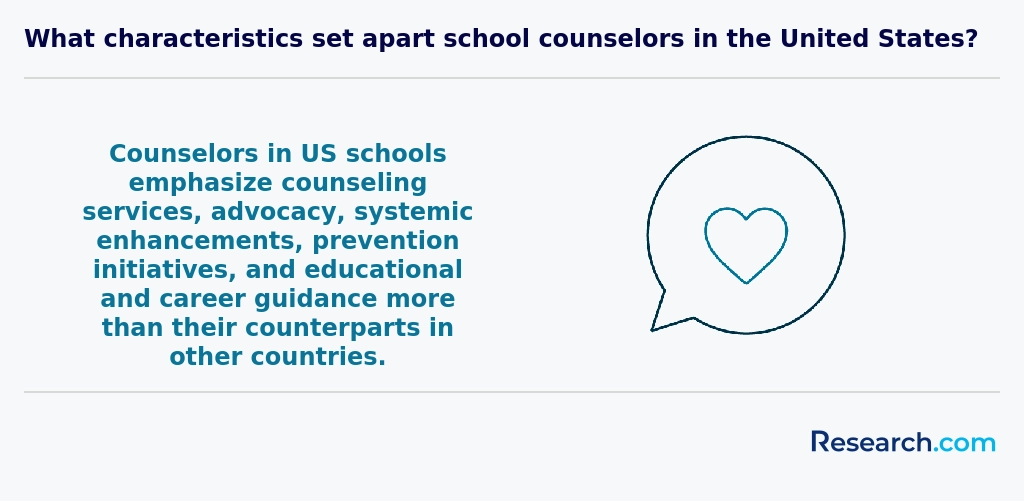
What career paths are available for online clinical mental health counseling degree students in the Northeast?
Graduates holding an online clinical mental health counseling degree in the Northeast can pursue varied clinical mental health counseling careers northeast, including licensed professional counselors (LPCs), clinical therapists in hospitals or outpatient clinics, and school counselors. These roles are prevalent in regional healthcare facilities and educational institutions, where graduates often report a strong sense of fulfillment helping individuals manage anxiety, depression, and trauma. Employment data from the U.S. Bureau of Labor Statistics reflects median wages ranging from $50,000 to $65,000 annually, influenced by state-specific licensure and experience.
Specialization further diversifies online mental health counseling jobs northeast. Graduates frequently enhance career prospects by earning credentials in substance abuse treatment or trauma-informed care, with states like New York and Massachusetts recognizing these specialties. Remote work opportunities through telehealth have also expanded rapidly, supported by a 20% increase in telehealth counseling roles since 2021, which graduates from popular Northeast universities praise for its flexibility and client reach.
Many students from well-known colleges in the region find that pursuing additional certifications, such as those for substance abuse counseling, opens rewarding paths; some explore the best online substance abuse counseling degree options to deepen expertise. Leadership tracks in administration or mental health program development also appeal to graduates aiming for career advancement aligned with local healthcare initiatives.
What is the job market for online clinical mental health counseling degree in the Northeast?
The job market for graduates holding an online clinical mental health counseling degree in the Northeast is notably strong, driven by increasing demand for licensed counselors across hospitals, schools, and community agencies. With projected national growth of 23% from 2020 to 2030, counselors in this region, including states like New York and Massachusetts, benefit from robust licensure support and competitive salaries ranging from $50,000 to $65,000 annually. Graduates from well-known universities in the Northeast often share positive experiences about navigating clear licensure pathways such as the LCMHC, which enhances employability in urban centers like Boston and New York.
Those pursuing online clinical mental health counseling jobs Northeast appreciate the expanding opportunities in teletherapy and remote counseling, supported by strong digital health infrastructure. Additionally, many students find value in the accredited MFT programs online offered by institutions in Pennsylvania and New Jersey, balancing affordable tuition with quality education. These factors collectively create a promising environment for new professionals entering the mental health field.
Frequently Asked Questions About clinical mental health counseling
Students pursuing online clinical mental health counseling degrees in the Northeast can maximize their learning by actively engaging with both digital and local resources. Participating in virtual discussions and utilizing faculty office hours enhances understanding and builds important professional relationships. Given state-specific licensure requirements, students should seek programs accredited by CACREP to ensure smoother certification processes in states like New York and Massachusetts. Additionally, leveraging regional internship opportunities helps apply theory to practice and meet clinical hour mandates. According to the New England Board of Higher Education, networking with local counseling associations can provide mentorship and job placement advantages. Staying organized and managing time effectively are also essential for success.
The field of clinical mental health counseling is evolving rapidly, with several emerging niches gaining prominence in the Northeast. One notable area is trauma-informed counseling, addressing the rise in clients impacted by adverse childhood experiences and the opioid crisis, both prevalent in this region according to recent data from the Substance Abuse and Mental Health Services Administration (SAMHSA).
Another growing niche is telehealth counseling, which expanded significantly during the COVID-19 pandemic and remains vital in rural parts of the Northeast with limited access to in-person care.
Additionally, there is increasing demand for counselors specializing in geriatric mental health, reflecting the aging population trends highlighted by the U.S. Census Bureau for states like New York and Massachusetts.
These specialties offer new career opportunities for graduates of online clinical mental health counseling programs targeting Northeast students.
After completing an online clinical mental health counseling degree in the Northeast, preparing for the job market involves several key steps. First, obtaining licensure is essential. Most states in the region require passing the National Counselor Examination (NCE) and completing supervised clinical hours-commonly 2,000 to 4,000 hours over two to three years, according to the National Board for Certified Counselors (NBCC).
Networking with local professionals through state counseling associations, such as the New York Mental Health Counselors Association or the Massachusetts Counselors Association, can open job opportunities.
Additionally, gaining experience via internships or residencies during or after the degree helps build practical skills and enhances employability. According to the Bureau of Labor Statistics, employment for mental health counselors in the Northeast is projected to grow by about 15% through 2030, reflecting strong demand.
Employers in the Northeast prioritize several key skills when hiring graduates with online clinical mental health counseling degrees. Strong communication skills, both verbal and written, are essential for effective client interaction and collaboration with healthcare teams. Employers also look for cultural competence, reflecting the region's diverse population. Problem-solving and critical thinking abilities enable counselors to develop individualized treatment plans. According to the Bureau of Labor Statistics, the demand for mental health counselors in states like New York and Massachusetts is growing faster than the national average, emphasizing the importance of adaptability and empathy.
Knowledge of ethical practices and confidentiality regulations, such as HIPAA, is crucial. Graduates with experience using telehealth platforms gain an advantage, as teletherapy expands access across the Northeast. Supervisory experience or familiarity with state licensure requirements also strengthens candidacy.
Finding internships in the Northeast for clinical mental health counseling students often begins with leveraging university resources. Many accredited programs have formal partnerships with local hospitals, community mental health centers, and nonprofit organizations. According to the Council for Accreditation of Counseling & Related Educational Programs (CACREP), around 70% of clinical counseling internships in this region are secured through school-affiliated placements.
Students should also explore state licensing boards' websites, such as the New York State Office of Mental Health or Massachusetts Board of Registration of Allied Mental Health Practitioners, which often list approved internship sites.
Additionally, professional organizations like the American Counseling Association (ACA) provide internship listings and networking events specifically useful in the Northeast.
Obtaining an online clinical mental health counseling degree in the Northeast significantly enhances career mobility by meeting state licensure requirements across multiple jurisdictions. Many states in this region, including New York, Massachusetts, and New Jersey, recognize online degrees from regionally accredited institutions, allowing graduates to pursue licenses as Licensed Professional Counselors (LPCs) or Licensed Mental Health Counselors (LMHCs).
This licensure is essential for clinical practice and opens doors to various employment settings such as hospitals, private practices, and community agencies. According to the U.S. Bureau of Labor Statistics (BLS), mental health counselor employment in the Northeast is expected to grow by approximately 20% from 2022 to 2032, which is higher than the national average.
Additionally, advanced degrees can lead to leadership roles and higher salaries. The Commission on Accreditation for Counseling and Related Educational Programs (CACREP) emphasizes that accredited online programs maintain rigorous standards, ensuring graduates are competitive for supervisory and specialized counseling positions.
Studying for a clinical mental health counseling degree in the Northeast equips students to work effectively in interdisciplinary teams. Many programs emphasize collaboration with professionals in social work, psychology, medicine, and education, reflecting the region's integrated healthcare approach. According to the Council for Accreditation of Counseling & Related Educational Programs (CACREP), over 70% of accredited programs in the Northeast include coursework focused on interdisciplinary skills.
This training prepares graduates to communicate across disciplines, improving client outcomes. Students gain experience in diverse settings such as hospitals, schools, and community agencies common in states like New York, Massachusetts, and Pennsylvania.
Such preparation is essential as mental health care increasingly relies on multifaceted strategies involving multiple specialists.
When choosing between thesis and non-thesis clinical mental health counseling programs in the Northeast, consider your career goals and learning preferences. Thesis options typically involve conducting original research, ideal for students aiming for research roles or pursuing doctoral studies. Non-thesis programs emphasize practical skills and often include internships or capstone projects, preparing students directly for clinical practice.
Many accredited programs in the Northeast, such as those in New York and Massachusetts, align with CACREP standards, ensuring licensure eligibility. According to the 2023 Bureau of Labor Statistics, demand for licensed mental health counselors in this region is expected to grow by 20% through 2030, highlighting the importance of practical experience.
Lastly, thesis tracks may require more time to complete, so consider your schedule and financial resources carefully.
Students based in the Northeast interested in studying clinical mental health counseling abroad have limited direct options within traditional U.S. higher education frameworks. Most clinical mental health counseling degrees accredited by CACREP are offered domestically, ensuring eligibility for licensure in the U.S. However, some universities in the Northeast partner with international institutions for study abroad opportunities, typically as short-term cultural or clinical exposure programs rather than full degree completion.
Fully online degree programs remain the preferred pathway for students aiming to study remotely while residing in the Northeast. These programs often include supervised clinical hours locally to meet state licensing requirements. According to the Council for Accreditation of Counseling and Related Educational Programs (CACREP), cross-border licensing complexities can restrict direct application of foreign degrees in U.S. practice settings.
Prospective students should carefully verify how international coursework aligns with U.S. licensure regulations and consider programs with strong domestic accreditation and clinical practicum options within the Northeast.
Part-time job opportunities that complement an online clinical mental health counseling degree in the Northeast include roles such as mental health technician, behavioral health aide, or case manager. These positions offer practical experience working with clients under supervision, aligning well with curriculum requirements. According to the U.S. Bureau of Labor Statistics, the Northeast has a strong demand for mental health technicians, with median hourly wages around $16 to $20. Additionally, working in community health centers or hospitals provides exposure to diverse populations, enhancing clinical skills. Such jobs help students meet practicum hours while earning income and expanding professional networks in mental health fields.
Online clinical mental health counseling students in the Northeast benefit from robust networking opportunities despite remote learning. Many accredited programs partner with local mental health agencies, hospitals, and community organizations, facilitating virtual internships and practicum placements. These connections allow students to engage with licensed professionals in states like New York, Massachusetts, and Pennsylvania, where demand for mental health counselors is growing by over 20% according to the U.S. Bureau of Labor Statistics.
Professional associations, such as the New England Association of Counselor Educators and Supervisors, offer regional online events, workshops, and mentoring programs tailored for graduate students. Furthermore, students can access alumni networks and online forums that promote collaboration and job placement across Northeast metropolitan areas.
Alumni networks provide valuable benefits for students pursuing online clinical mental health counseling degrees in the Northeast. These networks offer mentorship opportunities, allowing current students to connect with experienced graduates who understand regional licensing requirements and job markets. According to the National Board for Certified Counselors, networking can increase graduates' chances of employment by up to 20%.
Additionally, alumni groups often share job leads and internship openings specific to Northeastern states, helping students gain relevant clinical hours required for licensure. Participation in these networks also fosters a supportive community, which is important given the challenges of studying online and working in mental health fields.
Students pursuing an online clinical mental health counseling degree in the Northeast can often tailor their programs through elective courses, specialized tracks, and practicum placements. Many universities offer options in areas like trauma, substance abuse, or school counseling, allowing learners to focus on specific populations or issues.
In addition, some programs provide flexible scheduling and part-time enrollment, enabling working professionals to balance education with their careers. According to the Council for Accreditation of Counseling and Related Educational Programs (CACREP), Northeastern schools typically require 60 credit hours, including supervised clinical experience relevant to licensure requirements in states such as New York, Massachusetts, and Pennsylvania.
Students should review state licensure guidelines closely and select internships that align with their intended certification paths. This proactive approach ensures degree content supports career ambitions in the competitive mental health field.
Students pursuing online clinical mental health counseling degrees in the Northeast often face unique challenges related to the region's regulatory landscape. Licensure requirements vary significantly across states like New York, Massachusetts, and Pennsylvania, making it essential for students to understand state-specific criteria to ensure their education aligns with future credentialing needs.
Access to quality clinical placements is another common difficulty. Due to high demand, students may struggle to find supervised internships within a reasonable distance, especially in rural parts of the Northeast. This can delay program completion and licensure eligibility.
Additionally, balancing rigorous coursework with personal and professional responsibilities remains a widespread concern. According to the New England Board of Higher Education, nearly 60% of online counseling students report time management as a primary stressor.
With an online clinical mental health counseling degree, professionals in the Northeast can pursue several key certifications that enhance career opportunities. The most common is the Licensed Professional Counselor (LPC) credential, required for clinical practice in states such as New York, Massachusetts, and Pennsylvania. Each state has specific supervised experience and examination requirements.
Additionally, counselors may seek the National Certified Counselor (NCC) certification from the National Board for Certified Counselors, which is recognized nationwide. This credential often supports licensure reciprocity and professional development.
Some states also offer specialties like Licensed Mental Health Counselor (LMHC) or Licensed Clinical Professional Counselor (LCPC). According to the American Counseling Association, over 70% of practicing counselors in the Northeast hold at least one recognized credential, emphasizing the importance of certification for employment and advancement.
To write a winning application for an online clinical mental health counseling program in the Northeast, start by thoroughly researching accredited programs recognized by the Council for Accreditation of Counseling and Related Educational Programs (CACREP). Accreditation ensures quality education and eligibility for licensure.
Highlight relevant experience, such as internships or related healthcare roles. Admissions committees value practical exposure to mental health environments. Tailor your personal statement to emphasize your passion for counseling and understanding of cultural diversity, which is critical in the Northeast's varied population.
Strong letters of recommendation, preferably from professionals in mental health or academia, significantly boost your application. Lastly, ensuring your GPA and test scores meet program criteria is essential; for example, many top programs prefer applicants with at least a 3.0 GPA.
Clinical mental health counseling is increasingly recognized worldwide, but standards and licensing requirements vary significantly. In the United States, including the Northeast, the profession is well-established with specific credentials like the Licensed Mental Health Counselor (LMHC) or Licensed Professional Counselor (LPC), which ensure quality and trust.
Globally, many countries lack uniform licensing, making U.S. degrees, especially those from accredited Northeast institutions, highly valued internationally. According to the Bureau of Labor Statistics, the U.S. expects a 22% job growth in mental health counseling through 2031, reflecting rising demand locally and globally.
For Northeast students, pursuing an online degree offers flexibility and access to programs accredited by CACREP, which is increasingly preferred worldwide.
Gaining practical experience while studying for an online clinical mental health counseling degree in the Northeast is essential for licensure and skill development. Most accredited programs require students to complete supervised clinical internships or practicum placements, often totaling 600 to 1,000 hours. These hours can typically be completed at local mental health agencies, hospitals, or counseling centers near the student's residence.
Many online programs partner with institutions throughout the Northeast to help students find placement sites. According to the National Board for Certified Counselors, supervised experience is a key component in meeting state eligibility requirements for licensure, especially in states like New York and Massachusetts. Students should seek programs offering strong field placement support to ensure access to diverse client populations and qualified supervisors.
When choosing a concentration within an online clinical mental health counseling degree program in the Northeast, consider your career goals and the populations you wish to serve. Concentrations often include areas like substance abuse, trauma, or child and adolescent counseling. Aligning your focus with local job market demands can improve employment prospects; for example, Massachusetts reports a high need for substance abuse counselors, according to the Bureau of Labor Statistics.
Also, research state licensure requirements, as some specialties may facilitate licensure in states like New York or Pennsylvania. Accreditation from bodies such as CACREP ensures programs meet professional standards, which is crucial for future certification.
Additionally, evaluate faculty expertise and available resources in your chosen field. Online flexibility in the Northeast allows access to specialized faculty from universities like Boston University or Penn State, which can enhance your educational experience.
Top Trending Clinical Mental Health Counseling Rankings
References
- Become a Mental Health Counselor https://socialworklicensemap.com/social-work-resources/become-mental-health-counselor/
- Best Online Counseling Degree Programs 2025 https://www.psychology.org/rankings/best-online-counseling-programs/
- metrics https://ojed.org/jis/article/view/3444/1955
- Mental Health Counseling MS Salary Guide | University of Bridgeport https://www.bridgeport.edu/news/masters-in-counseling-salary-guide/
- College of Health and Human Services https://www.utoledo.edu/hhs/counselor-education/Programs/CMHC/cmhc-endorsement.html
- How Alumni Networks Enhance Mental Health and Organizational Culture – Alumni Reach https://alumnireach.com/how-alumni-networks-enhance-mental-health-and-organizational-culture/
- Online Master's in Mental Health Counseling https://onlinecounselingprograms.com/online-counseling-degrees/online-masters-in-mental-health-counseling/
- Get Remote Mental Health Internships for Graduate Students https://www.solhealth.co/internship-program
- Clinical Mental Health Counseling Master’s Online https://www.baypath.edu/academics/graduate-programs/clinical-mental-health-counseling-ms/
- Clinical Mental Health Counseling, MA (Online) https://programs.tcnj.edu/graduate/clinical-mental-health-counseling-ma-online


