2027 Military-Friendly Online Computer Science Bachelor's Degree Programs

Co-Founder and Chief Data Scientist
Choosing an online computer science bachelor’s degree while serving, separating, or supporting a military household is different from choosing a standard online program. The right school must do more than offer remote classes. It should accept military education benefits, evaluate military training for credit, protect students during deployments or PCS moves, and provide advising that understands VA, TA, MyCAA, and Yellow Ribbon rules.
For active-duty service members, veterans, National Guard and Reserve members, and military spouses, these details can determine whether a degree is affordable, transferable, and realistic to finish. Studies show that over 60% of veterans pursuing tech degrees prefer military-friendly schools offering credit for prior learning and flexible scheduling.
This guide explains what to look for in military-friendly online computer science bachelor’s programs, how major benefits apply, which policies reduce risk, and how to compare programs based on cost, accreditation, transfer credit, flexibility, and career outcomes.
Key Things to Know About Military-Friendly Online Computer Science Bachelor's Degree Programs
- Military-friendly online computer science programs offer deployment deferments, flat military tuition rates, and recognize military training through credit evaluations to provide needed flexibility.
- Students can maximize federal benefits by combining the GI Bill, Military Tuition Assistance, and Yellow Ribbon Program to reduce or eliminate education costs.
- Return on investment is optimized through benefit stacking and prior learning assessments, often resulting in near-zero out-of-pocket expenses and strong employment outcomes post-graduation.
What Are the Best Military-Friendly Online Computer Science Bachelor's Degree Programs Available Today?
The best military-friendly online computer science bachelor’s programs combine accredited academics with policies that recognize the realities of military life. Strong programs usually participate in the Yellow Ribbon Program, follow the Department of Defense’s Principles of Excellence, accept Military Tuition Assistance, evaluate Joint Services Transcripts, and assign advisors who understand active-duty, veteran, Guard, Reserve, spouse, and dependent benefits.
Cost matters, but it should not be the only factor. Military students should compare tuition after benefits, transfer-credit limits, deployment protections, asynchronous course availability, and whether the curriculum aligns with software development, cybersecurity, data analytics, systems analysis, or other civilian technology roles. Students comparing affordability across schools may also want to review options for a computer science bachelor degree online before committing to a program.
Programs frequently recognized for military-friendly policies, flexible tuition support, or strong online infrastructure include:
- Arizona State University: Offers fully online computer science degrees with flat tuition rates near $370 per credit for military students, accepts Military Tuition Assistance (TA) and MyCAA, and participates in Yellow Ribbon with specialized military advisors.
- Florida State University: Provides computer science education with in-state tuition for veterans regardless of residency at about $212 per credit hour, supports deployment deferments, and holds Principles of Excellence status.
- University of Maryland Global Campus: Known for extensive military support including tuition around $250 per credit hour, Military TA, MyCAA, Yellow Ribbon, and prior learning assessments that reduce time to degree.
- Liberty University: Features flat tuition for service members about $390 per credit hour, Yellow Ribbon participation, and flexible scheduling suited for military deployments and reserves.
- Colorado Technical University: Offers military flat-rate tuition near $350 per credit hour, GI Bill and TA funding support, veteran-focused career services, and honors transfer credits.
- Southern New Hampshire University: Maintains a dedicated military office, participates in Yellow Ribbon, offers tuition as low as $320 per credit hour, and provides comprehensive advising and transfer policies for military learners.
- Bellevue University: Designed for military students, with tuition rates around $350 per credit hour, extensive credit for military training, and a 24/7 advising team specializing in service member needs.
- New Jersey Institute of Technology: Offers active military tuition around $450 per credit, Yellow Ribbon benefits, and established credit transfer pathways linked to the Department of Defense.
When comparing these schools, ask for a written estimate showing tuition, fees, expected transfer credits, benefit eligibility, and likely remaining out-of-pocket costs. A low advertised military tuition rate is helpful only if the school also accepts the benefits and credits you plan to use.
Employment data from the Bureau of Labor Statistics, the VA's College Scorecard, and graduate outcome reports confirm these programs align with industry demand and promote strong career trajectories. Service members aiming to pursue the best online computer science bachelor's degree programs for military students should also evaluate return on investment carefully, accounting for near-zero out-of-pocket costs when federal benefits are fully utilized.
If your career plan has shifted outside computing, related flexible programs such as online masters speech pathology programs may be worth comparing for cost, format, and benefit compatibility.
How Do Military Tuition Assistance (TA) and GI Bill Benefits Apply to Online Computer Science Bachelor's Programs?
Military Tuition Assistance and GI Bill benefits can significantly reduce the cost of an online computer science bachelor’s degree, but they follow different rules. TA is usually the first funding source for active-duty students. GI Bill benefits often provide broader support for veterans and eligible service members, including tuition, housing, and books depending on the version used and enrollment status.
Military Tuition Assistance (TA) is a Department of Defense program that offers up to $4,500 per fiscal year for tuition and fees, with per-credit-hour caps that vary by branch and institution. The payment is normally sent directly to the school after approval, so students should request TA before the course start date and confirm that the program is eligible under branch rules.
The GI Bill, including Post-9/11 and Montgomery versions, complements TA by providing broader benefits. The Post-9/11 GI Bill covers full tuition at in-state public schools, offers a monthly housing allowance based on the school's location, and includes an annual book stipend up to $1,000. The Montgomery GI Bill provides fixed monthly payments that typically require upfront tuition payment with later reimbursement. Both programs support online learners, but housing allowances may differ depending on enrollment status and program type.
Benefit stacking requires planning. In many cases, TA is applied first to reduce tuition, and GI Bill benefits may cover remaining eligible expenses. Benefits cannot be stacked beyond the full tuition cost, but a well-planned sequence can reduce or eliminate out-of-pocket tuition while preserving housing and book support where applicable.
- Annual TA Limits: TA covers up to $4,500 annually with varying per-credit caps; planning course loads around these limits optimizes benefit use.
- GI Bill Components: Post-9/11 GI Bill offers tuition, housing, and book stipends, while Montgomery GI Bill provides monthly payments requiring upfront tuition payment.
- Benefit Stacking Rules: TA is applied before GI Bill benefits; combined payments cannot exceed tuition but reduce out-of-pocket costs effectively.
- Online Program Considerations: GI Bill housing allowances may vary with enrollment status; military credit evaluations and flat tuition rates increase program flexibility.
- Planning Tools: The VA's GI Bill Comparison Tool offers detailed school benefit data to help maximize funding for online computer science bachelor's programs.
Before enrolling, students should ask the school’s military or veteran services office to explain how TA, GI Bill benefits, Yellow Ribbon funding, institutional scholarships, and transfer credits will appear on the bill. The best programs provide a clear cost worksheet before the first term begins.
Students considering a broader academic path may also compare an accelerated bachelor's degree in psychology if their goals include human services, management, or interdisciplinary technology roles.
What Is the Typical Duration of a Military-Friendly Online Computer Science Bachelor's Degree, and Can Active-Duty Students Finish Faster?
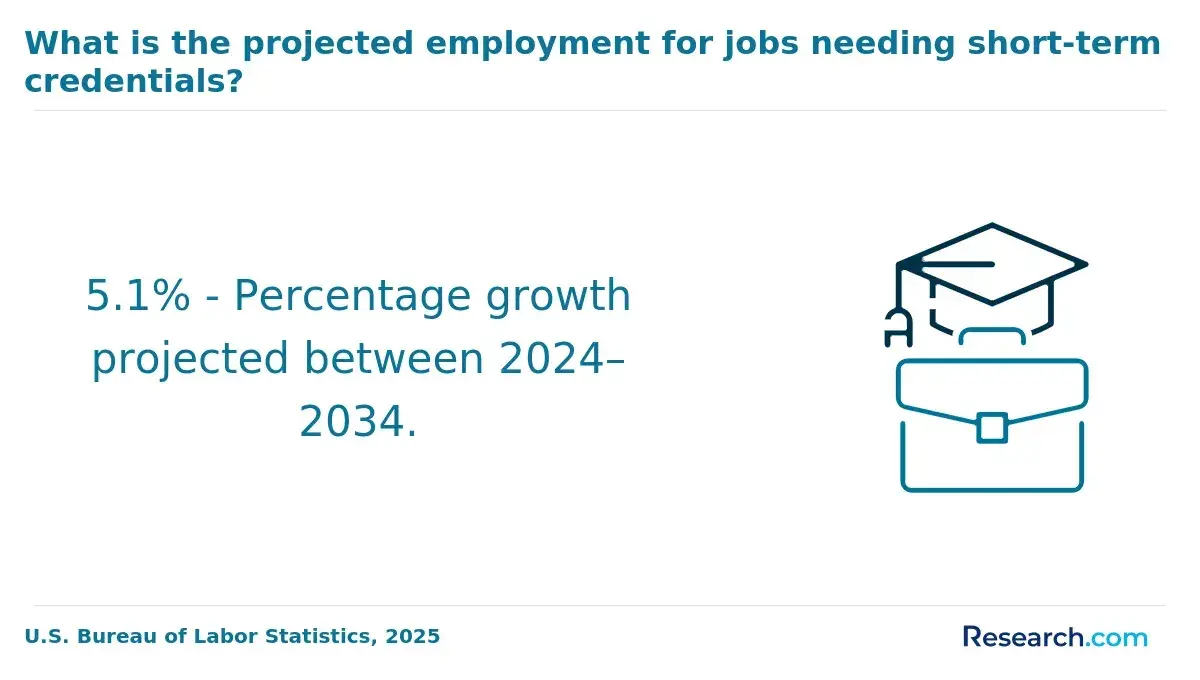
Most military-friendly online computer science bachelor’s degrees are built around a 120-credit hour plan and are designed to be completed in about four years. Active-duty students may take longer if deployments, shift work, or PCS moves interrupt enrollment. They may also finish faster if the school accepts substantial transfer credit, offers short terms, and allows continuous enrollment.
The fastest path usually comes from combining several strategies: submitting military transcripts early, transferring prior college credit, using ACE-recommended military training credits, taking CLEP or DSST exams when appropriate, and choosing a program with eight-week courses or year-round start dates. Competency-based education may also help students who can demonstrate skills instead of repeating material they already know.
Active-duty students can shorten their degrees significantly by using military life-credit waivers, ACE transcript evaluations, and credits from CLEP or DSST exams. These options reduce required coursework, enabling faster progress. For example, Southern New Hampshire University reports active-duty students finishing in roughly 2.5 to 3 years, while Liberty University notes averages near three years under similar flexible programs.
- Standard Framework: Bachelor's programs typically require about 120 credits with a targeted four-year completion, providing a solid academic structure.
- Accelerated Terms: Eight-week courses and continuous enrollment allow students to move through material quickly despite military duties.
- Military Credit Benefits: Credit for military training, ACE evaluations, and standardized exams like CLEP shorten time to degree.
- Institutional Data: Schools like Southern New Hampshire and Liberty University document average completion times between 2.5 to 3 years for military learners.
- Financial Impact: Quicker graduations save on tuition and retain GI Bill benefits for future study opportunities.
The main trade-off is workload. Accelerated computer science courses can be demanding because programming, discrete math, algorithms, databases, and systems courses require practice time. Students with unpredictable duty schedules should choose speed only if the school also offers flexible deadlines, incomplete grades, military withdrawals, or deployment pauses.
Which Online Computer Science Bachelor's Programs Participate in the Yellow Ribbon Program, and How Does It Benefit Veterans?
The Yellow Ribbon Program helps eligible veterans using the Post-9/11 GI Bill pay tuition costs that exceed standard coverage, especially at private schools or out-of-state public institutions. The school contributes an agreed amount, and the Department of Veterans Affairs matches that contribution. For online computer science students, this can make a higher-cost program financially realistic if the school has available Yellow Ribbon funding.
Several online computer science degree programs are part of the Yellow Ribbon Program, offering meaningful financial assistance to military students. Notable participants include:
- Colorado State University-Global Campus, which contributes up to $10,000 annually with VA matching;
- Kennesaw State University, offering $5,000 yearly with slots that fill rapidly;
- Regent University, providing $7,500 per year prioritizing early applicants;
- Maryville University, with $5,000 yearly contributions;
- Southern New Hampshire University, supporting veterans with $3,000 each year on a first-come, first-served basis;
- University of Maryland Global Campus, which offers variable contributions;
- Drexel University, granting up to $7,500 annually; and
- Liberty University, often exceeding $10,000 matched funds.
Yellow Ribbon participation alone is not enough. Schools may limit the number of students, cap annual contributions, or award funds on a first-come, first-served basis. Veterans should confirm eligibility, annual funding amount, application deadline, and whether online computer science students qualify before enrolling.
The financial support from the Yellow Ribbon Program complements other opportunities like Military Tuition Assistance and benefit stacking strategies, which are essential when calculating return on investment with near-zero out-of-pocket costs. Students comparing business and technology pathways may also review a business administration degree online to understand alternative online bachelor’s options.
What Accreditation Should a Military-Friendly Online Computer Science Bachelor's Program Have to Protect Veterans' Benefits?
Accreditation is one of the most important safeguards for military students. It affects GI Bill eligibility, credit transfer, graduate school options, employer confidence, and the value of the degree. Before applying, students should verify that both the institution and the program meet the standards required for their education benefits and career goals.
Regional accreditation, rather than national accreditation, is typically required by the Department of Veterans Affairs (VA) to ensure eligibility for GI Bill benefits. This form of accreditation represents verified academic quality and facilitates smoother credit transfers, which is essential for military students who may relocate or seek accelerated degree completion.
The United States is divided into seven primary regional accrediting agencies:
- Higher Learning Commission (HLC): Oversees colleges mainly in the Midwest, including states like Illinois and Ohio.
- Southern Association of Colleges and Schools Commission on Colleges (SACSCOC): Accredits southern institutions covering areas such as Texas and Florida.
- New England Commission of Higher Education (NECHE): Responsible for New England states including Massachusetts and Connecticut.
- Middle States Commission on Higher Education (MSCHE): Covers schools in New York, Pennsylvania, and New Jersey.
- Northwest Commission on Colleges and Universities (NWCCU): Accredits universities in Pacific Northwest states like Washington and Oregon.
- WASC Senior College and University Commission (WSCUC): Primarily for California and Hawaii institutions.
- Accrediting Commission for Community and Junior Colleges (ACCJC): Focuses on two-year colleges in California, Hawaii, and nearby Pacific regions.
Programmatic accreditation in computer science can be valuable, but it is supplementary and not mandatory for VA funding purposes. The bigger risk is enrolling in a school without the required institutional accreditation. That can jeopardize benefit eligibility, limit transfer options, and make it harder to use prior credit efficiently.
Military students should confirm a school’s regional accreditation status and VA approval through the VA's WEAMS Institution Search and the U.S. Department of Education's accreditation database before enrollment. They should also ask whether the online computer science degree appears on the same transcript as the campus-based degree, if applicable.
How Do Military-Friendly Online Computer Science Programs Accommodate Deployments, PCS Moves, and Irregular Schedules?
Military-friendly online computer science programs should have written policies for deployments, PCS moves, training exercises, shift changes, and other service-related disruptions. Verbal assurances are not enough. Students should ask for the policy in writing and confirm how it affects tuition, grades, financial aid, and benefit certification.
- Military Withdrawal Policies: These allow students to exit courses without financial or academic penalties due to military obligations. Programs aligned with DoD Voluntary Education Partnership MOU standards often guarantee refunds or automatically assign incompletes to protect academic standing.
- Deployment Deferment Options: Students can pause enrollment or defer coursework during active duty deployments, enabling seamless continuation afterward without the need to drop or retake classes.
- Asynchronous Course Delivery: Fully online courses offered asynchronously let military students manage coursework around unpredictable schedules and relocations common in military life.
- Rolling Enrollment and Start Dates: Multiple admission windows throughout the year prevent long delays when sudden duty changes or deployments interrupt studies.
- Flat Military Tuition Rates and Credit Evaluation: Fixed tuition for military students and recognition of military training for academic credit reduce financial barriers and shorten time to degree completion.
According to the 2023 Council of College and Military Educators survey, over 85% of institutions with military-focused programs provide guaranteed deployment accommodations that avoid academic penalties.
Prospective students should ask admissions advisors these key questions to test whether a program is truly military-friendly:
- Deployment Policies: Are course completion accommodations guaranteed without financial or academic loss if deployed mid-semester?
- Enrollment Flexibility: Does the program offer rolling start dates to accommodate duty-related interruptions?
- Credit for Military Experience: How are prior military trainings evaluated for transferable academic credit?
- Use of Benefits: Which federal education benefits are accepted, and are special military tuition rates or scholarships available?
The strongest programs make accommodations predictable. They explain deadlines, documentation requirements, refund rules, incomplete-grade options, and reentry procedures before a student faces an interruption.
What Financial Aid and Scholarships Are Exclusively Available to Military Students Pursuing Online Computer Science Degrees?
Military students pursuing online computer science degrees may qualify for several funding sources beyond the GI Bill and Military Tuition Assistance. The best approach is to build a full funding plan, not rely on one benefit. That plan should include federal benefits, branch-specific resources, state programs, school scholarships, and spouse or dependent aid where applicable.
- MyCAA Scholarship: Available exclusively to military spouses, this scholarship offers up to $4,000 for associate degrees, certificates, or licenses in STEM fields, including Computer Science. The program assists with tuition and fees but requires enrollment in an approved curriculum.
- State Veteran Education Grants: Many states provide additional grants and tuition waivers for veterans and active-duty personnel attending state colleges or universities. Some states prioritize STEM disciplines, allowing these grants to stack with federal benefits.
- AMVETS Scholarships: Competitive scholarships targeting veterans, including those pursuing STEM majors such as Computer Science. Award amounts vary annually, with eligibility based on academic achievement and financial need.
- VFW Scholarships: Veterans of Foreign Wars offers multiple scholarships for veterans and spouses, several of which emphasize technology and engineering fields related to Computer Science.
- Branch-Specific Education Funds: Individual branches maintain dedicated education funds or scholarships supporting STEM programs. Examples include the Air Force Aid Society and the Navy's General Education Program offering targeted STEM scholarships and grants.
Layering these scholarships and grants with GI Bill benefits, TA, and state aid can often cover full tuition and fees. Recent VA data shows military-affiliated students combining multiple aid sources experienced a 25% average reduction in education-related debt compared to using single benefits.
Students should also check scholarship timing. Some awards require applications before enrollment, while others require a completed FAFSA, proof of service, DD-214, spouse documentation, or enrollment in a specific number of credits.
How Many Transfer Credits and Military Training Credits Can Online Computer Science Bachelor's Programs Accept?
Many military-friendly online computer science bachelor’s programs accept transfer credit from prior college coursework, military training, standardized exams, and professional learning. The most important document for service-related credit is the Joint Services Transcript (JST), which records military coursework, occupations, and training that may carry ACE credit recommendations.
ACE evaluates military occupational specialties (MOS), Navy Enlisted Classification (NEC), and other military training to convert them into transferable college credit that may apply toward a computer science degree. However, ACE recommendations do not guarantee that every school will award credit or apply it to major requirements. Some credits may count only as electives.
Some of the most generous military training credit policies for online computer science bachelor's degrees allow acceptance of up to 90 transfer credits, equating to almost three years of coursework. Leading programs, including Arizona State University and University of Maryland Global Campus, have formal Joint Services Transcript (JST) review processes that provide personalized evaluations.
Early submission of the JST is critical. Students should request a formal credit evaluation before enrollment whenever possible, then review how each credit applies: general education, electives, major prerequisites, or core computer science courses. This prevents surprises after admission and helps estimate true time to completion.
- ACE Credit Recommendations: ACE establishes a national standard for awarding credit for military experience, ensuring service members receive recognition toward their computer science degrees.
- Joint Services Transcript (JST): JST compiles all military training records into a standardized transcript accepted by many institutions; submitting JST early accelerates credit review and enrollment planning.
- Maximum Transfer Credits: Top military-friendly programs accept up to 90 transfer credits, enabling students to complete their degree faster by applying both military and prior academic credits.
- Formal Evaluation Processes: Programs with structured JST evaluations provide personalized credit assessments, clarifying transferable credits before students begin coursework.
- Financial and Academic Planning: Early military credit evaluation helps maximize federal education benefits like the GI Bill and Military Tuition Assistance while minimizing out-of-pocket expenses.
Along with military credits, institutions often accept credits from prior college coursework or CLEP exams, further reducing degree completion time and cost. Students comparing shorter course formats can also review 6 week online courses to understand how accelerated scheduling may affect workload and degree planning.
What Are the Admission Requirements for Military-Friendly Online Computer Science Bachelor's Programs?
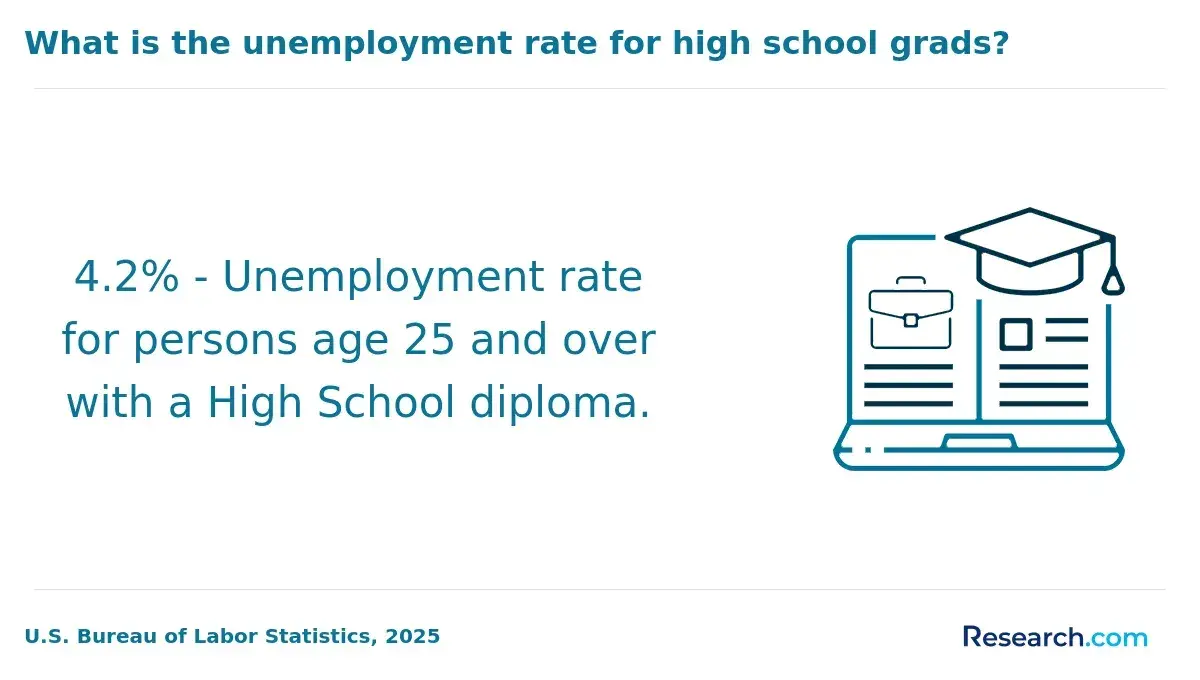
Admission requirements for military-friendly online computer science bachelor’s programs usually include a high school diploma or GED, transcripts, and proof of prior college credit if applicable. Many programs expect minimum GPAs typically between 2.5 and 3.0 on a 4.0 scale, while others use open-admission or rolling-enrollment models designed for adult and military learners.
Applicants with military backgrounds should submit all relevant documentation early. That may include a Joint Services Transcript, prior college transcripts, DD-214 discharge papers when applicable, and documents needed to verify VA educational benefits or Military Tuition Assistance eligibility. These records can strengthen the application and support transfer-credit review.
Some programs may require or recommend specific math or programming preparation. Computer science students should be ready for coursework in programming, discrete mathematics, algorithms, databases, computer systems, and software engineering. If a student has been out of school for several years, a program with strong tutoring, math refreshers, or introductory programming support may be a better fit than a highly compressed pathway.
- Academic Prerequisites: A high school diploma or GED is mandatory, with several programs requiring minimum GPAs around 2.5 to 3.0 and specific math or programming coursework.
- Military Documentation: Submission of DD-214 discharge papers and Joint Services Transcripts is vital to gain credit for military training and leadership experience.
- Admission Models: Selective programs provide academic rigor and robust support but require higher qualifications, while open-admission schools prioritize veterans' accessibility.
- Financial Certification: Early VA benefits and Military Tuition Assistance approvals streamline tuition funding and reduce out-of-pocket expenses.
- Application Strengthening: Leveraging military leadership documents and verified training records offset academic gaps and enhance admission prospects.
To evaluate the financial investment and return on investment when pursuing online computer science degrees, military students should review data from sources such as the Bureau of Labor Statistics and the VA's College Scorecard. For many, near-zero out-of-pocket costs are achievable by stacking benefits and leveraging prior learning assessments.
For broader context on education costs in other fields, the average cost of MLIS degree US can serve as a comparative benchmark for graduate education expenses.
Which Online Computer Science Bachelor's Programs Offer the Best Career Outcomes and Earning Potential for Military Graduates?
The strongest career outcomes usually come from accredited programs that connect computer science coursework with high-demand roles, military experience, and security or technical credentials. Military graduates may be especially competitive for technology jobs in defense contracting, federal agencies, cybersecurity operations, software development, cloud infrastructure, and systems administration.
Fields such as software development, information security analysis, and computer systems analysis offer median annual salaries between $95,000 and $110,000, according to the Bureau of Labor Statistics. Veterans and service members with active security clearances often receive salary boosts of 10% to 20%, reflecting heightened demand for cleared candidates in technology roles associated with national security.
- Specializations: Concentrations in cybersecurity, software engineering, and data analytics align well with careers in federal agencies, defense contracting, and civil service.
- Salary Premiums: Active security clearances typically increase starting pay, especially for roles supporting the Department of Defense and intelligence communities.
- Graduate Outcomes: Data from the College Scorecard show employment rates exceeding 85% within six months for military-friendly institutions offering computer science degrees.
- Program Flexibility: Military tuition rates, deployment deferments, and credit recognition for service training help reduce both time and cost to degree completion.
- Career Alignment: Using O*NET's military crosswalk tool reveals strong matches between program concentrations and civilian roles like cybersecurity specialists and IT project managers-common transitions for military students.
Career outcome comparisons should include more than salary. Students should review internship support, clearance-friendly employer relationships, veteran career services, certification preparation, alumni networks, and whether the curriculum includes portfolio projects that can be shown to employers.
Selecting accredited programs that integrate with military benefit systems such as the GI Bill and Yellow Ribbon Program optimizes financial support. Combining tuition assistance, prior learning assessments, and benefit stacking can minimize out-of-pocket expenses, improving return on investment while preparing graduates for long-term civilian success.
How Do Spouse and Dependent Education Benefits Extend to Online Computer Science Bachelor's Programs at Military-friendly Schools?
Military spouses and dependents can often use education benefits at military-friendly online schools, but eligibility depends on the specific benefit, the service member’s status, and the school’s approval. Online computer science programs can be a strong fit because the degree is portable across duty stations and civilian job markets.
Military spouses pursuing online computer science bachelor's degrees can access valuable education benefits, beginning with the My Career Advancement Account (MyCAA) scholarship. This benefit offers up to $4,000 to eligible spouses for portable, career-focused programs available at MyCAA-approved military-friendly institutions, which can be verified through the official MyCAA school locator.
Surviving spouses and children of fallen service members may qualify for the Fry Scholarship, which provides financial aid toward online bachelor's degrees. Additionally, CHAMPVA education support helps eligible dependents with education-related expenses and often works alongside other benefits to cover costs. Several states also offer tuition waivers or reduced fees for military dependents attending designated public universities, lowering online computer science program expenses.
Maximizing educational funding involves stacking MyCAA with federal, state, and institutional scholarships, helping military families reduce out-of-pocket payments. Recent data reveal that online enrollment among military-connected students has increased by over 20% in five years, reflecting a growing preference for flexible, accessible learning options.
- MyCAA Scholarship: Offers up to $4,000 for eligible military spouses pursuing career-focused education at approved schools with online computer science programs.
- Fry Scholarship: Provides support for surviving spouses and children of service members lost in the line of duty toward online bachelor's degrees.
- CHAMPVA Education Support: Assists qualified dependents with educational expenses, complementing other benefit programs to offset costs.
- State Tuition Waivers: Various states provide tuition reductions or waivers for military dependents attending approved public universities, making online studies more affordable.
Spouses and dependents should confirm whether the school is approved for the specific benefit they plan to use, whether the program qualifies, and whether benefits can be combined with institutional scholarships or state tuition reductions.
What Graduates Say About Their Military-Friendly Online Computer Science Bachelor's Degree Programs
- : "I chose the military-friendly online computer science bachelor's degree program because it allowed me to continue my education seamlessly, even during deployments. The program's flexibility with deployment deferments and flat military tuition rates made it affordable and manageable. Earning this degree has opened doors for me in the tech industry, giving me confidence as I transition from military service to my civilian career. — Trace"
- : "Reflecting on my experience, the biggest draw was the recognition of my military training through credit evaluations-this saved me time and effort. The online format was perfect for balancing family life and courses, and the military-friendly policies truly made completion possible. Pursuing this degree has reshaped my professional path and provided a solid foundation for success beyond my military years. — Sutton"
- : "The reason I enrolled was the clear commitment to supporting veterans like me with tailored benefits and flexible scheduling. The flat tuition rate for military students and the option to delay coursework during deployments made the program feel designed with service members in mind. After graduating, I've seen a direct impact on my career opportunities in tech, helping me secure a role I'm passionate about. — Ezekiel"
Other Things You Should Know About Computer Science Degrees
Yes. Many military-friendly online computer science bachelor's programs accept Joint Services Transcript recommendations for transfer credit, usually after an official evaluation. Schools may also require an ACE credit review, and some cap transfer credit at 90 semester hours toward the 120-hour degree.
Yes, some programs offer tailored admission requirements for military personnel, such as recognizing military training as prior learning credits. These programs may also waive application fees and require a valid military ID for 2027 admissions.
Military members can access financial aid benefits like the Post-9/11 GI Bill, which covers tuition and fees. Additionally, many programs offer military-specific scholarships and discounted tuition rates. It's important to confirm eligibility and details with each program's financial aid office in 2027.
Yes, many military-friendly programs accept credit from CLEP and DSST exams, as well as prior learning assessments based on military training or professional experience. This allows students to accelerate their degree progress and reduce time to graduation. Prior learning credits are especially valuable for transitioning service members seeking recognition of their technical and operational skills.
References
- Online Colleges For Military Spouses And Dependents https://www.affordablecollegesonline.org/college-resource-center/online-college-military-spouses-and-dependents/
- Return on Education for Bachelor’s Degrees | SoFi https://www.sofi.com/learn/content/roi-by-bachelor-degree/
- Bachelor’s Degrees Offering the Highest and Lowest Return on Investment Revealed https://www.investopedia.com/bachelors-degrees-offering-the-highest-and-lowest-return-on-investment-revealed-11929932
- How Many Credits Do You Need to Graduate from an Online Degree Program? https://www.collegetransitions.com/blog/how-many-credits-do-you-need-to-graduate-from-an-online-degree-program/
- Explore World-class Cybersecurity Degrees and Certificates for Veterans at SANS.edu https://www.sans.edu/admissions/veterans/
- Military-Friendly Online Degrees: Flexible Education for Service Members - The College of Will Writing https://www.collegewillwriting.co.uk/military-friendly-online-degrees-flexible-education-for-service-members/
- Benefits of Going to Online School for Military Spouses https://www.columbiasouthern.edu/blog/blog-articles/2022/september/online-school-for-military-spouses/
- 2025 Best Military-Friendly Online Colleges https://www.onlineu.com/online-schools/military-friendly
- Computer Science Scholarships https://www.collegescholarships.com/major-degree/computer-science-scholarships/168
- Best Online Computer Science Bachelor's Degrees of 2025 https://www.computerscience.org/degrees/bachelors/online/