2027 Online Computer Science Bachelor's Degree Programs With Weekly Start Dates

Co-Founder and Chief Data Scientist
Choosing an online computer science bachelor’s degree is not only a question of curriculum or tuition. For many working adults, career changers, parents, military-affiliated students, and learners returning after a gap, the bigger issue is timing: can you start when you are ready, or do you have to wait months for the next semester?
Weekly and rolling start dates are designed to solve that problem. Instead of locking students into one or two major intake periods each year, these programs offer more frequent enrollment windows so accepted students can begin sooner and keep momentum. That flexibility matters in computer science, where students often want to build marketable skills in programming, systems, data, cybersecurity, or software development without putting work and family obligations on hold.
In fact, 62% of students in online computer science programs cite flexible start dates as a critical factor in program selection. This guide explains how weekly-start and rolling-start online computer science bachelor’s programs work, which accredited institutions offer them, what they cost, how transfer credit and financial aid typically apply, and how to judge whether the format fits your schedule, budget, and career goals.
Key Benefits of Online Computer Science Bachelor's Degree Programs With Weekly Start Dates
- Programs with weekly start dates offer unmatched flexibility-allowing working professionals and career changers to begin quickly without waiting for traditional semester deadlines.
- This model eliminates frustrating enrollment delays-students can start coursework within days of acceptance, accelerating progress toward a degree.
- Students can earn a regionally accredited Computer Science bachelor's while balancing work and personal commitments, supported by transfer credit and financial aid options.
What Are Weekly Start Dates in Online Computer Science Bachelor's Programs, and How Do They Differ From Traditional Term-Based Enrollment?
Weekly start dates, sometimes described as rolling or continuous enrollment, let students begin an online computer science bachelor’s program at frequent points throughout the year rather than waiting for a traditional fall, spring, or summer term. The exact model varies by school: some programs start new cohorts every week, while others offer monthly or multiple annual entry points.
The main difference is the amount of waiting time between admission and coursework. In a semester-based program, a student accepted in October may need to wait until January or later to begin. In a weekly- or rolling-start model, that same student may be able to move from acceptance to course registration much faster, assuming transcripts, financial aid, placement requirements, and advising are complete.
This format is especially useful for adults who are changing careers, using employer tuition benefits, returning with transfer credits, or trying to align school with a work schedule. However, flexibility does not mean the program is easier. Many weekly-start programs use accelerated courses, self-paced modules, or competency-based terms that require steady weekly progress.
- Traditional semester enrollment: Students start on fixed academic dates, often in 15- to 16-week terms. This format may offer more predictable pacing but less flexibility.
- Weekly or rolling enrollment: Students can begin at more frequent intervals after completing admission steps. This reduces idle time and supports faster planning.
- Competency-based enrollment: Some institutions, including programs such as Western Governors University, use term-based tuition but allow students to move faster by demonstrating mastery.
- Accelerated online courses: Some schools compress coursework into shorter blocks, which can help students finish classes sooner but increases the weekly workload.
Students comparing flexible-start programs should look beyond the advertised start date. Ask when financial aid can be disbursed, whether the first course is available immediately, how transfer credits are evaluated, and whether the program’s pace fits your weekly study time. Similar scheduling models also appear in other online graduate pathways, including accelerated MSN to DNP programs, but computer science students should focus on accreditation, technical curriculum depth, and transferability.
Which Accredited Institutions Offer Online Computer Science Bachelor's Degree Programs With Weekly or Rolling Start Dates?
Accredited online computer science and computing-related bachelor’s programs with weekly, monthly, or rolling start dates are available at several institutions. The key is to confirm both the start-date policy and the exact degree title. Some schools offer a Bachelor of Science in computer science, while others offer closely related degrees such as computer information systems or computer information technology.
Prospective students should also verify accreditation directly with the institution and the recognized accreditor before applying. A flexible start date is valuable only if the degree is credible for employment, graduate study, and transfer credit.
- University of the People: This tuition-free online Bachelor of Science in computer science program offers monthly starts, charging only assessment fees around $120 per exam instead of tuition. It is accredited by the Distance Education Accrediting Commission (DEAC).
- Southern New Hampshire University: SNHU includes computer science topics in its Bachelor of Science in computer information systems, with multiple enrollment windows including weekly starts during some terms. Tuition is approximately $320 per credit, and the university is accredited by the New England Commission of Higher Education (NECHE).
- Granite State College: Part of the University System of New Hampshire, Granite State offers an online Bachelor of Science in computer information technology with monthly or rolling start options. Tuition runs about $350 per credit, with regional accreditation from NECHE.
- Ashford University (now University of Arizona Global Campus): Its online bachelor’s in computer science has weekly start dates and charges roughly $370 per credit. The institution maintains regional accreditation through the WASC Senior College and University Commission (WSCUC).
- Western Governors University: WGU’s competency-based Bachelor of Science in computer science uses a six-month term tuition model, costing about $3,500 per term rather than per credit. Monthly enrollment allows students to start at any time. WGU is accredited by the Northwest Commission on Colleges and Universities (NWCCU).
When comparing institutions, do not choose solely because a program starts soon. Review whether the curriculum includes programming, algorithms, data structures, databases, operating systems, software engineering, discrete math, and relevant electives. Students looking at affordability across computing pathways may also want to compare online college computer science options before committing to a weekly-start program.
Cost, transfer credit, accreditation, faculty support, student services, career outcomes, and financial aid all matter. If you are comparing flexible online degrees in other fields as a budget benchmark, Research.com’s guide to healthcare administration courses can also show how online tuition structures differ by discipline.
How Do Weekly Start Dates in Online Computer Science Programs Benefit Working Adults and Non-Traditional Students?
Weekly start dates benefit working adults by reducing the gap between decision and action. For many non-traditional students, waiting for the next semester can create a practical barrier: work schedules change, family responsibilities increase, motivation fades, or employer tuition deadlines pass. A more frequent start option helps students begin while their plans, finances, and support systems are aligned.
Research from the National Center for Education Statistics and the Lumina Foundation confirms that flexible start dates significantly improve student persistence and graduation rates by accommodating the complex schedules common among adult learners.
- Less waiting after acceptance: Students can often move into coursework sooner instead of losing momentum while waiting for a fixed academic term.
- Better fit with work schedules: Learners can choose a start window that avoids peak work seasons, shift changes, travel periods, or caregiving demands.
- More control over pacing: Some programs allow students to take one course at a time, accelerate when life is stable, or slow down when responsibilities increase.
- Improved continuity: Frequent starts and shorter courses can help students maintain steady progress rather than stopping and restarting around long academic breaks.
- Potential financial timing advantages: Students may be able to align enrollment with employer reimbursement cycles, financial aid periods, or personal cash flow.
The trade-off is that flexible start dates can create a false sense of ease. Online computer science coursework still requires significant time for coding assignments, debugging, math, labs, projects, and exams. Students who work full time should ask each program how many hours per week are expected for one course and whether tutoring is available outside standard business hours.
One professional pursuing an online computer science bachelor’s degree described the benefit clearly: “Balancing shifts at work and family emergencies made traditional semesters impossible. Starting whenever I was ready-without waiting for months-kept me motivated and on track.” He noted that weekly enrollment helped him avoid delays and “jump right into lessons when my schedule allowed.”
What Is the Total Tuition Cost for Online Computer Science Bachelor's Programs That Allow Weekly Enrollment?
The total tuition cost depends on the school’s pricing model, the number of credits required, and how many credits a student transfers in. Most bachelor’s programs require around 120 credits. According to NCES IPEDS and university data, tuition rates generally range from $250 to $500 per credit for programs without flat-rate pricing, resulting in total tuition fees between $30,000 and $60,000. Some schools offer block tuition or flat-rate fees per term.
Weekly enrollment does not automatically make a degree cheaper. It can reduce waiting time, but the final price depends on tuition, fees, credit transfer, pace, and aid eligibility. A student who accelerates through a flat-rate program may save money, while a student who takes many short courses at a per-credit school may pay the standard published rate.
- Per-credit tuition: Students pay for each credit attempted. This model is easier to estimate but may be more expensive if few credits transfer.
- Flat-rate or term tuition: Students pay one price for a set period. This can reward students who complete more courses during the term, but it requires strong discipline.
- Fees and materials: Technology fees, digital resources, proctoring fees, textbooks, software, and hardware can add to the total cost.
- Transfer credit impact: Students who transfer approved credits need fewer new courses, which can significantly reduce tuition.
- Financial aid timing: Rolling starts may require careful coordination with the financial aid office so aid is applied to the correct enrollment period.
Before enrolling, request a written cost estimate that includes tuition, required fees, expected transfer credits, and the remaining credits needed for graduation. Students comparing flexible online options may also want to consider whether an online college with no application fee reduces upfront costs, but application fees are only a small part of the full affordability picture.
How Quickly Can Students Complete an Online Computer Science Bachelor's Degree When Enrolling Through a Weekly Start Option?
Weekly start dates can help students begin sooner, but they do not determine graduation speed by themselves. Completion time depends on course load, transfer credits, prior learning credit, term length, program format, and the number of hours a student can study each week.
Students enrolled full-time who take several classes at once often complete their degrees in 3 to 4 years. Part-time learners who balance work, family, military service, or other commitments may need 6 years or more, depending on how many courses they take each term.
Transfer credit can make the biggest difference. Some institutions permit up to 90 transferred credits, allowing students to bypass introductory or general education courses and reduce the remaining degree requirements substantially. Prior learning assessment, CLEP, DSST, military credit, and professional training may also shorten the path if the school accepts them toward specific requirements.
Competency-based or self-paced pathways can further accelerate completion for students who already have technical experience. In these formats, learners may move ahead by demonstrating mastery rather than sitting through a fixed course schedule. That can be useful for professionals with coding, IT, data, or systems experience, but it requires organization and consistent output.
A working professional who completed her bachelor’s through a self-paced program with weekly starts said the hardest part was not the technology but managing work deadlines and family responsibilities. She valued being able to begin without waiting for a fixed term and to move quickly when she understood the material. Her personalized schedule helped her stay motivated and finish in about three years, faster than she initially expected.
What Admission Requirements Must Students Meet to Enroll in an Online Computer Science Bachelor's Program With a Weekly Start Date?
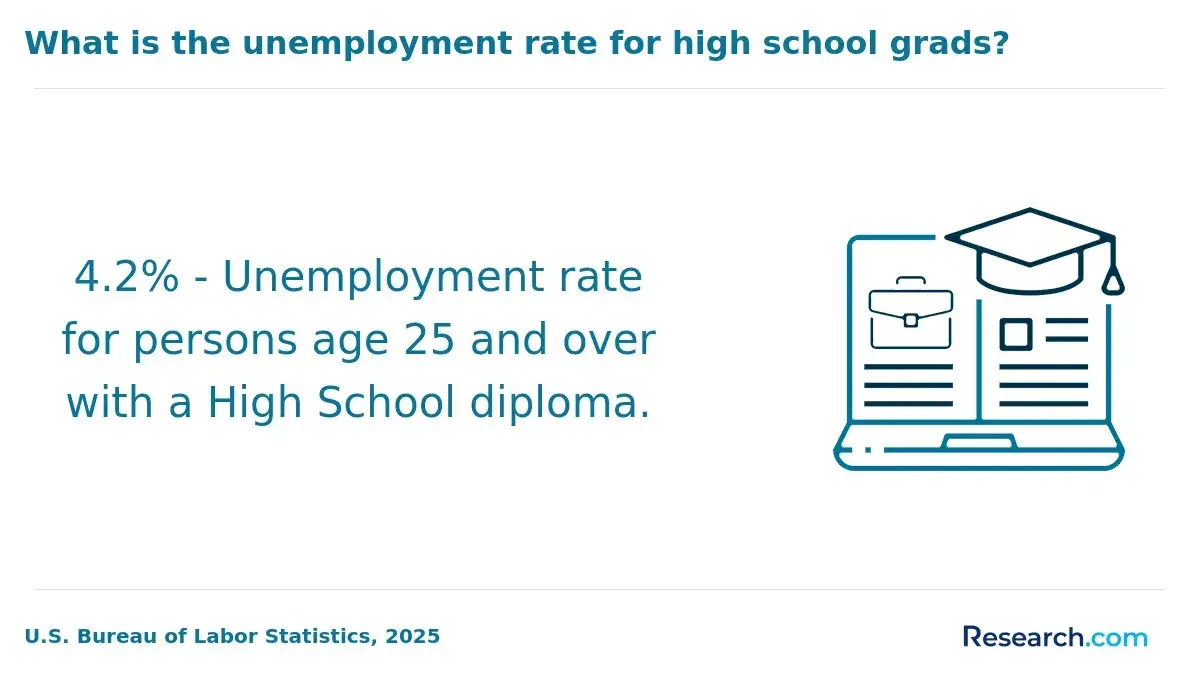
Admission requirements for weekly-start online computer science bachelor’s programs are often similar to those for other online undergraduate degrees. Most applicants need a high school diploma or GED equivalency. Some schools set minimum GPA requirements, while others use open or rolling admission policies and evaluate students based on transcripts, transfer credits, placement needs, and readiness for online learning.
Many programs waive SAT or ACT requirements, especially for adult and transfer students. That can make the application process faster, but applicants should still prepare carefully. Computer science requires persistence in math, logic, programming, and problem-solving, so students should look for placement support, introductory coding resources, tutoring, and academic advising.
Applicants with non-traditional backgrounds should use the application to show readiness. Relevant work experience, technical certifications, military training, completed college courses, programming projects, or IT responsibilities can help demonstrate preparation even if the student has been out of school for years.
According to data from the National Center for Education Statistics, enrollment in online degree programs has increased by nearly 30% over recent years, reflecting growing demand for programs that offer flexible and frequent start dates to accommodate diverse learners.
- Minimum education: A high school diploma or GED is generally required.
- Transcripts: Schools usually request official high school and college transcripts, even when transfer credit is still under review.
- Testing policies: Many institutions waive SAT/ACT requirements, particularly for online, adult, and transfer applicants.
- Placement or readiness checks: Some programs assess math, writing, or technology readiness before registration.
- Support expectations: Open-access programs may rely heavily on tutoring, advising, and student support to help learners succeed.
A common mistake is applying quickly because a start date is available, then discovering that transcripts, financial aid, or prerequisite reviews are incomplete. Ask the admissions office what must be finished before you can actually begin your first course.
How Do Online Computer Science Programs With Weekly Starts Handle Transfer Credits From Previous College Coursework?
Weekly-start online computer science bachelor’s programs often market themselves to transfer students because transfer credit can shorten the degree and make frequent start dates more useful. However, credit acceptance is not automatic. Schools decide whether previous coursework applies based on accreditation, grade earned, course content, credit level, age of the course, and how it fits the degree plan.
Institutions like Western Governors University and Southern New Hampshire University accept up to 90 transfer credits, covering nearly three years of study. The American Council on Education (ACE) also plays an important role by evaluating non-traditional learning, including military service and corporate training, and recommending academic credit equivalencies. Many online programs use ACE recommendations when reviewing military, workplace, or training-based credit.
Before enrolling, request a formal or preliminary transcript evaluation. This is especially important in computer science because older technical courses may not transfer cleanly if programming languages, systems, or course outcomes no longer match current curriculum standards. General education credits may transfer more easily than major-specific computing courses.
According to the National Center for Education Statistics, about 38% of undergraduates transfer credits, emphasizing the importance of adaptable credit acceptance in modern online programs.
- Ask for a degree map: Do not settle for the total number of accepted credits. Confirm which requirements they satisfy.
- Check major-course limits: Some schools require upper-level computer science courses to be completed in residence.
- Review credit age rules: Older technology courses may be rejected or applied as electives rather than major requirements.
- Submit all documentation: Provide official transcripts, military records, ACE documentation, syllabi, and course descriptions when requested.
- Compare before committing: Two schools may treat the same transcript very differently, affecting both cost and completion time.
What Financial Aid and Scholarship Options Are Available for Students Enrolling in Weekly-Start Online Computer Science Programs?
Students in weekly-start online computer science bachelor’s programs may qualify for many of the same financial aid options as students in traditional formats, as long as the institution is eligible to participate in federal aid programs and the student meets enrollment and eligibility requirements. Common sources include Pell Grants, subsidized and unsubsidized Stafford loans, and Federal Work-Study programs.
Pell Grants, awarded based on financial need, do not require repayment and typically average around $4,500 per award year, according to College Board Trends in Student Aid. Subsidized Stafford loans carry low interest rates with the government covering interest during enrollment, while unsubsidized loans accrue interest from disbursement. Work-study eligibility varies by institution and may be more limited for fully online students, so applicants should ask how the school handles remote work-study placements.
The main complication is timing. Federal aid is tied to the annual Free Application for Federal Student Aid (FAFSA) and to defined payment periods. Weekly-start and rolling-start programs still must map enrollment into aid periods, credit loads, and satisfactory academic progress rules. Students should ask the financial aid office when funds disburse, what happens if they start mid-aid-year, and how dropping or failing a short course affects aid eligibility.
Scholarships for online computer science bachelor’s students may come from colleges, professional associations, employers, nonprofits, and diversity-focused technology organizations. These awards may consider merit, financial need, military status, first-generation status, distance learning, or interest in a computing specialization. Completing the FAFSA as early as possible is important because many grants and institutional scholarships are awarded on a first-come, first-served basis.
Students can also reduce borrowing by transferring credits, using prior learning assessment where appropriate, applying employer tuition assistance, and choosing a realistic course load. Cost-saving strategies vary by field; Research.com’s review of the cheapest online master's in nutrition shows how tuition, aid, and program format can change affordability across disciplines.
- Federal grants: Pell Grants may be available to eligible undergraduate students and do not require repayment.
- Federal loans: Subsidized and unsubsidized Stafford loans can help cover remaining costs but must be repaid with interest according to loan terms.
- Work-study: Availability depends on the institution and may require coordination for online learners.
- Institutional scholarships: Colleges may offer awards for online, transfer, adult, or computing students.
- External scholarships: Professional groups, nonprofits, and employers may fund students pursuing technology degrees.
- FAFSA timing: Early annual submission improves access to aid that may be limited or first-come, first-served.
What Accreditation Standards Should a Weekly-Start Online Computer Science Bachelor's Program Meet to Ensure Employer and Transfer Recognition?
A weekly-start online computer science bachelor’s program should be offered by an institution with recognized accreditation. Accreditation matters because it affects federal financial aid eligibility, credit transfer, graduate school admission, and employer confidence. The start-date model does not replace the need for quality assurance.
When evaluating accreditation requirements for weekly-start online computer science bachelor’s degrees, understanding the difference between regional and national accreditation is essential. Regional accreditation is widely recognized in higher education and is especially important for students who may transfer credits, pursue graduate school, or seek broad employer recognition.
The U.S. Department of Education recognizes seven regional accrediting organizations: Middle States Commission on Higher Education (MSCHE), New England Commission of Higher Education (NECHE), Higher Learning Commission (HLC), Northwest Commission on Colleges and Universities (NWCCU), Southern Association of Colleges and Schools Commission on Colleges (SACSCOC), Western Association of Schools and Colleges Senior College and University Commission (WSCUC), and the Accrediting Commission for Community and Junior Colleges (ACCJC), which primarily accredits two-year institutions.
Most weekly-start online bachelor’s programs in computer science are accredited by either HLC or SACSCOC, reflecting their geographic focus. Prospective students should always verify a program’s accreditation status directly through the U.S. Department of Education’s accreditation database before enrolling to ensure legitimacy.
Programs with only national accreditation may create risks, including limited credit transfer to regionally accredited schools and reduced acceptance by some employers or graduate programs. This is particularly important for students who plan to pursue a master’s degree, transfer later, or work in organizations with strict degree requirements.
- Verify institutional accreditation: Check the school’s status with a recognized accreditor before applying.
- Confirm the exact degree: A computer science degree, computer information systems degree, and information technology degree may lead to different outcomes.
- Ask about transfer recognition: If you may transfer later, confirm whether credits are likely to move to regionally accredited institutions.
- Review graduate-school compatibility: Students planning advanced study should check admission prerequisites before choosing a bachelor’s program.
- Evaluate program quality: Accreditation is a baseline, not a guarantee that the curriculum is strong in programming, theory, systems, and software development.
Students comparing accreditation in other online professional fields can also review online pharmacy schools to see how accreditation and licensure-related expectations differ across disciplines.
How Is Coursework Structured in Online Computer Science Bachelor's Programs With Weekly Starts Compared to Semester-Based Formats?
Coursework in weekly-start online computer science programs is usually built for asynchronous learning. Students commonly access recorded lectures, readings, coding exercises, discussion boards, quizzes, projects, and instructor feedback through a learning management system. Many programs also use virtual labs, cloud-based development environments, version control tools, and proctored exams.
Compared with semester-based formats, weekly-start programs often use shorter course blocks. Traditional semesters commonly span 15 to 16 weeks, while condensed online courses typically run five to eight weeks. This shorter structure can help students focus on one subject at a time, but it also means deadlines arrive quickly and missed assignments are harder to recover from.
Continuous enrollment options allow students to begin classes at multiple points throughout the year, eliminating long waits for term start dates. This structure can work well for foundational topics such as programming fundamentals, data structures, databases, and computational thinking. More advanced work, such as capstone projects, software engineering teams, research, or complex systems design, may require stronger coordination and longer planning windows.
- Asynchronous lectures: Students can study around work and family schedules, but they must manage time without daily classroom structure.
- Weekly deliverables: Coding assignments, quizzes, discussion posts, and projects may be due every week.
- Short course blocks: Five- to eight-week courses can accelerate progress but require consistent effort from the first day.
- Limited recovery time: Falling behind in an accelerated course can quickly affect grades and comprehension.
- Digital collaboration: Group projects may rely on video meetings, shared repositories, messaging tools, and online office hours.
Students should ask for a sample syllabus before enrolling. A strong program should make weekly expectations clear, explain how labs are completed online, identify required software or hardware, and provide access to tutoring or technical support.
Can Students Earn Credit Through CLEP, DSST, or Prior Learning Assessment in Weekly-Start Online Computer Science Programs?
Yes, many weekly-start online computer science programs allow students to earn credit through CLEP, DSST, prior learning assessment, military training, professional certifications, or portfolio review. Policies vary widely, so students should confirm accepted exams, maximum credit limits, eligible course areas, fees, and documentation requirements before applying.
Credit-by-examination programs such as CLEP (College-Level Examination Program) and DSST (DANTES Subject Standardized Tests) let students demonstrate college-level knowledge and potentially bypass certain courses. Supported by the College Board and the American Council on Education’s (ACE) credit recommendations, these exams are most commonly used for general education requirements, though some technology-related credits may apply depending on the institution.
Prior Learning Assessment (PLA) can recognize learning from work experience, military training, professional certifications, or structured training programs. Institutions like Thomas Edison State University and Excelsior College stand out for generous credit limits-often between 30 and 60 credit hours-and clear submission guidelines.
The most important step is alignment. A credit may be accepted by the institution but still not satisfy a required computer science course. For example, elective credit may reduce the total credits needed, but it may not replace data structures, discrete mathematics, algorithms, or upper-level software engineering requirements.
- CLEP: Often useful for general education subjects and lower-division requirements if accepted by the school.
- DSST: Commonly used by military-affiliated and adult learners to document college-level knowledge.
- PLA portfolios: Students may submit work samples, training records, certifications, job descriptions, and reflective documentation.
- ACE-reviewed training: Military and corporate learning may qualify for credit when it matches institutional policy.
- Advisor review: Students should confirm how each credit applies before paying for exams or portfolio evaluation.
Combining weekly starts with transfer credit, CLEP, DSST, or PLA can reduce both time and tuition, but only when credits apply directly to the degree plan. Get the evaluation in writing whenever possible.
What Graduates Say About Online Computer Science Bachelor's Degree Programs With Weekly Start Dates
- Trace: "Choosing an online computer science bachelor's degree with weekly start dates was a game-changer for me because it offered the flexibility I desperately needed to balance my full-time job. The affordable tuition made advancing my skills without incurring massive debt entirely possible, something I hadn't found in traditional programs. Since graduating, I've secured a role in software development that I truly enjoy and feel confident my education prepared me well for."
- Sutton: "Reflecting back, I selected the online computer science degree with weekly start dates to avoid long waits between semesters and to accelerate my career path. The cost was surprisingly reasonable compared to other options, which alleviated a lot of the financial stress I initially feared. Professionally, the program broadened my knowledge base and immediately helped me earn a promotion at work, proving the investment was absolutely worthwhile."
- Ezekiel: "From a professional standpoint, what drew me to the online computer science bachelor's program with weekly start dates was the continuous enrollment-it meant no downtime and consistent progress. The pricing was clear and transparent, avoiding unexpected fees, which made managing my budget straightforward. Completing this degree elevated my expertise and opened doors in tech consulting that would have been impossible otherwise."
Other Things You Should Know About Computer Science Degrees
Online computer science bachelor's programs with weekly start dates typically utilize robust learning management systems like Canvas, Blackboard, or D2L Brightspace. These platforms support asynchronous content delivery, discussion boards, and assignment submissions, allowing students flexible access. Students are generally required to have reliable high-speed internet, a modern computer with updated operating systems, and software such as programming environments or compilers specific to the course curriculum.
These programs commonly offer academic advising, tutoring services, technical support, career counseling, and virtual libraries. Many schools provide dedicated mentors or success coaches who help students navigate coursework and balance studies with personal commitments. Access to online communities and networking events also helps sustain motivation and peer engagement throughout the accelerated weekly format.
References
- Picture an Online Degree at Your Own Pace https://www.snhu.edu/about-us/newsroom/education/picture-an-online-degree-at-your-own-pace
- The Benefits of Online Learning for Non-Traditional Students | European Association for Higher Education Advancement https://www.eahea.org/blog/education/the-benefits-of-online-learning-for-non-traditional-students-103.html
- Financial Aid for Online Colleges | CollegeAtlas https://www.collegeatlas.org/financial-aid-for-online-colleges
- CS Scholarships and Funding for Students | Code.org https://code.org/en-US/students/scholarships
- Can I Transfer Credits to an Online University? What You Need to Know | University of the People | https://www.uopeople.edu/blog/can-i-transfer-credits-to-an-online-university/
- IT/Computer Science Path | Achieve Test Prep https://www.achievetestprep.com/career-paths/it-computer-science
- Computer Science Bachelor's Degree https://www.fullsail.edu/degrees/computer-science-bachelor
- Best Online Computer Science Bachelor's Degrees of 2025 https://www.computerscience.org/degrees/bachelors/online/
- Top 90 Computer Science Scholarships (March 2026) https://bold.org/scholarships/by-major/computer-science-scholarships/
- Top Online Schools That Accept Transfer Credits https://www.edvisorly.com/student-guides/online-schools-that-accept-transfer-credits