2027 Part-Time vs Full-Time Online Computer Science Bachelor's Degree Programs

Co-Founder and Chief Data Scientist
Choosing between part-time and full-time study is one of the most important decisions for students considering an online bachelor’s degree in computer science. The choice affects far more than weekly schedule. It can shape how quickly you graduate, how much you pay each term, what financial aid you may qualify for, and how easily you can balance school with work, caregiving, or a career change.
For many aspiring IT and software professionals, the appeal is clear: online study can make a computer science degree more accessible without requiring relocation or a pause in employment. The decision still requires realistic planning. A full-time path may build momentum and shorten the route to graduation, while a part-time path may make the degree possible for students with demanding jobs or family responsibilities. With 85% of online computer science graduates reporting improved employment prospects within a year of graduation, the format you choose should support both completion and career growth.
This guide compares part-time and full-time online computer science bachelor’s degree programs across workload, completion time, tuition, financial aid, career outcomes, and common mistakes to avoid.
Key Benefits of Part-Time vs Full-Time Online Computer Science Bachelor's Degree Programs
- Part-time online computer science programs offer greater scheduling flexibility, accommodating work and family commitments, whereas full-time programs demand consistent study hours weekly.
- Full-time students typically finish their degree in about four years, while part-time learners may take six or more years, reflecting a slower pace of completion.
- Balancing career responsibilities is more feasible in part-time programs, but full-time study often leads to faster skill acquisition and earlier entry into the technology workforce.
What is the difference between part-time and full-time online computer science bachelor's degree programs?
The main difference is enrollment intensity. Part-time students take fewer courses each term and move through the degree more gradually. Full-time students take a heavier course load and progress faster, but they must commit more hours each week to lectures, coding assignments, labs, exams, and group projects. Nearly 40% of undergraduate online students in the U.S. opt for part-time enrollment, showing how important flexible pacing is for working and nontraditional learners.
Part-time online programs
- Course load: Part-time students typically enroll in fewer than 12 credit hours per semester. This makes the schedule easier to combine with employment, caregiving, or other obligations.
- Flexibility: Part-time formats often work better for students with unpredictable schedules because they reduce the number of simultaneous deadlines.
- Academic pace: Students have more time to absorb difficult topics such as programming, data structures, discrete mathematics, systems design, and algorithms.
- Trade-off: The degree usually takes longer, and motivation can become harder to maintain over several years.
Full-time online programs
- Course load: Full-time students usually take 12 or more credit hours each semester, which creates a more concentrated academic schedule.
- Structure: Full-time study often follows a steadier academic calendar with fewer pauses between core requirements.
- Academic momentum: Students stay immersed in computer science concepts, which can help when courses build closely on one another.
- Trade-off: The workload can be difficult to manage alongside a full-time job or major family responsibilities.
Students comparing affordability across fields may see similar budgeting concerns in resources on the cheapest online MSW programs, but computer science applicants should evaluate technology fees, software requirements, transfer credits, and per-credit tuition before choosing a pace.
How long does it take to complete part-time vs full-time online computer science bachelor's degrees?
Completion time depends on credit load, transfer credits, course availability, prerequisites, and whether the student takes courses year-round. According to the National Center for Education Statistics, full-time students typically complete their bachelor's degrees in about 4.5 years, while part-time students may need six or more years.
Part-time online programs
- Typical credit load: Part-time students often enroll in six to nine credit hours per semester.
- Expected duration: The average duration of online computer science bachelor's programs for part-time students typically ranges from five to seven years.
- Why it takes longer: Fewer courses per term means slower credit accumulation. Prerequisite chains can also delay progress if a required class is not offered every term.
- Best fit: This pace is often practical for students who must keep a full-time job, care for family members, or reduce financial pressure each semester.
Full-time online programs
- Typical credit load: Full-time students generally take 12 to 15 credit hours per semester.
- Expected duration: Students who maintain steady enrollment, pass courses on schedule, and satisfy prerequisites can finish closer to the traditional four-year timeline.
- Why it moves faster: A higher course load allows students to complete general education, major core, and elective requirements more quickly.
- Best fit: Full-time study is better for students who can protect consistent study hours each week and want to enter or advance in the tech workforce sooner.
Cost and time should be evaluated together. Rankings of the cheapest online university options can help students compare broader online bachelor’s degree affordability, but computer science students should also check whether major courses are offered frequently enough to support their preferred graduation timeline.
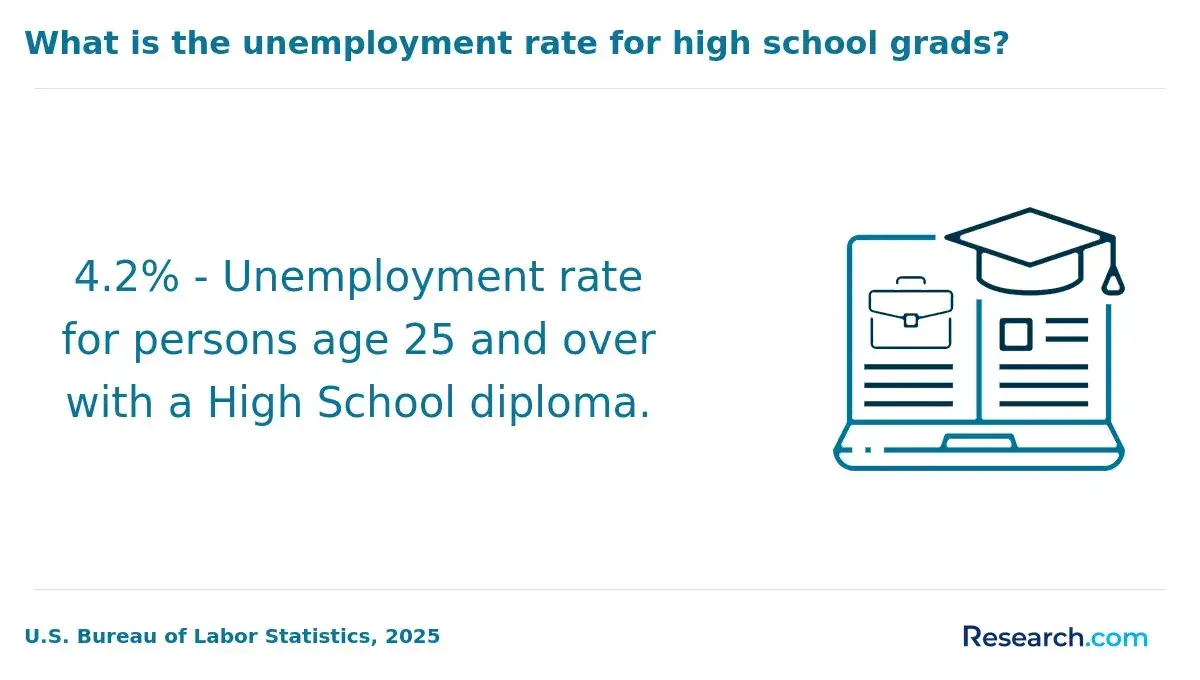
What is the workload for a part-time vs. a full-time online computer science bachelor's degree?
The workload difference is substantial. Full-time students generally enroll in three to five classes each term and spend approximately 35 to 45 hours weekly on lectures, readings, programming assignments, discussion posts, labs, exam preparation, and projects. Part-time learners usually take one or two courses at a time and spend about 10 to 20 hours per week on schoolwork.
What the workload feels like in practice
- Part-time workload: The weekly schedule is lighter, but the commitment lasts longer. Students still need regular study blocks, especially for coding practice and math-heavy courses.
- Full-time workload: The pace is more intense. Multiple courses may have overlapping deadlines, and technical projects often take longer than expected.
- Programming assignments: Computer science coursework is not limited to watching lectures or reading. Debugging, testing, and revising code can add significant time beyond scheduled class activities.
- Group work: Online students may need to coordinate across time zones for software projects, presentations, or peer reviews.
How to estimate your capacity
Before enrolling, review a sample course schedule and compare it with your weekly obligations. If you already work long or unpredictable hours, part-time enrollment may protect your academic performance. If you can treat school like a primary commitment, full-time enrollment may help you build momentum and finish faster.
A common mistake is assuming online courses are easier because they are flexible. In reality, online computer science programs require consistent independent work. The format may remove commuting, but it does not remove the time needed to learn programming, complete labs, and prepare for exams.
Which option is better for working adults in an online computer science bachelor's degree?
For most working adults, part-time study is usually the safer starting point because it offers more room for job demands, family responsibilities, and unexpected schedule changes. However, full-time study can work for adults with flexible employment, reduced work hours, strong support at home, or a clear need to graduate quickly. The National Center for Education Statistics reveals that nearly 39% of undergraduates studying online are employed full-time, which makes scheduling flexibility a central factor.
Choose part-time if you need stability
- You work full-time or have changing shifts.
- You have caregiving responsibilities.
- You are returning to school after a long break and want to rebuild study habits gradually.
- You need to manage tuition in smaller payments across more terms.
- You want time to apply what you learn at work while progressing through the degree.
Choose full-time if you can protect study time
- You can dedicate a large portion of each week to school.
- You want to complete the degree faster and pursue tech roles sooner.
- You have financial aid, savings, employer support, or another plan that allows heavier enrollment.
- You learn best through immersion and frequent practice.
- You are comfortable handling multiple technical courses at once.
A working professional who chose a part-time online computer science bachelor's degree described the first terms as difficult but manageable once she built a predictable weekly routine. Spreading classes over several years helped her avoid sacrificing job performance or family time. Her experience reflects a key point for working adults: the best format is not always the fastest one; it is the one you can complete consistently.
Can I switch from part-time to full-time in an online computer science bachelor's degree?
Many online bachelor's degree programs in computer science allow students to move between part-time and full-time enrollment, but the process is not always automatic. Research indicates that approximately 40% of students in online undergraduate programs modify their enrollment status at some point, which reflects the need for flexible academic pathways.
What to check before switching
- Academic approval: Some programs require advisor approval before increasing or reducing your course load.
- Registration deadlines: Schools may restrict enrollment changes after add/drop periods or term deadlines.
- Prerequisites: Switching to full-time may not speed up graduation if required courses must be taken in sequence.
- Financial aid rules: Aid amounts may change when your credit load changes, especially if you move below or above half-time or full-time status.
- Workload readiness: Moving from one or two courses to a full course load can sharply increase weekly demands.
Students exploring flexible degree formats in other disciplines may find similar enrollment considerations in an affordable online criminal justice degree, but computer science students should be especially careful with prerequisite planning because programming and theory courses often build in a strict order.
If you are considering a switch, contact an academic advisor before registration opens. Ask how the change affects your graduation plan, tuition bill, financial aid package, course sequencing, and access to student services. A switch can be helpful, but only if it fits your actual weekly capacity.
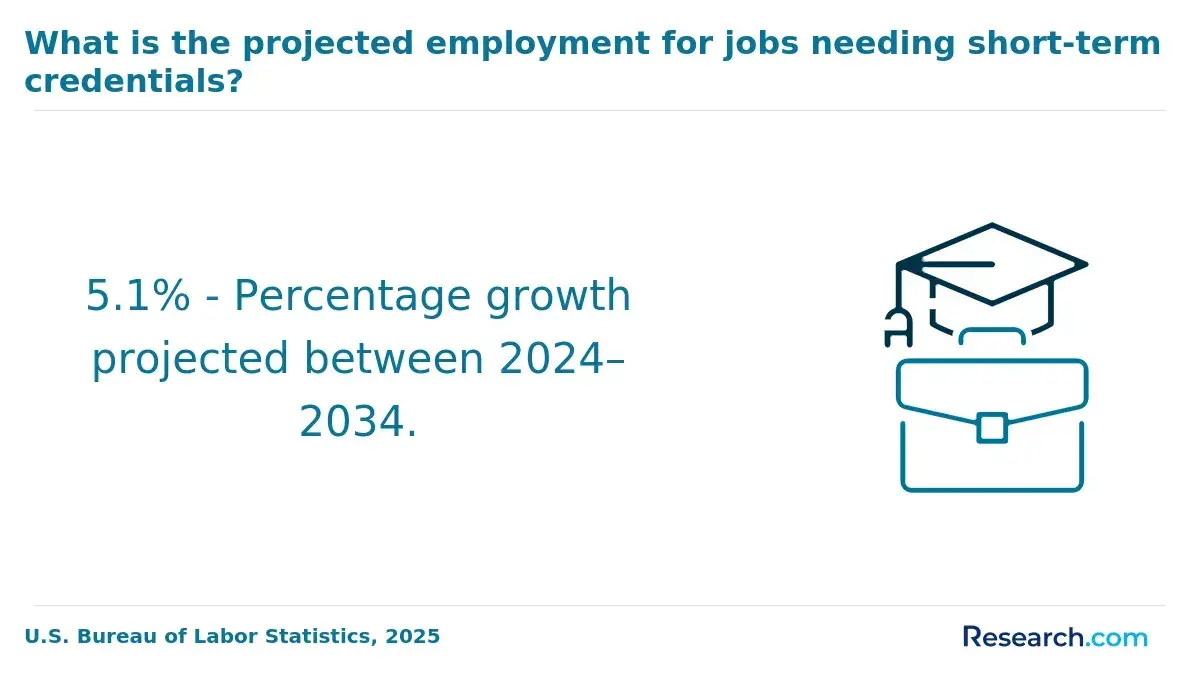
How does tuition differ for part-time vs full-time online computer science bachelor's degrees?
Tuition differences depend on how the school charges online students. Some programs bill strictly per credit. Others offer flat-rate tuition for a range of credits, which can make full-time enrollment more cost-efficient per course. According to recent data, most online undergraduate programs price tuition per credit, with costs ranging broadly depending on the institution.
Part-time online programs
- Lower term-by-term bills: Part-time students usually pay for fewer credits each semester, which can make tuition easier to manage alongside living expenses.
- Longer payment period: Because the degree takes longer, students may pay fees across more terms.
- Greater budget control: Students can sometimes adjust course load based on work hours, savings, or employer tuition assistance.
- Possible drawback: If a school charges recurring administrative or technology fees, extended enrollment may increase the total amount paid over time.
Full-time online programs
- Higher upfront cost: Full-time students pay for more credits each term, which can make semester bills larger.
- Potential flat-rate value: At schools with flat-rate tuition, students may pay the same amount within a set credit range, making additional credits more efficient.
- Shorter total timeline: Faster completion can reduce the number of terms in which fees are charged.
- Possible drawback: A heavier schedule may limit paid work hours, which can affect cash flow even if the academic timeline is shorter.
Students comparing tuition should calculate both the cost per term and the likely total cost to graduation. If affordability is the deciding factor, it may also help to compare programs listed as a cheap computer science degree online while checking whether the program’s pacing options match your schedule.
A graduate of an online computer science bachelor's degree described part-time tuition as manageable in the short term but stressful when fees accumulated over multiple years. He noted that full-time study can shorten the process, but it also requires larger payments and more available study time. The practical lesson is to compare immediate affordability with total degree cost.
Which option offers better financial aid for an online computer science bachelor's degree?
Full-time enrollment often provides stronger access to financial aid because many aid programs are tied to credit load. Full-time students typically have access to a wider range of aid options, with over 70% receiving some form of financial assistance compared to about 40% of part-time students. Part-time students can still qualify for aid, but awards may be reduced or limited by enrollment intensity.
Key financial aid differences
- Federal Pell Grants: Full-time students generally qualify for the maximum award when they meet need-based requirements. Part-time students often receive reduced amounts proportional to their course load.
- Federal student loans: Both part-time and full-time students can access federal loans if they meet eligibility rules, but borrowing limits and disbursement amounts may vary by enrollment level.
- Institutional scholarships: Colleges often reserve more scholarships for full-time students, although some schools offer awards for adult learners, transfer students, or part-time students.
- Work-study programs: These opportunities generally prioritize students who meet specific credit requirements, which can make access more limited for part-time learners.
- State grants and aid: Many state programs require at least half-time enrollment, so students taking a very light course load should verify eligibility before registering.
How to make the best aid decision
Do not assume the cheaper term bill is the better financial choice. A part-time schedule may reduce what you owe now, but it can also reduce grant eligibility or extend fee payments. A full-time schedule may increase aid access, but it can also reduce your ability to work. Before choosing, ask the financial aid office for side-by-side estimates for your expected credit load.
What are the pros and cons of part-time vs full-time online computer science bachelor's degrees?
The better option depends on your available time, financial situation, learning style, and career timeline. Part-time study prioritizes flexibility. Full-time study prioritizes speed and academic momentum. Neither is automatically better for every student.
Pros of part-time study
- More flexibility: Easier to combine with work, caregiving, or other responsibilities.
- Lower weekly workload: Students can focus on fewer technical subjects at once.
- Better short-term budgeting: Fewer credits per term can reduce immediate tuition pressure.
- Opportunity to apply skills at work: Working students may use programming, data, or systems concepts in current roles while still enrolled.
Cons of part-time study
- Longer time to completion: Taking fewer courses can extend the degree by several years.
- Delayed career transition: Students may wait longer to qualify for roles requiring a bachelor’s degree.
- Momentum challenges: Long timelines can make it harder to stay motivated.
- Possible added fees: More terms can mean more recurring fees, depending on school policy.
Pros of full-time study
- Faster completion: Students can move through degree requirements more quickly, often within four years.
- Stronger academic immersion: Continuous practice can support learning in programming-heavy courses.
- Potential aid advantages: Some grants, scholarships, and institutional awards favor full-time enrollment.
- Earlier access to career opportunities: Graduating sooner may help students pursue internships, entry-level roles, or promotions faster.
Cons of full-time study
- Heavy weekly commitment: The workload can be difficult to sustain with full-time employment.
- Higher term bills: Students usually pay more each semester because they take more credits.
- Less schedule flexibility: Multiple courses mean more overlapping deadlines.
- Greater burnout risk: Intensive technical coursework can be demanding, especially for students new to programming.
Students making a major professional pivot face similar trade-offs in other fields. For example, someone moving from teacher to speech pathologist must also weigh time, cost, credential requirements, and personal responsibilities before choosing a study pace.
Does part-time vs full-time affect career outcomes in an online computer science bachelor's degree?
Enrollment pace can affect when you graduate, but it usually matters less to employers than your skills, portfolio, internship or work experience, and the credibility of the program. A 2023 survey showed that 72% of U.S. tech employers prioritize practical abilities over whether an online computer science bachelor's degree was earned part-time or full-time.
What employers are more likely to evaluate
- Technical ability: Employers look for evidence that candidates can write code, solve problems, understand systems, and learn new technologies.
- Projects and portfolio: Software projects, GitHub repositories, capstone work, and applied assignments can show what you can actually build.
- Relevant experience: Part-time students may gain experience while employed, while full-time students may have more flexibility for internships or co-op opportunities.
- Program credibility: Accreditation and institutional reputation matter more than whether the student enrolled part-time or full-time. Programs such as ASHA accredited SLPA programs show how recognized standards can influence confidence in educational preparation, though computer science applicants should check the accreditation and quality indicators relevant to their own field.
- Networking: Full-time students may interact more frequently with classmates and faculty, while part-time students need to be more intentional about joining projects, discussion groups, career events, and alumni networks.
The practical career difference is timing. Full-time students may enter the job market sooner. Part-time students may graduate later but can build work experience during the degree. Either path can lead to strong outcomes if the student develops marketable skills and completes a credible program.
What mistakes should I avoid in part-time vs full-time study?
The biggest mistake is choosing a schedule based on optimism rather than evidence. Online computer science programs require sustained weekly effort, and research shows that nearly 40% of online students face difficulties managing their workload. A realistic plan can prevent delayed graduation, failed courses, and unnecessary debt.
- Underestimating the workload: Part-time does not mean easy, and full-time does not mean manageable for everyone. Programming assignments can take longer than expected, especially when debugging is involved.
- Ignoring prerequisites: Computer science courses often build in sequence. Missing one prerequisite can delay several future courses.
- Choosing full-time without protected study hours: If work or family responsibilities regularly interrupt your schedule, a full load may hurt performance.
- Choosing part-time without a long-term plan: A slower path requires motivation over several years. Students should map out when each required course will be taken.
- Failing to check financial aid rules: Dropping below required credit thresholds can reduce grants, scholarships, loans, or state aid.
- Not using support services: Tutoring, office hours, career coaching, writing centers, library help, and peer groups can be especially valuable in difficult courses such as algorithms or systems programming.
- Overlooking career preparation: A degree alone may not be enough. Build projects, practice technical interviews, and seek internships or applied experience when possible.
A good enrollment decision should answer three questions: How many hours can I study each week, how soon do I need to graduate, and what pace can I afford without risking completion?
What Graduates Say About Part-Time vs Full-Time Online Computer Science Bachelor's Degree Programs
- : "Choosing a part-time online computer science program was essential for me because it allowed me to keep my full-time job while advancing my education. Managing deadlines and group projects was challenging, but the flexible schedule made the workload possible. Completing the degree opened doors in software development and strengthened my confidence and earning potential. — Trace"
- : "The full-time online computer science program appealed to me because I wanted immersive learning and a faster path to graduation. Adjusting to a fully virtual environment was difficult at first, but interactive classes and instructor support helped me stay motivated. The intense pace accelerated my career growth and helped me transition into a cybersecurity role within months after graduation. — Sutton"
- : "I chose a part-time computer science degree online because of family commitments and the need for a flexible pace. The hardest part was staying focused over a longer period while keeping up with changing technology trends. In the end, the program strengthened my problem-solving skills and helped me land a senior engineering position. — Ezekiel"
Other Things You Should Know About Computer Science Degrees
Academic support services such as tutoring, advising, and tech assistance are usually accessible to all online computer science students regardless of enrollment status. However, full-time students might find it easier to engage with live support sessions due to fewer outside commitments. Part-time students may need to rely more on asynchronous resources and flexible support options.
Employers generally prioritize the completion of a bachelor's degree in computer science over whether it was earned part-time or full-time. The quality of the degree and relevant skills matter most. That said, some employers may respect the ability of part-time students to balance work and study, which can reflect positively on time management and dedication skills.
References
- Starting a degree in Computing and IT - Full time or part time? https://www.thestudentroom.co.uk/showthread.php
- Full-time, part-time, online - which study mode is right for you? https://www.studentspace.pl/en/blog/post/studia-stacjonarne-zaoczne-wieczorowe---ktory-tryb-wybrac
- Should I Earn a Bachelor's in Computer Science Online? https://www.allonlineschools.com/degrees/bachelors/computer-science/
- Benefit of Earning a Online Degree While Working Full-Time https://amityonline.com/blog/advantages-earning-degree-while-working-full-time
- Part-Time vs Full-Time Courses: How to Decide What’s Right for You https://wilp.mangalayatan.in/news/part-time-vs-full-time-courses-how-to-decide-whats-right-for-you.html
- Is it possible to transfer from full-time to part-time and vice versa? https://bizbase.techinfus.com/en/mojno-li-perevestis-s-ochnogo-na-zaochnoe-i-naoborot.html
- Does a Part-Time Degree Cost the Same as Full Time? - Healthcare Management Degree Guide https://www.healthcare-management-degree.net/faq/does-a-part-time-degree-cost-the-same-as-full-time/
- Which college to choose - full-time or part-time? - PJAIT https://pja.edu.pl/en/studia-stacjonarne-dzienne-czy-niestacjonarne-zaoczne-studiuj-na-wlasnych-warunkach/
- Can I change from full time to part time study? https://usqassist.custhelp.com/app/answers/detail/a_id/1447/~/can-i-change-from-full-time-to-part-time-study%3F
- 5 Mistakes to Avoid with an Online IT Degree https://www.ucumberlands.edu/blog/5-mistakes-avoid-online-it-degree