2027 Online Computer Science Bachelor's Degree Programs for Adult Learners Returning to School

Co-Founder and Chief Data Scientist
Returning to school for computer science is often less about interest and more about fit: Can you earn a credible bachelor’s degree while working, parenting, serving in the military, changing careers, or finishing credits you started years ago? For many adults, the answer is increasingly yes. Online computer science bachelor’s degree programs can make college more accessible by reducing commute time, offering flexible course schedules, and allowing students to keep earning income while they study.
The stakes are still real. Computer science coursework can be demanding, especially in programming, discrete math, data structures, algorithms, and systems courses. Adult learners need to evaluate more than convenience; they should compare accreditation, transfer-credit rules, cost, support services, course pacing, and whether the curriculum builds skills employers recognize. Online enrollment has also become more common among adults, with 56% of adult learners reporting increased enrollment in online courses since 2019.
This guide explains how online computer science bachelor’s programs work for adult learners, who typically qualifies, what admissions teams look for, how transfer credit and work experience may count, what costs to expect, and how to choose a program that fits both your schedule and career goals.
Key Benefits of Online Computer Science Bachelor's Degree Programs for Adult Learners Returning to School
- Online computer science programs offer flexible scheduling, enabling working adults to balance education with professional and personal responsibilities effectively.
- They emphasize practical skill development aligned with current industry demands, supporting career advancement and increased earning potential.
- Programs facilitate building professional networks and peer connections through virtual collaboration, important for job placement and growth.
Who qualifies as an adult learner in an online computer science bachelor's degree?
An adult learner in an online computer science bachelor’s degree program is usually a student aged 25 or older who is not following the traditional full-time, residential college path immediately after high school. Many are employed, raising children, returning after a gap, changing careers, or completing a degree they previously started. The National Center for Education Statistics reports that roughly 38% of undergraduates in distance education are considered nontraditional or adult learners, which shows how common this student profile has become in online programs.
Adult learner status is not always a formal admissions category. Some colleges use terms such as “nontraditional student,” “returning student,” “transfer student,” or “working adult.” What matters most is whether the program’s policies support your situation.
- Working professionals: These students often want stronger technical skills, a credential for promotion, or a path into software development, cybersecurity, data, cloud computing, or IT leadership. They usually need predictable deadlines and the ability to study outside business hours.
- Career changers: Adults from business, education, healthcare, military, customer service, or other fields may pursue computer science to enter technology roles. They should look closely at prerequisite support, beginner-friendly programming sequences, and career services for students without prior tech experience.
- Returning students: Parents, veterans, caregivers, and students who paused college often need generous transfer-credit policies, re-entry advising, and academic support to rebuild confidence in math, programming, and study routines.
- Part-time learners: Students with full-time jobs or caregiving responsibilities may prefer fewer courses per term. Part-time enrollment can reduce stress, but it may extend the timeline and affect financial aid eligibility, so it should be planned carefully.
- Foundational learners: Some adults use a bachelor’s in computer science as preparation for graduate school, professional certifications, or a more technical role in their current field. These students should verify that the curriculum includes core computer science theory as well as applied skills.
The best programs for adult learners do more than place lectures online. They provide clear degree maps, realistic pacing options, responsive advising, tutoring, and policies that recognize prior education. Adults comparing different flexible degree formats may also find it useful to review how accelerated pathways are structured in areas such as online EdD programs, even though requirements and career outcomes differ by field.
What are the admission requirements for an online computer science bachelor's degree for adult learners?
Admission requirements for online computer science bachelor’s degree programs are usually designed to confirm college readiness without assuming every applicant is a recent high school graduate. Adult learners may be asked for standard academic records, but many schools also account for transfer history, work background, military training, or time away from school.
Common requirements include the following:
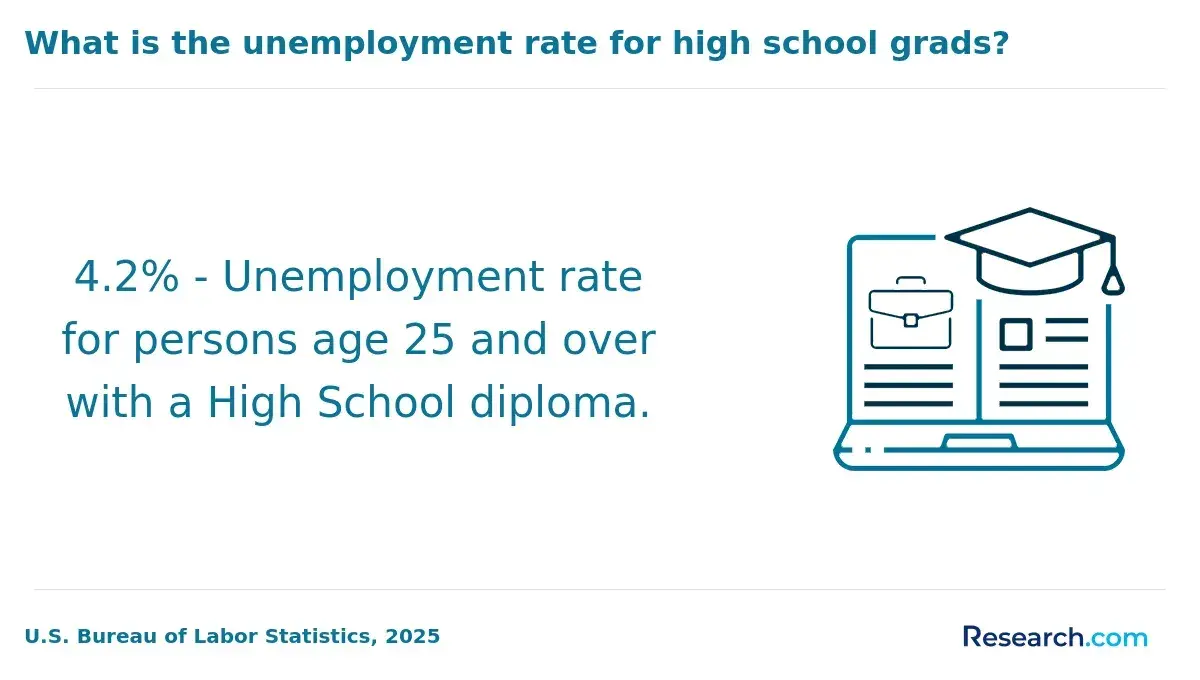
- Proof of prior education: Applicants generally need a high school diploma, GED, or equivalent credential. This confirms eligibility for undergraduate study and may also be required for federal financial aid consideration.
- Application form: The application typically asks for personal information, educational history, employment background, and intended start term. Some schools may include short-answer questions or a statement about academic and career goals.
- Official transcripts: Schools usually request transcripts from high school and any colleges previously attended. For transfer students, these records determine which credits may apply toward general education, electives, math, or computer science requirements.
- Online learning readiness: Some programs use a technology skills checklist, orientation module, or advisor conversation to confirm that students can use learning platforms, submit assignments, participate in discussion boards, and manage deadlines remotely.
- Placement or prerequisite review: Computer science programs may evaluate readiness for college algebra, calculus, statistics, or introductory programming. If gaps exist, students may need bridge courses or foundational classes before advanced coursework.
Letters of recommendation and proof of career experience may be required by some institutions, but they are not universal for bachelor’s-level admission. Adult learners should also ask whether the school has a separate transfer-admission process, rolling admissions, multiple start dates, or conditional admission for students who need to complete prerequisites.
Because cost and admission flexibility often influence the same decision, adults comparing online options across disciplines may find it helpful to examine affordability and application expectations in programs such as the most affordable online counseling degrees.
Do adult learners need the SAT or ACT for an online computer science bachelor's degree?
Most online computer science bachelor’s degree programs designed for adult learners do not require SAT or ACT scores. These tests are usually less relevant for applicants who have been out of high school for years, earned college credits, served in the military, or built a professional record. Instead, admissions teams tend to focus on transcripts, transfer work, academic readiness, and the applicant’s ability to succeed in an online learning environment.
As of 2023, over 70% of U.S. colleges and universities have embraced test-optional policies. For adult learners, this can reduce an unnecessary barrier and shift the application toward evidence that better reflects current preparation, such as previous college coursework, completed certificates, work experience, or a personal statement.
Test-optional does not always mean open admission. A program may still review GPA, prerequisite completion, math placement, or academic history. Applicants should check whether SAT or ACT scores are:
- Not required: The school will not ask adult applicants to submit scores.
- Optional: Scores may be submitted if they strengthen the application, but they are not necessary.
- Used for placement: Scores may help determine math or writing placement, even if they are not required for admission.
- Required only for certain applicants: Some schools may require scores from younger applicants or students with limited academic records.
One adult learner who recently enrolled in an online computer science bachelor’s program described the process as more manageable because he did not have to prepare for the SAT or ACT after years away from school. He focused instead on gathering transcripts and writing about his career goals. “It made me feel like the school was really interested in who I am now, not just a test I took in my teens,” he explained.
How flexible are online computer science bachelor's degree programs for adult learners?
Online computer science bachelor’s programs can be highly flexible, but not all programs offer the same level of control. Some are mostly asynchronous, while others require live sessions, scheduled exams, group projects, or fixed weekly deadlines. According to a 2023 study from the Online Learning Consortium, 85% of online students selected programs due to flexible scheduling options.
For adult learners, flexibility should be evaluated in practical terms: how often you must log in, whether courses have live meeting times, how quickly assignments are due, whether part-time study is allowed, and whether you can pause or reduce your course load during demanding work or family periods.
- Asynchronous learning: Recorded lectures, discussion boards, and online assignments allow students to study at different times of day. This is especially helpful for shift workers, parents, and students in different time zones.
- Part-time enrollment: Taking fewer courses per term can make a degree more sustainable. However, students should confirm how part-time status affects financial aid, graduation timeline, and course sequencing.
- Accelerated pacing: Some programs offer shorter terms or faster completion routes. This can benefit motivated students with transfer credits, but accelerated courses can be intense in programming-heavy subjects.
- Self-paced coursework: Self-paced models may allow students to move faster through familiar material. They require strong time management because fewer fixed checkpoints can make procrastination easier.
- 24/7 material access: Around-the-clock access to lectures, labs, readings, and submission portals helps students study before work, after children are asleep, or during weekends.
- Flexible support services: Adult learners should confirm whether tutoring, advising, library help, and technical support are available outside standard weekday hours.
A strong flexible program still has structure. Weekly milestones, clear rubrics, responsive instructors, and predictable course calendars help adult learners stay on track without needing to attend campus. Students comparing affordability and flexibility across online degrees may also review examples such as accounting degree cost resources to understand how online pricing and pacing can vary by field.
Can I transfer previous college credits to an online computer science bachelor's degree?
Yes. Many online computer science bachelor’s degree programs allow students to transfer previous college credits, which can reduce both time to completion and total cost. Nearly 35% of undergraduates nationwide transfer credits, and adult learners are often among the students who benefit most because they may have prior coursework from community colleges, universities, military education, or unfinished degree programs.
Transfer credit is not automatic. Schools review whether prior coursework matches the new program’s requirements, whether the credits came from an accredited institution, and whether grades meet the minimum standard.
- Evaluation of prior coursework: The school compares your transcripts with its degree requirements. General education credits may transfer more easily than upper-level computer science courses, which often need close content alignment.
- Credit limits: Programs often cap the number of transferable credits, commonly between 60 and 90. Even if you have more credits, you may still need to complete a required number through the degree-granting institution.
- Course relevance: English, math, science, humanities, and social science courses may satisfy general education requirements. Programming, database, networking, or systems courses may transfer only if they match current curriculum standards.
- Accreditation: Credits from regionally accredited institutions are more likely to be accepted. Students should verify accreditation before enrolling elsewhere with the intent to transfer later.
- Grade and age limits: Some schools require a minimum grade for transfer. Technical courses may also be reviewed for recency because programming languages, tools, and computing practices change over time.
- Adult learner benefits: Accepted credits can shorten the degree path, reduce course load, lower tuition exposure, and make school more manageable alongside work and family responsibilities.
Before applying, request an unofficial transfer review if the school offers one. After admission, ask for a written degree plan showing exactly which credits apply and which requirements remain. One adult learner who completed an online bachelor’s in computer science said the transfer process required patience, but seeing previous coursework count toward the degree made the goal feel achievable. “Seeing my earlier classes count made all the difference,” she said.
Does work experience count toward an online computer science bachelor's degree?
Work experience may count toward an online computer science bachelor’s degree, but only if the school has a formal process for evaluating prior learning. This is commonly called prior learning assessment (PLA), and it is offered by approximately 82% of colleges. PLA does not usually award credit simply for years worked; it awards credit when a student can demonstrate college-level learning that matches specific course outcomes.
Adult learners with experience in software development, IT support, systems administration, cybersecurity, data analysis, military technology roles, or technical project management should ask whether the program accepts prior learning credit and how it is documented.
- Prior learning assessments: Schools may use exams, interviews, faculty evaluations, or structured assessments to measure knowledge gained outside the classroom.
- Portfolio reviews: Students may submit evidence such as project documentation, code samples, training records, certifications, job descriptions, performance evaluations, or reflective essays connecting work experience to course objectives.
- Competency-based evaluations: Some programs allow students to advance by demonstrating mastery rather than completing a fixed amount of classroom time. This can work well for adults who already know part of the material.
- Credit by examination: Exams such as CLEP or DSST may allow students to earn credit for certain general education or lower-division subjects, depending on institutional policy.
- Certification review: Some institutions evaluate industry certifications for possible credit, although the amount and type of credit vary by school and program.
Students should be realistic. PLA is more likely to apply to electives, introductory technology courses, or general education requirements than to advanced computer science theory courses. Ask about fees, maximum PLA credits, documentation requirements, and whether awarded credits will apply directly to the major or only as electives.
How much does an online computer science bachelor's degree cost for adult learners?
The cost of an online computer science bachelor’s degree depends on tuition rates, transfer credits, enrollment pace, fees, books, software, and how long it takes to finish. On average, tuition for online bachelor’s degrees ranges from $40,000 to $60,000, although the amount an adult learner actually pays can be higher or lower depending on the institution and the number of credits remaining.
Adult learners should calculate the full program cost, not just the advertised per-credit rate. A lower tuition rate may not save money if few credits transfer, fees are high, or required courses are unavailable when needed.
- Tuition per credit hour: Tuition is usually the largest cost. Multiply the per-credit rate by the number of credits you still need after transfer evaluation to estimate the base tuition amount.
- Technology fees: Online students may pay fees for learning platforms, remote proctoring, virtual labs, software systems, or digital student services.
- Course materials: Computer science courses may require textbooks, e-books, development tools, cloud access, specialized software, or hardware that can handle programming assignments.
- Administrative fees: Application, transcript, graduation, assessment, lab, or student-service fees can add to the total. Ask for an itemized cost sheet before enrolling.
- Repeat or prerequisite courses: Students who need math refreshers, introductory programming, or repeated courses should include those credits in their budget.
- Time-related costs: Extending the degree over more terms may help with cash flow, but it can also mean paying fees across more enrollment periods.
To make a sound comparison, request a transfer-credit estimate, ask how many credits remain, confirm whether tuition differs for online or out-of-state students, and compare total projected cost rather than headline tuition. Students who are still narrowing their options can use resources on online computer science degree cost to think through affordability questions before committing to a program.
Are there financial aid options for adult learners in online computer science bachelor's degrees?
Yes. Adult learners in accredited online computer science bachelor’s degree programs may be eligible for several forms of financial aid. According to the National Center for Education Statistics, nearly 60% of undergraduate students receive some form of financial assistance. Eligibility depends on the school, enrollment status, financial need, citizenship or residency requirements, academic progress, and the type of aid.
Start by confirming that the institution participates in federal student aid programs and that the online degree is eligible. Then compare aid options before using private loans or high-interest financing.
- Grants: Grants are generally need-based and do not require repayment if eligibility rules are met. Federal, state, and institutional grants can reduce out-of-pocket cost for qualifying students.
- Student loans: Federal loans typically offer borrower protections and repayment options that private loans may not provide. Loans can help spread costs over time, but students should borrow only what they need and understand repayment obligations.
- Employer tuition assistance: Some employers pay part or all of tuition for job-relevant degrees. Students should ask about annual limits, grade requirements, reimbursement timing, and whether they must remain with the employer after receiving support.
- Scholarships: Adult learners may qualify for scholarships based on academic history, financial need, military service, career goals, identity, location, or field of study. Smaller awards can still help cover books, fees, or software.
- Payment plans: School payment plans can divide tuition into installments. These plans may help with budgeting, but students should check for enrollment fees or late-payment penalties.
- Military and veteran benefits: Eligible service members, veterans, and dependents should ask the school’s veteran services office how benefits apply to online enrollment.
Financial aid planning should happen before registration. Ask whether aid covers part-time enrollment, summer courses, prerequisite classes, and repeated courses. Adult learners comparing online degree financing across fields may also find useful points of comparison in resources such as the best online MBA programs no GMAT.
Do employers value online computer science bachelor's degrees for adult learners?
Employers are increasingly willing to accept online computer science bachelor’s degrees, especially when the degree comes from an accredited institution and the graduate can demonstrate relevant skills. A 2023 survey by the National Association of Colleges and Employers found that 79% of employers view degrees earned fully online from accredited institutions as equivalent to those earned on campus.
For adult learners, the degree format is usually less important than the credibility of the school, the rigor of the curriculum, and the evidence of technical ability. Employers commonly look for programming competence, problem-solving skills, project experience, communication ability, and familiarity with tools used in real work environments.
- Accreditation matters: A degree from an accredited institution is more likely to be recognized by employers, graduate schools, and certification bodies.
- Transcript and diploma wording may matter less than skills: Many online programs award the same diploma as campus programs, but students should verify how the program appears on official records if this is a concern.
- Projects strengthen credibility: Portfolios, capstone projects, GitHub repositories, internships, and applied assignments can help employers evaluate practical ability.
- Prior work experience can be an advantage: Adult learners often bring communication, leadership, operations, customer, management, or domain knowledge that can make them stronger candidates for technical roles.
- Career support still matters: Look for programs with resume help, interview preparation, employer connections, career coaching, and support for internships or experiential learning.
An online computer science bachelor’s degree is not a job guarantee. Graduates still need to build demonstrable skills, prepare for technical interviews, and target roles that match their experience level. Adult learners exploring other nontraditional career pathways can compare how bridge-style programs support career transitions in fields such as speech pathology bridge programs online.
How do I choose the best online computer science bachelor's degree program for adult learners?
The best online computer science bachelor’s degree for an adult learner is the one that combines academic credibility, realistic pacing, transferable value, and support for your specific constraints. Studies show that flexibility ranks as a top priority for about 60% of online students when selecting a program, but flexibility should not be the only factor.
Use the following criteria to compare programs before applying or enrolling:
- Accreditation: Confirm that the institution is properly accredited. Accreditation affects employer recognition, transferability, graduate school options, and access to many forms of financial aid.
- Program flexibility: Check whether courses are asynchronous, whether part-time study is allowed, how often terms start, and whether live sessions or proctored exams are required.
- Transfer-credit policy: Ask how many credits can transfer, whether technical courses expire, and whether prior learning assessment is available for professional experience.
- Curriculum relevance: Review required courses in programming, data structures, algorithms, databases, operating systems, software engineering, cybersecurity, AI, data science, or other areas aligned with your goals.
- Academic support: Look for tutoring, math support, coding help, writing assistance, online library access, and responsive faculty communication.
- Career services: Strong programs help online students with resumes, technical interviews, portfolios, internships, networking, and job-search strategy.
- Tuition and affordability: Compare total estimated cost after transfer credits, not just per-credit tuition. Include fees, software, materials, and financial aid options.
- Course availability: Make sure required courses are offered often enough for your intended timeline. A flexible program can still be frustrating if key courses are available only once per year.
- Student outcomes: Ask about graduation rates, retention, alumni employment information, graduate school pathways, and employer partnerships where available.
Avoid choosing solely because a program is fast, cheap, or heavily advertised. A better approach is to request a degree plan, confirm remaining credits and cost, speak with an advisor, review sample course expectations, and decide whether you can sustain the workload for the full program.
What Graduates Say About Online Computer Science Bachelor's Degree Programs for Adult Learners Returning to School
- : "Returning to school as an adult was a major decision for me. I wanted to change careers and move into tech, but I also had work and family responsibilities that were not going away. The online computer science bachelor’s program gave me enough flexibility to keep my life moving while building new technical skills. I have since moved into a better role with a company that values both the degree and the initiative it took to earn it. — Trace"
- : "After years in a non-technical field, I needed a practical way to change direction without putting my responsibilities at home on hold. The self-paced parts of the program helped me work through difficult topics and stay motivated. Earning the degree opened doors I had not been able to access before and gave me more confidence about my professional future. — Sutton"
- : "I chose an online computer science bachelor’s degree because I wanted stronger problem-solving skills and a credential that would make me more competitive. The program recognized that I was not starting from zero; my prior experience helped me adjust to the academic workload. The degree has supported my career growth and helped me move toward leadership roles with a stronger technical foundation. — Ezekiel"
Other Things You Should Know About Computer Science Degrees
Many online computer science programs offer specializations tailored to evolving industry demands and individual interests. Common tracks include cybersecurity, data science, software development, artificial intelligence, and network administration. Adult learners can select specializations that align with their career goals or help pivot into new technology fields.
Reputable online computer science programs are typically accredited by regional or programmatic accreditation bodies, ensuring academic standards comparable to on-campus degrees. Employers generally value degrees from accredited institutions equally, especially when paired with relevant skills and certifications. It is important for adult learners to verify accreditation status before enrolling.
Many online computer science programs provide academic support services such as tutoring, writing assistance, and technology orientation specifically designed for adult learners. They often include flexible pacing options, foundational refresher courses, and access to faculty mentors to help students transition smoothly back into academic life. These resources can be crucial for adult learners returning after a long break.
References
- Top Online Schools That Accept Transfer Credits https://www.edvisorly.com/student-guides/online-schools-that-accept-transfer-credits
- Online Bachelors Degree in Computer Science https://www.maryville.edu/online-programs/bachelors-degrees/computer-science/
- Online Tuition-Free Bachelor's Degree in Computer Science (BCS) https://www.uopeople.edu/programs/online-bachelors/computer-science/
- Paying for a Computer Science Degree | Scholarships, Grants, Loans https://www.computerscience.org/resources/how-to-pay-for-a-degree/
- Online Bachelor's Degree Computer Science - Benedictine https://online.ben.edu/programs/undergraduate/computer-science-bachelors/
- Online Bachelor's & Certificates Admission Requirements https://www.setonhill.edu/apply-afford/applying-to-seton-hill/online-bachelors-degree-certificate-program/online-bachelors-certificates-admission-requirements.html
- Financial Aid For Online Colleges https://www.affordablecollegesonline.org/financial-aid/financial-aid-for-online-colleges/
- Which Colleges Give Credit for Work Experience- Athens State https://www.athens.edu/online-degree-completion-programs-working-adults/what-colleges-give-credit-for-work-experience/
- Online Bachelor's Degree Completion Financial Aid https://www.hamline.edu/admission-aid/financial-aid/online-bachelors
- How Adult Students Can Choose the Right Online College | CCU Online https://www.ccu.edu/blogs/cags/2017/06/degrees-for-adults-how-to-choose-the-right-online-college/