2027 Easiest Online Health Studies Degree Programs That Pay Well: High-Salary Degrees with Simple Admissions

Co-Founder and Chief Data Scientist
Choosing an online Health Studies degree is often a trade-off: you want a program you can get into without unnecessary hurdles, but you also need a credential that employers, graduate schools, and licensing or certification bodies will take seriously. That decision matters even more for working adults, career changers, military learners, caregivers, and students returning to college after an uneven academic record.
Demand for flexible health-related education continues to rise. Recent data shows that enrollment in online Health Studies programs grew by 15% annually, reflecting increased interest in programs that fit around full-time work and family responsibilities.
This guide explains how to identify easier online Health Studies degree programs without confusing “easy admission” with “low quality.” You will learn what simplified admissions usually look like, which careers may offer stronger salary outcomes, how low-GPA applicants can improve their chances, how transfer credits and accelerated formats affect completion time, and how to evaluate accreditation, tuition, and student support before enrolling.
Key Benefits of the Easiest Online Health Studies Degree Programs That Pay Well
- Many online health studies programs feature simplified admissions, often requiring only a high school diploma and minimal standardized testing, increasing accessibility by over 20% in recent years.
- Flexible online formats allow students to balance work and study, with asynchronous classes growing 35% since 2018, supporting diverse learning schedules in health education.
- Graduates in health studies see strong earning potential, with median salaries rising 15% over five years due to growing demand in healthcare administration and public health roles.
How to Tell If Online Health Studies Programs Have Easy Admission Requirements?
An online Health Studies program usually has easier admission requirements when it removes barriers that do not directly measure a student’s ability to succeed. That does not mean the program lacks standards. It means the school may focus more on access, prior experience, transfer credits, and readiness than on strict entrance exams or a narrow GPA cutoff.
Look for these signs when comparing programs:
- Minimal prerequisite coursework: Some programs let students begin major coursework without completing a long list of science or healthcare prerequisites first. This can be helpful for career changers who do not already have anatomy, biology, statistics, or public health coursework.
- No entrance exams: Programs that do not require standardized tests can reduce cost, preparation time, and application stress, especially for applicants who have been out of school for several years.
- Holistic admissions reviews: A holistic review may consider work history, military service, healthcare experience, volunteer work, recommendation letters, and a personal statement along with transcripts.
- Provisional acceptance options: Some schools allow conditional or provisional admission while students complete missing documents, prerequisite courses, or early performance benchmarks.
- Rolling or multiple start dates: Although not always listed as an “easy admission” feature, frequent start dates can make enrollment more practical for adults who cannot wait for a single annual admissions cycle.
The best easy-admission programs are transparent. They clearly state GPA expectations, document requirements, transfer policies, application deadlines, and whether students must complete any in-person components. Be cautious if a school makes admission sound effortless but does not clearly explain accreditation, graduation requirements, costs, or career outcomes.
For students interested in flexible health-related pathways with limited clinical requirements, reviewing RN to BSN online programs without clinicals can help clarify what lower-barrier healthcare programs may look like.
What High-Paying Jobs Can You Get With an Easy Online Health Studies Degree?
An online Health Studies degree can support careers in healthcare administration, health education, public health, health information, and healthcare operations. Salary outcomes depend on the role, employer, location, prior experience, degree level, certifications, and whether the position requires clinical licensure. An easy-admission degree can open doors, but it does not guarantee a specific salary.
Healthcare occupations are projected to grow 13% from 2021 to 2031, according to the U.S. Bureau of Labor Statistics, which points to continued demand across clinical and nonclinical health settings.
| Career path | Typical work focus | Salary information stated |
| Health Services Manager | Oversees healthcare facilities, departments, budgets, staff, compliance, and service delivery. | Median salary around $104,280 annually. |
| Medical and Health Services Researcher | Studies healthcare systems, patient outcomes, policy, operations, or delivery models to improve care quality. | Median salary approximately $93,000 per year. |
| Community Health Educator | Develops wellness, prevention, outreach, and education programs for communities or patient populations. | Median pay near $60,000 with strong job growth potential. |
| Healthcare Consultant | Advises organizations on efficiency, patient care standards, compliance, workflow, and strategy. | Salaries generally range from $70,000 to $110,000. |
| Health Information Manager | Manages patient data, privacy, records systems, coding quality, and health information workflows. | Median salary about $101,000 annually. |
Students should match the degree concentration to the job they want. Healthcare administration is usually a better fit for management roles, health informatics or health information coursework supports data and records-focused positions, and public health or community health coursework aligns with education and prevention roles.
If your long-term plan involves advanced nursing leadership or doctoral-level preparation, comparing easy DNP programs may help you understand how flexible admission standards appear at higher degree levels.
Can You Get Into an Online Health Studies Program With a Low GPA?
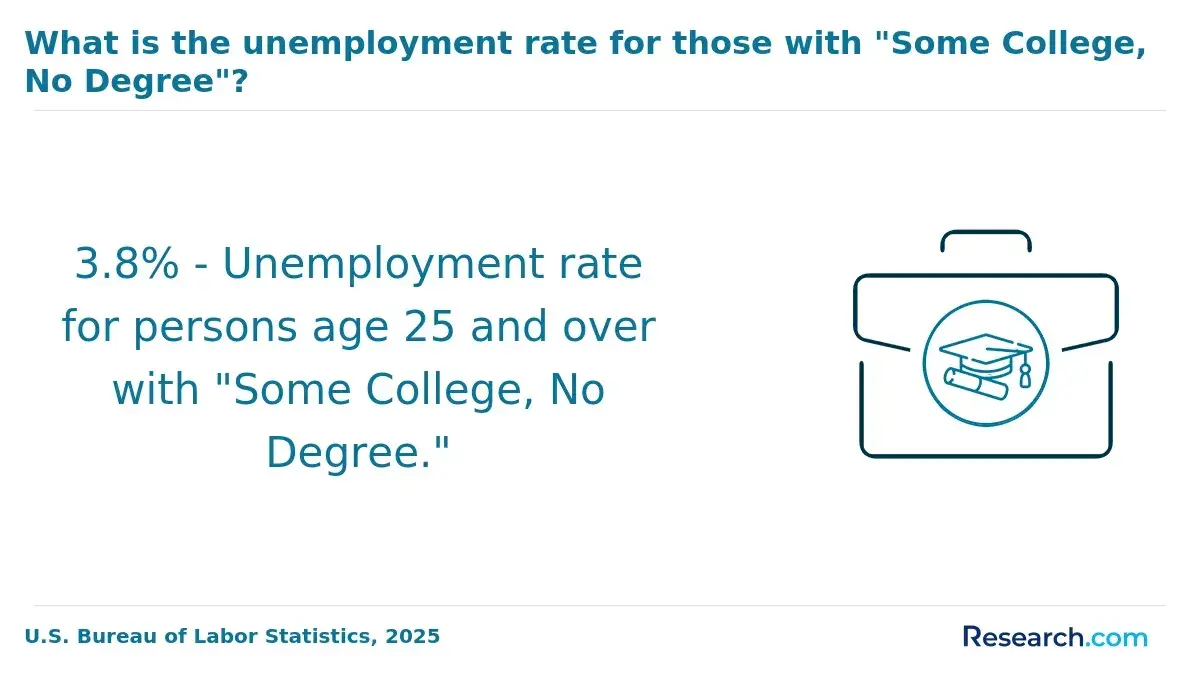
Yes, some online Health Studies programs may admit applicants with a low GPA, especially when they use holistic review or offer provisional admission. A low GPA can still be a barrier, but it is rarely the only factor schools consider. Recent data from 2023 shows that about 40% of online health-related programs now adopt holistic review processes, weighing multiple factors alongside GPA.
Applicants with weaker academic records should focus on building a clear evidence-based case for readiness. Admissions teams want to know whether earlier grades reflect current ability, discipline, and motivation.
- Strong recommendation letters: Letters from supervisors, faculty members, healthcare managers, or professional mentors can document reliability, communication skills, maturity, and readiness for college-level work.
- Relevant work experience: Experience as a healthcare assistant, office coordinator, patient services representative, caregiver, public health volunteer, or related worker can show commitment to the field.
- Prerequisite coursework: Completing foundational courses with strong grades can demonstrate that the applicant is academically prepared now, even if older transcripts are weaker.
- Personal statements: A strong statement should not make excuses. It should briefly explain what changed, what the applicant learned, and why they are prepared to succeed in an online program.
- Transfer planning: If prior credits are uneven, applicants should ask which courses will transfer and whether poor grades will affect admission, degree progress, or financial aid status.
A graduate of an online health studies degree program described entering with a low GPA as intimidating at first. She knew her transcript did not show her full potential, so she emphasized her healthcare assistant experience and submitted detailed recommendation letters that spoke to her professionalism. She noted, “Writing honestly about my challenges helped me connect with the admissions team.”
Her experience shows why preparation matters. A low GPA may slow the process, but applicants who provide evidence of growth, work ethic, and current academic readiness can still be competitive at schools with flexible admission practices.
Can Easy Online Health Studies Degrees Be Completed in Under a Year?
Some online Health Studies pathways may be completed in under a year, but this is more realistic for certificate programs, degree-completion tracks, or students who bring substantial transfer credit. A full undergraduate degree that starts from zero credits is less likely to fit into that timeline. Before enrolling, confirm whether the program is a full degree, a completion program, a certificate, or a concentration within a broader major.
Several factors can shorten completion time:
- Accelerated courses: Shorter course terms can let students complete more classes across the year. The trade-off is intensity; students may have weekly deadlines and heavier reading or project loads.
- Full-time enrollment: Taking the maximum course load can speed graduation, but it may not be realistic for students working full-time or managing caregiving responsibilities.
- Recognition of prior learning or transfer credits: Schools may accept previously completed college coursework or evaluate professional experience for credit, reducing the number of new courses required.
- Flexible scheduling: Year-round enrollment, asynchronous coursework, and self-paced modules can help students avoid long breaks between terms.
Students should ask the admissions office for a written degree plan before committing. That plan should show how many credits remain, which courses are required, when each course is offered, and whether any capstone, practicum, internship, or in-person requirement could delay graduation.
For students who want a shorter, lower-cost entry point into healthcare, a low cost medical coding and billing online program may offer a more direct route than a full Health Studies degree.
Are Online Health Studies Programs Easier Than On-Campus Ones?
Online Health Studies programs are not automatically easier than on-campus programs. The coursework can be just as rigorous, especially at accredited schools. What often feels easier is the logistics: no commute, more control over study time, and access to recorded lectures or digital materials.
A recent survey found that nearly three-quarters of online health studies students felt satisfied with the flexibility and pacing of their courses, which helps explain why many learners perceive online programs as more manageable.
| Online advantage | Why it may feel easier | Possible challenge |
| Self-paced or asynchronous learning | Students can study around work, family, and other obligations. | Requires discipline, planning, and consistent progress without in-person reminders. |
| No commuting | Saves time and reduces transportation stress. | Students may miss campus-based networking or informal peer support. |
| Digital resources | Recorded lectures and online materials can be reviewed repeatedly. | Students must be comfortable with learning platforms and online communication. |
The right format depends on your learning style. Online programs may work well if you are organized, comfortable asking for help, and able to manage deadlines independently. On-campus programs may be better if you need face-to-face accountability, immediate instructor access, or structured class meetings.
One graduate of a straightforward online health studies degree said the online format made school feel more manageable because he could balance work and family responsibilities. Completing modules on his own timeline reduced anxiety compared with a fixed campus schedule. For him, the convenience and control over pacing made the online program easier to navigate.
Are Easy Online Health Studies Programs Accredited?
Many easy online Health Studies programs are accredited, but students should verify accreditation before applying. Easy admission and accreditation can coexist. The problem is not flexible admissions; the risk is enrolling in a school or program that lacks recognized quality assurance.
Accreditation matters because it can affect financial aid eligibility, credit transfer, graduate school admission, employer recognition, and eligibility for certain certifications or licensure-related pathways. Over 90% of respected online health-related programs maintain accreditation from recognized agencies, highlighting the growing acceptance of online education in healthcare.
- Regional accreditation: This evaluates the institution as a whole and is widely recognized in U.S. higher education. Graduates from regionally accredited schools generally have better transfer and graduate admission options.
- Programmatic accreditation: This applies to specific health-related programs. Examples include specialized bodies like the Commission on Accreditation of Allied Health Education Programs (CAAHEP) or the Accreditation Commission for Education in Nursing (ACEN).
Not every Health Studies degree requires programmatic accreditation, especially if it is a broad nonclinical program. However, if the degree is tied to nursing, allied health, public health, health information, or another regulated career path, students should confirm whether a specific accreditor is expected by employers, certification boards, or graduate programs.
Before enrolling, check the school’s accreditation status directly through the accreditor or an official database rather than relying only on marketing pages. Also ask whether the online version of the program carries the same accreditation status as the campus version.
What Is the Average Tuition for Easy Online Health Studies Programs?
Tuition for easy online Health Studies programs varies widely by school type, degree level, credit requirements, residency status, and whether the program is fully online or hybrid. On average, online undergraduate programs in health-related fields generally range from $8,000 to $20,000 per year.
Price should be evaluated alongside completion time and transfer credit. A program with a higher annual tuition may still cost less overall if it accepts more transfer credits or allows faster completion. A cheaper program can become expensive if few credits transfer or required courses are offered infrequently.
- Cost ranges: Affordable online Health Studies programs often use a per-credit rate, and fully online options may reduce some campus-based expenses.
- Program format differences: Hybrid programs that include in-person labs, clinical elements, or campus-based requirements may cost more because of added fees, travel, and placement-related expenses.
- Influencing factors: Tuition is influenced by credit hour requirements, usually between 60 and 120 credits, program length, one to four years, and whether students pay in-state or out-of-state rates.
- Additional costs: Students should ask about technology fees, online learning fees, course materials, textbooks, background checks, uniforms, exam fees, and any required travel.
When comparing programs, calculate the total estimated cost to graduate, not just annual tuition. Ask for a degree audit, transfer evaluation, and full fee list before accepting admission.
Students exploring advanced nursing routes may also want to compare cheapest online nurse practitioner programs to understand cost differences across health-related online degrees.
Can Transfer Credits Make an Online Health Studies Degree Easier to Complete?
Yes. Transfer credits can make an online Health Studies degree easier, faster, and less expensive by reducing the number of courses a student must complete after admission. Nearly 60% of undergraduate students transfer at least some credits between institutions, which makes transfer policy one of the most important factors for adult learners and returning students.
Transfer credits are especially valuable in Health Studies because many programs include general education, electives, foundational science, statistics, communication, and healthcare overview courses that may overlap with prior college work.
- Lower overall tuition costs: Fewer remaining credits usually means fewer courses to pay for.
- Reduced credit or semester requirements: Transfer credits may satisfy general education, prerequisites, or lower-division major requirements.
- Flexibility in course scheduling: With fewer required courses, students can build a schedule that better fits work and family obligations.
- Customized learning pathways: Students can focus on advanced health topics instead of repeating material they have already completed.
Before applying, request an unofficial transfer review if the school offers one. After admission, ask for an official transfer evaluation showing exactly which credits apply to the degree, which credits count only as electives, and which credits do not transfer. Also confirm whether there is a limit on the number of transfer credits the program will accept.
Students planning a longer nursing education pathway can also review cheapest BSN to DNP programs to see how affordable progression routes may handle prior credits.
What Kind of Academic Support Do Online Health Studies Students Receive?
Strong academic support can make the difference between enrolling and finishing. Online students often balance coursework with jobs, caregiving, and unpredictable schedules, so support services should be easy to access remotely and available outside traditional campus hours when possible.
Common support services include:
- Academic advising: Advisors help students choose courses, understand degree requirements, plan transfer credits, and avoid delays caused by missing prerequisites or unavailable courses.
- Tutoring services: Online tutoring through chat, video meetings, or email can support students in writing, statistics, science, public health, healthcare terminology, and research methods.
- Career services: Resume reviews, interview preparation, job search coaching, internship guidance, and employer connections can help students translate the degree into career advancement.
- Technical assistance: Reliable help with the learning management system, video tools, testing platforms, and account access reduces the risk of missed assignments due to technical problems.
- Library and research support: Online database access and librarian help are important for evidence-based health studies assignments and capstone projects.
When evaluating a program, ask whether online students receive the same services as campus students. Also ask how quickly advisors respond, whether tutoring is included in tuition, and whether career services support alumni after graduation.
How Do You Choose the Easiest Online Health Studies Degree That Pays Well?
To choose an easy online Health Studies degree that can support strong earnings, focus on fit, legitimacy, and career alignment. The easiest program to enter is not always the best program to finish, and the fastest option is not always the best value.
Use these criteria to compare programs:
- Program cost: Review total tuition, fees, transfer credit acceptance, and financial aid options. Lower debt improves return on investment.
- Duration: Look for accelerated formats, year-round courses, and credit for prior learning if your goal is faster completion.
- Accreditation: Confirm institutional accreditation and, when relevant, programmatic accreditation. Recognition by reputable bodies like the Council on Education for Public Health may matter for certain public health pathways.
- Career support: Prioritize programs with practical career services, employer connections, internship guidance, and help translating coursework into job applications.
- Alignment with demand: Degrees in areas such as health informatics, healthcare administration, and public health may connect more directly with growing nonclinical healthcare roles.
- Admission clarity: Choose schools that clearly state GPA expectations, document requirements, transfer rules, and provisional admission policies.
- Student support: Make sure advising, tutoring, library access, and technical help are available to online learners.
A practical approach is to shortlist programs only after answering three questions: Will this school accept my background? Will this degree help me qualify for the roles I want? Can I afford to finish without taking on more debt than the likely career benefit justifies?
What Graduates Say About Their Easy Online Health Studies Degrees That Pay Well
- : "I was initially drawn to an easy online health studies degree because I needed flexibility while working full-time. The cost was surprisingly affordable, averaging around $12,000, which made it accessible without overwhelming debt. This degree quickly boosted my career, allowing me to transition into a higher-paying healthcare administration role within a year. — Hilaria"
- : "Choosing an easy online health studies degree was a practical decision after researching numerous programs. With tuition hovering near $15,000, it struck a good balance between cost and quality. Reflecting back, this degree not only enhanced my skills but also opened doors to management positions that greatly increased my earning potential. I highly recommend it for anyone seeking a straightforward path to career growth. — Jenny"
- : "After some hesitation, I enrolled in an easy online health studies program primarily for its low cost, which was roughly $10,000. The concise curriculum suited my learning style perfectly, and it paid off professionally by qualifying me for well-paying roles in public health. Professionally, it was a wise investment that aligned well with my goals. — Mitchell"
Other Things You Should Know About Health Studies Degrees
Admission requirements for easy online Health Studies degree programs in 2027 typically include a high school diploma or GED, a completed application, and sometimes basic coursework in relevant subjects. Some programs might also request a personal statement or letters of recommendation.
Most easy online Health Studies degree programs in 2027 require around 120 credit hours to complete. These credit requirements include core health courses, electives, and general education classes, ensuring students acquire a well-rounded education while meeting graduation prerequisites.
The easiest online Health Studies degree programs in 2027 typically take about 2 to 3 years to complete, depending on the student's pace and the program's structure. Many of these programs offer accelerated options to expedite graduation.
References
- Services & Support for Online College Students | EduMed.org https://www.edumed.org/resources/online-student-services/
- Bachelor of Science in Health Studies Online at William Paterson https://online.wpunj.edu/degrees/undergraduate/bachelor-of-science-in-health-studies/
- Online Vs On-Campus Learning: Which Mode Of Study Suits You Better? https://www.unicaf.org/online-university-vs-on-campus/
- Online Student Support: Your Key to Navigating Distance Education https://lakewood.edu/online-student-support-guide/
- The Role of Student Support Services in Distance Education: Bridging the Gap - Distance Learning Institute https://distancelearning.institute/staff-training-development/student-support-services-distance-education/
- Online Healthcare Degree Programs | University of Phoenix https://www.phoenix.edu/online-healthcare-degrees.html
- Health Science Degree Online https://www.snhu.edu/online-degrees/bachelors/bs-in-health-science
- 6 reasons to choose online study versus on campus | Hader https://www.haderinstitute.edu.au/news/why-choose-online-study-versus-on-campus
- Home https://www.husson.edu/online/online-degrees/bachelor-of-science-in-professional-health-sciences
- 7 Healthcare Degrees You Can Earn Online https://www.herzing.edu/blog/healthcare-degrees-you-can-earn-online