2027 Can You Get Licensed With an Online Health Studies Degree? Requirements, Rules, and What to Know

Co-Founder and Chief Data Scientist
Many prospective students face uncertainty over whether an online health studies degree qualifies them for professional licensure. This concern is significant given that nearly 40% of healthcare jobs demand state licensure or certification before employment. The rise of online programs adds complexity, as some states impose restrictions on degrees earned outside traditional campuses.
Understanding how online education intersects with state licensure rules is crucial for career planning. This article explains the specific licensure requirements for health studies graduates and clarifies how completing an online degree impacts eligibility for certification and workforce entry in the healthcare sector.
Key Benefits of Getting Licensed with an Online Health Studies Degree
- Licensure with an online health studies degree enhances professional credibility, meeting state and federal requirements to qualify for certified roles in healthcare and public health sectors.
- Licensed graduates access broader employment opportunities and greater job mobility across various healthcare settings, including hospitals, government agencies, and non-profits.
- Holding a license often correlates with higher long-term earning potential and career advancement, with licensed professionals earning up to 25% more than non-licensed counterparts.
Can You Get Licensed With an Online Health Studies Degree?
Obtaining licensure with an online health studies degree is feasible when the program meets accreditation standards and includes the necessary coursework alongside practical experiences like clinical hours or internships. These components are crucial, as they prepare students to meet professional requirements and successfully complete licensure exams. Programs that align with online health studies degree licensure requirements often collaborate with healthcare providers to ensure students gain the hands-on training needed despite studying remotely.
Earning a license through an online health studies degree offers significant advantages, including access to regulated healthcare careers that mandate certification. Licensed professionals typically take on greater responsibilities, enjoy increased job stability, and have potential for higher salaries. Additionally, the flexibility of online study enables students to fulfill licensure requirements while managing other commitments. Prospective students interested in advancing their healthcare qualifications may also explore specialized dnp programs designed to further expand certification opportunities.
Do Licensing Requirements for Health Studies Vary by State?
Licensing rules for health studies professionals are designed to ensure competence and protect public safety, but these requirements vary significantly by state. For instance, approximately 45% of states mandate supervised clinical experience before licensure, illustrating the diversity in state licensing requirements for health studies degrees. The following points highlight key areas where requirements often differ, which is important for students to consider when planning their careers.
- Licensing Exams: States differ in the types of exams required, as well as passing scores. Some states may require specialized tests tailored to specific career paths in health studies, affecting eligibility based on exam performance.
- Supervised Clinical Experience: Many states insist on mandatory hours of supervised practical experience, but the amount can vary widely. This variation influences how students pursuing online programs can meet hands-on training requirements.
- Continuing Education: The number and type of continuing education credits required for license renewal differ by jurisdiction. These ongoing requirements ensure professionals stay current but can add to post-licensure obligations.
- Scope of Practice Limitations: States may impose different restrictions on job roles and responsibilities, impacting where graduates can work and the tasks they can perform.
- License Renewal Policies: The frequency of renewal and associated fees vary, affecting long-term professional planning and costs.
Because health studies licensure rules by state can be complex, prospective students should carefully review their local regulations before choosing an online degree program. Those interested in easy dnp programs or similar paths should also verify that their educational choices align with state-specific criteria to avoid surprises during licensure.
Are Online Health Studies Programs Different From Campus Programs for Licensure?
The choice between online and campus-based health studies programs does not inherently impact eligibility for licensure, provided the program holds proper accreditation. Recent data shows that over 70% of licensing boards now recognize accredited online degrees as valid for professional credentialing, reflecting growing trust in these formats.
- Practical or clinical components: Both online and traditional programs mandate in-person clinical experiences to build essential hands-on skills needed for licensure. These real-world sessions are integral regardless of the program's delivery method.
- Assessment methods: Exams and skill assessments follow strict supervision protocols to validate competency. Whether online or on campus, these evaluations adhere to the same rigorous standards to protect public safety.
- Curriculum coverage: Content across both formats aligns closely with accreditation requirements, ensuring students acquire the same foundational knowledge. Online courses may offer more flexible pacing, which can affect how students manage their study time.
- Employer perceptions: Increasing acceptance of accredited online degrees by employers and licensing boards has reduced historical skepticism. Today, many healthcare employers view online qualifications as equivalent to traditional ones, especially when clinical training is completed in person.
A licensed professional who completed an online health studies degree shared that selecting elective classes added a layer of personalization to his education that campus programs hadn't offered. He recounted some initial anxiety over whether an online format would prepare him adequately, especially for hands-on skills. However, he found the clinical placements rewarding and the faculty responsive, which helped bridge gaps he feared might exist. "Choosing electives that deepened my knowledge in patient communication was a highlight because it directly influenced how I handle real-world scenarios now," he explained. His experience suggests that the quality of clinical engagement and thoughtful course choices matter more than the program's location when it comes to licensure readiness.
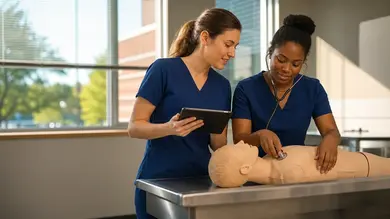
Online Health Studies degree programs typically include clinical or practicum hours essential for hands-on training and preparing students for professional practice and licensure. These hours enable students to apply classroom knowledge in real healthcare settings, honing critical skills under supervision to meet regulatory requirements.
- Typical Hour Requirements: Clinical or practicum hours generally range from 100 to 500, depending on the program and specific licensure goals. These hours are crucial in ensuring students gain sufficient practical experience to qualify for certification.
- Placement Settings: Students complete their required hours in diverse settings such as hospitals, clinics, or community health organizations, providing exposure to varied healthcare environments and patient populations.
- Supervision and Evaluation: Licensed practitioners oversee student activities, offering guidance and assessing performance to ensure competency and readiness for professional responsibilities.
- Skills Developed: Key skills cultivated include patient interaction, clinical procedure execution, comprehensive health assessments, and effective communication within healthcare teams, building confidence for future licensure requirements.
- Integration with Online Learning: Although coursework is online, many programs coordinate with local healthcare facilities to facilitate in-person clinical experiences near students' homes. This hybrid model balances remote education with essential face-to-face practice.
Prospective students should carefully verify the clinical hour requirements and placement support when researching programs to ensure alignment with their licensure objectives. Those interested can explore options for a healthcare administration degree online to understand how practical requirements fit within accelerated or hybrid formats.
Considering online health studies clinical hour requirements and practicum hours for online health degree licensing is vital for planning a successful path toward licensure and professional competency.
Licensing exams are essential to confirm that candidates possess the necessary expertise and are prepared to provide safe, effective healthcare services. Passing these exams often determines eligibility for professional roles and influences career advancement. For instance, the Certified Health Education Specialist (CHES) exam has a pass rate near 70%, highlighting the rigorous nature of these assessments. Key features of licensing exams after completing an online health studies degree include:
- Exam Name: The Certified Health Education Specialist (CHES) exam is a primary credential for those focusing on health education, widely recognized across the healthcare sector.
- Content Areas: The exam addresses core topics such as assessment, planning, implementation, evaluation, and ethical considerations within health education practice.
- Exam Format: Most exams are computer-based multiple-choice tests administered within a set time frame, designed to evaluate comprehensive knowledge and practical application.
- Preparation Methods: Candidates often utilize review courses, study guides, and practice exams to improve familiarity with test content and enhance confidence.
- Retake Policies: Multiple attempts are typically allowed, often with mandatory waiting periods between tries, supporting candidates' eventual success.
- Online Graduate Eligibility: Graduates from accredited online health studies programs who have completed necessary coursework are generally qualified to sit for these certification exams.
When discussing her journey, a licensed professional who earned an online health studies degree shared that the licensing exam was initially intimidating due to its breadth and computerized format. She explained that balancing study time with daily responsibilities was challenging, but structured preparation and persistence paid off. "There were moments I doubted if I could pass," she reflected, "but I found that breaking the material into manageable sections and taking practice tests was invaluable." Her experience underscored how online study flexibility allowed her to commit fully to exam readiness. This professional emphasized that successfully passing the exam not only validated her skills but also boosted her confidence and credibility in the healthcare field.
Yes, supervised work experience is typically required after earning an online nursing degree to qualify for licensure and ensure practical competence. This hands-on training bridges academic knowledge with real-world skills essential for safe and effective patient care. Recent data show that nearly 70% of graduates in health-related fields complete such supervised practice before advancing their careers. The following points outline key elements of this requirement:
- Duration of Experience: Most programs and licensing boards mandate between 500 and 1,500 hours of supervised work, depending on the specialization and state regulations. This timeframe ensures sufficient exposure to practical challenges.
- Practice Settings: Supervised work commonly occurs in clinical environments such as hospitals, clinics, or community health centers, enabling students to engage directly with patients and healthcare teams.
- Mentorship and Guidance: Students receive oversight from licensed professionals who provide feedback, support, and ethical mentoring throughout the practicum period.
- Skill Development: This hands-on phase allows students to refine clinical techniques, improve decision-making abilities, and learn workplace protocols beyond theoretical instruction.
- Career and Licensure Impact: Completing supervised experience is often mandatory for professional certification and helps graduates demonstrate readiness for independent practice, boosting employment opportunities across diverse healthcare settings.
Licensure reciprocity allows professionals licensed in one state to obtain certification or licensure in another state without repeating the entire licensing process. This flexibility is crucial for those who want to practice health-related professions across state lines, enhancing career mobility and opportunities. Several factors influence whether reciprocity applies to online health studies graduates, including state rules and program specifics.
Key considerations include:
- Eligibility criteria: States and professions differ in requirements, often mandating graduation from accredited programs. This affects licensure reciprocity for online health studies graduates since program accreditation and content must align with state standards.
- Program requirements: The acceptance of online degrees depends on whether the program meets the same standards as traditional on-campus education, particularly regarding clinical experience and practical training integral to many health professions.
- State agreements: Some states participate in formal reciprocity compacts that recognize licenses from other states, simplifying transfers. Others require separate applications, exams, or additional state-specific qualifications before granting licensure.
- Application process: Graduates must typically submit proof of education, complete required exams, and fulfill any extra requirements mandated by the new state. This process can vary significantly depending on jurisdiction and profession.
- Potential limitations: Graduates of online health degrees may face scrutiny from licensing boards concerned about program format or clinical hours. Ensuring the degree and training are recognized by relevant agencies is vital for smooth transfer of credentials.
It is essential for those exploring state licensing transfer for online health degrees to research individual state policies carefully. For prospective students seeking cost-effective options with strong licensure outcomes, exploring the cheapest online nurse practitioner programs can be a valuable starting point.
Online health studies programs have become increasingly popular, with enrollment rising by over 30% in recent years due to their convenience for students balancing work and life. Many learners specifically seek programs that support licensure eligibility, ensuring their qualifications meet professional standards. Below is an overview of the key advantages and challenges related to pursuing licensure through these programs.
Pros
- Flexible schedules: Students can manage their education alongside personal and professional commitments, improving course completion rates.
- Broader accessibility: Programs reach those in remote areas, providing opportunities where local institutions are unavailable.
- Lower costs: Reduced tuition and fees make these programs financially attractive, easing the burden on many candidates.
Cons
- Limited hands-on training: Insufficient clinical experience may hinder meeting state licensure prerequisites.
- Challenges in supervision: Securing adequate practical mentorship often proves difficult, potentially delaying licensure readiness.
- Fewer networking opportunities: Reduced interaction with peers and professionals can impact job placement after graduation.
- Employer perception: Some employers may view online degrees as less rigorous, which can affect hiring decisions.
Obtaining licensure after earning an online health studies degree significantly impacts salary potential, with licensed professionals earning approximately 10% to 20% more on average than non-licensed counterparts in similar roles. This financial advantage reflects the increased recognition and regulatory approval that licensure provides. Understanding this connection is crucial for those considering health-related careers and online education options.
Licensure affects career advancement and earnings in several key ways:
- Access to Higher-Paying Roles: Licensure enables professionals to qualify for positions that require formal certification, often associated with better salaries, such as clinical roles and specialized healthcare services. This access broadens job prospects and earning capacity.
- Eligibility for Leadership Positions: Licensed individuals are more likely to be considered for supervisory and management roles, which come with increased responsibilities and higher compensation. Leadership opportunities often lead to sustained career growth.
- Specialized Responsibilities: Holding a license allows professionals to engage in specialized fields within healthcare, which commonly offer premium wages due to the expertise and accountability required.
- Job Security and Compliance: Employers frequently prefer or mandate licensed staff to meet quality standards and regulatory compliance, enhancing job stability and bargaining power for benefits and pay raises.
While an online health studies degree salary impact can be positive, it is essential to ensure that the chosen program meets state board requirements to qualify for licensure. Successfully obtaining licensure validates competence and often leads to higher earnings and broader career paths. For those exploring educational options, looking into the cheapest dnp programs online can be a practical step toward affordable credentials that support licensure.
Licensed health studies careers salary benefits extend beyond immediate pay increases by enhancing professional networks and growth opportunities. As demand for qualified health professionals rises, licensure remains a critical factor influencing long-term success and financial rewards.
Licensure significantly influences the career paths available to online health studies graduates, with licensed positions often offering higher pay and greater responsibilities. Around 65% of graduates working in healthcare hold a license, typically earning about 20% more than those in non-licensed roles. Below is a breakdown of common job options with and without licensure.
Jobs With a License
- Registered Nurse: Involves direct patient care, including medical assessments and treatment implementation, requiring state licensure to ensure safety and compliance; this role usually offers strong salary growth and advancement opportunities.
- Licensed Practical Nurse: Provides bedside care under supervision, performing routine medical tasks; licensure validates competency and expands job prospects in various healthcare settings.
- Clinical Specialist: Focuses on diagnosing and managing patient conditions within specialized fields, demanding professional licensing that supports career specialization and higher earning potential.
Jobs Without a License
- Health Educator: Develops and delivers programs to promote healthy lifestyles and disease prevention, focusing on public awareness rather than clinical treatment, which requires no formal license.
- Public Health Coordinator: Manages community health initiatives and coordinates services to improve population well-being, emphasizing administration over direct patient care.
- Medical Services Manager: Oversees healthcare facility operations and staff, ensuring efficient service delivery; while licensure is not mandatory, leadership skills and industry knowledge are crucial for career growth.
What Graduates Say About Getting Licensed with an Online Health Studies Degree
- Valentino: "The affordability of the online health studies degree program was a huge draw for me, especially knowing that the total cost, including licensure fees, was well below traditional options. The coursework was rigorous yet flexible, allowing me to balance studies with work. Earning this degree online has truly accelerated my career; I landed my dream job as a licensed professional faster than I expected."
- Zev: "Reflecting on my experience, I appreciate how the online health studies degree offered a great return on investment-costs were reasonable and the licensure support was invaluable. The digital classroom was engaging, making complex topics easier to understand. This degree opened doors for me professionally, helping me become a licensed expert respected in my field."
- Grayson: "Professionally, the cost-effectiveness of the online health studies program made it accessible without compromising quality, and the licensure process was straightforward thanks to the program's guidance. The online format suited my learning style perfectly and prepared me well for practical challenges. Completing this degree has enhanced my credibility and effectiveness as a licensed health professional."
Other Things You Should Know About Health Studies Degrees
State licensing boards decide this, not the school. In the United States, boards such as the state medical, nursing, social work, or counseling board review transcripts, program accreditation, supervised clinical hours, and exam eligibility before approving licensure. Requirements vary by state and profession, so board rules control the final decision.
In 2027, licensing requirements for an online health studies degree vary by state. Typically, graduates must complete an accredited program, pass a licensure exam, and fulfill any state-specific prerequisites such as supervised clinical hours, to obtain licensure. Always consult the relevant state board for specific guidelines.
- State Licensing Requirements | Prospective Students | SUNY Upstate https://www.upstate.edu/prospective/basics/state-license-requirements.php
- Personnel Licensure - ASCLS https://ascls.org/licensure/
- Online Bachelor Degree Completion | Health Sciences | Merrimack https://online.merrimack.edu/bachelor-degree-completion/health-sciences/
- Is an Online Degree the Same as a Traditional Degree | Online Degree https://www.cambridgehealth.edu/online-degrees/get-an-online-degree/is-an-online-degree-the-same-as-a-traditional-degree/
- FSMB | State Specific Requirements for Initial Medical Licensure https://www.fsmb.org/step-3/state-licensure/
- Careers in Health Studies | Academy Online Learning https://academyonlinelearning.com/careers-health-studies
- Healthcare Professions’ Support Online Degree Pathway https://www.learndirect.com/course/healthcare-professions-support-online-degree-pathway
- Health Science Degree Online https://www.snhu.edu/online-degrees/bachelors/bs-in-health-science
- Health Science: Campus & Online Degrees and Career Paths https://www.publichealthonline.org/health-sciences/online-degree-programs/
- Benefits of Studying at Onlinehealthcarecourses - OnlineHealthcareCourses.com https://www.onlinehealthcarecourses.com/benefits-of-studying-at-onlinehealthcarecourses/