
2027 Online Health Studies Master's Programs Under $20,000: Total Tuition and Required Fees

Co-Founder and Chief Data Scientist
Keeping an online Health Studies master's below $20,000 requires more than finding a low tuition rate: required fees, extra credits, and residency rules can change the final bill. This guide is for working health professionals and career changers comparing affordable online graduate options.
The U.S. Bureau of Labor Statistics projects 23% employment growth for medical and health services managers from 2024 to 2034, making cost-conscious preparation for nonclinical health leadership roles especially relevant. Learn how to calculate true program cost, assess fit, and avoid expensive surprises.
Key Things You Should Know
- An under-$20,000 claim is meaningful only when tuition, mandatory institutional fees, required course fees, and all credits needed to graduate total less than $20,000.
- Multiply the published per-credit rate by the required graduate credits, then add mandatory fees; a 36-credit program at $500 per credit has $18,000 in tuition before fees.
- Affordable programs can support administrative, community-health, policy, and population-health careers, but they do not by themselves provide clinical licensure or guarantee a management job.
How Much Does an Online Health Studies Master's Degree Under $20,000 Cost in Total?
The total cost is the amount a student must pay to earn the degree, not the tuition figure used in advertising. For a program to genuinely qualify as under $20,000, its required tuition and mandatory fees should remain below that threshold for the student's enrollment status and planned completion schedule.
Health Studies is a broad interdisciplinary field. Programs may emphasize health promotion, health policy, health administration, community health, population health, or healthcare quality. Most require roughly 30 to 42 graduate credits, but the exact curriculum, capstone, and prerequisite requirements determine the actual number of billable credits.
This comparison shows how identical-looking tuition rates can produce very different total costs. The figures are calculation examples, not quotations from specific institutions, and should be replaced with each school's current published charges.
| Cost scenario | Required credits | Tuition rate | Tuition subtotal | Mandatory fees | Total required cost |
| Lower-credit, flat-rate equivalent | 30 | $550 per credit | $16,500 | $900 | $17,400 |
| Moderate-credit program | 36 | $500 per credit | $18,000 | $1,200 | $19,200 |
| Higher-credit program near the limit | 42 | $450 per credit | $18,900 | $1,250 | $20,150 |
A program near the ceiling has little room for a fee increase, a repeated course, or an added prerequisite. Compare the school's full degree plan rather than selecting the lowest per-credit number.
Before applying, use the following sequence to produce a realistic estimate.
- Obtain the official curriculum or degree map and count every required credit, including capstone, practicum, and foundation courses.
- Confirm whether the quoted tuition applies to online graduate students, your residency category, and your anticipated start term.
- Add required application, enrollment, technology, distance-learning, graduation, and course fees.
- Ask whether the institution can provide a written estimated cost of attendance through graduation.
What Required Fees Can Increase the Cost of an Online Health Studies Master's Degree Beyond $20,000?
Required fees are charges students cannot reasonably avoid while completing the program. They may be billed once, every term, per course, or at graduation, so a low tuition rate can still lead to a final cost above the advertised target.
Ask the bursar or online-program office to identify which charges are mandatory for fully online graduate students. These are the cost categories most likely to affect the final calculation.
- Application, admission, matriculation, and new-student orientation fees
- Term-based student services, technology, learning-platform, or online-learning fees
- Per-course laboratory, assessment, proctoring, or specialized software fees
- Required background checks, immunizations, compliance modules, or placement fees when a practicum is included
- Capstone, practicum, comprehensive-exam, graduation, transcript, and diploma fees
Books, home internet, a computer, optional travel, and professional memberships may be important personal expenses, but they are not always included in the school's required program price. Keep them in a separate budget so they do not obscure whether required institutional charges stay under $20,000.
A common mistake is treating "online" as synonymous with no campus-related fees. Some universities charge online learners the same broad student fee as campus students, while others waive selected fees. Get the answer in writing and verify whether the fee is assessed per semester or per credit.
Students considering a clinical change of direction should also separate this degree from professional pathways such as direct entry MSN programs for non-nurses online. Clinical programs can carry different placement, compliance, and licensure-related costs.
How Does Per-Credit Tuition Affect the Total Cost of an Online Health Studies Master's Degree Under $20,000?
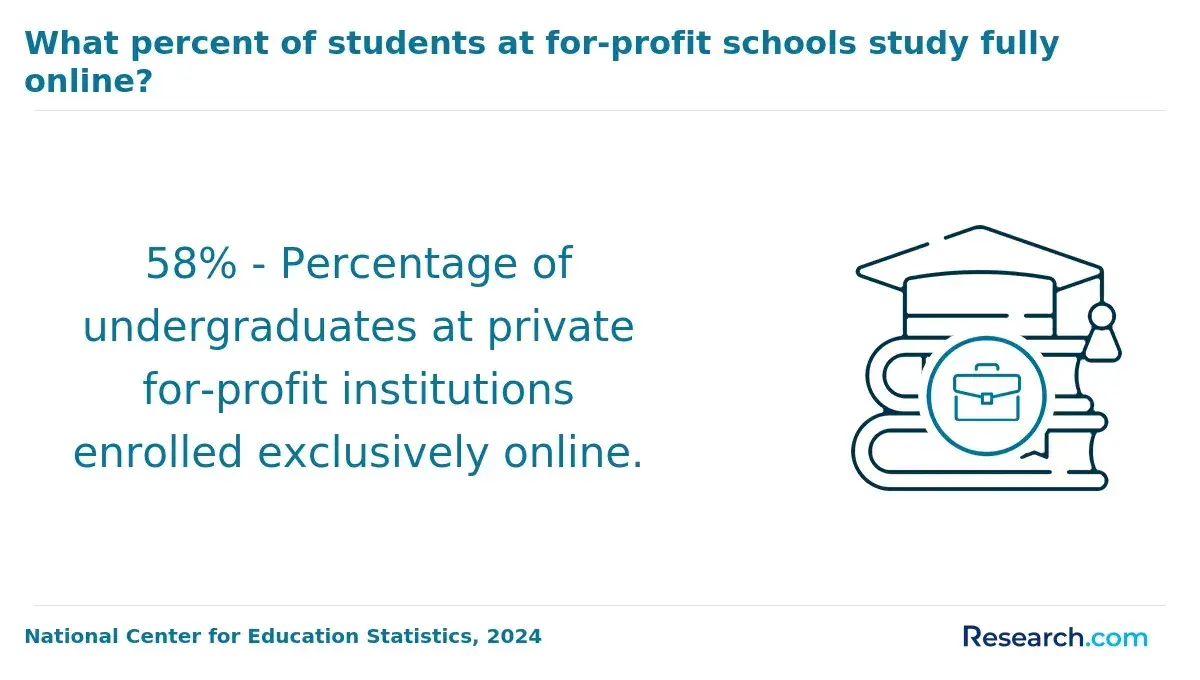
Per-credit tuition is useful only when paired with the total credits required. The basic calculation is: required program credits multiplied by the applicable tuition rate, plus mandatory fees. A lower rate does not automatically mean a lower degree price if the curriculum requires substantially more credits.
The table below identifies the highest tuition rate that keeps tuition alone at or below $20,000. Required fees would reduce each maximum further.
| Required credits | Maximum tuition per credit before fees | What to check |
| 30 | $666.67 | Whether fees, prerequisites, or a capstone add cost |
| 33 | $606.06 | Whether all students must take the same credit total |
| 36 | $555.56 | Whether tuition changes by term or residency |
| 42 | $476.19 | Whether required fees leave enough budget margin |
Flat-rate tuition can be easier to budget when it clearly covers the whole degree, while per-credit pricing can favor students who need fewer credits or can transfer coursework. Neither model is automatically better; the deciding figure is the written total for completion.
Do not assume that a program with "health" in its name serves the same goal. Students seeking nursing advancement should compare curriculum and eligibility separately from online RN programs, which are designed for registered nurses completing a bachelor's credential rather than a nonclinical graduate degree.
How Long Does It Take to Complete an Online Health Studies Master's Degree Under $20,000?
Many online Health Studies master's programs can be completed in about 18 to 24 months of continuous study, but the published timeline is not a promise. Actual completion depends on credit load, course sequencing, transfer approvals, capstone timing, and whether the program uses accelerated sessions.
An asynchronous format lets students complete weekly work on their own schedule, which can be valuable for professionals working standard or irregular shifts. Synchronous courses require attendance at scheduled live sessions. Hybrid programs may require occasional campus, fieldwork, or residency participation, which can add travel costs and scheduling constraints even when tuition remains affordable.
Program pace affects cost as well as convenience. Taking fewer credits per term may delay graduation and extend term-based fees; taking an intensive load can reduce the number of fee-bearing terms but may make it harder to earn strong grades while working. A cohort program with fixed sequencing offers predictability, whereas a self-paced sequence may offer flexibility but require more careful planning.
Review the academic calendar before enrolling. Confirm start dates, maximum time to degree, capstone prerequisites, required live sessions, and whether a practicum must be arranged in the student's community. Do not choose an accelerated program solely to finish faster if its workload is incompatible with work or caregiving responsibilities.
How Can Students Verify Accreditation for an Online Health Studies Master's Degree Under $20,000?
Start with institutional accreditation. A properly accredited institution has been evaluated by a recognized accrediting body, and that status can affect federal aid eligibility, credit transfer, employer confidence, and future doctoral applications. Verify status directly through the institution and the U.S. Department of Education's accreditation resources rather than relying only on a marketing page.
Programmatic accreditation may also matter, but it is not universal for broad Health Studies degrees. A concentration in public health, health education, healthcare administration, or another specialty may have different relevant standards. The important question is whether the program's accreditation and curriculum match the credential or career goal you intend to pursue.
Use this review process before paying an application fee.
- Confirm that the university's institutional accreditation is current and identify the accrediting organization.
- Ask whether the specific online degree or concentration has programmatic accreditation, approval, or professional alignment.
- Check whether the curriculum meets requirements for your intended employer, certification, doctoral program, or state-regulated role.
- Request clarification if a school uses broad terms such as "recognized" or "approved" without naming the accreditor or standard.
Accreditation does not turn a general Health Studies degree into a clinical license. If your objective is pharmacy practice, evaluate the distinct educational and licensure pathway represented by PharmD programs.
Do Out-Of-State Students Pay More for an Online Health Studies Master's Degree Under $20,000?
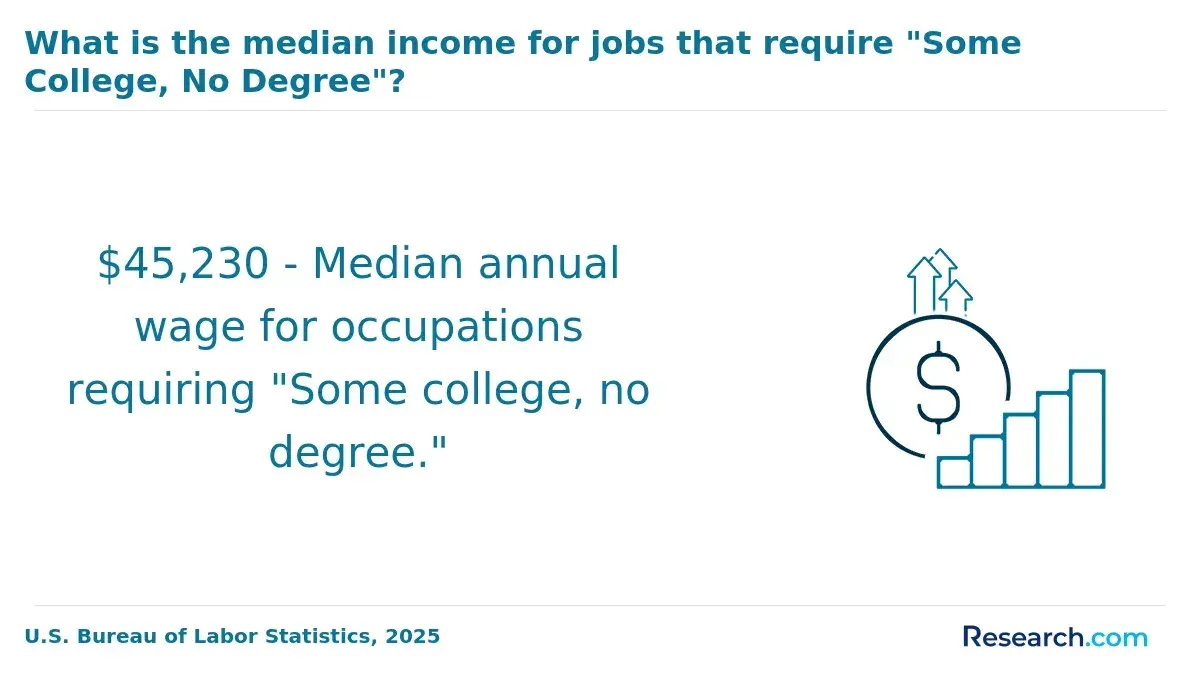
Public institutions may charge different online graduate rates for in-state and out-of-state students, although many publish one online rate for all learners. Private nonprofit and private for-profit institutions may also use uniform online pricing, but institution type alone does not determine affordability or value.
Confirm your rate using the tuition schedule for the exact program and term, not a general undergraduate page. Ask whether the school uses a universal online rate, a residency-based rate, a regional tuition agreement, or a rate that changes after a certain number of credits. Military, employee, alumni, or partnership discounts may have eligibility rules and may not be guaranteed throughout enrollment.
State authorization is a separate issue from residency pricing. Before applying, verify that the institution is authorized to enroll distance learners where you live and that any required practicum can be completed in your state. This is particularly important when a curriculum includes regulated activities or locally supervised fieldwork.
The best comparison is the same: calculate the total required price using your rate, then compare it with the degree's curriculum, scheduling, student support, and career relevance. An apparently low resident rate that you cannot receive is not a useful benchmark.
Can Transfer Credits Keep the Total Cost of an Online Health Studies Master's Degree Under $20,000?
Transfer credit can reduce the number of courses you must take and therefore lower tuition, but it is never automatic. Graduate programs commonly limit the number, age, grade, and subject match of transferable credits. Many also require that core courses, research methods, capstone work, or a minimum number of credits be completed at the institution.
Transfer credit is most useful for applicants with recent, equivalent graduate coursework from an accredited institution. It is less likely to help when prior courses do not align with learning outcomes, were completed too long ago, or do not meet the program's minimum grade standard.
Protect your budget by obtaining a preliminary evaluation before making an enrollment decision. These steps help prevent a cost estimate based on credits the school will not accept.
- Send official transcripts and course descriptions early enough for a written evaluation.
- Ask for the maximum transferable credits, the minimum grade, and any time limit on prior coursework.
- Confirm which required courses transfer rather than assuming every accepted credit replaces a degree requirement.
- Request an updated degree plan showing remaining credits, sequence, tuition, and fees.
- Compare the transfer decision with the program's residency requirement and the effect on financial-aid enrollment status.
Do not enroll in unrelated courses solely because they seem transferable. The lower-cost option is coursework that clearly advances the target degree and career plan.
Can Financial Aid Bring the Cost of an Online Health Studies Master's Degree Below $20,000?
Yes. Financial aid can reduce the amount you pay out of pocket, but it does not change the program's published total price. Graduate students should distinguish grants and scholarships, which generally do not need repayment, from federal or private loans, which create repayment obligations.
Complete the Free Application for Federal Student Aid and speak with each school's financial-aid office about eligibility, enrollment requirements, employer tuition assistance, institutional scholarships, payment plans, and external awards. Graduate aid rules and award availability vary by student and institution, so an aid offer should be compared line by line.
The U.S. Bureau of Labor Statistics reported a median annual wage of $117,960 for medical and health services managers in May 2024. That figure reflects a broad occupation with varied education and experience requirements, not a starting salary or a return guarantee for Health Studies graduates. Use it as labor-market context, then evaluate the entry requirements and pay ranges for the specific roles you can realistically pursue.
Borrow only after calculating the remaining balance and expected repayment. A common error is comparing scholarships to tuition while overlooking mandatory fees and the interest cost of loans. Employer reimbursement can be valuable, but verify grade requirements, annual caps, repayment obligations if you leave the employer, and when reimbursement is paid.
A Health Studies degree may complement a behavioral-health career goal, but it is not a substitute for a counseling credential where one is required. Readers seeking a dedicated pathway can compare online colleges for addiction counseling based on their intended role and state requirements.
Is an Online Health Studies Master's Degree Under $20,000 Worth the Cost for Career Advancement?
An online Health Studies master's can be a sound investment when it closes a specific gap between your current education and a target role in health program coordination, community health, health services administration, quality improvement, population-health support, research coordination, or policy work. It is less compelling when the desired role requires a clinical license, a specialized professional degree, or experience the program cannot provide.
The degree's value depends on concentration, prior experience, local labor demand, employer expectations, networking access, and the practical work embedded in the curriculum. Coursework in data interpretation, health policy, epidemiology, program evaluation, communication, ethics, project management, and quality improvement can be relevant to many nonclinical roles. AI-enabled documentation and data tools are increasing the value of data literacy, but they do not replace subject-matter judgment, privacy awareness, or operational experience.
Compare your situation against the following decision factors rather than relying on salary claims.
| Student goal | When an under-$20,000 Health Studies master's may fit | When to consider another path |
| Move into health administration | You already have health-sector experience and need graduate-level leadership, policy, or quality skills | The employer specifically prefers an MHA, MBA, or a named accreditation standard |
| Advance in community or population health | The curriculum includes program planning, evaluation, and relevant applied work | You need a specialized public-health credential or field placement the program does not offer |
| Change into a clinical profession | You want broader health-system knowledge alongside an existing clinical credential | You need initial licensure, supervised clinical hours, or a professional practice degree |
| Prepare for doctoral study | The program offers research methods, strong grades, and faculty support aligned with the doctoral field | The intended doctoral program requires prerequisites not included in the curriculum |
A higher-priced program may be worth considering when it supplies a required specialization, substantial practicum support, career placement resources, local employer relationships, or a format you can actually complete. Conversely, a lower-cost accredited program can offer strong value if its curriculum directly supports your next role and you do not need those additional features.
For nutrition-focused careers, compare Health Studies with specialized dietetics programs, since dietetics education and credentialing requirements differ from general health studies preparation.
How Should Students Choose the Best-Value Flat-Rate Online Health Studies Master's Program?
A flat-rate program can simplify planning when one published amount covers all required credits and mandatory institutional fees. However, "flat rate" may mean a rate per term, a rate per course load, or a tuition package that excludes charges such as technology, graduation, or practicum fees. Read the enrollment agreement and tuition schedule carefully.
The best-value choice is the least expensive program that meets your educational and career requirements, not necessarily the program with the smallest headline price. Compare finalists using the same assumptions: your residency status, start term, required credits, transfer outcome, completion pace, and all mandatory charges.
Use this final screening checklist to make an apples-to-apples decision.
- Confirm the exact degree title, concentration, and curriculum align with the role you want within one to three years of graduation.
- Calculate tuition plus mandatory fees for every remaining required credit and keep a separate estimate for books, technology, and travel.
- Verify institutional accreditation, state authorization, and any specialty standard relevant to your goal.
- Review delivery format, course meeting times, practicum expectations, faculty access, and academic support against your work schedule.
- Check admissions prerequisites and determine whether missing coursework adds time or cost before or during the program.
- Compare aid offers by grants, scholarships, employer support, and loan terms rather than by the total award headline.
- Request written confirmation of the tuition policy and ask how future tuition or fee changes affect continuing students.
Red flags include an unclear credit total, no separate fee schedule, vague accreditation language, career claims without role-specific context, and an accelerated timeline that omits capstone or fieldwork details. A program close to $20,000 can still be excellent value, but only if the total is transparent and the degree serves a defined purpose.
Other Things You Should Know About Health Studies
Schools commonly require a completed bachelor's degree, official transcripts, an application, a statement of purpose, and references. Some programs require a minimum undergraduate GPA, resume, prerequisite coursework, or relevant professional experience. Requirements vary, so applicants should review the exact program page and ask whether prerequisites add cost or delay enrollment.
No. A Health Studies master's is usually broader and may combine administration, policy, wellness, community health, and interdisciplinary health topics. An MPH generally has a defined public-health focus and may be a better fit for applicants seeking epidemiology, biostatistics, environmental health, or formal public-health practice preparation.
It depends on the curriculum. Some programs use a capstone project or applied research course instead, while others require supervised field experience. Ask whether placement support is available, who approves sites, whether work experience can count, and whether the requirement can be completed where you live.
Possible titles include health program coordinator, community health specialist, patient education coordinator, quality improvement coordinator, healthcare project coordinator, and health services administrator. Titles and requirements differ by employer; review job postings in your target market to determine whether the degree, prior experience, certifications, or a clinical license are expected.
References
- Types of student financial aid | USAGov https://www.usa.gov/student-aid
- Master of Public Health Online https://www.unthealth.edu/tcom/public-health/master-of-public-health-online.html
- What is Financial Aid? https://www.nysfaaa.org/what-is-financial-aid-
- Best Master's in Public Health (MPH) Online: Top Programs in '24 https://www.onlinemastersdegrees.org/best-programs/public-health-mph/
- 2025 Most Affordable Online Master's Programs https://www.onlineu.com/most-affordable-colleges/masters-degrees
- Choosing an MPH Specialization - MPH Online https://www.mphonline.org/choosing-an-mph-specialization/
- The Labor Market for Recent College Graduates https://www.newyorkfed.org/research/college-labor-market
- Cost of an Online Degree: Calculate the Cost of Your Higher Education https://www.edumed.org/articles/cost-of-an-online-degree/
- Scholarships And Financial Aid For College Students https://www.affordablecollegesonline.org/financial-aid/financial-aid-and-scholarships/


