2027 What Prerequisites Do You Need for a Physical Therapy Assistant Degree? Entry Requirements, Credits & Eligibility Rules

Co-Founder and Chief Data Scientist
Many students feel uncertain about the varying prerequisite requirements for physical therapy assistant degree programs, leading to confusion during application. Studies show nearly 40% of applicants delay admission due to incomplete prerequisite courses, highlighting the need for clear guidance on entry requirements and eligibility rules.
This article aims to provide prospective students with a concise overview of prerequisite courses, credit expectations, and eligibility details for physical therapy assistant degrees, helping them prepare effectively and meet admissions criteria with confidence.
Key Things to Know About the Prerequisites for a Physical Therapy Assistant Degree
- Most programs require foundational courses in anatomy, physiology, and biology, with a minimum GPA of 2.5 to 3.0 to ensure academic readiness for rigorous study.
- Applicants typically need between 30 to 40 college credits completed before enrollment, demonstrating commitment and foundational knowledge.
- Strong communication skills, basic patient care experience, and CPR certification are often required to meet program eligibility and readiness for clinical practice.
Do Physical Therapy Assistant Programs Require Specific High School Prerequisites?
Physical therapy assistant programs differ in their high school prerequisite requirements, with some institutions imposing specific course requirements while others provide general recommendations. These variations depend on program competitiveness and curriculum design, affecting admission eligibility.
Commonly expected or recommended high school subjects include:
- Biology: Understanding biology is crucial as it forms the foundation for anatomy and physiology topics studied early in the physical therapy assistant curriculum. A strong background supports student success per standards like those from CAPTE.
- Chemistry: Chemistry knowledge aids comprehension of biochemical processes and subjects such as pharmacology, essential for understanding how the body functions and how treatments work.
- Mathematics: Typically requiring math through at least algebra, programs emphasize skills in dosage calculation, measurement, and data analysis, which are routinely applied in clinical tasks.
- English: Proficiency in reading and writing supports clear communication, patient documentation, and clinical interactions, often evaluated via placement or standardized testing.
Many 2026 high school requirements for physical therapy assistant programs also mention a minimum GPA near 2.5 to 3.0, reflecting readiness for postsecondary study. Applicants who complete advanced science classes or healthcare-related electives often gain a competitive edge. Prospective students are encouraged to review each school's specific prerequisites carefully to optimize their eligibility.
For individuals interested in accelerated pathways in related healthcare fields, exploring the best paying 6 month certificate programs online can provide additional opportunities.
What College-Level Prerequisites Are Required Before Starting a Physical Therapy Assistant Degree?
Prospective students aiming for a physical therapy assistant degree must complete specific college-level prerequisites to ensure academic readiness and smooth progression through the program. These foundational courses help build essential knowledge and skills needed for success in more advanced coursework. Below are some of the most common required courses before physical therapy assistant degree programs:
- Introductory anatomy and physiology: These courses introduce the human body's structure and function, which is critical for understanding patient care and therapy methods.
- General biology: A broader life sciences background helps students grasp biological concepts that underpin physical therapy practices and clinical reasoning.
- College-level mathematics, often statistics: Quantitative skills are vital for interpreting clinical data, tracking patient progress, and conducting research.
- English or composition: Developing strong communication abilities is essential for documenting patient records and collaborating with healthcare teams.
- Introductory psychology: Understanding patient behavior and responses to treatment enhances therapeutic effectiveness and patient interaction.
These prerequisites, standard in physical therapy assistant college prerequisites 2026, sharpen critical thinking and scientific understanding needed for clinical performance. Students interested in the easiest bachelors degree to get might find related degree pathways helpful, but these courses remain essential in preparing competent assistants in physical therapy.
How Many Credits Can You Transfer Into a Physical Therapy Assistant Degree?
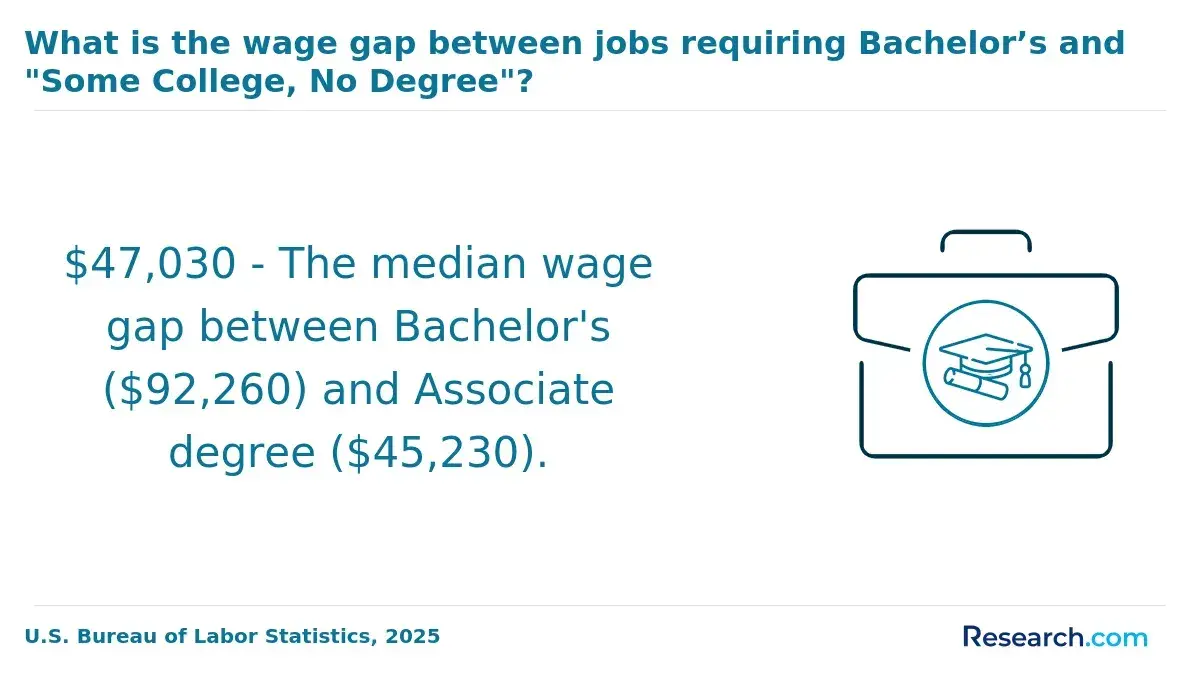
Typically, students can transfer between 12 and 30 credits into a physical therapy assistant degree program, but this varies widely depending on the institution, accreditation standards, and program structure. Some programs accredited by CAPTE may accept up to half of the required credits from prior coursework, while others impose stricter limits. The exact amount depends on several factors including whether the previous courses were completed at the collegiate level, if the grades meet or exceed a minimum threshold (often a C), and how well those credits fit within the physical therapy assistant curriculum.
Other important considerations include residency requirements, which often mandate that a certain number of credits-frequently 25 to 30-must be earned directly from the enrolling school. Additionally, many programs do not allow experiential or clinical hours to transfer, and general education credits may have caps on how many count toward the core requirements. Transfer credits older than five to seven years are often not accepted.
A student of a physical therapy assistant degree program shared that navigating the transfer process was both challenging and rewarding. She recalled feeling uncertain at first, especially about whether her previous anatomy and biology courses would count. After submitting detailed transcripts and course descriptions, the school evaluated each credit carefully. "It was a relief to see most of my courses accepted, but I did have to retake a few to meet specific curriculum needs," she said, highlighting how thorough preparation and patience proved essential.
Most physical therapy assistant programs in the U.S. have adopted test-optional or test-free policies by 2026, meaning SAT or ACT scores are generally not required for admission. However, some competitive programs, public university systems, or scholarships may still request standardized test results to meet specific criteria. The declining use of these tests reflects growing concerns about fairness and equal access in healthcare education fields. Institutions increasingly recognize that test scores are not always the best predictors of student success in allied health disciplines.
Instead of relying on SAT or ACT scores, admissions committees often focus on other measures such as high school or college GPA and completion of prerequisite courses like biology, anatomy, and chemistry. Applicants may also need to submit personal statements or essays that highlight their motivation and commitment, and occasionally portfolios or interviews showcasing relevant hands-on experience. These alternatives support a more well-rounded assessment, emphasizing academic preparation and practical readiness essential for thriving in physical therapy assistant programs and clinical environments.
Success in a physical therapy assistant degree program depends on developing several crucial skills that support both academic achievement and hands-on patient care. These abilities help students manage coursework and clinical responsibilities effectively.
Key competencies include the following:
- Strong academic foundation: Proficiency in biology, anatomy, and physiology is essential since these subjects form the core of the curriculum. Basic math skills also play a role in areas like dosage calculations and interpreting clinical data.
- Technical literacy: Familiarity with computers and healthcare software is increasingly important as programs use electronic health records and simulation tools to enhance learning experiences.
- Analytical and problem-solving skills: These enable students to evaluate patient conditions accurately and adjust treatment plans appropriately.
- Communication abilities: Effective verbal and written skills, combined with empathy and active listening, facilitate better interaction with patients and healthcare teams.
- Physical readiness: Stamina and manual dexterity are critical for performing hands-on tasks and meeting clinical placement demands.
When asked about the skills needed before enrolling, a recent graduate shared how challenging it was to prepare mentally and physically. He described balancing study with physical conditioning and learning software systems, which required considerable discipline. "I realized early on that clear communication wasn't just helpful, it was a necessity," he said, reflecting on his first clinical experiences. The graduate emphasized that embracing these challenges before enrollment helped him navigate the program with confidence and focus.
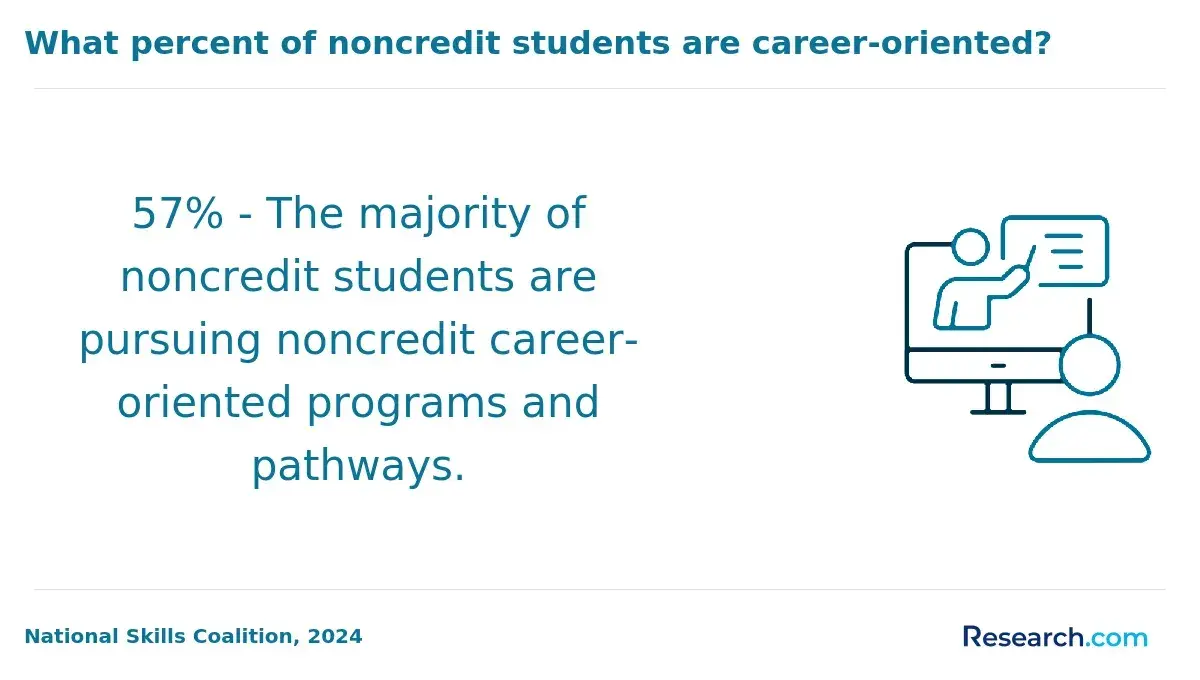
Professional experience requirements for entry into a physical therapy assistant degree program differ significantly depending on the institution, program level, and area of focus. Most associate degree programs, which are common for physical therapy assistants, usually do not mandate prior work experience.
However, many programs recommend gaining exposure to healthcare environments through volunteering, internships, or paid roles to enhance applicants' understanding. Roles such as physical therapy aide or rehabilitation assistant often add value to applications. Approximately 30-40% of programs treat experience as a recommendation rather than a strict prerequisite.
Programs that prioritize professional experience view it as a way to demonstrate commitment and improve clinical readiness. Hands-on exposure can shorten the learning curve during supervised practice and better prepare students for demanding coursework. Admissions committees may give preference to candidates with relevant healthcare experience, especially when seats are limited. Nonetheless, applicants lacking experience can still be admitted if they meet academic requirements and show strong motivation, balancing experiential learning benefits with accessibility in program enrollment.
Online physical therapy assistant degree programs require students to meet specific technology standards to ensure full participation in interactive coursework and clinical simulations. These prerequisites are essential because much of the content-from lectures to hands-on virtual labs-is delivered through digital platforms that demand reliable hardware and connectivity.
Common technology prerequisites for 2026 physical therapy assistant tech prerequisites typically include:
- Hardware: Students need a dependable computer, usually a laptop or desktop, equipped with at least an Intel i5 processor or an equivalent, 8GB of RAM, and a webcam to support virtual interactions and remote learning activities.
- Internet Connection: A stable high-speed broadband connection with a minimum download speed of 10 Mbps is crucial for streaming instructional videos, participating in live discussions, and downloading course materials without interruption.
- Software and Platforms: Enrollment in online physical therapy assistant programs usually requires access to learning management systems such as Blackboard or Canvas, video conferencing tools like Zoom, and software for document management, including PDF readers and Microsoft Office.
- Digital Literacy: Students must demonstrate competence in navigating online portals, submitting assignments electronically, and using digital communication tools, ensuring effective collaboration and timely course progression.
Meeting these requirements helps students handle the practical and technological demands of physical therapy assistant training. For those considering the cost of online associate's degree programs, understanding these tech prerequisites is an important step in their research. Furthermore, online physical therapy assistant degree requirements 2026 emphasize developing skills in a digitally integrated healthcare environment for successful program completion and future employment readiness.
International students applying to physical therapy assistant programs face additional requirements beyond those for domestic applicants. These prerequisites are designed to ensure eligibility and readiness to succeed within U.S. educational standards and professional regulations. Below is an overview of the most common prerequisites for international applicants in 2026.
Typical prerequisites include:
- Academic Credentials: International applicants must provide official transcripts and certificates evaluated by credential evaluation services to verify equivalency to U.S. high school diplomas or college credits. This step ensures alignment with program eligibility standards.
- English Proficiency: Since communication is critical in healthcare, applicants must demonstrate proficiency in English through standardized tests such as the TOEFL or IELTS. Minimum score requirements vary by institution but typically reflect strong reading, writing, and speaking skills.
- Prerequisite Coursework: Many programs require completion of foundational courses such as anatomy, physiology, biology, and sometimes algebra. These courses must be documented and verified as comparable to those offered in U.S. post-secondary institutions.
- Clinical Observation Hours: Some physical therapy assistant programs ask for documented observation or volunteer hours in clinical settings to assess applicants' exposure to healthcare environments and their commitment to the profession.
- Visa and Immigration Documentation: Acceptance is contingent upon securing an appropriate F-1 student visa and maintaining compliance with U.S. immigration policies throughout the enrollment process and program duration.
Integrating these prerequisites with credit and eligibility rules is essential for international candidates seeking enrollment, or those interested in quick degrees with high pay.
Distinguishing between general university admission requirements and program-specific prerequisites is crucial for planning academic timelines accurately and ensuring eligibility in physical therapy assistant programs. These differences can impact the speed at which students gain acceptance and their preparedness for the specialized coursework.
General University Admission Requirements
- GPA Thresholds: Most universities require a minimum GPA, commonly between 2.5 and 3.0, to ensure overall academic readiness.
- English Language Proficiency: Proof of proficiency is often mandatory, especially for non-native speakers, to support success in all courses.
- General Education Coursework: Completion of credits in humanities, social sciences, and other broad subjects is standard for university eligibility.
Physical therapy assistant Program Prerequisites
- Required Science Courses: Targeted coursework in anatomy, physiology, biology, and sometimes chemistry or mathematics is essential for foundational knowledge.
- Minimum Grade Requirements: Many programs stipulate a minimum grade of C or better in science courses to ensure technical competence.
- Relevant Experience: Some programs expect applicants to demonstrate practical skills through portfolios or healthcare-related volunteer or work experience.
These program-specific prerequisites distinguish physical therapy assistant program enrollment from general university eligibility criteria in 2026. Students who lack required science credits or relevant experience typically must complete them before beginning the program, which can delay enrollment but enhances the likelihood of successful completion. Approximately 85% of programs expect these preparatory steps before admission, according to the Commission on Accreditation in Physical Therapy Education (CAPTE).
Prospective students interested in additional pathways or combined educational opportunities might explore colleges with dual degree programs. These can offer integrated options that streamline education while meeting diverse prerequisites.
Yes, students generally must pay for prerequisite courses before enrolling in a physical therapy assistant program. These courses are commonly completed at community colleges, the institution offering the PTA program, or through online providers. Tuition costs vary significantly, with community colleges often charging between $120 and $350 per credit hour, while private or online options may be more expensive. Some schools may include prerequisites as part of the overall program fees, but typically these costs are separate. It is essential to confirm with each school whether prerequisite expenses are bundled or billed independently.
To offset these expenses, many students rely on financial aid such as federal grants and loans or apply for scholarships targeting allied health fields. Credit transfer agreements between community colleges and PTA programs can reduce repeated coursework and associated costs. Choosing in-state institutions also tends to lower tuition fees. By carefully researching available resources and planning ahead, students can ease the financial challenges of completing prerequisite coursework for physical therapy assistant training.
What Graduates Say About the Prerequisites for Their Physical Therapy Assistant Degree
- Dante: "Getting into the physical therapy assistant degree program required me to complete specific prerequisite courses, which felt challenging at first but totally worth it. The program's cost was reasonable compared to other healthcare degrees, making it an accessible option for me. This degree has truly transformed my career, opening doors to working directly with patients and making a real difference every day. "
- Collin: "I took some time to reflect on the prerequisites needed before entering the physical therapy assistant program, and carefully planned my schedule to meet all requirements efficiently. The cost was an investment I had to consider seriously, but scholarships and financial aid helped significantly. Professionally, this degree has given me confidence and the practical skills needed in a dynamic healthcare environment. "
- Dylan: "Enrolling in the physical therapy assistant degree program meant rigorously meeting all prerequisite standards, which prepared me well for the coursework ahead. The tuition and fees were on par with the national average, which I found manageable with budgeting and some part-time work. Now, as a licensed assistant, I appreciate the direct impact I have on patient recovery, boosting my career satisfaction immensely. "
Other Things You Should Know About Physical Therapy Assistant Degrees
In 2027, the educational prerequisites for enrolling in a Physical Therapy Assistant program typically include a high school diploma or GED, with some programs requiring prerequisite coursework in subjects like biology, anatomy, and physiology. Some schools may also require completion of introductory health courses or job shadowing experiences.
Completing courses in biology and anatomy during high school can be beneficial for aspiring Physical Therapy Assistants. These subjects provide foundational knowledge crucial for understanding human body mechanics, which is essential in physical therapy practices. Schools might look favorably on candidates with this background.
Before clinical rotations, PTA students usually must submit proof of a physical exam, up-to-date immunizations, TB screening, and current CPR certification, often American Heart Association BLS for Healthcare Providers. Many programs also require background checks and drug screening before students can enter patient care settings.
- How to Become a Physical Therapist Assistant (PTA) | FranU | FranU https://franu.edu/how-to-become-a-pta
- Physical Therapist Assistant, A.S. https://www.fgc.edu/academics/programs/health-sciences/physical-therapist-assistant.html
- How to Become a Physical Therapist Assistant (PTA) https://www.herzing.edu/become/physical-therapist-assistant
- Physical Therapist Assistant (APPTA) Admissions https://www.wccnet.edu/start-now/degree/2nd-tier/physical-therapist-assistant-admissions.php
- Online Certified Physical Therapy Aide (Voucher Included) from Tennessee College of Applied Technology https://onlinetraining.tcatknoxville.edu/training-programs/certified-physical-therapy-aide-voucher-included/
- Admission Requirements - Physical Therapist Assistant - Southern Union State Community College https://www.suscc.edu/programs/hs-pta-admission
- Physical Therapist Assistant (PTA) | School of Allied Health Professions https://alliedhealth.llu.edu/academics/physical-therapy/physical-therapist-assistant-pta
- Physical Therapist Assistant (PTA) Admission Requirements https://cravencc.edu/applying-craven/health-programs-applications/physical-therapist-assistant-pta-admission
- PTA Admission Requirements: Advanced Standing (Transfer) Students | Penn State Mont Alto https://montalto.psu.edu/academics/associate/physical-therapist-assistant-degree/admission-requirements/transfer
- Catalog Redirect https://www.slcc.edu/catalog/redirect.aspx