2027 Do Employers Pay for Physical Therapy Assistant Degrees: Tuition Reimbursement and Sponsorship Options

Co-Founder and Chief Data Scientist
Many prospective physical therapy assistant students face the challenge of funding their education, with the average tuition cost exceeding $20,000 for an associate degree. This financial burden often leads to significant student debt, narrowing options for those seeking to enter the healthcare field quickly. Studies show that nearly 40% of physical therapy assistant graduates rely on loans, creating long-term financial strain.
This article explores how employer tuition reimbursement and sponsorship programs can reduce these costs. It will detail the types of employer support available and guide prospective students on leveraging these opportunities to minimize educational expenses effectively.
Key Benefits of Employers Paying for Physical Therapy Assistant Degrees
- Employers often offer tuition reimbursement programs covering up to 100% of physical therapy assistant degree costs, reducing student debt significantly in a field with average tuition around $15,000-$20,000.
- Sponsorship options may include paid internships or flexible work-study arrangements, allowing employees to earn while gaining practical experience crucial for licensure and employment.
- Employer funding strengthens retention by increasing employee loyalty and skill levels, benefiting healthcare providers amidst rising demand for physical therapy assistant professionals.
Do Employers Pay for Physical Therapy Assistant Degrees?
Employer-sponsored education support is available in many U.S. workplaces, with about 56% of employers offering tuition assistance or reimbursement for job-related education. However, the availability of Physical Therapy Assistant tuition reimbursement programs specifically varies depending on industry demand and organizational priorities.
Healthcare providers, rehabilitation centers, and elder care facilities often invest in employees pursuing this degree to address staffing shortages, improve patient care, and retain skilled personnel. Such programs help reduce educational expenses and create better career advancement opportunities for employees.
Trends in employer payment for physical therapy assistant degrees depend on factors such as industry relevance, role alignment, and workforce demands. Employers in healthcare sectors are more likely to provide sponsorship when the role directly supports their operational needs.
High demand for qualified assistants encourages companies to invest in building a talent pipeline through these programs. Prospective students should carefully evaluate which industries are more likely to offer these benefits when deciding to pursue a Physical Therapy Assistant degree.
Additionally, exploring alternatives like RN to BSN online with no clinicals programs may offer flexible educational pathways that complement employer-sponsored options.
What Types of Tuition Assistance Do Employers Offer for Physical Therapy Assistant Degrees?
Employer-provided tuition support is a crucial factor for many pursuing a physical therapy assistant degree, as it helps lessen the financial strain of education. These benefits can significantly reduce out-of-pocket expenses and lower financial risk while supporting career advancement in healthcare.
Understanding the types of employer tuition reimbursement for physical therapy assistant degrees can guide students in maximizing available resources.
- Tuition reimbursement: Employers repay a portion or all of the tuition costs after the successful completion of courses. This type of assistance typically applies only to tuition, excluding fees for books or supplies, and may have annual or per-course payment limits.
- Upfront sponsorship: In this arrangement, the employer pays tuition fees directly to the educational institution, often allowing students to avoid upfront costs entirely. This can ease immediate financial pressures when enrolling in physical therapy assistant programs.
- Scholarship or grant programs: Some employers offer scholarships or grants as part of employee development plans. These benefits partially cover tuition, further reducing the financial burden for those pursuing a career as a physical therapy assistant.
- Flexible spending accounts or educational stipends: Employers may allocate dedicated funds to employees for continuing education. These stipends can be used toward tuition and related expenses, offering additional financial flexibility.
Physical therapy assistant sponsorship programs from employers help candidates manage education costs while advancing their skills. For prospective students seeking affordable options, exploring online classes for medical billing and coding with financial aid can also provide insights into managing education expenses across healthcare fields.
Who Is Eligible for Employer Tuition Reimbursement for Physical Therapy Assistant Degrees?
Eligibility requirements for employer tuition reimbursement are critical when considering funding for a physical therapy assistant degree. These criteria influence when you can enroll, which programs qualify, and ultimately how much return on investment (ROI) you gain from employer-sponsored education.
Knowing the specifics helps you navigate the financial support landscape effectively and avoid unexpected expenses.
- Employment status: Many employers offer tuition reimbursement only to full-time employees, limiting eligibility for part-time or temporary staff.
- Tenure requirements: Employees often must complete a minimum period of employment before qualifying for reimbursement, ensuring commitment to the company.
- Job relevance: The physical therapy assistant degree typically must align with your current role or career path to meet criteria for employer tuition reimbursement eligibility for physical therapy assistant programs.
- Academic performance: Maintaining a minimum grade or successfully passing courses is usually required to continue receiving financial support throughout the program.
- Approval process: Pre-approval of the program and course schedule by the employer is often necessary, so choosing the right program is vital to ensure funding.
- Ongoing employment expectations: Employees may need to remain with the employer for a designated period after completing their degree to avoid having to repay tuition costs.
Careful consideration of the criteria for employer-sponsored physical therapy assistant degree funding can make a significant difference in managing education expenses and career planning. For students exploring options, comparing programs like the easiest nursing programs to get into can provide insights into accessible pathways for career advancement.
For those balancing work and education, knowing how employer tuition reimbursement aids physical therapy assistant degrees can be a valuable financial strategy. This support may reduce out-of-pocket expenses and make earning your credential more manageable while continuing employment.
Below is an overview of common features found in these reimbursement programs.
- Approval process: Employers usually require submission of a course outline and proof that the program aligns with your current job or career growth within the company before granting approval.
- Payment and reimbursement timing: Typically, you pay tuition upfront and later submit proof of payment and course completion; reimbursements may be issued monthly, quarterly, or by semester after grades are posted.
- Documentation requirements: To qualify for reimbursement, you need to provide receipts, transcripts, and sometimes additional paperwork to confirm enrollment and successful completion.
- Reimbursement limits: Many employers cap the reimbursed amount annually or by credit hours, so understanding these limits is crucial to planning your expenses.
- Academic performance expectations: Maintaining a minimum GPA, often a B or higher, is a typical requirement to keep eligibility for continued tuition support.
Employer willingness to sponsor online physical therapy assistant degrees has improved as perceptions of online education have progressed. Initially, many companies were hesitant to provide financial support for online programs due to quality concerns.
However, as accredited online degrees have gained recognition, more employers have begun to include them in tuition reimbursement and sponsorship offerings. Recent surveys indicate that roughly 56% of employers now provide some form of tuition assistance, with an increasing number extending this support to approved online degrees.
While this number does not specifically isolate physical therapy assistant programs, it suggests a broader shift toward endorsing employee education through online platforms.
When considering sponsorship for online physical therapy assistant degrees, employers typically evaluate several key aspects. Accreditation by recognized agencies is crucial since it assures program legitimacy and affects eligibility for company assistance.
The relevance of the curriculum to the employee's current or future responsibilities also plays a significant role, as companies prefer programs that contribute directly to workforce development and business goals. Additionally, the perceived rigor and quality of the coursework influence decisions, along with how well the program aligns with organizational strategy.
A professional who completed an online physical therapy assistant degree through employer sponsorship shared that navigating the approval process was initially daunting. "I had to submit detailed program information and demonstrate how each course supported my role," he explained.
Despite those early hurdles, he found the experience rewarding and appreciated the flexibility of online learning coupled with financial support. "It felt validating to have my employer recognize the value of this education, especially since balancing work and study was challenging but worthwhile."
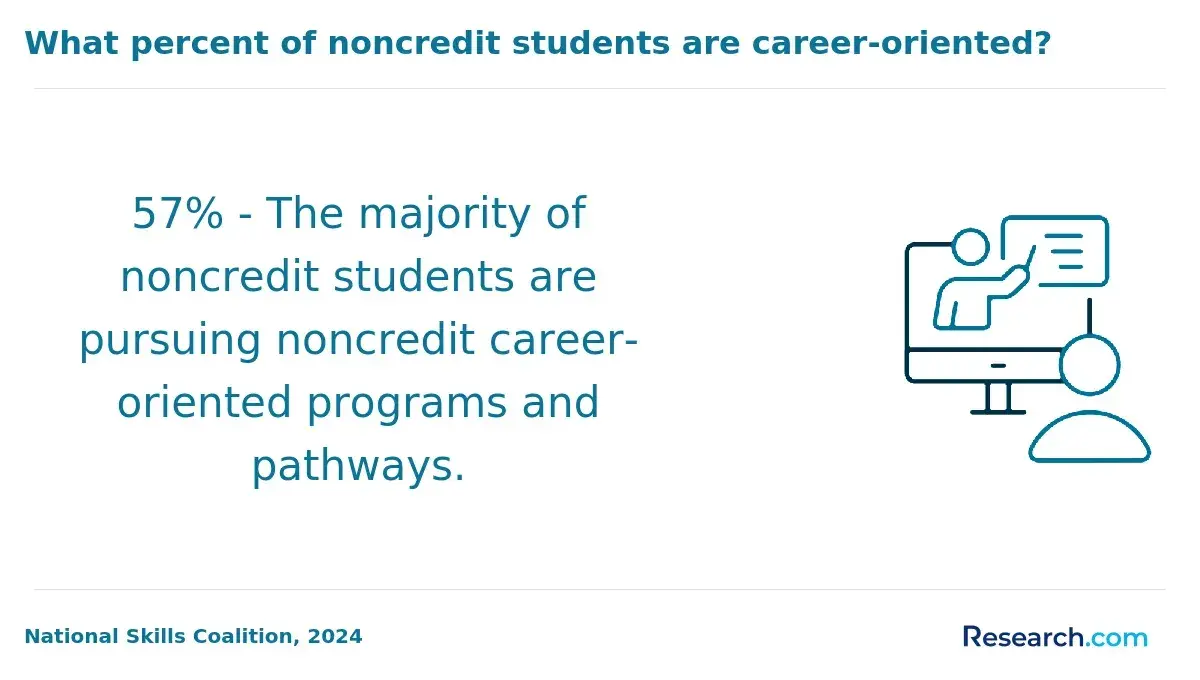
Tuition reimbursement limits significantly impact the affordability and return on investment of earning a physical therapy assistant degree. When reimbursements stop short of covering full costs, students must pay the remainder themselves, affecting financial planning. According to the Society for Human Resource Management, employers spend about $1,200 per employee annually on tuition assistance, highlighting the variation in available support.
These funding thresholds are important to consider when evaluating education expenses against career benefits.
Most employers set annual tuition reimbursement caps between $3,000 and $6,000, with some offering lifetime maximums ranging from $15,000 to $30,000. Amounts vary based on factors like industry type, employer size, and how closely the degree aligns with the employee's role.
Additionally, federal tax regulations allow up to $5,250 in employer education assistance to be tax-free each year, which often shapes employer reimbursement policies. Understanding these financial frameworks helps students anticipate their out-of-pocket costs and better assess educational investments.
Knowing the potential penalties for leaving an employer-sponsored physical therapy assistant degree program early is crucial before committing. Around 40% of companies with tuition aid programs enforce repayment rules for early departures, making it essential to understand possible financial and professional consequences.
The following points outline common scenarios related to these penalties.
- Repayment of reimbursed tuition: Many employers require employees who withdraw from the program before completion to repay some or all tuition amounts already reimbursed, protecting the company's investment.
- Prorated repayment schedules: The amount owed often depends on how much of the program was completed, with repayments adjusted proportionally to the time or credits finished.
- Early termination clauses: Contracts frequently include terms specifying specific timeframes-such as one year after finishing the program-during which employees must reimburse tuition if they leave the company.
- Impact on future benefits: Leaving prematurely can affect eligibility for future tuition reimbursement or related educational support, as some employers restrict benefits if previous agreements were broken.
I recently spoke with a professional who completed a physical therapy assistant degree through her employer's tuition reimbursement program. She described feeling motivated to stay committed because her contract required repayment if she quit early. Initially, the workload balancing education and work was challenging, but knowing there were clear penalties helped her remain focused.
"It wasn't just about the money," she said; "I felt a strong sense of responsibility to the company and wanted to make the most of the opportunity they provided." Her experience also showed how the program strengthened her loyalty and confidence in advancing her career within the organization.
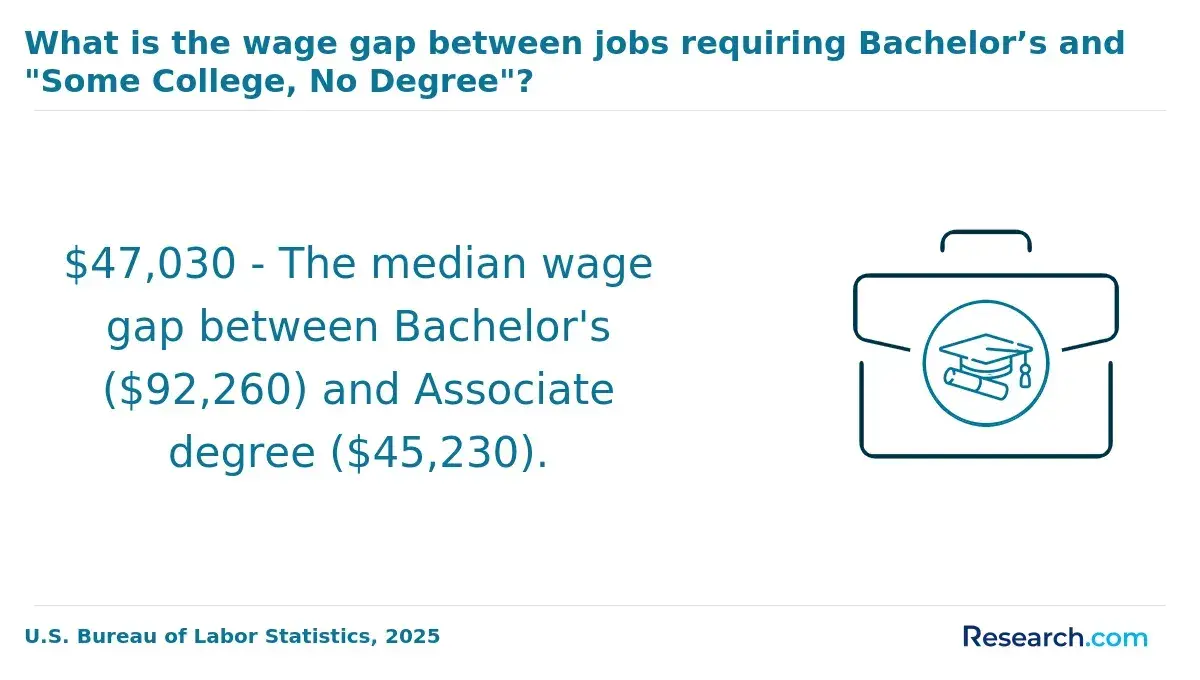
Assessing the impact of employer-paid physical therapy assistant degrees on career earnings is essential for working professionals who want to make informed decisions about advancing their education. Research shows that physical therapy assistants with formal education and certifications tend to earn around 15% more than peers without these credentials.
Understanding this financial benefit can help prospective students see the value of employer sponsorships and tuition reimbursement programs.
- Increased Promotion Opportunities: Employer tuition reimbursement for physical therapy assistant degrees often enables workers to access specialized roles and leadership positions that require validated expertise, leading to greater responsibilities and higher pay.
- Faster Career Progression: With financial barriers lowered by employer support, students can focus on skill development and complete accredited programs more efficiently, accelerating their advancement within healthcare settings.
- Access to Higher-Paying Roles: Advanced qualifications achieved through employer-paid education make professionals eligible for positions that offer improved salary packages and additional benefits, making the investment worthwhile.
- Enhanced Skills and Qualifications: Accredited programs provide comprehensive training that sharpens clinical abilities and knowledge, boosting job security and workplace mobility for physical therapy assistants.
- Return on Investment: By reducing upfront education costs, employer-paid physical therapy assistant degrees enhance long-term earnings potential and professional growth, turning education into a strategic career tool.
Additionally, those exploring educational funding options may find value in reviewing the cheapest FNP programs online for comparative insights on affordable professional healthcare education. Employer-sponsored education remains a vital consideration for working professionals seeking to balance cost savings with tangible career earnings growth in the physical therapy field.
Requesting employer sponsorship for a physical therapy assistant degree requires both careful preparation and clear, proactive communication. Nearly 60% of U.S. employers offer some form of tuition reimbursement, making it important to approach the topic thoughtfully.
Following strategic steps can improve your chances of securing employer support while demonstrating the value of your education investment.
- Research Tuition Reimbursement Policies: Start by reviewing your company's education assistance programs to understand eligibility and coverage. Knowing your employer's specific tuition reimbursement parameters ensures your request aligns with existing benefits.
- Prepare a Business Case: Clearly explain how completing the physical therapy assistant degree will enhance your skills and benefit your current role or future career growth. Highlight connections between your education and improved patient care, efficiency, or departmental contributions to make a compelling argument.
- Schedule a Formal Meeting: Request a face-to-face or virtual meeting with your supervisor or human resources representative to present your case professionally. Outline the program's costs, duration, and potential positive impact on job performance with concise documentation.
- Demonstrate Program Relevance: Emphasize how the degree specifically supports your responsibilities or advancement opportunities. Showing alignment between the program and organizational goals strengthens your proposal for employer sponsorship.
- Follow Up with Documentation: After the meeting, send a written summary of your discussion and any additional materials requested. Consistent and respectful follow-up underscores your commitment and helps keep the request prioritized.
In addition to employer sponsorship, researching the cheapest online DNP programs may provide further affordable education options to complement your physical therapy assistant degree pursuit. Understanding all available resources can help you optimize financial planning as you advance your healthcare career.
Successfully implementing these steps for how to request employer tuition reimbursement for physical therapy assistant degree programs will not only enhance your educational experience but also effectively demonstrate your dedication to professional development. Taking these steps to get employer sponsorship for your physical therapy assistant program reflects a strategic investment in your future.
Students pursuing a physical therapy assistant degree without employer funding need to identify alternative financial resources to avoid delays or interruptions in their education. Nearly 45% of postsecondary students rely on some type of financial aid, underscoring the importance of securing outside support.
The following approaches can help manage costs and ease the burden of paying for this healthcare program.
- Federal and State Aid: Completing the FAFSA is a crucial first step to access grants, subsidized loans, and work-study jobs tailored to health-related fields, which can significantly offset education expenses.
- Scholarships and Grants: Targeted awards for physical therapy assistant students or allied health learners often do not require repayment, making them an excellent way to lower tuition without increasing debt.
- Personal Savings and Loans: Using savings can reduce borrowing needs, but if loans are necessary, it's vital to compare private loan interest rates and repayment options to avoid financial strain.
- Income-Share Agreements: These arrangements let students pay a percentage of future earnings for a fixed period instead of upfront tuition, easing immediate costs but requiring careful review of terms before committing.
- Part-Time or Online Programs: Enrolling in flexible course formats can decrease costs by fitting education around work and personal commitments, as well as saving on commuting and housing.
What Graduates Say About Employers Paying for Their Physical Therapy Assistant Degrees
- Piper: "The physical therapy assistant program I enrolled in typically costs around $15,000, which felt overwhelming at first. Thanks to my employer's tuition assistance, I managed to cover nearly all expenses without accumulating debt. This support not only eased my financial burden but also allowed me to focus fully on developing my skills, which seriously accelerated my career growth. "
- Carla: "Attending a physical therapy assistant program was a significant investment, averaging close to $14,000. Receiving sponsorship from my employer saved me from high out-of-pocket costs, making the entire process much more manageable. Now, as a practicing PTA, I deeply appreciate how their support laid a solid foundation for my professional advancement and confidence. "
- Pauline: "Completing the physical therapy assistant degree was a pivotal step, with tuition generally around $13,500. With my employer sponsoring the tuition, I avoided financial strain and was able to concentrate on my education and clinical practice. This opportunity has profoundly impacted my approach to patient care and career trajectory in the healthcare field. "
Other Things You Should Know About Physical Therapy Assistant Degrees
Yes, hospitals are generally more likely to offer tuition reimbursement or sponsorship for physical therapy assistant degrees compared to smaller private clinics. Larger healthcare organizations often have more structured educational benefits programs, while small clinics may offer fewer or more limited options depending on financial resources and staffing needs.
Employer-paid PTA tuition can qualify as tax-free education assistance up to $5,250 per employee each year under IRS Section 127 if the plan is written and nondiscriminatory. Amounts above that limit are usually taxable wages unless they meet a separate exclusion.
- Physical Therapist Assistant Program Costs | College of DuPage https://www.cod.edu/academics/programs/physical-therapist/program-costs.html
- How Much Do Physical Therapy Assistants Make? - CBD College https://www.cbd.edu/blog/physical-therapist-assistant/how-much-do-physical-therapy-assistants-make/
- Practice of Physical Therapy Under a Limited Permit and Supervision of Permittees https://www.op.nysed.gov/professions/physical-therapist-assistants/practice-alerts/alert-6
- Physical Therapist Assistant Tuition & Fees https://www.greenriver.edu/students/academics/areas-of-interest/physical-therapist-assistant/physical-therapist-assistant-tuition-fees.html
- Is it financially smarter to become a PT Assistant, work, and obtain an undergraduate degree or pursue an undergraduate degree for Physical Therapy, use that degree for a job, and still work your way to become a DPT? https://www.careervillage.org/questions/238211/is-it-financially-smarter-to-become-a-pt-assistant-work-and-obtain-an-undergraduate-degree-or-pursue-an-undergraduate-degree-for-physical-therapy-use-that-degree-for-a-job-and-still-work-your-way-to-become-a-dpt
- Online Physical Therapy Aide Certification Course (Voucher Included) https://www.tamucc.edu/research/research-engagement/wd/lp-certs/lp-physical-therapy-aide.php
- PT vs. PTA vs. Aide: A Guide to Physical Therapy Careers https://www.georgefox.edu/physical-therapy/resources/pt-pta-aide.html
- Physical Therapist Assistant - Genesee Community College https://www.genesee.edu/academics/programs/physical-therapist-assistant/
- Physical Therapist Assistants and Aides : Occupational Outlook Handbook: : U.S. Bureau of Labor Statistics https://www.bls.gov/ooh/healthcare/physical-therapist-assistants-and-aides.htm
- Top 5 Insights Into PTA Salary Growth & Career Potential https://sabercollege.edu/pta-salary-guide/