
2027 No-Exam Online Exercise Science Master's Degrees: Schools, Costs & Outcomes

Co-Founder and Chief Data Scientist
Choosing an online master’s in exercise science is often a practical question: can you earn a credible graduate degree without pausing your career to prepare for the GRE or another entrance exam? For many coaches, fitness professionals, wellness staff, rehabilitation support workers, and health-focused educators, standardized testing adds cost and delay without necessarily showing whether they are ready for graduate-level work.
No-exam online exercise science master’s programs address that problem by reviewing applicants through academic history, professional experience, recommendations, and career goals instead of test scores. Enrollment in online Exercise Science master's programs without exam requirements has increased by 28% over the past five years, reflecting a shift toward more accessible graduate education.
This guide explains why some programs waive exams, how to compare schools, what admission materials to expect, how much tuition may cost, what financial aid can apply, how long the degree usually takes, what courses are common, and how employers may view a no-test degree. It is designed to help you evaluate program quality—not just convenience—before you apply.
Key Benefits of No-Exam Online Exercise Science Master's Degrees
- No-exam online exercise science master's degrees often partner with accredited universities, offering flexible schedules without campus visits, making quality education accessible nationwide.
- These programs typically reduce overall costs, eliminating fees for exams and travel, with average total tuition ranging between $15,000 and $30,000.
- Graduates report career growth in health and fitness sectors, with 82% employment rates within six months, reflecting strong industry demand for advanced credentials.
Why Do Some Online Exercise Science Master's Programs Eliminate Admission Exams?
Some online exercise science master’s programs remove entrance exams because they believe test scores are not the strongest predictor of success for experienced professionals. Recent data shows that nearly 60% of online master's programs in the U.S. no longer require the GRE or other standardized entrance exams. In exercise science, where applied knowledge, communication, coaching ability, and professional judgment matter, many schools prefer to evaluate the full applicant profile.
Exam-free admission does not mean open admission. Strong programs still review whether applicants can handle graduate-level science, research, and applied practice. The difference is that they use transcripts, prerequisites, work history, essays, and recommendations instead of a standardized score.
- Better access for working adults: Removing exam requirements can reduce application costs, scheduling barriers, and months of test preparation for professionals already working in fitness, healthcare, athletics, wellness, or education.
- More holistic review: Schools can weigh undergraduate performance, prerequisite coursework, certifications, professional responsibilities, and career direction together rather than relying heavily on one exam result.
- Reduced admissions bias: Standardized tests may disadvantage some applicants, including first-generation students, underrepresented groups, and those who have been out of school for several years. No-test policies can support broader applicant pools.
- Closer alignment with the field: Exercise science careers depend on scientific reasoning, client assessment, program design, communication, and ethical decision-making. Admissions teams may see applied experience as more relevant than test performance.
Students comparing flexible healthcare training routes may also want to review accelerated medical assistant programs to understand how other health-related pathways balance speed, access, and career readiness.
The main advantage of a no-exam policy is not that the degree is easier. It is that qualified applicants can be evaluated on evidence that more directly reflects their academic preparation and professional potential.
How Do You Compare Schools Offering No-Test Online Exercise Science Graduate Programs?
Start by separating admissions convenience from program quality. A no-test policy can make applying easier, but it should not be the main reason to choose a school. Graduates from programs with strong industry partnerships experience 15% higher employment rates within six months of graduation, which shows why career connections, curriculum design, and faculty expertise deserve close attention.
Use the following factors to compare no-test online exercise science graduate programs:
- Accreditation: Confirm that the institution is properly accredited. Accreditation affects credit transfer, employer confidence, federal financial aid access, and eligibility for some certifications or advanced study options.
- Curriculum fit: Review whether the program emphasizes clinical exercise physiology, strength and conditioning, sports performance, wellness, research, nutrition, or public health. The best choice depends on your intended career path.
- Faculty background: Look for faculty with relevant research, clinical, athletic performance, wellness, or rehabilitation experience. Faculty expertise can shape mentorship, capstone options, and professional networking.
- Applied learning: Strong programs include projects, case studies, lab-style analysis, internships, field experiences, or capstones that let students demonstrate practical skill—not just complete readings and exams.
- Career services: Compare access to internships, employer partnerships, resume support, certification guidance, alumni networks, and job placement assistance.
- Cost and aid: Review total tuition, per-credit pricing, required fees, transfer credit rules, employer reimbursement options, and scholarship availability before focusing on the advertised cost.
- Online format: Check whether courses are asynchronous, live, self-paced, cohort-based, or accelerated. A convenient program should still offer enough structure to help you finish.
| Comparison factor | Why it matters | What to ask before applying |
| Accreditation | Signals institutional quality and may affect aid, transfer, and employer recognition. | Is the institution accredited, and does the program meet standards relevant to my goals? |
| Curriculum focus | Determines whether the degree supports clinical, performance, wellness, or research careers. | Do required courses match the roles I want after graduation? |
| Faculty and partnerships | Can influence mentorship, applied projects, and employment connections. | Do faculty and partners work in the areas I want to enter? |
| Total cost | Tuition is only part of the financial commitment. | What fees, materials, and residency rules affect the final price? |
If you are comparing broader health education costs, how much does it cost to become a medical coder can provide a useful example of how tuition, fees, and career return vary across healthcare-related programs.
When reviewing exercise science programs, prioritize schools that combine flexible admission with credible academics, transparent pricing, and career preparation aligned with your goals.
What Are the Admission Requirements for No-Exam Online Exercise Science Master's Programs?
No-exam online exercise science master’s programs waive standardized testing, but they still require evidence that applicants are prepared for graduate-level study. Most schools use a holistic review process, meaning they examine academic background, prerequisites, experience, recommendations, and written goals together.
Common admission requirements include:
- Bachelor’s degree: Applicants usually need a bachelor’s degree from an accredited college or university. Exercise science, kinesiology, health science, biology, nutrition, athletic training, or related majors may be preferred.
- Prerequisite coursework: Some programs accept applicants from other majors if they have completed courses such as anatomy, physiology, statistics, exercise physiology, biomechanics, or research methods.
- Minimum GPA: Many programs set a minimum undergraduate GPA or use GPA as one part of the review. Applicants below the preferred range may need stronger recommendations, experience, or prerequisite grades.
- Professional experience: Work in fitness, coaching, wellness, athletics, rehabilitation support, health education, or clinical exercise settings can strengthen an application. A resume or portfolio may be required.
- Letters of recommendation: Schools commonly request letters from professors, supervisors, coaches, clinicians, or employers who can speak to academic ability, professionalism, communication, and readiness for graduate work.
- Personal statement or essay: The essay should explain why you want the degree, how your background prepared you, and how the program supports your career goals. A strong essay is specific, not generic.
- Official transcripts: Programs use transcripts to verify degree completion, prerequisite courses, and academic performance.
Before applying, check whether the program has conditional admission options, prerequisite bridge courses, or transfer credit policies. These details can matter if your bachelor’s degree is outside exercise science or if you completed prior graduate coursework.
Students comparing affordable health-related pathways may also find low-cost nursing programs useful for understanding how prerequisites, tuition, and career goals interact across different fields.
What Is the Average Tuition for No-Exam Online Exercise Science Master's Degrees?
No-exam admission usually does not make an online exercise science master’s degree cheaper or more expensive by itself. Tuition is typically driven by the school, credit requirements, residency rules, technology fees, and program format. Overall tuition ranges from $15,000 to $30,000, with an average cost per credit falling between $500 and $1,200.
To estimate the true cost, look beyond the advertised per-credit rate:
- Cost per credit: Most programs charge by credit hour, so the number of required credits has a direct effect on total tuition.
- Total program cost: A lower per-credit price may not be cheaper if the program requires more credits or adds substantial fees.
- Public vs. private pricing: Private institutions often charge higher tuition than public universities, though financial aid and scholarships can change the net cost.
- In-state vs. out-of-state rates: Public universities may charge different rates for residents and nonresidents. Some online programs offer the same rate to all distance learners, but not all do.
- International student rates: Students outside the U.S. may face different tuition or fee structures depending on institutional policy.
- Additional fees: Technology fees, online learning fees, course materials, graduation fees, background checks, and proctoring costs can increase the final bill.
- Transfer credits: Approved graduate transfer credits can reduce the number of credits you must pay for, but limits vary by school.
A useful budgeting approach is to ask each school for a written cost estimate that includes tuition, required fees, expected materials, and any residency-related charges. Then compare the total program cost, not just the per-credit rate.
- : "I appreciated the clarity in tuition breakdowns, but the unexpected fees caught me off guard at times."
That experience is common among online graduate students. Avoiding an entrance exam can reduce application stress, but it does not remove the need for careful financial planning. Contact financial aid offices early, ask whether tuition can change during enrollment, and confirm whether employer reimbursement or scholarships can be applied to online study.
Can You Get Financial Aid for No-Exam Online Exercise Science Master's Programs?
Yes. A program’s no-exam admission policy generally does not determine financial aid eligibility. Aid eligibility depends on the institution, program status, enrollment level, student eligibility, and aid rules. According to data from the National Center for Education Statistics, approximately 60% of graduate students benefit from some form of financial support each year.
Common funding options include:
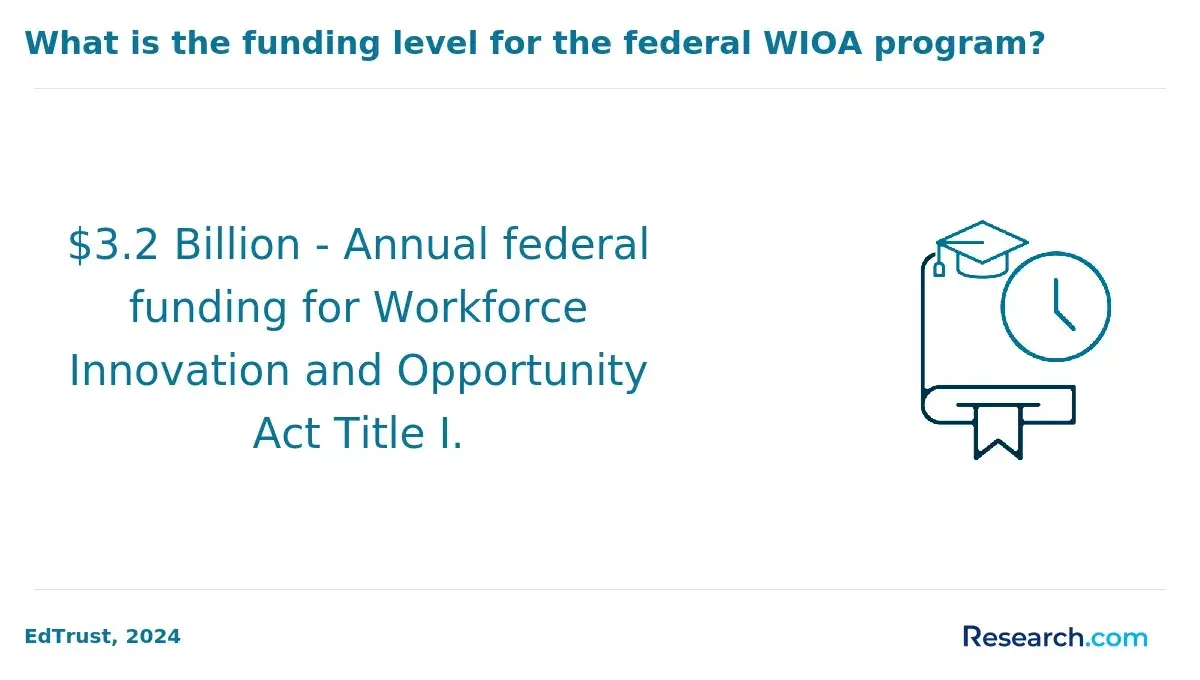
- Federal student loans: Graduate students can access up to $20,500 annually through federal Direct Unsubsidized Loans. Eligibility is based on federal aid rules, not on whether the program required the GRE.
- Graduate scholarships: Universities, professional associations, foundations, and private organizations may offer scholarships based on merit, need, field of study, service, or professional goals.
- Employer tuition assistance: Fitness centers, healthcare organizations, universities, school systems, wellness companies, and athletic organizations may reimburse part of the cost if the degree supports your role.
- Institutional grants: Some schools provide grants, fellowships, or tuition discounts for graduate students, including online learners.
- Payment plans: Monthly payment options may help students manage cash flow, though they are not the same as aid and may include fees.
Before enrolling, confirm that the online program is eligible for the type of aid you plan to use. Ask whether part-time enrollment affects aid, whether summer courses are covered, and whether scholarships renew automatically or require a separate application each year.
How Long Does It Take to Complete a No-Exam Online Exercise Science Master's Degree?
No-exam admission usually does not shorten the degree itself. Most programs require between 30 and 40 credit hours, generally taking about 18 to 24 months for full-time students to complete. Part-time students may take longer, especially if they are balancing full-time work, family responsibilities, clinical schedules, coaching seasons, or travel.
Several factors shape the timeline:
- Full-time vs. part-time enrollment: Full-time study can speed completion, but part-time enrollment may be more realistic for working professionals.
- Accelerated terms: Some online programs use shorter sessions or year-round scheduling, allowing students to complete courses more quickly.
- Course sequencing: Required courses may be offered only in certain terms. Missing a prerequisite or sequence can delay graduation.
- Transfer credit: Previously completed graduate coursework may reduce the total number of credits required if the school approves it.
- Capstone or thesis: Applied projects, research papers, practicums, or thesis requirements can add time, especially if they require data collection, site approval, or faculty review.
- Self-paced vs. cohort format: Self-paced programs offer flexibility, while cohort programs provide structure. The better option depends on your time management style.
One graduate described the experience as flexible but demanding. She valued the ability to apply coursework directly to her job, but said independent deadlines and the capstone required disciplined planning.
- : "The most rewarding part was applying what I learned directly to my work while progressing at a sustainable pace."
Before choosing a program, map the course schedule against your busiest work seasons. A timeline that looks manageable on paper may become difficult if major assignments overlap with coaching schedules, client loads, certification exams, or family obligations.
What Courses Are Included in a No-Exam Exercise Science Master's Curriculum?
No-exam exercise science master’s programs generally include the same academic content as programs that require entrance exams. Admissions policy affects how students enter the program, not the expected level of graduate work. Typically, students complete about 30 to 36 credit hours, equating to roughly 8-12 core and elective courses combined.
Common curriculum areas include:
- Exercise physiology: Study of how the body responds and adapts to physical activity, training loads, fatigue, and recovery.
- Biomechanics: Analysis of movement, force, posture, gait, and mechanical efficiency in sport, rehabilitation, and everyday activity.
- Research methods: Training in reading studies, evaluating evidence, interpreting data, and applying research to practice.
- Nutrition and performance: Coursework on energy balance, metabolism, fueling strategies, body composition, and nutrition’s role in health and performance.
- Strength and conditioning: Program design for athletic performance, resistance training, injury risk reduction, and conditioning.
- Motor learning or behavior change: Study of how people acquire movement skills, build habits, and maintain physical activity over time.
- Clinical or special populations: Training related to exercise prescription for older adults, individuals with chronic conditions, or people in rehabilitation settings.
- Capstone, thesis, or applied project: A final experience that demonstrates the ability to integrate research, assessment, and program design.
Many programs also offer electives or specialization tracks, such as clinical exercise physiology, sports performance, wellness coaching, injury prevention, or strength and conditioning. Choose electives based on the role you want after graduation. A student aiming for corporate wellness may need different coursework than someone preparing for performance coaching or clinical exercise settings.
Students comparing other flexible health education options may also review nursing school without entrance exam requirements to see how no-test admissions differ across healthcare fields.
Do Employers Care If Your Exercise Science Master's Degree Has No Entrance Exam?
Most employers care more about the school, accreditation, skills, experience, and professional credentials than whether the program required an entrance exam. About 72% of employers rank program reputation and accreditation as more important than standardized test requirements during graduate admissions.
In hiring, the admissions process is rarely the central question. Employers are more likely to ask whether you can assess clients or patients appropriately, design safe exercise programs, interpret data, communicate clearly, and work within the scope of your role.
- Accreditation matters: A degree from an accredited institution is more likely to be recognized by employers, certification bodies, and other schools.
- Program reputation matters: Employers may value programs known for strong faculty, applied training, professional partnerships, or rigorous coursework.
- Experience matters: Internships, coaching roles, clinical exposure, wellness programming, and research projects can carry more weight than admissions testing history.
- Certifications may matter: Some roles prefer or require additional professional certifications. A master’s degree may strengthen preparation, but it may not replace certification or licensure requirements.
- Demonstrated skills matter: Portfolios, capstone projects, case studies, and measurable outcomes can help show what you can do with the degree.
For students who need flexibility, self-paced college courses can also be useful to understand how online formats support independent learning and professional development.
The safest approach is to choose a no-exam program that is transparent, accredited, academically rigorous, and aligned with the qualifications expected in your target role.
What Jobs Can You Get With a No-Exam Online Exercise Science Master's Degree?
A no-exam online exercise science master’s degree can support the same career paths as a comparable program that required standardized testing. According to the U.S. Bureau of Labor Statistics, related health and fitness professions are expected to grow by 15% from 2021 to 2031, reflecting strong job prospects.
Common roles include:
- Certified strength and conditioning specialists: These professionals design training programs to improve performance, build strength, support conditioning, and reduce injury risk. Certification requirements vary, so students should confirm the credentials expected by employers.
- Exercise physiologists: Exercise physiologists assess fitness, develop exercise plans, and support health improvement or rehabilitation goals. Some roles may require certification, clinical experience, or employer-specific qualifications.
- Wellness coaches: Wellness coaches help clients or employees set health goals, improve physical activity habits, manage lifestyle changes, and maintain accountability.
- Rehabilitation specialists or therapists: Graduates may work in rehabilitation-oriented settings, depending on their role, credentials, and state requirements. A master’s in exercise science alone does not automatically qualify someone for licensed physical therapy or other regulated clinical roles.
- Corporate fitness coordinators: These professionals plan and manage workplace wellness programs, fitness initiatives, health screenings, and employee engagement activities.
- Performance or athletic training support roles: Graduates may work with athletes, teams, or fitness facilities in programming, testing, conditioning, or performance analysis, depending on credentials and scope of practice.
- Health and fitness program managers: With experience, graduates may supervise staff, design programs, manage budgets, and evaluate outcomes for fitness centers, wellness organizations, or community health programs.
The degree can improve career mobility, but job eligibility still depends on experience, certifications, state rules, employer expectations, and whether the role is clinical, coaching-based, educational, or administrative.
What Is the Average Salary After Earning a No-Exam Online Exercise Science Master's Degree?
Salary outcomes for graduates of no-exam or test-optional exercise science master’s programs are generally tied to role, location, experience, credentials, and employer type—not to whether an entrance exam was required. The median annual income for professionals with a master's in exercise science or related disciplines typically falls between $58,000 and $65,000 in the U.S.
Key factors that can influence earnings include:
- Geographic location: Urban areas and regions with greater demand for wellness, rehabilitation, healthcare, or performance services may offer higher pay than lower-demand markets.
- Industry sector: Healthcare and specialized performance settings may pay differently than corporate wellness, education, community fitness, or research support roles.
- Experience level: Supervisory experience, client outcomes, program management, and years in the field can increase earning potential.
- Certifications: Additional credentials, such as clinical exercise physiology or strength and conditioning certifications, can improve competitiveness for certain roles.
- Job function: Leadership, clinical, specialized coaching, research, and program management roles may pay more than entry-level general fitness positions.
- Scope of practice: Regulated clinical roles may require licensure or a different professional degree. Students should not assume that an exercise science master’s alone qualifies them for every rehabilitation or healthcare position.
Choosing an accredited no-exam online program should not inherently limit salary prospects if the degree is respected, the curriculum is rigorous, and the graduate builds the experience and credentials required for the target role.
What Graduates Say About Their No-Exam Online Exercise Science Master's Degrees
- : "Choosing a no-exam online exercise science master's program was a game-changer for me because it allowed flexibility while balancing work. I appreciated comparing several schools, especially considering their tuition rates and credit transfer policies. Graduating has already opened doors for me in health coaching and rehabilitation, proving the investment was worth it. — Tina"
- : "I was initially hesitant about the cost of online no-exam exercise science degrees, but after thorough research, I found programs that fit my budget without sacrificing quality. The ability to complete the degree without stress over traditional exams made the learning experience far more enjoyable. Professionally, it enhanced my credentials significantly, helping me secure a promotion in the fitness industry. — Marie"
- : "The no-exam approach in my online exercise science master's program reduced a lot of anxiety and let me focus on practical applications. What stood out to me was how affordable some programs were compared to traditional campus options. Since graduating, the program's applied knowledge has been instrumental in advancing my career as a physical therapist. — Clarisse"
Other Things You Should Know About Exercise Science Degrees
Most programs require a laptop with a webcam, reliable broadband, and a supported browser or learning app. Even without a final exam, some courses use lockdown browsers, recorded presentations, or live proctoring for quizzes, and schools usually set 24-hour technical support and device standards.
Students need a reliable internet connection and a computer capable of video conferencing and accessing online course materials. Some programs may require specific software for data analysis or industry-standard applications. Verify detailed tech requirements with each program for compatibility.
References
- Online Exercise Science Master's Degree - Sports Degrees Online https://sportsdegreesonline.org/online/online-masters-in-exercise-science/
- Exercise Science (M.S.) https://www.gradcollege.txst.edu/programs/exercise-science.html
- Top 20 Careers With a Master’s in Exercise Science | PLNU https://www.pointloma.edu/resources/health-sciences/top-20-careers-masters-exercise-science
- Master of Science Major in Exercise Science, Sport Coaching Concentration https://online.txst.edu/degrees/healthcare/ms-exercise-science-sports-coaching/
- Everything You Need to Know About a Master's in Exercise Science https://www.snu.edu/blog/everything-you-need-to-know-about-a-masters-in-exercise-science
- Online Master’s in Exercise Science – Self-Paced, Affordable https://exsci.cuchicago.edu/exercise-science/degrees/masters/
- MS in Clinical Exercise Physiology - University of Pittsburgh School of Education https://www.education.pitt.edu/program/ms-in-clinical-exercise-physiology/


