2027 Online Human Services Degrees With Family and Child Services Concentrations

Co-Founder and Chief Data Scientist
Frontline professionals in human services frequently confront urgent family crises while juggling unpredictable schedules and ongoing caseloads, complicating traditional pathways for specialized education. With over 45% of adult learners prioritizing flexible enrollment options according to the National Center for Education Statistics 2024 data, the surge in accredited online programs focused on family and child services responds directly to workforce demands and time constraints.
Such programs must balance comprehensive training with accessibility, ensuring students don't sacrifice critical practicum experiences or employer-relevant competencies. This article evaluates accessible online degree options concentrated in family and child services to help prospective students identify programs that align with career advancement goals and real-world challenges.
Key Things You Should Know
- Degrees with family and child services concentrations often require extended field practicum exceeding 600 hours, creating tradeoffs between accelerated credentialing and depth of client engagement, per Council on Social Work Education data.
- Employers prioritize candidates with hybrid online/on-site training proven to boost retention by 18%, indicating purely online programs may limit access to top-tier child welfare agencies, according to Child Welfare League analysis.
- Average total program costs exceed $35,000, with 12-18 months length posing access barriers for midcareer professionals balancing income loss, highlighting cost and timing as critical strategic considerations for advancing in human services.
What are online human services degrees with family and child services concentrations?
Online human services degrees with family and child focus uniquely prepare graduates to navigate complex social environments impacting children and families. These programs blend foundational human services training with targeted courses in child development, family systems, and intervention methods. Graduates often enter roles like child welfare specialists, school social workers, or family support coordinators, where understanding regulatory frameworks and cultural competence is essential.
Practical experience remains a critical requirement. Many accredited programs in human services specializing in family and child care include supervised internships or fieldwork. For working adults, arranging these placements can be a significant logistical challenge; therefore, programs with established field support networks provide a tangible advantage in completing these real-world training components.
Employment opportunities span child welfare agencies, nonprofit family support organizations, and public education. For instance, school social workers develop targeted interventions addressing both behavioral issues and academic performance, directly influencing student success. Family service coordinators frequently craft prevention strategies to combat domestic instability or child neglect. Earnings reflect these demands, with median wages of $57,500 for social workers and $82,220 for managerial staff in community services.
It is critical for students to verify if online programs align with state licensure requirements, especially for clinical roles. Not all degrees qualify equally, which impacts career mobility and credential recognition. Those considering extended clinical practice may explore related pathways such as online clinical mental health counseling programs for complementary qualifications and licensure options.
How do accredited online and campus human services programs compare?
Choosing between accredited online human services degree programs and campus-based options often hinges on practical experience and employer preferences rather than simply mode of delivery. Campus programs typically grant direct access to supervised internships and local agency partnerships, which are critical for roles in child welfare or family services where in-person fieldwork is nonnegotiable. Employers in these sectors scrutinize candidates' hands-on training, making campus pathways a stronger fit when employer networks matter.
Online degrees, while offering flexibility important for working adults or caregivers, can leave students responsible for independently securing relevant local practicum placements. This can limit real-time mentorship and peer collaboration essential to developing nuanced skills valued by employers. Graduates targeting social service agencies without strong support for virtual field placements must proactively address this gap.
With the U.S. Bureau of Labor Statistics projecting 313,700 annual job openings in community and social service occupations through 2034, practical experience weighs heavily in hiring decisions. Students assessing programs should consider how each pathway aligns with their target employers' expectations for supervised field hours versus the priority placed on schedule adaptability.
For those seeking to pivot strategically within the field, some online clinical mental health counseling tracks provide updated coursework and career-focused content designed for professionals. More details about affordability and program options can be found at online clinical mental health counseling. Balancing these factors is key to choosing a program that meets state accreditation standards and supports longer-term career outcomes.
Which accreditation should a family and child services program have?
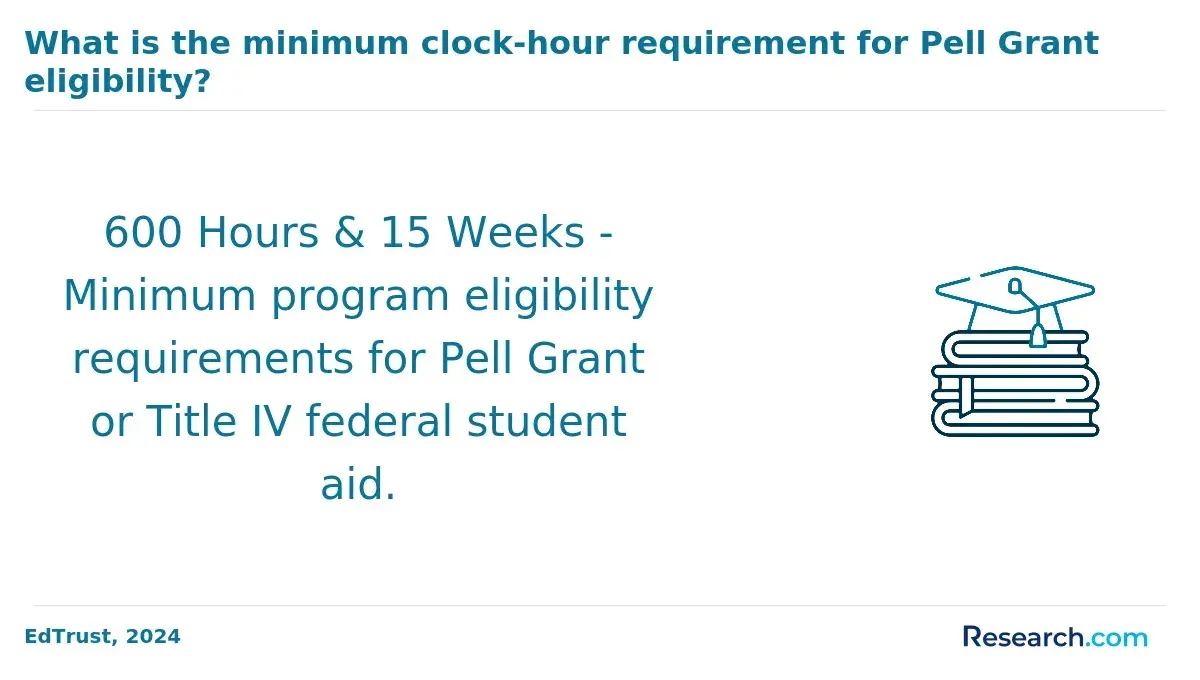
Regional accreditation combined with programmatic accreditation by the Council for Accreditation of Counseling and Related Educational Programs (CACREP) is the definitive standard for family and child services program accreditation standards. Without CACREP or an equivalent, graduates often face extended supervised practice requirements and licensure delays or denials, which can severely hinder employment prospects in schools and mental health organizations.
Employers prioritize candidates from CACREP-accredited programs because such accreditation confirms rigorous curriculum, qualified faculty, and mandated clinical training essential for roles like marriage and family therapists or school counselors. For instance, the median salary for a marriage and family therapist is $58,510, while a school counselor earns $61,710 annually; both roles generally demand credentials rooted in such accredited programs. Students pursuing online human services degrees accredited for family and child services must carefully verify that regional and CACREP accreditation aligns with the licensure requirements in their intended state, as state-specific education standards significantly impact professional eligibility.
Key considerations when selecting a program include documented licensing exam pass rates and reliable clinical placement opportunities-areas where unaccredited programs frequently fall short, reducing job readiness. Candidates exploring pathways might also consult resources such as the easiest online MSW program listings to weigh accessibility alongside accreditation and practical outcomes.
What courses are included in this concentration?
Programs emphasizing online human services courses with family focus address concrete competencies required for intervention within complex social environments. Core curriculum integrates child welfare policy, family systems theory, counseling, crisis management, and case management, equipping graduates to navigate multifaceted challenges such as abuse, neglect, or domestic violence. Unlike broader degrees, this concentration targets family-related social services, balancing theory and practice effectively.
Students encounter specialized courses training them to assess children's emotional and psychological needs alongside caregiver collaboration, essential in settings handling behavioral and mental health issues. This focus aligns with workforce growth projections-specifically, an 18% increase in employment for substance use, behavioral disorder, and mental health counselors between 2022 and 2032. Applied learning components embedded in the child and family services curriculum in human services degrees offer critical real-world exposure through practicum or fieldwork.
Ethics, legal issues, grant writing, and program planning are incorporated to prepare students for compliance and organizational support roles. A notable tradeoff exists between accelerated programs and those offering extensive hands-on training; students should weigh the value of licensure preparation opportunities against faster entry timelines. For individuals prioritizing flexible schedules, exploring specialized work from home degrees may provide practical alternatives.
What admission requirements do these programs usually have?
Admission criteria for online human services degrees with family and child services concentrations often act as a practical filter reflecting employer demands for competence and reliability in sensitive roles. Programs typically require a GPA between 2.5 and 3.0 from accredited institutions, prerequisite coursework in social sciences like psychology or sociology, and multiple letters of recommendation focused on interpersonal aptitude.
For working professionals without a traditional academic background, additional hurdles such as documented work experience, assessments, and background checks are common. These requirements address real-world concerns around safeguarding vulnerable populations and ensure candidates possess foundational skills before entering fieldwork. Some programs also incorporate interviews or written evaluations to gauge communication abilities essential for effective practice.
Students should weigh these admission rigor factors against the labor market benefits. In California, for instance, child, family, and school social workers earn a median wage of $73,150, notably exceeding the national average. Meeting stringent entry standards often correlates with smoother pathways to graduation, timely licensure, and stable employment in competitive job markets. Early preparation for documentation and prerequisite verification can prevent delays that might impact field placements or advance career progression opportunities.
How long does an online human services degree take?
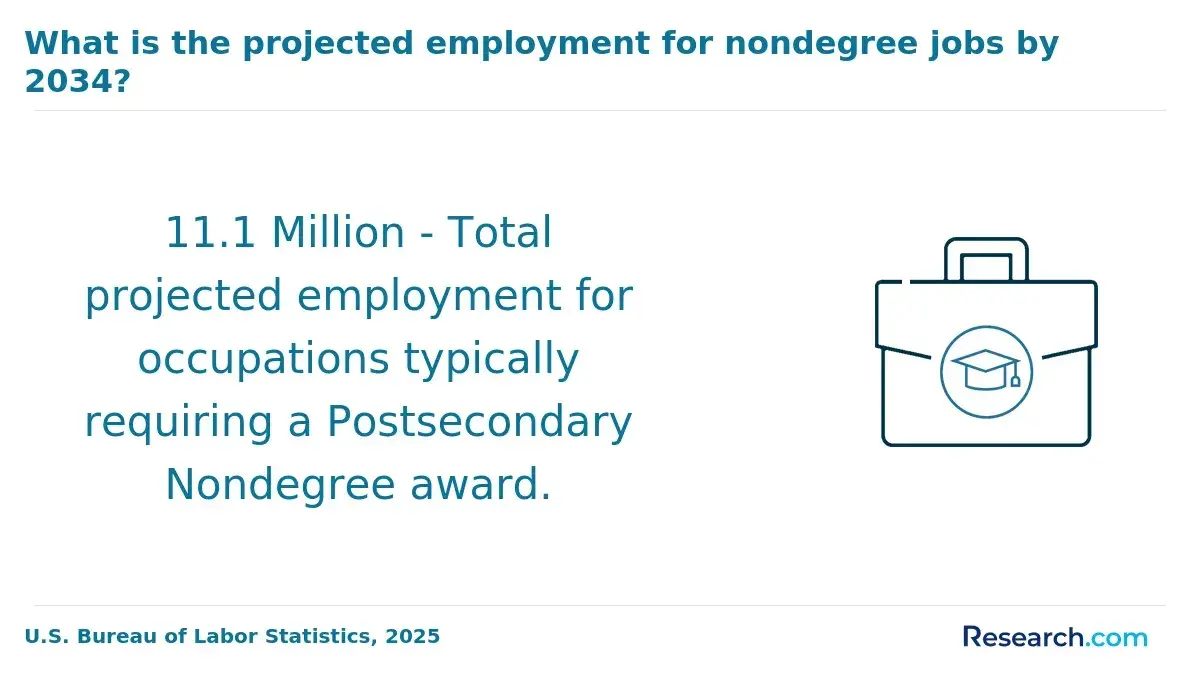
Choosing a human services degree with a family and child services concentration requires weighing time-to-completion against practical career outcomes. Associate degrees emphasize a two-year timeframe, while bachelor's degrees often require four years of full-time study; however, many students extend these timelines due to part-time enrollment or balancing other responsibilities. Accelerated bachelor's programs, when combined with relevant work experience, can shorten entry into management-level roles to around three years but risk sacrificing essential hands-on training critical for higher-level positions.
Workforce data from California illustrates the connection between education level, experience, and earnings. Social and community service managers overseeing family and child services earned a median annual wage of $93,190, a figure that typically assumes a bachelor's degree plus applied skills. This underscores that faster completion should not come at the cost of adequate practicum experience, which employers consistently value when determining candidate readiness and salary potential. Prospective students must balance accelerated timelines with acquisition of depth and practical skill to meet employer expectations and capitalize on competitive wages.
How much do online human services degrees cost?
Online human services degrees in 2026 present a wide financial spectrum, typically ranging from $8,000 to upward of $40,000, a variance driven by institutional type, accreditation status, and program design. Public and state universities generally offer more affordable options priced between $10,000 and $20,000, catering well to working adults seeking cost-effective credentials with practical recognition.
Programs emphasizing child and family services or social work often push costs beyond $30,000, justified by extensive practicum requirements and specialized curriculum tailored to roles like child advocacy. For working professionals aiming to pivot-such as those targeting child welfare specialist positions-embedded fieldwork and supervision fees can significantly increase total expenses, often including liability insurance.
Managing cash flow becomes critical for budget-conscious learners, who might prefer programs that itemize tuition separately from practicum costs. Ancillary expenses, including technology needs and background checks, also factor into overall affordability.
Employer tuition reimbursement cuts net costs for about 40% of U.S. human services workers, but ROI is often delayed in nonprofit or government roles requiring extended in-field experience before salary progression. Accreditation by bodies like the Council for Standards in Human Service Education (CSHSE) can improve alignment with licensing requirements, speeding employment and enhancing long-term earnings.
What jobs can you get with this degree concentration?
Graduates with an online degree in human services focusing on family and child services face a landscape where certification and hands-on experience often weigh as heavily as academic credentials. For example, preschool and childcare center directors must navigate state licensure requirements while managing staff, compliance, and curriculum with a median salary near $54,290. This role demands supervisory capabilities but may offer limited salary growth without additional credentials.
Community health workers serve as essential connectors between families and healthcare systems, earning around $48,200 annually, but must combine strong interpersonal skills with knowledge of local resources. Social and community service managers command higher pay, approximately $77,030, due to expanded responsibilities in program development and grant management, yet these roles often require advanced leadership experience.
Meeting licensure prerequisites varies by state, making careful research crucial for prospective students. Graduates should anticipate entry-level roles with resource constraints and multi-tasking demands before advancing. Key skills such as budgeting and staff supervision become necessary for upward mobility.
What salary and job outlook should graduates expect?
Entry-level salaries for graduates with online human services degrees focused on family and child services generally start between $40,000 and $50,000 annually, but this range shifts markedly with experience and advanced degrees. A master's credential coupled with several years in the field often pushes salaries above $60,000, and supervisory or clinical roles can exceed $70,000. Without graduate education, growth typically plateaus nearer to $45,000 to $55,000, which may limit long-term earnings potential and job responsibilities.
Employment demand varies by setting: for instance, school-based social work and child welfare agencies tend to offer more openings and better pay compared to nonprofits or smaller community organizations constrained by funding. Employers prioritize candidates with experience relevant to child protective services, family counseling, or case management, and this practical background often accelerates hiring and salary progression.
Geography heavily influences compensation, with metropolitan areas generally paying higher wages but also presenting a cost-of-living tradeoff. Prospective students should account for the required credentialing exams and ongoing professional development that maintain eligibility and competitiveness in this evolving sector. The U.S. Bureau of Labor Statistics projects about 280,000 annual openings through 2032 in related community and social service roles requiring bachelor's or master's degrees, reinforcing steady demand amid shifting demographics and policy priorities.
Key considerations include weighing the upfront cost and time for advanced degrees against access to clinical positions and supervisory tracks. Practical experience remains a critical factor shaping both job market entry and upward mobility.
Do family and child services careers require licensure or certification?
Licensure represents a significant fork in the road within family and child services careers, fundamentally shaping roles and earning potential. For example, a mental health social worker aiming to practice psychotherapy independently in California must complete graduate education, accrue supervised clinical hours, and pass rigorous licensing exams. This process delays workforce entry but unlocks higher responsibility and income. In contrast, social and human service assistants often bypass licensure, relying instead on certifications and practical skills tailored to support roles like program coordination or client resource navigation.
Employers clearly delineate between licensed clinical positions and nonclinical support roles. The former frequently demand state-approved credentials and specialized training, while the latter prioritize a bachelor's degree supplemented by agency-specific instruction. This distinction affects not only job duties but career flexibility and compensation patterns.
California's projected 9.6% to 18.5% growth in human services jobs through 2032, with about 6,500 openings annually for social and human service assistants, reflects sustained demand across both segments. Candidates must carefully weigh the time and resource investment of licensure against immediate employment opportunities, recognizing that credentials must align tightly with role requirements to avoid underqualification or mismatched expectations.
Understanding the local nuances of licensure-and their implications for career trajectory-is essential. Those opting out of licensure should strategically develop certifications emphasizing practical experience, thereby maintaining viability within the sector.
Other Things You Should Know About Human Services
Yes. Most accredited programs require a supervised field placement or internship of 120 to 400 hours, usually completed through an approved agency serving children, families, or community services. Some schools require background checks, immunization records, and a site supervisor with a human services or social work credential.
Graduates specializing in family and child services must meet specific state licensing requirements, which typically include completing accredited coursework, supervised fieldwork, and passing the National Counselor Examination. Requirements can vary by state, so it's essential to check local regulations for 2027 standards.
References
- Child Care Licensing Specialist I (#H24A) $12.08-$22.15 hourly / $2,093.99-$3,838.98 monthly / $25,127.84-$46,067.71 annualChild Care Licensing Specialist II (#H24B) $13.38-$24.53 hourly / $2,318.94-$4,251.39 monthly / $27,827.27-$51,016.65 annualChild Care Licensing Specialist III (#H24C) $14.71-$26.97 hourly / $2,549.43-$4,673.96 monthly / $30,593.20-$56,087.54 annualChild Care Licensing Specialist IV (#H24D) $16.08-$29.47 hourly / $2,786.69-$5,108.93 monthly / $33,440.25-$61,307.13 annual https://www.jobapscloud.com/OK/specs/classspecdisplay.asp
- Child Care Licensing Specialist I/II - Oklahoma Human Services - Career Page https://oklahomadepartmentofhumanservices.applytojob.com/apply/63Rky1q98N/Child-Care-Licensing-Specialist-III
- Social & Human Services - Social Services (A45380E) (ONLINE) https://richmondcc.edu/academics/degrees/social-human-services-social-services-a45380e-online
- Admissions Criteria https://ed.wum.edu.pl/pl/admissions-criteria
- How to Become a Family Preservation Specialist in IL: Essential Requirements Guide 2026 - Illinois Social Work https://illinoissocialwork.org/careers/family-preservation-specialist/
- What are the best paying jobs for graduates? https://targetjobs.co.uk/careers-advice/career-ideas/what-are-best-paying-jobs-graduates
- What Qualifications Do You Need to Work in Child Care? - post https://www.childcareed.com/a/what-qualifications-do-you-need-to-work-in-child-care.html
- Bachelor of Arts in Human Services | Whitworth Online https://online.whitworth.edu/human-services/
- Become a Child and Family Social Worker https://socialworklicensemap.com/social-work-careers/child-family-social-worker/
- What Does Accreditation Mean for Early Childhood Education Programs? - Tobin Afterschool https://tobinafterschool.org/what-does-accreditation-mean-for-early-childhood-education-programs/