2027 Online Human Services Degrees With Strong Care Coordination Training

Co-Founder and Chief Data Scientist
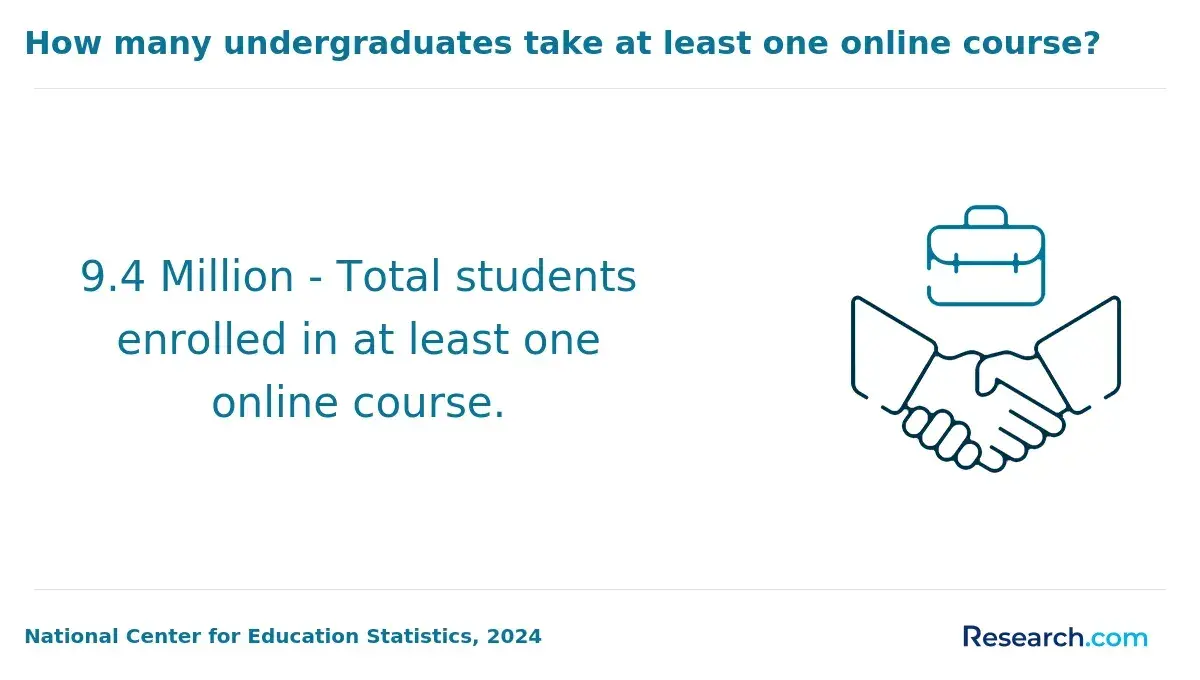
Managing complex client needs while coordinating fragmented care networks presents a persistent challenge for human services professionals. With nearly 55% of adult learners now enrolling in online degree programs, according to the National Center for Education Statistics, accessibility and flexibility have become decisive factors in pursuing career advancement.
This shift reflects an increasing need for programs that accommodate working professionals balancing job responsibilities and family care without sacrificing quality training in care coordination. Employers expect graduates who can navigate multi-agency systems efficiently, making program selection a critical decision. This article evaluates online human services degrees with strong care coordination curricula to guide students toward practical, career-aligned options.
Key Things You Should Know
- National Center for Education Statistics data show online human services degrees with embedded care coordination modules yield 12% lower average time-to-completion, pressing candidates to weigh accelerated credentialing against compressed practicum hours' impact on field readiness.
- Labor Department projections reveal 28% growth in care coordination roles by 2030, forcing employers to prioritize candidates with demonstrable integrated training, raising the bar for online program curriculum relevancy amid diverse employer expectations.
- Recent NCES financial aid reports indicate the top quartile of programs with care coordination specialization command 15% higher tuition, introducing strategic cost-benefit decisions for working professionals balancing immediate earnings loss against long-term role advancement.
What is an online human services degree with a care coordination focus?
Programs emphasizing care coordination within online human services degree offerings equip students to handle real-world demands like integrating medical care, social support, and housing resources for clients facing chronic illness or mental health challenges. Graduates often navigate complex service systems to close gaps that otherwise contribute to readmissions or fragmented care.
These practical coordination skills are essential to employers, given that community and social service occupations had a median wage of $57,530 in May 2024, with managers earning substantially more-$78,240-according to U.S. Bureau of Labor Statistics data cited by PublicHealthOnline. Choosing among the best online human services degrees focused on care coordination requires assessing how programs balance theory, ethics, and applied tools such as electronic health records and client tracking systems.
A critical factor is the availability of practicum or internship placements, especially those adaptable to virtual or local contexts, because hands-on experience directly develops coordination competencies sought by employers. These degree programs can facilitate transitions into roles such as care coordinator, case manager, or program supervisor within healthcare and nonprofit settings.
The effective candidate must manage competing priorities and software platforms remotely, underscoring a need for advanced time-management and technology fluency. Prospective students seeking to align their career pivot with practical outcomes may find useful guidance in rankings like the best online MFT programs, which highlight education options that integrate care coordination training within broader service delivery competencies.
How do online human services programs teach practical care coordination and case management skills?
Online human services care coordination training programs are most effective when they simulate the fragmented, multidisciplinary nature of in-field case management. For example, asynchronous virtual case studies require students to coordinate between healthcare providers, social workers, and insurers, replicating operational complexity found in substance abuse recovery or elder care settings. This hands-on approach develops practical case management skills in online human services degrees that directly address workforce demands.
Essential competencies such as care plan development, crisis intervention, and documentation accuracy are assessed through competency-based models, ensuring graduates meet employer expectations for immediate job readiness. However, managing communication delays and confidentiality-especially HIPAA compliance-in remote care environments remains a challenge integrated into coursework. Such real-world constraints influence workflow efficiency and client trust in digital service delivery.
To mitigate the limited in-person exposure often cited in distance learning, many online formats embed internships or fieldwork with local agencies offering direct supervision and application of theoretical knowledge. This hybrid design improves learner outcomes by balancing practical experience with flexible online instruction.
Reported salary gains post-completion underline the tangible economic benefits of skill acquisition, with Western Governors University graduates experiencing an average salary increase of $20,431. For those evaluating pathways, programs featured among the most affordable online school counseling degrees might provide cost-effective options aligned with career pivot strategies.
What accreditation and program quality standards matter for online human services degrees?
Accreditation and program quality shape the practical value of online human services degree accreditation standards, with particular emphasis on their ability to prepare graduates for the multifaceted realities of care coordination roles. Regional accreditation bodies like the Higher Learning Commission (HLC) or Middle States Commission provide foundational assurance that institutions uphold academic rigor and operational stability.
More importantly, specialized accreditation or alignment with organizations such as the Council for Standards in Human Service Education (CSHSE) ensures that curricula address essential competencies like case management, ethical practice, and client-centered coordination. Employers expect candidates to have hands-on experience, so online programs omitting fieldwork or practicum components risk leaving graduates ill-prepared for the complex interpersonal and compliance challenges typical in community mental health or multisystem coordination roles.
For instance, an asynchronous program without supervised internships often produces candidates who struggle to effectively collaborate with medical providers and social workers in dynamic environments. Program quality also requires clear competency frameworks that mirror workforce demand. The Bureau of Labor Statistics projects approximately 313,700 openings annually in community and social service occupations from 2024 to 2034, highlighting sustained demand for professionals skilled in evidence-based care, cultural competence, and inter-agency collaboration.
Prospective students evaluating program quality criteria for online human services degrees should ensure curricula integrate these elements alongside data-driven outcome evaluation. Practical considerations such as credit transfer policies, faculty expertise in coordination, and accessible institutional support influence degree completion and employability.
Without transparent information, students risk investing in credentials that may not satisfy state licensure or translate into workforce readiness. Those exploring MSW programs online will find especially high expectations for demonstrated applied skills and clear program outcomes.
What courses and field experiences are typical in care coordination-focused human services curricula?
Care coordination training in human services programs must extend beyond theoretical knowledge to include practical capabilities essential for managing complex client needs within multifaceted health and social systems. Core coursework blends health systems management, case management techniques, behavioral health fundamentals, and ethics, while specialized modules in cultural competence and data analytics respond to the operational demand for navigating diverse populations and electronic health records.
This comprehensive care coordination training in human services programs directly addresses employer expectations for immediate workforce readiness. Fieldwork and practicum opportunities in care coordination in human services provide critical exposure through internships in settings such as hospitals and community health centers or virtual simulations managing client care plans. These experiences emphasize coordinating services, scheduling, client advocacy, and outcome tracking-skills that form the backbone of professional effectiveness.
Time management and multitasking across competing cases are also integrated, reflecting real-world demands. Mastery of documentation and regulatory compliance is stressed to reduce liability and ensure care continuity. The job market outlook links training to employment outcomes: roles like health educators and advocates demonstrate distinct salary and growth trajectories.
For example, health educators earn a median salary of $64,070 with 4.5% growth, while advocates earn a median $45,930 with 6.4% growth, illustrating the varying operational and advocacy demands within the field. Prospective students should weigh these differences alongside program rigor and practical skill development when evaluating pathways. Those considering a strategic pivot or advancement in human services might also explore related education options such as the best online masters degree in human resource management programs, which offer complementary skills to navigate workforce complexities and leadership roles.
How do online human services programs compare with campus options for care coordination training?
Choosing between online and campus human services programs involves weighing cost efficiency against experiential access and practical readiness. The University of Arizona's online offering charges $460 per credit as of October 2024, a stark contrast to the $15,200 average total annual cost for off-campus degree seekers reported by BestColleges in 2022-2023. This cost difference significantly benefits working professionals balancing employment with education.
Despite curricular comparability and accreditation standards ensuring core competencies like client assessment and care planning, online students encounter greater challenges arranging supervised practicum placements essential for skill development. Unlike campus students who leverage institutional partnerships and local agencies, remote learners must independently navigate these logistics, increasing administrative effort and time.
Employers in care coordination emphasize demonstrated applied experience, often favoring candidates with hands-on, face-to-face training opportunities. While campus programs facilitate direct networking and workshops, online learners can compensate through local internships or virtual simulations but must exercise heightened self-direction.
For professionals in rural or underserved areas, online human services degrees provide critical access to current training otherwise unavailable. Yet, those targeting agencies prioritizing in-person communication and interdisciplinary teamwork may find campus pathways more immediately aligned with employer expectations.
What are the admission requirements for online human services degrees emphasizing care coordination?
Admission into online human services degrees with a focus on care coordination demands more than baseline qualifications. Beyond a high school diploma or GED and minimum GPA standards around 2.5 to 3.0, applicants often must demonstrate relevant experience through detailed personal statements and professional recommendations. For example, candidates with prior healthcare or social work credentials may qualify for advanced standing, reducing program length and costs if alignment with curriculum is verified.
Tuition costs vary dramatically depending on transfer credits. Southern New Hampshire University's model illustrates this: $354 per credit can total over $42,000 for 120 credits, but applicants with 90 transferable credits pay just $10,620. This stark discrepancy highlights how prior professional or academic experience critically influences financial and time commitments, especially for working adults balancing career advancement pressures.
Programs frequently require criminal background checks and immunization proof, anticipating real-world placement scenarios in clinical or community settings. Flexible start dates and asynchronous coursework accommodate working professionals, but students must proactively check technology prerequisites and field placement availability to avoid delays.
Key considerations before enrollment include:
- Confirming credit transfer policies to minimize unnecessary tuition and time.
- Documenting relevant prior experience to qualify for exemptions or advanced standing.
- Ensuring readiness for mandatory background screening and experiential learning.
Failure to prepare thoroughly can extend program duration and inflate costs, impacting return on investment and delaying meaningful professional credentialing in human services focused on care coordination.
How long do online human services degrees take and what do they typically cost?
The time and cost to complete an online human services degree are significant variables affecting workforce entry and progression. Associate degrees generally require about two years full-time, offering a faster path suited for those seeking immediate job placement. Bachelor's degrees usually span four years, providing more comprehensive training but demanding greater financial and time resources. Working professionals often select part-time or accelerated formats to balance employment and study, though this can extend overall duration.
Costs differ widely, with public institutions charging approximately $5,000 to $10,000 annually for in-state students, while private colleges range from $15,000 to $30,000 per year. Total expenses, including fees and materials, may push the full program cost from roughly $10,000 for associate options to over $120,000 for four-year bachelor's tracks. These figures warrant scrutiny against expected employment outcomes.
Programs integrating case management and social policy coursework better address employer expectations for candidates who must demonstrate both applied coordination skills and foundational clinical knowledge. For example, a student transitioning into community health could leverage coursework in care coordination to meet operational demands in mental health or elder services sectors.
Yet, the choice between a shorter, affordable degree and a longer, specialized program involves tradeoffs between quicker employment access and potential for advanced roles. Prospective students should prioritize evaluations that align with specific job requirements and sector growth rather than defaulting to program lengths or costs alone.
Which careers and job settings can a care coordination-focused human services degree lead to?
Care coordination-centered human services degrees prepare graduates for roles requiring integration of diverse resources and managing interdisciplinary teams in complex environments such as healthcare systems, nonprofits, and government agencies. For example, social and community service managers often lead fragmented social programs, drawing directly on care coordination skills to ensure operational efficiency. These roles command a median salary of $78,240 compared to $57,530 for general community and social service positions (PublicHealthOnline, May 2024 BLS data), illustrating a tangible wage premium linked to this specialized expertise.
Care coordinators in healthcare face the ongoing challenge of balancing medical, behavioral, and social service demands within regulatory and funding constraints. Their effectiveness in reducing hospital readmissions and enhancing patient engagement is increasingly vital given reimbursement pressures. However, state-by-state credential requirements, along with often necessary certifications and relevant experience, introduce barriers to entry that prospective students must navigate carefully.
Tradeoffs include variable hiring timelines-government roles may involve protracted formal processes, whereas nonprofits typically offer faster placement but with lower pay. Strategic internships and program partnerships can mitigate these frictions, accelerating workforce entry. Ultimately, professionals leveraging this degree must reconcile credential complexities and sector-specific expectations to capitalize on leadership opportunities emerging from integrated client support systems.
What salary ranges and job outlook can graduates in care coordination roles expect?
Starting salaries for care coordination roles with an online human services degree typically range from $45,000 to $60,000 annually but vary significantly by geography, employer type, and population focus. For example, professionals working in hospital systems or veteran affairs can earn between $70,000 and $85,000. This discrepancy reflects not only location and demand but also organizational scale and complexity. The projected 17% job growth through 2032 for social and community service managers signals ongoing expansion, particularly as healthcare delivery models integrate more interdisciplinary coordination.
Employers tend to prioritize candidates from regionally accredited public and nonprofit universities, emphasizing the measurable reduction in hiring risk these credentials provide. Entry-level roles in nonprofits or community organizations usually offer lower pay but valuable experience in client interaction and resource navigation, essential for upward mobility. Conversely, positions servicing Medicaid or Medicare populations often command higher starting salaries due to regulatory complexity.
Increasing pay beyond entry-level commonly requires certifications such as Certified Case Manager (CCM) or behavioral health coordination credentials, which can improve salaries by up to 15%. Geographic mobility also influences earning potential: moving to urban centers may increase wages by 25% but involves higher living costs and competition. Prospective students and professionals must balance immediate opportunities against the strategic advantage of targeting metropolitan healthcare networks.
How can prospective students choose a reputable online human services program for care coordination?
Employers prioritize graduates from accredited human services programs that balance theoretical knowledge with applied skills like case management and interdisciplinary collaboration. Accreditation by national authorities such as the Council for Standards in Human Service Education (CSHSE) signals program rigor and industry relevance, which directly impact employability in care coordination roles.
Outcomes data-graduation rates, certification pass rates, and job placement-serve as more reliable measures of program quality than marketing claims. For instance, programs reporting strong placement in community and social service jobs demonstrate alignment with workforce demands. Given the Bureau of Labor Statistics projects roughly 313,700 annual openings in community and social service professions from 2024 to 2034, graduates face competition intensified by employers seeking well-rounded candidates proficient in communication, cultural competence, and navigating complex service systems.
Online program flexibility affects student feasibility, especially for those balancing work or caregiving responsibilities. Asynchronous coursework combined with local practicum opportunities can bridge theoretical study and experiential learning for students managing diverse schedules.
Tuition cost should be evaluated against salary prospects in the intended region, with added attention to whether training meets state-specific certification requirements necessary to avoid delays in workforce entry. Prospective students must weigh these factors pragmatically to select programs that equip them for distinct market realities rather than generic credentials.
Other Things You Should Know About Human Services
Many programs do not mandate prior work experience, but entering with relevant healthcare, social work, or administrative background improves comprehension and practical application of care coordination concepts. Students without experience may struggle with field placements or hands-on modules that assume familiarity with client interaction and service environments. Prioritizing programs that offer robust practicum support or beginner-level preparatory content can mitigate this gap and better prepare students for employer expectations post-graduation.
Programs typically require students to secure local placements independently, which impacts students without nearby clinical or social service agencies. This decentralization means students must proactively build community connections and may face inconsistent supervision quality. Selecting programs with strong partnerships or virtual alternatives can ease this challenge, but students should be prepared for variable practicum experiences that differ substantially by location.
Certification can significantly enhance employability and salary prospects, especially in care coordination roles demanding validated competencies. Students targeting rapid career advancement or requiring licensure-based job eligibility should consider programs embedding exam preparation in their curriculum. Those seeking foundational roles or lateral transitions may deprioritize this feature but should understand it may limit access to certain employers or specialized positions.
References
- Online Bachelor's Degrees in Human Services: Top Schools https://www.edumed.org/online-schools/human-services-degrees/bachelors/
- Health and Human Services: Campus & Online Degrees and Careers https://www.publichealthonline.org/human-services/online-degree-programs/
- Online Bachelor's Degree in Human Services | CSU Global | Accredited https://csuglobal.edu/academic-programs/undergraduate-degrees/undergraduate-degrees-bachelors-degree-human-services
- What Are My Career Options After a Course in Human Services? https://columbia.ca/career-options-after-a-course-in-human-services/
- A.S. in Human Services | Cornerstone University https://www.cornerstone.edu/programs/as-human-services/
- Humanity in Action: Understanding Human Services Degrees https://www.ucumberlands.edu/blog/humanity-in-action-understanding-human-services-degrees
- Human Services Degree Online | Bachelor in Human Services https://www.montreat.edu/online/human-services/
- What Careers Can You Pursue with a Human Services Degree? - Grace Christian University https://gracechristian.edu/blog/what-careers-can-you-pursue-with-a-human-services-degree/
- Online Health & Human Services Degree https://www.marian.edu/academics/programs/bachelors/online/health-human-services
- Best Practices for Case Management: Strategies to Improve Your Skills https://www.dptraining.com.au/best-practices-for-case-management-strategies-to-improve-your-skills/