2027 Best Online Human Services Programs for Professionals Seeking Residential Treatment Careers

Co-Founder and Chief Data Scientist
Professionals aiming to enter or advance in residential treatment face a complex barrier: balancing immediate employment demands with the time and financial investment required by traditional education. With nearly 60% of adult learners pursuing online degrees according to the National Center for Education Statistics in 2024, the shift toward flexible, competency-based online programs directly impacts their ability to reskill without disrupting current roles.
However, not all programs align equally with evolving employer expectations or field-specific licensure pathways, challenging candidates to discern which offerings truly accelerate career mobility and practical readiness. This article evaluates the best online human services programs tailored for residential treatment careers, focusing on accessibility, curriculum relevance, and workforce integration to guide informed decisions.
Key Things You Should Know
- Graduates from regionally accredited programs show 18% higher employment rates in residential treatment roles within 12 months, per 2024 Bureau of Labor Statistics data; lack of such accreditation delays credentialing and employer recognition.
- Employer surveys from the National Council for Behavioral Health report a 27% preference for candidates with clinical practicum experience over theoretical-only degrees, pressuring students to prioritize hands-on training despite extended program durations.
- Average tuition for top online programs rose 12% in 2024, outpacing average wage growth for entry-level residential workers by 7%, creating a funding-access tradeoff that disproportionately impacts working adults pivoting careers.
What is an online human services degree and how does it prepare you for residential treatment careers?
Online human services degree programs for residential treatment careers focus on applied skills in client assessment, crisis intervention, and psychosocial supports tailored to complex behavioral health settings. Candidates prepared in this way meet growing employer demands for professionals who can navigate trauma-informed care while managing caseloads within group homes, substance abuse centers, and psychiatric facilities.
This specialized training diverges from broader social science curricula by emphasizing supervised practicum experiences or simulated environments to hone competencies crucial for residential contexts. Cost considerations heavily influence decisions, as median tuition for public four-year online human services programs stands at $349 per credit, notably lower than the general online undergraduate average of $493 per credit.
However, online students must still arrange local fieldwork practicals, creating logistical challenges, especially for working adults. Credentials are often aligned with licensure requirements that vary by state, which can impact employability immediate after graduation. Employers increasingly expect graduates with strong case management skills, ethical decision-making, and flexibility in high-stress scenarios.
Pursuing accredited online programs with structured clinical components is therefore practical for those prioritizing readiness in residential treatment roles. For those considering advanced degrees in the field, the DSW program offers a pathway emphasizing leadership and clinical expertise beyond entry-level qualification. How an online human services degree prepares you for residential treatment jobs depends significantly on program design-especially the integration of hands-on training and alignment with workforce certification standards.
Which online human services programs are best for aspiring residential treatment professionals?
Programs that combine practical skill development with targeted training in mental health assessment, crisis intervention, and case management offer a distinct advantage for those pursuing residential treatment careers. The top online human services degrees for residential treatment careers often include clinical practicum placements within facilities addressing challenges such as addiction recovery and adolescent behavioral health.
These hands-on experiences directly impact employability, as many employers require demonstrated competencies beyond basic credentials. For working professionals, asynchronous course formats supplemented by supervised live sessions provide a viable path to gain relevant skills without disrupting job responsibilities.
Selecting the best accredited human services programs for residential treatment professionals also demands attention to state licensure reciprocity, especially for those planning multi-state practice. Programs aligned with credentials like Licensed Alcohol and Drug Counselor (LADC) standards better prepare candidates for jurisdictions with strict staffing requirements. Graduates lacking direct clinical experience frequently face delays securing employment or must accept positions with limited scope.
Certificates in trauma-informed care or motivational interviewing provide an edge by addressing employer preferences for specialized expertise. Considering workforce demand projections, which estimate over 300,000 openings in social service roles through 2034, strategic program choice influences both career trajectory and salary prospects. Those evaluating pathways should explore options like the cheapest online counseling degree for cost-effective yet accredited credentials that align with practical field requirements.
How do you choose an accredited online human services program that employers will respect?
Accreditation clarity significantly influences employment prospects when selecting accredited online human services programs with employer recognition. Regional accreditation does not suffice for roles in residential treatment settings where supervisors must verify credentials from programs aligned with state licensure and industry standards such as the Council for Standards in Human Service Education (CSHSE).
Practical competencies like case management, crisis intervention, and client advocacy are critical in these environments, and program outcomes-graduation rates and placement metrics-serve as reliable predictors of employer preference. Consider a candidate pursuing a supervisory role in a residential treatment facility. Employers prioritize applicants whose training includes robust practicum opportunities or virtual simulations that mimic field realities.
Programs strictly theoretical in nature typically diminish job-readiness. Cost and duration should be weighed against the added value of recognized credentials, especially given that community and social service roles command a median wage ($57,530) above the national occupational average ($48,060), reflecting tangible labor market rewards.
Prospective students assessing how to select respected online human services programs for residential treatment careers must insist on transparent accreditation proofs, quality practicum site access, and graduate employment rates within residential treatment contexts. This due diligence prevents mid-career setbacks caused by credential gaps or retraining requirements. For individuals exploring affordable educational pathways meeting these standards, reviewing the cheapest CSWE-accredited online MSW programs can offer relevant insights into balancing cost-efficiency with industry-respected credentials.
What degree level do you need for residential treatment roles in human services?
Employers in residential treatment consistently require a bachelor's degree in human services or a closely related field, such as psychology or social work, to qualify for roles managing direct client care and treatment oversight. Practical experience coupled with this credential often determines whether candidates handle complex client interactions and coordinate multidisciplinary care teams, rather than being limited to support or paraprofessional positions. This education threshold directly impacts access to positions with decision-making authority and corresponding compensation.
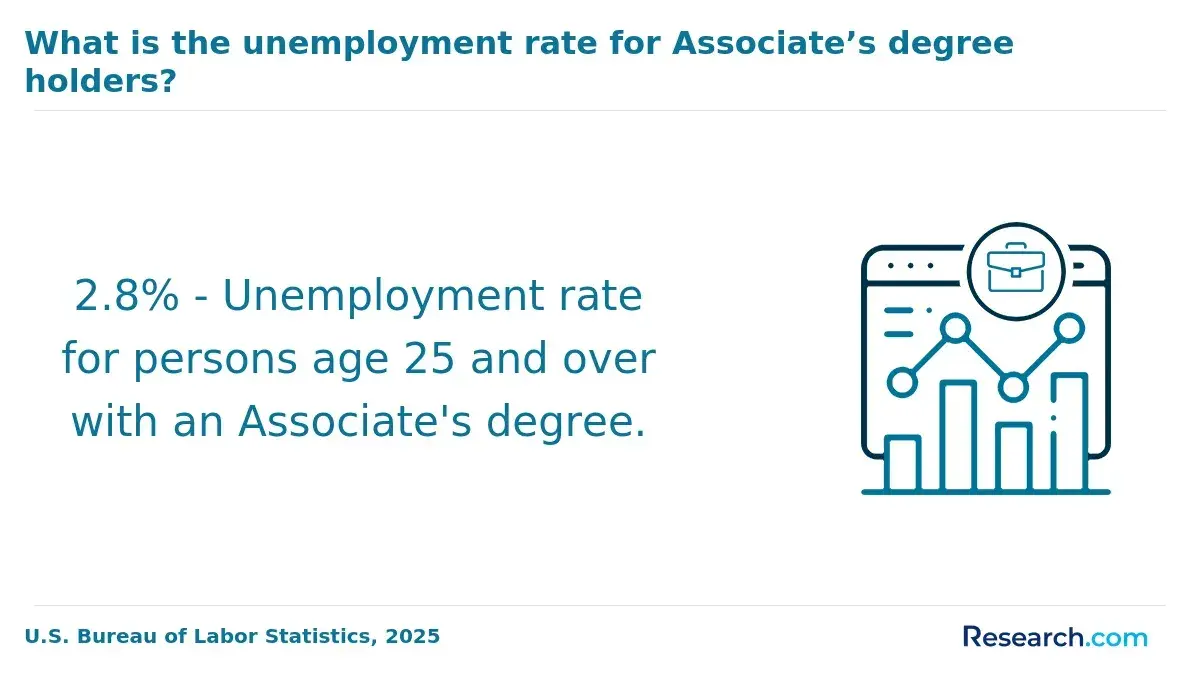
Educational qualifications for human services residential treatment careers increasingly favor programs emphasizing behavioral health to ensure clinical competency and applied skills. For example, a bachelor's degree integrated with supervised internships better prepares professionals for risk assessment responsibilities and compliance with state regulations. In contrast, associate degrees tend to funnel individuals into technician roles with narrower scopes of practice and lower wages.
Among the fully online human services bachelor's programs ranked by BestColleges in 2025, annual in-state tuition averages near $9,700, roughly 25-30% less than general public university rates according to NCES. This cost differential can be a determining factor for working adults aiming to meet degree requirements for residential treatment roles in human services without excessive financial strain. For those considering options that balance affordability with program acceleration, exploring an accelerated psychology bachelor's degree online can provide a viable pathway.
Higher-level positions such as clinical supervisor or program director often mandate graduate degrees or specialized credentials. Still, the bachelor's remains the pivotal benchmark for entering and advancing within the human services residential treatment workforce, aligning educational investment with tangible employability outcomes.
How do online human services programs compare to campus programs for residential treatment work?
Cost remains a decisive factor for professionals pursuing residential treatment careers through human services bachelor's degrees. Online programs offer a distinct financial advantage, with average annual tuition at public institutions around $9,678 versus $38,768 for private colleges, highlighting a nearly fourfold difference. This gap affects not just affordability but also the overall return on investment, especially for working adults managing both employment and education costs.
Employers value verifiable clinical skills gained through practical experience, which online programs attempt to replicate via structured internships and fieldwork. However, students enrolling online bear greater responsibility in locating local supervised placements, while campus programs inherently facilitate on-site practicum access, collaborative peer environments, and faculty mentorship-elements often critical for mastering complex client interactions in residential settings.
The flexibility of online human services education suits those balancing job and family commitments, allowing coursework to fit outside traditional schedules and avoiding geographic constraints. In contrast, campus options generally provide stronger networking potential and immediate engagement with multidisciplinary teams-advantages for candidates seeking integrated team roles.
For example, a working professional aiming for licensure in residential treatment might find online pathways more financially sustainable but must proactively ensure clinical hours. A campus student pays more but benefits from embedded internship channels and enhanced rapport with faculty and peers, factors influencing employability and skill depth.
What courses and specializations support careers in residential treatment and group care settings?
Master's programs targeting residential treatment and group care careers must balance clinical proficiency with leadership and compliance skills to meet employer standards. Professionals are expected to manage complex client needs while navigating regulatory frameworks, which requires integration of psychological assessment, crisis intervention, group dynamics, and documentation protocols. For instance, a residential treatment clinician simultaneously facilitates group therapy and ensures regulatory documentation aligns with audits, demanding multifaceted expertise beyond direct care.
Programs commonly focus on trauma-informed care, substance use disorder treatment, and administrative management of residential settings. Such specialization reflects workforce needs for staff who can both deliver evidence-based interventions and coordinate multidisciplinary care plans under evolving state and federal mandates.
Economic returns are significant: graduates report median salaries around $64,000 a few years after completing master's coursework, compared to roughly $48,000 for bachelor's holders. This wage premium corresponds with expanded responsibilities, particularly supervisory roles that require data-driven treatment approaches and cultural competency.
Working professionals face real challenges juggling flexible internships and credentialing processes necessary for licensure or certification in residential programs. Programs that deploy practical internship frameworks and proactive credentialing support help reduce delays caused by limited clinical placements and administrative bottlenecks.
What are typical admission requirements for online human services programs focused on residential treatment?
Applicants to online human services programs with a focus on residential treatment must weigh academic prerequisites alongside practical experience, a balance that significantly affects their employability and educational trajectory. While most programs demand a high school diploma or equivalent, associate and bachelor's degree tracks require validated college coursework with a minimum GPA around 2.5, often emphasizing foundational subjects like psychology and sociology.
Experience in behavioral health or residential treatment roles can mitigate marginally lower academic performance, but candidates should plan for application demands including official transcripts, personal statements that clarify career intent in substance abuse or mental health counseling, and letters of recommendation assessing interpersonal and ethical competencies.
Undergraduate applicants might encounter standardized testing requirements, but graduate and certificate programs typically do not. A critical differentiator is access to clinical placements or internships, which hinge on either established program partnerships or existing professional networks. Without these, securing practicum opportunities can be challenging and may delay workforce entry.
Several workforce implications should guide applicant decisions:
- The Substance Abuse and Mental Health Services Administration projects an 18% employment growth in relevant counseling fields from 2022 to 2032, adding approximately 71,500 jobs, but this growth favors candidates with practical, supervised clinical experience.
- Programs requiring rigorous background checks and, in some states, immunization proof reflect real occupational safety and regulatory demands in residential settings.
- Choosing a program with structured pathways to practicum sites enhances employability and reduces time-to-employment barriers.
Prospective students must therefore balance academic qualifications, hands-on experience, and program support systems rather than focusing solely on credentials. This pragmatic approach improves readiness for the nuanced demands of residential treatment environments and fosters sustainable career outcomes.
How long do online human services programs take, and what do they cost?
Choosing an online human services bachelor's program requires balancing time-to-completion against cost and career impact. Traditional full-time paths typically require four years, but accelerated options can reduce this to two or three years by applying prior credits or heavier coursework. Part-time enrollment fits working adults but often extends beyond five years, which may delay eligibility for promotions and salary increases.
For example, a social support specialist who graduated full-time in three years qualified for advancement sooner than peers who pursued part-time studies over five years. Cost remains a decisive factor, accredited bachelor's programs with annual tuition as low as $4,830 contrast strongly with the 2024 national average for public four-year institutions, enabling greater affordability for self-funded students.
However, longer program durations may increase total expenditures and indirect costs like lost earnings growth during extended studies. Students must also consider program features such as practicum or residency requirements, which complicate scheduling and may lengthen completion time beyond standard credit hours.
Employers prioritize completed credentials but often prefer candidates whose education aligns well with industry credentialing timelines, reflecting practical readiness rather than just degree completion. Analyzing these tradeoffs helps prospective students select human services programs that fit their unique workforce trajectories and financial realities.
What jobs, salaries, and advancement opportunities exist in residential treatment and related human services roles?
Residential treatment careers in human services present distinct income tiers tied closely to certification, education, and responsibility. Entry-level roles like direct care workers typically earn between $33,000 and $40,000 annually. Moving into licensed clinical social work or case management requires additional credentialing, which increases median wages to $55,000-$65,000. Supervisory titles such as residential directors command salaries from $70,000 up to $85,000, reflecting expanded duties including compliance and team oversight.
Advancement often depends on formal education combined with direct experience. For instance, clinical supervisor roles generally require a master's degree and state licensure, creating a barrier for those without graduate credentials. This dynamic forces candidates to weigh quicker entry-level income against long-term career stability and progression.
Workforce realities also impact retention; burnout and turnover rates rise without clear upward mobility. A study of fully online undergraduates showed 70% reported good or excellent ROI, which emphasizes how flexible programs can support working professionals who need to maintain employment while upgrading credentials.
Practical career paths typically span 5 to 7 years from frontline positions to leadership roles, dependent on ongoing education and credentialing. Employers favor candidates skilled in clinical documentation, behavioral interventions, and cross-agency collaboration, making targeted training critical in improving salary and promotion prospects.
Are licenses or certifications required for residential treatment careers, and how do programs help you qualify?
Licensure is a practical gatekeeper for careers in residential treatment, particularly for roles involving clinical oversight, counseling, or case management. Without certifications such as Certified Alcohol and Drug Counselor (CADC), Licensed Clinical Social Worker (LCSW), or Licensed Professional Counselor (LPC), job options tend to be confined to entry-level, non-clinical positions. This limitation affects earning potential and career trajectory, as employers prioritize candidates from accredited programs that explicitly facilitate these credentials.
Programs attuned to human services professionals typically embed coursework and practicum experiences that satisfy supervised hour requirements and prepare students for the licensing exams. This alignment is critical because securing supervised clinical hours represents a frequent bottleneck for certification. Some programs also provide valuable guidance on navigating state-specific licensure differences and connecting students with clinical placements.
Advancement into supervisory or management roles demands both licensure and practical work experience. For example, social and community service managers earn a median salary around 45% higher than general community service roles, reflecting the financial impact of licensure. Without integrated licensure pathways, students risk extending their employment eligibility timelines and incurring additional costs after graduation.
Key considerations include:
- Ensuring program curricula cover ethics, treatment planning, and behavioral health interventions aligned with certification standards.
- Evaluating practicum arrangements and their success in meeting supervised experience requirements.
- Assessing exam pass rates and state-by-state licensure support within a program.
Other Things You Should Know About Human Services
Online human services programs often require a significant time commitment despite their flexible format. Many incorporate synchronous sessions or set deadlines that can conflict with typical work hours, especially for those employed in residential treatment settings with irregular shifts. Prospective students should prioritize programs that offer asynchronous coursework and clearly defined, manageable pacing to balance professional responsibilities with study demands, as overloading can lead to burnout and delay graduation.
Hands-on experience remains critical for residential treatment careers, but not all online programs integrate practical components effectively. Programs that coordinate local internships or practicum placements build essential skills and increase employability, while those relying solely on theory may leave graduates less prepared for the challenges of direct client interaction. Applicants should select programs with established partnerships for real-world training to meet employer expectations and regulatory requirements.
While online degrees provide foundational knowledge, they often lack advanced leadership training and direct mentorship opportunities common in campus-based programs. Candidates seeking supervisory or administrative roles should assess whether their program offers specialized courses in management, ethics, and policy within human services. Without this focus, graduates may need supplemental education or experience to qualify for higher-level positions, slowing career progression.
References
- Certification, Credentials and Licensure — Regional Behavioral Health Workforce Coalition https://www.buildbehavioralhealth.org/certs-cred-license
- How to Find a Job Working in Recovery https://pinnacletreatment.com/blog/find-job-working-recovery/
- Online Health And Human Services Associate Degree Program | Ultimate Medical Academy https://www.ultimatemedical.edu/program/health-and-human-services/
- Human Services Degree Online | Bachelor in Human Services https://www.montreat.edu/online/human-services/
- Clinical Social Work Guide - Careers, Education & Salaries https://www.onlinemswprograms.com/careers/clinical-social-work/
- Human Services Careers | PublicHealthOnline.org https://www.publichealthonline.org/human-services/
- Psychiatrist Licensing and Education in Canada | First Session https://www.firstsession.com/resources/psychiatrist-licensing-education-canada
- Occupation Profile https://nccareers.org/occupation-profile/211093/1284
- How to Find Careers in Substance Abuse Treatment & Recovery https://www.addictions.com/find-careers-in-substance-abuse/
- 49 of the best careers in helping people & making a difference https://www.iah.edu.au/blog/careers-jobs-for-helping-people