2027 Human Services Specializations for Family Services Careers

Co-Founder and Chief Data Scientist
A social worker aiming to transition into family services confronts a fragmented landscape of specializations, often complicated by inconsistent program structures and unclear career outcomes. This challenge intensifies as nearly 60% of adult learners now prefer flexible, hybrid, or fully online programs, according to the National Center for Education Statistics. Such enrollment patterns signal growing demand for adaptable education pathways that align with unpredictable work schedules and family obligations, yet not all specializations reflect real-time workforce needs.
For students balancing immediate income with long-term advancement, discerning which family services focus areas offer market viability and credential portability becomes critical. This article clarifies the primary family services specializations within human services, analyzing their professional relevance, educational flexibility, and labor market prospects to guide informed career decisions.
Key Things You Should Know
- Specializing in family services elevates median wages by 12%, per 2024 BLS data, but limits broader human services job mobility, presenting a strategic tradeoff between niche expertise and employment versatility.
- Employers prioritize candidates with integrated family systems training and trauma-informed care certification, with 68% reporting such credentials as critical to retention and performance metrics, shaping hiring benchmarks.
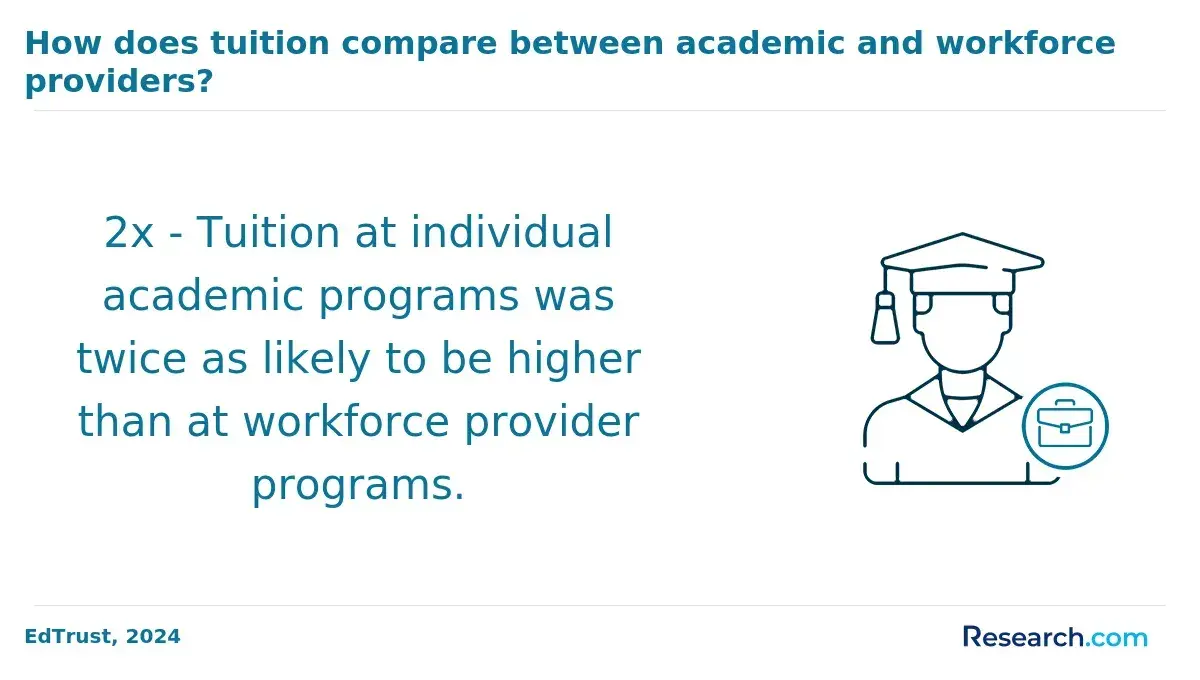
- Programs with embedded field internships reduce time-to-employment by 4 months on average but increase tuition costs by 15%; prospective students must weigh accelerated workforce entry against upfront financial burdens.
What are the main human services specializations that prepare you for family services careers?
Selecting the right specialization within human services training programs focused on family services requires a sharp focus on employer demand and credential alignment. Social work remains a primary pathway for state-funded child protective agencies, where licensure and proficiency in navigating child welfare systems, domestic violence, and foster care are essential. Professionals grounded in social work are often expected to manage complex family dynamics while operating under tight legal and ethical frameworks.
Child and family advocacy specializes in client rights and resource coordination, critical when interfacing with courts, schools, and healthcare providers. This specialization responds directly to the 7.8% projected growth for community and social service occupations, reflecting a practical workforce need for professionals skilled in protective care case management. Substance abuse counseling, by contrast, demands certification beyond general human services degrees to address family disruption caused by addiction, focusing on relapse prevention and recovery support.
Case management tackles service logistics through client assessment, eligibility verification, and interagency coordination to reduce fragmentation in family intervention plans. Choosing among these specializations hinges on the hiring landscape and the practical tradeoff between broad human services skills and specialized credentials. For example, nonprofit recovery centers prioritize certified addiction counselors over social work licensure.
Prospective students evaluating human services specializations for family support careers should consider how these choices affect long-term employability and workflow integration. For deeper insights into program quality and outcomes, consult MSW best programs.
How do family services-focused human services degrees differ from general human services programs?
Focusing on family services within human services degrees narrows the scope to family-centered dynamics and interventions, demanding specialized skills distinct from more general human services programs. These specialized human services programs for family support emphasize trauma-informed care tailored to children and adults affected by family disruption, requiring targeted coursework and practicum in settings like family courts and shelters.
This focus equips graduates for roles in agencies handling foster care, child protective services, or family reunification, where understanding complex familial patterns and legal protocols is key. However, the tradeoff involves decreased flexibility for broader human services roles but yields higher-demand expertise, particularly in regions with growing needs around domestic violence and child welfare.
Employers prioritize candidates who demonstrate practical family intervention skills alongside strict compliance with confidentiality and child protection regulations. Social workers, a common career outcome, had a median annual wage of $61,330 according to the Bureau of Labor Statistics in May 2024, illustrating tangible workforce demand for this specialization.
Prospective students should weigh their career objectives carefully, as the specialization's narrower focus can limit options but offers distinct advantages in targeted job markets. Those evaluating pathway affordability and accreditation should consider programs that are CACREP accredited, which may improve both educational value and employability prospects.
What education and degree levels are typically required for family services careers in human services?
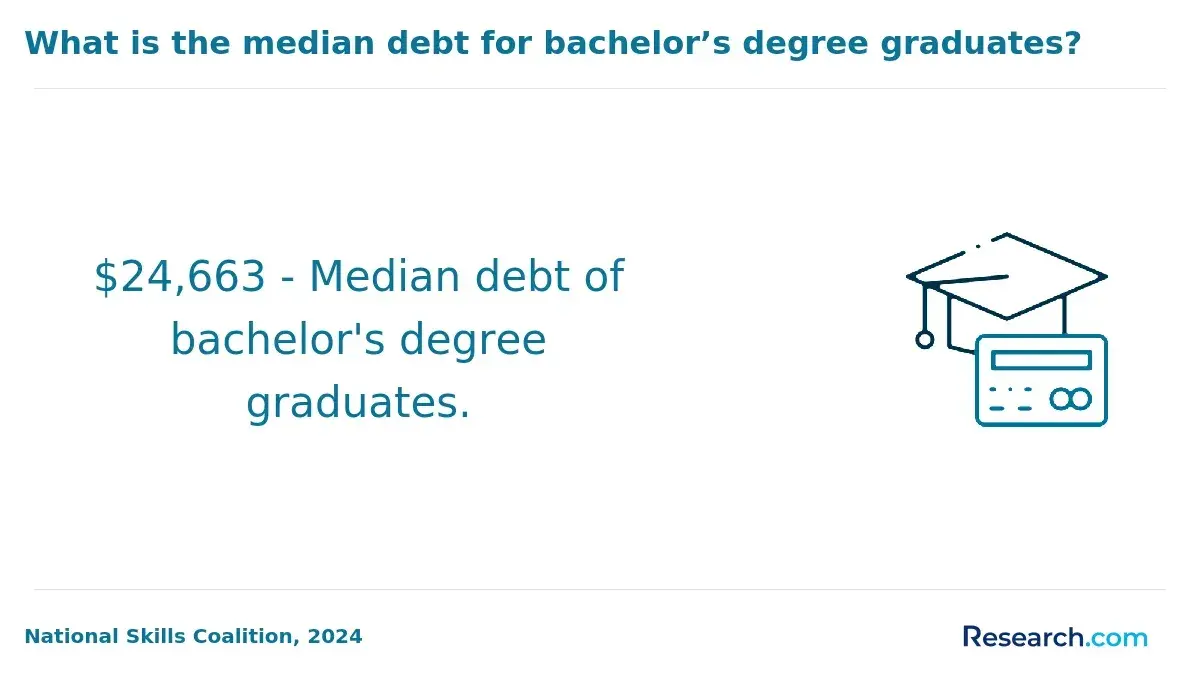
A bachelor's degree in social work, psychology, or a related field remains the baseline education for many family services roles, yet its practical value caps quickly without further study. Entry-level jobs commonly require this credential, but employer expectations and licensing for clinical or supervisory duties push most candidates toward a master's degree. Workforce data from the NIH/PMC review shows that fewer than 40% of social workers hold graduate degrees, which often serve as a gatekeeper for higher-responsibility roles like licensed counseling or intensive family interventions.
For instance, a human services worker in child welfare with only a bachelor's may handle monitoring and referrals but must obtain an MSW and accumulate field experience to become a clinical supervisor. This reality affects career trajectories and compensation, as many public agencies link pay scales and advancement directly to educational attainment.
Tradeoffs include the extra two years added to educational paths and field placements exceeding 900 hours. These represent a significant friction point for working professionals balancing immediate workforce entry against long-term gains. The highest degrees, such as doctorates, are usually reserved for research and policy, rather than direct family services practice.
Those evaluating family services degree requirements and educational paths for human services careers should also consider flexible options. For example, online MSW programs no gre required can reduce barriers to graduate credentials without compromising professional standards.
Which human services specializations support roles like family advocate, case manager, and child welfare worker?
Specializations in social work, family studies, and child welfare shape the most operationally relevant skill sets for family advocate, case manager, and child welfare worker roles within human services specializations for family advocate roles. These tracks hone crisis intervention, resource coordination, and client advocacy skills necessary to address complex family dynamics. For example, a family advocate managing at-risk populations must adeptly coordinate between legal frameworks, community supports, and psychological services-capacities refined through focused coursework in child welfare and social policy.
Programs emphasizing human services case management concentrate on assessment methods, care planning, and inter-agency collaboration, directly confronting the fragmentation case managers encounter in sectors like healthcare and education. A case manager in an urban public health department utilizes these competencies daily to synchronize diverse services efficiently, illustrating the practical relevance of specific case manager and child welfare worker human services fields.
Family studies integrate insights from psychology, sociology, and social work, preparing graduates to navigate systemic family issues while delivering culturally competent assistance. This multidisciplinary approach proves vital when socioeconomic or cultural barriers affect service access, particularly in rural or immigrant community case management.
Graduates face notable tradeoffs: social work degrees usually mandate state licensure but enable clinical practice; human services degrees afford broader case management roles but can limit wage progression. The median annual wage for social and human service assistants was $45,120 in May 2024, influenced by credentials and specialization.
Prospective professionals should align specialization with employer expectations, licensure prerequisites, and geographic job markets to optimize outcomes. Selecting programs with embedded practicum or internship opportunities also reduces entry barriers to frontline family services work. For those interested in advanced qualifications, exploring masters human resources can further enhance strategic positioning within the field.
How do online human services programs for family services compare with on-campus options?
Choosing between online and on-campus human services programs for family services involves weighing accessibility against practical training quality. Online programs offer schedule flexibility essential for working adults or caregivers but often place the responsibility on students to secure local internships, which may delay completion and impact hands-on skill acquisition. On-campus programs, by contrast, typically integrate structured practicum opportunities and immediate faculty mentorship, meeting employer expectations more directly, especially for roles in child and family social work.
Employers consistently prioritize candidates with verified field experience. Those in online programs must proactively find credible placements, sometimes without institutional support, which risks slower workforce entry or a weaker competitive stance. Campus-based programs tend to cultivate stronger employer relationships and mentorship networks-advantages that translate into smoother transitions into jobs paying a median wage of $62,920 with a projected 5% growth through 2034, according to Human Services Edu's interpretation of BLS data.
State licensure and agency preferences often lean toward graduates from accredited, in-person programs for their perceived rigor and supervised practice. This creates a challenge in rural or underserved areas where distance learning is the only viable option, demanding additional initiative from students to secure quality field placements. Ultimately, those seeking expedited licensure or employer networking should consider in-person programs, while online options suit students who can manage independent planning and self-discipline with less local infrastructure.
What courses and fieldwork are included in human services concentrations for family and child services?
Human services programs with a focus on family and child services require rigorous training that goes beyond theoretical frameworks, demanding proficiency in real-world intervention skills tailored to complex family dynamics. Coursework in child development, crisis intervention, and case management establishes a foundation, while specialized training in substance abuse prevention and behavioral disorders equips students to manage multifaceted family situations, such as identifying child neglect or domestic violence in protective services roles.
The necessity of supervised fieldwork-commonly at family service agencies or community health centers-cannot be overstated. Practical experience hones competencies in client assessment, interdisciplinary collaboration, and adherence to legal protocols governing child welfare. For instance, placements in substance abuse treatment programs prepare candidates for the intersectional challenges of addiction-related family disruption.
Graduates often enter roles as substance abuse, behavioral disorder, or mental health counselors, with a median annual salary near $59,190. This aligns with workforce demands favoring professionals who combine clinical knowledge with social support capabilities.
Prospective students face strategic tradeoffs: programs emphasizing clinical intervention may require further licensure but offer deeper therapeutic scope, whereas those prioritizing social work and advocacy might enable faster workforce entry but with different professional limits. Robust field experience paired with targeted coursework remains essential to meet employer expectations for adaptability and service readiness in high-pressure family service contexts.
How do you choose an accredited human services program with a strong family services specialization?
Accreditation by recognized bodies like the Council for Standards in Human Service Education (CSHSE) is essential when selecting a human services program specializing in family services because it ensures the curriculum meets employer standards and reduces the risk of subpar training. Programs lacking hands-on training such as internships or fieldwork in family-focused community organizations often leave graduates unprepared for the practical challenges of assessment, crisis intervention, and cultural competence required in workforce settings.
For example, community health roles demand prevention and intervention skills paired with real-world experience. Graduates from programs incorporating such elements generally enter the job market more efficiently and with better earning potential-the median wage for community health workers is $51,030 annually per Bureau of Labor Statistics data, indicating employer demand and financial viability at entry level.
Program flexibility is a significant factor, especially for working professionals; online or hybrid formats combined with strong agency partnerships enhance networking and job placement. Graduates of theory-heavy programs without career support often face delayed employment and lower salary outcomes.
- Prioritize programs offering integrated practical training and clear graduate outcomes data.
- Ensure specialization aligns with your target role, whether in child welfare, elder care, or family counseling.
What licenses or certifications might be required for family services roles in different states?
Licensing and certification requirements in family services vary widely by state and role, directly impacting employability and mobility. For instance, most states require Licensed Social Worker (LSW) or Licensed Clinical Social Worker (LCSW) credentials for counselors and case managers, often demanding graduate degrees and 2,000 to 4,000 supervised clinical hours before eligibility. In contrast, positions like prevention specialists or program coordinators may require less rigorous certifications, such as Certified Family Life Educator (CFLE), depending on state regulations.
Specialized roles, such as rehabilitation counselors working with families facing disabilities, typically require the National Certified Rehabilitation Counselor (NCRC) credential. This certification is broadly recognized and meets both practical and legal standards. Considering the reported median wage of $46,110 by the Bureau of Labor Statistics in May 2024, the investment in such qualifications can be justified by real economic outcomes.
Administrative prerequisites including background checks, CPR/First Aid training, and continuing education credits add layers of compliance that candidates often underestimate. For example, Kentucky mandates ongoing training in child welfare laws and crisis intervention, with renewals every two years. Employers frequently reject experienced candidates lacking the proper licensure due to liability concerns and risk management policies.
One practical challenge is license reciprocity: a social work license from Texas may not transfer to Illinois without additional exams or supervised hours. Navigating these state-specific requirements and their impact on workforce mobility is critical to avoid costly delays and income loss.
- Prioritize clear certification paths aligned with targeted state rules
- Factor in renewal and continuing education commitments
- Anticipate employer insistence on formal credentials even over experience
What is the typical salary range and earning potential for human services professionals in family services?
Salary trajectories for human services professionals in family-focused roles hinge critically on credentials, employer type, and geographic factors. Entry-level roles such as family support workers or case aides typically start around $35,000, especially within nonprofit or government settings constrained by budgets. In contrast, practitioners with master's degrees or licensure in social work, counseling, or marriage and family therapy often exceed $70,000 annually, particularly when employed by school districts, healthcare systems, or private practice environments seeking specialized skills.
Consider a social worker newly licensed in a metropolitan school district; their salary might be adjusted upward due to local cost-of-living and staffing shortages, yet this comes with higher case loads and intensified demands. By contrast, similar practitioners in rural or public agencies may face slower wage growth and stricter pay scales despite manageable workloads.
Successful advancement often requires state licensure or certifications, which improve negotiation leverage but also necessitate investment in time and education. Prospective candidates should weigh whether immediate accessibility of entry-level roles justifies lower compensation against the longer-term gains of advanced credentials and potentially higher stress.
Job seekers need to analyze local market conditions alongside national wage data, recognizing that private agencies and consulting roles may offer superior financial returns but depend heavily on professional networks and demonstrable expertise.
- Bureau of Labor Statistics median wage for school and career counselors: $65,140 annually (May 2024)
- Entry-level starting point near $35,000 in funded-constrained settings
- Advanced credentials typically yield salaries above $70,000
What is the job outlook and long-term career path for human services graduates in family services?
Employment growth for social and community service managers, the usual next step for family services graduates, is projected at 13% from 2022 to 2032, outpacing the average for all professions. This expansion is driven by increased funding and demand for integrated family support programs, but advancing beyond entry-level roles requires more than client-facing skills.
Early-career positions focus on direct case management within nonprofits, government, or healthcare organizations. Moving into supervisory or managerial roles means handling budgets, staff, and multi-site programs, often at the expense of hands-on client work. For example, a family services caseworker adept in data analysis and external partnerships might become a social services manager responsible for grant oversight and team leadership. This transition demands additional credentials and experience navigating organizational complexity.
Strategic skills in planning, budgeting, and regulatory compliance become essential as professionals move upward. Success measures shift from individual client outcomes to program-wide impact, requiring a broader operational perspective. According to Human Services Edu citing BLS data, social and community service managers earned a median wage of $86,100 in May 2024, illustrating the financial incentive to ascend despite increased administrative demands.
Careful consideration of these tradeoffs is critical for those evaluating family services as a pathway within human services, given the evolving role expectations and competency requirements inherent in leadership positions.
Other Things You Should Know About Human Services
Human services programs with a family services focus involve extensive fieldwork alongside classroom learning, requiring significant time management skills. Students must balance direct community engagement, which often includes emotionally intense environments, with academic responsibilities. Prioritizing programs that integrate practical placements early can improve readiness for employer expectations and reduce burnout.
Specialized credentials sharpen skills for family services roles but limit flexibility if career plans shift outside that niche. Broader degrees offer wider eligibility for roles but may require additional on-the-job training or certification to meet employer preferences in family-focused settings. For those certain of a family services path, investing in a specialized track typically yields faster employability and more relevant expertise.
Professionals who begin in human services family roles may initially find narrower advancement options compared to social work counterparts because of credentialing and scope of practice limits. However, solid experience in family services can pivot into management or policy positions within the same sector if combined with targeted graduate education or certifications. Early focus on networking and continuous professional development maximizes upward mobility.
References
- Social Work Careers https://socialworklicensemap.com/social-work-careers/
- Careers with a Degree in Human Services https://www.mhaonline.com/faq/careers-with-degree-in-human-services
- What Careers Can You Pursue with a Human Services Degree? - Grace Christian University https://gracechristian.edu/blog/what-careers-can-you-pursue-with-a-human-services-degree/
- Types of Social Workers: Exploring the Many Fields in Which They Serve https://www.umassglobal.edu/blog-news/types-of-social-workers
- Introduction to Family and Human Services | CTE Resource https://www.cteresource.org/career-clusters/human-services/introduction-to-family-and-human-services-1/
- Program Overview https://educationhumanservices.seattlecentral.edu/programs/social-and-human-services
- What is Human Services https://www.nationalhumanservices.org/what-is-human-services/
- Health and Human Services: Campus & Online Degrees and Careers https://www.publichealthonline.org/human-services/online-degree-programs/
- Program requirements https://www.byupathway.edu/bachelors-degree/family-and-human-services
- Guide to bachelor's in human services | edX https://www.edx.org/bachelors/human-services