2027 Best Online Human Services Degrees for School and Community Program Careers

Co-Founder and Chief Data Scientist
Working professionals aiming to enter or advance in school and community programs often face a pressing dilemma: how to secure a flexible, accredited degree that fits unpredictable schedules without compromising essential field experience. The U. S. Department of Education's recent data reveals a 22% surge in online enrollment for social science and human services disciplines, signaling growing demand yet intensifying competition for programs that balance rigor and accessibility. This shift highlights a persistent tension between immediate workforce needs and long-term credential value, especially for adult learners juggling multiple responsibilities.
This article evaluates the best online human services degrees specifically tailored for careers in school and community settings, focusing on accessibility, program quality, and career applicability to guide strategic enrollment decisions.
Key Things You Should Know
- Completion rates for online human services degrees average 58% nationally, with extended program lengths beyond four years increasing opportunity costs, signaling a tradeoff between accelerated completion and depth of supervised fieldwork.
- Employers rate direct client interaction experience 40% higher than GPA or school prestige in hiring human services graduates, emphasizing internships over institutional brand in workforce entry.
- Programs with integrated state certification pathways reduce credentialing delays by 25%, critically affecting time-to-employment and wage progression in public and nonprofit sectors post-graduation.
What is an online human services degree and how does it prepare you for school and community roles?
An online human services degree benefits school and community work by developing practical skills essential for rapid client needs assessment, crisis intervention, and program coordination. For instance, professionals managing after-school initiatives must evaluate engagement strategies quickly, a process supported by applied coursework focused on real-world constraints. The curriculum integrates psychology, social welfare policy, and ethics to prepare graduates for diverse populations such as at-risk youth or individuals with disabilities.
Key competencies include meticulous case documentation and interdisciplinary collaboration, which align with regulatory demands and institutional objectives. Graduates trained with these practical skills can effectively navigate complex social systems and advocate for clients' needs. However, the online format's flexibility requires disciplined time management and communication-traits valued in the growing remote or hybrid human services workforce.
Community and social service roles reported a median annual wage of $57,530 in May 2024, exceeding the median for all occupations. This wage premium reflects high demand for qualified professionals adept at managing increasing caseloads amid policy changes. Yet, regional licensing rules and placement quality during practicum components remain significant barriers impacting employability, making accredited programs with strong internship support critical for those pursuing a career pivot or advancement.
When evaluating how an online human services degree prepares for community service careers, candidates should weigh immediate workforce entry against potential advancement ceilings. Employers consistently favor applicants with demonstrated field experience and cultural competence. For a comprehensive comparison of related pathways, consider reviewing the online social work masters degree options available.
Which accredited online human services programs are best for school and community program careers?
Programs offering an accredited online human services degree for school careers must be scrutinized for their practical alignment with employer expectations, particularly regarding internship or practicum integration. Without these applied experiences rooted in real-world settings like schools or community agencies, graduates often face delayed entry into meaningful roles due to insufficient fieldwork credentials.
Earnings data reveal that individuals holding a bachelor's degree in human services earn a median of 61% more weekly compared to those whose education ends at high school ($1,493 vs. $927, 2024 data). This gap reflects the tangible economic return on investing in comprehensive, accredited curricula versus non-accredited or certificate-only tracks.
The best online human services programs for community and school services distinctly structure their offerings: candidates targeting school-related careers must engage with content on child development, education law, and special needs services, while community-focused students require skills in grant writing, program evaluation, and multicultural counseling.
Key program factors to evaluate include support for securing quality field placements and streamlined licensure processes. Programs that effectively address these elements reduce common student barriers that can otherwise elongate time to employment and credential attainment.
Prospective learners should also consider resources around career services and employer connections to support job placement, as selecting an accredited online human services degree with transparent outcomes can critically influence long-term professional success. For cost considerations regarding these pathways, consult the most affordable online counseling degrees.
How do online human services degrees compare to campus programs for quality and credibility?
Online human services degrees generally maintain equal credibility and quality comparison to traditional campus programs when offered through regionally accredited institutions. Employers prioritize candidates' verified competencies, relevant licensure, and hands-on experience over the degree's delivery method. Yet, the practical challenges diverge: a working parent pursuing an online bachelor's may struggle to secure supervised internships without the immediate local networks and faculty guidance available on campus. This distinction reflects a key tradeoff between the flexibility online programs offer-vital for non-traditional students balancing caregiving or jobs-and the structured mentorship that campus settings provide.
The workforce demand for qualified human services professionals is substantial, with the Bureau of Labor Statistics projecting around 313,700 openings annually from 2024 to 2034. Employers consistently seek mastery in client communication, case management, and ethical practice, all achievable through online learning but requiring intentional discipline and proactive field placement efforts. State licensure can also limit out-of-state practicum options, influencing the viability of some online pathways.
Students comparing online human services degrees versus traditional campus programs should weigh logistical constraints with curriculum rigor and consider their personal support systems. For those seeking cost-effective graduate education options in this field, exploring the cheapest MSW online programs may offer viable routes without compromising essential training standards.
What concentrations in human services lead to school and community program jobs?
Specializations in human services leading to education and community careers demand careful evaluation of licensing requirements and realistic employment contexts. For example, community outreach roles require navigating grant writing and program coordination complexities, which often overshadow direct service delivery. Concentrations like youth services prepare professionals for hands-on work with children and adolescents in settings such as afterschool programs or juvenile services, but these roles may offer limited salary growth compared to administrative paths.
School social work concentrations offer clearer licensure pathways and often lead to stable employment with predictable salary structures, though they require balancing emotional labor with regulatory compliance. Targeted coursework in crisis intervention and child development is valued by employers in educational settings. However, the necessity for authorized credentials can delay entry and add financial burdens, influencing candidate decisions.
The U.S. Bureau of Labor Statistics reports social and community service managers earn a median wage of $78,240, a practical benchmark when weighing program investments. Selecting a concentration with internship opportunities in local schools or nonprofits strengthens employability and career longevity in complex social environments.
Prospective students should also consider online options that compress timeframes without sacrificing essential field practice. For a comparative look at accelerated programs offering flexibility in psychology and related human services fields, resources such as online psychology degree guides provide valuable insights.
What courses and skills will you learn in an online human services bachelor's program?
Online bachelor's programs in human services train students in tangible skills directly linked to the demands of social assistance, healthcare, and education roles, where 64% of social and behavioral sciences graduates find employment per U.S. Census Bureau 2024 ACS data. Unlike psychology degrees that prioritize theory and diagnosis or social work programs requiring advanced clinical licensure, human services degrees focus on practical competencies like case management, crisis intervention, and program planning.
Graduates must navigate complex community systems, balancing empathy with regulatory documentation-a common scenario involves maintaining confidentiality while meeting audit standards in community mental health settings. Ethics and cultural competency are integrated throughout to prepare for work with diverse populations, aligning with sector-wide shifts toward equity and inclusion.
Key operational skills include data analysis for tracking client progress and communication strategies essential for managing multidisciplinary teams amid resource constraints or high caseloads. Field practicums or internships offer critical exposure to real-world challenges, making program selection based on practicum quality a significant factor for employability.
Critical considerations for prospective students:
- Readiness to combine academic theory with hands-on experience under supervision
- Developing adaptable communication skills for trauma-informed client interactions
- Understanding policy and advocacy to influence programming beyond direct service delivery
- Operating effectively within funding and compliance parameters
What are the admission requirements and application steps for online human services degrees?
Admission requirements for online human services degrees reflect the balance between academic preparedness and workforce relevance. Most programs expect a high school diploma or equivalent, official transcripts, and typically around a 2.5 to 3.0 minimum GPA. Applicants often submit personal statements that clarify their career objectives and motivation, which is critical given the self-directed nature of online study. Letters of recommendation are sometimes required, especially for more competitive or advanced tracks.
Standardized tests like the SAT or ACT have diminished in importance but may still be requested by some schools. Prior college credits or associate degrees can be evaluated for transfer, enabling shorter program completion-an advantage for working adults changing career paths. Professional experience in social services might substitute for academic prerequisites at certain institutions, though this varies widely.
Applying involves navigating an online portal, submitting all required documents, and paying an application fee. Admission deadlines align with semester schedules; missing them can delay enrollment for months, complicating timely career transitions. The average acceptance rate for online bachelor's programs at public four-year universities is about 76%, slightly higher than on-campus options, reflecting broader accessibility but not guaranteed admission.
Applicants should consider how practicum requirements and background checks impact scheduling and readiness. Understanding credit transfer rules upfront avoids unexpected costs and extended timelines. Meeting these admission conditions efficiently positions students to meet employer expectations for credentialed human services professionals and avoid costly delays when entering the workforce.
How long do online human services programs take and what do they typically cost?
Choosing between associate and bachelor's degrees in human services entails a clear tradeoff in time, cost, and career scope. Associate degrees typically require two years and target entry-level support roles, while bachelor's degrees demand around four years, qualifying graduates for supervisory and specialist positions. Realistically, working adults often extend bachelor's programs to six years via part-time study to balance income and coursework, whereas younger full-time students may prioritize speed to workforce entry.
Cost considerations vary widely: public four-year colleges charge an average in-state tuition of $11,260 per year, reflecting a 4.7% increase, while private nonprofit institutions average $42,100 annually. These figures omit additional expenses such as books and practicum fees, which add significant financial strain. Maintaining enrollment over extended periods increases total costs, making accelerated programs financially attractive but demanding more intensive time investment.
Employers in human services prioritize both credential completion and practical experience, compelling candidates to weigh upfront financial and time commitments against longer-term employability and career growth. Key factors to evaluate when selecting a program include:
- Flexibility in scheduling for working professionals
- Accessibility of practicums that integrate with employment goals
- Financial aid availability beyond sticker price
For a nuanced, evidence-based overview of human services degree pathways and institutional pricing, see the College Board's Trends in College Pricing 2024.
What careers can you pursue with an online human services degree in schools and communities?
Graduates holding an online human services degree navigate roles requiring both administrative oversight and direct client interaction, reflecting distinct skill demands. For instance, a community program coordinator must simultaneously manage limited budgets and demonstrate impact through grant writing and data-informed communication. In contrast, school counselors engage closely with students, families, and educators, necessitating knowledge of mental health protocols and education law compliance.
Both roles underscore the importance of state-specific licensure or certification, which extends the pathway beyond degree completion. Employers, especially in public and nonprofit sectors, expect candidates to combine practicum experience with cultural competence and measurable outcomes.
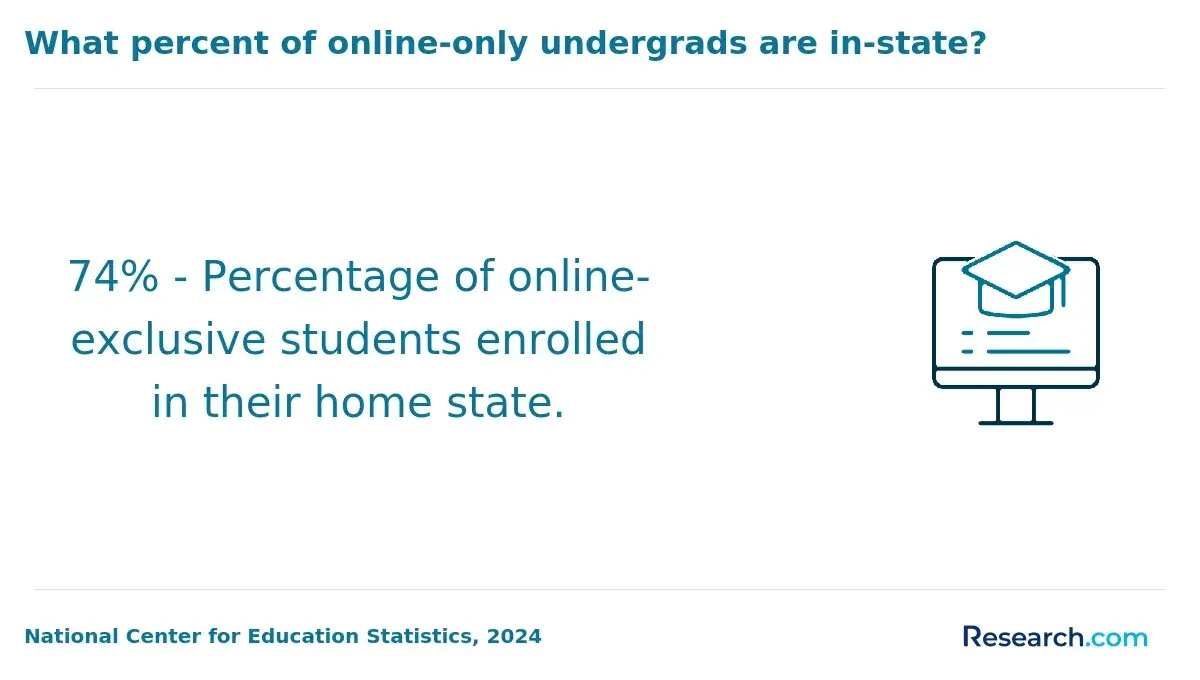
While roughly 61% of U.S. undergraduates take online courses, with 30% exclusively online according to IPEDS data, acceptance hinges on institutional accreditation and authentic internship opportunities. Programs offering flexible schedules are particularly relevant for working adults balancing employment or caregiving, yet students must scrutinize how well clinical placements integrate with hands-on community services.
Choosing an online human services program involves evaluating how well it aligns with practical workforce demands:
- Proficiency in data-driven assessment and reporting
- Skills in stakeholder engagement across diverse populations
- Adherence to ethical standards and regulatory requirements
Understanding these factors helps anticipate real-world challenges and ensures the degree translates into viable employment rather than limiting career prospects.
How much do human services professionals earn and what is the job outlook in education and community settings?
Human services professionals in education and community roles face notable salary disparities influenced by geographic and sector-specific demands. While OnlineU's 2026 ROI analysis estimates median early-career salaries near $43,000, increasing to approximately $63,000 mid-career, urban and nonprofit employers in high-cost regions often pay at or above this latter figure, contrasting with lower rural or smaller program salaries. Such variation underscores the importance of selecting accredited programs with solid graduate outcomes and integrated practicum opportunities focused on social welfare policies and case management skills.
Employers typically seek candidates combining field experience with credentials tailored to program coordination, counseling, or outreach specialist roles. For example, community center hiring managers weigh both knowledge of social welfare frameworks and hands-on internship experience when considering applicants. Beyond initial hiring, salary compression at entry levels demands professionals build supervisory or specialized expertise-particularly in mental health, substance abuse, or family services-to access higher-paying positions managing complex caseloads.
Employment growth prospects for social and community service managers remain strong, projected at 12% through 2032 by the U.S. Bureau of Labor Statistics, fueled by expanding demand in public and private sectors. Consequently, prospective students must weigh how program curricula align with required certifications or licensure, regional salary trends, and practical skill development to ensure a measurable 20-year return on investment in this field.
How can you evaluate and choose a reputable, accredited online human services program?
Selecting an online human services program requires prioritizing regional accreditation recognized by the U.S. Department of Education, as it directly influences employer credibility and eligibility for federal aid. A 2024 SHRM survey confirms that 92% of HR professionals now value such credentials at least as highly as five years ago, reflecting a clear hiring preference that impacts job prospects.
Program content must extend beyond theory to include internships or fieldwork, equipping students with applied skills essential in roles like case management or community outreach. For example, a candidate targeting substance abuse counseling should verify coverage of addiction studies and behavioral health to meet employer expectations in client assessment, crisis intervention, and ethical decision-making.
Graduation and job placement rates offer measurable insight into a program's capacity to facilitate workforce integration. Institutions engaged with local agencies typically provide stronger practicum opportunities and networking, which are crucial for licensure and real-world experience.
Logistical considerations such as asynchronous versus synchronous course delivery and transparent tuition costs affect student ability to balance work and avoid financial setbacks that can delay career progress.
Student feedback on faculty accessibility and technical support is an often overlooked but critical factor, as inadequate online infrastructure frequently impairs learning outcomes in this field.
Other Things You Should Know About Human Services
Certification requirements vary by state and specific job roles within human services, especially for positions in school and community programs. Earning credentials such as the Certified Human Services Professional (CHSP) can increase employability and potentially salary, but may require additional coursework or supervised hours beyond the degree. Candidates should assess if their target employers prioritize certifications when choosing their educational program and plan accordingly.
Online human services degrees often demand strong self-discipline due to asynchronous coursework combined with field placements or internships that must be arranged locally. Working students will face balancing academic deadlines with the time-intensive nature of community or school-based practicum hours. Selecting a program with flexible scheduling and clear support systems is essential to handle this dual commitment effectively.
Programs with established partnerships in local schools or community organizations provide a critical advantage for practical training and job placement networks. These connections ensure access to relevant field experiences and often lead to employment referrals after graduation. Students aiming for school or community roles should prioritize programs that facilitate hands-on opportunities aligned with their career goals to maximize workforce readiness.
References
- Online Bachelor's Degrees in Human Services: Top Schools https://www.edumed.org/online-schools/human-services-degrees/bachelors/
- 4 Human Services Careers https://www.albany.edu/education/communications/human-services-careers
- Health and Human Services: Campus & Online Degrees and Careers https://www.publichealthonline.org/human-services/online-degree-programs/
- What do you learn in a bachelor's in human services? | edX https://www.edx.org/resources/what-do-you-learn-in-a-bachelors-in-human-services
- What Careers Can You Pursue with a Human Services Degree? - Grace Christian University https://gracechristian.edu/blog/what-careers-can-you-pursue-with-a-human-services-degree/
- 7 Top Bachelor's Programs in Human Services Across New York State - Counseling Degrees New York https://counselingnewyork.org/bachelors-programs/
- What Are My Career Options After a Course in Human Services? https://columbia.ca/career-options-after-a-course-in-human-services/
- What is Human Services https://www.nationalhumanservices.org/what-is-human-services/
- 22 Best Associate Degree in Human Services - Social Work Degree Center https://www.socialworkdegreecenter.com/best-human-social-services-associate-degrees/
- Human Services Online - Saint Mary-of-the-Woods College https://www.smwc.edu/departments/social-behavioral-sciences/human-services-online/