2027 Online Human Services Degrees for School and Community Program Roles

Co-Founder and Chief Data Scientist
When juggling full-time employment and family obligations, students aiming to enter school and community program roles in human services face a narrow window for education that fits their complex schedules. Traditional campus-based programs often demand rigid attendance, excluding many capable candidates. Meanwhile, the National Center for Education Statistics reports a 12% surge in online enrollment among adult learners since 2023, signaling a shift toward flexible learning that accommodates workforce demands and life pressures. This trend reveals how accessibility and adaptability in program delivery materially influence both entry timing and career mobility in a sector with growing service needs.
This article evaluates leading online human services degree options tailored for school and community roles, focusing on flexibility, program quality, and alignment with employer expectations to guide strategic education decisions.
Key Things You Should Know
- Online human services degrees average 18-24 months shorter pathways than traditional programs, but enrollment data from NCES 2024 reveal accelerated pacing increases attrition risks, pressuring students to balance speed versus retention.
- Employer surveys from the National Association of Social Workers 2024 confirm 62% prioritize candidate field practicum quality over online coursework volume, urging students to select programs with robust community-based placements.
- State licensure variability creates cost and timeline disparities; BLS projections show candidates in five states face up to 30% higher credentialing expenses and 6-month longer approval periods, necessitating location-specific educational strategies.
What are online human services degrees for school and community roles?
Online human services degrees for school programs offer targeted preparation for roles that require coordination among educators, families, and social agencies to manage student behavioral and socio-economic challenges. Candidates pursuing community human services degree programs online gain skills in outreach design and resource navigation, essential for addressing needs within at-risk groups. The curriculum commonly mixes theory and applied practice, covering counseling fundamentals, ethical frameworks, public policy, and crisis management, often supplemented by internships or practicum requirements that can be virtual or local.
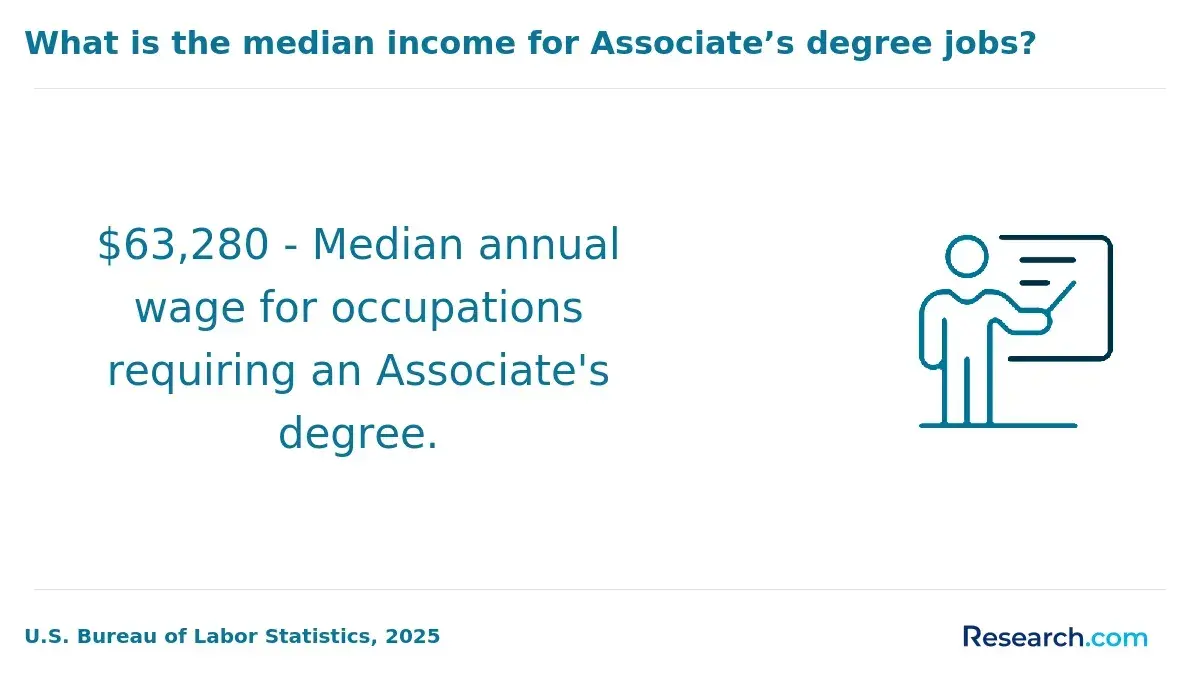
A critical tradeoff for students balancing work or caregiving is the often unavoidable need for in-person fieldwork to meet certification standards. This can complicate scheduling but remains a practical necessity to gain supervised experience relevant to schools or nonprofit agencies. Graduates tend to earn a median annual wage above the overall average, indicating that specialized human services training paired with applicable experience drives better economic outcomes.
Choosing an online degree should factor in program accreditation and the availability of practicum placements within one's community for effective integration into the workforce. For individuals interested in related specialized fields, it's worth exploring options like those to become a drug counselor online, which require distinct credentials and offer different career trajectories.
Which accreditation should online human services programs have?
Regional accreditation remains non-negotiable for online human services program accreditation because it governs credit transferability, eligibility for federal aid, and acceptance for state licensure. Regionally accredited human services degrees signal to employers and licensing boards a verified academic standard critical for roles in social services and school-based programs. For example, graduates aiming for state licensure in school or community settings must often come from institutions accredited by recognized bodies like the Higher Learning Commission or Middle States Commission on Higher Education.
Programmatic accreditation through organizations like the Council for Standards in Human Service Education (CSHSE) directly influences licensure eligibility and workforce credibility. In practical terms, a career pivot from retail to licensed social service work hinges on completing both regional and program-specific accreditation to avoid facing employer reluctance or delayed credentialing.
With over 300,000 projected annual openings in social service roles, the market favors candidates from programs recognized by both institutional and specialized accreditors. National accreditation often lacks weight among employers, limiting job placement and licensure prospects.
Applicants should verify accreditation status carefully and select programs aligned with licensure laws and employer demands in their intended state or sector. Considering program costs and credibility, those researching pathways should consult resources like most affordable online school counseling degrees to balance quality and expense.
Do online human services degrees meet licensing requirements?
Licensure in the human services sector fundamentally depends on state approval for online human services degree programs and their alignment with specific career tracks. States commonly mandate degrees from accredited institutions that embed defined competencies and supervised fieldwork, but requirements vary noticeably. For instance, a social and community service manager must demonstrate direct field experience in community agency settings; without this, graduation does not ensure licensure eligibility, often requiring supplemental supervised hours that delay entry into the workforce.
Accreditation by bodies like the Council for Accreditation of Counseling and Related Educational Programs (CACREP) or the Council on Social Work Education (CSWE) is often non-negotiable for roles such as licensed social workers or counselors. Employers and licensing boards scrutinize practicum or internship components, which usually must occur in person under qualified supervision to meet state criteria.
Prospective students evaluating an online human services degree licensing requirements in the United States should:
- Confirm state-specific licensing standards prior to enrollment.
- Choose programs accredited by recognized agencies and offering required practicum hours.
- Anticipate potential requirements for extra supervised experience after graduation.
Those who navigate these complexities can access higher-paying roles; social and community service managers reported a median salary of $78,240 in May 2024, substantially above the U.S. median wage. For those prioritizing cost alongside compliance, researching the cheapest online MSW programs may offer cost-effective pathways without sacrificing licensure prospects.
What courses are in an online human services curriculum?
Online human services degree courses prioritize competencies that directly respond to workforce demands across schools and community programs. For example, case management prepares students to coordinate resources-a practical necessity in settings like school counseling or community health agencies managing diverse client needs. Counseling techniques develop communication skills essential for roles ranging from child protective services to adult rehabilitation. This hands-on curriculum for online human services programs also integrates ethics and cultural diversity, addressing regulatory compliance and interpersonal dynamics in multicultural environments.
Students face a tradeoff with field placements, which are integral to applying theory but often require proactive coordination due to logistical constraints. Electives in substance abuse, trauma-informed care, and mental health disorders let students tailor their expertise, reflecting employer requirements for specialized knowledge. Additionally, research methods and program evaluation are key for graduates expected to measure intervention effectiveness and support funding justification in nonprofits and public agencies.
Cost is a significant consideration: the University of Arizona's degree charges $460 per credit as of October 2024, representing savings over $1,000 annually compared to the national average for four-year in-state programs. This affordability supports working professionals managing education alongside employment obligations. Prospective students should assess how these financial and practical realities align with their career goals and capacity for on-the-ground engagement.
For a broader context on accelerated options in related fields, consider exploring the online accelerated psychology degree programs that can complement social services expertise.
How do online, hybrid, and campus programs differ?
Choosing between online, hybrid, and campus human services programs significantly shapes one's career readiness and employer appeal. Online formats provide unmatched flexibility, ideal for working professionals or caregivers needing to avoid relocation or daily commuting. However, they demand strong self-motivation and often lack the immediate hands-on training and networking opportunities valued by many employers.
Hybrid programs offer a strategic balance, combining remote coursework with essential in-person experiences such as labs or cohort workshops. This model supports those who require some structured interaction and skill application, enhancing practical competencies and community connections critical in roles demanding interpersonal or fieldwork expertise.
Fully campus-based programs deliver immersive access to faculty, facilities, and peer collaboration, often leading to better integration of internships or practicum placements-key for supervisory or clinical human services jobs where direct experience is non-negotiable.
Degree level also influences outcomes: bachelor's degrees remain the prevalent credential in general human services, suggesting employers prioritize candidates with a foundational mix of theory and field experience. For example, a working adult targeting management in community services might gain more from a hybrid model that preserves employment while building skills, while entry-level practitioners typically benefit from campus programs offering immediate practicum access.
Understanding these delivery tradeoffs is essential to align educational choices with long-term workforce goals and realistic pathways.
What admissions requirements do human services programs usually ask for?
Entry into online human services degree programs commonly requires a high school diploma or GED, yet the practical hurdle often lies in meeting GPA minimums (usually between 2.5 and 3.0) that screen for sustained academic performance. For candidates aiming at K-12 school-related support roles, prior coursework or experience in education, social services, or psychology can differentiate applicants, aligning skill sets with sector demands.
While test-optional policies have become prevalent, some programs still request SAT or ACT scores, which may disadvantage those unable to demonstrate aptitude through testing. Written personal statements and letters of recommendation remain pivotal to assessing applicants' motivations and community engagement beyond transcripts alone.
Programs involving field placements usually mandate background checks and immunization records, reflecting workplace safety and compliance realities that affect admissibility. For nontraditional students, work experience can sometimes substitute academic prerequisites, an important consideration given the projected 313,700 annual job openings requiring qualified professionals who balance theory and practical application.
Applicants must also demonstrate digital literacy and time management, as online delivery demands self-directed study and tech competence. Employers prioritize completion of accredited programs meeting these admission benchmarks, recognizing these markers as proxies of candidate reliability and preparedness for complex human services roles within schools and communities.
How long do online human services degrees take to finish?
Completing an online human services degree requires careful navigation of time and practical commitments that directly impact career trajectories. Typically, associate programs span around two years full-time, while bachelor's degrees take about four years, yet accelerated tracks and prior credits may reduce a bachelor's timeline to as little as 18 to 24 months for experienced professionals. Part-time study often extends beyond four years, reflecting a critical tradeoff between balancing work and education.
For those aiming at leadership roles in social and community service management, this timing matters significantly. The U.S. Bureau of Labor Statistics projects a 6% employment growth from 2024 to 2034 in these areas, with approximately 18,600 job openings annually. However, employers seek candidates who pair academic credentials with relevant field experience, mandating students to juggle coursework alongside internships or employment.
Key considerations include:
- Program flexibility and credit transfer policies to avoid unnecessary delays
- Practicum requirements, which often involve local fieldwork that can lengthen completion times due to logistical challenges
- The balance between full-time enrollment for faster entry and part-time study supporting ongoing employment
Failing to plan clear timelines can increase overall expenses and postpone eligibility for higher-salary positions. Prospective students should critically assess these operational factors to align educational choices with realistic career expectations and workforce demands.
How much do online human services degrees cost?
Choosing between bachelor's and master's degrees in human services hinges on weighing immediate costs against long-term earning potential and job scope. Bachelor's programs at public universities usually total $40,000 to $70,000, with private schools exceeding $90,000, while master's degrees vary from $20,000 for accelerated tracks to $75,000 at top-tier institutions. These figures exclude ancillary costs such as textbooks, fees, technology, and clinical placements, which can add several thousand dollars.
The labor market rewards master's credentials with an average salary around $57,000, compared to approximately $39,000 for those holding a bachelor's, reflecting a $18,000 annual premium. This differential can recoup the higher graduate tuition within four years, particularly for roles requiring supervisory or specialized clinical expertise.
For professionals pivoting careers, investing in a master's degree can be a rational financial decision when aligned with roles that leverage advanced skills. Conversely, candidates constrained by budget or needing swift employment might opt for bachelor's programs coupled with certifications or employer tuition assistance, balancing affordability with incremental credentialing.
Key considerations include verifying program accreditation and employment outcomes, as financial aid or flexible online formats can alleviate upfront costs but do not guarantee salary gains. Practical decision-making depends on understanding these tradeoffs and how educational choices translate into measurable workforce advantages.
What jobs can you get with a human services degree?
A human services degree opens pathways to roles such as case managers, community outreach coordinators, social service assistants, and program directors in nonprofit and government sectors, all requiring distinct operational skills. For instance, a case manager working within a regional health network must adeptly navigate complex healthcare eligibility rules and secure client resources, which demands familiarity with documentation standards and client advocacy. Employers frequently prioritize candidates with relevant certifications related to mental health, substance abuse counseling, or social work licensure due to increasing regulatory demands.
Job availability fluctuates considerably by region, as evidenced by data from the American Community Survey and Bureau of Labor Statistics pinpointing metropolitan hubs like Phoenix, AZ; Clearwater, FL; and South Hooksett, NH. These areas experience expanded social programs and community health initiatives, which simultaneously increase openings and competition, especially for candidates with specialized skills.
Career trajectories diverge notably depending on sector: school program coordinators focus heavily on compliance with federal education mandates and managing specialized services, whereas community program directors prioritize grant management and fiscal oversight. Graduates must carefully align their continuing education and credentials with sector-specific requirements, because employers often prefer master's-level qualifications and professional certifications, which can create significant barriers to advancement without proper planning.
What salary and job outlook apply to human services careers?
Entry-level wages in human services often start near $35,000 for roles like case managers or community outreach coordinators but can surpass $60,000 for program directors or licensed counselors. This wide range reflects both role specialization and geographic factors, with urban areas generally offering higher compensation and broader role availability than rural regions. Employment growth for social and community service managers is forecasted at 17% through 2034, signaling sustained demand amid expanding needs in healthcare, substance abuse, and family welfare sectors.
Choosing affordable educational programs-especially online options charging under $12,000 annually-can significantly impact one's ability to enter this field without excessive debt. For working adults, the availability of flexible, low-cost online programs enables ongoing employment while acquiring necessary skills. However, mere completion of a bachelor's degree is often insufficient; advanced credentials like master's degrees or certifications in counseling and social work play a pivotal role in accessing higher-paying positions and demonstrating competence.
Key considerations include:
- Assessing tuition investment against expected salary improvements and credentialing requirements.
- Recognizing licensure and verifiable experience as non-negotiable for many employers due to complex client needs.
- Understanding geographical pay disparities and job access limitations.
This pragmatic approach helps individuals navigate education choices with clear awareness of workforce realities rather than assumptions about quick career gains or uniform returns.
Other Things You Should Know About Human Services
In 2027, online human services degrees are increasingly respected by employers, thanks to advancements in technology and stringent accreditation standards. Many institutions offer high-quality curricula and virtual practical training, equipping graduates with skills comparable to those from traditional programs.
Hands-on training in human services is essential but can be variable across online programs. Those providing mandatory field placements or supervised practicums enhance job readiness by exposing students to real client interactions and workplace protocols critical to community or school settings. Selecting online degrees that integrate local partnerships for practicums is crucial to ensure experiential learning matches the complexity and stress of actual human services roles.
Managing a full-time job alongside an online human services program is feasible but complicated by practicum obligations that demand fixed hours in community or school settings. These commitments often require daytime availability, limiting the scheduling flexibility online classes provide. Students should prioritize programs with flexible practicum arrangements or evening/weekend placement options to mitigate conflicts and maintain progress without sacrificing work or financial stability.
Specialized concentrations align closely with specific job roles and can enhance employability in targeted fields like school counseling or substance abuse support but usually require more focused coursework and may limit future lateral moves. General human services degrees offer broader foundations and adaptability but might not meet specialized employer expectations for certain roles. For career pivots aiming at specialized clinical or community intervention roles, prioritizing an online program with a relevant concentration and practicum is recommended.
References
- FAQ https://www.cshse.org/faq
- Bachelor of Arts in Human Services | Whitworth Online https://online.whitworth.edu/human-services/
- Current and Projected Trends in Human Services https://humanswhoserve.wp.txstate.edu/current-and-projected-trends-in-human-services/
- Choosing a bachelor's in human services | edX https://www.edx.org/resources/how-to-choose-a-bachelors-in-human-services
- Human Services | Reynolds Community College https://www.reynolds.edu/programs/program-pages/human-services-aas.html
- Hybrid class vs. online: Choosing the best for your student https://www.asuprepdigital.org/blog/hybrid-class-vs-online/
- Online Health And Human Services Associate Degree Program | Ultimate Medical Academy https://www.ultimatemedical.edu/program/health-and-human-services/
- Associate Degree - Human Services - Online | Monroe University https://www.monroeu.edu/academics/undergraduate-programs/school-criminal-justice/online-associate-degree-human-services
- Difference between Hybrid, Online & In-Class Degree Programmes | BSBI https://www.berlinsbi.com/blog/what-is-the-difference-between-hybrid-online-and-in-class-degree-programmes
- Health and Human Services: Campus & Online Degrees and Careers https://www.publichealthonline.org/human-services/online-degree-programs/