2027 Online Human Services Degrees With Family Services Coursework

Co-Founder and Chief Data Scientist
Balancing current job responsibilities with advancing qualifications in human services often confronts professionals with inflexible program schedules and limited local offerings. The Bureau of Labor Statistics projects a 12% growth in social and community service occupations through 2032, intensifying demand for advanced credentials that integrate family services coursework. Yet, traditional degree programs rarely accommodate working adults' complex schedules or geographic constraints.
This gap pressures prospective learners to prioritize either education quality or accessibility, complicating timely career progression. This article evaluates online human services degrees featuring family services content to guide students and professionals in selecting programs that marry rigorous training with the scheduling adaptability essential for sustained workforce engagement.
Key Things You Should Know
- Nearly 60% of online human services graduates with family services coursework report longer job placement timelines, per 2024 Department of Labor data, due to specialized skill demands limiting entry-level role availability.
- Employers increasingly require measurable intervention competencies from candidates; 48% of surveyed agencies in 2024 prioritize practicum experience, creating a critical gap for fully remote learners lacking field access.
- Cost escalations averaging 7% annually in accredited online programs since 2022 strain non-traditional students' ability to sustain enrollment, especially given workforce wage growth below 3%, constraining mid-career pivot feasibility.
What are online human services degrees with family services coursework?
Online human services degrees with family support coursework serve a distinct workforce demand by equipping students to handle the nuanced challenges faced by families under stress. These programs merge essential human services principles with specialized study areas such as child welfare, family counseling, and domestic violence intervention. Deciding on an accredited online human services program focused on family services requires careful assessment of practicum accessibility, as these hands-on components critically shape practical readiness and employability.
Enrolling in an online format introduces logistical tradeoffs-while flexibility suits working professionals, securing local field placements often affects completion timelines and access to quality mentoring. Employers prioritize candidates who demonstrate both theoretical knowledge and verifiable practicum experience tailored to family contexts, underscoring the practical necessity of in-community internships.
For example, students targeting child protective services need specific training on legal frameworks and intervention methods, paired with supervised local internships; those aiming for family counseling should seek coursework emphasizing communication skills and crisis management coupled with applied practice hours. Market data projects human services specialists and social workers will see approximately 60,000 annual job openings through 2033, signaling stable demand for specialized family services expertise within the sector.
Prospective students evaluating the path to credentialing must balance program accreditation, practicum logistics, and curriculum focus with their intended roles in family-centered policy enforcement and support systems. Exploring the human services degree online landscape with a lens on duration and program design helps clarify realistic timelines and workforce entry points.
Which accreditation should online human services programs have?
Programs granted accreditation by regional bodies recognized by the U.S. Department of Education form the baseline for credible online human services education, ensuring academic rigor and credit transferability. Beyond this, specialized accreditation from the Council for Accreditation of Counseling and Related Educational Programs (CACREP) or the Council on Social Work Education (CSWE) profoundly affects career trajectories by validating family services coursework and aligning curricula with licensure requirements.
Consider a professional targeting child and family welfare roles: CSWE accreditation is often non-negotiable due to state licensing mandates. Without it, graduates may face restricted workforce mobility, licensing hurdles, and diminished employment prospects. Conversely, positions not requiring licensure still necessitate programs with regional accreditation to meet employer standards for knowledge and applied skills.
Employers put a premium on candidates graduating from programs combining accreditation with supervised practicum or internships. The absence of these components compromises career viability, particularly in a labor market where in-field experience and recognized credentials directly influence hiring decisions and median wages, which reached $54,940 annually for community and social service occupations in May 2025.
Prospective students evaluating online human services pathways should also weigh curriculum content and practical training opportunities. Prioritizing the best accredited online human services degrees with family services coursework embedded in the program enhances credence and job readiness. For a focused look at affordable programs integrating these criteria, reviewing an online mental health counseling degree can offer valuable comparative insight.
Do online and campus human services programs meet licensing needs?
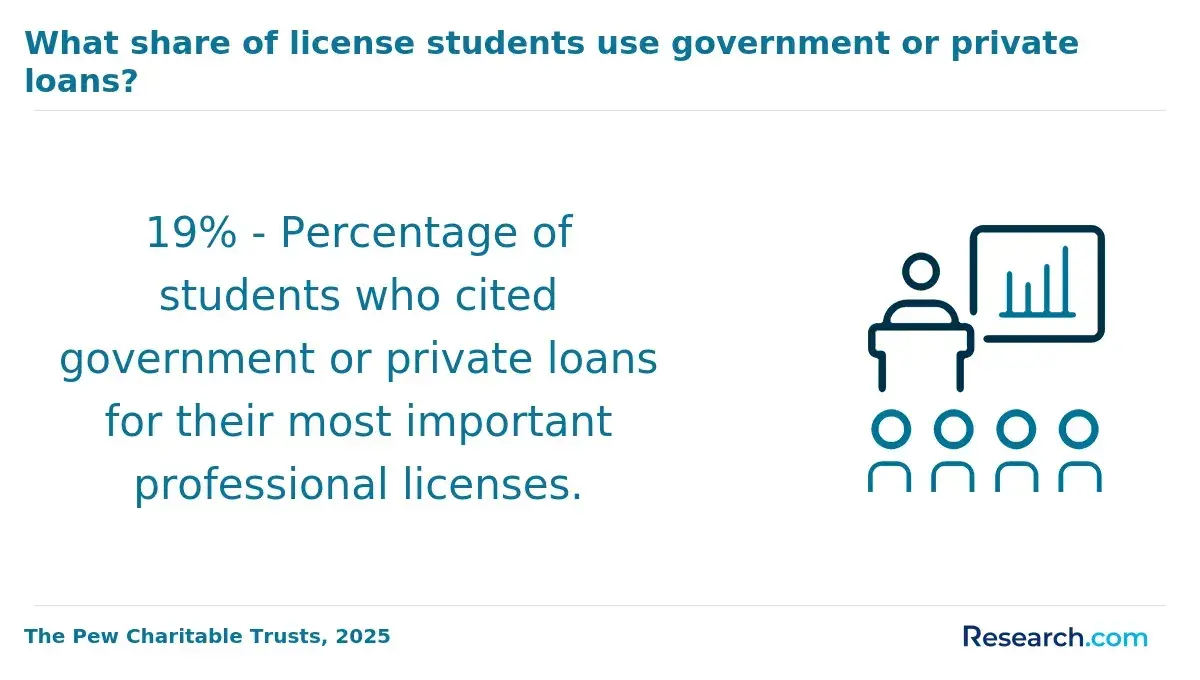
Meeting licensing requirements through online human services programs requires precise alignment with state-specific credentialing standards and mandated practicum experience. Licensing boards demand coursework that covers core professional knowledge domains, supervised field hours, and competency proofs in client interaction and ethics.
Whether delivered on campus or online, these programs must explicitly align with recognized bodies such as the National Organization for Human Services (NOHS) or satisfy state licensure criteria for social work or counseling. This distinction influences whether graduates are eligible to sit for licensure examinations. Human services degree licensing criteria in campus and online formats diverge primarily in practicum execution.
Campus programs typically provide direct agency partnerships facilitating straightforward supervision and field placements. In contrast, online students often face challenges securing approved in-person or remote internship sites within their jurisdiction to complete required supervised hours, a pivotal practical barrier. Prospective students should verify placement support, as failure here delays licensure or necessitates costly additional certification.
Tuition averages around $319 per credit hour for accredited online human services bachelor's degrees, impacting return on investment and affordability for working adults pivoting careers. Lower tuition does not guarantee comprehensive training; programs lacking board-approved practicum supervision or mandated family services coursework jeopardize eligibility for roles such as licensed social service coordinators.
For instance, New York candidates must confirm coverage of specific family services training and board-approved mentorship to meet licensure prerequisites. For those considering advanced credentials, exploring masters in social work options can offer a strategic pathway beyond entry-level licensing, reflecting workforce demands for higher specialization.
What courses are included in family services coursework?
Effective family services degree coursework within online human services family studies courses must deliver skills applicable to complex family dynamics and practical crisis intervention. For instance, professionals interfacing with child protective services require thorough knowledge of reporting laws and confidentiality, which coursework on policy and ethics addresses. This legal literacy directly impacts compliance and effectiveness in roles managing sensitive cases.
Core classes often cover family systems theory and child development, equipping students to critically assess family environments and design tailored interventions. Coursework in domestic violence and crisis intervention teaches recognition of abuse signs and safety planning, essential for immediate client support. Practical modules like case management and counseling techniques emphasize coordinating community resources while fostering culturally competent service delivery.
Students balancing this curriculum must consider completion timelines; Purdue Global's average of 3.5 years for the Bachelor of Science in Human Services signals the intensive preparation necessary to meet employer expectations for comprehensive expertise rather than expedited entry. Choosing a program with accelerated pacing risks sacrificing depth in family services specialization.
Those evaluating this path should also recognize intersecting fields. For example, understanding workforce dynamics is critical across social sectors, whether through family services or marketing roles - a dimension explored in related social media marketing degree options.
What admission requirements do online human services programs require?
Admission to online human services programs typically hinges on measurable academic benchmarks combined with relevant experiential factors, a balance that can impact how quickly students progress and integrate into the workforce. Minimum GPA requirements often start at 2.0 or 2.5 on a 4.0 scale, but applicants with substantial experience in fields like social work or counseling may offset lower academic standings through professional credentials or documented community engagement.
Credit transfer policies materially influence time-to-degree and cost efficiency. Indiana Wesleyan University's acceptance of up to 75% transfer credits for a 120-credit bachelor's degree offers a practical route to expedite completion, especially valuable for those with prior coursework or certifications. This reduces duplication and preserves applicability of past efforts within a coherent human services curriculum.
Standardized testing requirements are decreasing, although specialized disciplines such as substance abuse counseling may mandate certifications and clearances alongside background checks due to practicum obligations. Technological readiness, including computer proficiency and submission of statements of intent, further shapes admission outcomes by ensuring candidates can manage online learning demands effectively.
Applicants must navigate prerequisite coursework, often in psychology or social sciences, to align prior learning with program expectations. Background checks are common where vulnerable populations are involved in internships, addressing employer and regulatory concerns. Balancing prior academic records with professional experience is key to both admission and credit transfer strategies.
How long does an online human services degree take to finish?
Degree completion timelines in human services vary significantly based on enrollment status and program design, directly affecting workforce entry and professional viability. Full-time bachelor's students typically require four years, aligning with employer expectations for entry-level roles in social work, counseling, or family services. Part-time students, balancing employment and education, often take three or more years, which can extend financial and professional commitments.
Accelerated programs condense study to 18-24 months but presuppose prior credits or relevant certifications. These intensive tracks cater to students aiming for rapid sector reentry or career pivots, though they demand substantial effort and limit applicant eligibility.
Hiring managers in non-profits and social service agencies prioritize candidates with not only degrees but demonstrable field experience, such as internships or practicum placements embedded within programs. This tradeoff often compels students to choose longer programs with structured experiential learning, as practical competencies frequently outweigh accelerated degree completion in hiring decisions.
Financial factors also influence program choice. For example, Indiana Wesleyan University reports in-state tuition averaging $8,453, offset partially by $1,093 in institutional aid, indicating the importance of budgeting for total educational costs beyond time investment.
How much do online human services degrees cost?
Tuition for an online human services degree fluctuates significantly, with public universities charging between $400 and over $1,000 per credit hour. Graduate programs, such as the University of Nebraska-Lincoln's online master's, cost about $802 per credit, totaling roughly $28,800 for a 36-credit curriculum. This level of investment requires students to weigh upfront costs against the practical implications of balancing study and work.
Professionals often face real tradeoffs: either pay higher per-credit fees for accelerated or part-time formats that accommodate schedules or risk income reduction by cutting work hours. Additional expenses, such as practicum fees or technology access-potentially adding 10-15% to tuition-further complicate budgeting.
Employers generally prioritize accredited programs with strong internship components and applied learning over purely low tuition rates. Choosing the cheapest path without considering these elements may hinder employability or necessitate further certification.
Decisions should factor in:
- Program total credit requirements and associated costs.
- Flexibility in pacing to align with employer reimbursement and personal cash flow.
- Employer emphasis on tangible skills and credential recognition.
Ultimately, the return on investment in this field depends on how well the educational program advances salary potential and job stability within shifting labor market conditions.
What jobs can you get with a human services degree?
Human services degrees equip graduates with skills essential for client assessment, resource coordination, and advocacy, applicable in complex settings like healthcare, government, nonprofits, and corrections. A common role, such as a Medicaid case manager, exemplifies this blend by managing benefits and care for vulnerable populations while navigating policy constraints. Employers expect candidates to bring practical experience in crisis intervention and culturally sensitive communication, typically acquired through internships embedded within degree programs.
Advancing to mid-level roles like program directors or clinical service managers often requires additional certifications or graduate education, which extends career options but also increases time and financial investment. Candidates must weigh these tradeoffs carefully against career goals and market demand.
The Bureau of Labor Statistics reports median salaries near $48,000 for entry-level positions rising to about $72,000 for supervisors or specialists, highlighting clear financial progression but also signaling the importance of accredited programs with practicum components for employability. According to Social Work Degree Center, Purdue Global's online master's program costs $9,547, illustrating a lower-cost option balancing investment and credential value.
Economic downturns typically increase caseloads but may limit funding for hiring, creating uneven demand. Conversely, public health initiatives cause spikes in specializations like substance abuse counseling or family advocacy, necessitating ongoing skill adaptation aligned with evolving policy landscapes.
How much do human services graduates earn?
Human services graduates with a focus on family services face a compensation landscape shaped by public funding limitations and regional demand disparities. Entry-level roles such as caseworkers and juvenile court advocates typically start around $35,000 but can reach $45,000 to $50,000 after five years, depending on location and experience. Nonprofit budget constraints often influence salaries for domestic violence advocates, creating variability that students should weigh against job stability and advancement opportunities.
Practical workforce considerations include the prevalence of part-time and contract positions with fluctuating hourly rates, especially in community-based settings. Graduates aiming to surpass the median salary range generally must pursue specialized certifications or advanced degrees. For instance, clinical social workers or human services managers often earn above $65,000 annually, reflecting higher responsibility and credentialing standards.
Regional differentiation is a key decision factor: metropolitan areas typically offer higher wages due to cost of living and increased demand, but these markets are also more competitive and may require stronger professional networks or supplemental qualifications. Transitioning into supervisory or specialist roles remains the most reliable path to improved compensation.
What certifications or licenses may family services graduates need?
Licensing requirements for graduates aiming for careers in human services vary significantly by state and employment setting, often shaping career trajectories more than degree completions alone. For example, those pursuing mental health or child welfare roles must typically obtain the Licensed Social Worker (LSW) or Licensed Clinical Social Worker (LCSW) credential, which involves completing between 2,000 and 4,000 supervised clinical hours and passing the Association of Social Work Boards (ASWB) exam.
Without these licenses, eligibility for many positions offering salaries above $50,000 is limited. In practice, relocating professionals face complex barriers; a licensed clinician in one state may need supplemental coursework or additional exams to maintain licensure elsewhere, causing employment interruptions. Specialized certifications like Certified Family Life Educator (CFLE) or Child Welfare Specialist (CWS) enhance credibility but rarely substitute for core clinical licenses.
Positions at residential treatment centers or government agencies often require a Licensed Professional Counselor (LPC) or Licensed Marriage and Family Therapist (LMFT) license, each with distinct clinical supervision prerequisites tied to family systems counseling. Realistically, candidates should anticipate a 2-3 year period post-degree to accumulate required supervised hours while managing exam fees and supervision expenses.
Employer hiring preferences heavily weigh active licensure, reflecting workforce data confirming steady online degree interest in these specialized credentials-highlighted in OnlineU's 2026 rankings. Effective career planning demands navigating these variable licensing landscapes alongside market-driven credential expectations.
Other Things You Should Know About Human Services
Practicum and internship availability is critical in human services education because hands-on experience is often a state licensing requirement and a key hiring factor. Online programs with limited or inflexible practicum options may delay graduation or reduce employment readiness. Prospective students should prioritize programs with robust partnerships allowing local placements and strong supervision to meet licensure and skill-building needs.
A bachelor's degree typically opens entry- to mid-level roles, but advancing to management or clinical specialties usually requires a master's. The tradeoff is time and cost-the master's demands additional investment but significantly expands job options and earning potential. For those targeting supervisor or specialized family services roles, starting with a bachelor's and planning for a master's is an efficient path.
Online programs often underdeliver on preparing students for the emotional and interpersonal challenges in family services due to limited face-to-face interaction and real-time feedback. Students must supplement online learning with practicum placements that involve direct client contact to build resilience and practical problem-solving skills. Prioritize programs that integrate reflective practice and live supervision components to better equip graduates for frontline work.
References
- SETU | Certificate in Family Support (Theory and Practice) https://www.setu.ie/courses/certificate-in-family-support-theory-and-practice
- Human Services (Degree Completion) | Calvin University https://calvin.edu/majors-programs/human-services-degree-completion
- Health and Human Services: Campus & Online Degrees and Careers https://www.publichealthonline.org/human-services/online-degree-programs/
- Social Work with Children and Families https://www.learndirect.com/course/social-work-with-children-and-families
- Online Bachelor’s Degree in Human Services https://www.monroeu.edu/academics/undergraduate-programs/school-criminal-justice/online-bachelors-degree-human-services
- FAQ https://www.cshse.org/faq
- Human Services vs. Social Work: A Brief Comparison | Rasmussen University https://www.rasmussen.edu/degrees/human-services/blog/human-services-vs-social-work/
- Diploma in Family Support Worker at QLS Level 5 | Apex Learning https://apexlearning.org.uk/course/diploma-in-family-support-worker-at-qls-level-5/
- Onlineu https://OnlineU.com
- Online Bachelor's Degrees in Human Services: Top Schools https://www.edumed.org/online-schools/human-services-degrees/bachelors/