2027 Online Human Services Degrees With Stable Community Support Alignment

Co-Founder and Chief Data Scientist
Practitioners seeking to advance in human services now confront a tightrope of maintaining current caseloads while pursuing credentials without disrupting income or community ties. The Bureau of Labor Statistics notes a 12% growth in social and community service jobs over the next decade, intensifying competition for roles requiring formal degrees. Traditional, inflexible program schedules often exclude working adults who must juggle family, shifts, and regional employer demands.
Meanwhile, online degrees are attracting 45% more adult learners since 2022, according to the National Center for Education Statistics, signaling a decisive shift toward accessible, asynchronous study models that honor professional pace and place. This article examines online human services degrees paired with steady community support frameworks, outlining how strategic program choices can minimize career downtime and optimize real-world applicability for advancing professionals and career switchers alike.
Key Things You Should Know
- The Bureau of Labor Statistics projects 12% growth in human services roles through 2032, but online degrees with limited practicum hours often reduce direct client engagement, constraining skill development critical to employer priorities.
- Employers prioritize candidates with integrated community partnership experience; programs lacking verified local agency collaborations correlate with 18% lower job placement rates according to recent National Association of Social Workers surveys.
- Online human services degrees average 20% lower tuition but extend completion timelines by 15% versus in-person routes, raising opportunity costs and delaying critical credentialing for mid-career pivots per NCES 2024 data.
What is an online human services degree and how does it prepare you for community support work?
Online human services degree programs with community support focus equip students with applied skills to navigate complex social systems while addressing workforce demands for versatile professionals. Graduates commonly engage in roles such as managing outreach for mental health initiatives or coordinating veteran assistance programs, demonstrating the real-world application of theories acquired online. One core challenge involves balancing the flexibility that online education offers with the logistical hurdles of arranging local internships-critical for experiential learning and employer readiness.
These programs prepare candidates specifically for community support careers by fusing policy understanding, counseling, and case management, which employers expect for effective client interaction and resource linkage. Working professionals pursuing this degree often find that the cost savings can be significant. For instance, the University of Arizona's online offering charges $460 per credit as of October 2024, presenting substantial savings against the $15,200 annual average total for four-year degrees reported by BestColleges for 2022-2023. Financial considerations influence accessibility and persistence, especially for students funding their studies without institutional aid.
Prospective students should weigh the need for disciplined time management against evolving workforce requirements. Practical experience combined with adaptable, evidence-based skills enhances employability and long-term career sustainability in the field. For those considering further specialization, exploring options such as an online PhD in counseling could deepen expertise and open advanced leadership pathways within human services.
How do online human services programs compare with campus-based options for quality and flexibility?
Online human services degrees offer academic rigor comparable to traditional campus programs while delivering enhanced flexibility, a decisive factor for working adults balancing employment and study. The quality of these programs depends heavily on accreditation, faculty expertise, and opportunities for applied learning-elements that affect student readiness for practical roles. Campus-based programs typically provide face-to-face networking and immediate internship access, benefiting students pursuing hands-on client roles early, such as case management in social work agencies.
However, many accredited online programs now integrate supervised virtual internships and coordinate local field placements to fulfill practical training requirements. The flexibility of online versus campus human services programs is critical for those managing childcare, transportation, or geographic constraints, allowing accelerated degree completion without compromising employment. Employers are increasingly valuing degrees from reputable online programs, focusing on demonstrable competencies and experience rather than physical attendance, which aligns with the expected 17% job growth for social and human service assistants from 2020 to 2030.
Tradeoffs include reduced face-to-face mentorship and potential challenges in developing interpersonal skills, which are crucial for roles like clinical counseling or community outreach. Students targeting such careers should investigate hybrid or locally based options. Conversely, roles such as program coordination or remote case management can be effectively supported by online education. Understanding nuances among types of therapist degrees also informs specialization choices and career trajectories within human services.
Which accreditation and institutional approvals should online human services degrees have?
Regional accreditation from bodies like the Higher Learning Commission or Middle States Commission is fundamental for online human services degree accreditation standards; without it, credits may not transfer, and employers may question candidate preparedness. Programmatic accreditation such as the Council for Standards in Human Service Education (CSHSE) further ensures curricula cover essential competencies, from ethics to client advocacy, which are non-negotiable for professional credibility and licensure pathways.
For example, a social and community service manager targeting advancement within government or nonprofits faces a realistic wage ceiling between $50,020 and $100,600 with a 6% job growth projection, highlighting the necessity of degrees from approved institutions for online human services programs that comply with these accreditation standards. Missing these credentials risks employability barriers, limited practicum access, and exclusion from federal aid.
Tradeoffs arise when balancing flexible program formats against required supervised training and institutional approvals that affect credit articulation and licensure eligibility. Candidates must consult verified accreditation databases to avoid programs compromising long-term career viability. Those interested in accessible options should explore MSW programs still accepting applications as a comparative pathway within human services education.
What courses and concentrations are typical in online human services programs focused on community support?
Online human services programs with a community support focus present distinct operational challenges and tangible workforce implications. Typical concentrations in online human services community support degrees incorporate foundational curricula such as case management, ethics, crisis intervention, and social welfare policy, with specialized paths in mental health support, substance abuse counseling, elder care, and family services. This ensures that graduates develop applied skills essential for navigating organizational demands and diverse client needs.
For professionals aiming to work in nonprofits, government, or community-based settings, mastery of program evaluation, grant writing, and cultural competency is non-negotiable for sustained funding and effective engagement. For example, a mental health support specialist must adeptly handle crisis systems and therapeutic communication, skills sharpened through balanced online coursework combined with practicum experiences-often coordinated through partnerships addressing geographic and scheduling constraints.
Regarding cost-efficiency, many students benefit financially from online programs. The University of Arizona's tuition rate of $460 per credit demonstrates a significant savings compared to the national average annual cost of $15,200 for in-state, four-year, off-campus students, underscoring a crucial tradeoff between affordability and practicums needed for licensing. Such factors weigh heavily for working professionals balancing tuition, employment, and licensure requirements.
Curricular emphasis remains on real-world skill development aligned with employer expectations for adaptability across healthcare, social work, and public service sectors. Prospective students evaluating pathways might also explore the best online master degree in human resource management for complementary or alternative skill sets relevant to community-oriented career roles.
What admission requirements and prior experience do online human services degrees usually expect?
Candidates pursuing an online human services degree face a distinct tradeoff related to prior experience: programs typically require 1,000 to 2,000 hours of documented work or volunteer service in community support, social work, or healthcare settings. This prerequisite is not merely bureaucratic, but a critical alignment with state licensing requirements and practicum facilitation. For instance, an applicant with mental health counseling assistant experience can often expedite clinical placements, while those lacking relevant backgrounds frequently encounter extended timelines due to mandated supervised hours post-enrollment.
Admissions also emphasize demonstrated commitment through agency internships or employment in nonprofit or government human services organizations. This real-world exposure matters because curriculum embedded with agency protocols demands familiarity that purely academic preparation does not provide. Minimum GPA thresholds (often 2.5 or above) and satisfactory standardized test scores remain baseline standards, ensuring candidates possess foundational readiness in psychology and sociology essentials.
Practical experience prerequisites function as both a filtering mechanism and a workforce alignment tool, enhancing graduates' immediate applicability in client-facing roles. Data from Western Governors University reveals that graduates of their online B.S. in health and human services programs report an average salary increase exceeding $20,000, a gain heavily correlated with prior experiential learning.Learn more about human services degrees.
How long do online human services degrees take and what do they typically cost?
Choosing an online human services degree carries tangible strategic trade-offs shaped by time, cost, and labor market realities. While associate degrees typically require about two years, bachelor's programs usually span four, though accelerated options and transfer credits can shorten this timeline to three years or less. For working adults, this flexibility demands disciplined time management, balancing coursework with job responsibilities without sacrificing progress.
Cost variations between public and private institutions influence the total investment significantly: in-state public tuition often ranges from $6,000 to $15,000 annually, while out-of-state and private schools may charge between $15,000 and $30,000. Complete degree expenses may thus extend from roughly $15,000 for associate credentials to upwards of $60,000 for bachelor's degrees. Although online formats reduce commuting and housing expenses, fees for digital resources and proctored exams can offset some savings. Prospective students must consider how these costs align with projected salaries and job stability in human services careers.
Labor market data underscores a shift toward specialized competencies. For example, the demand for health education specialists and community health workers is expected to grow by 17% through 2030, adding more than 21,000 jobs nationwide. Targeting subfields such as community health through a bachelor's specialization can enhance employability over more generalist tracks.
- Starting with an associate degree and transferring credits can optimize budget and timing.
- Specializing aligns skills with employer preferences in public health and nonprofit sectors.
- Understanding regional tuition differences informs realistic financial planning.
Evaluating these factors through a practical lens encourages making deliberate choices that balance educational rigor, workforce demands, and personal circumstances.
What human services careers and community support roles can you pursue with this degree?
Graduates with a human services degree enter fields that demand a balance of empathy, resource management, and adaptive problem-solving amid systemic challenges. For instance, case managers in nonprofit agencies frequently juggle high caseloads while tailoring individualized plans, often compensating for pervasive staff shortages-a reality reflected in workforce data showing over 80% of organizations struggle to recruit and retain qualified personnel.
This degree equips students for roles like youth program advisor or crisis interventionist, where cultural competency and hands-on experience weigh heavily alongside formal education. Employers expect candidates to navigate fragmented funding sources, shifting regulations, and multi-agency collaboration, which complicates service delivery and requires nuanced operational skills.
Key practical implications include:
- Entry-level salaries tend to be modest despite potentially high emotional demands related to client trauma and limited backup support.
- Administrative proficiency in grant writing and program evaluation directly influences job sustainability and organizational capacity.
- Advanced credentials such as Licensed Social Worker or Certified Human Services Professional significantly expand mid-level and supervisory opportunities.
Prospective students should weigh these trade-offs carefully and align credentialing efforts with on-the-ground realities if aiming for durable employment and meaningful impact within sectors defined by high turnover and complex client needs.
What are the salary expectations and job outlook for human services and community support professionals?
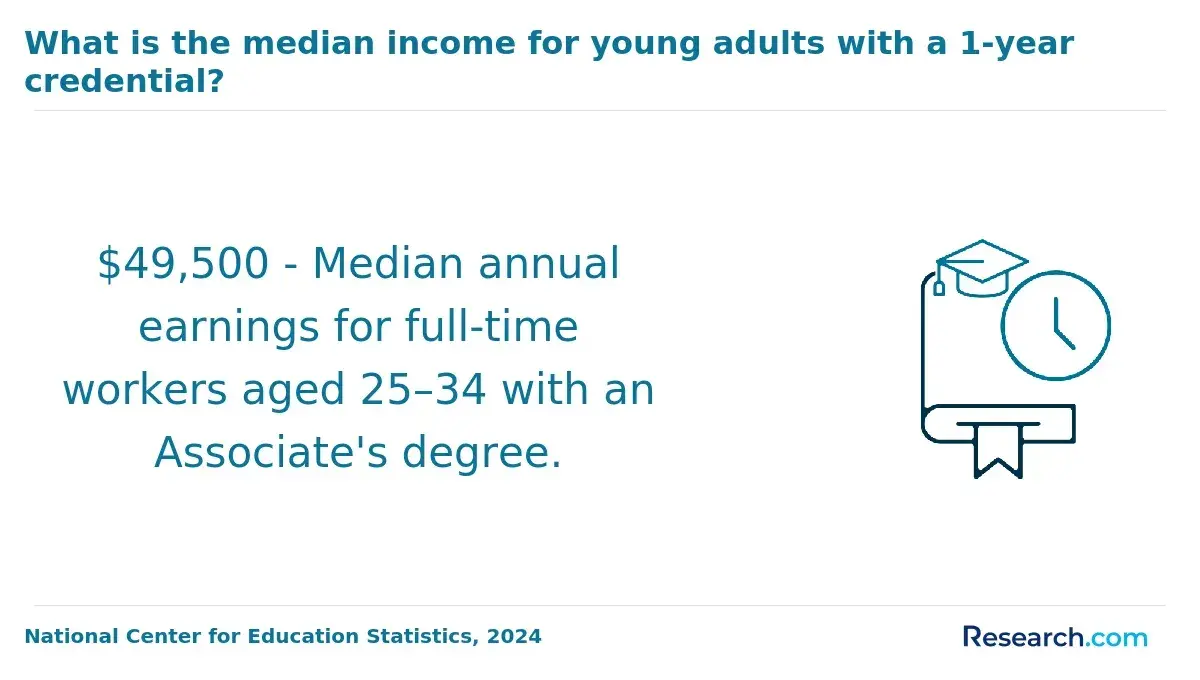
The employment landscape for human services and community support professionals varies widely by location and specialization, profoundly impacting salary and job accessibility. Median wages typically range from $40,000 to $50,000 annually, but government or nonprofit program directors and case managers can surpass $60,000 due to advanced responsibilities. Geographic disparities pose practical tradeoffs: rural areas may offer quicker placement but at lower pay, while urban markets demand stronger credentials amid higher competition.
Educational pathways require strategic considerations beyond degree selection. Entry-level roles usually mandate at least a bachelor's degree, with online programs providing cost-effective credit options, such as Purdue Global's $371 per credit rate, appealing to career changers or workforce entrants balancing budget constraints. Yet, competition with candidates holding psychology or social work degrees compels acquiring focused skills in crisis intervention, case management, and community navigation.
Employers increasingly prioritize applicants with verifiable field experience and certifications, which are critical in specialized sectors like substance abuse counseling and youth services. Prospective students must weigh program affordability against the availability of internships and state licensure routes, as hands-on training correlates strongly with employability and wage potential. The projected 18% occupational growth through 2032 signals expanding demand, but practical workforce entry requires navigating these nuanced variables thoughtfully.
Do human services roles require state licensing or certification, and how do online degrees align?
Licensing requirements for roles in human services vary widely by state and job function, significantly affecting career trajectories and educational choices. Clinical positions such as social workers typically mandate credentials like the Licensed Social Worker (LSW) or Licensed Clinical Social Worker (LCSW), while roles such as case managers often have less rigid certification demands. For example, a prospective licensed social worker must complete supervised fieldwork of 1,500 to 3,000 hours, pass standardized exams, and undergo background checks before licensure, which extends the timeline beyond degree completion.
Online human services degrees often incorporate curriculum aligned with state regulations and include practicum components essential for fulfilling supervised hour requirements. However, students must rigorously confirm that their program holds regional accreditation and meets the licensure conditions of their target state-since some states enforce strict limits on distance education eligibility for credentialing. Without this alignment, degree-holders risk entering the workforce with qualifications that do not translate into licensure, restricting advancement.
Conversely, positions in client advocacy or nonprofit program coordination frequently accept online degrees without mandatory certification but still favor candidates with professional credentials for regulatory compliance and organizational credibility.
Financially, online human services degrees frequently offer institutional aid that reduces tuition below the national average of $15,200 (2022-2023), relieving student debt challenges that otherwise hinder job entry or progression. Prospective students should consider these fiscal benefits alongside the certification realities to align educational investments with realistic employability outcomes.
How can you evaluate and choose a reputable online human services program that fits your goals?
Choosing an online human services program demands prioritizing objective performance indicators and alignment with your intended role in the field. Accreditation from established bodies like the Council for Standards in Human Service Education (CSHSE) is non-negotiable-it confirms the curriculum's alignment with employer expectations and state licensure criteria where applicable. Programs with graduation rates above 70% and documented post-completion employment within six months illustrate tangible workforce relevance, which can be a decisive factor for hiring managers.
Cost per credit hour typically ranges from $300 to $600, reflecting a competitive market shaped by quality of online delivery and institutional investment. However, tuition alone doesn't determine value; transfer credit policies and the availability of specializations such as substance abuse counseling or community outreach management merit close examination since these influence your fit for specific sectors.
Working professionals should also weigh program flexibility, considering part-time options and time-to-degree implications on earning potential and re-entry into the labor market. For careers pivoting toward clinical or counseling roles, the presence of supervised practicum placements that meet licensure requirements often separates practical programs from purely academic offerings.
Beyond academics, robust virtual student support-career counseling, tutoring, and networking-can materially improve completion rates and employability. Employers increasingly expect familiarity with relevant software and policy frameworks, so curriculums incorporating these components signal better preparation for nonprofit or government roles.
Other Things You Should Know About Human Services
Employer recognition depends mostly on the program's accreditation rather than delivery format. Reputable online degrees from regionally accredited institutions hold the same weight as traditional degrees in human services fields. However, some employers may prioritize candidates with practical field experience or those who attended programs offering strong internship placements, which can be more limited in fully online formats. When choosing an online program, prioritize those with structured practicum or fieldwork components integrated to ensure competitiveness in hiring.
Online human services programs often require more disciplined time management since students receive less direct supervision than on-campus peers. While the weekly hours might mirror traditional programs, asynchronous formats place the entire responsibility for pacing on students, which can increase stress if balancing work and family obligations. Students should assess their self-motivation levels carefully and consider programs offering frequent instructor interaction and real-time sessions to reduce isolation and maintain steady progress.
Online delivery can restrict spontaneous networking and face-to-face mentorship, which are vital in the human services sector. Without strategic networking efforts, graduates risk weaker professional connections that directly influence job referrals and career advancement. Choosing programs with cohort-based approaches, mandatory field placements, or alumni engagement events can mitigate this gap and better position students to establish meaningful ties within local community organizations and employers.
References
- Online Health & Human Services Degree https://www.marian.edu/academics/programs/bachelors/online/health-human-services.php
- What can you do with a bachelor's in human services? | edX https://www.edx.org/resources/what-can-you-do-with-a-bachelors-in-human-services
- Online Bachelor's Degrees in Human Services: Top Schools https://www.edumed.org/online-schools/human-services-degrees/bachelors/
- 2025 Most Affordable Online Human Services Degrees https://www.onlineu.com/most-affordable-colleges/human-services-degrees
- Health and Human Services: Campus & Online Degrees and Careers https://www.publichealthonline.org/human-services/online-degree-programs/
- FloridaShines Careers in Human Services https://www.floridashines.org/careers-human-services
- FAQ https://www.cshse.org/faq
- Social & Human Services - Social Services (A45380E) (ONLINE) https://richmondcc.edu/academics/degrees/social-human-services-social-services-a45380e-online
- Social and community service workers | WorkBC https://www.workbc.ca/career-profiles/social-and-community-service-workers
- Current and Projected Trends in Human Services https://humanswhoserve.wp.txstate.edu/current-and-projected-trends-in-human-services/