2027 Best Online Human Services Programs for People-Focused Professionals

Co-Founder and Chief Data Scientist
When juggling full-time work and family obligations, choosing an online human services program that balances flexibility with rigorous, career-focused training is critical. Nearly 60% of adult learners now favor asynchronous formats that accommodate unpredictable schedules, according to the National Center for Education Statistics, signaling a shift toward education models prioritizing accessibility and temporal autonomy. Yet not all programs guarantee quality practical experience or clear pathways to advancement, which complicates decision-making for professionals aiming to pivot or elevate their roles.
This article evaluates top online human services programs designed for people-focused professionals, emphasizing factors like admissions flexibility, workforce alignment, and tangible career outcomes to guide informed program selection.
Key Things You Should Know
- Online human services programs in 2026 show a 23% higher completion rate when paired with in-field practicum placements, reflecting employer preference for candidates with measurable experiential competence.
- Employers increasingly require specialized certifications embedded within programs, pressuring students to balance extended coursework with rising costs, where 40% report debt-induced delays in licensure according to the National Center for Education Statistics.
- Programs concentrated in urban hubs offer faster job placement but limit accessibility for rural students, producing geographic labor market inefficiencies documented by the Bureau of Labor Statistics in 2025 workforce mobility data.
What is an online human services degree and who is it best suited for?
The appeal of an online human services degree lies in its ability to provide flexible, practical training for people-focused professionals balancing multiple obligations. Such programs prepare students for roles like case managers or behavioral health technicians, who must navigate complex community systems while adapting to varied client needs. For example, a full-time retail employee can complete coursework around variable shifts, using practicum placements at local agencies to build relevant skills without sacrificing income.
Employers demand measurable competencies including client-centered communication, crisis intervention, and eligibility assessment. Consequently, human services programs with strong field placement components increase graduate marketability and meet these real-world expectations. Candidates prioritizing specialization, such as healthcare or criminal justice contexts, must weigh electives and certification options carefully to align with nuanced industry standards.
Online human services degree benefits for people-focused professionals extend beyond access: the Bureau of Labor Statistics projects over 313,700 annual job openings through 2034, representing growth and replacement. However, the decision requires scrutiny of accreditation, internship availability, and employer reputation to optimize post-graduation employment outcomes.
For those considering advanced qualifications, exploring counseling PhD programs offers a pathway to deepen expertise and credential value within the broader social services sector.
Ultimately, the best online human services programs for career advancement balance flexible delivery with embedded experiential learning, enabling students to translate education into effective service delivery and competitive positioning.
How do online human services programs work compared to traditional on-campus degrees?
Online human services programs offer flexibility unmatched by traditional degrees, catering primarily to working professionals and caregivers through asynchronous coursework. However, this convenience comes at the cost of logistical challenges in securing the practical training that employers deem vital. For instance, a social work student enrolled online must independently find and arrange fieldwork or internships, delaying workforce entry compared to on-campus peers who benefit from university partnerships. This disparity affects opportunities to build resumes and networks, particularly within community agencies that prioritize referrals and applied experience.
The benefits of online human services education versus campus learning hinge on balancing this flexibility with tangible hands-on exposure. Employers generally favor candidates who demonstrate interpersonal skills refined through face-to-face interaction alongside academic credentials. Programs that incorporate hybrid elements or require on-site practicums better position graduates for competitive placements and salary potential, especially as the median wage for community and social service roles was $57,530 in May 2024.
Decision-makers evaluating how online human services programs differ from traditional degrees in the United States should consider local practicum accessibility and alumni engagement. These factors mitigate the risk of earning a diploma without the experiential depth demanded by employers in this emotionally demanding sector.
For those exploring specialized career paths within this field, researching various degrees in counseling can clarify which credentials best align with professional goals and licensure requirements.
What types of online human services degrees are available, from certificates to master's?
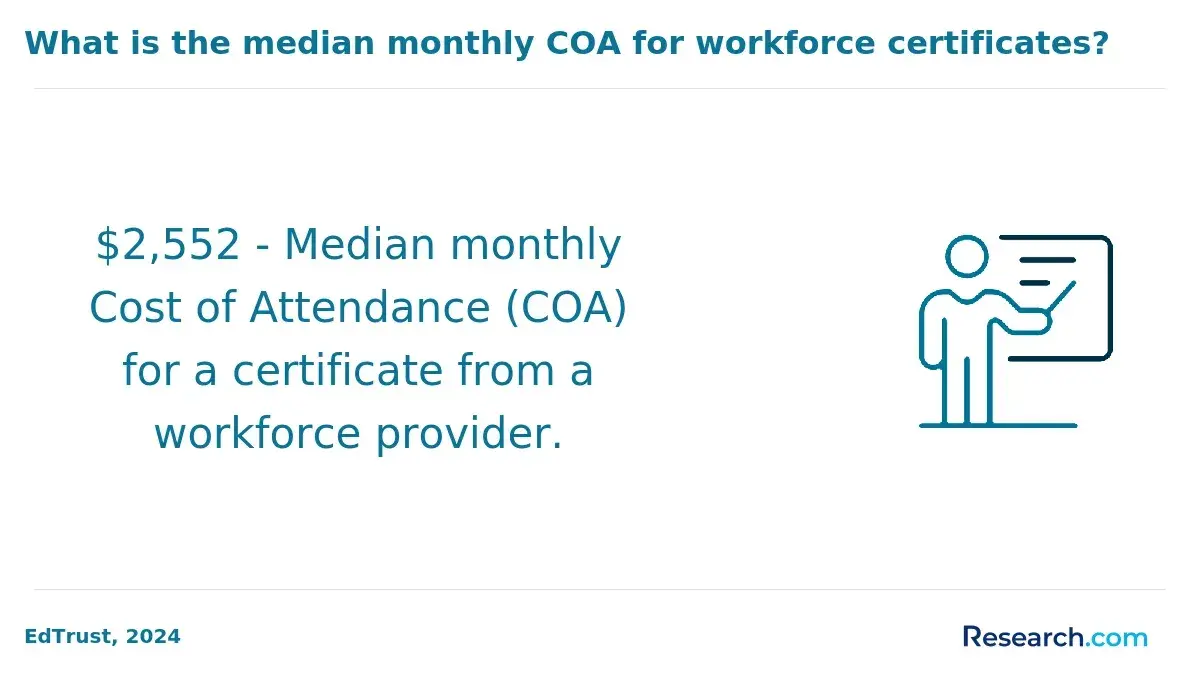
Choosing an online human services degree program requires balancing immediate job entry with longer-term career goals. Certificates offer foundational skills in case management and crisis intervention within six to twelve months, suitable for rapid workforce entry but rarely opening pathways to clinical or managerial roles. Associate degrees mix general education and human services specialization, positioning graduates for assistant roles amid projected 12% job growth for social and human service assistants by 2031. However, these degrees limit advancement in roles demanding policy influence or supervisory authority.
Bachelor's degrees build on practical and theoretical knowledge, preparing students for positions that involve direct client services, program development, and supervision. Employers increasingly expect such credentials for roles in case coordination and grant writing. For those pursuing elevated credentials, master's programs-such as the social work masters programs-are essential for clinical licensing and leadership tracks but require substantial investment in time and finances.
Understanding these differences is critical. For instance, a working parent seeking swift employment may prioritize certificates or associate degrees, while professionals targeting licensure or administration must consider master's degrees despite higher upfront costs. These online human services degree programs vary significantly in scope and outcome, demanding strategic choice based on real-world employability, program duration, and future occupational demands.
How can you verify accreditation and program quality for online human services schools?
Verification of accreditation fundamentally shapes the practical utility of any online human services program. Regional accreditation by recognized agencies such as the Middle States Commission or WASC signals compliance with comprehensive academic standards and eligibility for federal financial aid, which employers and licensing bodies often require. More critically, programmatic accreditation from organizations like the Council for Standards in Human Service Education (CSHSE) directly impacts alignment with professional competencies and credential recognition in the field.
Evaluating quality of online human services schools demands close scrutiny of outcomes data, including graduation rates, licensure exam passage, and post-graduation employment, which frequently exceeds 80% within six months for top-performing programs. This data reflects responsiveness to career demand, especially in sectors projected by the Bureau of Labor Statistics to grow 10% by 2031. For example, programs lacking robust internships or practicum placements may hinder essential skill acquisition and decrease workplace readiness, thereby limiting career mobility for students balancing employment or geographic constraints.
Due diligence includes cross-referencing program claims with independent education oversight to avoid schools accredited by non-recognized entities whose credentials might obstruct licensure or advancement. Prospective students should also consider the practical balance between curriculum quality, employer recognition, and real-world integration typical of accredited programs.
For those comparing cost-efficiency against program quality, resources like the online masters human resources listings provide data-driven insights that can inform strategic educational investments when exploring online human services program accreditation verification.
What courses and specializations are typically offered in online human services programs?
Human services programs balance foundational knowledge with practical skill development to meet varied workforce demands, but choosing the right path requires attentiveness to specialization and licensure considerations. For instance, mental health tracks equip graduates for direct clinical roles in community clinics, while gerontology programs address the complexities of aging populations in healthcare settings. Professionals seeking clinical counseling roles must select programs with thorough practicum and supervision components, as these are often prerequisites for licensure in many states. Conversely, those focused on policy or advocacy benefit more from coursework emphasizing social justice and program evaluation.
Core curricula often include case management, crisis intervention, research methods, and multicultural competency training, which are essential for delivering culturally responsive services. However, practical training such as internships frequently poses scheduling challenges for working adults balancing personal and professional obligations.
Cost considerations profoundly impact the return on investment. For example, Florida State College at Jacksonville's $3,495 annual tuition offers tangible financial advantages but may limit access to specialized tracks or extensive practicum experiences vital for certification. Selecting a program requires weighing affordable tuition against the availability of field placements and specialization depth.
What are the admission requirements and application steps for online human services degrees?
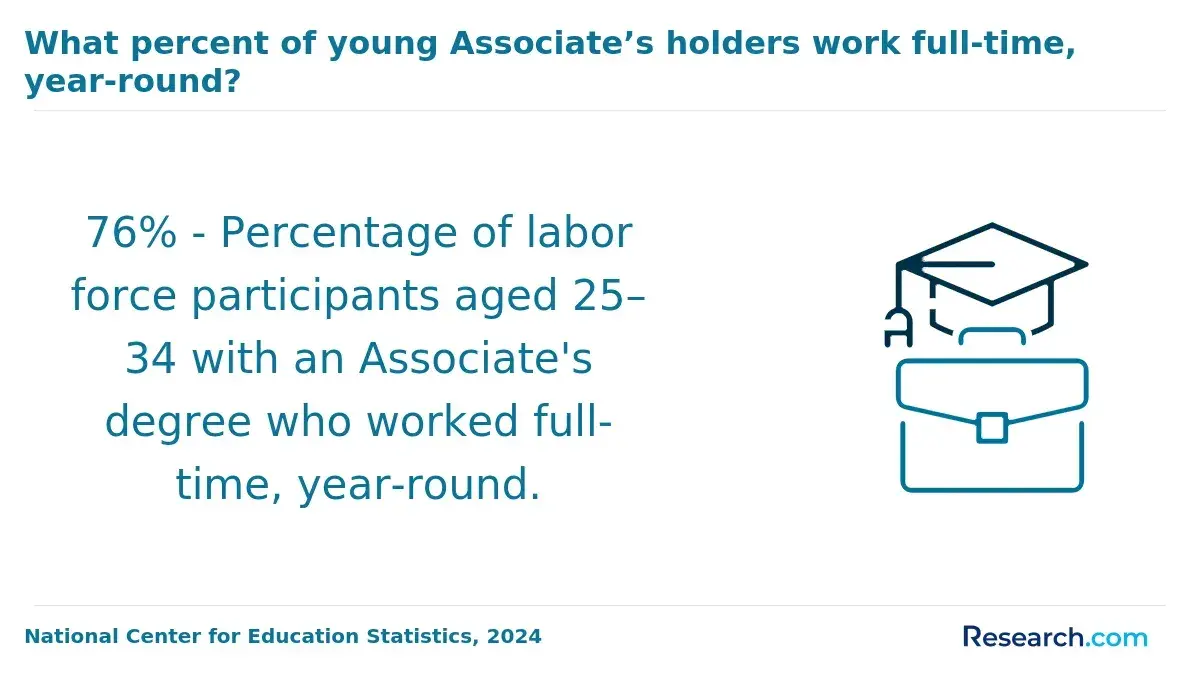
Admission to online human services degree programs demands more than baseline academic qualifications; the selective nature of these programs reflects workforce expectations for well-prepared candidates. A high school diploma or equivalent combined with a minimum GPA between 2.5 and 3.0 is standard, but employers and admissions alike often weigh relevant social service experience and clear articulation of career intentions. For example, an applicant with volunteer experience in community outreach paired with a personal statement detailing concrete professional goals will present a stronger profile.
The application process requires official transcripts, proof of residency, and completion of forms, with some programs still requesting standardized test scores-though this is diminishing especially for those with college credits. Candidates must also navigate deadlines carefully since late submissions can postpone enrollment. Working professionals should clarify availability of part-time or accelerated tracks upfront to balance education with career demands.
Cost considerations impact decision-making significantly. In-state tuition averages around $7,469 annually but spans up to $26,175 for out-of-state students, a substantial financial variance demanding thorough evaluation of budget against potential ROI. Accreditation status matters as employers in fields such as mental health and case management verify that graduates hold recognized credentials aligned with industry standards. Ensuring enrollment in rigorously accredited programs correlates with stronger employment prospects and long-term career viability.
How long do online human services programs take and what do they cost?
Completion times for online human services programs range from 1.5 to 4 years, heavily influenced by credential level and study intensity. Associate degrees typically require about two years full-time, while bachelor's degrees take three to four years unless pursued in an accelerated format. Graduate certificates and master's degrees generally complete within 1 to 2 years. Working professionals commonly select part-time or accelerated tracks, which extend duration but ease financial pressure by spreading tuition payments.
Cost structures vary notably: community colleges charge roughly $3,000 to $6,000 yearly for associate degrees, whereas public universities' online bachelor's programs cost between $7,000 and $15,000 annually. Graduate-level credentials tend toward $10,000 to $25,000 total. Students should be mindful that additional expenses-textbooks, fees, and unpaid internships-affect overall affordability and debt.
Employers emphasize credentials aligned with licensure and related field experience over speed of completion. For example, social workers making a median wage near $61,330 require accredited degrees paired with supervised fieldwork. Social and community service managers, earning approximately $78,240, often hold advanced degrees plus several years' professional experience, highlighting the value of comprehensive preparation.
What careers can you pursue with an online human services degree?
An online human services degree typically prepares students for entry-level roles such as social and human service assistants, who earn a median wage of $45,120 according to PublicHealthOnline referencing the Bureau of Labor Statistics. These positions require practical skills in connecting clients to essential resources, navigating complex eligibility criteria for aid programs, and supporting healthcare professionals through direct client services.
Employment often occurs in government agencies, nonprofits, and healthcare settings where multitasking between administrative responsibilities and client interaction is standard. Hands-on practicum experience within online programs is critical, given employers' preference for candidates adept at managing case documentation and utilizing social service databases.
Advancement beyond assistant roles generally demands additional certifications or bachelor's degrees due to licensing requirements for supervisory and clinical positions. This presents a clear tradeoff: associate-level credentials allow quicker entry with modest salary ranges, while further education supports longer-term growth in counseling or social work tracks.
When evaluating programs, prospective students should consider the rigor relative to local labor market demand to optimize educational investment against realistic job placement and earnings outcomes.
What salary ranges and job outlook can human services graduates expect?
Salary outcomes for human services graduates fluctuate considerably based on education level, role complexity, and sector. Entry-level roles such as case managers or community outreach workers generally start between $40,000 and $50,000 annually, whereas managers and specialized positions often require a master's degree and command median salaries around $78,240, according to PublicHealthOnline and OnlineU data.
The labor market anticipates a 17% growth for social and community service managers from 2024 to 2034, which exceeds average occupational expansion and signals steady demand. Yet meeting this demand increasingly depends on holding advanced credentials that align with employer expectations for leadership, complex case management, and program development.
Consider a social worker aiming to move into nonprofit supervision: without graduate-level qualifications, salary growth and role access may stagnate. By contrast, a master's credential often translates to a $10,000 to $20,000 starting pay advantage. Geographic and sector differences further influence compensation-urban and government positions tend to pay more but also require higher expertise and experience.
Prospective graduates must weigh these tradeoffs carefully. Investment in advanced training brings financial and time costs but is frequently essential for meaningful upward mobility in human services. Strategic credentialing thus supports entry into specialized areas like mental health program administration and community resource coordination, where market demand rewards targeted expertise.
Are there licenses, certifications, or background checks required in human services careers?
Licensing, certification, and background checks create distinct gatekeeping points in human services careers that directly affect employability and income potential. State licenses-mandatory for roles such as licensed social workers or certified addiction counselors-require exam passage and supervised clinical practice, representing significant time and financial investment beyond degree tuition. For example, positions in juvenile detention centers demand more rigorous screening and specialized licenses than administrative roles, placing a clear boundary on who can access these jobs.
Background checks typically involve fingerprinting and criminal history reviews through databases like the FBI or state agencies. These checks are non-negotiable in direct-care roles serving vulnerable populations, verifying candidates do not carry offenses that compromise trust or client safety. Consequently, applicants must anticipate delays or disqualifications if their records are not clean.
The combined costs of certification exams, state licensure fees, and background clearance frequently exceed several hundred dollars, which can challenge students balancing educational expenses and credentialing requirements. According to Learn.org, public institutions' online bachelor's programs in human services average $9,678 in-state and $38,768 out-of-state annually, underscoring the pressure to budget for non-tuition licensing obligations.
Practical career planning requires early engagement with state licensure boards to verify credential requirements and avoid costly credentialing delays. Employers emphasize verified credentials and clean records, shaping hiring decisions and long-term career trajectories in human services.
Other Things You Should Know About Human Services
The workload in online human services programs can be intensive due to the need to juggle coursework, online discussions, and field placements. Part-time study reduces weekly hours but extends overall program length. Prospective students should prioritize programs with clear expectations for practicum hours and consider their own capacity for balancing coursework with current employment or family responsibilities.
Employers distinguish between associate, bachelor's, and master's degrees in human services based on job role and responsibility level. A bachelor's degree is generally the minimum for case management and supervisory roles, while master's degrees open doors to clinical or management positions. Candidates should align their degree choice with career goals and verify if advanced certifications or licenses are required in their desired specialty.
Networking and fieldwork are critical in human services given the profession's reliance on community connections and practical skills. Online programs that provide structured support for locating quality practicum sites and offer active peer or alumni networks better prepare students for employment. When selecting a program, prioritize those with strong employer partnerships and transparent field placement assistance.
References
- What Careers Can You Pursue with a Human Services Degree? - Grace Christian University https://gracechristian.edu/blog/what-careers-can-you-pursue-with-a-human-services-degree/
- Bachelor of Human Services Online https://www.grace.edu/programs/human-services/
- HS-BCP Credential https://www.nationalhumanservices.org/hs-bcp-credential/
- Human Services Online - Saint Mary-of-the-Woods College https://www.smwc.edu/departments/social-behavioral-sciences/human-services-online/
- Human Services, MS Online https://www.nec.edu/programs/human-services-online-m-s
- Choosing a bachelor's in human services | edX https://www.edx.org/resources/how-to-choose-a-bachelors-in-human-services
- Online Bachelor's Degrees in Human Services: Top Schools https://www.edumed.org/online-schools/human-services-degrees/bachelors/
- FAQ https://www.cshse.org/faq
- Human Services Careers | PublicHealthOnline.org https://www.publichealthonline.org/human-services/
- Associate Degree - Human Services - Online | Monroe University https://www.monroeu.edu/academics/undergraduate-programs/school-criminal-justice/online-associate-degree-human-services